


Can My Dog Eat That? Mangos

A close-up of a pile of freshly diced yellow mango cubes.

Welcome to “Can My Dog Eat That?,” our series that answers some obvious (and not-so-obvious) questions about what your dog can and can’t safely eat. You can view some of the previous foods we’ve looked at in our “Can my dog eat that?” guide. Today we answer the question “Can dogs eat mangos?” Read on!

Mangos can be a fun and tasty treat for most dogs, but not all parts of the mango are your dog’s best friend. Watch out for the pits and the skin, as they can cause digestive issues for your dog. 

Are Mangos Good for Dogs?

Mangos are nutrient-rich fruits, providing vitamins such as A, C, E and B6. One significant benefit of a mango’s yellow/orange flesh is its beta-carotene content. Beta-carotene is an antioxidant that helps combat cell-damaging free radicals. The fiber in this soft, fleshy fruit helps support healthy digestion, but it can also have the opposite effect — eating too much mango can cause an upset stomach.

Is Mango Safe for Dogs?

The flesh of mango is safe for most dogs to eat in moderation. However, like other fruits with pits — such as peaches and avocados — mango pits (seeds) can pose choking hazards and can cause a blockage in your dog’s digestive tract. A mango seed also contains amygdalin, a chemical that breaks down into cyanide, but it’s only released if the seed is crushed or chewed and mixes with digestive enzymes.

If you’re wondering, “Can dogs eat mango skin?” the answer is no. Mango skin contains urushiol, the same naturally occurring compound found in poison ivy and poison oak, which can trigger allergic reactions in some dogs. Additionally, mango skin is tough and fibrous, making it difficult for dogs to chew and digest. Eating mango skin may increase the risk of stomach upset or even cause an intestinal blockage, especially in smaller dogs. For these reasons, it’s best to peel the mango before offering it to your dog.

When introducing a new food such as mango for the first time, start with a small amount and watch for any signs of digestive upset, such as vomiting or diarrhea. If your dog tolerates it well, mango can be a refreshing and healthy snack to enjoy in moderation. 

Can Dogs Eat Dried Mangos?

Yes, dogs can eat dried mangos, but it’s best to offer them as an occasional treat. Drying mango increases its natural sugar concentration, and too much sugar can cause digestive upset in the short term. Excessive sugar intake over time can lead to weight gain and obesity. Dried mango can also complicate blood sugar management for dogs with diabetes.

It’s best to serve fresh mango or homemade dehydrated mango to your dogs rather than store-bought dried mango or mango juice, both of which are high in sugar and may contain artificial sweeteners and preservatives. 

Before letting your dog eat store-bought dried mangos, check the ingredient list to make sure it doesn’t contain the artificial sweetener xylitol, which is extremely toxic to dogs. Xylitol poisoning is a life-threatening veterinary emergency, so if you think your dog consumed something that contains xylitol, don’t wait for symptoms to appear. Immediately contact your veterinarian or an animal poison control center for advice.

Can Dogs Have Frozen Mangos?

On a hot summer’s day, a frozen mango can be a wonderful treat for most dogs, as many dogs love the texture of frozen fruit. However, it’s important to ensure that the pieces are slightly softened to help avoid damage to your dog’s teeth. Additionally, to avoid choking hazards, make sure to cut the mango into small, chewable pieces that your dog can safely enjoy.

Can Puppies Eat Mango?

Puppies can eat mangos as an occasional treat if it is prepared properly. Make sure the skin and pit are removed, and the fleshy fruit is cut up into small bite-sized pieces to avoid any choking hazard. Because mango contains natural sugars, it should only be offered in small amounts to avoid digestive upset or unnecessary calorie intake.

Even with a safe food like mango, there is still a possibility that a puppy or dog may have a reaction. If you notice any signs of an issue, such as vomiting, diarrhea or changes in appetite, contact your veterinarian. If your pup or dog experiences difficulty breathing or choking, or if you observe signs of an allergic reaction such as itching or swelling, along with persistent vomiting or diarrhea, seek veterinary assistance immediately.

How Much Mango Can My Dog Eat?

While mango is a tasty, nutrient-rich fruit that many dogs enjoy, it should only be offered as an occasional treat rather than a regular part of their diet. Consumption of too much mango can contribute to excess calorie intake and weight gain, which increases the risk of obesity.

How much mango dogs can safely eat depends on their size, age, dietary needs and overall health. As a general guideline, a few small cubes are enough for most dogs.

Remember, treats, including fruit, should make up no more than 10 percent of your dog’s daily caloric intake; the rest should come from a complete and balanced diet. For the best feeding recommendations for your dog, consult your veterinarian.

So, yes, you can safely feed ripe mangos to most dogs, but only the flesh and only as an occasional treat. Before feeding your dog a fresh mango, make sure to remove the pit, peel the skin and cut it into small, bite-sized pieces. When prepared properly and given in moderation, this nutrient-dense fruit can be a healthy treat for your canine companion.

An interior graphic with text that reads, ‘Can my dog eat mangos? Yes’.

Behind the Breed: Bichon Frise

A small, fluffy white bichon frise puppy sitting on green grass in the sun.

Have you ever wondered about the origins of a dog breed? In our “Behind the Breed” series we’ll dive into the history, personality and physical appearance of a particular breed. We’ll also cover some of the FAQs about the breed and maybe some fun facts, too!

With a fluffy white coat, dark eyes and a plumed tail, the bichon frise dog breed is easy to picture. This small canine companion is playful, affectionate and eager to meet people. A bichon frise may look like a delicate lapdog — but this lively pet enjoys tricks, family life and staying close to their favorite people.

Bichon Frise History

The bichon frise is related to a group of small dogs with Mediterranean roots that includes the Maltese, Havanese and Bolognese breeds. It is thought that the breed originated on the island of Tenerife in the Canary Islands, where it became known as the bichon Tenerife. 

These intelligent dogs became favorites in French royal courts, but after the French Revolution changed life for aristocratic households, many bichons became performers. Their charm, agility and ability to learn tricks helped them entertain crowds in streets and circuses. The American Kennel Club recognized the bichon frise breed in the non-sporting group in 1973.

Wondering how to pronounce the name of the breed? It is commonly said “BEE-shon free-ZAY.” In French, “bichon frise” means small dog with curly hair. 

What Is the Bichon Frise Temperament Like?

The typical bichon frise temperament is friendly, curious and upbeat. These social dogs often greet strangers as potential friends. A well-socialized bichon frise dog can do well with children, cats and other dogs when introductions are positive and interactions are supervised.

Similar to other lapdogs like the Cavalier King Charles spaniel, the bichon frise was developed to stay close to people. This affection can make a bichon an attentive, affectionate member of the household. Some may become bored, vocal or anxious when left alone for long periods, so gradual practice with short absences can help a puppy feel comfortable alone.

Exercise, Training and Play

Bichons are highly trainable and often enjoy obedience, agility and rally. Positive training with praise, food rewards and play works well for many dogs. Short sessions can keep a bichon frise puppy engaged while learning basic cues, and early socialization helps puppies adjust to new people, other pets, sounds and places.

The bichon frise has moderate exercise needs. Short walks, indoor games and safe opportunities to explore can support daily activity. Bichons are also known for quick bursts of energy, sometimes called “bichon blitzes,” when they race around the home or yard before settling down.

A bichon frise pup benefits from consistent routines, positive training and mental enrichment. Puzzle toys, scent games and practicing new tricks can help channel energy. Pet parents should keep sessions brief and age-appropriate, then gradually increase activity as the dog matures.

Bichon Frise Size, Colors and Appearance

The bichon frise is a small dog breed, with a balanced body and confident stance. Adults are typically 10 to 12 inches tall and weigh between 12 and 18 pounds. Bichon frise colors are limited compared with many other dog breeds. White is best known, although apricot, buff or cream may appear around the ears or in other areas. Without trimming, a bichon frise may look like a fluffy, adorable little cloud.

Do Bichon Frise Dogs Shed?

Bichon frises do lose some hair, but loose strands are often trapped in the curly double coat instead of falling around the home. This low-shedding quality is one reason the bichon frise appears on some lists of allergy-friendly dogs.

Low shedding does not mean low maintenance. Trapped hair can lead to tangles and matting, so the coat needs frequent brushing. Many pet parents brush daily and arrange regular grooming sessions with a professional groomer for bathing, clipping and shaping. Routine care also includes nail trims, ear checks and dental care.

Are Bichon Frise Dogs Hypoallergenic?

No dog is completely hypoallergenic. Some people with dog allergies may tolerate a bichon frise better than other dog breeds because less loose hair spreads through the home. Allergens are also found in dander, saliva, urine and skin. People with allergies should spend time around the breed before adoption and speak with a medical professional. 

Bichon Frise Lifespan and Wellness

The typical bichon frise lifespan is about 14 to 15 years, although genetics, activity, preventive care and overall health influence any individual dog’s life expectancy. Regular visits with a veterinarian can keep vaccinations, parasite prevention and dental care on schedule with the dog’s life stage, while helping to identify any health changes early.

Potential bichon frise health issues include allergies, dental disease, kneecap problems, bladder stones and diabetes mellitus. These conditions do not affect every bichon, but pet parents should discuss health concerns with their vet. 

Is a Bichon Frise Right for Your Family?

For families considering the bichon frise dog breed, grooming time and companionship are important traits to understand. These small dogs can adapt to apartments and many routines, but they need attention, exercise and interaction. Whether you welcome a puppy or adult through adoption, the bichon frise can become a cheerful, loving companion.

A reputable breeder or rescue website can help you learn about available dogs and responsible placement. For the right household, the bichon frise dog breed combines intelligence, affection and playful energy in one charming little dog.

How Old Is My Cat? Converting Cat Years to Human Years

A young woman lying on a bed smiling while gently cradling two black and tan tabby cats.

Have you ever looked at your cat lounging and wondered, “How old are you compared to me?” While they may have perfected the art of looking cute and loafing, their aging process is a little more complex than it seems. Cats journey through life at a different pace than we do. Think of them as advanced for their age; your furry friend truly has a knack for making every year count!

How Many Cat Years in One Human Year?

If your cat is older than 3, then every time you buy candles for your feline friend’s birthday party you should actually buy four. Here’s why! 

Cats and humans age at very different rates, particularly during the first few years of life. Although many people are familiar with the belief that one cat year equals seven human years, this common rule is a myth that doesn’t accurately reflect how cats grow and mature. To better understand feline aging, let’s explore how to convert cat years to human years.

A cat’s first few years are marked by rapid growth and development. Kittens reach important physical and behavioral milestones much faster than human children. In fact, a one-year-old cat is roughly equal to a human teenager or young adult in terms of development. By the age of two, you can add nine more human years to their age; they are considered equivalent to a human in their mid-twenties. At this time, most cats have reached full physical maturity.

After the first two years, the aging process becomes more gradual. Veterinarians commonly estimate that each additional cat year is roughly equivalent to about four human years, although the exact ratio between human and cat years can vary.

How Old Is My Cat in Human Years?

Here’s a cat age chart to help you calculate your cat’s age: 

  • 1 cat year ~ 15 human years
  • 2 cat years ~ 24 human years
  • 3 cat years ~ 28 human years
  • 4 cat years ~ 32 human years
  • Each additional cat year ~ 4 human years

So if we keep going, a 5-year-old cat would be approximately 36 years old in human years, while a 9-year-old cat would be roughly equivalent to 52 human years. A senior cat that is 16 years old would be considered around 80 in human years, which means they are quite old for a cat.

How to Tell the Age of a Kitten

Determining the age of a kitten is important because it helps you provide the right nutrition, care and medical attention. While a veterinarian can give the most accurate estimate, several physical and behavioral clues can help you approximate a kitten’s age. Observing features such as eye color, ear position, teeth development, weight and mobility can provide valuable information about a kitten’s stage of growth.

Newborn kittens, from birth to about two weeks old, have their eyes closed and ears folded against their heads. Their eyes usually begin to open between seven and 14 days of age, revealing a blue color that remains for several weeks. By two to three weeks of age, their ears begin to stand upright, and they start becoming more aware of their surroundings.

Between three and six weeks old, kittens become increasingly active and coordinated. They begin walking, exploring and playing with their littermates and toys if provided. Their baby teeth start to emerge around two to four weeks of age, with most baby teeth present by six weeks. During this period, kittens also begin the weaning process, gradually transitioning from their mother’s milk to solid food.

From six to 12 weeks old, kittens experience rapid growth. Their eye color may start changing from blue to its permanent shade and they become more independent and energetic. By eight to 10 weeks, most kittens are fully weaned and capable of eating solid food exclusively. Weight can also serve as a rough guideline; many kittens gain approximately one pound per month during their first few months of life.

At six months old, a kitten has usually lost its baby teeth and grown its adult teeth. Additionally, female kittens may enter their first heat cycle as early as 4–6 months of age, although timing varies with season, breed, body condition and individual development.

Although these developmental milestones can provide useful estimates, individual kittens may grow at slightly different rates. If you are unsure of a kitten’s age, a veterinarian can assess factors such as teeth development, body size and overall health to provide a more accurate estimate. 

A Young Cat’s Age in Human Years 

Cats that are a little over two years old are usually considered young adults in human years. They have passed through the energetic kitten and adolescent stages, but they have not yet reached middle age. Most cats at this age are physically mature, with their full adult size, muscle tone and coat development. They are often active, curious and playful, though usually less chaotic than they were as kittens. Exploring, climbing, hunting toys and interacting with people are all part of a young cat’s game as it develops greater confidence and independence.

One way to recognize a young adult cat is by its physical condition. Cats between about two and four years old typically have bright, clear eyes, healthy skin and soft fur. Their teeth are usually white or only lightly stained, with little evidence of wear. They move smoothly and quickly, often displaying impressive agility when jumping or chasing objects. 

Life Stages Help Determine Your Cat’s Care

A kitten’s health care needs are very different compared to a mature or senior cat’s needs. To help veterinarians ensure cats receive the proper care for their life stage, the American Animal Hospital Association and the American Association of Feline Practitioners developed guidelines that define four age-related stages as well as an end-of-life stage that covers all ages. The four age-related life stages are:

  • Kitten: Birth to 1 year
  • Young adult: 1–6 years
  • Mature adult: 7–10 years
  • Senior: Older than 10 years

According to these general guidelines, if your cat is older than 10, they are considered a senior. However, your veterinarian will tailor their recommendations for your cat based on their individual health and lifestyle.

How Long Do Cats Live?

The average cat’s life expectancy is typically 13 to 17 years. But it’s not uncommon for cats to reach their late teens or even early twenties. However, their life expectancy can vary based on several factors, including the breed of the cat, neuter status, health issues and whether it is an indoor or outdoor pet. A cat’s environment plays a significant role in determining its lifespan.

Most outdoor cats have a shorter lifespan of about 2 to 5 years. Outdoor cats face a higher risk of harm or injury from other cats and wild animals, such as coyotes. They are also more likely to be involved in accidents, such as being hit by a car.

Additionally, outdoor cats are at an increased risk of infections and infectious diseases, which can also pose a threat to indoor cats, humans and other animals. For instance, they can spread diseases like feline leukemia virus (FeLV) and feline immunodeficiency virus (FIV) to other cats, and rabies is a concern for humans. Outside cats also have a higher risk of being infected with parasites such as worms, fleas and ticks that can compromise their health. 

The average indoor cat lifespan is longer than outside cats because they are shielded from many of the hazards that can shorten a cat’s life. They are also more likely to receive regular veterinary care and consistent nutrition. Because indoor cats experience fewer injuries and illnesses, they typically enjoy a longer, healthier life than cats that spend most of their time in the wild. 

Some purebred cats are predisposed to inherited diseases that may affect lifespan, although longevity varies considerably. In contrast, mixed-breed cats often benefit from greater genetic diversity, which may reduce the likelihood of certain hereditary diseases and improve their resilience. 

The oldest cat ever recorded by the Guinness Book of World Records was Creme Puff, a mixed tabby from Austin, Texas. Born on August 3, 1967, she lived for an incredible 38 years and 3 days. 

Making Your Cat’s Years Count

Making your cat’s years count means focusing on their overall health, safety and well-being throughout their life. Providing a complete and balanced diet, maintaining a healthy weight and scheduling regular veterinary checkups can help prevent health problems and detect issues early. 

Keeping your cat indoors or in a secure outdoor enclosure reduces the risk of injury and disease, while daily play and mental stimulation support both physical and emotional health. It is also important to pay attention to changes in appetite, weight, coat and skin, mobility or behavior, as these can be signs of underlying health concerns. As cats enter their senior years, more frequent wellness exams can help to make sure that age-related health issues are being addressed.  

Understanding a cat’s age in human terms can help owners better recognize their pet’s life stage and evolving needs. Now that you know how your cat’s age converts, you may have other common cat questions. We’re here to help you learn more about your feline friend.

Can My Dog Eat That? Pickles

A close-up of a pile of fresh green dill pickles.

Welcome to “Can My Dog Eat That?,” our series that answers some obvious (and not-so-obvious) questions about what your dog can and can’t safely eat. You can view some of the previous foods we’ve looked at in our “Can my dog eat that?” guide. Today we answer the question “Can dogs eat pickles?” Read on!

If your dog loves watching you eat crunchy, salty snacks, you may wonder if sharing a bite of your pickle is a big deal. But the prickly truth is pickles are not a recommended snack for dogs. A small nibble may not cause a problem for most dogs, but pickles often have a high salt content and may contain ingredients that are toxic to dogs. If your pup likes crunchy treats, there are safer alternatives to offer instead.

Can Dogs Eat Pickles?

Pickles are made from cucumbers, but the pickling process changes what your dog is actually eating. Most pickles are cucumbers soaked in a brine made with salt, vinegar, water, dill and other spices. That brine gives pickles their familiar flavor, but it also makes them much less dog-friendly than a plain raw cucumber.

The biggest concern is sodium (salt). Dogs need some sodium in their diet, but too many pickles can add a large amount of sodium very quickly. In large quantities, salty foods can increase the risk of sodium toxicity or salt poisoning, which can cause serious harm and require veterinary care.

Are Pickles Bad for Dogs?

Pickles can be bad for dogs because of what is added to the jar of cucumbers to make them pickles. Many pickles contain garlic, onions, added spices, sugar or other ingredients that are not healthy for dogs. Garlic and onions are especially concerning because they can damage a dog’s red blood cells.

Vinegar, brine and other spices may also upset a dog’s stomach. Even if the pickle does not contain ingredients considered toxic, the high sodium content alone makes it a poor snack choice. This is especially true for dogs with certain health problems, including kidney concerns, heart disease or other conditions where salt intake needs to be carefully monitored.

Can Dogs Eat Dill Pickles?

Fresh dill itself is not usually a concern for dogs in small amounts. The problem with dill pickles is the brine and added ingredients. Dill pickles can still be very salty, and some varieties include garlic, onions, mustard seed, peppercorns or other spices. Because recipes vary, one jar of dill pickles may be different from another. Some may be relatively simple, while other pickles may contain seasonings that are harmful to dogs. 

Can Dogs Eat Sweet Pickles?

Sweet pickles are not a better option for dogs. They often contain added sugar, and sugary foods can contribute to weight gain and dental issues if fed regularly. Some sweet or low-sugar products may also contain xylitol, which is toxic to dogs.

Sweet pickles and relish can also include garlic, onions or other flavorings. Since relish is chopped and mixed, it can be harder to tell exactly what ingredients are included. For that reason, it is best to avoid feeding relish or sweet pickles to your dog.

Can Dogs Drink Pickle Juice?

No, dogs should not have pickle juice. Pickle juice is mostly brine, which means it can be extremely high in salt and vinegar. It may also contain garlic, onions, dill, spices or flavoring from the jar.

Because pickle juice is liquid, dogs drink pickle juice faster than they would eat pickles, which can make it easier for them to consume too much salt. Keep pickle jars sealed and out of reach, and do not pour pickle juice over your dog’s food.

What Should You Do If Your Dog Ate Pickles?

Pickles are not an ideal snack, but a single small bite may not be a serious concern for every dog. Offer fresh water and watch for symptoms such as diarrhea, vomiting, excessive thirst, lethargy, loss of appetite or signs that your dog is uncomfortable.

Call your veterinarian if your dog ate a large amount of pickles, drank pickle juice or ate pickles that contain garlic, onions, xylitol or spicy ingredients. You should also call your vet if your dog is very small, has existing health problems or is showing adverse reactions that worry you. Your veterinarian can give advice based on your dog’s size, health history and how much they ate.

Healthy, Alternative Snacks for Dogs

If your pup wants a crunchy snack, plain raw cucumber is a better choice than pickles. Cucumbers are lower in salt and do not contain the same brine, vinegar or added spices. Wash the cucumber, cut it into small pieces and serve it plain with no seasoning, dip or dressing.

Other simple vegetables, such as green beans or carrots, may also be appropriate treats for some dogs. As with any new food, introduce small amounts slowly and limit treats to less than 10 percent of your dog’s recommended daily calorie intake.

The Bottom Line on Dogs and Pickles

Pickles may seem harmless because they start as cucumbers, but the salt, vinegar, brine and added ingredients make them a risk to your dog’s health. A small bite may not cause a problem for some dogs, but pickles are not a snack you should intentionally feed your dog. When in doubt, skip the pickle jar and choose a dog-friendly snack instead.

An interior graphic with text that reads, ‘Can my dog eat pickles? No’.

Cat Acne: Common Symptoms & Treatments

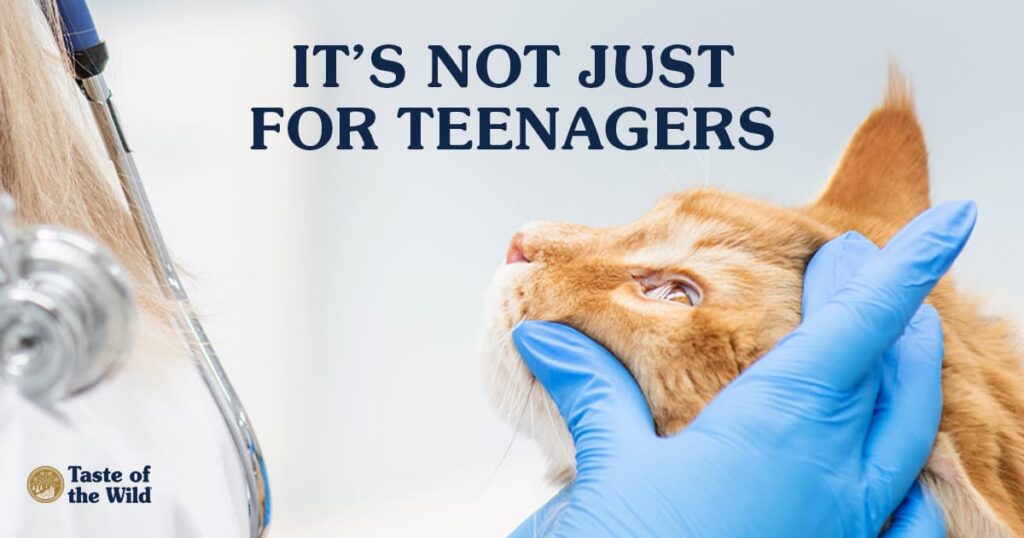
A close-up of a veterinarian wearing blue gloves while gently examining the face of a ginger cat during a check-up.

Just like humans, cats can suffer from acne, regardless of their age, breed or gender. You might think it’s just a little dirt or food stuck to your cat’s chin — until you notice it’s been there all day. That’s why it’s important to recognize the signs of feline acne and how you can help prevent it from occurring in the first place. 

What Is Feline Acne?

Feline acne, also known as cat chin acne, is a common skin condition caused by clogged hair follicles that may be intermittent or chronic. It occurs when there is excessive production of keratin, a protein found in the outer layer of the skin. When excess keratin gets trapped in hair follicles, comedones or blackheads begin to form. If these comedones become infected with bacteria, pustules may develop. Acne typically affects a cat’s chin, lower lip and upper lip.

What Does Cat Acne Look Like?

Recognizing cat acne can be challenging, as its signs often resemble those of other skin conditions. The first noticeable sign is usually the appearance of black dots on your cat’s chin, which may look like dirt. These small black spots are a sign your cat has mild acne. Over time, these specks can develop into red bumps, blackheads and infected hair follicles. You might also observe persistent scratching or discomfort when you or your cat touches their chin, along with crusty lesions if the condition becomes chronic. Cats with chronic chin acne will rub or paw at the area, which can cause bleeding. With some cat chin acne, there can be hair loss in the infected area. 

Cat Acne Treatment Options

Treatment for mild cases of cat acne usually begins with gentle cleansing of the affected area. Your veterinarian may recommend a benzoyl peroxide product or an antiseborrheic shampoo to help remove excess oil and clear blocked hair follicles. Many cats also benefit from fatty acid supplements, particularly omega-3 fatty acids, which may help reduce inflammation and support skin health. Always check with your veterinarian before giving your cat any form of supplement. 

In some cases, keeping the hair around the chin clipped short can make the area easier to clean and prevent irritation. Using medicated cleansing wipes can also be used to clean the area. Avoid attempting to pop or pick at the acne, as this can lead to serious infections. Never treat your cat with human acne medication because it could be too strong for your feline friend. 

Good hygiene of your cat’s environment is also important. Plastic food and water bowls can sometimes contribute to chin irritation and acne. Plastic bowls are porous and easily scratched, creating tiny crevices where bacteria and oils can accumulate. Switching your cat’s food bowls to ceramic, glass or stainless steel may help reduce bacterial buildup. In addition, washing food and water bowls daily can help remove oils and bacteria. These simple hygiene measures can significantly improve feline acne and, in some cases, may resolve it without additional treatment.

If the acne does not improve or shows signs of further infection, it is important to follow up with your veterinarian. For more severe, persistent or infected cases, your vet may prescribe oral or injectable antibiotics or other topical treatments such as medicated shampoo. Severely affected cats may require a referral to a veterinary dermatologist to have a more advanced treatment.

Most cats respond well to improved hygiene and simple environmental changes. If you’ve made the necessary lifestyle changes and suspect your cat’s acne is caused by an underlying issue, contact your vet, as acne can be a sign that your cat is allergic to something. Following your veterinarian’s instructions carefully gives the best chance for successful treatment and long-term control.

Cat Chin Acne vs. Mites

Cat chin acne and mite infestations can sometimes look alike, but they are very different conditions with different causes and treatments. Cat acne is usually caused by clogged hair follicles and excess oil production, while mites are tiny parasites that live on or in the cat’s skin.

Mites often cause intense itching, irritation, hair loss, flaky skin and scabs. Depending on the type of mite, symptoms may appear on the ears, face, neck or other parts of the body. Unlike cat acne, some types of mites are contagious between animals. Mites are typically diagnosed using a skin scraping or microscopic examination to detect the parasites.

In most cases, feline acne is a manageable condition that responds well to proper hygiene, environmental changes and veterinary care when needed. With early detection and understanding the difference between acne and other skin conditions such as mites, pet owners can help keep their cats comfortable and healthy.

Cat Acne FAQs

How Is Cat Chin Acne Diagnosed? 

Diagnosis is generally based on your cat’s medical history and clinical signs. Occasionally, blood and urine tests, skin cytology (looking for bacteria/yeast or unusual cells) and culture and sensitivity tests are required. In severe cases, skin biopsy may be recommended to rule out other skin diseases.

Is There Something I Can Do to Prevent Cat Acne?

Gently wiping the area after meals can help remove food residue and oils that may contribute to breakouts. Use a clean washcloth soaked in warm (not hot) water and hold it gently against the affected area for a few minutes once or twice daily. Using a warm compress can help soften debris, reduce swelling and soothe irritation. 

Is Cat Acne Contagious?

No. Cat acne is not contagious to humans or other cats. However, if another contagious skin condition is present, your veterinarian can advise whether additional precautions are needed.

Can Diet Cause Cat Acne?

Diet is not usually the direct cause, but food allergies or sensitivities may contribute in some cats. A complete and balanced diet will support your cat’s skin health. Your veterinarian can help determine if their diet may be playing a role.

What Are Some Causes of Cat Acne?

Experts aren’t sure what causes it. It has been suggested that it could be associated with a virus. Underlying skin diseases, allergies, autoimmune disease or poor grooming may also contribute to recurring acne. Additionally, stress can weaken your cat’s immune system, making them more prone to skin issues in general.

Behind the Breed: Basenji

A brown and white Basenji dog sitting on a stone ledge in the sun.

Have you ever wondered about the origins of a dog breed? In our “Behind the Breed” series, we’ll dive into the history, personality and physical appearance of a particular breed. We’ll also cover some of the FAQs about the breed and maybe some fun facts, too!

Basenji dogs may be small, but they have a personality that is hard to miss. Often called Africa’s barkless dog, the basenji is an alert, energetic and intelligent breed known for its tightly curled tail, upright ears, wrinkled forehead and curious nature.

The breed is sometimes described as cat-like because they are clean, independent and often particular about their surroundings. They can be affectionate with their people, cautious around strangers and quick to chase something that catches their eye. For the right family, they can be a playful, loyal and entertaining companion.

The History of the Basenji Dog Breed

The basenji is an ancient breed with roots in Central Africa, particularly the Congo region. These dogs were originally valued as hunting dogs because of their speed, agility, alertness and ability to work quietly. Their name is often connected to dogs used by local hunters, and the breed’s reputation as a sweet-faced hunter still fits the way many people see them today.

Just like the shiba inu, basenji dogs are classified as a basal breed, meaning they predate modern dog breeds. Today, they are recognized by the American Kennel Club as part of the hound group.

Why Is the Basenji Called a Barkless Dog?

The basenji is famous for being a barkless dog, but that does not mean the breed is silent. Instead of a typical bark, they are known for their unique yodel or chortle. Many owners describe the sound as one of the breed’s most memorable traits.

Because these dogs were used to hunt, their quieter nature may have been useful in the field. Still, a basenji left to its own devices can make noise in other ways, especially if bored, lonely or looking for attention.

Basenji Temperament and Personality

The basenji temperament is often described as smart, alert, playful, independent and energetic. Basenjis can be affectionate with family members, but they may be more reserved with strangers. Early socialization can help basenji puppies grow into more confident, well-behaved adult dogs.

This breed tends to think for itself. That independence can be fun, but it can also make training more challenging than with some other breeds. Basenjis may not respond well to long, repetitive training sessions. Short lessons, patience and positive reinforcement usually work best.

Because basenjis were bred to hunt, they may have a strong instinct to chase. Families with cats or other dogs should introduce pets carefully and supervise interactions. Some basenjis live well with cats and other dogs, especially when raised with them, but every dog is different.

Basenji Size, Colors and Appearance

Basenji size is one of the reasons the breed appeals to people who want an athletic dog in a smaller package. Males are typically slightly larger than females. Adult males are often about 17 inches tall and around 24 pounds, while females are usually about 16 inches tall and around 22 pounds.

A basenji’s ears are upright and alert, and their ears help give the breed its sharp, curious expression. The breed’s tightly curled tail, clean lines and light, athletic build make it stand out from many other breeds.

The basenji has a short, smooth coat that is easy to recognize. Common colors include chestnut red, pure black, tricolor and brindle. A brindle color pattern includes dark striping over a lighter base color. Many also have white feet, a white chest, white markings or a white tail tip. Black, tan and white markings may also appear in tricolor dogs.

Grooming a Basenji

Basenjis are short-haired dogs, so grooming is usually simple. Their coat can often be maintained with occasional brushing using a soft-bristle brush. Regular brushing can help remove loose hair and keep the coat looking healthy. Owners should also trim nails, check ears and keep up with dental care. Like all dogs, basenjis benefit from regular veterinary care and a consistent grooming routine.

Basenji Exercise Needs and Activities

Basenjis have moderate to high exercise needs. These dogs enjoy movement, exploration and play. A daily walk is helpful, but many basenjis also need time to run, play fetch or work through activities that challenge their minds. Because they are quick and agile, basenjis can do well in dog sports like agility and lure coursing. Lure coursing is especially fitting for basenjis because it gives them a safe way to use their natural chasing instinct.

A well fenced yard can be helpful, but owners should not assume a basenji will stay put just because a fence is present. Basenjis are curious, athletic and clever. They may look for openings or try to follow something interesting. Some owners find that two basenjis can keep each other company, but adding another dog should always be considered carefully. Like any breed, basenjis need structure, supervision and training.

Basenji Lifespan and Health

The basenji lifespan is typically around 13 to 14 years. Many basenjis live active, healthy lives, but the breed can be associated with certain inherited health conditions. Fanconi syndrome is one condition sometimes discussed with basenjis. It affects the kidneys and can interfere with how the body handles nutrients and glucose. Progressive retinal atrophy is another condition that can affect vision in dogs. Responsible breeders may use genetic testing and health screening to help reduce the risk of passing certain conditions to puppies. Owners should talk with a vet about any breed-specific concerns, especially if their basenji has changes in thirst, urination, weight, appetite, vision or energy level.

What Should Basenjis Eat?

Basenjis need complete and balanced dog food that supports their age, weight, activity level and overall health. Basenji puppies, adult dogs and senior dogs all have different nutrition needs, so it is important to choose food that fits their life stage. Because basenjis are active, their diet should provide the nutrients they need to support daily energy, lean muscle and overall wellness. Owners should follow feeding guidelines as a starting point, then adjust based on body condition and guidance from their veterinarian.

Is a Basenji Right for You?

Basenjis are not the right fit for every household, but they can be wonderful pets for people who understand the breed. They are intelligent, active and independent dogs that need exercise, enrichment, training and patience.

A basenji may be a good match if you want a clean, clever and playful companion with a long history and a one-of-a-kind personality. With their curled tail, alert expression and famous yodel, basenjis continue to stand out in the dog world.

Can My Dog Eat That? Ice Cream

A colorful assortment of various ice cream scoops packed closely together, featuring shades of mint green, orange, purple, pink and yellow.

Welcome to “Can My Dog Eat That?,” our series that answers some obvious (and not-so-obvious) questions about what your dog can and can’t safely eat. You can view some of the previous foods we’ve looked at in our “Can my dog eat that?” guide. Today we answer the question “Can dogs eat ice cream?” Read on!

It’s hard to say no to those puppy-dog eyes begging you for a taste of your ice cream cone. And who can blame them? It’s just soooo good! However, it’s best to turn away and avoid those begging eyes as ice cream is not recommended for dogs. 

Is Ice Cream Bad for Dogs?

Giving your dog ice cream is not advisable. While it’s not toxic, traditional ice cream contains high levels of sugar and fat that can be problematic for dogs. Too much ice cream at once could result in pancreatitis, a potentially serious and painful condition. Over time, too many calories from ice cream can lead to weight gain and obesity and various associated health risks.

Buying low-calorie ice cream doesn’t solve the problem either, as some low-sugar or sugar-free ice cream contain artificial sweeteners that are toxic to dogs. One dangerous artificial sweetener, xylitol, can cause a significant drop in a dog’s blood sugar levels, leading to extreme hypoglycemia and even liver failure. Xylitol may be listed on the ingredient label as wood sugar, birch sugar or birch bark extract, so it’s important to check the label for those alternative names. Contact your veterinarian if you are worried your dog has ingested a toxic sugar substitute. 

Like humans, many dogs can be lactose intolerant and are not able to break down lactose in ice cream, milk and other dairy products. The inability to break down the lactose enzyme can cause digestive upset such as abdominal pain, gas, bloating, vomiting and diarrhea. 

Can Dogs Eat Vanilla Ice Cream?

As we mentioned above, vanilla ice cream isn’t a dog-friendly food, but a bite or two on a special occasion or as an occasional treat isn’t likely to harm most dogs. However, always check with your vet before giving your dog new foods.

What About Strawberry Ice Cream?

Strawberry ice cream, like any flavor of ice cream, is not a good choice for dogs because it contains high levels of sugar. The healthier option for an infrequent treat is fresh or frozen strawberries, as they are packed with fiber and antioxidants. 

Is Chocolate Ice Cream Bad for Dogs?

Yes, chocolate ice cream is harmful for dogs. Chocolate contains theobromine and caffeine, both of which are highly toxic to dogs. Avoid giving ice cream to dogs that contains toxic ingredients, including macadamia nuts, chocolate chips, rum and raisins.

Can Dogs Eat Cool Whip or Frozen Dairy Products?

Who doesn’t love a bit of Cool Whip on their dessert? While Cool Whip and whipped cream are nontoxic to dogs and are safe for most dogs to eat in small amounts, it is not recommended for them. Due to the sugar and fat content, it can cause gastric upset and pancreatitis, and weight gain if fed consistently over time. Cool Whip and whipped cream are also dairy-based, and some dogs may be lactose intolerant. Similar to ice cream, some varieties of Cool Whip and whipped cream have sugar substitutes that can be extremely toxic to dogs.

Use caution when making yogurt treats; commercial frozen yogurt can be loaded with sugar or contain artificial sweeteners such as xylitol that was mentioned earlier. Consider using safer alternatives like specifically formulated dog ice cream, dog-safe frozen treats or small amounts of plain yogurt. Dog-friendly ice cream and frozen treats that are made specifically for a dog’s digestion are free of harmful ingredients and are generally safe for most dogs to eat when used appropriately. 

Can Dogs Eat Sprinkles?

If your dog eats a small amount of sprinkles, it is unlikely that they will harm your dog. But sprinkles should not be fed in large amounts, as they could cause an upset stomach due to their high sugar content.

Other popular ice cream fruit toppings, like cherries or bananas, may make your dessert delicious, but you need to use caution regarding your furry friend. Whole cherries can be harmful to dogs, as the pits pose a choking hazard. Fresh bananas fed in moderation are a healthy treat for most dogs. However, frozen bananas need to be sliced before freezing or blended in a food processor until they are a creamy consistency. Whole bananas or large frozen banana chunks could be a choking risk. 

So, Can Dogs Eat Ice Cream?

No, ice cream is not recommended for dogs. It’s high in sugar, has minimal nutritional benefits and can cause an upset tummy, and consumption of sugar-free ice cream can be toxic to dogs. It’s best to resist giving ice cream to your dog and stick to a dog-safe treat that won’t cause both of you to regret it later.

An interior graphic with text that reads, ‘Can my dog eat ice cream? No’.

What Plants Are Toxic to Dogs?

A close-up of a lily of the valley plant, featuring several small, white, bell-shaped flowers drooping gracefully in front of vibrant, broad green leaves.

Dogs are naturally curious, and that curiosity often starts with a sniff, a lick or a nibble. That’s why it’s important to know which plants are toxic to dogs before you bring new flowers, shrubs or houseplants into your home or yard. Some plants that are poisonous to dogs may only cause mild stomach upset, while others can affect their heart, liver or nervous system and become a true emergency. 

Even chewing on the leaves, petals or stems of plants that are considered nontoxic can lead to mild symptoms like vomiting or gastrointestinal upset. So pet parents should pay attention anytime their dog gets into a flower bed, potted plant or bouquet, even if the plant itself is not considered a poisonous plant.

What Flowers Are Toxic to Dogs?

Some of the flowers commonly planted around homes are also the ones that create the most questions for dog owners about plant toxicity. Tulips and hyacinths are two of the best-known examples. Both can be toxic to dogs, and their bulbs contain the highest concentration of toxic compounds of all the plant parts. If a dog ingests any part of these plants, dog owners need to watch out for signs of drooling, vomiting, diarrhea and depression.

Lily of the valley (and many other lily species) is another flowering plant pet parents should take seriously. It can cause vomiting, diarrhea, a drop in heart rate, severe cardiac arrhythmias and potentially seizures in dogs. Peonies are also considered toxic to dogs and may cause vomiting, diarrhea and depression. Other flowers that dogs should stay away from include foxglove, mistletoe, ivy, autumn crocus and daffodils. 

Other Common Plants Poisonous to Dogs

Flowers are only part of the picture. Some of the most dangerous plants to dogs are actually common shrubs or landscaping plants. Sago palm can cause severe and life-threatening symptoms in dogs, including vomiting, bruising, liver damage, liver failure and death. The entire plant is considered toxic.

Oleander is another high-risk plant. Ingestion of this shrub may produce severe symptoms such as drooling, abdominal pain, diarrhea, depression and can cause life-threatening heart disturbances and even sudden death. Azaleas and rhododendrons can cause vomiting, diarrhea, weakness and dangerous heart rhythm abnormalities if ingested by dogs. Other examples of plants toxic to dogs include holly, philodendron, snake plant, asparagus fern and yew. There are many more harmful plants, so make sure you check the Pet Poison Helpline’s poisons database or ask your veterinarian if you’re not sure if a plant is toxic. 

These examples show why it is not enough to only ask what flowers are toxic to dogs. Pet parents should take care when purchasing shrubs, perennial plants, indoor plants, tropical plants and decorative outdoor plants before assuming they are safe for dogs to be around.

What to Do if Your Dog Eats a Toxic Plant

If you know or even suspect that your dog has eaten a part of a poisonous plant, immediately call your veterinarian or an after-hours emergency clinic, or one of the two animal poison control centers in North America:

Try to identify the plant, estimate how much your dog may have eaten and watch for signs like vomiting, diarrhea, drooling, weakness, tremors or changes in heart rate. Quick action matters, especially with plants known to affect the heart or liver. It’s important to learn how to help a poisoned pet before an emergency happens, because having a plan can save valuable time.

Popular Flowers Which Are Safe for Dogs

It’s not all bad news, however! There are still plenty of flowers, shrubs and trees you can have in your garden and in your home that are safe to have around your dog. For example, two popular houseplants, the spider plant and the ponytail palm, are considered non-toxic if dogs brush against them or nibble on them occasionally, though eating large amounts may still cause mild stomach upset.

Are Petunias Poisonous to Dogs?

No, petunias are not poisonous to dogs. Similar to other common garden flowers like marigolds and zinnias, petunias are generally considered nontoxic to dogs. That said, “nontoxic” does not mean a dog should snack on them freely. Eating a large amount of any plant material can still irritate the stomach and lead to mild digestive upset. Petunias, marigolds and zinnias are a good example of flowers that are less concerning from a toxicity standpoint but still not something you want your dog eating on purpose. Other nontoxic flowers include sunflowers, gerbera daisies and African daisies.  

How Can You Help Stop Your Dog Eating a Poisonous Plant?

The best approach to avoiding plant poisoning is prevention. Check the names of your houseplants, yard plants and seasonal flowers before bringing them home. Avoid high-risk toxic plants like sago palm, oleander, azalea, tulips, hyacinths and lily of the valley in spaces your dog can access. Keep bulbs stored securely, pick up fallen leaves or petals and discourage digging in garden beds.

A beautiful yard and a dog-friendly home can absolutely go together. The key is knowing which plants deserve extra caution and which are less concerning. When in doubt, check plant toxicity concerns before you purchase the plant.

Behind the Breed: Siamese Cats

A Siamese kitten with bright blue eyes and dark brown markings resting on the back of a beige sofa.

Have you ever wondered about the origins of a cat breed? In our “Behind the Breed” series we’ll dive into the history, personality and physical appearance of a particular breed. We’ll also cover some of the FAQs about the breed and maybe some fun facts, too!

Siamese cats are athletic, intelligent and social cats with striking features that make great family pets. They love to follow their humans everywhere and provide commentary as you’re going about your day. But that also means that Siamese cats need to be entertained, either by you, by another playmate or with plenty of cat toys and activities. 

Siamese Breed Origins

Siamese cats are one of the oldest cat breeds and are thought to have originated in Thailand (originally named Siam), perhaps as early as the 1300s. One of the first Siamese cats in the United States was a gift to President Rutherford B. Hayes from the American consul in Thailand. The modern Siamese breed was one of the first breeds recognized by the Cat Fanciers Association® when it was established in 1906. Many other cat breeds have originated from purebred Siamese cats selectively bred with other cats, including the Himalayan and Burmese breeds. 

Siamese Cat Personality

Most Siamese cats love to be involved in everything you do. Reading a book on the couch? They’ll be curled up on your lap. Cooking dinner? They’ll gladly stand beside you and tell you all about their day. Going for a walk outside? Grab the leash, they’ll come, too! Some Siamese cats will even play fetch!

Siamese cats are extremely vocal, and may be very insistent in telling anyone who’ll listen that dinner is 2 minutes late with a loud meow every few seconds. However, pet parents typically learn to live with this noisy behavior as these loyal cats develop a deep bond with their family and are typically very social and friendly with other cats, dogs and children. 

These active and smart kitties need to be kept mentally and physically stimulated. Sometimes they do better when they have a full-time companion like another Siamese cat or other active felines, or a friendly dog, if their owner isn’t able to provide constant attention. Puzzle toys, cat trees, window perches and other forms of enrichment are also useful to keep these curious kitties entertained and out of mischief.

Siamese Cat Colors

Siamese cats have a pointed coat pattern, just like ragdoll cats, which means they have a lighter body coat color with darker points on their extremities (face, ears, tail and paws). Their body colors are typically variations of white or cream and the point color varieties include seal, chocolate, blue, lilac, flame and lynx. Seal point Siamese are the most common color. Siamese kittens are born with all white fur and develop their point colors as they age. The famous blue eyes of Siamese cats come in variations of light to dark blue. 

Are Siamese Cats Hypoallergenic?

Siamese cats are not considered hypoallergenic as there are no cat breeds that are truly 100 percent hypoallergenic or allergen-free — even hairless breeds. Hair and dander aren’t what people are allergic to; the allergens are actually proteins found in cat saliva and skin glands (most commonly a protein called Fel d 1) that are spread when cats groom themselves. However, there are some cat breeds that release fewer allergens into the environment than others, including Russian blue, Javanese, Balinese, Siberian and Bengal. 

Do Siamese Cats Shed?

Siamese cats tend to shed less than other breeds, so they may be more suitable for people with cat allergies. Weekly grooming of their short, fine hair will help keep any shedding under control and keep their sleek coats looking purrfect.

How Long Do Siamese Cats Live?

The life expectancy of a Siamese cat is around 15 years, although some can live much longer, especially with appropriate veterinary care and nutritious food. They are a medium size and typically weigh around 8 to 15 pounds. Siamese cats can be prone to some health conditions such as liver amyloidosis and progressive retinal atrophy. 

Fun Facts About the Siamese Cat Breed

  • Love to talk to their humans
  • Originated in Thailand 
  • Very smart and friendly
  • Have a wedge-shaped head
  • Some can walk on a leash

Graceful and elegant Siamese cats are the perfect breed for pet parents looking for an affectionate and playful companion who loves being by their side. And with an average lifespan of around 15 years, they’ll be right there chatting away for many, many years!

Can My Dog Eat That? Pizza

A close-up of a freshly baked pepperoni pizza sitting on a wooden table.

Welcome to “Can My Dog Eat That?,” our series that answers some obvious (and not-so-obvious) questions about what your dog can and can’t safely eat. You can view some of the previous foods we’ve looked at in our “Can my dog eat that?” guide. Today we answer the question “Can dogs eat pizza?” Read on!

Pizza is a favorite comfort food for people, but that doesn’t mean it belongs in your dog’s diet. In general, pizza is bad for dogs. While a tiny bite of plain, cooked pizza crust may not always be dangerous, most pizza contains greasy toppings, salty meats, rich cheese and seasoned pizza sauce that are not healthy for your dog. Pizza is also typically high in calories, sodium and saturated fat, which can contribute to digestive issues, weight gain and other health issues over time.

Can Dogs Eat Pizza Crust?

Many pet parents asking whether dogs can eat pizza crust are really wondering whether plain crust is safer than the rest of the slice. A small piece of plain pizza crust is less concerning than a fully loaded slice, but it’s still not a nutritious treat.

Pizza crust offers very little nutritional value for your dog and is usually made from refined flour. If the crust has butter, oil, seasoning or pizza sauce on it, it is even less appropriate. So while some dogs eat pizza crust without a major problem, that does not make pizza crust a healthy addition to your dog’s diet.

If you make your own pizza crust, make sure you don’t leave yeast-based dough out anywhere that your dog could find it. If they ingest the dough, it can cause severe bloating and ethanol poisoning, which can be fatal. If you see your dog eat raw pizza dough or suspect that they have, seek emergency veterinary treatment.

Can Dogs Eat Pepperoni?

If you are asking, can dogs eat pizza with pepperoni, the better question is whether they should. Pepperoni is one of several processed meats commonly found on pizza, and it is usually very high in fat and salt. Sausage is another example of a rich topping that is unhealthy for a dog.

These meats may upset your dog’s stomach and lead to vomiting or diarrhea, especially when eaten along with greasy cheese and sauce. Because pepperoni is especially rich, even one slice of pepperoni pizza is not a smart meal for your furry friend.

Is Pizza Sauce Safe for Dogs?

Most pizza sauce is made with spices and seasoning blends. Some recipes also contain onion and garlic which are toxic to dogs. Even when pizza sauce does not contain large visible pieces of onions or garlic, it may still include these ingredients in powdered or concentrated form. That means pizza ingredients can be more complicated than they appear. 

Can Dogs Have Garlic Bread or Cheese Sticks?

Garlic bread and cheese sticks are not dog-safe options. Garlic bread can contain butter, oil, salt and garlic, while cheese sticks are often loaded with cheese and fat. These side items are not something you should feed your dog. While one small bite may not always cause a crisis, sharing food like this can upset your dog’s digestive system and is not a risk worth taking.

Can Dogs Eat Pizza Rolls?

Pizza rolls are not a good snack for your dog. Most pizza rolls are packed with meat, cheese, sauce and seasoning in bite sized pieces that are not healthy for dogs. Because pizza rolls are highly processed and often high fat, they may cause gastrointestinal upset, especially if your dog eats a large amount. Pizza rolls may also contain the same risky pizza ingredients found in regular pizza, including garlic, onions and salty processed meats. 

Better Options Than Pizza for Dogs

Rather than sharing food from your plate, stick with treats and dog foods made for canine needs. These choices fit better into your dog’s diet and are more appropriate than greasy human food like pizza. Healthy treats make a better break from routine than giving your pup a cheesy bite of takeout.

The bottom line: can dogs eat pizza? Technically, some dogs eat pizza without an emergency, but that does not make it a good idea. Pizza, pizza crust, pizza sauce and pizza toppings all come with drawbacks, and some ingredients can be harmful. It is best not to feed your canine companion pizza and to save that delicious food for yourself.

An interior graphic with text that reads, ‘Can my dog eat pizza? No’.