Contact

Support
Recipe Recommendations For Puppy Owners Health and Nutrition Tips All Dog Articles Personalized Feeding Guide Compare Recipes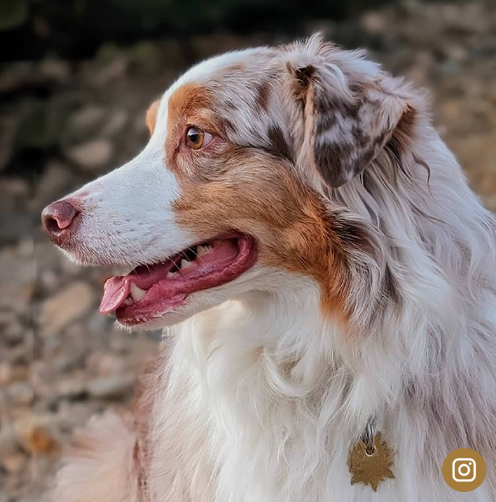
Virtual Pet Park
Explore our wild world of adorable pet photos and videos.
Support
Recipe Recommendations Health and Nutrition Tips All Cat Articles Personalized Feeding Guide Compare Recipes
Virtual Pet Park
Explore our wild world of adorable pet photos and videos.
 Where to Buy
 Contact Us
Dog Haircuts: A Complete Dog Grooming Style Guide
Category: Grooming & Care

Dog grooming is definitely not one-size-fits-all. Some breeds, like poodles or shih tzus, require regular professional grooming due to their specific coat types. Other breeds such as beagles or French bulldogs typically don’t need haircuts but do benefit from a thorough bath and regular brushing. If you’re a first-time dog owner or grooming your dog for the first time, here are a few important things to consider before you start.
Why Groom Your Dog?
Regular grooming can help prevent problems such as matting and overgrown nails, and may help identify skin, ear or eye issues. Grooming also helps improve your dog’s appearance, comfort and overall health, especially during excessive shedding periods. Regular brushing can also help you spot health concerns early, such as changes in your dog’s skin, lumps or parasites.
Every dog has unique grooming needs based on their breed, coat type, age and lifestyle. For example, dogs with long hair may require frequent brushing to prevent tangles and mats, while short-haired dogs may only need occasional or weekly brushing to remove loose hair and keep their skin healthy.
Double-coated breeds or breeds with thick coats like golden retrievers and Australian shepherds often need special attention. Their coat thickness can affect how often they should be brushed and groomed. Some double-coated breeds may benefit from daily brushing, especially during seasonal shedding periods, to remove loose undercoat hair and prevent matting.
Curly-coated breeds, such as poodles and bichon frises, often suit haircut styles like the teddy bear or puppy cut to help manage curls and prevent mats. Dogs with fine hair, including Maltese and Yorkshire terriers, can benefit from neat, medium-length trims that reduce tangling while preserving their soft, silky appearance.
Our complete guide to pet grooming has helpful tips and best practices you can do at home for keeping your pet clean, comfortable, healthy and looking their best.
How to Make a Dog Grooming Session Successful
Most professional groomers start by speaking with pet owners and evaluating their dog. They may ask about your dog’s health and whether they are up to date on their vaccines. Make sure that, during the evaluation, you talk to your groomer about what cut you would like. Similar to when you go to a new hair salon, it’s good to have pictures to reference the style you want for your dog. Your groomer can help you decide which cut works best for your dog based on their coat. During the consultation, inform your groomer of any issues your dog may have, such as sensitivity to sound, anxiety, skin irritation or special handling requirements.
The grooming process typically starts with a brush and comb to remove loose hair, tangles and debris. This step helps the water and shampoo penetrate the coat during bathing. Next, your dog is bathed using water and dog-safe shampoo to clean the coat and prepare it for cutting. After the bath, your dog is towel-dried and blow-dried to remove moisture and loosen the undercoat.
Once their fur is dry, a post-dry brushing is done to eliminate any remaining tangles, even out the coat and prepare it for a haircut tailored to your dog’s breed, coat condition and individual needs. This ensures a neat and comfortable appearance. Additionally, you can opt for extra services to enhance your dog’s appearance and well-being, such as nail trimming, ear cleaning, paw pad cleaning, teeth brushing and anal gland expression (only if recommended by your vet).
What Are Some Popular Dog Grooming Styles?
Dog grooming styles or haircuts can come in many different shapes and lengths. Some styles are maintained due to breed specifics, while others are based on comfort and hygiene. Each style has its own benefits and can depend on several factors.
Teddy Bear Cut
This cut is great for small or fluffy breeds. The hair on their body is trimmed to an even length, while the hair around their face is left slightly longer and carefully rounded. This creates a full, rounded head and adorable facial appearance that resembles a teddy bear.
Kennel Cut
This low-maintenance option is a short, uniform cut. The fur is trimmed to the same length all over their body, which helps prevent mats. A kennel cut is great for active dogs and makes brushing and bathing at home easier.
Lamb Cut
This cut gives a soft, fluffy look similar to a lamb. The hair on the dog’s body is trimmed shorter while their legs are left longer and fuller. This cut is popular for curly or wavy coat breeds.
Lion Cut
You may notice this grooming style on both small and large breeds. In this style, their body is shaved down close to the skin, while leaving thick, long fur on their head, chest, neck, legs (often referred to as “boots”) and the tip of their tail.
Poodle Cut
This classic style is for poodles but can be used for other breeds. The fur is longer on their head, ears and legs, while their body is cut shorter. Many times you will see a rounded or “pom-pom” shape to their fur.
Summer Cut or Puppy Cut
This cut usually means taking the coat shorter in the hot weather and all one length. The exact length can vary; it is best to tell your groomer a specific length, like a half inch all over. You might also hear this cut referred to as a puppy cut, even though it has nothing to do with the age of your dog.
Shaved
Shaved is just as it sounds; cutting the coat very short using clippers. Although it may seem contrary to logic, shaving a dog with a double-layer coat can actually do more harm than good. Close shaving can expose your dog’s skin to the sun and insects, and may alter normal coat regrowth in some double-coated dogs. Remember dogs regulate body temperature through panting, and don’t sweat other than on their nose and paws. There are other ways to help keep your dog cool in summer. If you do decide to shave a dog who has a single-layer coat, talk to your groomer about keeping the length suitable for their coat type and lifestyle.
Haircut Styles for Puppies
When choosing a puppy hairstyle, comfort should always come first, especially for young puppies who are still getting used to grooming. Regular brushing and gentle grooming sessions can help your pup become more comfortable being handled as they grow.
Small Dog Haircut Styles
Small dog haircut styles can keep your dog looking cute, comfortable and well-groomed. Popular styles include the puppy cut, teddy bear cut and lamb cut. You may also see a top knot with a cute bow on some small dogs to help keep their hair out of their eyes.
At the end of the day, a dog haircut is more than just a fresh look; it’s part of your dog’s well-being. Whether your furry friend needs a simple trim or a full grooming session, regular grooming is a wonderful way to show them the love and care they deserve!
The information in this blog has been developed with a Doctor of Veterinary Medicine and is designed to help educate pet parents. If you have questions or concerns about your pet’s health or nutrition, please talk with your veterinarian.