Contact

Support
Recipe Recommendations For Puppy Owners Health and Nutrition Tips All Dog Articles Personalized Feeding Guide Compare Recipes Food Cost Calculator
Virtual Pet Park
Explore our wild world of adorable pet photos and videos.
Support
Recipe Recommendations Health and Nutrition Tips All Cat Articles Personalized Feeding Guide Compare Recipes Food Cost Calculator
Virtual Pet Park
Explore our wild world of adorable pet photos and videos.
 Where to Buy
 Contact Us
Cat Acne: Common Symptoms & Treatments
Category: Health
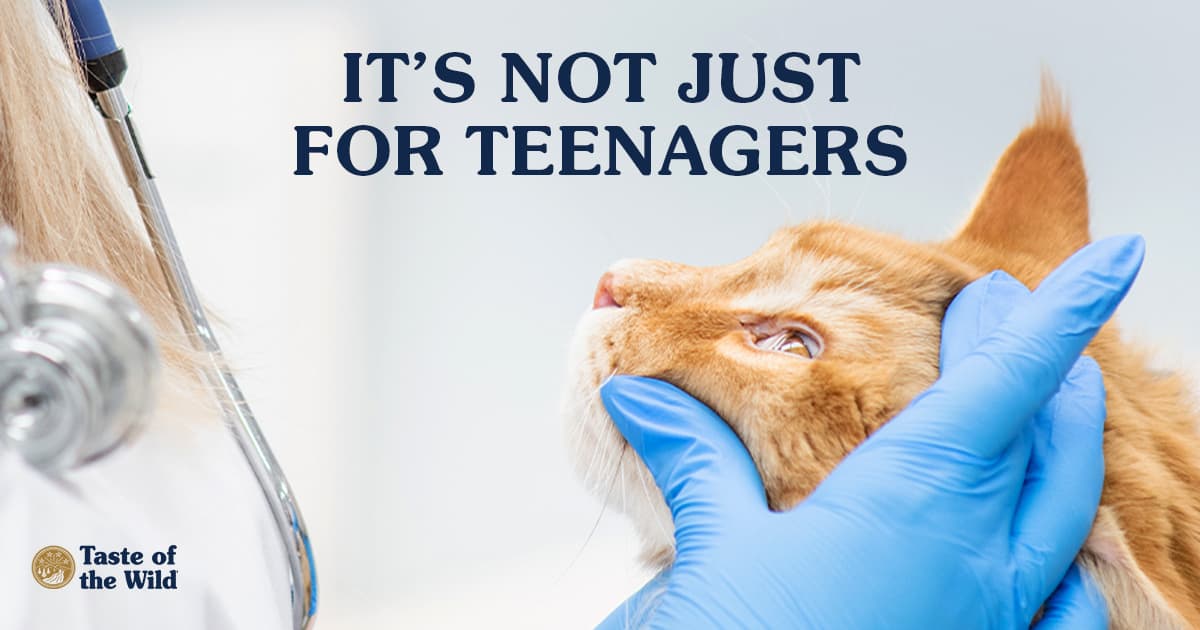
Just like humans, cats can suffer from acne, regardless of their age, breed or gender. You might think it’s just a little dirt or food stuck to your cat’s chin — until you notice it’s been there all day. That’s why it’s important to recognize the signs of feline acne and how you can help prevent it from occurring in the first place.
What Is Feline Acne?
Feline acne, also known as cat chin acne, is a common skin condition caused by clogged hair follicles that may be intermittent or chronic. It occurs when there is excessive production of keratin, a protein found in the outer layer of the skin. When excess keratin gets trapped in hair follicles, comedones or blackheads begin to form. If these comedones become infected with bacteria, pustules may develop. Acne typically affects a cat’s chin, lower lip and upper lip.
What Does Cat Acne Look Like?
Recognizing cat acne can be challenging, as its signs often resemble those of other skin conditions. The first noticeable sign is usually the appearance of black dots on your cat’s chin, which may look like dirt. These small black spots are a sign your cat has mild acne. Over time, these specks can develop into red bumps, blackheads and infected hair follicles. You might also observe persistent scratching or discomfort when you or your cat touches their chin, along with crusty lesions if the condition becomes chronic. Cats with chronic chin acne will rub or paw at the area, which can cause bleeding. With some cat chin acne, there can be hair loss in the infected area.
Cat Acne Treatment Options
Treatment for mild cases of cat acne usually begins with gentle cleansing of the affected area. Your veterinarian may recommend a benzoyl peroxide product or an antiseborrheic shampoo to help remove excess oil and clear blocked hair follicles. Many cats also benefit from fatty acid supplements, particularly omega-3 fatty acids, which may help reduce inflammation and support skin health. Always check with your veterinarian before giving your cat any form of supplement.
In some cases, keeping the hair around the chin clipped short can make the area easier to clean and prevent irritation. Using medicated cleansing wipes can also be used to clean the area. Avoid attempting to pop or pick at the acne, as this can lead to serious infections. Never treat your cat with human acne medication because it could be too strong for your feline friend.
Good hygiene of your cat’s environment is also important. Plastic food and water bowls can sometimes contribute to chin irritation and acne. Plastic bowls are porous and easily scratched, creating tiny crevices where bacteria and oils can accumulate. Switching your cat’s food bowls to ceramic, glass or stainless steel may help reduce bacterial buildup. In addition, washing food and water bowls daily can help remove oils and bacteria. These simple hygiene measures can significantly improve feline acne and, in some cases, may resolve it without additional treatment.
If the acne does not improve or shows signs of further infection, it is important to follow up with your veterinarian. For more severe, persistent or infected cases, your vet may prescribe oral or injectable antibiotics or other topical treatments such as medicated shampoo. Severely affected cats may require a referral to a veterinary dermatologist to have a more advanced treatment.
Most cats respond well to improved hygiene and simple environmental changes. If you’ve made the necessary lifestyle changes and suspect your cat’s acne is caused by an underlying issue, contact your vet, as acne can be a sign that your cat is allergic to something. Following your veterinarian’s instructions carefully gives the best chance for successful treatment and long-term control.
Cat Chin Acne vs. Mites
Cat chin acne and mite infestations can sometimes look alike, but they are very different conditions with different causes and treatments. Cat acne is usually caused by clogged hair follicles and excess oil production, while mites are tiny parasites that live on or in the cat’s skin.
Mites often cause intense itching, irritation, hair loss, flaky skin and scabs. Depending on the type of mite, symptoms may appear on the ears, face, neck or other parts of the body. Unlike cat acne, some types of mites are contagious between animals. Mites are typically diagnosed using a skin scraping or microscopic examination to detect the parasites.
In most cases, feline acne is a manageable condition that responds well to proper hygiene, environmental changes and veterinary care when needed. With early detection and understanding the difference between acne and other skin conditions such as mites, pet owners can help keep their cats comfortable and healthy.
Cat Acne FAQs
How Is Cat Chin Acne Diagnosed?
Diagnosis is generally based on your cat’s medical history and clinical signs. Occasionally, blood and urine tests, skin cytology (looking for bacteria/yeast or unusual cells) and culture and sensitivity tests are required. In severe cases, skin biopsy may be recommended to rule out other skin diseases.
Is There Something I Can Do to Prevent Cat Acne?
Gently wiping the area after meals can help remove food residue and oils that may contribute to breakouts. Use a clean washcloth soaked in warm (not hot) water and hold it gently against the affected area for a few minutes once or twice daily. Using a warm compress can help soften debris, reduce swelling and soothe irritation.
Is Cat Acne Contagious?
No. Cat acne is not contagious to humans or other cats. However, if another contagious skin condition is present, your veterinarian can advise whether additional precautions are needed.
Can Diet Cause Cat Acne?
Diet is not usually the direct cause, but food allergies or sensitivities may contribute in some cats. A complete and balanced diet will support your cat’s skin health. Your veterinarian can help determine if their diet may be playing a role.
What Are Some Causes of Cat Acne?
Experts aren’t sure what causes it. It has been suggested that it could be associated with a virus. Underlying skin diseases, allergies, autoimmune disease or poor grooming may also contribute to recurring acne. Additionally, stress can weaken your cat’s immune system, making them more prone to skin issues in general.
The information in this blog has been developed with a Doctor of Veterinary Medicine and is designed to help educate pet parents. If you have questions or concerns about your pet’s health or nutrition, please talk with your veterinarian.