Contact

Support
Recipe Recommendations For Puppy Owners Health and Nutrition Tips All Dog Articles Personalized Feeding Guide Compare Recipes
Virtual Pet Park
Explore our wild world of adorable pet photos and videos.
Support
Recipe Recommendations Health and Nutrition Tips All Cat Articles Personalized Feeding Guide Compare Recipes
Virtual Pet Park
Explore our wild world of adorable pet photos and videos.
 Where to Buy
 Contact Us
Can My Dog Eat That? Pizza
Category: Can My Dog Eat That
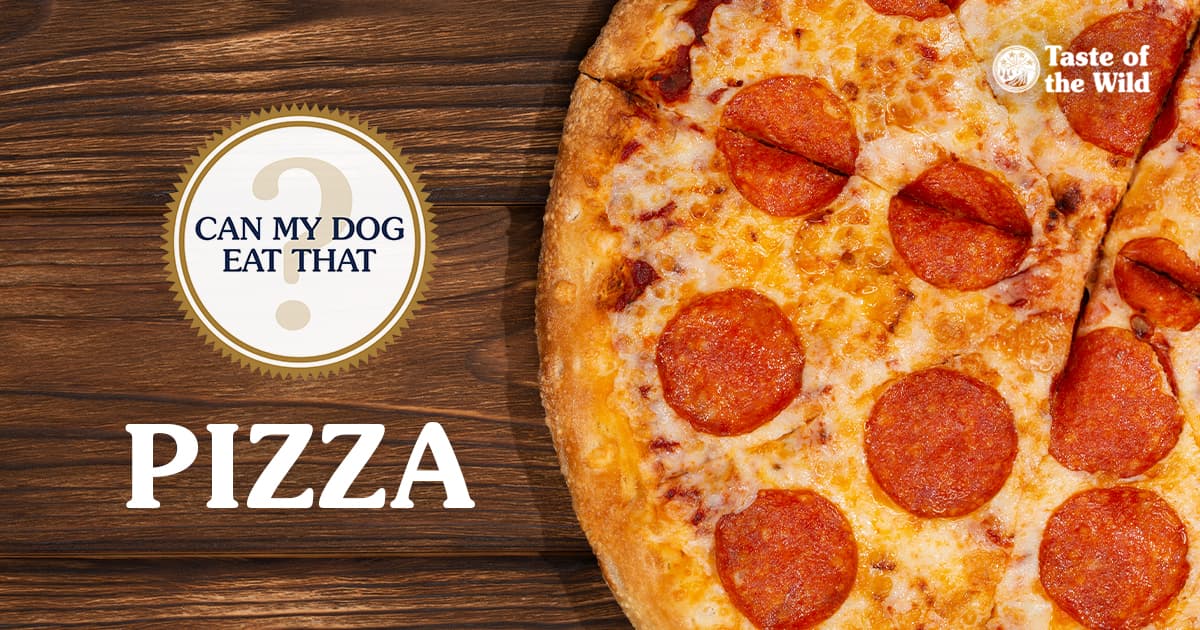
Welcome to “Can My Dog Eat That?,” our series that answers some obvious (and not-so-obvious) questions about what your dog can and can’t safely eat. You can view some of the previous foods we’ve looked at in our “Can my dog eat that?” guide. Today we answer the question “Can dogs eat pizza?” Read on!
Pizza is a favorite comfort food for people, but that doesn’t mean it belongs in your dog’s diet. In general, pizza is bad for dogs. While a tiny bite of plain, cooked pizza crust may not always be dangerous, most pizza contains greasy toppings, salty meats, rich cheese and seasoned pizza sauce that are not healthy for your dog. Pizza is also typically high in calories, sodium and saturated fat, which can contribute to digestive issues, weight gain and other health issues over time.
Can Dogs Eat Pizza Crust?
Many pet parents asking whether dogs can eat pizza crust are really wondering whether plain crust is safer than the rest of the slice. A small piece of plain pizza crust is less concerning than a fully loaded slice, but it’s still not a nutritious treat.
Pizza crust offers very little nutritional value for your dog and is usually made from refined flour. If the crust has butter, oil, seasoning or pizza sauce on it, it is even less appropriate. So while some dogs eat pizza crust without a major problem, that does not make pizza crust a healthy addition to your dog’s diet.
If you make your own pizza crust, make sure you don’t leave yeast-based dough out anywhere that your dog could find it. If they ingest the dough, it can cause severe bloating and ethanol poisoning, which can be fatal. If you see your dog eat raw pizza dough or suspect that they have, seek emergency veterinary treatment.
Can Dogs Eat Pepperoni?
If you are asking, can dogs eat pizza with pepperoni, the better question is whether they should. Pepperoni is one of several processed meats commonly found on pizza, and it is usually very high in fat and salt. Sausage is another example of a rich topping that is unhealthy for a dog.
These meats may upset your dog’s stomach and lead to vomiting or diarrhea, especially when eaten along with greasy cheese and sauce. Because pepperoni is especially rich, even one slice of pepperoni pizza is not a smart meal for your furry friend.
Is Pizza Sauce Safe for Dogs?
Most pizza sauce is made with spices and seasoning blends. Some recipes also contain onion and garlic which are toxic to dogs. Even when pizza sauce does not contain large visible pieces of onions or garlic, it may still include these ingredients in powdered or concentrated form. That means pizza ingredients can be more complicated than they appear.
Can Dogs Have Garlic Bread or Cheese Sticks?
Garlic bread and cheese sticks are not dog-safe options. Garlic bread can contain butter, oil, salt and garlic, while cheese sticks are often loaded with cheese and fat. These side items are not something you should feed your dog. While one small bite may not always cause a crisis, sharing food like this can upset your dog’s digestive system and is not a risk worth taking.
Can Dogs Eat Pizza Rolls?
Pizza rolls are not a good snack for your dog. Most pizza rolls are packed with meat, cheese, sauce and seasoning in bite sized pieces that are not healthy for dogs. Because pizza rolls are highly processed and often high fat, they may cause gastrointestinal upset, especially if your dog eats a large amount. Pizza rolls may also contain the same risky pizza ingredients found in regular pizza, including garlic, onions and salty processed meats.
Better Options Than Pizza for Dogs
Rather than sharing food from your plate, stick with treats and dog foods made for canine needs. These choices fit better into your dog’s diet and are more appropriate than greasy human food like pizza. Healthy treats make a better break from routine than giving your pup a cheesy bite of takeout.
The bottom line: can dogs eat pizza? Technically, some dogs eat pizza without an emergency, but that does not make it a good idea. Pizza, pizza crust, pizza sauce and pizza toppings all come with drawbacks, and some ingredients can be harmful. It is best not to feed your canine companion pizza and to save that delicious food for yourself.

The information in this blog has been developed with a Doctor of Veterinary Medicine and is designed to help educate pet parents. If you have questions or concerns about your pet’s health or nutrition, please talk with your veterinarian.