
Barktastic Dog-Friendly Vacations

An open suitcase full of clothes with a tan and white dog sitting in it next to text that reads, ‘Pack a bag for me, too!’.

Everyone needs a vacation — even your furry friend! So instead of leaving your pets behind and wondering if they miss you (of course they do!), why not take them along with you on your next vacation or weekend getaway?

To help you out, we’ve got a list of pet-friendly vacation locations that are a big hit with the canine members of our Virtual Pet Park (VPP). Let’s see which activities they love to do!

Dog-Friendly Getaways for the Weekend

Bed and breakfasts are popular weekend getaway options for people, so it makes sense that your dog might like to come, too. Take your dog and “shop small” at local businesses and then take a break at a dog-friendly coffee shop. They may even have a special food or drink treat for your pup!

Camping is another good option for a weekend getaway. Your dog will love to experience the sights, sounds and smells of camping. Was that a squirrel? Was that a deer? Was that a bear? It looks like camping is a favorite activity for some of our VPP members, including The Bean and Juno.

Life’s a Breeze at Dog-Friendly Beaches

Ah, the beach. Endless sunshine, the sand between your paws and a bottomless sandpit for digging holes. A dog-friendly beach is a fun place for dogs and humans alike. Our VPP friends, Henry, Flynn and Goose sure look like they’re having fun at the beach, along with their other VPP beach buddies.

Remember, going to the beach doesn’t have to mean going to the ocean. If you’re landlocked, there are plenty of lakes that have nice beaches — and hiking trails, too! Just be sure to check out the leash laws of the beach, as some require dog owners to have leashed dogs at all times.

National Parks Are Pawsome Pet-Friendly Vacation Spots

If you’re looking for a vacation spot with dog-friendly hiking trails, you can’t go past national or state parks — or as we like to call them, National Barks. Check out our semi-regular guide to taking your dog sightseeing in national parks like Yellowstone, the Grand Canyon and Badlands National Park. We also cover how to become a B.A.R.K. ranger, a program that aims to increase awareness of positive dog behaviors and reduce the number of pet-related accidents within a park.

Nature lovers can enjoy dog-friendly trails in national and state parks; and if you’re climbing a mountain, the photo op with your furry friend is spectacular. Just ask our VPP members Toby and Hope!

See the Sights in Dog-Friendly Cities

Most cities could probably be labeled as dog-friendly nowadays. There are usually many pet-friendly hotels, vacation rentals and other pet-friendly accommodations for you both to stay in. Of course, making sure your dog is potty trained and socialized well is a must when staying in new places.

Many cities offer a little bit of everything for dogs and their owners: off-leash dog parks, dog-friendly hiking trails, pet-friendly restaurants . . . and it usually isn’t difficult to find a store that welcomes well-mannered dogs. There might even be a skatepark for dogs like Apollo that love to skateboard with their pet parents!

“Phone. Find Dog-Friendly Vacations Near Me”

Finding places pet owners can take their dogs to is much easier than it was decades ago. There are more pet-friendly places to visit and more ways to find those places. You can pop out your phone, ask or type in “dog-friendly vacation destinations,” and oodles of results are at your fingertips. There are even apps you can download to find dog-friendly places around you.

While you’re at the dog park or at a pet-friendly restaurant, you could also ask pet parents where they like to take their four-legged friends for a long weekend. They may have favorite dog-friendly vacation spots they can share with you.

You could also check out our article on dog-friendly vacation destinations, which highlights pet-friendly accommodations, restaurants and activities in Bend, Oregon; Duluth, Minnesota; Block Island, Rhode Island; and Plant City, Florida.

How to Travel with a Dog

When planning your dog-friendly vacation, it can be a little overwhelming to try to remember everything your dog will need and what to do before you go. To help you out, we’ve created a guide to vacationing with your pet.

Some important things to check before you head out is that your veterinarian agrees your dog is healthy enough to go to your dog-friendly vacation destination, especially if you’re traveling internationally with your dog. If you’re traveling with your dog out of state or out of the country, you’ll also need to check what veterinary certifications are needed to travel.

Schedule Some Rest Time, Too!

No doubt after all the adventures on your dog-friendly getaway, your pooch will be tuckered out like Mochi and ready to sleep for a day or two. But then they’ll be recharged and ready for some more pet-friendly vacations with you!


Behind the Breed: Labrador Retriever

A young chocolate labrador retriever standing in the grass on a sunny day.

Have you ever wondered where a dog breed originated from? In our “Behind the Breed” series we’ll dive into the history, personality and physical appearance of a particular breed. We’ll also cover some of the FAQs about the breed and maybe some fun facts, too!

As one of the most popular dog breeds, many people can recognize a Labrador retriever (or Lab) when they see one. With their happy-go-lucky and friendly personality, big smile and gentle nature, it’s easy to understand why they reigned as the most popular breed for 31 years — before being knocked off the pedestal by the French bulldog. So what characteristics make the Labrador retriever such a popular dog breed? And did they actually come from Labrador?

Labrador Retrievers Originated in Newfoundland

Many dog breeds are named after the place they originated from — Newfoundlands, Chesapeake Bay retrievers and Weimaraners to name a few. But in the case of the Labrador retriever, they originated in Newfoundland, Canada, not Labrador, Canada.

Labradors are thought to be related to St. John’s dogs (or St. John’s water dogs), a breed that is now extinct. Labs were bred to help fishermen retrieve fish from the trawler net and to retrieve ducks for hunters, using their powerful tails to help navigate in the water.

The Labrador Retriever Personality

Most Labs want to be BFFs with everyone, and they want everyone to play with them. Other dogs and other pets are typically immediate BFFs as well. Labs’ patience and gentleness around children is why they are one of the most popular breeds for families. They love spending time with their family and doing whatever the family is doing.

Labradors also love to have a job to do, which is why they fit the roles of assistance dogs, search and rescue dogs and therapy dogs so perfectly. They make great hunting partners and excel at dog sports like dock diving, obedience and agility. Swimming is another favorite activity of Labs.

Labrador Retriever Coat Colors

The Labrador breed is generally recognized to come in three coat colors — black, chocolate and yellow. They can also have white markings. All are short, water-repellent double coats that require regular grooming, especially during shedding season.

The coat color is determined genetically and is not related to whether the Labrador is male or female. The University California, Davis, explains that the black and chocolate colors come from two versions of the same gene (called alleles), and the yellow color comes from a different gene. Below is how each color is determined.

Black Labrador Retriever

Black is the dominant coat color over chocolate. So if both parents contribute a black allele or one parent contributes a black allele and one contributes a chocolate allele, the pup will have a black coat.

Chocolate Labrador Retriever

Because the black coat color is dominant over chocolate, both parents need to contribute the chocolate allele for the pups to be chocolate Labs.

Yellow Labrador Retriever

If both parents contribute a yellow allele, it prevents the expression of the black or chocolate color, and the result is a yellow Lab pup. Two yellow Lab parents can only have yellow Labrador puppies. That’s a lot of yellow!

Labrador Retriever Puppies

Obedience training with a Labrador retriever puppy is typically easy for their owners because they love to please their humans — and they love dog food treats. As with any puppy, early socialization is important to ensure they grow up to be a comfortable and confident adult dog.

As a highly intelligent and energy-filled breed, Labrador puppies (and adults) need lots of mental stimulation as well as daily physical exercise. Otherwise you may come home to a disaster zone caused by a bored Lab.

Labrador Retriever FAQs

How Big Do Labs Get?

The most a Lab will grow is around 24 inches at the shoulder, and they can weigh up to 80 pounds. So it’s a good idea to train them not to jump up — that’s a lot of weight landing on you!

What Is the Labrador Retriever Lifespan?

The life expectancy of a Labrador retriever is around 12 years. That’s around the average age of most dogs — smaller dogs generally live longer though.

Are Labrador Retrievers a Healthy Breed?

Labs are generally a healthy breed, but they can suffer from conditions like hip dysplasia, elbow dysplasia and exercise-induced collapse, although a reputable breeder will screen for these conditions.

When Were Labrador Retrievers Recognized by the American Kennel Club?

The American Kennel Club (AKC) recognized Labrador retrievers as a breed in 1917.

What Does The Labrador Retriever Club, Inc. Do?

It’s a national breed club dedicated to preserving the integrity of the Labrador retriever breed and is the only organization officially recognized by the AKC as the national parent club of the Labrador retriever.

If you’re looking for an energetic breed that’s loyal and loves being part of the family, and you have the time to provide them with daily mental and physical stimulation, a Labrador retriever might be the breed for you!

Can My Dog Eat That? Spicy Food

An interior graphic with text that reads ‘The verdict: Can my dog eat spicy food? No’.

Welcome to “Can My Dog Eat That?,” our series that answers some obvious (and not-so-obvious) questions about what your dog can and can’t safely eat. You can view some of the previous foods we’ve looked at in our “Can my dog eat that?” guide. Today we answer the question “Can dogs eat spicy food?” Read on!

Can Dogs Taste Spicy Food?

Before we dive into whether eating spicy foods is OK for your dog, let’s go over whether dogs can taste spicy food. Dogs have around 1,700 taste buds that can taste bitter, sour, sweet and salty flavors. In comparison, humans have around 9,000 taste buds. So while dogs can taste and experience spicy flavors, it’s probably not to the same extent as we can. Bonus fact: dogs have special taste buds that can taste water, whereas water is tasteless to us.

Can Dogs Eat Spicy Foods?

While your dog may not be able to taste spicy food as well as we can, most spicy foods will cause that burning and heat sensation that many people know so well. It’s definitely not a pleasant experience for your dog, and it can also be painful. Therefore, letting your dog eat spicy food is not recommended because it can cause discomfort as well as upset your dog’s digestive system.

Can Dogs Eat Jalapenos?

No, you should not feed jalapenos or food containing jalapenos to your dog.

Can Dogs Eat Chili Peppers?

No, you should not feed chilis or food containing chilis to your dog.

Can Dogs Eat Hot Sauce?

No, you should not let your dog eat food covered in hot sauce.

What Makes Spicy Food Bad for Dogs?

For some foods, the problem is obvious (e.g., hot dogs aren’t good for dogs because of their fat and salt content). When it comes to spicy foods, the problem is a tiny but potent molecule called capsaicin. It’s found naturally in hot peppers and is released when you or your dog bites into the pepper. Capsaicin is what produces the heat and burning sensations.

If your dog ingests a large amount of spicy food, it can upset the digestive tract and result in vomiting, diarrhea and stinky gas, so if this happens, call your veterinarian for advice. Milk can help bind the capsaicin molecules; but dogs can also be lactose intolerant, which means milk is not a good remedy for dogs.

You also need to think about the other ingredients that may be in spicy foods, like garlic and onion, which are toxic to dogs. So it’s best to keep all spicy dishes away from curious canine tongues.

Can Dogs Eat Spicy Food in Small Quantities?

While small amounts of capsaicin are not toxic to dogs, they can still experience the unpleasant burning sensation from capsaicin, so make sure you keep spicy foods out of your furry friend’s reach.

What Seasoning Can Dogs Eat?

While chili powder and other ingredients that make food spicy should be avoided, there are some seasonings that are OK for your dog to eat (as long as the other ingredients in the food are safe, too). Here are some herbs and spices that dogs can eat in small quantities, as long as they are not in the oil or essential oil form (and your veterinarian approves):

  • Cinnamon
  • Dill
  • Parsley
  • Peppermint
  • Sage
  • Thyme (not Spanish thyme)

Some of the herbs and spices that dogs should avoid include:

  • Bay leaf
  • Cocoa or cocoa powder
  • Chives
  • Garlic
  • Hops
  • Mustard seed or powder
  • Nutmeg
  • Onion
  • Spanish thyme

Can dogs taste spicy food? Yes. Should they eat spicy food? No. It’s not recommended to give your dog spicy foods, as it could cause an uncomfortable experience for them. Avoiding spicy foods, as well as herbs and spices that are toxic to dogs, is important to keep your dog healthy and happy.

An interior graphic with text that reads ‘The verdict: Can my dog eat spicy food? No’.

Can My Dog Eat That? Cucumbers

An interior graphic with text that reads ‘Can my dog eat cucumbers? Yes!’.

Welcome to “Can My Dog Eat That?,” our series that answers some obvious (and not-so-obvious) questions about what your dog can and can’t safely eat. You can view some of the previous foods we’ve looked at in our “Can my dog eat that?” guide. Today we answer the question “Can dogs eat cucumbers?” Read on!

Can Dogs Eat Cucumbers?

If a cucumber slice drops to the floor and your dog vacuums it up, it’s OK — dogs can eat cucumbers. They are a healthy snack and safe for dogs to eat in moderation, much like cranberries, pineapple, broccoli and other fruits and vegetables. Cucumbers are rich in vitamins and minerals, have a very high water content and are low in calories, making them healthy and hydrating dog treats.

When Are Cucumbers Bad for Dogs?

Feeding cucumbers to your dog is generally OK as long as you follow the same rules that apply for most human food treats — feed cucumbers in moderation, slice them into small pieces and check with your veterinarian first. Even a healthy treat should make up no more than 10 percent of your dog’s recommended daily calorie intake. With cucumbers, you’ll need to be more aware of the effects of fiber — cucumbers are a good source! — than of calories: if your dog eats too much fiber at once, that can cause an upset stomach. It’s also important that the size of the cucumber slices are appropriate for your dog’s size to reduce the risk of choking or an intestinal blockage.

What Happens If Dogs Eat Too Much Cucumber?

Even the healthiest of foods can cause a problem if they’re eaten in large quantities. Dogs eating cucumbers whenever they want could cause an upset gastrointestinal tract, so make sure you’re limiting your dog’s access to them. How much cucumber a dog can eat depends on their size — it makes sense that a Great Dane can generally eat more (of anything) than a Yorkshire terrier!

Which Parts of a Cucumber Can Dogs Eat?

There are a few different parts of a cucumber fruit, so let’s go over some common questions about which parts are safe for dogs to eat.

Can Dogs Eat Cucumber Skin?

As long as you wash it first, most dogs can eat the whole cucumber fruit, including the skin. However, some dogs have trouble digesting cucumber skin, so you may need to remove it if your dog has a sensitive stomach.

Can Dogs Eat Cucumber Seeds?

Cucumber seeds are not toxic to dogs, so they’re fine for dogs to eat. However, like the skin, some dogs have trouble digesting the seeds — you may want to scoop those out.

Can Dogs Eat Cucumbers Raw?

Yes, just like when we eat cucumber slices, it’s perfectly safe for dogs to eat raw cucumbers. It’s the other ingredients that might be mixed with cucumbers that are the concern. For example, cucumber and onion salad is off the menu, as onions are toxic to dogs. Sticking with plain cucumbers is best for your dog.

Can Dogs Drink Cucumber Water?

If you’re making cucumber water at home and know the ingredients going into it are safe for dogs, that’s fine. If you’re buying cucumber water from a store, check for ingredients like xylitol that are toxic for dogs.

Can Dogs Eat Pickles?

No, it’s not recommended that dogs eat pickled cucumbers. Pickles, like hot dogs, typically have a high salt (sodium) content, which isn’t healthy for dogs. The pickle brine may also contain ingredients like garlic or onion that are toxic to dogs.

Can Puppies Eat Cucumbers?

Pups can safely eat cucumbers as long as they’re sliced into puppy-sized pieces. You could use cucumber slices as a refreshing and crunchy reward during a training session. Blueberries and carrots are some other fruits and vegetables that can serve as healthy training treats.

Are Cucumbers Good for Dogs?

Yes! Cucumber slices can be a healthy, low-calorie snack for dogs. Just make sure you wash them and keep your dog from over indulging on these crunchy treats. And as always, check with your vet before adding a new food to your dog’s diet.

An interior graphic with text that reads ‘Can my dog eat cucumbers? Yes!’.

How to Travel with a Dog Internationally

A beagle sitting on a bed next to an open suitcase filled with clothes.

It’s decided. You’re packing your bags and heading overseas. Whether it’s for a few weeks, a few months or forever, there’s a lot you need to do to prepare for international travel. And that includes deciding on how your furry friend fits into your travel plans. If you’re a pet parent whose dog goes wherever you go, you may be used to vacationing with your pet. But an overseas trip may have you wondering if your dog can travel internationally with you. The short answer is: it depends.

It depends on where you’re traveling to and what their pet entry requirements are. It depends on your dog’s health and whether they’re healthy enough to travel internationally. It depends on how long you’re staying there.

There’s a lot to think about when planning international pet travel, so we’ve compiled a few tips and resources to help you out. Most international travel involves flying, so we’re going to focus on traveling by plane, but a lot of this information will also apply to other forms of transportation.

Your Dog Can’t Head to the Airport Just Yet

Taking your dog out of the country can’t be a spur-of-the-moment decision. Flying with a dog internationally requires a lot of research, specific paperwork and health checks. All of this preparation can take a while, so make sure you start the process months before you intend to travel.

First, Is Your Dog Healthy Enough for International Travel?

Flying internationally can be stressful for people, so imagine what it’s like for your dog when they have no idea why their world’s been turned upside down. Even dogs who are well-seasoned road trippers may find flying stressful. So before you get too far into planning, talk to your veterinarian about whether your dog is healthy enough to fly or travel in general. Your vet may recommend leaving your dog at home if they have an underlying medical condition that could be exacerbated by stress or flying at high altitudes.

This is a good time to make sure all of your dog’s vaccinations are up-to-date. As you’ll read later in this article, your dog will probably need a health certificate that confirms they are up-to-date with their vaccinations (as well as other health checks). You should also talk to your vet about where you are traveling to and if they recommend other vaccines or medications for that location.

If you’re used to giving your dog anti-anxiety medication when you travel by car, this may not be possible while flying. Giving dogs sedatives or tranquilizers is typically not recommended for plane travel as the medication effects can be unpredictable at high altitudes and could induce respiratory (breathing) or cardiovascular (heart) issues. Calming wraps or anxiety vests may also not be permitted by the airline.

Second, Research Your Destination Country

The country or countries you’re traveling to will have their own specific entry requirements for dogs. The United States Department of Agriculture (USDA) Animal and Plant Health Inspection Service (APHIS) has a list of current pet travel health requirements for specific countries.

You will need to check that your dog’s breed is not banned in your destination country. Additionally, some countries don’t allow dogs to enter if they are traveling from a destination that has a higher risk of rabies. Your dog may need blood tests to check for rabies or other infectious diseases. For some countries, your dog will need to be microchipped with a specific type of microchip, so your dog may need a second microchip to meet that requirement.

When traveling overseas with a dog, you should be aware that some countries have quarantine requirements — even if you complete all of the required paperwork and health checks. So if you’re only going to be there for 10 days and they have a 10-day quarantine period, it doesn’t make sense for you to bring your dog. Restrictions could also apply to layovers in a different country to your final destination, so check their pet travel requirements, too.

Some countries may not be as pet-friendly as the U.S. You should check that there are dog-friendly hotels, stores, restaurants, etc., in the places you will be visiting. Remember to also check whether dog-friendly transportation is available, particularly public transport.

If you read about getting your dog a “pet passport,” this typically means the collection of documents needed for your dog to enter a foreign country — they’re not actually going to get a passport with a cute photo. However, the paperwork issued by veterinarians in a European Union member state is called an EU Pet Passport (these can’t be obtained in the U.S.).

Does Your Dog Need a Health Certificate?

Many countries require you to have an international health certificate for your dog, which was issued by a USDA accredited veterinarian and endorsed by APHIS. Health certificates typically need to be issued within a specific time frame before you travel, so check what that timeline is for the country you’re visiting. Other requirements often requested by foreign countries include blood tests, vaccinations, microchips and permits.

There are also regulations about bringing your dog back into the U.S.— even if your dog was originally from the U.S. To import a dog into the U.S., there are Centers for Disease Control (CDC) requirements and USDA APHIS requirements. There could also be requirements from other agencies or U.S. states or territories. It is your responsibility to check what those requirements are.

Can Service Dogs or Emotional Support Animals Travel Internationally?

Service Dog Registration of America provides information on flying with registered service dogs. You should check with the airline on their policy about traveling with a service animal or emotional support animal.

Can You Take a Dog on an International Flight?

You will need to check that the airline you want to fly with accepts dogs and whether they have any restrictions on which dog breeds they allow. For example, brachycephalic breeds — smushed-faced dogs like pugs, French bulldogs, boxers and Boston terriers — may not be allowed to fly, especially in the cargo hold. Brachycephalic dogs can have trouble breathing under normal conditions and so generally don’t make good air travelers.

Tips on Booking a Flight When Traveling Abroad with a Dog

You should book your flight as soon as possible because the airline may have restrictions on how many pets can be on one flight. If possible, choose a direct flight to limit the amount of time your dog is in their carrier. Multiple flights or layovers could add to your dog’s stress.

If you have a small dog, they may be able to accompany you in the cabin if they’re in an airline-approved carrier. Typically, the carrier must be able to fit comfortably under the seat in front of you. Larger dogs on international flights will need to travel in the cargo bay. Keep in mind that the airline may have weather restrictions that prevent dogs from traveling in the cargo bay during extreme temperatures.

Airlines typically have specific requirements for dog crates or carriers, so be sure to look those up for your specific airline. If you are switching airlines or flying with partner airlines, make sure you know about those airline pet policies, too.

Preparing Your Dog for Air Travel

Once you ensure you have the pet carrier that the airline requires, let your dog become acclimated to it before they fly. You could put them in the carrier and take them for rides in the car to fun places like the dog park or a pet store. That way going into the carrier won’t be another new or scary experience for them at the airport.

When the day arrives, it’s a good idea to run off some of your dog’s energy before you leave, to help them relax and ride along more comfortably. Check with the airline if they have restrictions on giving your dog food and or water before your flight. If they don’t, you can ask your vet.

Before you leave your home, make sure you double and triple check that the latch on the carrier is secure so you aren’t chasing your dog around the airport and they don’t get loose on the plane. If the airline allows it, you could include a chew toy in the carrier so that your dog has something to keep them occupied, and chewing can help with pressure buildup in their ears.

As you can see, there is a lot of preparation needed if you’re thinking about traveling abroad with a dog. If you’re only going for a short trip, it may be better to leave your dog with a friend or family member, a pet sitter or a boarding kennel. You can always take them to a dog-friendly vacation destination in the U.S. for your next vacation. If you do take your dog with you overseas, remember to strictly follow the requirements of the countries you’re visiting — and that includes the requirements to bring your dog back into the U.S. It is your responsibility to know what those requirements are. Bon voyage!

Rainy Day Activities for Dogs

A black dog looking out a window while it’s raining outside.

It’s raining, it’s pouring, Max and Luna aren’t snoring — they wanna have some fun! While some dogs enjoy spending rainy days curled up on the couch with their favorite soft toy, there are plenty of other dogs who are bouncing off the walls (literally) ready to play on a rainy day. The good news is there are lots of fun activities that both you and your dog can enjoy.

How to Entertain Your Dog on Rainy Days

If you’re wondering what to do with dogs on a rainy day, wonder no more. We’ve listed some fun indoor activities for dogs to do when they’re stuck inside — but rainy days don’t have to mean that you can’t go outside at all. Going to pup-friendly indoor places gets you out of the house while still staying dry. You could grab a bite to eat at a pet-friendly cafe or schedule a playdate with your pup’s BFF (best furry friend). We’ve also listed some outdoor ideas for active dogs who love playing in the rain and aren’t afraid to get a little (or very) wet or muddy.

Indoor Games for Dogs (and You!)

As well as keeping your furry friend entertained, indoor games provide your dog with mental and physical stimulation, which can help them stay out of trouble. To keep your dog active, you can build them an indoor agility course out of random objects you have around your house (e.g., cardboard boxes, brooms, hoops, pillows). An indoor obstacle course is a great game to get your dog’s brain going as they try to navigate through the course. If they love doing agility exercises, you could also build a backyard agility course for when the weather’s nice.

Until they get the hang of it, you may need to lead your dog through the indoor agility course with a few treats or their favorite toy from the toy box. Or you could do the obstacle course while your dog watches to show them how it’s done! You’re entertained and so is your dog — it’s a win-win!

Indoor fetch (with something soft) will get your dog moving, too. Just make sure you’re playing in an area that won’t damage your house (or your dog) if things get a little wild. Chasing bubbles is another great way to keep your dog active indoors. Just make sure they’re dog-safe before you blow bubbles for your dog to chase and wonder, “I had it in my mouth! Where did that sneaky bubble go?”

Puzzle Toys Are a Fun Game

Hiding treats or toys in puzzle games can entertain your dog, and they’re mentally stimulating, too. You can even make your own puzzle by hiding a treat in a muffin tin with tennis balls on top. Your dog will have to use their nose (and brain) to sniff out the treat from underneath the tennis balls.

For your average canine, puzzle toys that only require one step to be completed to dispense the treat or toy may be good enough. But if you have a brainiac who needs more of a challenge, you can try a puzzle toy that requires two steps to be activated before they’re rewarded. If you haven’t used a puzzle toy before, check out these tips on introducing your dog to food puzzles.

Tug of War Is Always a Favorite

Whether they’re playing against their pet parent or another dog, most dogs love a game of good old tug of war. It’s a fun way to release pent-up energy, and it’s both physically and mentally tiring. Just remember that you should always be in control of tug of war games — deciding when to stop or start the game — but you should also let your dog win and allow them to celebrate their “prize” to satisfy their prey urges.

Create a Scavenger Hunt or Play Hide and Seek

Does your dog enjoy finding things? Try creating a scavenger hunt or playing hide-and-seek. They’re basically the same game — in one your dog is trying to find yummy treats or toys and in the other they’re finding you! You may have to teach your dog what they’re supposed to do, but dogs who love tracking down interesting scents (or you) will soon catch on.

Outdoor Rainy Day Dog Activities

If you have an active dog who is an outdoor-loving ball of energy, you don’t have to try to contain that energy indoors. Why not hike a trail or find some muddy puddles to jump in? Yes, both of you may get wet and dirty, but that’s part of the fun! Of course, we don’t recommend going outside in inclement weather, especially if there’s lightning or if it’s freezing cold, but if it’s just a simple rain shower, why not?

If you’d rather not get sooo wet and muddy, you could both put on some rain gear to help keep you dry. Yes, there are raincoats for dogs! Part of your rainy adventure could be going to the pet store to buy your dog a raincoat and then testing it out.

How to Get Those Muddy Paws Clean

If your dog goes outside on a rainy day, even if it’s just to go potty, it’s highly likely that you’re going to be met at the door by muddy or wet paws. And if your dog enjoyed a good mud-rolling session, you might be having trouble telling what color your dog’s coat used to be. How do you get your dog clean before they decide to redecorate the inside of your home in an earthy brown color?

First, get the bulk of the mud off with some old towels. If it’s just on their paws, you could use dog wipes or baby wipes. If you see more mud than dog and have a place in your home where you can keep a muddy dog temporarily, one of the best ways to remove mud from your dog’s fur is to let it dry. Dry mud is easier and less messy to comb or brush out — or your dog may shake off the dry dirt themselves.

Sometimes the mud mess calls for a bath. You can try giving your dog an at-home grooming session. Or you can save the bathroom cleanup and take your dog to a self-service dog wash — stopping by on your way home from your outdoor rainy day adventure would be a good idea!

Rainy Days Don’t Have to Be Boring!

Next time it’s pouring rain and your dog’s staring forlornly out the window, try some of these activities. It’ll help both of you stay entertained and keep away those rainy day blues.

Can My Dog Eat That? Carrots

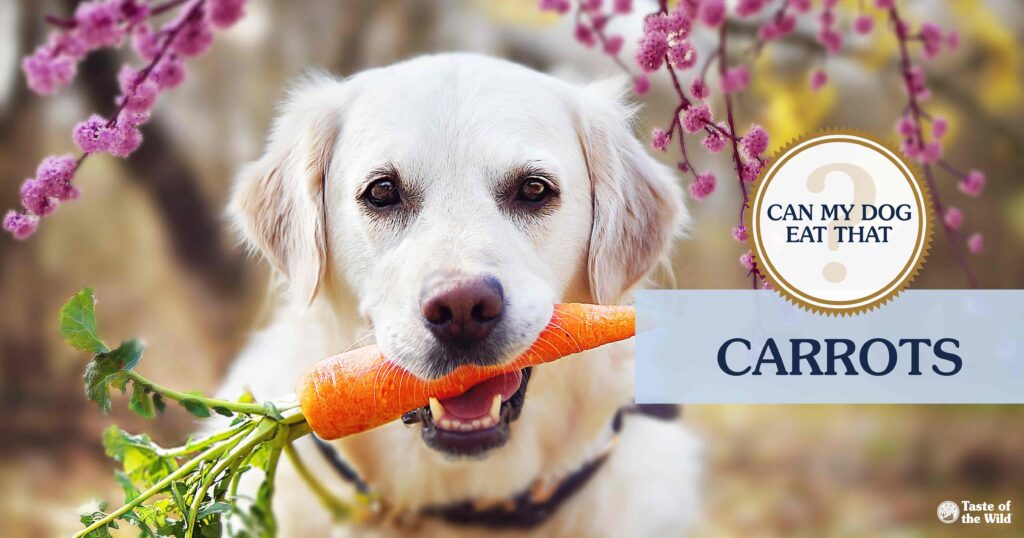
An interior graphic with text that reads ‘Can my dog eat carrots? Yes!’.

Welcome to “Can My Dog Eat That?,” our series that answers some obvious (and not-so-obvious) questions about what your dog can and can’t safely eat. You can view some of the previous foods we’ve looked at in our “Can my dog eat that?” guide. Today we answer the question “Can dogs eat carrots?” Read on!

If you’re looking for a healthy snack for your dog to supplement their dog food, fruits and vegetables (like broccoli) are a great choice — particularly if your dog is tipping the scales in the wrong direction and you’re looking for a low-calorie treat. But not all fruits and vegetables are safe for dogs. So what about carrots? They’re healthy for most humans, but are they good for dogs?

Can My Dog Eat Carrots?

Yes, dogs can eat carrots! As long as they don’t have any seasonings or toppings, they make a great low-calorie alternative to treats. Much like cucumbers, most dogs love the texture of carrots and that classic carrot crunch. As with most things though, make sure you feed your dog carrots in moderation, as they are high in natural sugars.

There Is a Carrot Caveat, Though

You can add carrots to your dog’s diet, but make sure that carrots (and other treats) make up no more than 10 percent of your dog’s daily calorie allowance. Also, it’s always a good idea to ask your veterinarian before adding anything new to your dog’s diet or before switching dog food.

Are Carrots Good for Dogs?

Yes, carrots are a healthy snack for dogs. Carrots are a good source of fiber, certain vitamins and minerals and other nutrients. Their orange color comes from beta carotene, which produces vitamin A and is a powerful antioxidant. The nutritional benefits of carrots are why they’re often used as an ingredient in commercial dog foods.

Can Dogs Eat Raw Carrots?

If you find your dog in the garden chewing on a freshly dug-up carrot, don’t panic. It’s OK for your dog to chomp on the leafy green tops of carrots, the carrot skin and the raw carrot itself. Hopefully they left some in the garden for you!

If you have store-bought carrots, you can also feed those to your dog without cooking them. Just give the raw carrots a wash first or peel them. It’s also a good idea to chop them up into bite-size chunks of carrot, as raw carrots could be a choking hazard, especially for small dogs.

Can Dogs Eat Cooked Carrots?

Sure! It’s fine for your dog to eat plain cooked carrots. You can boil, steam, microwave, roast or use any other method to cook carrots for dogs. You could even get fancy and julienne them first. However, make sure they’re plain carrots — don’t give your dog carrots that have seasonings, butter or oil on them. You should especially avoid any seasonings or flavoring that contain ingredients that are toxic to dogs like garlic and onion.

Can Puppies Have Carrots?

Yes, your pup doesn’t need to miss out — they can eat carrots as a healthy treat, too. Just make sure that, raw or cooked, you cut the carrot up into puppy-sized pieces so your puppy doesn’t choke on it. Carrots may even help teething puppies feel better. If you put bite-size pieces in the freezer, the frozen carrots may help soothe your dog’s teeth when they’re feeling discomfort from teething.

What About Carrot Cake, Carrot Juice or Carrot Soup?

Can dogs eat carrots when they’re used as an ingredient in people food? It depends on what else is in the food. Carrot cake is off the list because it often contains a generous amount of sugar, which isn’t healthy for dogs. It may also contain the artificial sweetener xylitol which is toxic to dogs. Similarly, with carrot juice and carrot soup, it depends on what else is in them. If you aren’t sure of the other ingredients, it’s best to avoid feeding the carrot-containing food to dogs.

So, Can Dogs Eat Carrots?

Yes, you can feed carrots to your dog. Raw or cooked carrots are safe for dogs and can be used as a healthy snack (when cut into small pieces), much like other vegetables such as corn or peas. They’re a common ingredient in commercial dog food and are perfect for an occasional treat.

An interior graphic with text that reads ‘Can my dog eat carrots? Yes!’.

Can My Dog Eat That? Potatoes

An interior graphic with text that reads ‘Can my dog eat potatoes? Yes! (if they are cooked and plain)’.

Welcome to “Can My Dog Eat That?,” our series that answers some obvious (and not-so-obvious) questions about what your dog can and can’t safely eat. You can view some of the previous foods we’ve looked at in our “Can my dog eat that?” guide. Today we answer the question “Can dogs eat potatoes?” Read on!

Taters. Spuds. Pommes de terre. Whichever name you use, potatoes are a popular vegetable at the dinner table. That’s possibly because, much like mushrooms, they’re such a versatile ingredient: we’ve got mashed potatoes, roasted potatoes, baked potatoes, boiled potatoes, potato salad, potato soup, tater tots, French fries — the list goes on. With all of these options passing by their nose, there’s a good chance that your dog is going to beg you for a taste of your ’taters at some point. So should you give in? Can dogs eat potatoes?

The short answer is yes, it’s OK if dogs eat potatoes as long as the potatoes are cooked and plain. But there are a few more things you should know about potatoes before your dog slurps down a spoonful of spud.

Can Dogs Eat Cooked Potatoes?

If you’re going to feed your dog potatoes, they should be cooked. As you’ll read later on, raw potatoes can cause an upset digestive system for dogs. Whichever method you use to cook potatoes, don’t add salt or butter to them because these aren’t healthy for dogs. You should feed your dog plain potatoes that don’t have any toppings or seasonings — especially if the seasonings are toxic to dogs (garlic and onion powder).

For example, if you’re making mashed potatoes, get a spoonful out for your dog before you put the butter, salt or other ingredients in that make it so tasty for you. Similarly, instant mashed potatoes are not good for your dog if they have seasonings mixed in with them.

Are Potatoes Good for Dogs?

Yes, potatoes are healthy for dogs if they are plain, cooked and fed in moderation. Potatoes are often used in commercial dog foods as a carbohydrate source. Carbohydrates provide energy and help promote gastrointestinal health. Potato protein is used as a protein source in some high-protein dog food recipes. Potatoes are also a good source of some vitamins and minerals.

Can Dogs Eat Raw Potatoes?

No, don’t let your dog eat raw potatoes. They can be hard to digest, potentially causing gastrointestinal issues. Additionally, if your dog bites off large chunks of hard, raw potato, they could choke. Cooking the raw potato breaks down the starch and lectin in the potato making it easier to digest (and easier to eat). You should also avoid cooking raw potatoes that have green spots or have started to sprout (see the garden section below).

Can Dogs Eat Potato Skin?

No. Potato skins can be hard to digest and can upset your dog’s digestive tract, so it’s best to feed them potatoes without the skin on. If you baked potatoes with the skin on, scoop out the potato and give that to your dog — before you add the sour cream, butter, cheese, chives and bacon, of course. You should also make sure your dog can’t hunt down any raw potato skins you’ve peeled.

Can Dogs Eat French Fries?

No. Any type of oil-fried potato, like French fries, tater tots and hash browns, is not healthy for dogs due to the fat content. If you feed your dog one or two French fries, they’ll probably be OK, but large amounts of fatty food can cause pancreatitis or an upset digestive tract. The large amount of salt that can be in or on fried food is also not healthy for dogs.

Can Dogs Eat Sweet Potatoes?

Yes. Sweet potatoes have the same guidelines as potatoes — as long as sweet potatoes are cooked and don’t have any toppings or seasonings, your dog can eat sweet potatoes. Fun fact: despite their similar name, sweet potatoes are actually distant relatives of potatoes.

Can Dogs Eat Potatoes from the Garden?

No. Potatoes belong to the nightshade family of plants which also includes tomatoes and eggplants. Nightshades contain glycoalkaloids (solanine and chaconine in the case of potatoes) which can be toxic in large amounts. Potato plants, green potatoes and sprouts contain solanine, and raw potatoes and skins contain chaconine. In toxic amounts, these glycoalkaloids can cause an upset digestive tract as well as other symptoms. If your dog eats large amounts of a potato plant, raw potatoes, green potatoes or potatoes with sprouts, contact your veterinarian.

Can Dogs Eat Potato Chips?

No. The thing that makes potato chips sooo tasty is the seasonings on them. But the seasoning may contain ingredients like garlic and onion powder that are toxic to dogs. Potato chips are usually high in salt and fat which isn’t good for dogs either. So letting them lick the seasoning and chip crumbs from the bottom of the bag is not a good idea!

Keep the Potato Portions Petite

If you do decide to give your dog some potato, use it as a treat or food topper. It shouldn’t be used to replace your dog’s diet and shouldn’t be more than 10 percent of their daily calorie allowance. A small dollop of plain mashed potatoes on top of your dog’s kibble is a good place to start. As always, check with your veterinarian before changing your dog’s diet, including adding new foods.

Can My Dog Eat Potatoes?

Yes, it’s OK if dogs eat mashed potatoes or any other type of cooked potato, as long as they’re plain with no seasonings or toppings. Stay away from raw potatoes and potato skin, though, and remember to only give your dog potatoes as a treat.

An interior graphic with text that reads ‘Can my dog eat potatoes? Yes! (if they are cooked and plain)’.

Fun Indoor Activities for Dogs

A tan dog playing with an interactive treat-dispensing puzzle on the floor.

Frigid winter weather. Torrential spring rain. Blazing summer days. Severe fall storms. No matter the season, there are going to be times throughout the year when your outdoor-loving dog is stuck indoors. After longingly staring out the window for a while wishing they could be at the dog park, or several bouts of zoomies in your living room, your canine companion is probably going to get bored. And that’s not good because a bored dog can quickly become a naughty dog. Especially if they’re a young pup, or you’re not home.

So how can you keep your dog entertained indoors on the days that they can’t go outdoors? With plenty of physical and mental exercise. In the sections below, we’ve listed some fun things to do with your dog at home, as well as some ways to mentally stimulate your dog — and keep boredom away.

Why Do Dogs Need Mental Stimulation?

Dogs need physical exercise to stay healthy and at an ideal body condition, but they also need to exercise their brain. Indoor entertainment can be a great opportunity to challenge their brain, provide enrichment opportunities to prevent boredom and also help with separation anxiety.

Rewards to Use for Indoor Dog Activities

Before we get into the indoor activities, a quick word about treats. A lot of brain games and indoor activities require a reward. If you regularly use dog treats as a reward, it may cause your dog to pack on the pounds. So instead of giving your dog the whole treat, break it into smaller pieces. They’ll still be rewarded, but they won’t be consuming as many extra calories. Remember that treats should provide no more than 10 percent of your dog’s daily calories.

You could also use low-calorie treats. Healthy snacks for dogs include carrots, celery, bananas and blueberries, along with many more fruits and vegetables. Freezing treats is also an option. Purée fruits and vegetables and freeze them inside your dog’s toys and puzzles. But don’t feed too many fruits and veggies because it could upset their digestive system. And you don’t want that to happen while you’re indoors!

Another food to use as a reward is your dog’s kibble. Measure out their daily kibble ration and then use some of it in a treat dispensing toy. That way, they’re not consuming extra calories on top of their recommended daily calorie intake. Make them work for their dinner!

DIY Indoor Activities for Dogs

If you have a long hallway, a basement or stairs, indoor fetch with a soft toy or ball is a fun activity to play in. Keep in mind that playing on carpet will give your dog better traction and stop them sliding everywhere. And make sure you don’t play near any breakable family heirlooms!

Another option is to use household items to build your own canine obstacle or agility course in your living room, basement or even the whole house. For example, make a hurdle with a broomstick, use cardboard boxes and blankets to make tunnels, and put plastic cups three feet apart to make a slalom course. You may have to teach your dog how to do the course at first and use plenty of positive reinforcement, but they’ll soon get the hang of it. If they really enjoy the obstacle course, you could try competitive agility. Guiding your dog through agility courses gets you exercising, too!

Toys and Food Puzzles Keep Dog Entertained Indoors

Puzzle toys help with mental stimulation, and they keep your dog busy for a while. In this situation, “a while” depends on your dog’s problem-solving skills — it might be hours for some dogs and minutes for others. If your dog is on the smarter end of the scale, there are food dispensing toys and puzzles that require two steps to be completed before they dispense the treat.

Speaking of toys, make sure you’re rotating them every week or so. It’s boring playing with the same toys all the time, so switch it up for them. You should also look for toys that your dog doesn’t play with. There’s no point having them in the rotation if they’re never used, so replace them with new versions of your dog’s favorite toys. That way, they’ve always got a few toys available that they love to play with.

Indoor Activities to Stimulate Your Dog’s Sense of Smell

A scavenger hunt with treats or toys can give your dog’s nose a workout and is a great way to keep a working dog entertained. Keep your dog out of sight and hide treats (smelly ones work best) or their favorite toys around the room. Put a couple in plain sight and point them out and let your dog sniff them, so your dog understands the game. Once they get the idea, encourage them to look for hidden goodies. Make sure you mix up the hiding places each time because smart dogs will always go to where they previously found the treasure.

Fun Indoor Activities for You and Your Dog

Hide-and-seek is a great indoor game to play if multiple family members are home but can also be played with just the two of you. Ask your dog to “stay” and have everyone hide in places around your home that your dog can easily get to. If your dog isn’t great at “stay,” have one person stay with your dog in a different room while everyone else hides. Once everyone is in place, call your dog to find you.

A short training session each day can also help keep your dog’s mind active. Dog training indoors is often easier because your dog is typically less distracted than when you do training sessions outdoors. You can have your dog practice their basic obedience commands, or you could teach your dog some new tricks.

How to Exercise Your Dog in Winter

If it’s too cold to go outside or the weather is not cooperating for other reasons, exercising your dog indoors can relieve boredom and burn off some pent-up energy. You can try doing a few quick laps of your house or apartment while your dog walks beside you. If you have them, stairs are a great cardio workout (for both you and your dog) and they engage different muscles than walking. However, you shouldn’t exercise on the stairs if your dog has joint or balance issues.

If you have a treadmill at home, you could also train your dog to walk on it. Start slowly with your dog on a leash and provide plenty of treats and encouragement. Work your way up to longer sessions each day. It’s a good, low-impact exercise to help maintain muscle mass and range of motion.

You could also invite a furry friend over for a playdate. The interaction is good for your dog’s socialization skills and gives them plenty of opportunities to exercise in a fun way. Or, if you think your dog could use a change of scenery, try a doggie daycare. Drop your dog off for an action-packed day of chase with other like-minded mutts. Chances are, your dog will be worn out from playing with other dogs all day and will sleep soundly all night.

Now You Know How to Entertain Your Dog Indoors!

Playing games with your dog or giving them a puzzle toy is a great way to keep your dog active in winter, entertained in the summer when it’s too hot to play outside, and mentally stimulated during all the other times that you’re stuck indoors. It will help stop you from getting antsy, too!

The Most Popular Dog Names: 2023 Edition

A group of dogs sitting together in front of a fence.

It doesn’t matter whether you’re considering a puppy adoption or welcoming an older dog to your home, one of the first things your new furry friend needs is a name (unless they already have one, of course). But how do you choose just one dog name when the options are endless? If you like a few different dog names, you could give your puppy or dog a long formal name (e.g., “Duchess Abigail Waggyshire III”) and an everyday name (e.g., “Abby”). But still, how do you choose the perfect name?

To help with your decision, we’ve listed the most popular dog names of 2023. You could choose from this list of trending pet names, or maybe you want your dog’s name to be a little more exclusive. Either way, we hope the list will help. We also have some tips on choosing a dog name that they will respond to the best.

The Most Popular Girl Dog Names of 2023

The American Kennel Club (AKC) compiled the top 10 most popular girl dog names from their purebred dog registration and Canine Partner mixed-breed enrollment statistics. Looking at 2023 data, the top female dog names were:

  1. Luna
  2. Bella
  3. Daisy
  4. Maggie
  5. Willow
  6. Lucy
  7. Bailey
  8. Rosie
  9. Sadie
  10. Lola

The Most Popular Boy Dog Names of 2023

The AKC list for male dog names is similar to 2022, with 8 out of 10 names remaining in the top ten. The AKC top male dog names for 2023 were:

  1. Max
  2. Charlie
  3. Cooper
  4. Teddy
  5. Milo
  6. Ollie
  7. Bear
  8. Rocky
  9. Finn
  10. Leo

Popular Names of Our Virtual Pet Park Members

It’s not surprising that some of the names in the AKC top 10 lists are also the most popular names of our Virtual Pet Park members — “Max,” “Bella,” “Charlie,” “Luna” and “Sadie.” There are plenty of unique dog names in our Virtual Pet Park, too! There are some food-themed dog names — hello “Pineapple,” “Peaches,” “Gumbo,” “Popcorn” and “Cookie.” Dogs named after places get an honorable mention, too — “Harlem,” “Maui,” “Everest,” “Indiana” and “London,” among others!

People Names Are for Dogs, Too

It used to be common for dog owners to choose a name based on the physical features of their dog, like “Spot,” “Rusty” and “Shadow.” But if you look at the top boy dog names and girl dog names, current pet parents often choose human names. There are still some doggy dog names on the lists — for example, “Rocky” and “Bear” are common male dog names — but the most popular dog names are also names of people. It’s likely that this change is because dogs are now considered valued family members and not just pets.

Dogs Named After Popular Movie and TV Characters

Over the years there have probably been many dogs named after famous movie dogs, like Great Danes called “Marmaduke” or rough collies named “Lassie.” You can still find dogs named after movie and TV characters, but now the names are largely inspired by human characters, not dogs (e.g., “Loki,” “Maverick” and “Leia”).

Names Related to Dog Breeds or Size

Dog parents may also like to choose names inspired by features of their dog’s breed or size. How about “Slinky” for a dachshund, “Chase” for a border collie and “Coco” for a chocolate Labrador retriever. Or what about “Charlie” for a Cavalier King Charles spaniel, “Fenway” for a Boston terrier and “Tiny” for a Bernese mountain dog.

Tips for Choosing the Perfect Dog Name

When choosing your dog’s name, it’s important to note that it’s easier for dogs to understand short, one- or two-syllable names (e.g., “Thor” or “Buddy”). You’ll notice that many of the most common dog names end in a “y” or “ie”: it turns out dogs respond well to those (e.g., “Callie” or “Lilly”). Hard vowels, like “a,” “e,” “i” and “y,” and hard consonants, like “b,” “d,” “t” and “k,” are also easier for dogs to hear (e.g., “Bandit” or “Toby”).

Does Your Dog’s Name Stand Out?

Make sure you don’t choose a name that is similar to or rhymes with training commands or other commonly used names or phrases in your household (e.g., “Scout” and “out”). It makes sense that the name should also be easy for you to say so you’re not struggling with a tongue twister every time you want your dog’s attention.

If you choose one of the popular pet names, you could have multiple dogs running towards you when you call out at the dog park. So you may want to consider a more unusual name that has a special meaning for you and your personal expression. It could be your favorite sportsperson, drink, city, color — anything. Adding “y” to a word is an easy way to turn it into a dog name (e.g., “Bluey” or “Minty”).

Consider Waiting Before You Name Your Pup

Choosing a name for your puppy is like choosing the best food for your puppy — you want it to be the right choice for them. It might not be the most popular dog name, but one that is unique to them. You may even want to wait a few days before naming your pup (or dog) to see which name fits your dog’s personality.

Names Are Here Today, Gone Tomorrow-ish

Trending dog names change over time, so it’s likely that the most popular dog names of 2023 won’t be around in 2033. But it’s also common for “old fashioned” names to come back in popularity. So it’s anybody’s guess what the top dog names will be in ten years’ time!