

Deciphering Dog Body Language

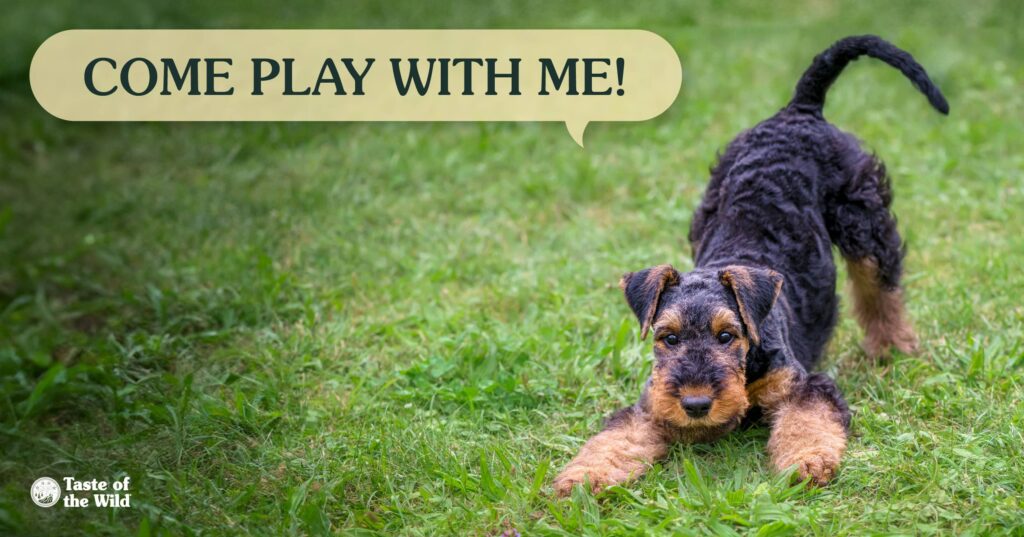
A black and brown dog standing in the grass arching its back with its tail in the air.

Your dog may not be able to tell you whether they’re feeling sad or happy or scared, but looking at how your dog’s ears are positioned, how they’re holding their tail and other body language cues can help you decode how they’re feeling. Body language is one of the ways that dogs communicate with each other, and we can use those visual clues, too — just like how we can use hand signals as commands. Let’s go over some of the canine body language cues and what they mean.

Understanding Your Dog’s Body Language

When you start to learn how to read dog body language, it’s important to look at the whole picture. While dog ears and tails on their own can give some clues about how dogs are feeling, the dog’s communication cues need to be read in context. For example, when dogs’ ears are upright, that could mean they are feeling playful, but it can also be an early sign of aggression. Looking at the rest of their body language and the situation will help determine which one it is.

In this article, we’ll go over dog ear position meanings, tail tales and general body positions to help you understand how your dog is feeling. Remember that every dog is different — these are generalizations. You know your dog way better than anyone else, so you will be the best person to interpret how they’re feeling.

Happy or Excited Dogs

A happy dog will typically have a slightly raised and big, wide wagging tail. They’ll have relaxed ears that will be in their natural position — for some dogs this will be pointed ears and for others it will be floppy ears. If your dog’s excited, their tail may be slightly raised and have a fast wag. A dog that’s ready for play will have high and perky ears with relaxed body language. You may notice that the tail of a playful dog will be wagging mostly to the right. Their eyes will be big and wide and their mouth will be open but not baring teeth (you might say they were smiling).

Nervous or Anxious Dogs

A nervous dog will have their tail hanging down and doing relaxed little wags. If they’re anxious, you may notice the tail is mostly wagging to the left. They may have their ears back and possibly flattened against their head. Their pupils may be dilated and they might be giving you “whale eye.” We’ll describe whale eyes a little later.

Curious or Alert Dogs

A curious dog may have a loose tail that is straight out (horizontal). If curiosity has moved on to alert, their tail may go straight up (vertical). Their ears will be upright, perky and facing forward. They may even move their ears like a radar to fine-tune where the curious sound is coming from. They’ll have an open mouth but not show teeth and may be looking intently but not at anything in particular — they’re busy listening to whatever they’re curious about or alert to.

Fearful or Scared Dogs

A fearful dog will typically crouch near the ground and have their tail still and tucked between their legs. Alternatively, they may display submissive behaviors such as rolling onto their back and exposing their belly. Fearful dogs will often yawn and repeatedly lick their lips. They may pant and have dilated pupils.

Aggressive or Defensive Dogs

Dogs who are showing aggressive behaviors will usually stand tall at full height, possibly leaning forward and holding their tail straight up. Their tail may be arched over their back and doing quick wags. They may raise their hackles — their hair bristles down their spine. The whites of their eyes may be more obvious, they may bare their teeth, growl, or snarl and snap at the air. Aggressive dogs pull their ears down and have them pinned flat against their head.

It’s important to note that any dog, even the most mild-mannered dog, will bite if they’re pushed to the edge. Dog bites can occur in many different scenarios — not just when the dog is showing aggressive body language. They can also bite if they’re fearful, feel threatened, are startled, are in pain or if their space is invaded, especially when eating. That’s why it’s recommended to never leave young children alone with a dog.

Dog Behavior 101

Here are some frequently asked questions related to dog body language and behavior. If you have other questions about your dog’s behavior and what it means, ask your veterinarian or a certified dog trainer. They can help you identify whether it’s a normal behavior or something to be concerned about.

What Is “Dog Whale Eye?”

Whale eye or “half-moon eye” is usually seen in dogs who are feeling stressed or anxious. The dog will turn their head away but keep looking at whomever or whatever is causing the stress or perceived threat. This makes the white of their eyes appear as a half-moon shape. You may also notice other signs of anxiety and stress like their tail between their legs and their ears flat against their head.

Why Do Dogs Sit Facing Away from You?

This position is usually a sign of trust. They feel comfortable enough with you to not have to keep a watchful eye on you. If your dog backs into you when greeting you, that’s also a friendly, submissive sign (i.e., they probably want you to sniff their nether regions). Or maybe you just give really good back scratches when they sit like this?

Can Your Dog’s Ears and Tail Really Tell You How They’re Feeling?

Yes, the position of your dog’s ears and tail can give you an indication of how they’re feeling. As we mentioned, you should use situational context along with ear and tail positions and body posture to understand how your dog is feeling. And remember you are the best person to know how your dog is feeling.

Can My Dog Eat That? Turkey

An interior graphic with text that reads ‘The verdict: Can my dog eat turkey? Yes, the fully cooked, lean part’.

Welcome to “Can My Dog Eat That?,” our series that answers some obvious (and not-so-obvious) questions about what your dog can and can’t safely eat. You can view some of the previous foods we’ve looked at in our “Can my dog eat that?” guide. Today we answer the question “Can dogs eat turkey safely?” Read on!

If you’re carving a turkey on Thanksgiving (or any day) and you notice some puppy-dog eyes pleading at you from under the table, it may have you wondering, can you feed your dog turkey? We’ve gone over other Thanksgiving foods before, like ham, potatoes and cranberry sauce, so now let’s talk about the main event — the turkey.

Can Dogs Eat Turkey?

Turkey “meat” is definitely safe for your dog to eat — unless they’re allergic, of course. Turkey is an ingredient in commercial dog food, including some of our dog food formulas. But if you’re serving turkey at home, whether it’s safe for your dog or not depends on how you’re preparing it and which part of the turkey you’re serving.

Make sure you only serve your dog turkey that is fully cooked, as raw or undercooked turkey can contain Salmonella bacteria that can cause an upset gastrointestinal system. You should also avoid feeding your dog turkey skin (it’s too fatty) and turkey bones. Cooked or raw, the bones can easily splinter and damage your dog’s mouth or digestive tract and can also block their gastrointestinal tract. So stick with feeding them small amounts of the “turkey meat.”

Fun Fact: Turkey Isn’t Meat

That’s right — in the world of pet food, there’s no such thing as “turkey meat.” There are rules about how pet food ingredients are described, and one of them is that “meat” only comes from mammals. Muscle from non-mammalian species like turkeys, chickens, ducks or fish must be identified as poultry or fish or by their specific species (e.g., turkey, duck, salmon or tuna).

Is Turkey Good for Dogs?

Yes, like fish, fully cooked turkey is good for dogs and has nutritional benefits — depending on the part of the turkey. We use turkey in our dog food formulas because it’s a highly digestible, lean protein that enhances palatability (the tastiness). We use turkey liver as a nutritious source of iron and protein, and we use turkey broth, created from cooking turkey in water, in our canned products as a source of moisture.

The parts of the turkey that aren’t so good for dogs are the fatty parts. As much as most dogs would love the taste, turkey skins and trimmings are high in fat and difficult for your dog to digest. Eating fatty foods is not good for your dog’s health and can lead to pancreatitis, a painful inflammation of the pancreas that can lead to hospitalization. Symptoms of pancreatitis include vomiting, diarrhea, decreased activity, appetite loss and mild to severe abdominal pain. So make sure fat trimmings aren’t part of your dog’s diet.

What Type of Turkey Can Dogs Safely Eat?

While fully cooked turkey is safe for dogs to eat, it should still be considered a treat. How much turkey you can feed your dog depends on their recommended calorie intake. Turkey pieces or any treat should only provide up to 10% of your dog’s recommended daily calorie intake.

Can Dogs Eat Turkey Bacon or Turkey Sausage?

It’s not recommended for dogs to chow down on some bacon or turkey sausage because processed foods like these typically contain high amounts of sodium (salt), which isn’t healthy for dogs. Additionally, they may contain seasonings that are toxic to dogs (e.g., garlic and onion).

Can Dogs Eat Turkey Lunch Meat?

The answer is the same for this one. The high amounts of salt typically in turkey lunch “meat” make it an unhealthy choice for dogs.

Can Dogs Eat Turkey Burgers? What About Ground Turkey?

You can safely feed your dog a small amount of cooked ground turkey that doesn’t have any seasonings or other additives. If you make your own turkey burgers that are plain and cooked well, those are also fine. But store-bought turkey burgers will probably have seasonings added, so stay clear of those if so.

Can Dogs Eat Turkey Bones?

No. Turkey bones, especially cooked bones, can splinter and cause damage to your dog’s mouth and other parts of their digestive tract. They can also cause a blockage in their gastrointestinal tract. Raw bones are not okay either, for the reasons below.

Can Dogs Eat Raw Turkey?

No, dogs should not eat raw turkey or turkey bones as they may be contaminated with viruses, bacteria or parasites that put your dog at risk of becoming sick. The Centers for Disease Control and Prevention does not recommend feeding raw pet food or treats to dogs (or cats). So make sure you serve fully cooked turkey to your dog (and people)!

Should You Feed Your Dog Turkey?

You can safely feed turkey to your dog as a treat as long as it’s the lean portion, not the skin, fatty parts or bones, and it’s fully cooked. Make sure it’s plain turkey without gravy or seasonings, too.

An interior graphic with text that reads ‘The verdict: Can my dog eat turkey? Yes, the fully cooked, lean part’.

Barktastic Dog-Friendly Vacations

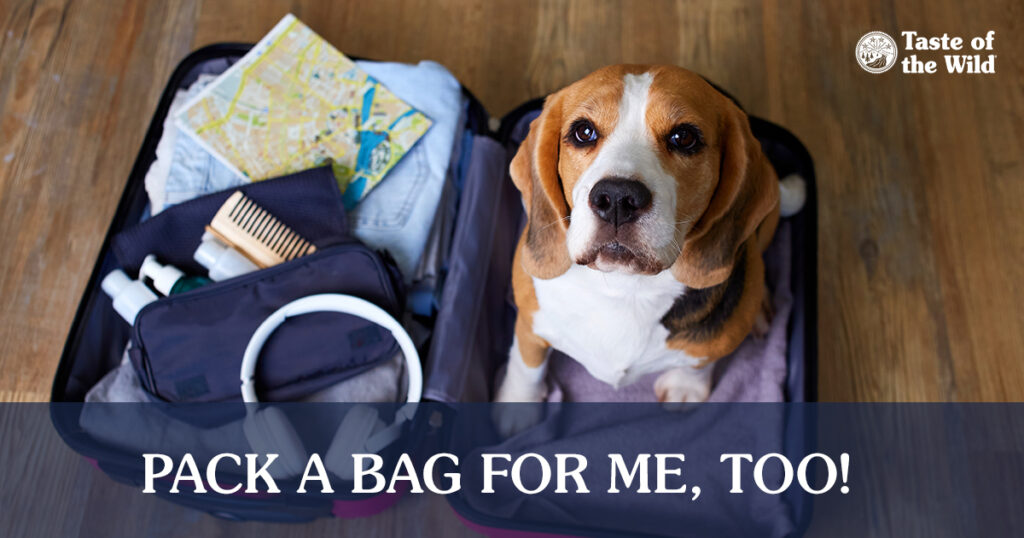
An open suitcase full of clothes with a tan and white dog sitting in it next to text that reads, ‘Pack a bag for me, too!’.

Everyone needs a vacation — even your furry friend! So instead of leaving your pets behind and wondering if they miss you (of course they do!), why not take them along with you on your next vacation or weekend getaway?

To help you out, we’ve got a list of pet-friendly vacation locations that are a big hit with the canine members of our Virtual Pet Park (VPP). Let’s see which activities they love to do!

Dog-Friendly Getaways for the Weekend

Bed and breakfasts are popular weekend getaway options for people, so it makes sense that your dog might like to come, too. Take your dog and “shop small” at local businesses and then take a break at a dog-friendly coffee shop. They may even have a special food or drink treat for your pup!

Camping is another good option for a weekend getaway. Your dog will love to experience the sights, sounds and smells of camping. Was that a squirrel? Was that a deer? Was that a bear? It looks like camping is a favorite activity for some of our VPP members, including The Bean and Juno.

Life’s a Breeze at Dog-Friendly Beaches

Ah, the beach. Endless sunshine, the sand between your paws and a bottomless sandpit for digging holes. A dog-friendly beach is a fun place for dogs and humans alike. Our VPP friends, Henry, Flynn and Goose sure look like they’re having fun at the beach, along with their other VPP beach buddies.

Remember, going to the beach doesn’t have to mean going to the ocean. If you’re landlocked, there are plenty of lakes that have nice beaches — and hiking trails, too! Just be sure to check out the leash laws of the beach, as some require dog owners to have leashed dogs at all times.

National Parks Are Pawsome Pet-Friendly Vacation Spots

If you’re looking for a vacation spot with dog-friendly hiking trails, you can’t go past national or state parks — or as we like to call them, National Barks. Check out our semi-regular guide to taking your dog sightseeing in national parks like Yellowstone, the Grand Canyon and Badlands National Park. We also cover how to become a B.A.R.K. ranger, a program that aims to increase awareness of positive dog behaviors and reduce the number of pet-related accidents within a park.

Nature lovers can enjoy dog-friendly trails in national and state parks; and if you’re climbing a mountain, the photo op with your furry friend is spectacular. Just ask our VPP members Toby and Hope!

See the Sights in Dog-Friendly Cities

Most cities could probably be labeled as dog-friendly nowadays. There are usually many pet-friendly hotels, vacation rentals and other pet-friendly accommodations for you both to stay in. Of course, making sure your dog is potty trained and socialized well is a must when staying in new places.

Many cities offer a little bit of everything for dogs and their owners: off-leash dog parks, dog-friendly hiking trails, pet-friendly restaurants . . . and it usually isn’t difficult to find a store that welcomes well-mannered dogs. There might even be a skatepark for dogs like Apollo that love to skateboard with their pet parents!

“Phone. Find Dog-Friendly Vacations Near Me”

Finding places pet owners can take their dogs to is much easier than it was decades ago. There are more pet-friendly places to visit and more ways to find those places. You can pop out your phone, ask or type in “dog-friendly vacation destinations,” and oodles of results are at your fingertips. There are even apps you can download to find dog-friendly places around you.

While you’re at the dog park or at a pet-friendly restaurant, you could also ask pet parents where they like to take their four-legged friends for a long weekend. They may have favorite dog-friendly vacation spots they can share with you.

You could also check out our article on dog-friendly vacation destinations, which highlights pet-friendly accommodations, restaurants and activities in Bend, Oregon; Duluth, Minnesota; Block Island, Rhode Island; and Plant City, Florida.

How to Travel with a Dog

When planning your dog-friendly vacation, it can be a little overwhelming to try to remember everything your dog will need and what to do before you go. To help you out, we’ve created a guide to vacationing with your pet.

Some important things to check before you head out is that your veterinarian agrees your dog is healthy enough to go to your dog-friendly vacation destination, especially if you’re traveling internationally with your dog. If you’re traveling with your dog out of state or out of the country, you’ll also need to check what veterinary certifications are needed to travel.

Schedule Some Rest Time, Too!

No doubt after all the adventures on your dog-friendly getaway, your pooch will be tuckered out like Mochi and ready to sleep for a day or two. But then they’ll be recharged and ready for some more pet-friendly vacations with you!

Behind the Breed: Labrador Retriever

A young chocolate labrador retriever standing in the grass on a sunny day.

Have you ever wondered where a dog breed originated from? In our “Behind the Breed” series we’ll dive into the history, personality and physical appearance of a particular breed. We’ll also cover some of the FAQs about the breed and maybe some fun facts, too!

As one of the most popular dog breeds, many people can recognize a Labrador retriever (or Lab) when they see one. With their happy-go-lucky and friendly personality, big smile and gentle nature, it’s easy to understand why they reigned as the most popular breed for 31 years — before being knocked off the pedestal by the French bulldog. So what characteristics make the Labrador retriever such a popular dog breed? And did they actually come from Labrador?

Labrador Retrievers Originated in Newfoundland

Many dog breeds are named after the place they originated from — Newfoundlands, Chesapeake Bay retrievers and Weimaraners to name a few. But in the case of the Labrador retriever, they originated in Newfoundland, Canada, not Labrador, Canada.

Labradors are thought to be related to St. John’s dogs (or St. John’s water dogs), a breed that is now extinct. Labs were bred to help fishermen retrieve fish from the trawler net and to retrieve ducks for hunters, using their powerful tails to help navigate in the water.

The Labrador Retriever Personality

Most Labs want to be BFFs with everyone, and they want everyone to play with them. Other dogs and other pets are typically immediate BFFs as well. Labs’ patience and gentleness around children is why they are one of the most popular breeds for families. They love spending time with their family and doing whatever the family is doing.

Labradors also love to have a job to do, which is why they fit the roles of assistance dogs, search and rescue dogs and therapy dogs so perfectly. They make great hunting partners and excel at dog sports like dock diving, obedience and agility. Swimming is another favorite activity of Labs.

Labrador Retriever Coat Colors

The Labrador breed is generally recognized to come in three coat colors — black, chocolate and yellow. They can also have white markings. All are short, water-repellent double coats that require regular grooming, especially during shedding season.

The coat color is determined genetically and is not related to whether the Labrador is male or female. The University California, Davis, explains that the black and chocolate colors come from two versions of the same gene (called alleles), and the yellow color comes from a different gene. Below is how each color is determined.

Black Labrador Retriever

Black is the dominant coat color over chocolate. So if both parents contribute a black allele or one parent contributes a black allele and one contributes a chocolate allele, the pup will have a black coat.

Chocolate Labrador Retriever

Because the black coat color is dominant over chocolate, both parents need to contribute the chocolate allele for the pups to be chocolate Labs.

Yellow Labrador Retriever

If both parents contribute a yellow allele, it prevents the expression of the black or chocolate color, and the result is a yellow Lab pup. Two yellow Lab parents can only have yellow Labrador puppies. That’s a lot of yellow!

Labrador Retriever Puppies

Obedience training with a Labrador retriever puppy is typically easy for their owners because they love to please their humans — and they love dog food treats. As with any puppy, early socialization is important to ensure they grow up to be a comfortable and confident adult dog.

As a highly intelligent and energy-filled breed, Labrador puppies (and adults) need lots of mental stimulation as well as daily physical exercise. Otherwise you may come home to a disaster zone caused by a bored Lab.

Labrador Retriever FAQs

How Big Do Labs Get?

The most a Lab will grow is around 24 inches at the shoulder, and they can weigh up to 80 pounds. So it’s a good idea to train them not to jump up — that’s a lot of weight landing on you!

What Is the Labrador Retriever Lifespan?

The life expectancy of a Labrador retriever is around 12 years. That’s around the average age of most dogs — smaller dogs generally live longer though.

Are Labrador Retrievers a Healthy Breed?

Labs are generally a healthy breed, but they can suffer from conditions like hip dysplasia, elbow dysplasia and exercise-induced collapse, although a reputable breeder will screen for these conditions.

When Were Labrador Retrievers Recognized by the American Kennel Club?

The American Kennel Club (AKC) recognized Labrador retrievers as a breed in 1917.

What Does The Labrador Retriever Club, Inc. Do?

It’s a national breed club dedicated to preserving the integrity of the Labrador retriever breed and is the only organization officially recognized by the AKC as the national parent club of the Labrador retriever.

If you’re looking for an energetic breed that’s loyal and loves being part of the family, and you have the time to provide them with daily mental and physical stimulation, a Labrador retriever might be the breed for you!

Can My Dog Eat That? Spicy Food

An interior graphic with text that reads ‘The verdict: Can my dog eat spicy food? No’.

Welcome to “Can My Dog Eat That?,” our series that answers some obvious (and not-so-obvious) questions about what your dog can and can’t safely eat. You can view some of the previous foods we’ve looked at in our “Can my dog eat that?” guide. Today we answer the question “Can dogs eat spicy food?” Read on!

Can Dogs Taste Spicy Food?

Before we dive into whether eating spicy foods is OK for your dog, let’s go over whether dogs can taste spicy food. Dogs have around 1,700 taste buds that can taste bitter, sour, sweet and salty flavors. In comparison, humans have around 9,000 taste buds. So while dogs can taste and experience spicy flavors, it’s probably not to the same extent as we can. Bonus fact: dogs have special taste buds that can taste water, whereas water is tasteless to us.

Can Dogs Eat Spicy Foods?

While your dog may not be able to taste spicy food as well as we can, most spicy foods will cause that burning and heat sensation that many people know so well. It’s definitely not a pleasant experience for your dog, and it can also be painful. Therefore, letting your dog eat spicy food is not recommended because it can cause discomfort as well as upset your dog’s digestive system.

Can Dogs Eat Jalapenos?

No, you should not feed jalapenos or food containing jalapenos to your dog.

Can Dogs Eat Chili Peppers?

No, you should not feed chilis or food containing chilis to your dog.

Can Dogs Eat Hot Sauce?

No, you should not let your dog eat food covered in hot sauce.

What Makes Spicy Food Bad for Dogs?

For some foods, the problem is obvious (e.g., hot dogs aren’t good for dogs because of their fat and salt content). When it comes to spicy foods, the problem is a tiny but potent molecule called capsaicin. It’s found naturally in hot peppers and is released when you or your dog bites into the pepper. Capsaicin is what produces the heat and burning sensations.

If your dog ingests a large amount of spicy food, it can upset the digestive tract and result in vomiting, diarrhea and stinky gas, so if this happens, call your veterinarian for advice. Milk can help bind the capsaicin molecules; but dogs can also be lactose intolerant, which means milk is not a good remedy for dogs.

You also need to think about the other ingredients that may be in spicy foods, like garlic and onion, which are toxic to dogs. So it’s best to keep all spicy dishes away from curious canine tongues.

Can Dogs Eat Spicy Food in Small Quantities?

While small amounts of capsaicin are not toxic to dogs, they can still experience the unpleasant burning sensation from capsaicin, so make sure you keep spicy foods out of your furry friend’s reach.

What Seasoning Can Dogs Eat?

While chili powder and other ingredients that make food spicy should be avoided, there are some seasonings that are OK for your dog to eat (as long as the other ingredients in the food are safe, too). Here are some herbs and spices that dogs can eat in small quantities, as long as they are not in the oil or essential oil form (and your veterinarian approves):

  • Cinnamon
  • Dill
  • Parsley
  • Peppermint
  • Sage
  • Thyme (not Spanish thyme)

Some of the herbs and spices that dogs should avoid include:

  • Bay leaf
  • Cocoa or cocoa powder
  • Chives
  • Garlic
  • Hops
  • Mustard seed or powder
  • Nutmeg
  • Onion
  • Spanish thyme

Can dogs taste spicy food? Yes. Should they eat spicy food? No. It’s not recommended to give your dog spicy foods, as it could cause an uncomfortable experience for them. Avoiding spicy foods, as well as herbs and spices that are toxic to dogs, is important to keep your dog healthy and happy.

An interior graphic with text that reads ‘The verdict: Can my dog eat spicy food? No’.

Behind the Breed: French Bulldog

A French bulldog sitting in the sun in the woods.

Have you ever wondered where a dog breed originated from? In our “Behind the Breed” series we’ll dive into the history, personality and physical appearance of a particular breed. We’ll also cover some of the FAQs about the breed and maybe some fun facts, too!

From rare breed status in 1940 to the most popular dog breed registered with the American Kennel Club in 2022 and 2023 (ending the Labrador retriever’s 31-year reign), the French bulldog has a remarkable comeback story. They also have an interesting origin story that began with lacemakers in England. Let’s dive “Behind the Breed” and learn how the French bulldog breed began and the characteristics that make them such a popular breed today.

What Does a French Bulldog Look Like?

Frenchies have a heavy bone structure covered by a muscular physique and a smooth coat. The French bulldog’s coat comes in a range of colors including brindle, fawn and white. One of the features that distinguish French bulldogs from their English bulldog ancestors is their upright “bat” ears.

Just like pugs, Frenchies are brachycephalic dogs (smushed-faced dogs) which can contribute to some health problems. Brachycephalic syndrome can affect French bulldogs by making it harder for them to breathe when they’re hot, after exercise and if they’re stressed. So if you’re looking for a canine running partner for a 5K, rule out a Frenchie.

Their brachycephalic breed status also means that they may not be able to fly, especially in the cargo hold. So if you have plans to take your Frenchie on a vacation that includes flying, make sure you check the airline’s requirements for brachycephalic breeds before booking your ticket. Keeping your French bulldog healthy may mean a road trip instead.

French Bulldog Personality Traits

The French bulldog temperament, small size (less than 30 pounds) and low exercise requirement makes them great for people living in apartments or other small spaces. They’re smart and alert and love to please their humans, especially if you’re using food as a training reward. Many French bulldogs love participating in dog sports like agility, too!

Toys Are No Match for a French Bulldog Puppy

Due to their powerful jaws, French bulldog puppies can be destructive with their toys. So make sure you supervise their playtime and don’t give them anything that can be chewed up and accidentally swallowed.

The French Bull Dog Club of America (FBDCA)

The FBDCA is the oldest breed club in the world dedicated to French bulldogs. It was founded in 1897 and continues to promote quality in the breeding and proper care of purebred French bulldogs. They help people who are interested in the breed, whether that’s competing in events, breeding dogs or just loving their Frenchie.

The History of French Bulldogs

According to the FBDCA, it was lacemakers in Nottingham, England, who started the breed by selectively breeding small, toy English bulldogs as lap pets that had upright or rose ears. When the Industrial Revolution threatened the lacemakers’ job security, they moved to France with their toy bulldogs. The “Boule-Dog Francais” became the pet to have in Paris, and eventually Americans visiting Paris started taking these French bulldogs back home, especially the Frenchies with upright ears.

However, their popularity began to decline in the 1920s, and by 1940 only 100 were registered with the AKC. It wasn’t until the 1980s that the breed saw a rise in registrations, a rise that has continued exponentially with 5,500 registered Frenchies in 2006, and around 98,500 French bulldogs registered with the AKC in 2023!

French Bulldog FAQs

Here are some common questions that pet parents and potential pet parents may have about French bulldogs.

What is the life expectancy of French bulldogs?

The French bulldog lifespan is around 10 to 12 years.

How big do French bulldogs get?

Most French bulldogs are around 12 inches in height and weigh no more than 30 pounds.

Do Frenchies shed?

A French bulldog’s hair is short and considered low-shedding. You’ll notice a little shedding all year round.

Are French bulldogs aggressive?

Frenchie’s are usually friendly dogs; however, like any dog, they can become defensive or aggressive if placed in a stressful or violent situation. Socialization is recommended for any dog, but socializing puppies is especially important so that they can become confident and well-mannered adult dogs.

Are Frenchies good with other dogs?

Yes, French bulldogs generally get along with other dogs, as long as they have been socialized well as we mentioned above.

Are French bulldogs hypoallergenic?

No, Frenchies are not hypoallergenic. There actually aren’t any breeds that are 100% hypoallergenic (including hairless breeds). Allergens are found in dog urine, saliva and dander — not the hair. So, while low-shed breeds spread less dander, it’s still possible to be allergic to a low-shed or “hypoallergenic” dog.

Are French bulldogs good with kids?

Yes, a French bulldog is generally a good breed for families. Their personality and small size make them a good choice for kids; however, all breeds of dogs should be supervised around children.

Can French bulldogs swim?

Frenchies are poor swimmers due to their body shape, so French bulldog owners should never leave their dog unsupervised around water.

From a popular Parisian dog to a rare U.S. breed to the most popular registered breed in America, the French bulldog breed has certainly had some ups and downs!

Can My Dog Eat That? Cucumbers

An interior graphic with text that reads ‘Can my dog eat cucumbers? Yes!’.

Welcome to “Can My Dog Eat That?,” our series that answers some obvious (and not-so-obvious) questions about what your dog can and can’t safely eat. You can view some of the previous foods we’ve looked at in our “Can my dog eat that?” guide. Today we answer the question “Can dogs eat cucumbers?” Read on!

Can Dogs Eat Cucumbers?

If a cucumber slice drops to the floor and your dog vacuums it up, it’s OK — dogs can eat cucumbers. They are a healthy snack and safe for dogs to eat in moderation, much like cranberries, pineapple, broccoli and other fruits and vegetables. Cucumbers are rich in vitamins and minerals, have a very high water content and are low in calories, making them healthy and hydrating dog treats.

When Are Cucumbers Bad for Dogs?

Feeding cucumbers to your dog is generally OK as long as you follow the same rules that apply for most human food treats — feed cucumbers in moderation, slice them into small pieces and check with your veterinarian first. Even a healthy treat should make up no more than 10 percent of your dog’s recommended daily calorie intake. With cucumbers, you’ll need to be more aware of the effects of fiber — cucumbers are a good source! — than of calories: if your dog eats too much fiber at once, that can cause an upset stomach. It’s also important that the size of the cucumber slices are appropriate for your dog’s size to reduce the risk of choking or an intestinal blockage.

What Happens If Dogs Eat Too Much Cucumber?

Even the healthiest of foods can cause a problem if they’re eaten in large quantities. Dogs eating cucumbers whenever they want could cause an upset gastrointestinal tract, so make sure you’re limiting your dog’s access to them. How much cucumber a dog can eat depends on their size — it makes sense that a Great Dane can generally eat more (of anything) than a Yorkshire terrier!

Which Parts of a Cucumber Can Dogs Eat?

There are a few different parts of a cucumber fruit, so let’s go over some common questions about which parts are safe for dogs to eat.

Can Dogs Eat Cucumber Skin?

As long as you wash it first, most dogs can eat the whole cucumber fruit, including the skin. However, some dogs have trouble digesting cucumber skin, so you may need to remove it if your dog has a sensitive stomach.

Can Dogs Eat Cucumber Seeds?

Cucumber seeds are not toxic to dogs, so they’re fine for dogs to eat. However, like the skin, some dogs have trouble digesting the seeds — you may want to scoop those out.

Can Dogs Eat Cucumbers Raw?

Yes, just like when we eat cucumber slices, it’s perfectly safe for dogs to eat raw cucumbers. It’s the other ingredients that might be mixed with cucumbers that are the concern. For example, cucumber and onion salad is off the menu, as onions are toxic to dogs. Sticking with plain cucumbers is best for your dog.

Can Dogs Drink Cucumber Water?

If you’re making cucumber water at home and know the ingredients going into it are safe for dogs, that’s fine. If you’re buying cucumber water from a store, check for ingredients like xylitol that are toxic for dogs.

Can Dogs Eat Pickles?

No, it’s not recommended that dogs eat pickled cucumbers. Pickles, like hot dogs, typically have a high salt (sodium) content, which isn’t healthy for dogs. The pickle brine may also contain ingredients like garlic or onion that are toxic to dogs.

Can Puppies Eat Cucumbers?

Pups can safely eat cucumbers as long as they’re sliced into puppy-sized pieces. You could use cucumber slices as a refreshing and crunchy reward during a training session. Blueberries and carrots are some other fruits and vegetables that can serve as healthy training treats.

Are Cucumbers Good for Dogs?

Yes! Cucumber slices can be a healthy, low-calorie snack for dogs. Just make sure you wash them and keep your dog from over indulging on these crunchy treats. And as always, check with your vet before adding a new food to your dog’s diet.

An interior graphic with text that reads ‘Can my dog eat cucumbers? Yes!’.

How to Travel with a Dog Internationally

A beagle sitting on a bed next to an open suitcase filled with clothes.

It’s decided. You’re packing your bags and heading overseas. Whether it’s for a few weeks, a few months or forever, there’s a lot you need to do to prepare for international travel. And that includes deciding on how your furry friend fits into your travel plans. If you’re a pet parent whose dog goes wherever you go, you may be used to vacationing with your pet. But an overseas trip may have you wondering if your dog can travel internationally with you. The short answer is: it depends.

It depends on where you’re traveling to and what their pet entry requirements are. It depends on your dog’s health and whether they’re healthy enough to travel internationally. It depends on how long you’re staying there.

There’s a lot to think about when planning international pet travel, so we’ve compiled a few tips and resources to help you out. Most international travel involves flying, so we’re going to focus on traveling by plane, but a lot of this information will also apply to other forms of transportation.

Your Dog Can’t Head to the Airport Just Yet

Taking your dog out of the country can’t be a spur-of-the-moment decision. Flying with a dog internationally requires a lot of research, specific paperwork and health checks. All of this preparation can take a while, so make sure you start the process months before you intend to travel.

First, Is Your Dog Healthy Enough for International Travel?

Flying internationally can be stressful for people, so imagine what it’s like for your dog when they have no idea why their world’s been turned upside down. Even dogs who are well-seasoned road trippers may find flying stressful. So before you get too far into planning, talk to your veterinarian about whether your dog is healthy enough to fly or travel in general. Your vet may recommend leaving your dog at home if they have an underlying medical condition that could be exacerbated by stress or flying at high altitudes.

This is a good time to make sure all of your dog’s vaccinations are up-to-date. As you’ll read later in this article, your dog will probably need a health certificate that confirms they are up-to-date with their vaccinations (as well as other health checks). You should also talk to your vet about where you are traveling to and if they recommend other vaccines or medications for that location.

If you’re used to giving your dog anti-anxiety medication when you travel by car, this may not be possible while flying. Giving dogs sedatives or tranquilizers is typically not recommended for plane travel as the medication effects can be unpredictable at high altitudes and could induce respiratory (breathing) or cardiovascular (heart) issues. Calming wraps or anxiety vests may also not be permitted by the airline.

Second, Research Your Destination Country

The country or countries you’re traveling to will have their own specific entry requirements for dogs. The United States Department of Agriculture (USDA) Animal and Plant Health Inspection Service (APHIS) has a list of current pet travel health requirements for specific countries.

You will need to check that your dog’s breed is not banned in your destination country. Additionally, some countries don’t allow dogs to enter if they are traveling from a destination that has a higher risk of rabies. Your dog may need blood tests to check for rabies or other infectious diseases. For some countries, your dog will need to be microchipped with a specific type of microchip, so your dog may need a second microchip to meet that requirement.

When traveling overseas with a dog, you should be aware that some countries have quarantine requirements — even if you complete all of the required paperwork and health checks. So if you’re only going to be there for 10 days and they have a 10-day quarantine period, it doesn’t make sense for you to bring your dog. Restrictions could also apply to layovers in a different country to your final destination, so check their pet travel requirements, too.

Some countries may not be as pet-friendly as the U.S. You should check that there are dog-friendly hotels, stores, restaurants, etc., in the places you will be visiting. Remember to also check whether dog-friendly transportation is available, particularly public transport.

If you read about getting your dog a “pet passport,” this typically means the collection of documents needed for your dog to enter a foreign country — they’re not actually going to get a passport with a cute photo. However, the paperwork issued by veterinarians in a European Union member state is called an EU Pet Passport (these can’t be obtained in the U.S.).

Does Your Dog Need a Health Certificate?

Many countries require you to have an international health certificate for your dog, which was issued by a USDA accredited veterinarian and endorsed by APHIS. Health certificates typically need to be issued within a specific time frame before you travel, so check what that timeline is for the country you’re visiting. Other requirements often requested by foreign countries include blood tests, vaccinations, microchips and permits.

There are also regulations about bringing your dog back into the U.S.— even if your dog was originally from the U.S. To import a dog into the U.S., there are Centers for Disease Control (CDC) requirements and USDA APHIS requirements. There could also be requirements from other agencies or U.S. states or territories. It is your responsibility to check what those requirements are.

Can Service Dogs or Emotional Support Animals Travel Internationally?

Service Dog Registration of America provides information on flying with registered service dogs. You should check with the airline on their policy about traveling with a service animal or emotional support animal.

Can You Take a Dog on an International Flight?

You will need to check that the airline you want to fly with accepts dogs and whether they have any restrictions on which dog breeds they allow. For example, brachycephalic breeds — smushed-faced dogs like pugs, French bulldogs, boxers and Boston terriers — may not be allowed to fly, especially in the cargo hold. Brachycephalic dogs can have trouble breathing under normal conditions and so generally don’t make good air travelers.

Tips on Booking a Flight When Traveling Abroad with a Dog

You should book your flight as soon as possible because the airline may have restrictions on how many pets can be on one flight. If possible, choose a direct flight to limit the amount of time your dog is in their carrier. Multiple flights or layovers could add to your dog’s stress.

If you have a small dog, they may be able to accompany you in the cabin if they’re in an airline-approved carrier. Typically, the carrier must be able to fit comfortably under the seat in front of you. Larger dogs on international flights will need to travel in the cargo bay. Keep in mind that the airline may have weather restrictions that prevent dogs from traveling in the cargo bay during extreme temperatures.

Airlines typically have specific requirements for dog crates or carriers, so be sure to look those up for your specific airline. If you are switching airlines or flying with partner airlines, make sure you know about those airline pet policies, too.

Preparing Your Dog for Air Travel

Once you ensure you have the pet carrier that the airline requires, let your dog become acclimated to it before they fly. You could put them in the carrier and take them for rides in the car to fun places like the dog park or a pet store. That way going into the carrier won’t be another new or scary experience for them at the airport.

When the day arrives, it’s a good idea to run off some of your dog’s energy before you leave, to help them relax and ride along more comfortably. Check with the airline if they have restrictions on giving your dog food and or water before your flight. If they don’t, you can ask your vet.

Before you leave your home, make sure you double and triple check that the latch on the carrier is secure so you aren’t chasing your dog around the airport and they don’t get loose on the plane. If the airline allows it, you could include a chew toy in the carrier so that your dog has something to keep them occupied, and chewing can help with pressure buildup in their ears.

As you can see, there is a lot of preparation needed if you’re thinking about traveling abroad with a dog. If you’re only going for a short trip, it may be better to leave your dog with a friend or family member, a pet sitter or a boarding kennel. You can always take them to a dog-friendly vacation destination in the U.S. for your next vacation. If you do take your dog with you overseas, remember to strictly follow the requirements of the countries you’re visiting — and that includes the requirements to bring your dog back into the U.S. It is your responsibility to know what those requirements are. Bon voyage!

Rainy Day Activities for Dogs

A black dog looking out a window while it’s raining outside.

It’s raining, it’s pouring, Max and Luna aren’t snoring — they wanna have some fun! While some dogs enjoy spending rainy days curled up on the couch with their favorite soft toy, there are plenty of other dogs who are bouncing off the walls (literally) ready to play on a rainy day. The good news is there are lots of fun activities that both you and your dog can enjoy.

How to Entertain Your Dog on Rainy Days

If you’re wondering what to do with dogs on a rainy day, wonder no more. We’ve listed some fun indoor activities for dogs to do when they’re stuck inside — but rainy days don’t have to mean that you can’t go outside at all. Going to pup-friendly indoor places gets you out of the house while still staying dry. You could grab a bite to eat at a pet-friendly cafe or schedule a playdate with your pup’s BFF (best furry friend). We’ve also listed some outdoor ideas for active dogs who love playing in the rain and aren’t afraid to get a little (or very) wet or muddy.

Indoor Games for Dogs (and You!)

As well as keeping your furry friend entertained, indoor games provide your dog with mental and physical stimulation, which can help them stay out of trouble. To keep your dog active, you can build them an indoor agility course out of random objects you have around your house (e.g., cardboard boxes, brooms, hoops, pillows). An indoor obstacle course is a great game to get your dog’s brain going as they try to navigate through the course. If they love doing agility exercises, you could also build a backyard agility course for when the weather’s nice.

Until they get the hang of it, you may need to lead your dog through the indoor agility course with a few treats or their favorite toy from the toy box. Or you could do the obstacle course while your dog watches to show them how it’s done! You’re entertained and so is your dog — it’s a win-win!

Indoor fetch (with something soft) will get your dog moving, too. Just make sure you’re playing in an area that won’t damage your house (or your dog) if things get a little wild. Chasing bubbles is another great way to keep your dog active indoors. Just make sure they’re dog-safe before you blow bubbles for your dog to chase and wonder, “I had it in my mouth! Where did that sneaky bubble go?”

Puzzle Toys Are a Fun Game

Hiding treats or toys in puzzle games can entertain your dog, and they’re mentally stimulating, too. You can even make your own puzzle by hiding a treat in a muffin tin with tennis balls on top. Your dog will have to use their nose (and brain) to sniff out the treat from underneath the tennis balls.

For your average canine, puzzle toys that only require one step to be completed to dispense the treat or toy may be good enough. But if you have a brainiac who needs more of a challenge, you can try a puzzle toy that requires two steps to be activated before they’re rewarded. If you haven’t used a puzzle toy before, check out these tips on introducing your dog to food puzzles.

Tug of War Is Always a Favorite

Whether they’re playing against their pet parent or another dog, most dogs love a game of good old tug of war. It’s a fun way to release pent-up energy, and it’s both physically and mentally tiring. Just remember that you should always be in control of tug of war games — deciding when to stop or start the game — but you should also let your dog win and allow them to celebrate their “prize” to satisfy their prey urges.

Create a Scavenger Hunt or Play Hide and Seek

Does your dog enjoy finding things? Try creating a scavenger hunt or playing hide-and-seek. They’re basically the same game — in one your dog is trying to find yummy treats or toys and in the other they’re finding you! You may have to teach your dog what they’re supposed to do, but dogs who love tracking down interesting scents (or you) will soon catch on.

Outdoor Rainy Day Dog Activities

If you have an active dog who is an outdoor-loving ball of energy, you don’t have to try to contain that energy indoors. Why not hike a trail or find some muddy puddles to jump in? Yes, both of you may get wet and dirty, but that’s part of the fun! Of course, we don’t recommend going outside in inclement weather, especially if there’s lightning or if it’s freezing cold, but if it’s just a simple rain shower, why not?

If you’d rather not get sooo wet and muddy, you could both put on some rain gear to help keep you dry. Yes, there are raincoats for dogs! Part of your rainy adventure could be going to the pet store to buy your dog a raincoat and then testing it out.

How to Get Those Muddy Paws Clean

If your dog goes outside on a rainy day, even if it’s just to go potty, it’s highly likely that you’re going to be met at the door by muddy or wet paws. And if your dog enjoyed a good mud-rolling session, you might be having trouble telling what color your dog’s coat used to be. How do you get your dog clean before they decide to redecorate the inside of your home in an earthy brown color?

First, get the bulk of the mud off with some old towels. If it’s just on their paws, you could use dog wipes or baby wipes. If you see more mud than dog and have a place in your home where you can keep a muddy dog temporarily, one of the best ways to remove mud from your dog’s fur is to let it dry. Dry mud is easier and less messy to comb or brush out — or your dog may shake off the dry dirt themselves.

Sometimes the mud mess calls for a bath. You can try giving your dog an at-home grooming session. Or you can save the bathroom cleanup and take your dog to a self-service dog wash — stopping by on your way home from your outdoor rainy day adventure would be a good idea!

Rainy Days Don’t Have to Be Boring!

Next time it’s pouring rain and your dog’s staring forlornly out the window, try some of these activities. It’ll help both of you stay entertained and keep away those rainy day blues.

What Human Foods Can Cats Eat?

A cat sitting on the floor next to an empty food bowl looking up.

Dogs are renowned beggars of human food — it’s part of the reason we have a whole series dedicated to “Can My Dog Eat That?” But dogs aren’t the only ones who will beg for a tidbit of human food. Cats can be equally good at sad eyes and pitiful cries saying, “Pwease, can I have a wittle bit of your food?”

There are many reasons why you should tell your cat “No!” to people food, but if you can’t resist those woeful whines, it’s good to know which human foods cats can safely eat.

Are Human Foods Safe for Cats?

Not all human foods are safe for your cat to nibble on. Even a small morsel of people food can cause an upset stomach — or worse if the food is toxic to cats (more on that later). However, the good news is that there are plenty of human foods that can be a healthy snack to feed your kitty (in moderation). As always, check with your veterinarian before feeding new cat foods or human foods.

What Can Cats Eat from the Fridge?

There are many healthy foods in your fridge that cats can eat: for example, eggs (plain and cooked) and most fruits and vegetables. If you cut up cantaloupe or watermelon, most cats will love to snack on those (in tiny cat-sized pieces). While people love the sweet flavor of these melons, that’s not why cats are happy to munch on them. Cats don’t have receptors on their tongue for sweet tastes, so they can’t taste sweet flavors like we can. It’s a different flavor they’re enjoying.

While we’re talking about fridge food, a word of warning about milk and other dairy products. Many cats tend to be lactose intolerant. This means that they don’t produce lactase, the enzyme that breaks down lactose. If your cat is lactose intolerant, the lactose can ferment in their gut, leading to digestive upset like bloating, gas, vomiting or severe diarrhea. So if you don’t want a mess, it’s best to avoid feeding your cat dairy products.

Can Cats Eat Vegetables and Fruit?

Cats can safely eat most fruits and vegetables as a healthy snack. As long as you cut them into tiny, bite-sized pieces, cats can eat raw vegetables like carrots, green beans and broccoli. However, cooking vegetables is better since the hard chunks of vegetables can still be a choking hazard. A spoonful of canned pumpkin (without spices) is also a healthy treat for cats. There are some vegetables and fruits that are toxic to cats (see below) so make sure you check whether the particular food you are feeding is safe.

Watch Out for Toxic Foods

Not all foods are safe for cats. Human foods with strong seasonings can be irritating to cats and potentially dangerous. Other foods which are on the no-no list include garlic, onion, chives, leeks and chocolate (especially dark chocolate) — these are all toxic to cats.

Can Cats Eat Raw Meat?

Cats are obligate carnivores, meaning they need nutrients that are only found in meat. While your cat does need animal proteins in their diet to get essential amino acids, feeding raw meats or raw fish can put your cat and your family at risk of illness. Raw meats (and raw eggs) could be contaminated with viruses, bacteria or parasites that can make your cat sick (especially if they are immunocompromised) or spread to people who touch contaminated surfaces (e.g., food bowls) or clean up the kitty litter. The Centers for Disease Control and Prevention does not recommend feeding raw pet food or treats to cats (or dogs).

If you want to feed your cat cooked meat, lean meats like chicken or turkey, and cooked fish like salmon or tuna are good choices. But make sure the meat and fish have the bones removed because cooked bones can splinter and if swallowed, could damage your cat’s gastrointestinal tract.

Also, watch your cat for allergies when feeding them meat or fish (any animal protein). A food allergy in cats is usually caused by a protein in their diet. Symptoms include scratching at their face, neck and ears, overgrooming, bald patches or gastrointestinal signs. A limited ingredient diet can help cats with a food allergy.

What Human Food Can Cats Eat Every Day?

Commercial cat foods provide a complete and balanced diet that has all of the nutrients needed for cats to stay healthy cats and in an optimal weight range. As much as they protest, cats don’t need that morsel of meat from your plate. If you must give your cat a human food treat (or any treat), make sure it’s a healthy, low-calorie treat that is no more than 10 percent of your cat’s daily calorie intake.

Healthy human foods cats can eat include certain cooked vegetables (e.g., steamed broccoli, carrots, peas, pureed pumpkin), certain fruits (e.g., banana, seedless watermelon, blueberries, strawberries), cooked eggs (don’t feed your cat raw eggs) and whole grains. Fish oil is a good source of omega-3 fatty acids, but make sure you check with your vet before adding fish oil or fish oil supplements to your cat’s diet.

Make Your Cat Work for Their Treat

A good idea is to put human foods cats can eat in a food puzzle. That way you’re not just handing over the tasty treat — your cat is getting some additional benefits since putting the food in a puzzle helps your cat’s environmental enrichment.

The Problem with Human Foods

Too many cat treats of any kind can create a pudgy kitty and can complicate managing cat obesity. When you give your cat human food, you’re adding calories to their diet, sometimes in larger quantities than you probably realize. For example, a one-ounce cube of cheddar cheese seems like a small treat, but it is about 110 calories. Just that one cube of cheese can meet half the calories (energy needs) of a 10-pound indoor cat (about 200 calories/day) — but they’re not getting half (of most) of the nutrients they need from that ounce of cheese.

Table scraps can also cause tummy troubles. If your cat isn’t used to calorie-rich food, it can upset their digestive system. Additionally, anytime cats eat something that isn’t part of their usual diet, the normal bacteria in their intestine can change, which may lead to gas or diarrhea. Your cat will probably blame it on the dog, though.

Regularly feeding human foods to your cat can create a finicky feline who holds out for a delicious treat from your plate instead of eating their cat food. It can also make begging a regular occurrence or cause counter surfing or table top hopping. You don’t need a cat jumping up onto the table and into your soup!

Low-Calorie and Nontoxic Human Foods Can Be Healthy Treats

If you want to give your cat an occasional treat, a spoon of canned cat food, a cat treat or a dental treat are the best options. However, safe, low-calorie human foods like a small piece of cooked lean meat or some steamed and finely chopped green beans are also good treat options if you really must share your food with your feline friend.