

Can My Dog Eat That? Garlic

A close-up of a small pile of peeled white garlic cloves.

Welcome to “Can My Dog Eat That?,” our series that answers some obvious (and not-so-obvious) questions about what your dog can and can’t safely eat. You can view some of the previous foods we’ve looked at in our “Can my dog eat that?” guide. Today we answer the question “Can dogs eat garlic?” Read on!

Garlic is a common kitchen staple found in many households, adding savory flavor to meals, sauces and seasonings. But this pungent vegetable, just like other members of the Allium genus, is toxic to dogs. Use caution if you’re cooking with garlic or eating anything containing garlic, so your dog doesn’t accidentally ingest it.

Can Dogs Eat Garlic?

No, dogs should not eat garlic. While dog garlic supplements and homemade diets containing garlic are sometimes promoted as natural remedies for flea and tick control, the risk is not worth it; pet owners should only use FDA-approved flea and tick preventives that are scientifically proven to be safe for dogs.

Is Garlic Bad for Dogs?

Yes! Garlic is bad for dogs, and it should never be part of their diet. Garlic is one of the most potent members of the Allium genus and is significantly more toxic to dogs than onions or leeks because it contains a higher concentration of sulfur-containing compounds. These compounds can damage your dog’s red blood cells, leading to hemolytic anemia, a life-threatening condition. There is no safe amount of garlic that offers nutritional benefits to dogs, so there’s no reason to include it in their food. 

Can Dogs Have Garlic Powder?

No, just like fresh garlic, dogs should never eat garlic powder or any form of garlic, including raw garlic, cooked or dried garlic. Powdered and dried forms of garlic are often more concentrated, making them more dangerous. Even small amounts can contribute to red blood cell damage, especially if given repeatedly. To keep your pet safe, always check ingredient labels and avoid feeding your dog food that contains garlic or onion powder. 

Can My Dog Eat Garlic Bread?

Those puppy-dog eyes may look at you and beg for a bite of your garlic bread, but you must resist. Like the name implies, garlic bread is loaded with garlic, butter and often other seasonings that can be harmful to dogs. Although not all garlic bread contains enough garlic to cause anemia in a single bite, the butter and oils can cause gastrointestinal upset. Some garlic breads and spicy foods also contain added salt or herbs that could irritate your dog’s digestive system. So while it might be hard to say no, garlic bread is a human-only treat.

How Much Garlic Is Toxic to Dogs?

Even small doses of garlic consumed over time can upset your dog’s stomach. However, it is hard to say how much garlic is toxic to your dog because not all dogs react the same way. For example, a dog’s size plays a role in the toxic effects of garlic — an amount of garlic that is toxic for small dogs may be tolerated more in larger dogs (though it’s still unsafe). Sensitivity also varies widely from dog to dog, and small doses of garlic consumed repeatedly can cause harm. It is not known why, but some breeds of Japanese descent, such as akitas and shiba inus, may have a genetic predisposition that increases sensitivity to garlic poisoning. 

What Are the Symptoms of Garlic Poisoning in Dogs?

If your dog consumes garlic, symptoms may occur within a few hours or take several days to appear, and the severity of these symptoms can vary. Common signs of garlic poisoning include vomiting, diarrhea, abdominal pain, lethargy, weakness, pale gums, lack of coordination and drooling. There may also be signs of decreased appetite, dark urine or discolored urine. In severe cases, a dog may experience an increased heart rate or rapid breathing. Additionally, some pets might show signs of anemia if oxidative damage begins to break down red blood cells. 

What Should I Do If My Dog Eats Garlic?

If you think your dog has eaten fresh garlic, cooked garlic or any form of garlic, call your veterinarian immediately or one of the two animal poison control centers in North America — the Pet Poison Helpline or the ASPCA Animal Poison Control Center. The veterinarian may induce vomiting or administer activated charcoal (do not do either of these at home unless directed to by a veterinarian). They may also perform blood and urine tests to check for toxicity and ensure there are no changes to red blood cells. Depending on the results of the blood work, the veterinarian may recommend intravenous fluids to help support hydration, blood transfusions and/or medication. 

In severe cases of garlic poisoning, hospitalization and blood transfusions may be needed to combat the serious effects of garlic toxicity. If caught early, treatment of garlic poisoning is usually successful. However, in rare cases or if large doses were eaten, it can be fatal. Therefore, always consult a veterinarian if you know your dog has ingested garlic or if you suspect garlic toxicity. 

Garlic toxicity in dogs is a serious but completely preventable condition. Since symptoms can take anywhere from a few hours to several days to appear, early recognition and contacting your veterinarian immediately are crucial steps for your dog’s recovery. By staying informed and taking precautions, you can ensure your furry friend stays safe, healthy and free from the dangers of garlic toxicity.

An interior graphic with text that reads ‘Can my dog eat garlic? No’.

Behind the Breed: Pugs

A close-up of a black and tan pug dog standing out in the sun in green grass.

Have you ever wondered about the origins of a dog breed? In our “Behind the Breed” series, we dive into the history, personality and physical appearance of a particular breed. We’ll also cover some of the FAQs about the breed and maybe a few fun facts, too!

With their wrinkled face, curly tail and big eyes, pugs are among one of the world’s most recognizable dog breeds. These small, affectionate dogs have a rich history as loyal companions to Chinese emperors and members of royal families across Europe. Today, this ancient breed remains a favorite pet for families thanks to their loving nature, playful character and unmistakable charm. 

Pugs: A Royal Dog Breed

The pug dog’s story began in ancient China, where emperors adored them for their calm temperament and loyal nature. Centuries later, Dutch traders brought the pug to Europe, where it became the official dog of the House of Orange in Holland, and a favorite breed of Queen Victoria in the United Kingdom. Whether living in a palace or a city apartment, pugs bring the same joy today that they once offered royalty. 

Pug Temperament and Personality

Pugs are affectionate, loyal and endlessly playful. Their friendly temperament makes them wonderful companions for children, adults and other pets. Often called “shadows,” they love staying close to their people and are great family dogs.

These toy dogs are known for their sense of humor and their love of attention. They’re social, curious and adaptable, thriving equally well in apartments or larger homes. Pugs are eager to please but can be stubborn, so gentle consistency works best. They are easy to train when rewarded with praise, patience and treats. Because they are a brachycephalic breed and can have trouble breathing (more on that later), they only need short daily walks or indoor play sessions to meet their exercise needs.

Pug Colors and Grooming Requirements

A pug’s coat can come in several shades. The most common colors are fawn and black, though apricot fawn and silver coats also appear. Fawn pugs have a tan body with a black mask and floppy ears, while black pugs have a glossy coat that highlights their expressive eyes and distinctive wrinkles.

The skin folds and wrinkles of pugs require special care. Moisture trapped in these areas can lead to skin problems, so it’s important to gently clean them after meals or playtime. Many pet parents use grooming as a bonding routine that keeps their pug relaxed while promoting healthy skin.

Do Pugs Shed?

Yes, pugs shed quite a bit. Though their coat is short and smooth, their double coat releases fur year-round, with heavier shedding during warm weather and humid seasons. Regular grooming with a soft brush or grooming mitt helps remove loose hair and keeps their coat in great condition. Regular grooming also gives owners a chance to check for skin allergies, eye irritation or other health issues early. 

Common Pug Health Problems

Like shih tzus, Boston terriers and French bulldogs, pugs are a brachycephalic breed; their short muzzle and flat face can cause breathing issues and make it difficult to get enough oxygen in warm or humid weather. Their facial structure can lead to snoring, loud breathing and make them more susceptible to severe symptoms from respiratory infections like kennel cough. Pug owners should limit outdoor activity during hot weather to prevent overheating.

Other breed health concerns include obesity, eye injuries, hip dysplasia, allergic skin disease, back problems and dental issues. Routine vet visits, careful weight management and high-quality dog food can help reduce risks. 

How Long Do Pugs Live?

The average pug lifespan is around 12 to 15 years, though their life expectancy depends on diet, exercise, environment and genetics. With proper care, many pet pugs enjoy long, healthy lives. Watching for early signs of health problems, such as obesity, breathing issues or hip dysplasia, helps prevent larger issues later. 

What Is the Typical Pug Weight Range? 

Most adult pugs weigh between 14 and 18 pounds. Their compact, muscular build and broad chest give them a sturdy appearance, but it’s easy for them to gain weight quickly. Short, gentle walks are enough to meet a pug’s exercise needs. These small dogs do not require vigorous activity, but consistent movement keeps their muscles strong and their weight stable.

Keeping a pug at a healthy weight helps prevent obesity-related conditions such as joint strain, heart disease and breathing difficulties. Pug owners should feed measured portions, avoid excess treats and schedule regular walks. A veterinarian can recommend portion sizes for the dog’s age and activity level. Because pugs are small dogs with big appetites, owners should watch weight gain and adjust feeding as needed. 

Are Pugs Smart?

Pugs are intelligent, curious and emotionally aware. They’re eager to please and respond well to short, positive training sessions. Pugs may show occasional stubbornness, and they need mental stimulation (e.g., puzzle feeders) and playtime to help prevent boredom.

Their intelligence shines in their ability to read human emotions, an important reason they’re such loyal companions. With training and structure, they develop confidence, focus and strong character.

Pug Puppies and Training

Pug puppies are lively, curious and playful. Training from an early age helps a pug puppy grow into a well-behaved companion. Positive reinforcement works best, as these puppies are affectionate and eager to please. Socializing pug puppies with children, other dogs and new experiences builds confidence and reduces stubborn behavior. Gentle crate training and daily leash walks teach good habits. 

Is a Pug the Right Breed for You? 

From ancient palaces to modern family homes, the pug breed remains a true companion. Their gentle temperament, playful character and loyal hearts make them ideal for families, singles and seniors alike. Pugs are affectionate, adaptable and endlessly endearing, a perfect reminder that sometimes the best things really do come in small, curly-tailed packages.

Can My Dog Eat That? Stevia and Other Artificial Sweeteners

A wooden spoon full of white granulated sugar surrounded by solid white sugar cubes resting on a bed of loose sugar.

Welcome to “Can My Dog Eat That?,” our series that answers some obvious (and not-so-obvious) questions about what your dog can and can’t safely eat. You can view some of the previous foods we’ve looked at in our “Can my dog eat that?” guide. Today we answer the question “Can dogs eat stevia and other artificial sweeteners?” Read on!

Many grocery stores are full of products that are labeled “sugar-free” or “no added sugar.” These products often contain artificial sweeteners or sugar substitutes that give people the sweet taste they’re craving without the calories. While consumption of some artificial sweeteners generally won’t harm your dog if they steal a bite of your food, xylitol is an important exception — your dog should never have it. Let’s learn more about sugar substitutes and the effects they can have on your dog.

Can Dogs Have Stevia?

Stevia is produced from the leaves of the plant Stevia rebaudiana, which grows naturally in South America. Stevia is commonly used in diet drinks and as a sweetener. Small amounts shouldn’t cause issues for most dogs; however, large amounts can cause an upset gastrointestinal tract. 

Can Dogs Have Sucralose?

Similar to other common artificial sweeteners, like aspartame and saccharin, sucralose is generally safe for dogs to eat. However, sucralose can cause diarrhea and other digestive tract symptoms if dogs eat too much.  

Is Erythritol Bad for Dogs?

Often used in combination with stevia, this sugar alcohol is used in many low-calorie foods and drinks. Food containing erythritol is generally safe for dogs to eat. However, if they eat large quantities, erythritol can cause digestive system issues. 

Why Is Xylitol and Dogs a Bad Combination?

The natural sweetener xylitol is extremely toxic to dogs; even a small amount is potentially fatal. It is a sugar substitute often used in sugar-free foods like chewing gum and candy as well as foods labeled with “no added sugar” (e.g., peanut butter). Non-food items like toothpaste and mouthwash can also contain xylitol. It’s important to note that xylitol is also known by other names: birch sugar, wood sugar and birch bark extract. Pet owners should use caution and always check the label for xylitol and its other names before giving their dog any human food — it’s not worth the risk. 

If toxic amounts of xylitol are ingested, it causes large amounts of insulin to be released into the blood, which results in the dog’s blood sugar levels dropping to dangerous levels. Ingesting higher amounts of xylitol can also cause liver failure. Signs of xylitol toxicity due to low blood sugar (hypoglycemia) include no energy, weakness, difficulty walking, vomiting, confusion, shaking and seizures. Xylitol poisoning is a life-threatening veterinary emergency, so if you think your dog consumed something that contains xylitol, don’t wait for symptoms to appear. Immediately contact your veterinarian or an animal poison control center for advice.

Can Dogs Have Xanthan Gum?

Yes! Xanthan gum is safe for dogs to eat. It sometimes gets confused with xylitol, but they are two very different food additives. Xanthan gum is not an artificial sweetener; it’s a very common food additive used to stabilize, thicken and bind ingredients in foods like gravy, condiments, baked goods, gluten-free products and salad dressings. It’s also added to wet dog food to enhance the texture of the product. 

Can Dogs Eat Sugar?

Sugar isn’t toxic to dogs, but it also shouldn’t be part of a dog’s diet, as it offers no health benefits for dogs. If dogs eat a large amount of sugar, it can upset their digestive system, causing vomiting, appetite loss and diarrhea. Too much natural sugar, like the sugar found in fruit, can also be unhealthy. So limit any type of treat or snacks to only 10 percent of your pet’s daily calorie intake.

Are Stevia and Other Artificial Sweeteners Safe for Dogs? 

While some artificial sweeteners are generally safe for dogs to eat in small amounts — with the important exception of xylitol — food containing sugar and sugar substitutes should not be a main part of a dog’s diet. If you want to give your dog a human food treat, stick with a healthier alternative like blueberries or carrots.

A graphic with text that reads ‘Can my dog eat stevia and artificial sweeteners? No, xylitol is toxic and other artificial sweeteners are not recommended’.

Behind the Breed: Miniature Schnauzer

A close-up of a black, gray and white miniature schnauzer lying on a wooden dock near water.

With their vibrant personalities, eagerness to please and distinctive beards, miniature schnauzers are a popular breed. They’re adorable, sure, but they also possess an outgoing personality and unwavering loyalty, making them an excellent pet for families. Let’s take a closer look at miniature schnauzers.

Physical Characteristics of the Miniature Schnauzer Dog Breed

The miniature schnauzer is a small, muscular dog that is part of the terrier group. They have a wiry coat that comes in three color patterns: salt and pepper, black and silver, and solid black. Like the standard schnauzer, their distinctive eyebrows and long, bushy beards give them an “old man” look. 

Fun Fact: Schnauzer is derived from the German word “schnauze,” which means snout or muzzle. It can also mean “mustache” or “whiskered snout.”

How Big Do Miniature Schnauzers Get?

Miniature schnauzers grow up to 14 inches tall and weigh up to 20 pounds. These dogs are robust and agile, characterized by a well-developed muscular frame. 

Miniature Schnauzer Personality Traits: Smart, Spirited and Charming

Miniature schnauzers are playful little dogs with big personalities packed into their small frames. Known for their intelligence and eagerness to please, they are highly trainable and quick to pick up commands, making them a favorite among dog owners who enjoy teaching tricks or participating in obedience activities. These smart, friendly pups are not only obedient but also full of charm and energy, always ready to play or cuddle. 

They are very affectionate and good with young children, making them a great fit for family life. Just note that they can become snappy when nervous and can be aggressive toward other small animals. Their alert nature and lively disposition make them delightful companions who bring joy and loyalty into any home.

Training Miniature Schnauzer Puppies

Miniature schnauzer puppies are intelligent and energetic, making early training essential for both their behavior and well-being. Consistent training sessions not only teach basic commands but also provide crucial mental stimulation, which helps prevent boredom and destructive behavior. Owners need to introduce their puppies to walking on a leash early on, using positive reinforcement to encourage good habits. With patience and structure, mini schnauzer puppies can grow into well-mannered companions who respond well to their owners and enjoy the learning process.

Do Mini Schnauzers Shed?

The wiry coat of the miniature schnauzer sheds very little, making them a “hypoallergenic breed” (no breed is truly hypoallergenic) due to their low-shedding nature and double coat. However, excessive shedding can occur if there are underlying health issues. Frequent brushing can help remove loose hair from their coat. 

Their hair can grow long, reaching lengths of 4 to 5 inches. Like other dogs with long hair, it’s a good idea to visit a professional groomer to prevent fur tangling and matting. Regular grooming every six weeks will help keep a miniature schnauzer’s coat healthy and shiny. 

How Long Do Mini Schnauzers Live?

The life expectancy of a miniature schnauzer is normally 12 to 15 years. But just like other breeds, there are several factors that can affect their longevity, such as diet, exercise, genetics and regular veterinary care. Miniature schnauzers are generally healthy dogs, but they can be prone to certain health concerns, such as pancreatitis, urinary stones and cataracts. Make sure to consult your veterinarian if your mini schnauzer is experiencing any problems. 

Some dogs are prone to becoming overweight, so watch their calorie consumption. Excess weight can lead to health problems that may affect your mini schnauzer’s life expectancy. 

What Were Miniature Schnauzers Bred For?

Miniature schnauzers were originally bred in Germany in the late 19th century as all-round farm dogs, specifically for vermin control. They were developed by crossing the standard schnauzer with smaller breeds like the poodle to create a smaller, more agile dog that could effectively hunt and eliminate rats and other pests around farms and homes. Founded in 1933, the American Miniature Schnauzer Club serves as the official parent club for miniature schnauzers as recognized by the American Kennel Club. Other schnauzer breeds include the standard schnauzer and the giant schnauzer.

Today, the breed makes a wonderful family pet, and the same traits that once made them skilled at vermin control now make them excellent watchdogs. Their naturally alert and attentive nature helps them quickly detect anything unusual, often using their bark to alert owners to unfamiliar people or unusual sounds. This vigilance makes them reliable guardians of both the home and small children.

Adaptable and Loyal Miniature Schnauzers

Miniature schnauzers are small enough to accommodate city apartment life, but also have the stamina to run in large fenced areas. Similar to other similar small, gentle breeds, like the Yorkshire terrier and Cavalier King Charles spaniel, their size makes them easier to manage for families or individuals who prefer a smaller companion, making them an ideal choice for those seeking a loyal best friend.

How to Convert Dog Years to Human Years

A small brown dog sits on a wooden dock in front of a person wearing white platform sneakers.

Ever wondered how old your dog is in human years? It’s a common question among pet parents and one that doesn’t have a one-size-fits-all answer. While the classic “multiply by seven” rule is still floating around, veterinarians have more accurate ways of estimating your dog’s age based on breed, size and life stage. Let’s break it down!

Dog Years to Human Years

The old rule of thumb, one dog year equals seven human years, was a rough guess based on average life spans. But it turns out dogs age much faster in their early puppy years, and the rate of their aging slows down later in their lives. According to the American Veterinary Medical Association, here’s a better way to estimate a dog’s age:

  • The first year of a medium-sized dog’s life = 15 human years
  • The second year = about 9 more human years
  • Every year after that = roughly 5 human years

So, a 2-year-old dog is around 24 in human years while a 5-year-old dog is about 39!

Dog Years Explained

Your dog’s breed and size play a huge role in how they age. In general, small dogs live longer and age more slowly after the first few years. A large dog’s lifespan tends to be shorter and they may age more quickly in middle age.

That’s why a 8-year-old Chihuahua might still be spry, while a Great Dane the same age is considered a “senior.” Different dog breeds experience the aging process differently — smaller dogs age slower than larger dogs. These breed-specific differences are why general estimates are just that: estimates!

Human Years to Dog Years

Sometimes pet parents want to flip the equation and ask, how do human years convert into dog years? In that case:

  • A 15-year-old human = around a 1-year-old dog
  • A 24-year-old human = about a 2-year-old dog
  • After that, every 5 human years = 1 dog year

So a 50-year-old person would be the equivalent of a 9-year-old dog.

How Old Is My Dog?

Want a more exact estimate? Ask your veterinarian during your dog’s next checkup. Some vets have dog age calculators that use breed-specific aging curves to give you a more precise estimate. Knowing your dog’s actual age in human years may help you meet their changing needs at every life stage. But remember: age is more than a number. Your dog’s behavior, mobility and health status may offer more insight into how they’re aging than any math formula.

How Old Is My Dog in Dog Years?

If you’ve adopted a dog and don’t know their exact age, your vet can estimate based on the dog’s tooth condition, coat and skin health, eye clarity and muscle tone. These clues can help determine your dog’s age to inform care decisions.

As dogs mature, they have increased risk factors for age-related health issues like abnormal cell growth, arthritis and cognitive decline. If your senior dog is slowing down, it may be a good time to adjust their routine. The good news is that dogs are generally living longer thanks to advances in nutrition, vaccines and preventive health care for pets, which includes regular vet visits, weight checks and diet updates.

How Do Dog Years Work?

In short, they don’t work the same for every dog. The dog years to human years math depends on the dog’s size, breed, genetics and lifestyle. Dog breeds age differently; that’s why comparing a Labrador retriever to a toy poodle doesn’t make sense on a one-size-fits-all scale.

While some researchers have studied DNA “clocks” to better understand dog-to-human aging, most veterinarians still rely on well-established methods involving a dog’s life stage, weight and breed-specific aging.

Instead of a Dog’s Age, Focus on Their Life Stage

Veterinarians will often use life stages for managing pet health and well-being, rather than trying to equate dog age to human age. The American Animal Hospital Association has identified five life stages for dogs as part of their guidelines for wellness care: puppy, young adult, mature adult, senior and end of life. These life stages don’t start and stop abruptly, they gradually phase in and out. For example, a dog isn’t considered a mature adult as soon as they turn five.

No matter how you do the math, what matters most is keeping your dog active, healthy and happy through every stage of life. So, next time you celebrate your pup’s birthday, you can confidently say they’re 24 going on 39, or just that they are always young at heart!

Can My Dog Eat That? Mushrooms

A close-up of several portobello mushrooms showing their dark brown color and textured surface.

Welcome to “Can My Dog Eat That?,” our series that answers some obvious (and not-so-obvious) questions about what your dog can and can’t safely eat. You can view some of the previous foods we’ve looked at in our “Can my dog eat that?” guide. Today we answer the question “Can dogs eat mushrooms?” Read on!

One of the best things about hiking with your dog is that they’re not just exercising their body: all the new sights and smells mean they get to exercise their brain, too. However, sometimes that curious nose can get dogs into trouble — like when they come across mushrooms growing in the wild. Let’s go over why mushroom poisoning is a serious risk when dogs eat wild mushrooms, and whether store-bought mushrooms are safe for dogs to eat.

Are Mushrooms Bad for Dogs?

Whether you can feed mushrooms to your dog depends on the mushroom. Store-bought mushrooms are generally safe for dogs. Wild mushrooms are the ones your dog should always avoid due to the risk of mushroom poisoning, which can be fatal. Not all of them are dangerous, but because toxic wild mushrooms can be hard to identify, it’s best not to let your dog eat any mushrooms that grow in your backyard or anywhere else.

Are Wild Mushrooms Poisonous to Dogs?

Although many wild mushrooms aren’t toxic, some common species can be incredibly poisonous and even deadly if eaten by dogs. For example, as little as half of a fresh “death cap” mushroom (Amanita phalloides) can be fatal to an adult dog. To be safe, you should never feed wild mushrooms to your dog or let them eat them. Some of the toxic mushrooms include:

  • Death cap (Amanita phalloides)
  • Death angel or destroying angel (Amanita bisporigera)
  • Jeweled death cap (Amanita gemmata)
  • Fly agaric (Amanita muscaria)
  • False morel (Gyromitra esculenta)
  • False parasol (Chlorophyllum molybdites)
  • Funeral bell, deadly galerina, deadly skullcap or autumn skullcap (Galerina marginata)
  • Ivory funnel or sweating mushroom (Clitocybe dealbata)
  • White fibercap or lilac fibercap (Inocybe species)

What to Do if Dogs Eat Wild Mushrooms

Mushroom poisoning is a veterinary emergency. If you suspect or know that your dog has eaten a wild mushroom, you should call your veterinarian, animal poison control or an emergency veterinary hospital immediately. It can be difficult to tell the difference between a poisonous mushroom and a safe mushroom. Don’t waste time trying to determine if it’s toxic or not — take a sample of the mushroom (if possible) and bring it with you in a paper bag for the veterinarian to examine.

Signs of Mushroom Poisoning in Dogs

The symptoms of mushroom poisoning depend on the species of mushroom, as different species contain different toxins. Some of the signs to look for in dogs include:

  • Vomiting
  • Diarrhea
  • Tremors
  • Trouble walking
  • Seizures
  • Increased drooling
  • Weakness
  • Abdominal pain
  • Liver failure
  • Jaundice

Treatment depends on the mushroom species, how long ago it was eaten, the symptoms the dog is experiencing and whether the dog has any underlying medical conditions. Unfortunately, ingesting a toxic mushroom can be fatal for dogs, which is why it’s important to act quickly, even if you’re not sure your dog ate the mushroom or if it was toxic.

Can Dogs Eat Portobello Mushrooms and Other Store-Bought Mushrooms?

Yes, the mushrooms that are sold in stores can be eaten by most dogs. Always check with your veterinarian before feeding new foods, but in general, dogs can safely eat mushrooms grown for human consumption. This includes:

  • White button
  • Cremini (chestnut mushrooms)
  • Portobello
  • Baby bella
  • Oyster
  • Shiitake
  • Enoki
  • King trumpet
  • Lion’s mane
  • Maitake
  • Dried porcini

Can Dogs Eat Cooked Mushrooms?

Dogs can eat mushrooms bought from the store and cooked, but cooking most poisonous mushrooms won’t make them less toxic. If you’re making cooked mushrooms for yourself and are considering sharing them with your dog, make sure you only feed them plain mushrooms without any seasonings (e.g., butter, oil, salt) or toppings that are toxic to dogs (e.g., onions and garlic). Be sure to wash edible mushrooms first, and cut them up into bite-sized pieces.

Can Dogs Eat Mushrooms?

Dogs can eat the mushrooms grown for people to eat, but only if they’re served plain. Because many mushrooms (toxic and nontoxic) can look alike, if you spot wild mushrooms growing in your yard, it’s important to remove them immediately. Pet owners can also help prevent mushroom poisoning by keeping their dog on a leash when hiking, especially in areas where mushrooms may grow.

An interior graphic with text that reads ‘Can my dog eat mushrooms? Yes, if they’re store-bought’.

Can My Dog Eat That? Onions

A pile of freshly grown onions with brown skins with two white sliced-opened halves sitting on top.

Welcome to “Can My Dog Eat That?,” our series that answers some obvious (and not-so-obvious) questions about what your dog can and can’t safely eat. You can view some of the previous foods we’ve looked at in our “Can my dog eat that?” guide. Today we answer the question “Can dogs eat onions?” Read on!

For a vegetable that makes you cry, onions sure are used a lot in our food. Raw, cooked or powdered, this versatile ingredient adds flavor to many a dish — much like mushrooms! But in the canine world, onions are a big no-no. Find out why you shouldn’t let dogs eat onions. 

Can Dogs Eat Onions? 

No! All parts of the onion plant are harmful, including the bulb, leaves and juices. It’s important to keep your dog away from any onions growing in your garden as well as wild onions you may come across while hiking. Onion powder is also toxic. It doesn’t matter if dogs eat cooked onions or raw onions, because cooking doesn’t reduce their toxicity. 

Which Onions Are Toxic to Dogs? 

If you’re wondering “Can dogs eat green onions but not yellow onions,” the answer is no. Onions are part of the Allium family, which includes shallots, green onions (also called scallions or spring onions), leeks, chives and garlic, and all of them are off limits. All plants in the Allium family contain disulfides and thiosulphates, which are toxic when ingested by dogs (and cats). So, as well as avoiding the Alliums listed above, it’s important that dogs don’t eat any other kind of onion, including sweet onions, red onions, yellow onions and green onions.

Why Are Onions Bad for Dogs?

If dogs eat a small amount of onion, they can experience vomiting and diarrhea soon after. When most dogs eat toxic amounts of onion, their red blood cells can become fragile and break down, causing anemia — a decrease in the number of circulating red blood cells. Because red blood cells transport oxygen from the lungs to tissues all over the body, the most common signs of anemia are: 

  • Lethargy (decreased activity)
  • Exercise intolerance (they can’t exercise as long as usual)
  • Decreased appetite
  • Pale gums and mucous membranes
  • Reddish-brown-colored urine

Anemia symptoms can take a few days to appear. In later stages of anemia, dogs may experience weakness and labored breathing. Severe cases of onion toxicity can be fatal. 

Help! My Dog Has Eaten Onions 

If you know or even suspect that your dog has eaten onions, onion powder or any other member of the Allium family, immediately call your veterinarian or an after-hours emergency clinic, or one of the two animal poison control centers in North America:

It’s important that you don’t wait for symptoms to appear before seeking veterinary care. Try to estimate how much onion your dog ate so your vet can assess the risk of onion toxicity. If you’re able to get your dog to a veterinarian quickly, they may be able to induce vomiting to stop the onion from being digested. Do not induce vomiting at home unless your veterinarian has told you to do so. 

Treatment of Onion Toxicity in Dogs

Treatment of onion toxicity usually requires supportive treatment and hospitalization. Anemia can be quickly diagnosed by checking the dog’s packed cell volume, which indicates the percentage of red blood cells compared to fluid in whole blood. If a dog’s packed cell volume is lower than the normal range, anemia is diagnosed. In severe cases of anemia, the dog may require a blood transfusion and long-term treatment.

Will a Small Amount of Onions Hurt My Dog?

The severity of onion poisoning in dogs depends on their body weight and how much onion they ate. The toxic amount of onion is generally recognized as approximately 0.5% of the dog’s body weight. So a 10-pound dog would potentially only need to eat 0.8 oz of onion to cause toxic effects on their red blood cells. At the other end of the scale, a 100-pound dog could potentially eat up to 8 ounces (or half a pound) of onions before their red blood cells are affected. To put that into perspective, a medium onion is around 8 ounces. 

However, there are many contributing factors that can make dogs more susceptible to onion toxicity, including their breed and any preexisting health conditions. Japanese breeds like akitas, shiba inus and Japanese chins are known to be more susceptible to onion toxicity. 

How Much Onion Can Dogs Eat? None!

Cooked onion, onion powder, onion casserole, a pizza slice with onions and every other type of onion are toxic to dogs. Just how much onion needs to be consumed to affect a dog’s red blood cells depends on the dog’s weight, breed and health. So, just like garlic, spicy food and grapes, it’s best to avoid giving dogs onions at all — stick to dog food or a healthy treat instead. 

You can help prevent onion poisoning by making sure that onions are stored in a safe place your dog can’t get into. If you’re cooking with onion, make sure you throw away the outer layers and scraps immediately. And, of course, don’t feed your dog any food that contains onions or onion powder. Watch out for sneaky dogs swiping onion-containing food off the counter, too.

An interior graphic with text that reads ‘The verdict: Can my dog eat onions? No’.

Behind the Breed: Pomeranian

A close-up of a brown and tan pomeranian dog.

Have you ever wondered about the origins of a dog breed? In our “Behind the Breed” series we’ll dive into the history, personality and physical appearance of a particular breed. We’ll also cover some of the FAQs about the breed and maybe some fun facts, too!

Known for their super-fluffy double coats and their teeny, tiny bodies, Pomeranians are a popular dog breed with a history that traces back to arctic sled dogs. They also aren’t afraid to stand up to other dogs twice (or ten times) their size!

What Is the Pomeranian Personality Like?

Much like dachshunds, these highly intelligent little dogs often don’t see themselves as little. Despite their small size, they project a self-assured attitude that rivals any large dog. They love to snuggle and play with their families, excel as loyal companion dogs and, in most cases, don’t require much exercise beyond a good play session. Keep in mind that they like to tell the world their opinion, making regular barking a given with Pomeranians. Like any dog, socialization and training is important, ideally as a puppy, so they don’t develop bad behaviors like excessive barking or separation anxiety.

Pomeranians, like huskies, pugs and others, naturally carry their tails straight up or curled over their backs. A straight-up tail position or one that’s curved over the back can be a sign of aggression, dominance or defense in dogs, so to know how your Pom is feeling, make sure you take in other social clues like if they are stiff, tense or their lips are pulled back.

Where Do Pomeranians Come From?

Pomeranian ancestors can be traced back to a group of dogs called spitz sled dogs from northeast Europe — which helps explain their fluffy double coat. These Pom ancestors were much larger than the Pomeranians of today, weighing in at around 30 pounds. Queen Victoria is said to have been responsible for breeding them to their current smaller size. They were recognized as a breed by the American Kennel Club in 1888.

Pomeranian Dog Size

As one of the smallest dogs in the world, Pomeranians typically grow to just 7 inches tall. Smaller Pomeranians can weigh just 3 pounds and the breed usually maxes out at 7 pounds. That’s one tiny breed! Their toy dog size can make them vulnerable to being snatched up by a bird of prey or being hurt by a playful larger dog. So always watch a Pomeranian closely when they’re outdoors or playing with other pets. You should supervise young children around any dog, but, particularly with toy dogs like Pomeranians, it’s important to make sure children understand how to be gentle with them.

Do Pomeranians Shed?

Pomeranians shed their undercoats year round, but will have heavier sheds in the spring and fall as their summer/winter coats are transitioning. Brushing them regularly will help remove their fluffy undercoat and allow air to circulate near their skin, which is one of their natural cooling mechanisms. Helping your dog shed their undercoat can also help the skin stay drier, which in turn can help prevent skin complications from insect bites and hot spots.

Regular (perhaps daily) brushing of Pomeranians is needed to keep their fur fluffy and clean. Taking them to a professional groomer to have their coat cut shorter (but never shaved) can help with coat management. The Pomeranian coat comes in a variety of colors, including sable, brindle, merle, white, black, blue, chocolate, cream, orange, red and tri-colored, as well as many combinations and patterns of these colors.

Pomeranian Lifespan and Health Issues

Like other small-breed dogs, Pomeranians have a relatively long lifespan of around 12 to 16 years. While they are typically healthy little dogs, they are prone to some health conditions, including eye problems (e.g., dry eye, cataracts, corneal ulcers), collapsing trachea (which causes difficulty breathing), dental disease, seizures and kneecap issues (patellar luxation). Responsible breeders will screen for these health problems, though.

Are Small Breeds Right for You?

If you’re looking for an affectionate small dog with an active nature, Pomeranians may be a good option. With the personality of a much larger dog, these lively dogs are comfortable in most homes. However, if you’re looking for a toy dog to be your purse buddy like a Chihuahua or shih tzu, these energetic pups may not be the right fit for you.

What Is Parvo in Dogs? Causes, Symptoms and Treatment

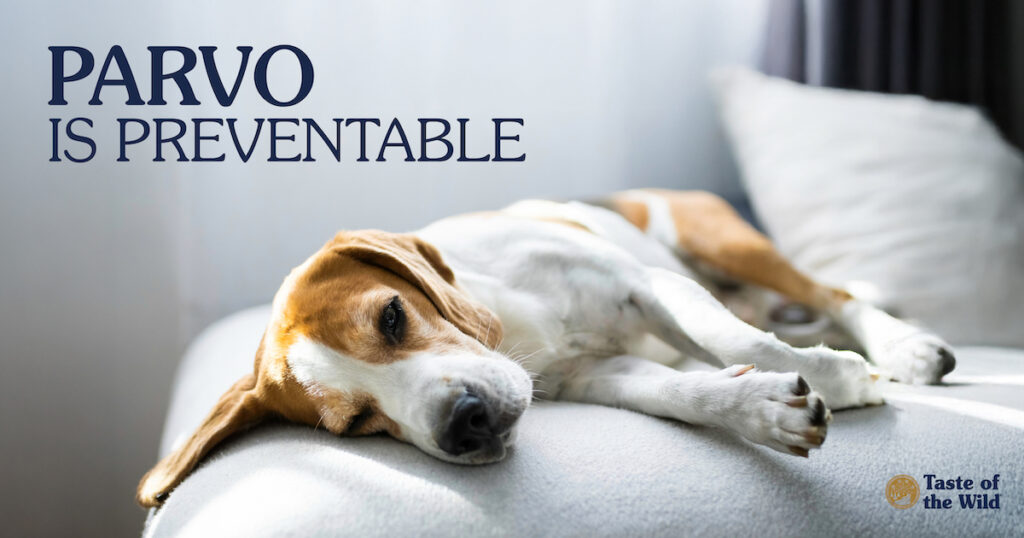
A young white and brown dog lying on its side on a pillow looking tired.

One of the scariest things a pet parent can hear is that their puppy has parvo. This aggressive infection can quickly turn a healthy, playful pup into a very sick puppy that requires hospitalization. Parvo can also cause severe illness in adult dogs, but the good news is that a vaccine is available to protect puppies and dogs against canine parvovirus.

What Is Parvo?

Parvo, or canine parvovirus, is a highly contagious disease that affects dogs and their wild cousins, like wolves, foxes and coyotes. The virus attacks the rapidly dividing cells of a dog’s body, particularly the bone marrow and small intestine, causing a potentially deadly disease of the digestive system. It often affects puppies between 6 and 20 weeks of age, but any unvaccinated dog can be infected with parvovirus.

Is Parvo Contagious?

Yes, canine parvovirus is a highly contagious virus that is also hard to kill. It’s shed in the feces of an infected dog — even if the dog isn’t showing symptoms yet. It’s a hardy virus, and, in the right conditions, can survive in the environment for many months. Parvovirus is resistant to many household disinfectant cleaners, making it hard to decontaminate areas that an infected dog has been in. If your dog has been diagnosed with parvo, ask your veterinarian about the best way to disinfect your dog’s environment.

How Do Dogs Get Parvo?

When we say the virus is spread through direct contact with feces, it might be less obvious than you think, as the virus can remain on surfaces after the feces is gone. Consider this scenario: a responsible owner picks up their infected dog’s feces at the dog park, not realizing that the dog is infected — they’re not showing symptoms yet — and they’re leaving the virus behind. Later, another dog and their owner walk on the same area, so they are now carrying the virus on their paws and shoes. The owner and the dog go home, unknowingly carrying the virus with them and increasing the likelihood that the dog ingests the virus and becomes infected.

It’s common for transmission of parvovirus to occur when dogs touch objects that have been contaminated with the virus, including bedding, bowls, toys, leashes and other objects. Parvovirus can also survive on the clothing or hands of people who have interacted with infected dogs. That’s why it’s important to practice good hygiene and keep your dog away from any sick dogs. You should also wait until your dog is vaccinated against parvovirus (and other diseases) before taking them to dog parks, pet stores, the groomer, obedience classes or anywhere else that dogs visit. If you arrange a puppy play date, make sure all dogs have been vaccinated first.

Canine Parvovirus Symptoms

The early signs of parvovirus infection can easily be confused with an upset stomach. If your dog has any of the symptoms below, have them checked out by your veterinarian — especially if they’re a young puppy or an adult dog who hasn’t been vaccinated against parvovirus. Incompletely vaccinated dogs — those who haven’t completed their vaccination series — can also contract the virus. Observation of clinical signs, a physical examination and a fecal sample can confirm a parvo diagnosis.

Parvo Symptoms in Dogs

  • Lethargy (tired all the time)
  • Loss of appetite
  • Abdominal pain and bloating
  • Fever
  • Vomiting
  • Foul-smelling and often bloody diarrhea
  • Rapid dehydration
  • Low body temperature (occurs during the later stages of illness)

Stages Of Parvovirus in Dogs

There are multiple stages of parvovirus. After initial infection with the virus, there is an incubation period that typically lasts around 3–7 days. During the early stages of infection, possible symptoms include becoming tired easily, not playing or eating, and fever.

As the virus continues replicating and invading bone marrow and the cells of the small intestine, dogs will start vomiting and have foul, sickly-sweet smelling diarrhea that often has blood in it. Dehydration is likely at this stage, especially in young dogs. Without treatment, dogs will typically become severely dehydrated, go into septic shock and succumb to the infection. Early treatment is essential to give dogs the best chance of survival.

Parvo Treatment for Dogs

There are no traditional drugs that cure parvovirus, but a monoclonal antibody treatment specifically targeting canine parvovirus is now available. This treatment works by binding to the virus and helping the immune system neutralize it. It is most effective when given early in the course of infection and is used alongside supportive care. Supportive treatment such as hospitalization, intravenous fluids to correct dehydration, electrolyte replacement, anti-nausea medications, and antibiotics to prevent secondary infections remains essential. Whether hospitalized or treated at home, it’s important that dogs with parvo are isolated so they don’t spread the virus to other dogs while they’re in recovery.

Unfortunately, despite treatment, around 10 to 15 percent of dogs won’t survive a parvovirus infection. If dogs don’t receive any treatment, the survival rate goes down to less than 10 percent. Treatment is also expensive, which is why vaccination against canine parvovirus is recommended for all dogs as one of their core vaccines.

Preventing Canine Parvovirus Infection

If a mother dog has received a parvovirus vaccine, she may pass on antibodies to her puppies through her milk, but this won’t protect the pups for very long. That’s why prevention of canine parvovirus infection is best achieved by vaccination. The core vaccines recommended for all dogs protect them against canine parvovirus as well as distemper and canine adenovirus (hepatitis). A combination vaccine (called DAP or DHP) is available, so dogs can be protected against all three diseases in a single dose. Some combo vaccines (DAPP or DHPP) also include parainfluenza virus, which is a non-core vaccine. A non–core vaccine may be recommended by your veterinarian based on your dog’s age, lifestyle, geographic location and risk of exposure. Booster vaccines may be given at your dog’s annual checkup.

It’s important to practice good hygiene, especially if you have been around a sick dog. Parvovirus can contaminate clothes, so make sure you change your clothes and wash your hands well before going near your dog. You should also avoid letting your dog near other dogs’ feces and keep them away from sick dogs.

We hope your dog never has to experience the devastating effects of parvo. Ask your veterinarian which vaccinations are recommended for your pup or dog to help prevent heartbreaking infectious diseases like parvo.

Can My Dog Eat That? Strawberries

A close-up of a pile of freshly picked strawberries.

Welcome to “Can My Dog Eat That?,” our series that answers some obvious (and not-so-obvious) questions about what your dog can and can’t safely eat. You can view some of the previous foods we’ve looked at in our “Can my dog eat that?” guide. Today we answer the question “Can dogs eat strawberries?” Read on!

If those puppy-dog eyes are begging for a bite of fruit, don’t fret. Fresh or frozen strawberries make a great snack for your dog. Just make sure they’re cut up into bite-sized pieces, and thaw the frozen ones a bit to protect your dog’s teeth. Also, too much of a good thing can give your dog an upset stomach, so only feed them small portions of strawberries at a time.

Are Strawberries Good for Dogs?

Yes! Strawberries are a safe and healthy treat for dogs when fed in moderation. They have some nutritional benefits. These berry-healthy dog treats are packed with essential nutrients like potassium and vitamins C, B6 and K. They’re also full of fiber, which helps support digestive health and firm stools, regulates colon pH and encourages the growth of beneficial bacteria in the colon.

Strawberries also contain antioxidants, like vitamin C, that may help protect your dog from the damaging effects of free radicals. If left unchecked, free radicals can contribute to health issues like cancer. The antioxidants in strawberries (and other foods) work with the antioxidants naturally produced by your dog’s body to control these free radicals. Antioxidants also provide other benefits to your dog’s health by supporting their immune system and skin and coat health.

Can Puppies Eat Strawberries?

Puppies and adult dogs can eat ripe strawberries as long as you cut them into bite-sized pieces appropriate for the size of your dog to avoid a choking hazard. You can also make a purée or mash the strawberries, which may be a better snack for a pup or small dog. Blending strawberries with other fruits and fresh produce that are dog-safe, like blueberries and bananas, is another way to feed your dog a healthy and sweet treat.

For adult dogs, you could try sliced frozen strawberries as a refreshing treat on a hot day. To keep your dog safe, make sure they’re bite-sized pieces. It’s a good idea to let frozen strawberries thaw a little first so they’re not hard on your dog’s teeth.

Can Dogs Eat Strawberry Tops?

Before you feed your dog sliced strawberries, you should wash them and remove the stems and leaves. If you’re wondering “Are strawberry leaves edible?,” the answer is no. While strawberry leaves and stems aren’t toxic to dogs, they can be tough to digest and may cause mild stomach upset, especially if eaten in larger quantities. It’s best to remove them before feeding. Too many strawberries may also upset your dog’s digestive system. How many strawberries your dog can eat depends on their size, so only give your dog a small portion of strawberries at a time.

Can Dogs Have Strawberry Yogurt?

It’s best to only feed frozen or fresh strawberries to your dog. Why can’t dogs eat strawberry yogurt? Because it often contains added sugar, and too much sugar in your dog’s diet isn’t healthy for them. Over time, excess sugar in a dog’s diet can contribute to health conditions like diabetes and obesity. Yogurt can also contain the artificial sweetener xylitol, which is toxic to dogs. For the same reasons, you should avoid feeding your dog canned strawberries, strawberry ice cream or other forms of strawberries that have syrup or sweeteners added.

Are Strawberries Toxic to Dogs?

No, strawberries are not toxic to dogs. They are healthy treats for most dogs, as long as they are washed, sliced and fed in moderation, without the leaves or stems. Strawberries get their sweetness from their natural sugar content, which in large amounts is not healthy for dogs, but strawberries are great as an occasional treat. Start by offering your dog a small strawberry purée or a frozen strawberry slice and see whether your dog thinks they are berry-licious.

Can Dogs Eat Strawberries?

Always check with your veterinarian before feeding your pet new foods, but yes, you can safely feed strawberries to your dog as long as they’re only an occasional treat and sliced into bite-sized pieces. Remember that strawberries, like all dog treats and dog-safe human foods, should make up no more than 10 percent of your dog’s daily calorie amount.

Although strawberries are a great source of vitamin C and contain other nutrients that have health benefits, if dogs eat a complete and balanced commercial dog food, they get all the nutrients they need from that food. So strawberries are just a sweet treat for dog owners to give to their sweet dog.

An interior graphic with text that reads ‘The verdict: Can my dog eat strawberries? Yes, in moderation’.