

Cat Acne: Common Symptoms & Treatments

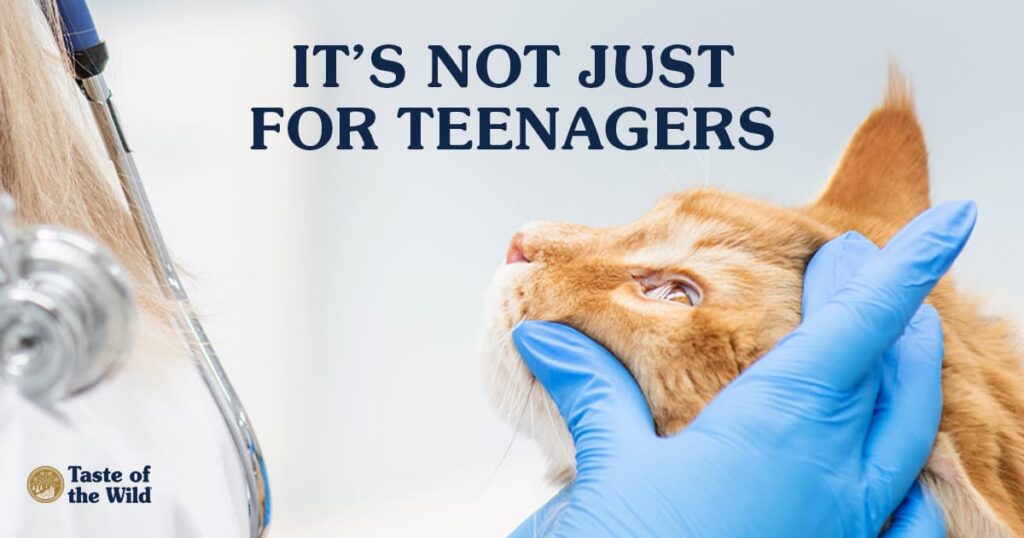
A close-up of a veterinarian wearing blue gloves while gently examining the face of a ginger cat during a check-up.

Just like humans, cats can suffer from acne, regardless of their age, breed or gender. You might think it’s just a little dirt or food stuck to your cat’s chin — until you notice it’s been there all day. That’s why it’s important to recognize the signs of feline acne and how you can help prevent it from occurring in the first place. 

What Is Feline Acne?

Feline acne, also known as cat chin acne, is a common skin condition caused by clogged hair follicles that may be intermittent or chronic. It occurs when there is excessive production of keratin, a protein found in the outer layer of the skin. When excess keratin gets trapped in hair follicles, comedones or blackheads begin to form. If these comedones become infected with bacteria, pustules may develop. Acne typically affects a cat’s chin, lower lip and upper lip.

What Does Cat Acne Look Like?

Recognizing cat acne can be challenging, as its signs often resemble those of other skin conditions. The first noticeable sign is usually the appearance of black dots on your cat’s chin, which may look like dirt. These small black spots are a sign your cat has mild acne. Over time, these specks can develop into red bumps, blackheads and infected hair follicles. You might also observe persistent scratching or discomfort when you or your cat touches their chin, along with crusty lesions if the condition becomes chronic. Cats with chronic chin acne will rub or paw at the area, which can cause bleeding. With some cat chin acne, there can be hair loss in the infected area. 

Cat Acne Treatment Options

Treatment for mild cases of cat acne usually begins with gentle cleansing of the affected area. Your veterinarian may recommend a benzoyl peroxide product or an antiseborrheic shampoo to help remove excess oil and clear blocked hair follicles. Many cats also benefit from fatty acid supplements, particularly omega-3 fatty acids, which may help reduce inflammation and support skin health. Always check with your veterinarian before giving your cat any form of supplement. 

In some cases, keeping the hair around the chin clipped short can make the area easier to clean and prevent irritation. Using medicated cleansing wipes can also be used to clean the area. Avoid attempting to pop or pick at the acne, as this can lead to serious infections. Never treat your cat with human acne medication because it could be too strong for your feline friend. 

Good hygiene of your cat’s environment is also important. Plastic food and water bowls can sometimes contribute to chin irritation and acne. Plastic bowls are porous and easily scratched, creating tiny crevices where bacteria and oils can accumulate. Switching your cat’s food bowls to ceramic, glass or stainless steel may help reduce bacterial buildup. In addition, washing food and water bowls daily can help remove oils and bacteria. These simple hygiene measures can significantly improve feline acne and, in some cases, may resolve it without additional treatment.

If the acne does not improve or shows signs of further infection, it is important to follow up with your veterinarian. For more severe, persistent or infected cases, your vet may prescribe oral or injectable antibiotics or other topical treatments such as medicated shampoo. Severely affected cats may require a referral to a veterinary dermatologist to have a more advanced treatment.

Most cats respond well to improved hygiene and simple environmental changes. If you’ve made the necessary lifestyle changes and suspect your cat’s acne is caused by an underlying issue, contact your vet, as acne can be a sign that your cat is allergic to something. Following your veterinarian’s instructions carefully gives the best chance for successful treatment and long-term control.

Cat Chin Acne vs. Mites

Cat chin acne and mite infestations can sometimes look alike, but they are very different conditions with different causes and treatments. Cat acne is usually caused by clogged hair follicles and excess oil production, while mites are tiny parasites that live on or in the cat’s skin.

Mites often cause intense itching, irritation, hair loss, flaky skin and scabs. Depending on the type of mite, symptoms may appear on the ears, face, neck or other parts of the body. Unlike cat acne, some types of mites are contagious between animals. Mites are typically diagnosed using a skin scraping or microscopic examination to detect the parasites.

In most cases, feline acne is a manageable condition that responds well to proper hygiene, environmental changes and veterinary care when needed. With early detection and understanding the difference between acne and other skin conditions such as mites, pet owners can help keep their cats comfortable and healthy.

Cat Acne FAQs

How Is Cat Chin Acne Diagnosed? 

Diagnosis is generally based on your cat’s medical history and clinical signs. Occasionally, blood and urine tests, skin cytology (looking for bacteria/yeast or unusual cells) and culture and sensitivity tests are required. In severe cases, skin biopsy may be recommended to rule out other skin diseases.

Is There Something I Can Do to Prevent Cat Acne?

Gently wiping the area after meals can help remove food residue and oils that may contribute to breakouts. Use a clean washcloth soaked in warm (not hot) water and hold it gently against the affected area for a few minutes once or twice daily. Using a warm compress can help soften debris, reduce swelling and soothe irritation. 

Is Cat Acne Contagious?

No. Cat acne is not contagious to humans or other cats. However, if another contagious skin condition is present, your veterinarian can advise whether additional precautions are needed.

Can Diet Cause Cat Acne?

Diet is not usually the direct cause, but food allergies or sensitivities may contribute in some cats. A complete and balanced diet will support your cat’s skin health. Your veterinarian can help determine if their diet may be playing a role.

What Are Some Causes of Cat Acne?

Experts aren’t sure what causes it. It has been suggested that it could be associated with a virus. Underlying skin diseases, allergies, autoimmune disease or poor grooming may also contribute to recurring acne. Additionally, stress can weaken your cat’s immune system, making them more prone to skin issues in general.

Why Do Cats Loaf? Understanding the Cat Loaf Pose

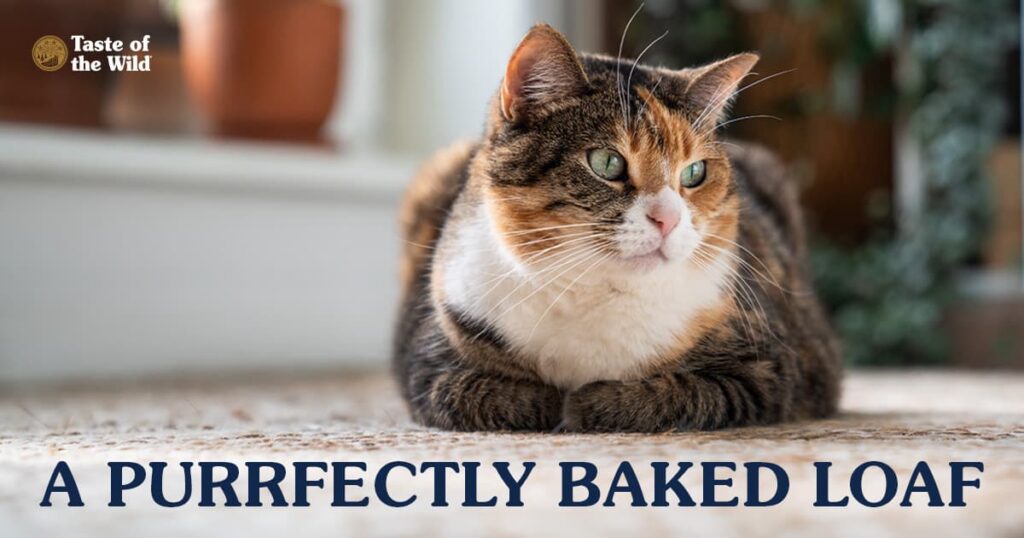
A close-up of a brown, orange and white cat lying on a rug in the loaf position.

If you’ve ever looked over at your cat and found them tucked neatly into a compact, rectangular-shaped bundle, you’ve witnessed the adorable phenomenon known to cat lovers as “cat loafing.” With their paws hidden beneath their body and their tail wrapped snugly around or tucked under their body, cats in this position resemble a freshly baked loaf of bread. Let’s take a deeper look at what cat loafing is and what it means to your feline friend. 

What Is Cat Loafing?

If you look at your cat when they’re loafing, their body is low to the ground, their back legs are tucked under their body, their tail is tucked under or wrapped tightly around their body and their front paws are tucked into their chest, just like a loaf of bread. There can be slight variations of this that we will talk about later. 

What Does it Mean When a Cat Loafs?

There are several reasons why cats sit in a loaf position, but most of the time, it indicates that a cat is relaxed. However, like any cat behavior, there may be other explanations. Generally, loafing means that a cat feels comfortable and safe in its environment while still remaining alert. 

What Does Loafing Mean for Cats?

Most of the time, loafing signals that a cat is relaxed but not fully asleep. It’s a comfortable resting position that allows them to stay calm while still being alert to their surroundings. If your cat’s eyes are half-closed, or they’re slowly blinking while loafing, that’s usually a strong sign they feel safe and content. You may have noticed other calming behaviors, such as your cat making biscuits or your cat purring.

By tucking four paws in, cats conserve body heat and can quickly spring into action if necessary. This is a practical way for them to rest and to help regulate their body temperature. This is especially common on cool floors or during cold weather. In this way, loafing serves a practical purpose to stay warm as well as a comfort-based one.

Another important meaning behind loafing is trust. Cats don’t fully tuck their paws underneath them in environments where they feel threatened or unsure. When your cat loafs near you, it often means they feel secure in your presence and don’t feel the need to stay in a ready-to-run position. It’s a subtle but meaningful compliment to you in cat body language.

Decoding the Cat Loaf Position

There are several variations of this cozy posture. Each one can tell you something about your cat’s mood, comfort level and alertness.

Full loaf: This is the classic loaf that we have described above; a cat lies on its stomach with their paws neatly tucked beneath them and their tail tightly wrapped around their body. 

Partial loaf: The partial loaf position is slightly different from the full loaf, with only the paws partially tucked and slightly alert, ready to move if necessary.

Face loaf: This is the full loaf, but with the face tucked down, and the nose may be buried into their chest or somewhere soft.

Sphynx loaf: Think about the great Egyptian Sphynx statue with a lion’s body and the head of a woman. This is a relaxing position, but they remain alert with their head and ears up, with their paws stretched out in front of them.  

Attack loaf: Don’t be fooled by this loaf position. The body is tucked down, but the ears are forward, the eyes are focused, the tail is off the ground, and they have the look that they are ready to pounce. 

Meatloaf: When you see your cat in the meatloaf position, their back is arched and they have rounded edges. They may look more compact and may appear to be less relaxed than the other loaf positions.

Double loaf: Think of this as a two-for-one special! This position involves two cats loafing side by side; they may be seeking warmth, or they are just comfortable with each other and have gained each other’s trust.

Loaf boat: In this position, a cat sits with its paws tucked under its body, leaving one paw, usually the front, slightly outstretched, resembling an oar or the bow of a boat.

When a Cat Loaf Leads to Worry About Your Cat’s Health

Some cat owners grow concerned that their cat is loafing too much and that is a sign they are experiencing health problems. Along with the loaf position, make sure to look for any changes in behavior or other signs, such as aggression, reluctance to move or jump, an increase in sleeping and changes in litter box habits. Sometimes, the loaf position is to protect injuries to their vital organs, or if they are in pain. Other symptoms paired with loafing, such as diarrhea, muscle tremors, shivering, dilated pupils, loss of appetite, discomfort, vomiting or trembling mean that you should contact your veterinarian.

You know your feline friend better than anyone, so if you notice any unusual behavior, take the time to schedule a visit to your veterinarian and discuss your concerns. As a pet owner, your pet’s well-being is your top priority, so make sure that you have a vet look at any health issues they may have. 

Overall, loafing is a very positive sign in many cats. It typically indicates that your cat is comfortable, calm and feeling safe in their environment. The loaf position can be observed in any breed and at any age; even older cats and young kittens will sometimes assume this posture. So the next time your feline companion turns into a perfect little loaf of bread, you can interpret it as a sign that your cat is happy and content.

Why Do Cats Sleep So Much?

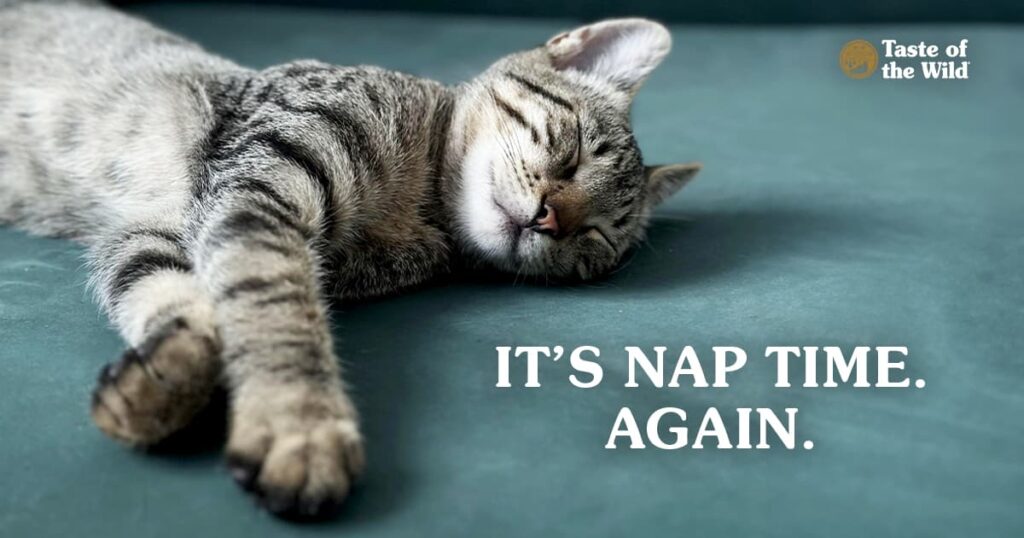
A close-up of a black and tan striped cat sleeping on its side.

What do most cats spend more time doing than anything else? Sleeping! A cat’s typical daily schedule seems to be: sleep, eat, sleep, play, nap, sleep, nap, eat, sleep, play, sleep and repeat! This sleepy lifestyle isn’t just a domestic cat pattern though — it’s followed by wild cats, too. Let’s find out why cats need so much shut-eye.   

How Many Hours a Day Do Cats Sleep?

In general, adult cats tend to spend around 12 to 16 hours a day sleeping. How much they sleep depends on their age, breed, size, personality, environment and activity level. Senior kitties typically sleep even more than this, as cats are generally less active and have a slower metabolism as they age.

It may seem like your favorite feline sleeps in the same spot for hours at a time, but they actually take many short naps throughout the day — it’s where the term “catnap” comes from. These catnaps usually last around 15 to 30 minutes and are just a light sleep. That way they can rest and recharge but remain alert and ready to spring into action if predators come nearby (or they hear the rattle of the treat bag). 

Cats will also sleep deeply, but this only lasts around five minutes at a time. You can tell if your cat is in a deep sleep because their body posture will look more relaxed than when they’re in a light sleep and listening for potential threats (or treats). 

How Much Do Kittens Sleep?

Like most baby animals, younger cats need a lot of sleep — up to 20 hours a day. All that growth and development, plus rambunctious playtime during their awake periods, requires lots of rest and energy replenishment. So if your kitten is napping, hold back the urge to play with them; let the little cutie get some rest.  

But How Much Sleep Do Cats Need?

The main reason that cats need around 12 to 16 hours of sleep a day is to rest, recharge and conserve energy. Life for domestic cats’ ancestors was tough, as they needed to hunt their prey without becoming prey themselves. This required staying on top of their game physically and mentally, and sleep was a big part of this. Even today, domestic cats need sleep to stay healthy, replenish energy levels and keep their minds sharp — even though the only thing they’re hunting down is you to remind you that it’s dinner time. 

Why Is My Cat Sleeping So Much?

It’s completely normal for cats to sleep much of the day away, and they do this for many different reasons. We’ve mentioned rest and energy conservation, but another common reason house cats may appear to sleep a lot is because they’re understimulated or bored. Cats need to express natural instincts and behaviors like hiding, hunting, scratching and scent marking. Providing environmental enrichment can help balance their rest and activity cycles. 

Stress and anxiety can also cause cats to sleep more. It’s important to provide your cat with enrichment to make sure their behavioral needs are met and they’re mentally stimulated. Without the ability to express their natural instincts, cats can become stressed, potentially leading to illness and unwanted behaviors. Providing your kitty with mental and physical stimulation as well as other enrichment opportunities (e.g., scratching posts, window perches, toys) can help keep them happy and comfortable in your home.  

Another reason why your cat appears to sleep so much is that they may be awake while you’re asleep. Cats are crepuscular (not nocturnal), which means they are most active during dawn and dusk when light levels are low. It’s possible that your cat wakes up in the early morning hours (even before dawn) and that’s why they need so many naps during the day. 

Why Have My Cat’s Sleeping Habits Changed? 

If you notice that your cat begins sleeping more or less than normal, contact your veterinarian for advice. Some health conditions can cause a cat’s normal sleep patterns to change, including hyperthyroidism (overactive thyroid), hypertension (high blood pressure), anxiety, stress and pain. If you have a senior cat, they can develop cognitive dysfunction (like dementia in people) that can also create a disrupted sleep cycle. 

It’s in a cat’s nature to sleep over half the day away. You know your cat’s sleeping habits, so if their typical sleeping pattern changes, make an appointment with your vet. Erratic sleep patterns combined with other behavioral changes like excessive grooming, increased or decreased appetite and changes in litter box habits could indicate a health issue.

Are Cats Nocturnal? Understanding Feline Sleep Habits

A close-up of a black and brown striped long-haired cat with half of its face lit by sunlight and the other half covered in shadow.

If your cat likes to start their day’s activities with a good play session at 4 a.m., it may have you thinking that cats are nocturnal. Most cats sleep a lot during the day, so that makes sense, right? Nope! While a house cat’s behavior gives the impression that they’re nocturnal, cats actually fit a different category.

Are Cats Crepuscular or Diurnal?

Cats are crepuscular, not nocturnal or diurnal. If “crepuscular” and “diurnal” aren’t familiar terms, you’re likely not alone. Of the three terms, “nocturnal” is probably the most well-known and defines animals who are most active at night and sleep during the day (e.g., raccoons, most bats, many owls and opossums). So what do the other terms mean?

Think of diurnal as the opposite of nocturnal. Diurnal animals sleep at night and are most active during the day. Diurnal animals include most birds, squirrels, dogs, many insects and, of course, us!

Crepuscular animals are in between nocturnal and diurnal animals; they are most active in the hours around dawn and dusk when light levels are low. If you’re wondering where this strange word originates from, crepuscular is derived from the Latin word crepusculum, which means twilight. Some examples of crepuscular animals include certain deer, fireflies, skunks, rabbits and domestic cats. However, these aren’t steadfast rules. Some animals adjust their activity patterns based on the weather, food availability, whether predators are around the area and, for house cats, what their humans are doing.

Why Are Cats Crepuscular and Awake at Dawn and Dusk?

Crepuscular animals are thought to have evolved to take advantage of the cooler temperatures, low-light conditions and prey availability at dusk and dawn. They can also strike a balance of hiding from predators while still being able to see the prey they’re hunting for (e.g., birds and rodents). Cats can see extremely well in these dim-light conditions. They can’t see in complete darkness, but they do have excellent vision in very low-light environments, especially compared to humans.

When Are Cats Most Active?

Pet cats (Felis silvestris catus) are crepuscular, despite their nighttime adventures that may disturb your sleep schedule and have you thinking otherwise. However, your cat’s crepuscular nature may depend on your lifestyle (and theirs), and not necessarily be as hardwired as their ancestors.

If you’re home a lot during the day, your cat may stay awake to interact with you. These extra daytime hours awake could make them more likely to sleep at night. On the other hand, if you’re away from home during the day, they’ll probably spend a lot of their time napping and have more awake time during the night for playtime. Those early mornings might be their genetics kicking in, though!

Why Doesn’t My Cat Sleep at Night?

If your cat is spending more time awake at night than they used to, mention this to your veterinarian. Some health conditions can disrupt a cat’s sleep schedule and keep them up at night, including hyperthyroidism (overactive thyroid), hypertension (high blood pressure), anxiety and pain. If a senior cat is experiencing cognitive dysfunction (like dementia in people), that can also create a disrupted sleep cycle. If you’re noticing changes in your cat’s sleep schedule as well as other behavioral changes like excessive grooming, increased or decreased appetite and changes in litter box habits, contact your veterinarian.

If a health condition isn’t the cause of your cat’s nighttime prowling, you could try increasing their activity and mental stimulation during the day, so they’re more tired at nighttime. Here’s another tip: before bedtime, spend some time playing with your cat and then feed them a small meal. This may help expend some of your cat’s energy, get their tummy full and let both of you get a better night’s sleep.

Do Cats Need Special Care in the Winter?

A cat walking outside through the snow.

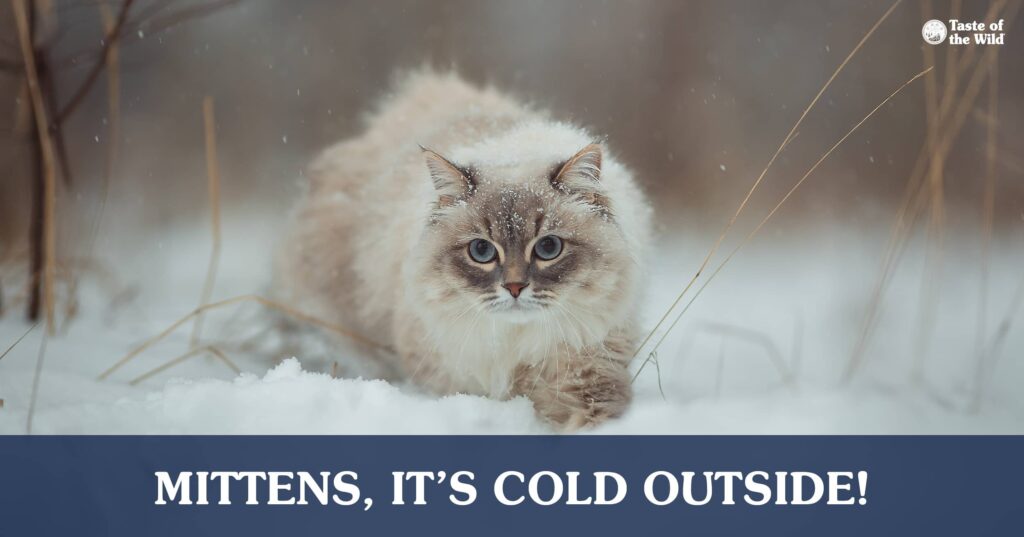
Mittens, it’s cold outside. It’s time to discuss what kind of special care might be needed for cats this winter.

First, we need to look at what kind of life your cat leads to provide the best guidance. Are they an indoor-only cat? If so, there are a couple of changes you’ll need to make this coming season. Are they an indoor/outdoor cat? Leading a double life requires some extra precautions. Let’s dig through some tips before the snowplows have a chance to warm up their engines.

Indoor Cats Still See Changes in the Winter

All cats have a natural instinct to store energy and conserve fat reserves as soon as the weather becomes colder. You may notice Mittens sleeping or lazing about more in the winter as a result.

Cold weather may mean it’s cooler in your house during winter than the summer, and if that’s the case, you’ll notice your cat’s appetite increase. Studies suggest indoor and outdoor cats will eat up to 15 percent more in the winter due to the extra energy they need to keep warm. So, make sure you add some extra kibbles to your favorite feline’s food bowl. Consult with your local veterinarian if you have any questions about how much is too much.

Speaking of warmth, cats prefer to stay nice and toasty. If Mittens had opposable thumbs, they’d set the thermostat to around 70 degrees to stay cozy all winter long. However, since they’re not paying the utility bills, 70 degrees may not always be achievable. Your cat will do okay in rooms hovering between 50 and 60 degrees Fahrenheit, but be sure to provide them with plenty of blankets or other sources of heat. Your cat needs to maintain a body temp of more than 90 degrees in order to ward off hypothermia. Added tip: Have a fireplace? Make sure it’s covered by a glass screen. Mittens will want to sit as close as possible to the fire and you don’t want them to get burned.

Indoor cats will grow a winter coat if they are exposed to enough sunlight, because winter coats are a response to the amount of daylight we have during winter months and not necessarily the temperature. For longer-haired felines, reach for their brush more frequently to help them prevent any potential tangles or matting. No matter how many times a cat grooms themselves, longer fur can still get tangled.

Indoor/Outdoor Cats Need Double Care During Winter

Some cats just yearn to get outside, no matter the season. If you have an indoor/outdoor cat, many of the same recommendations are applicable: You’ll need to increase their kibbles during winter, and you’ll need to provide them with sources of heat to maintain that internal body temperature of 90 degrees.

But also remember that no cat should be left outside without a shelter once temperatures begin falling below 30 degrees Fahrenheit. You can make your own weather-proof cat shelter or you can purchase one from the store. Most pet stores, feed stores and big-box stores sell houses with your cat in mind.

You’ll also want to insulate the pet house with straw — not hay. Straw repels moisture and keeps your cat warm. Keep adding straw throughout the winter months, as your cat will likely begin to compress the straw over time.

It’s important to note that cats have a tendency to find warmth in unexpected spots in addition to the shelters or blankets you provide. Before starting your car in the morning, give your hood a few loud thumps and look to see if a cat is on the move. Your cat or even stray cats could be curled up near your engine in an attempt to stay warm.

Be sure to switch to heated food and water bowls during the winter to prevent water or wet food from freezing. Rubber bowls can be a less expensive alternative, as they won’t crack like plastic containers when water freezes in them, but food and water can still harden. This brings us to our next point — you’ll want to provide food and water daily and make sure that nothing is frozen if you’re not using a heated bowl. Remember: Cats will eat more the colder it gets. All that extra food is going to help sustain their internal temperature.

Lastly, even exclusively outdoor cats still need flea, tick and heartworm prevention medicine or collars. As crazy as it sounds, many parasites are active during the winter months, no matter how cold it may get. Year-round parasite preventives not only help safeguard your pet from disease, but they can help protect your family’s health as well.

Prep Your Winter Cats for Winter Storms

If there’s a winter storm on its way, help care for your outdoor kitties or neighborhood strays by avoiding salt or other snow/ice melt products that aren’t approved for pets. Non-approved snow removal methods can irritate food pads, and they can also be lethal to all animals when licked off paws or ingested from melting puddles. Antifreeze is another deadly chemical to keep out of your cat’s reach during winter.

Next, try to clear a path in and out of the cat’s outdoor shelter, add extra straw to the outdoor house and consider building a feed station to shield your cat’s food and water from wind and snow.

Finally, don’t forget to get all your necessities — including extra food for you and Mittens — prior to the storm rolling in. You’ll want to make sure all humans and pets are hunkered down before the bad weather arrives.

While we wish that every cat could stay safe and snug inside during the winter months, some cats love the winter weather and insist on being outside. But whether your cat experiences winter only from the warm side of the window, or they prefer walking on the wild side all year long, you can keep them safe and comfortable with just a few winter weather updates to their care.

What Is Feline Herpesvirus in Cats?

A veterinarian using a stethoscope on a white cat lying on a table during an examination.

The vet just came in to deliver news that your favorite feline has FHV — feline herpesvirus. Initially, panic might set in as your thoughts are, “How? What does this mean for Mittens? What can I do to give my fur-baby the best life possible?” It can be a lot to take in. But know that Mittens can lead a long, healthy life with proper care. More than 50 percent of cats have FHV, with many of them showing few to no signs throughout their lifetimes.

What Is Feline Herpesvirus?

Feline herpesvirus is a common, uncurable virus that causes upper respiratory infections in cats. It’s contracted from other infected cats when your cat has come into contact with an infected feline’s saliva, nose or eye discharge. The virus can live on bedding and grooming tools for 1–2 days, so be sure to talk to your local pet groomer about your cat’s health prior to your visit and ensure that bedding is thoroughly cleaned if giving it to another cat owner. FHV is not transmittable to humans or dogs.

Common Signs of FHV

FHV symptoms can lead to upper respiratory infections or cat flu. While the infection can be acute, the virus goes into a latent stage in the nervous system and is only triggered when a cat becomes stressed. A cat with FHV can have mild to severe symptoms, including:

  • Eye discharge
  • Pink eye
  • Sneezing
  • Nasal inflammation
  • Runny nose
  • Drooling
  • Pain or irritation in the throat
  • Exhaustion
  • Loss of appetite
  • Fever
  • Coughing

Rare Symptoms of FHV

In rare instances, FHV can cause keratitis and FHV-associated dermatitis. Keratitis is essentially a chronic infection and inflammation of your cat’s cornea. Symptoms involve increased tearing, squinting or rubbing of the eye. Your local veterinarian can help determine if you’re dealing with an upper respiratory infection that has led to eye discharge or if you’re looking at keratitis. Keratitis requires additional medication to get your pet on a healthy track.

FHV-associated dermatitis is also rare. In addition to the common symptoms of FHV, cats with FHV-associated dermatitis develop lymph node enlargement or ulcers in the eyes, mouth, face, trunk, footpads or knees. Cats with FHV-associated dermatitis can usually expect a good prognosis as well. With the help of your veterinarian, cats can recover from FHV-associated dermatitis within three weeks or less. Keep in mind some cats may remain carriers or be prone to relapses. Veterinarians recommend being mindful of these symptoms and reaching out when signs first appear for the quickest recovery times.

Testing for FHV

Your local veterinarian can perform a thorough examination and polymerase chain reaction (PCR) test to see if your cat has FHV. The test is done by swabbing the mouth or nose or taking a swab of your cat’s eye discharge if present. Blood tests are not needed — they are not an accurate way to check for the disease. If you live in a multiple-cat household and one feline tests positive, it is best to get all cats evaluated for the disease.

Life After a Positive Diagnosis

After your cat has been diagnosed, your veterinarian will discuss antiviral or antibiotics options to clear up any infections. If your cat has a severe infection, your veterinarian may recommend hospitalizing your cat so they can receive nutritional support or intravenous fluid therapy they need in addition to antibiotics or antiviral medication.

Once your vet has established a plan to tackle the current infection, they will also discuss long-term care options for Mittens, which might include a change in diet or addition of feline probiotics.

Lastly, lowering your cat’s stress can play a huge factor in their overall health. Did you get new furniture? Change Mittens’ daily routine? Are you preparing for a move? Stressors such as household changes, illness, boarding or travel can reactivate the dormant stage of feline herpesvirus causing them to develop the symptoms listed above.

Talk to your veterinarian about anxiety-reducing supplements or medicines if your cat is persistently stressed and you have made all the positive household changes you can. Those daily options are rather inexpensive as well.

How to Protect Your Cat from FHV

All cats, no matter their age or breed, can contract FHV. Kittens and cats who have a weak immune system are at a higher risk of developing more severe symptoms if infected. The best way to protect your cat from feline herpesvirus is to get the FHV vaccine. Cats eight weeks and older are eligible for the vaccine. It is administered in two to three injections.

Veterinarians then administer a FHV booster every one to three years. These shots do not prevent FHV from being transmitted to your cat if they come in contact with the illness, but they will reduce your cat’s chances of becoming severely sick due to the virus.

Prior to introducing your cat to other felines, it is best to make sure the other cat/kitten has been tested for FHV. If your cat has not been tested, consider the same common courtesy and get Mittens tested before bringing them around other felines.

Along the same lines, prior to boarding, visiting the groomer or establishing care at a new veterinarian’s office, it is best to let them know Mittens has FHV. This will allow the employees to keep your pet, as well as all other cats who visit their establishment, healthy. Remember: FHV is highly contagious among cats.

So, while feline herpesvirus might have been a scary diagnosis to hear during your recent vet visit, you now know ways to keep your furry companion healthy long-term. It’s all about the right care during virus flares, a daily immune system booster and lowering the stress in Mittens’ life.

RELATED POST: Can your pet catch the flu from you?

Vet Visits for Cats: What to Expect

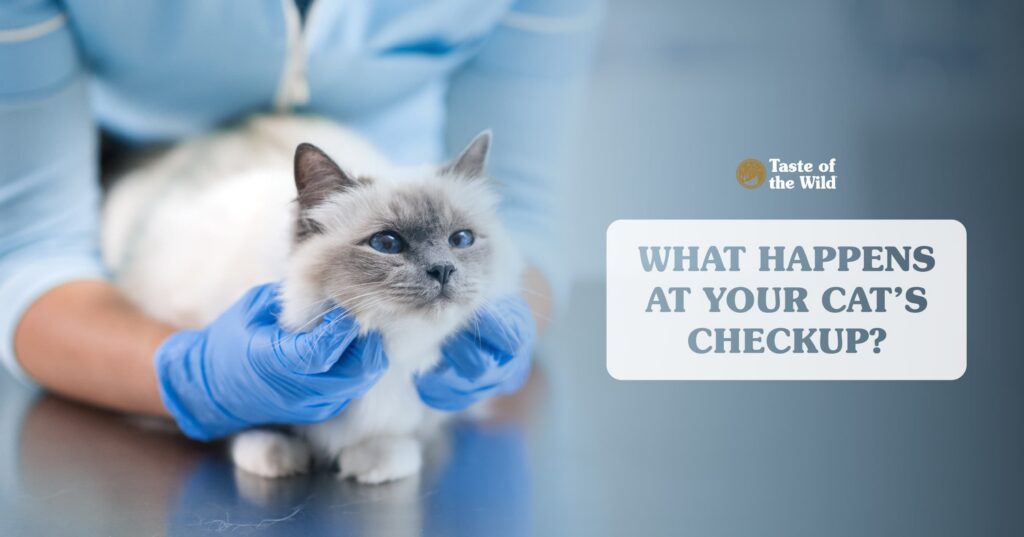
A long-haired white and gray cat with bright blue eyes being gently held on an exam table by a person wearing blue medical gloves.

Wellness exams for your cat are necessary appointments to make, just like an annual physical for your own preventive care. But what can you expect during your cat’s checkup? Your cat may have some questions about what to expect during a checkup, too. Typically, this vet visit won’t last more than 30 minutes, yet within that small window of time, your veterinarian will be checking your furry companion from whiskers to tail.

Do Cats Need Yearly Checkups?

Cats older than one year of age, including healthy adult cats, should visit the veterinarian at least once a year for routine wellness examinations, with the frequency adjusted based on the cat’s lifestyle, age and overall well-being. Kittens need to visit the vet every month until they receive their last round of immunization boosters at four months of age and have completed their other routine kitten procedures like spaying/neutering and receiving a microchip. Then they can begin their yearly vet visit schedule. 

For senior cats over 10 years old, more frequent monitoring becomes important, and visits every six months are typically recommended to keep a closer eye on age-related health changes. Because cats mask illnesses and age quickly, semi-annual visits allow for early diagnosis of age-related issues like kidney disease, diabetes, cancer or arthritis.

If your feline friend has an underlying health condition, your veterinarian will develop a plan specifically for your cat and the health condition they are tackling.

Preparing Your Cat for a Regular Vet Visit

When preparing for your regular vet visits, there are a few things to do at home before you go. First, make sure you have a way to transport your cat, such as a cat carrier, to keep them safe. Your cat may develop some anxiety when the time comes for a vet visit, but there are some things you can do to help keep your cat calm at the vet. Prepare them in advance by making their carrier a comfortable space, minimizing stress during travel, and using gentle handling and calming techniques throughout the visit. Staying calm yourself is important, as cats are very perceptive and can pick up on your emotions.

What Happens During Your Cat’s Wellness Exam?

Once you’re in the exam room, the veterinarian technician or assistant will ask key questions about your cat’s age, gender, diet, appetite, litter box activity, routine care and whether they’re an indoor-only cat or if they spend any time outside. They’ll also ask you if there have been any changes in your cat’s behavior or if you have any concerns. They’ll place your answers in your cat’s file for the veterinarian and for future visits.

Next, it’s time to get your cat’s weight, body temperature, heart rate and respiratory rate. Your cat’s temperature will be taken with a rectal thermometer, so if your pet is anxious, this step may be skipped for now. They may loop back to it later after your cat has calmed down or attempt a different method.

After all pertinent information has been collected, the veterinarian will evaluate your pet’s chart and then start a physical examination.

Your veterinarian will review the following:

  • Body condition: Are they in an ideal body condition for their breed and age? Does your cat have any hair loss or inflammation? How does their coat look overall?
  • Heart and lungs: When the vet listens to your cat’s heart and lungs, how do they sound?
  • Abdominal palpation: Does your cat have any tenderness in the abdomen? Are there any abdominal masses?
  • Alertness: Does your cat appear responsive and aware of their surroundings? Your vet will look at your cat’s eyes and body language to measure it.
  • Walk: Is your cat walking with a limp? Are they steady on their paws? Does their body seem stiff at all?
  • Mouth: How are those pearly whites looking? Is periodontal disease present? Are there any dental problems? Are there signs of dental disease?
  • Ears: Is there any wax buildup? What about ear mites or yeast infections? And do they seem to be hearing everything going on currently?
  • Nose: How is their nasal cavity looking? Can they breathe well?
  • Eyes: Coming back to their eyes, is there any sign of infection or irritation? Do they seem to follow movement well with both eyes?

Using the information from the physical exam, the veterinarian can make a well-rounded assessment of your cat’s overall health. They’ll discuss any concerns and whether additional tests, such as X-rays, blood tests or a fecal exam, are a necessary next step in evaluating your pet’s overall health, provide core vaccine suggestions, booster shot reminders and if any dietary changes are needed to improve your cat’s well-being.

This is the perfect time for you to ask any questions you have as well. Your veterinarian is there to help provide answers and clarifications along the way. 

Preventive Care for Cats

Preventive care is one of the most important ways to keep your cat healthy and catch problems early. Scheduling a regular wellness check or routine vet visit allows you to see the vet before small issues become serious. Remember, early detection and treatment can make a big difference in your cat’s long-term health. During routine checkups, a veterinarian can monitor weight, dental health, vaccination needs and screen for common conditions. Even if your cat seems perfectly fine, it’s still important to make an appointment for your cat to visit the vet clinic at least once a year (or more often for older cats).

Another key part of prevention is protecting your cat from parasites. If your cat spends any time outside, tick prevention, along with protection against fleas, heartworm and intestinal parasites, helps avoid diseases that can be difficult and costly to treat. Your vet can recommend safe, effective products and guide you on proper use. With consistent preventive care, you’re giving your cat the best chance at a long, comfortable life.

The Average Cost of a Vet Visit for Cats

For many pet parents, the cost of a veterinary visit can be a real source of stress. Whether it’s a routine checkup, emergency visit or more complex surgical procedures, understanding what to expect financially can make the experience much more manageable.

The national average cost of a vet visit for cats varies based on location, the amount of care and other factors. The national average is often published by the American Veterinary Medical Association. It’s important to note that additional services, such as diagnostic tests, vaccinations or medications can increase the total cost of the wellness exam significantly. For example, blood tests, dental cleanings or minor surgical procedures can run several hundred dollars or more. But given an emergency vet visit can cost significantly more, treating a problem early is often better for your cat and for your bank account. 

Before moving forward with treatments, your vet’s office can provide a clear breakdown of the actual cost of treatment, including exams, recommended tests and optional services. This gives you the chance to make informed decisions and prioritize what needs to be addressed immediately versus what can safely wait.

How to Reduce Pet Care Costs

Preventive care is one of the most effective ways to control long-term vet visit costs. Annual exams can catch issues early, like dental disease, weight changes or early signs of illness before they turn into more serious and expensive conditions. For instance, addressing plaque buildup now may help you avoid costly treatments for periodontal disease or other complications later.

You might also consider pet insurance as a way to offset unexpected expenses. Many pet insurance plans help cover emergency visits, illnesses and even some routine care, making it easier to budget for your cat’s health over time.

By investing in pet insurance early, ideally while your cat is young and healthy, you can often secure lower premiums and avoid exclusions for pre-existing conditions. Over time, this can provide peace of mind, knowing you’re better prepared for both routine veterinary visit costs and unexpected medical situations.

Annual Checkups Are Important for Your Cat

Ultimately, while veterinary visit costs can vary widely, open communication with your veterinarian and a focus on preventive care can go a long way in keeping your cat, and your finances, in good shape.

So, what are you waiting for? Get your cat’s wellness exam booked. Regular checkups can equal a happier, healthier cat.

Should I Be Worried About My Vomiting Pet?

Taste of the Wild

Stomach issues are the top reason cats are brought to the veterinarian, according to a Healthy Paws analysis of more than 870,000 pet insurance claims from June 1, 2020, to June 1, 2021. For dogs, stomach issues came in third, behind skin problems and pain.

While we know a vomiting pet generally prefers to expel stomach contents on expensive carpets or on your bed in the middle of the night, we don’t always realize what’s causing the problem. So how do you know when it’s something serious?

Causes of vomiting

A broad range of things can cause your pet to vomit, from something as simple as an abrupt change in food or motion sickness from a car ride to more serious causes, such as toxin ingestion, infections like parvovirus or a gastrointestinal foreign body.

Check your house or yard for anything your pet might have accidentally gotten into: medications, mushrooms, the garbage can, super glue and any toys or objects that may have been partially or completely swallowed. Sometimes you may find clues in the vomit, such as potentially toxic house plants that may have been ingested. If you think your pet has eaten something it shouldn’t, call your veterinarian or contact the Pet Poison Helpline.

Mild vomiting

If your pet vomits once or twice and stops, you can remove their food and limit their water for 6 to 8 hours to give the digestive tract a chance to calm down. If they continue to vomit or if they become lethargic, contact your veterinarian.

Although not necessarily recommended, dogs can go for a day or two without eating. However, food shouldn’t be withheld from cats for more than about 12 hours. Cats can develop a condition called hepatic lipidosis, or fatty liver disease, and it can be difficult to entice them to eat again. But a few hours without food is typically not a problem.

During this time, you don’t want your pet to become dehydrated. The easiest way to check their hydration is to run your finger over their gums (do not attempt this if your pet is not fond of having their mouth handled). In a hydrated pet, there should be enough saliva so that your finger slides easily. Dehydrated pets will have dry, sticky gums. You can also try to gently pull up the skin at the nape of your pet’s neck. In a hydrated pet, the skin should snap back into place quickly. If your pet is dehydrated, the tent of skin will take longer to return to its original shape.

You can allow your pet to lick ice cubes, so they ingest a small amount of water at a time. Lapping up large amounts of water quickly may cause your pet to vomit. If you’re concerned, contact your veterinarian.

If your pet hasn’t vomited for 6 to 8 hours, you can begin to offer small amounts of water. As a rule of thumb, you can provide 1 teaspoon of water per pound of body weight every 2 to 3 hours.

Once your pet drinks water without vomiting, you can feed them small, frequent meals, using a bland diet such as boiled hamburger or chicken and rice or food made for sensitive stomachs. If your pet refuses to eat or begins to vomit again, call your veterinarian.

Severe vomiting

Some pets will continue to vomit, even when there’s nothing left in their stomachs, and they just wretch up bile. Prolonged vomiting can lead to dehydration, so it’s important to take your dog or cat to the veterinarian. Even if your pet vomits on a regular basis, such as once or twice a week, it’s worth investigating to see if there’s an underlying disease process causing it.

Depending on your pet’s history, signs and physical exam, the veterinarian may order blood work, X-rays and/or other diagnostic tests. Treatment will vary, depending on the cause, but may include surgery in the case of a gastrointestinal obstruction, fluids to correct dehydration, medications to reduce vomiting or other treatments. Hopefully, your pet (and your expensive carpet) will be back to normal in no time.

RELATED POST: Cancer Signs: What to Watch for in Pets

The Primordial Pouch: Why Do Cats Have a Belly Pouch?

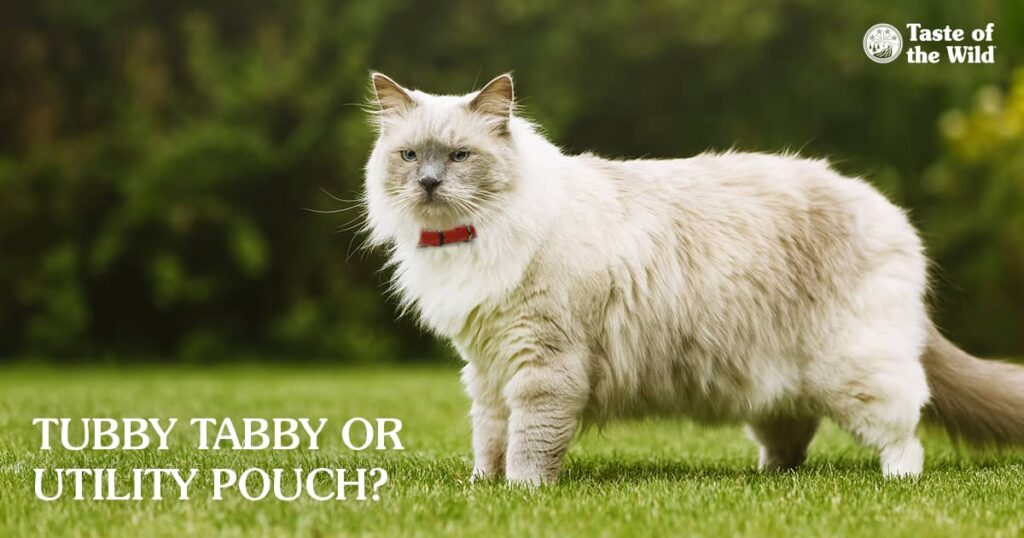
A white cat with a belly pouch walking through the grass.

Many cats have a pendulous pouch that swings back and forth from the abdominal area when the cat walks across the room. But what is it exactly? Is it the saggy remnants of a previous pregnancy in female cats? The droopy remains of a fat paunch in previously overweight cats? The feline equivalent of a muffin top? And is it normal for a cat’s abdomen to have a pouch? We’ll answer those questions and more.

What Is a Cat’s Primordial Pouch?

In cats, this excess collection of fat, loose skin and fur is called a primordial pouch. The pouch typically runs the length of the cat’s belly and is usually more noticeable near the rear legs. Most of the primordial pouch is not attached to the abdominal wall, which allows it to flip-flop and stretch during movement.

These primordial pouches are normal and don’t just appear in an overweight cat, so rest assured, your kitty does not need a tummy tuck (in fact, veterinarians generally refuse to do this kind of cosmetic surgery). Spay and neuter surgeries generally aren’t behind the development of these primordial pouches, either.

Why Do Cats Have a Primordial Pouch?

The feline primordial pouch is a mystery. While experts agree that primordial pouches are normal, no one is sure, exactly, what purpose they serve. The most common theory is that a cat’s primordial pouch provides protection — extra padding to protect the cat’s body and internal organs from sharp teeth and claws during skirmishes with prey or other cats.

Others speculate that the excess skin of a primordial pouch provides flexibility, making it easier for cats to stretch and run when they need to put an escape plan into action. It’s possible the primordial pouch also provides a food storage purpose, allowing the stomach to expand when cats eat an especially large meal, or a place to store fat for future sustenance (although this makes more sense for cats in the wild who aren’t served a bowl of delicious food every day like house cats are).

Do All Cats Have a Primordial Pouch?

While the primordial pouch may be unnoticeable in some cats, it can be pronounced in others, including older cats and certain cat breeds, such as the Bengal, the Egyptian mau or the pixiebob. Primordial pouches can even be spotted in big cats like lions, tigers and other large wild cats!

When Do Cats Develop a Primordial Pouch?

Every kitten is born with a primordial pouch, but you won’t begin to see it until they start developing into adults at around 6 to 12 months of age. But as we mentioned, depending on their genetics, in some cats the primordial pouch may still be hard to see as an adult.

Why Is My Cat’s Primordial Pouch So Big?

If your cat has a large primordial pouch, it may be due to their breed or other genetic factors. The pouch size is not typically related to their weight or health status — skinny cats can have large primordial pouches and overweight cats can have small primordial pouches. If you have a senior cat, you may notice their primordial pouch has gotten bigger as they’ve aged. When skin ages, it loses its elasticity, which can make the pouch look saggier.

Excess Skin or an Overweight Cat?

All that loose skin in your cat’s belly flap can make it difficult to evaluate if your cat is getting pudgy. In general, when viewing your cat’s shape from above, a normal, healthy cat should have a perceptible waist. You should also be able to feel your cat’s ribs without a lot of effort. If you’re having trouble feeling your cat’s ribs or seeing their waist, they’re probably overweight. If you need more help determining if obesity might be the cause of your kitty’s belly pouch, your veterinarian can help.

So if your feline friend has a primordial pouch, don’t fret — it’s perfectly normal. We may not know why your cat’s primordial pouch exists, but it’s there for a reason and doesn’t need to be removed.

Can Cats Eat Catnip?

A black and tan striped cat lying on the floor staring at a ball of catnip.

If you’re wondering if your cat can have catnip, the answer is a resounding yes! Catnip is safe for cats and is a great way to add some entertainment to your cat’s (and your) life. But it’s a roll of the dice whether your cat will respond to catnip. Some cats don’t experience any effects, some cats drool and chill out, while other cats take off in a burst of energy and ricochet around the room!

Is Catnip Bad for Cats?

The good news is that catnip is nontoxic and safe for cats. In fact, it’s often used as a form of enrichment for indoor cats to help prevent boredom and stress and keep your cat happy. As well as fresh catnip, you can purchase dried catnip and catnip spray, as well as catnip balls, bubbles and chew sticks. You can also buy your kitty catnip-infused toys or toys that can be refilled with dried catnip.

About the Catnip Plant

Catnip (Nepeta cataria) is a perennial herb in the same mint family as peppermint and spearmint. It is native to Europe, Asia and Africa, and was thought to have been brought to North America by settlers. Catnip is now considered a pesky weed, but it also remains a favorite in the herb gardens of cat owners who like to grow fresh catnip.

The catnip plant contains several essential oils and other compounds that are stored in tiny bulbs that cover the leaves, stems and seedpods of the plant. The oils are released when a cat (or other animal) brushes up against the plant. The release of one compound in particular, nepetalactone, is why some cats react to catnip.

How Does Catnip Work?

The mood-altering effect of catnip is associated with a cat’s sense of smell. Nepetalactone, the active ingredient in catnip, rapidly changes from a liquid to a gas and binds to receptors in a cat’s nose. So the effect of nepetalactone on a cat’s brain is from the system responsible for a cat’s sense of smell — not from eating catnip.

Can Cats Overdose on Catnip?

No, cats can’t overdose on catnip, but they can get an upset tummy if they eat too much. There’s also no need to worry about your cat getting addicted to catnip. However, if cats are exposed to catnip too frequently, they can become accustomed to the effects. So it’s best to limit your cat’s access to catnip.

The Catnip Effect Isn’t Guaranteed

Only about 50 to 80 percent of cats are sensitive to nepetalactone, so not all cats will experience the catnip “buzz.” For some cats, catnip causes them to be very active and playful whereas other cats become calm and mellow. Most cats who are sensitive to nepetalactone will respond by displaying some of these behaviors:

  • Sniffing, licking and biting
  • Shaking their heads
  • Rubbing their heads, chins or cheeks against it
  • Rolling over
  • Drooling
  • Vocalizing
  • Kicking the catnip with their back paws

The euphoria that catnip brings cats doesn’t last long, typically 5–15 minutes. After that, they’ll be temporarily “immune” to the intoxicating effects of the ’nip for about two hours.

If your cat doesn’t respond to catnip, there are other plants you can try like silvervine and Tatarian honeysuckle. These plants are also nontoxic and non-addictive for cats and can also be used as a form of enrichment.

Can Kittens Have Catnip?

Kittens can experience catnip safely, but if they’re less than 3 to 6 months old, they typically won’t respond to it and may actually turn their nose up at it. Whether or not an older kitten will react to catnip depends on their parents — the reaction to catnip is hereditary. The catnip effect is caused by multiple genes, and without those genes, your cat will think catnip is just another boring plant.

How Much Catnip Is Too Much Catnip?

Eating too much catnip can cause an upset stomach. If your cat has overindulged, you may notice vomiting and diarrhea that will resolve over time. Contact your veterinarian if you’re worried about the vomiting and diarrhea, especially if you think your cat might be dehydrated. Limiting your cat’s access to catnip will help prevent future tummy problems.

Does Catnip Affect Other Animals?

Some big cats also react to catnip. Lions, jaguars, leopards and snow leopards appear to be sensitive to catnip, but tigers, not so much. Dogs can react mildly to catnip but it only has a sedative effect on them, which is why it’s sometimes used to reduce anxiety. Dogs won’t experience the burst of energy like some cats.

Catnip Benefits Go Beyond Feeling Gooood

Catnip is mostly used as enrichment for cats, but cats may have another reason for being attracted to it. Nepetalactone is an effective mosquito repellent, so it’s possible that cats rub their heads in catnip to fend off annoying and possibly harmful mosquitoes. Whatever the reason, some cats definitely go crazy for catnip!