

Hit the Road to These Dog-Friendly Vacation Destinations

Taste of the Wild

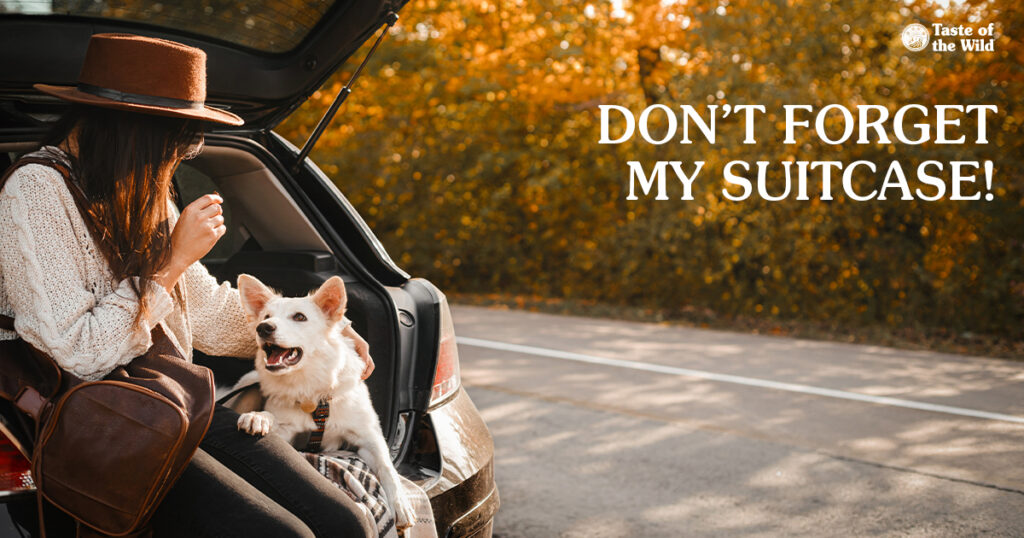
Over the last couple of years, pets and their owners have bonded more than ever. We rely on each other during uncertain times for comfort and care. Now that we’re safely traveling again, both domestically and internationally, the idea of boarding Fido during vacation is unthinkable. They’re part of the family and need to soak up the sun, too! Keeping this in mind, we’ve located dog-friendly towns across the nation so you can begin mapping out your family road trip.

West Coast

Our first dog-friendly location is Bend, Oregon. Dog Fancy magazine even claimed this city as DogTown USA in 2012, due to its long list of dog-friendly businesses, events, trails and parks. A weekend itinerary could include:

  • McKay Cottage Restaurant – 62910 OB Riley Rd, Bend, OR 97701
    • Voted Best Breakfast in Bend since 2010, you’ll want to stop by McKay Cottage Restaurant to get your day started off right. From breakfast burritos to apple-cranberry oatmeal, they have a little something for everyone on the trip. Ask for a backyard table for a dog-friendly experience.
  • Riverbend Park – 799 SW Columbia St, Bend, OR 97702
    • A scenic hike at Riverbend Park provides miles of paved and unpaved terrain for you and your furry friend. The park also offers an off-leash area with river access for cooling down on a hot, summer day.
    • Bonus: The Old Mill District hosts various outdoor events that either begin, end or are stationed at Riverbend Park. Time your trip just right to see hot air balloons take off or a portion of the iconic Pole Pedal Paddle competition.
  • Deschutes River – Various entrance locations in Bend, OR
    • Looking to get out on the water while visiting? There’s no shortage of paddleboard rentals in Bend. Depending on the amount of time you’d like to spend boarding and level of difficulty you’d like to tackle, there’s an option for everyone along the Deschutes River to check out.
  • Campfire Hotel – 721 NE 3rd Street, Bend, OR 97701
    • You didn’t think we’d leave out lodging, did you? Grab s’mores for the family and Fido’s favorite treats for a stay at the Campfire Hotel. This outdoor-themed hotel provides much more than a place to lay your head. You can strum some music for your furry friend with free guitars AND enjoy a nice summer night by a giant firepit!

Midwest

Traveling nearly 2,000 miles east from Bend, we’ll come upon our Midwest vacation recommendation: Duluth, Minnesota. Bring along your passion of flying and your favorite hiking boots when completing Duluth’s itinerary:

  • Lake Country Air and Beaver Air Tours – 50000 Minnesota Ave, Duluth, MN 55802
    • Want to get a panoramic view of Duluth, Minnesota? You and Fido can experience a trip of a lifetime when you view famous landmarks such as North Shore, Spirit Mountain and more during a Lake Country Air tour.
    • Bonus: Dogs fly for free!
  • Elys Peak –
    • It’s time to stretch those legs and get paws on the ground! Continue to see breath-taking views when you hike 1.7 miles on Elys Peak. You and the doggo will enjoy small hills, valleys and plenty of river views to remind you both you’re on vacation!
  • Fitger’s Brewhouse Brewery and Grille – 600 E Superior St, Duluth, MN 55802
    • After an adventurous day, authentic Duluth food and drinks are awaiting you at Fitger’s Brewhouse Brewery and Grille. The pub has eight dog-friendly tables out on the patio. Previous guests have paw-sitively reviewed this location for its good food and friendly service — even noting how they provide water bowls for your furry friend.
  • Fitger’s Inn – 600 E Superior St, Duluth, MN 55802
    • Once you’re done with dinner, you won’t have far to travel with our lodging recommendation. The historic Fitger’s Inn is mere steps away from the brewhouse and provides a great place for you and Fido to catch some zzz’s. This inn provides lakefront views along with a salon and day spa for an owner’s relaxation.
    • Bonus: No additional pet fee!

Northern United States

Next, we’re jumping to the northern portion of the country. Have you ever heard of Block Island, Rhode Island? Get ready to dip your toes and paws in the sand when going through this itinerary:

  • Mansion Beach – Mansion Road, Block Island, RI 02807
    • If you’re on the hunt for some peace and quiet, Mansion Beach may be your first stop. Reviews suggest that it truly feels like a peaceful vacation destination. In addition to relaxing, this beach’s large waves are perfect for surfing or paddleboarding with Fido.
  • Kimberly’s – 238 Ocean Ave, Block Island, RI 02807
    • Being this close to the ocean, you’ll have access to some of the freshest seafood you’ll ever eat. So of course, we had to add Kimberly’s to the list. This dog-friendly restaurant sits on the waterfront and offers a tranquil place to grab dinner. Lobster mac and cheese, pan-seared salmon, miso-glazed cod and so much more.
  • Islandog – 104 Water St, New Shoreham, RI 02807
    • About 10 minutes down the road from Mansion Beach is a pet-themed gift shop called Islandog. This quirky, pet-friendly store embodies their motto: “Gifts for pets and their humans.” If Fido gets dirty and you need pet shampoo, you run out of poo bags or you simply want to treat yourselves to some unique souvenirs, Islandog has you covered!
  • The Blue Dory Inn – 61 Dodge St, New Shoreham, RI 02807
    • Wake up to views of Crescent Beach by staying at the Blue Dory Inn. The pet-friendly inn provides guests with a relaxing stay where wine, hors d’oeuvres and famous Block Island Barnacle cookies are enjoyed every afternoon. Plus, this quaint B&B is a short walking distance to the ferry, restaurants and island shops.
    • Bonus: Fido can meet the resident cat, Simon, along with other furry friends staying over at the Blue Dory Inn.

South

Way down the coast we find our final recommendation, Plant City, Florida. This city is even home to a dog-friendly amusement park! Visualize a vacation of adventure with:

  • Dinosaur World – 5145 Harvey Tew Rd, Plant City, FL 33565
    • Dinosaur World is home to fossils, life-sized dinosaur models and interactive exhibits for the whole family — furry Fido included! Think about the adorable family photos you’ll be able to take alongside a life-sized woolly mammoth statue.
    • Bonus: Water stations are provided throughout the park to keep Fido hydrated!
  • Metals & Nature – 1501 State Rd 60 W, Plant City, FL 33567
    • Enjoy a scenic two-acre stroll with Fido when you take them to Metals & Nature. Along your walk you’ll be amazed at the wrought-iron work and animals you’ll be able to meet. From a koi fishpond to peacocks strutting their stuff, Fido will have a ton of new friends by the end of your visit.
    • Bonus: Metals & Nature is home to trails and picnic tables, so pack a lunch to enjoy after your garden adventure!
  • Strawberry Hut Sandwich Shop – 1505 N Wheeler St, Plant City, FL 33563
    • Craving a Cuban sandwich or a milkshake? Strawberry Hut offers Cubans, salads, soup and milkshakes galore. This restaurant consists of a walk-up counter and five pet-friendly outdoor picnic tables.
  • Comfort Inn – 2003 S Frontage Rd, Plant City, FL 33563
    • Get the comfort of home in the form of a hotel room when you stay at Comfort Inn Plant City. Free Wi-Fi, complimentary breakfast and a grassy area for Fido to play make the stay that much better.

Can Dogs Eat Sweet Potatoes?

Verdict: Dogs May Eat Sweet Potatoes Graphic

Welcome to “Can My Dog Eat That?,” our series that answers some obvious (and not-so-obvious) questions about what your dog can and can’t safely eat. You can view some of the previous foods we’ve looked at in our “Can my dog eat that?” guide. Today we answer the question “Can dogs eat sweet potatoes?” Read on!

Sweet potatoes are a divisive food on the human table. It seems that people either love ’em or hate ’em, and there’s no in-between. In the dog world, however, it’s a “people food,” so chances are, your dog would scarf them down if given the opportunity.

But should you give your dog the opportunity? Can dogs eat sweet potatoes?

What is a sweet potato, anyway?

It might surprise you to hear this, but sweet potatoes are not potatoes at all. Or at least they’re not stem tubers, as most potatoes are classified. Sweet potatoes are actually root vegetables and only distantly related to your standard ’tater. But that’s not to say that they aren’t similar. Both sweet and regular (white) potatoes offer roughly the same calories, protein and carbs, but they differ in their additional benefits. White potatoes provide plenty of potassium, and the sweet potato’s bragging rights are attached to their copious amounts of vitamin A. Now, despite the name, a raw sweet potato isn’t actually sweet; it just tastes starchy, like the other kinds of potatoes. But when you start cooking sweet potatoes, the heat releases an enzyme that breaks down all that starch and turns it in to a form of sugar. This “sugar” isn’t half as sweet as the stuff you put in your coffee, but compared to a normal white potato, it seems like candy — which may explain why your dog would be so eager to eat a sweet potato.

Are Sweet Potatoes Good for Dogs?

Sweet potatoes can be very beneficial, providing energy while helping support gut health, thanks to the high levels of antioxidants. The vitamins like vitamin A in sweet potatoes help maintain healthy eyes and skin. The dietary fiber in sweet potatoes helps support the digestive system. Yes, sweet potatoes are good foods for dogs!

How Do I Cook Sweet Potatoes for Dogs?

Don’t feed your dog raw or whole sweet potatoes; the skin can be hard to bite through and isn’t great for the digestive tract, and if your dog bites large chunks of the ’tater, they could choke. Prepare them by baking, boiling or mashing them. DON’T candy sweet potatoes as you would for your family’s Thanksgiving dinner, though. When dogs eat sweet potatoes, they should be as plain as possible.

In fact, the best way to offer your dog sweet potatoes is as an ingredient in their dog food, to make sure that it’s part of a balanced diet. Many dog food recipes use sweet potatoes as a healthy source of carbohydrates, so check the ingredients panel on the bag or can. Your dog might already be enjoying sweet potato!

Can Dogs Eat Raw Sweet Potatoes?

No, your dog should never eat raw sweet potatoes. Unsweetened, cooked sweet potatoes are fine, but uncooked sweet potatoes are choking hazards and can cause intestinal blockages. Make sure those sweet potatoes are cooked!

Can Dogs Eat Sweet Potato Skins?

When feeding your dog sweet potatoes, make sure you remove the sweet potato skin. It isn’t poisonous, but the skin of sweet potatoes is hard to chew and can be a choking hazard or even block the intestines. Skin those sweet potatoes!

There’s a Caveat with the Sweet Potato

As with anyone’s diet, your dog’s diet should be judged for your individual dog. Diabetic or overweight dogs shouldn’t indulge in sweet potatoes outside of a reputable dog food recipe. If you have any questions about your dog’s diet and whether they can or can’t eat a sweet potato or two, contact your veterinarian.

Can my dog eat sweet potatoes?

They can, if the sweet potato is prepared properly and served in moderation, considering your individual dog’s diet needs. Introducing sweet potatoes as an occasional snack could be a welcome variation!

The Verdict?

Your dog will love them if you feed sweet potatoes in small amounts. Plenty of nutritional benefits for a pet of any size.

An interior graphic with text that reads ‘Can my dog eat sweet potatoes? Yes!’.

Can My Dog Eat Grapes?

Interior graphic with text that reads ‘Can my dog eat grapes? Never!’.

Welcome to “Can My Dog Eat That?,” our new series that answers some obvious (and not-so-obvious) questions about what your dog can and can’t safely eat. Read on!

A grape or two might seem like a harmless snack for your dog. After all, it’s just fruit, and mostly water at that. But what happens if your dog eats grapes? Unlike other fruits like cranberries or blueberries, grapes can be toxic to dogs, potentially leading to acute kidney failure and even death. Grape and raisin poisoning are real dangers for dogs.

This applies to all types of grapes, whether they’re red, green, seeded or seedless, organic or grown conventionally. But fresh grapes aren’t the only problem. Grapes that have been dried — otherwise known as raisins, sultanas (light brown, seedless raisins) and Zante currents — can be problematic as well.

The same goes for foods in your pantry that contain raisins, including cookies, bars and breads, granola mix, trail mix and raisin bran cereal. It’s not clear if grape jelly, grape juice or wine could be hazardous, but why take the risk?

What makes even a few grapes toxic?

Until recently, no one knew why, exactly, dogs and grapes shouldn’t mix. But veterinarians at the ASPCA Animal Poison Control Center discovered that tartaric acid (the ingredient cream of tartar is made from) might be the culprit. The amount of tartaric acid in grapes can vary depending on the type of grape, the degree of ripeness and the growing conditions.

In addition to varying levels within the grapes, dogs can have individual responses to the fruit, making it frustratingly difficult to determine how many will be a problem. Dogs have had a toxic reaction after eating as little as 0.32 ounces of grapes and 0.05 ounces of raisins per pound of body weight. It’s not a food you want your dog eating!

If your dog has eaten grapes or raisins, call your veterinarian or the closest veterinary emergency clinic immediately.

Symptoms when dogs eat grapes

It doesn’t take long for signs of toxicity to appear. Within hours of eating grapes or raisins, dogs may vomit and refuse to eat. If your dog surfed your countertop without your knowledge, you may find the telltale signs of grapes in the vomit. The dog may also have diarrhea, show signs of abdominal pain, drooling, dehydration and lethargy. They may drink and urinate more than normal, or in more advanced cases, they may produce little or no urine.

Seek veterinary help immediately

Since kidney damage can happen quickly, it’s best to call your veterinarian as soon as possible. While there’s no specific test to determine if your dog is experiencing grape toxicity, it’s generally diagnosed based on the history of grape consumption or grapes found in the vomit.

When your dog eats grapes or raisins within the last hour or two and hasn’t vomited yet, the doctor will probably recommend that vomiting be induced to get the toxins out of the stomach. Once that’s accomplished, your dog may be given activated charcoal by mouth, which may help prevent further absorption of toxins into your dog’s system.

In cases of grape or raisin toxicity, some dogs may need aggressive therapy, including hospitalization and intravenous fluids. The veterinarian may recommend blood work and urinalyses to monitor kidney function. Dogs may also benefit from stomach protectants, medications to control vomiting and nutritional support.

While ingestion of grapes should always be avoided in dogs, other fruits can be healthy and safe snacks for your pooch. Consider offering apple slices (remove the seeds), cantaloupe, blueberries, strawberries or bananas instead.

Can One Grape Kill a Dog?

Can one grape kill a dog? Yes, one grape can be extremely harmful. Grape toxicity is a real threat no matter how many grapes a dog eats. When dogs eat grapes, grape poisoning is always a possibility. Grapes or raisins, quite simply, are toxic to dogs, whether it’s one grape, green grapes, seedless grapes, red grapes, etc. If you suspect that grape poisoning has occurred and you cannot seek immediate treatment, you can call  Pet Poison Helpline for immediate advice. Your dog’s health, and kidney failure specifically, is always a concern when your dog ate a grape.

To learn more about why grapes are bad for dogs, check out this article.

An interior graphic with text that reads ‘Can my dog eat grapes? Never!’.

Great Pyrenees: Fearless Guardians of Sheep on High

Taste of the Wild

Named for the mountains that form the border between France and Spain, Great Pyrenees were bred to work beside shepherds and their flocks. They didn’t actually drive the sheep (other herding dogs were responsible for that); instead, they served as guard dogs, protecting the flock from wolves, bears and sheep rustlers.

The massive white dogs typically strode ahead of the flock to inspect the area for predators, then created a safe perimeter around the flock. Given that these dogs can reach 100 pounds or more and 32 inches in height, they created an intimidating presence — unless, of course, their thick, white coats blended with the flock or the snowy surroundings, enabling them to take intruders by surprise.

Guardians of the flock eventually became protectors of castles, with Great Pyrenees serving as guard dogs at the Chateau of Lourdes during the 15th century. Once they were named the Royal Dog of France in the court of King Louis XIV, every noble family wanted one.

Although the first pair of Great Pyrenees was brought to America in 1824 by General Marquis de Lafayette, as a gift to his friend, J.S. Skinner, author of “The Dog and the Sportsman,” the breed wasn’t recognized by the American Kennel Club until 1933.

Today, Great Pyrenees still guard livestock, but many are family companions. Given their background, they can be good rescue dogs in mountainous terrain, but similar to Newfoundlands, they can also serve as gentle therapy dogs. They’re excellent guard dogs, even if they live in the suburbs.

Fun facts about Great Pyrenees

  • During World War II, Great Pyrenees carried artillery over the mountains between France and Spain.
  • Barry Gibb of Bee Gees fame is said to have owned a Great Pyrenees named Barnaby.
  • In the United Kingdom and most of Europe, they’re known as the Pyrenean mountain dog. In France, they’re called le chien de montagne des Pyrénées, le chien des Pyrénées or simply “patou” which comes from the word “pastre,” meaning shepherd or shepherd’s dog.
  • While many mountain herding dogs are considered molossoid, meaning they retain the heavier bone structure and short muzzles of mastiffs, Great Pyrenees are lupomolossoid, meaning that they tend to have longer muzzles and thinner bodies, more like European grey wolves.
  • Fossils of Great Pyrenees dating from the Bronze Age (1800 to 1000 B.C.) have been unearthed in the area, but they are thought to have originated in Asia Minor some 11,000 years ago.
  • In 1662, Basque fishermen brought Great Pyrenees to Newfoundland, where the dogs were crossed with the black curly coated retriever, creating the black and white Landseer Newfoundland.
  • After centuries of guarding sheep well into the night, Great Pyrenees today can be somewhat nocturnal, barking to alert owners if a creature stirs in the wee hours of the morning.

Does Cold Weather Affect Your Dog’s Arthritic Joints?

Taste of the Wild

Some people with osteoarthritis (OA) claim they can predict the onset of cold weather through their joints. “Blizzard’s coming, I can feel it in my knee,” your grandfather may quip. If cold weather makes human joints feel stiff and achy, there’s a pretty good chance it can have the same effect on your dog.

While human research is inconclusive on why this might happen, there are several theories. In osteoarthritic joints, the cartilage covering the surface of the bones is damaged or worn away, exposing sensitive nerves underneath. It’s possible that changes in barometric pressure may further irritate the nerves, causing additional pain.

The synovial fluid inside the joint is typically a little thicker than water. Cold weather may increase the viscosity of the fluid, making the joint feel stiffer. It’s also possible that lower temperatures can make the muscles supporting the joint less flexible. And certainly, people may stay indoors more in the winter, so a pet with arthritis may not get the regular walks and exercise he or she needs to maintain mobility. So, what’s a dog owner to do?

Keep your arthritic dog comfortable in the winter

Here are some simple things you can do to help your dog:

  • Watch the weight — If your dog is carrying a few extra pounds, that weight is putting extra stress on the joints. Keeping your dog lean can help reduce pain.
  • Provide regular, low-impact exercise — Walking is important to control weight and “motion is lotion,” meaning it helps keep muscles, ligaments, and joints in good working order.
  • Ask your veterinarian about pain relief — Some dogs benefit from medications like non-steroidal anti-inflammatory drugs (NSAIDs), which make it easier for them to keep moving.
  • Cozy up the bedding — Add an extra blanket to the dog bed for added warmth and to help cushion achy bones. Avoid electric blankets, or at least make sure there’s a towel between the blanket and your pet, to avoid burning tender skin.
  • Add a layer of insulation — Short-haired dogs may benefit from a warm sweater, even when indoors.
  • Look into physical therapy — Dogs with advanced arthritis may benefit from therapies such as warm, underwater treadmills. Many therapists can also provide massage and range of motion exercises.
  • Use warm and cool compresses — Before exercise, you can apply warm compresses to joints to loosen up tight muscles (again, never place hot compresses directly on the skin). After exercise, icing the affected joint(s) can help reduce swelling and inflammation.
  • Cover slippery floors with non-skid rugs — Giving your dog traction can help prevent painful falls, especially if your dog comes in from outdoors with snow on his or her paws.
  • Provide carpeted ramps — These can make it easier for dogs to get into and out of cars, or to climb and descend stairs.

If you have any questions about how you can help your arthritic dog get the most out of the winter months, your veterinarian can help.

Should I Be Worried About My Vomiting Pet?

Taste of the Wild

Stomach issues are the top reason cats are brought to the veterinarian, according to a Healthy Paws analysis of more than 870,000 pet insurance claims from June 1, 2020, to June 1, 2021. For dogs, stomach issues came in third, behind skin problems and pain.

While we know a vomiting pet generally prefers to expel stomach contents on expensive carpets or on your bed in the middle of the night, we don’t always realize what’s causing the problem. So how do you know when it’s something serious?

Causes of vomiting

A broad range of things can cause your pet to vomit, from something as simple as an abrupt change in food or motion sickness from a car ride to more serious causes, such as toxin ingestion, infections like parvovirus or a gastrointestinal foreign body.

Check your house or yard for anything your pet might have accidentally gotten into: medications, mushrooms, the garbage can, super glue and any toys or objects that may have been partially or completely swallowed. Sometimes you may find clues in the vomit, such as potentially toxic house plants that may have been ingested. If you think your pet has eaten something it shouldn’t, call your veterinarian or contact the Pet Poison Helpline.

Mild vomiting

If your pet vomits once or twice and stops, you can remove their food and limit their water for 6 to 8 hours to give the digestive tract a chance to calm down. If they continue to vomit or if they become lethargic, contact your veterinarian.

Although not necessarily recommended, dogs can go for a day or two without eating. However, food shouldn’t be withheld from cats for more than about 12 hours. Cats can develop a condition called hepatic lipidosis, or fatty liver disease, and it can be difficult to entice them to eat again. But a few hours without food is typically not a problem.

During this time, you don’t want your pet to become dehydrated. The easiest way to check their hydration is to run your finger over their gums (do not attempt this if your pet is not fond of having their mouth handled). In a hydrated pet, there should be enough saliva so that your finger slides easily. Dehydrated pets will have dry, sticky gums. You can also try to gently pull up the skin at the nape of your pet’s neck. In a hydrated pet, the skin should snap back into place quickly. If your pet is dehydrated, the tent of skin will take longer to return to its original shape.

You can allow your pet to lick ice cubes, so they ingest a small amount of water at a time. Lapping up large amounts of water quickly may cause your pet to vomit. If you’re concerned, contact your veterinarian.

If your pet hasn’t vomited for 6 to 8 hours, you can begin to offer small amounts of water. As a rule of thumb, you can provide 1 teaspoon of water per pound of body weight every 2 to 3 hours.

Once your pet drinks water without vomiting, you can feed them small, frequent meals, using a bland diet such as boiled hamburger or chicken and rice or food made for sensitive stomachs. If your pet refuses to eat or begins to vomit again, call your veterinarian.

Severe vomiting

Some pets will continue to vomit, even when there’s nothing left in their stomachs, and they just wretch up bile. Prolonged vomiting can lead to dehydration, so it’s important to take your dog or cat to the veterinarian. Even if your pet vomits on a regular basis, such as once or twice a week, it’s worth investigating to see if there’s an underlying disease process causing it.

Depending on your pet’s history, signs and physical exam, the veterinarian may order blood work, X-rays and/or other diagnostic tests. Treatment will vary, depending on the cause, but may include surgery in the case of a gastrointestinal obstruction, fluids to correct dehydration, medications to reduce vomiting or other treatments. Hopefully, your pet (and your expensive carpet) will be back to normal in no time.

RELATED POST: Cancer Signs: What to Watch for in Pets

Dogs at Work: Samoyeds Kept the Cold and Wolves at Bay

Taste of the Wild

According to legend, the phrase “three dog night” describes a night so frigid that early hunter-gatherer people needed three dogs to sleep with them to stave off the cold.

Although where the phrase originated is unclear, it could very easily have originated with the semi-nomadic Samoyed people of Siberia and their namesake Samoyed dogs. In a region where the temperatures can drop to minus 60 degrees Fahrenheit and lower, those thick-coated dogs snuggled in to keep plenty of families toasty warm at night.

Subsisting on hunting and fishing, the Samoyed people depended on their strong dogs to herd reindeer, hunt for bear, fight off wolves, haul sledges and even tow fishing boats. The dogs’ exemplary work ethic, in freezing temperatures, attracted the attention of Arctic and Antarctic explorers.

Norwegian explorer Fridtjof Nansen took a team of Samoyeds on his 1893 expedition to the North Pole. The breed was also tapped to lead explorers such as Amundsen and Shackleton to the South Pole. The conditions were extremely harsh, and some dogs didn’t make it home.

In 1906, a dog named Moustan of Argenteau became the first Samoyed registered to the American Kennel Club. The dog came from St. Petersburg, Russia, and was originally owned by Grand Duke Nicholas, a brother of the Czar. Today, Samoyeds compete in obedience and agility events and can still be found herding sheep and cattle.

An interior graphic detailing seven fun facts about Samoyeds.

When the Temperature Plummets, Should You Feed Your Pet More?

Taste of the Wild

With winter comes crisper temperatures, waning daylight hours and more time padding around your house in wool socks. It’s a time when we crave comfort foods bubbling with cheese, as if a primordial instinct compels us to add another layer of insulation before we hibernate for the season.

But what about your pet — do his or her nutritional needs change with the season?

Cold-weather pet food

Like people, pets may tend to eat a little less in the summer and slightly more in the winter. But any abrupt change in appetite — eating a lot more or a lot less — or any noticeable changes in weight could be the sign of an underlying health problem. In these cases, check in with your veterinarian.

Still, unless your dog is training for the Iditarod or sleeps outside, it probably spends most of the winter in the comfort of your climate-controlled home. Same goes for your cat. In these cases, there’s usually no need to increase your pet’s food intake in the winter.

When to feed less

If you live in the northern part of the United States, there’s a good chance your dog walks may be shorter (or nonexistent), compared to summer. If your pet is getting less exercise this winter but eating the same amount of food as the summer, he or she is likely to put on some extra pounds. To avoid this, talk to your veterinarian about safe ways to trim food intake.

When to feed the same amount

Even when the thermometer takes a nosedive, your pet still needs daily physical and mental stimulation.  Certain breeds and puppies, especially, need to work off excess energy. And regular exercise can help prevent behavior problems from developing out of sheer boredom. With consistent exercise, you can continue to feed your pet the same amount of food all year ‘round.

Exercising your pet, even in the winter, can help pry you off the couch, too. Consider making the most of winter by taking your dog snowshoeing or skijoring in the snow (they could even enjoy a snow snack). Or explore warm, indoor activities like playtime at doggie day care. You can even set up an obstacle course in your living room. Your cat could also benefit from games of laser tag and interactive food puzzles.

When to feed more

Pets that live outdoors or spend considerable amounts of time in harsh weather will burn more calories to maintain their body temperature. These pets will need more food than they eat in the summer, a place to escape from the weather and a source of fresh water that isn’t frozen.

If your dog engages in high-energy activities in the winter, such as all-day hunting trials, with prolonged exposure to icy temperatures, they will also require additional food. As a rule of thumb, for every 10-degree drop from normal temperatures, a dog will need about 7% more calories. In either case, your veterinarian can help you determine your pet’s caloric needs.

Keeping your pet “just right”

No matter what the season, dogs and cats should be fed to maintain a healthy body condition score. That means they should have an hourglass waist when viewed from above, a tuck in the tummy when seen from the side, and ribs that can be easily felt, but aren’t visible.

Other winter comforts

If your pet spends any time outdoors in icy temperatures, consider a coat to help keep them warm and dry, especially if they have short, thin hair. For pets with longer hair, remove any hair mats, which can pull painfully against the skin, preventing the coat from providing proper insulation by allowing cold air to pass close to the skin.

Trim the hair between the footpads to prevent ice balls from accumulating there. If your dog is tolerant, consider booties, which can also prevent exposure to salt and sidewalk deicers. Any questions? Your veterinarian is the best source for tips on keeping your pet healthy this winter.

Stop Unwanted Barking Before the Holidays

Taste of the Wild

Sometimes, we like it when our dogs bark. It lets potential intruders know there’s a canine guarding the house. It alerts us to someone at the door. Or it tells us our dogs are ready to come in from outside.

But some dogs can go overboard on barking, keeping a constant high-pitched commentary going on about everything outside or inside the house. Your neighbors might not appreciate it, and there may be city ordinances against a barking dog.

If you’re worried your dog may be more vocal, especially during the holidays, here are some things you can do to curb the behavior, in addition to teaching them basic obedience training commands.

Why your dog barks

Knowing what sparks your dog’s impulse to yap can go a long way to helping resolve the issue. Try to notice if there’s a time or location that inspires the barking. Are there certain people, animals, sounds or objects that seem to rile up your dog?

Territorial barkers take their job as guard dogs seriously. They’ll often perch at your front window and bark at every person, dog or squirrel that comes within eyesight.

Others are social barkers. Their ears perk up at the sound of another dog barking in the neighborhood, and they join in the chorus.

Many dogs bark because they’re bored or they’re seeking attention from you, another person, or a dog. Of course, any response from you, even to holler “stop barking,” gives them what they want: your attention. So the barking is likely to continue.

Dogs who create a ruckus when left at home alone may have underlying separation anxiety. These dogs are often truly distressed and may require the help of your veterinarian or a veterinary behaviorist to treat the underlying problem before the barking can be addressed.

The same goes for dogs who bark out of fear or anxiety. They may bark because they can’t escape from the person or thing that’s triggering them to be upset, whether it’s a stranger, another dog, or a vacuum cleaner. This kind of bark may be a warning to back off before the dog becomes aggressive. In this case, professional help may be necessary.

What you shouldn’t do

  • Don’t punish or yell at your dog for barking. Punishment may add to the dog’s fear and make barking worse. If your dog is seeking attention, any attention you provide — even negative — rewards the behavior and encourages it to continue.
  • Don’t be inconsistent. Don’t reward your dog for barking at some things, like people who come to the door, but not other things, like squirrels.
  • Don’t use shock collars. Some dogs will temporarily stop barking with shock collars and citronella collars, which emit a citrous scent with barking — but they eventually figure out a way around them. Positive reinforcement of quiet behavior is always better.
  • Don’t get your dog excited about arrivals at your door. Saying “who’s here” in an excited tone may motivate aroused barking when you really want your dog to stay calm.
  • Don’t leave a muzzle on your dog. Immobilizing your dog’s jaw for any amount of time can impair drinking and proper breathing and will most likely increase your pet’s anxiety.

What you should do

Start by working with your veterinarian or certified trainer to determine what is causing your dog to bark. Pinpointing the cause will help determine the most effective behavior modification techniques to help your dog.

  • Avoid barking triggers. If your dog barks at everything outside the window, apply a window film or close the curtains. For pups who are overexcited on walks, go for a stroll during low-traffic times when you’re less likely to run into others.
  • Distract your dog from surroundings. For dogs who bark when on leash, reward them for walking by your side and looking in your eyes for guidance. When a dog nears, train your dog to sit and touch its nose to your hand. With positive reinforcement such as treats, you can make yourself more interesting than the dogs that walk by.
  • Teach the “quiet” command. Start by asking your dog to speak. Then, say “quiet” and give your dog a reward for not barking. Gradually lengthen the amount of time your dog needs to stay quiet until they receive the reward.
  • Increase the exercise. If your dog is barking out of sheer boredom, make a commitment to a long walk each day. A tired dog is often a quiet dog.
  • Teach your dog an alternative behavior. Dogs that bark when the doorbell rings can be trained to go to their mat and be quiet. You will need to start this training weeks before the holidays to give your dog time to master the behavior. Also, instruct visitors to make their entry low-key and to ignore the dog until they’re quiet.
  • Replace fear with good things. If your dog is afraid of strangers who come to the door, distract your pooch with treats and keep doing so until they are relaxed when the stranger is in the house.
  • Don’t leave your dog in the yard alone. Supervise your dog while they’re in the yard, or better yet, keep them occupied with games of fetch or playing with toys.

If you run into any roadblocks, consult your veterinarian or certified trainer. With a little effort, you’ll never even know that Santa came down the chimney until Christmas morning!

Acute vs. Chronic Pain: When Your Pet Needs Help

Taste of the Wild

Your dog or cat can feel pain in all the ways you do. Maybe it’s the throbbing of a sore tooth. The dull ache from an old knee injury. Or the sharp stab of a cut on a paw pad. The difference with pets’ pain is that they don’t always tell you when it hurts.

Like animals in the wild, pets may hide signs of pain to prevent them from appearing vulnerable to predators. That’s why it’s your job to keep close tabs on your pet and notice when something may be wrong. If your pet isn’t as active as they used to be, don’t write it off as just part of the natural aging process. Any change in your pet’s behavior could be a sign of pain.

Acute vs. chronic pain

In medicine, most pain is classified as either acute or chronic. Acute pain tends to come on suddenly or lasts for a short time, dissipating once inflammation resolves and healing occurs. It’s often brought on by trauma, surgery or an inflammatory condition, such as an illness.

If you twist your ankle, for example, you’ll probably feel immediate pain, which will improve once you prop up that leg on a pillow and allow the swelling to resolve. It’s important to recognize acute pain and treat it immediately, or acute pain can become chronic.

Compared to acute pain, chronic pain is more complicated and generally lasts longer, sometimes even for the pet’s lifetime. Osteoarthritis is one condition that can cause chronic pain, because the disease can’t be cured and tends to progress over time.

Left untreated, chronic pain can snowball. The animal’s brain can become so sensitized to pain that a nerve signal meant to relay a small amount of pain is perceived as being much more painful. Early recognition and treatment of pain is important to prevent this exaggerated form of pain perception from developing.

Acute pain may be treated by resolving the source of the problem, such as removing a fractured tooth or resting the affected area and/or a short course of veterinary pain relief medications. Chronic pain, on the other hand, is typically managed with a combination of treatments which may include medications, physical therapy and other interventions.

Signs of pain in pets

Sometimes, it can be obvious that your pet is in pain. Maybe they’re limping on a bad foot or pawing at a broken tooth. But since pets often will try to hide pain, the signs can be subtle. Since you know your pet better than anyone, you’re the best person to recognize when your dog or cat is a little “off.”

Possible signs of pain (both acute and chronic) include:

    • Whining, whimpering or groaning (dogs)
    • Meowing, hissing or even purring (cats)
    • Decreased appetite
    • Withdrawal or hiding
    • Obsessively licking or biting at a body part
    • Restlessness
    • Reluctance to move
    • No longer jumping up or using the stairs
    • Seeking affection more than usual
    • Dilated (enlarged) pupils
    • Flattened ears
    • Aggression in a normally friendly pet
    • Guarding a body part

How to help your pet

  • Schedule a veterinary exam as soon as possible — The doctor will try to determine the source of the pain and possible treatment.
  • Give veterinary prescriptions as directed — Try not to miss a dose and call your veterinarian if your pet shows evidence of any side effects.
  • Keep a pain journal — Note how often your pet seems to be in pain, and if possible, videotape the painful behavior for your veterinarian to observe.
  • Make your pet more comfortable at home — Depending on the source of your pet’s pain, small changes can be made to help your pet’s well-being. For example, pets with arthritis may benefit from a padded bed and ramps to make it easier to get into the car or onto furniture.
  • Don’t give your pet any human medications — Some can be dangerous for pets, so always consult your veterinarian first.
  • Keep your pet at a healthy weight — Extra pounds can put additional stress on painful, arthritic joints.

Whether it’s acute or chronic pain your pet is dealing with, if you pay attention to the signs, there’s almost always something you can do to make them feel better.