Help Homeless Pets Celebrate Thanksgiving

Taste of the Wild

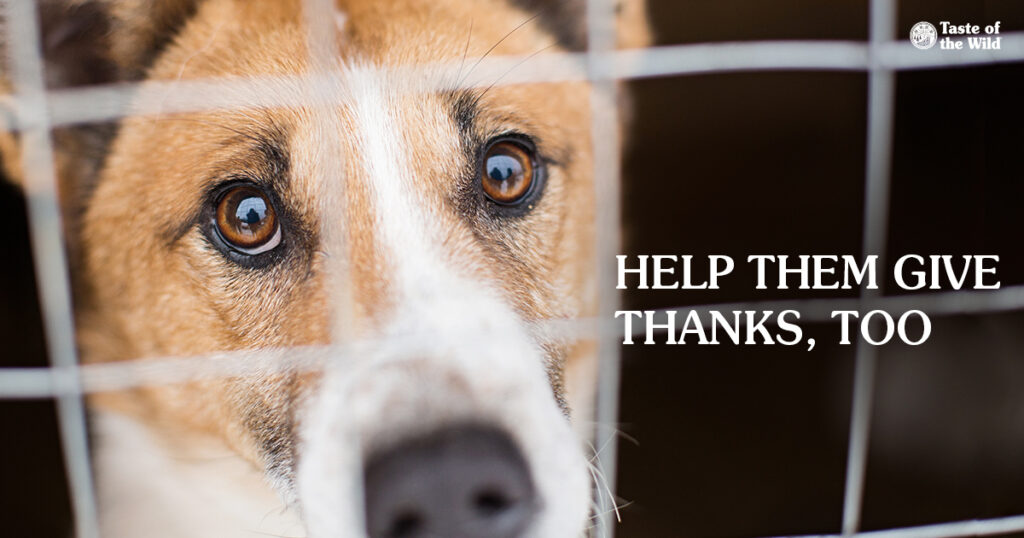
Many families extend a Thanksgiving invitation to friends who don’t have family nearby. Since dogs and cats are part of the family, shouldn’t we offer the same courtesy to animals in the same predicament? In other words, why not share some Thanksgiving love with shelter and rescue dogs and cats?

Here are a few ways you can give thanks for pets by helping those without families this holiday season:

Foster a homeless pet for the holidays. Shelter and rescue facilities can be full of sights, sounds and smells that are unfamiliar and even scary for dogs and cats. Many of these organizations are looking for temporary homes for animals for a week or more. When you foster a pet, you can provide a quiet and loving home for these pets during the holiday season.

Put together a care package. Rescues and shelters are always in need of supplies, from dry and canned dog or cat food to toys and treats, kitty litter and large, gently used towels. Why not bring homeless pets a gift basket from your family? You can always call your favorite local rescue and ask what items are especially needed at this time of year.

Feed a homeless person’s pet. For someone living on the streets, it can be hard enough to find a nutritious meal for yourself, let alone for your dog. The nonprofit organization Pets of the Homeless lists drop-off centers for pet food or donations for emergency veterinary care. This organization is linked with food banks, homeless shelters, food pantries and soup kitchens that can deliver the pet food to those who really need it.

Volunteer your time at the shelter. Plenty of animals could use some one-on-one time with a human being. And what human couldn’t use another dog or cat fix? Many shelter and rescue organizations are looking for a people who can help walk dogs, exercise small critters, socialize cats and scrub kennels. It won’t cost you a thing, but it’ll sure make some animals feel good.

Participate in Giving Tuesday. On the Tuesday after Thanksgiving, people all over the world will make donations to their favorite nonprofit organizations. It’s your chance to support a cause that’s close to your heart, like your local shelter or rescue. You can even specify where you’d like the money to go, such as a fund for those animals who are sick and need medical or surgical care.

The best gift of all: adoption. Do you have room in your heart and home for a new pet? There are plenty of dogs and cats who would love nothing better than a forever home. It’s a tremendous kindness to a lonely dog or cat. But it’s also a gift to yourself — and one that truly keeps on giving.

How To Take Care of A Senior Dog

An aging cocker spaniel dog with curly fur lying down on green grass in a park.

Do you have a golden oldie in your house? If so, your senior dog is probably experiencing age-related changes that go along with their graying muzzle. Chances are, they have a creaky joint or two. Their hearing or vision may not be what it used to be. And they may even have some memory loss. The good news is there are things you can do to help keep your aging dog happy and healthy as they enter their senior years.

When Is a Dog Considered a Senior?

Dogs are generally considered seniors around the age of 8, but this can vary depending on their size and breed. Smaller breeds typically become seniors between 10 and 12 years old, while large and giant breeds may be classified as seniors as early as 6 to 8 years old. In general, larger dogs tend to age more quickly and have shorter lifespans compared to smaller dogs. If you’re curious how old a senior dog is in human years, a 10-year-old dog is roughly 65 (not adjusting for breed differences).    

What Changes Do Senior Dogs Go Through?

As dogs enter their senior years, they undergo various physical and mental changes. You may notice that their coat is turning gray, and their skin may lose some elasticity. Older dogs might also face issues like hair loss and slower healing from wounds. In addition to these changes, they may experience hearing loss and eyesight problems in their old age. Reduced mobility can occur due to joint problems, obesity or arthritis.

There can also be changes in their behavior as they age. A dog who once loved to be cuddled and held may growl or react aggressively. This is not necessarily a behavioral problem; they might be trying to tell you that they are in pain due to arthritis or another health issue. At the same time, cognitive changes such as canine cognitive dysfunction can affect memory, awareness and emotional stability. Dogs may seem disoriented, forget familiar routines, pace at night or become more clingy or withdrawn. Anxiety often increases because their world feels less predictable and harder to interpret.

This is where routine becomes especially important for senior dogs. A consistent and predictable schedule, with feeding at the same time, regular walks and familiar sleeping areas, helps reduce uncertainty. This routine can also help your pet feel less stressed or anxious.

Common Health Issues in Older Dogs

Early diagnosis and treatment of age-related diseases can make a significant difference in keeping your senior pet comfortable and healthy. As a dog ages, they become more susceptible to various health issues, including arthritis, dental disease, kidney problems and vision or hearing loss. Regular monitoring allows these conditions to be identified early, when they are often more manageable.

Routine wellness exams are especially important for older pets. Veterinarians typically recommend a checkup at least twice a year for senior dogs, as changes in their health can occur more rapidly than in younger animals. It’s important to pay attention to any changes in appearance or behavior and visit your dog’s veterinarian if you see unusual weight gain, weight loss, decreased appetite, changes in activity level or behavior changes. 

Is a Senior Dog Diet Necessary?

Proper nutrition is essential for dogs of all ages, but seniors may have unique dietary needs as they grow older. Senior dogs frequently develop age-related problems such as obesity, sensitive stomachs, arthritis, heart disease and kidney disease, and these conditions may require a specific diet as part of ongoing management of the condition. Not all senior foods are formulated the same, and your dog may not need a senior-specific diet, so it’s important to discuss with your vet which food is best for your senior dog.

Senior Dog Care in the Home

As dogs grow older, their needs begin to change, sometimes in subtle ways, sometimes more noticeably. One of the most common challenges senior dogs face is arthritis, which can make everyday movements like climbing stairs or jumping onto furniture painful. The good news is that a few thoughtful adjustments at home can go a long way in improving their comfort and quality of life. A carpeted ramp can make stairs a breeze, and a footstool near the couch can make curling up next to you easier with two small leaps instead of one big one. Use baby gates to prevent an accidental tumble down the stairs.

Your senior dog’s muscles may not be as strong as they once were. That’s why it helps to cover slippery hardwood or vinyl floors with non-slip rugs or yoga mats in areas your pet often walks. Keep the floor clear of toys or clutter that your dog may trip over. Your dog’s nails and the hair between the footpads should also be trimmed so it’s easier for them to get traction when walking. 

Temperature regulation is another important factor. Senior dogs may have thinner coats or a harder time staying warm, especially during colder months. A cozy sweater or an extra blanket can help keep them comfortable. While it might be tempting to use a heating pad, it’s best to avoid them, as they can accidentally burn sensitive skin. Their bedding or favorite place to lie may need to be upgraded with some padding, too. Help cushion old bones with special orthopedic pet beds, or simply add a cozy comforter to the current bed.

Mealtime should be comfortable, too. Bending down to reach food and water bowls can strain an older dog’s neck and joints. Elevating their dishes just a few inches can make eating and drinking much easier.

Caring for your senior dog is a journey that calls for patience, attentiveness and compassion. By staying consistent with regular physical exams, watching for signs of health issues in older dogs and working closely with your veterinarian, you can help improve your dog’s quality of life and potentially their lifespan. Small adjustments to their routine, like gentle exercise, a balanced diet and keeping them mentally active can make a big difference. In their golden years, the love and care you provide not only supports their health but also strengthens the bond you’ve built over a lifetime together.

Dogs at Work: Siberian Huskies

Taste of the Wild

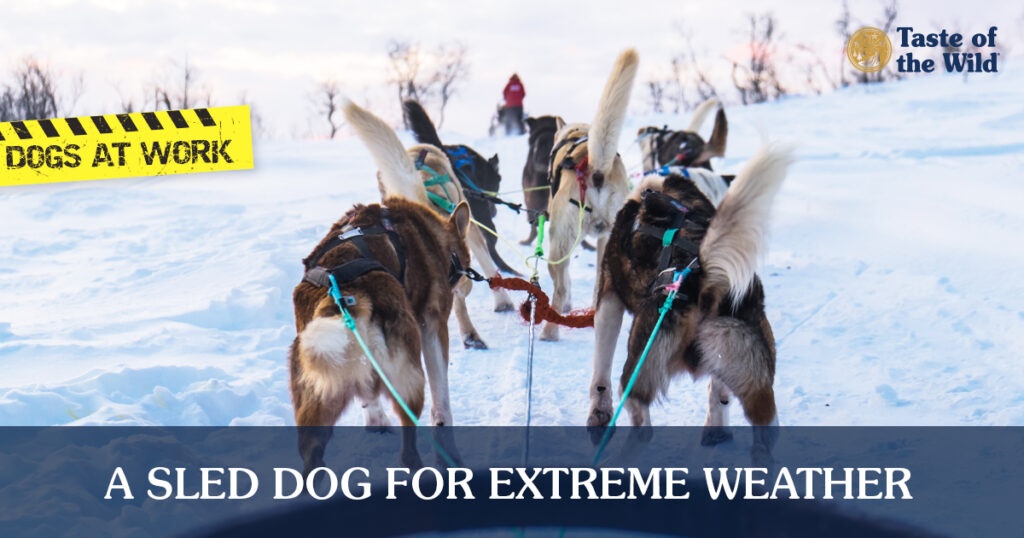
Huskies originated in northern Siberia, one of the coldest and most inhospitable regions of the world.

There, they served as sled dogs and companions for the Chukchi people, carrying food and supplies between inland settlements. Over time, these semi-nomadic people were forced to extend their hunting territory to the sea. Thankfully, their huskies were uniquely capable to tow sleds laden with walrus meat over long distances in snow and arctic temperatures.

In the early 1900s, a Russian trader by the name of William Goosak brought Siberian huskies to Nome, Alaska, to help carry precious cargo during the Gold Rush. The dogs became famous for their sledding capabilities, especially after winning long-distance races such as the All-Alaska Sweepstakes.

The event that really put huskies on the map occurred in 1925, when a husky named Balto led a team of sled dogs more than 650 miles to Nome, Alaska, to carry lifesaving antitoxin for children suffering from an outbreak of diphtheria. Owned by the famous musher Leonhard Seppala, Balto is memorialized with a statue in New York City’s Central Park.

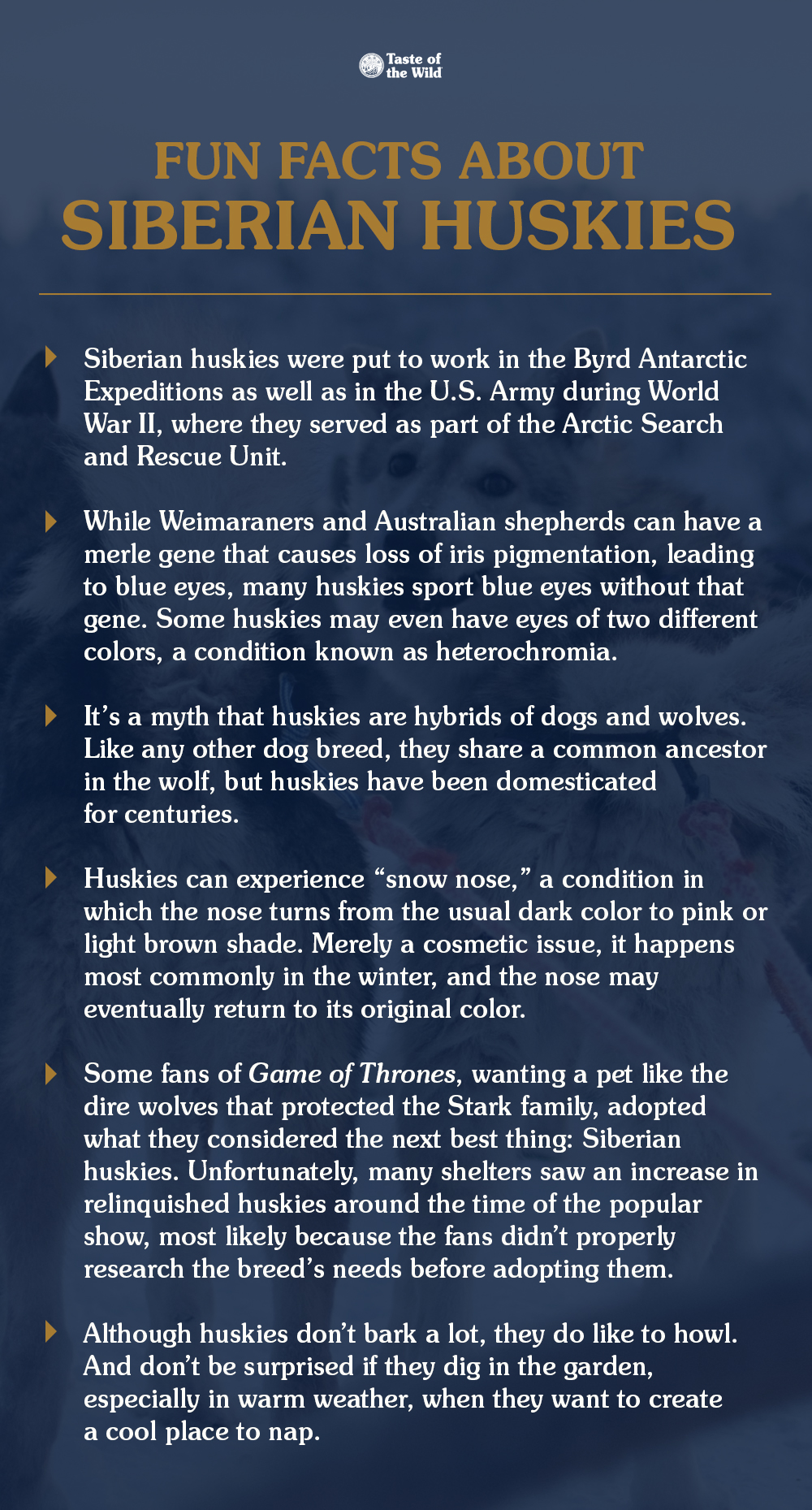
An interior graphic detailing six fun facts about Siberian huskies.

What Strikes Fear into the Hearts of Pets?

Taste of the Wild

With Halloween around the corner, friends and neighbors will do their best to send a shiver down your spine. But have you ever wondered what frightens dogs and cats?

Pets can develop fears and the exaggerated fears known as phobias. But unlike the make-believe ghosts and goblins of Halloween, some pets’ fears are so real that they can cause anxiety and lead to behavior problems, aggression or even property destruction and self-injury.

Fears can develop in an animal for many, many reasons, from traumatic experiences to genetics. But in pets, many common fears can be traced back to the ever-important socialization period of a pet’s early life. Fears may develop because of lack of exposure to people, places and situations during that socialization period, which is the first 12 weeks of life for dogs and the first 9 weeks for cats.

Common dog and cat fears

Both dogs and cats can develop a fear of just about anything. It may be rational, such as a pet that howls in fear during car rides after previous episodes of motion sickness. Or it can be apparently irrational, like the dog who shrieks every time the silverware drawer is opened.

Some pets are afraid of strangers and may bolt out of the room when the doorbell rings. Or they may come unglued when they meet a baby, a child, or a man in a uniform. Other pets may be frightened of other animals or of a specific breed of dog.

Certain situations, like a trip to the veterinary clinic or groomer, or a busy house during the holidays, can make pets shake in their paws. Pets can even be frightened by an unfamiliar object in the house, such as a new fan.

Common phobias in dogs include noise phobia, thunderstorm phobia and separation anxiety. Pets can also suffer from more than one phobia. In fact, many pets with thunderstorm phobia also have separation anxiety.

Signs of fear and anxiety

Fearful pets often feel anxiety, or a sense of unease in anticipation of a threat, that may be mild or severe.

Anxious dogs may pace, pant, drool and tremble. They often lick their lips and yawn. Cats can hiss and arch their backs, or they may nervously overgroom, resulting in hairless patches.

Both dogs and cats may freeze in place, hide, cower or try to make themselves appear small by curling into a ball, tucking their tails close and pinning their ears against their heads. Pupils are often dilated (enlarged), the hair on their spine may stand up and they may whimper or yowl. They may lose their appetites or become aggressive. Some may empty their anal glands or eliminate inappropriately.

These are all signs of a distressed pet, and under no circumstances should the pet be punished, which usually only exacerbates the pet’s fear and anxiety.

Overcoming Fears

The best way to help a fearful pet is to make an appointment with your veterinarian or a veterinary behavior specialist as soon as possible. They can work with you to help identify what’s causing your pet’s fear. They’ll also give your pet a thorough physical to make sure there aren’t any underlying medical problems that might contribute to the behavior. Typically, your veterinarian will recommend a combination of treatments, which may include behavior modification, environmental changes or, if needed, medications.

For the pet that runs when the doorbell rings, for example, you might start by changing the doorbell chime so it’s less likely to cause anxiety in your pet. Then, gradually desensitize the pet to the doorbell cue by asking family members to ring the bell and enter, so the pet recognizes that the sound results in a positive event. As your pet becomes more comfortable, provide a treat or toy each time they remain calm after the doorbell.

Then you can place your pet on a leash and gradually have other people your pet may be familiar with enter the door. Ask these people to ignore your pet and avoid eye contact. Treats may be tossed toward the pet to invite them to approach the person. In this way, work to gradually reduce the space between the person and the pet. Once your pet is comfortable with this, try having strangers come to the door, all the while rewarding your pet for non-fearful behavior.

Helping your pet overcome fears requires time, patience and positive reinforcement for every advancement he or she makes. But helping relieve anxieties can improve their quality of life, which makes it all worth it.

Adventures in the Wild: Road-Tripping with Your Pets

Taste of the Wild

The best things about a road trip with your dog? He or she won’t complain about your off-key singing (although they may howl with you). They won’t roll their eyes if you finish the bag of cheesy popcorn by yourself. And they’ll never ask, “Are we there yet?”

If you’re planning to put your car odometer to work, here are some tips for safe and happy travels with your dog.

Prepare for the trip

  • Check in with your veterinarian. Make sure your pooch is current on vaccines and parasite preventives. Ask the doctor if there are any health risks you should be aware of at your destination and request a copy of your pet’s vaccination record in case you need documentation when crossing state lines.
  • Dogs who are low-energy couch potatoes should be checked to make sure they’re physically able to hike or participate in any other activities you have planned. If your dog is queasy on car rides, talk to your veterinarian about medications to help prevent nausea. Dogs who need sedatives for car travel are probably more comfortable left at home with a sitter or at a boarding facility.
  • Get your dog accustomed to car rides. If your pup hasn’t spent a lot of time in the car, start by taking short rides to fun places, like the dog park (see the “safety first” section, below). Then gradually extend the time in the car.
  • Pack all pet essentials. That includes food and water bowls, food, bottled water, poop bags, leashes, medications, grooming tools, a pet first aid kit, pet bed and toys.
  • Book rooms at pet-friendly hotels. Make sure your dog will be welcome at each stop by exploring websites like BringFido to find pet-friendly hotels.
  • Brush up on obedience. Commands like “come,” “drop it,” and “stay” may be crucial when your dog is in unfamiliar territory.
  • Check your dog’s ID. Because dogs can escape at rest stops or be scared by loud noises and run off, make sure ID tags include your current phone number. Call your microchip company to ensure your contact information is up to date. If you plan to stay at one location for any amount of time, make a temporary tag with that address.

Safety first

  • Make sure your dog is properly restrained in the car. Never let your dog ride “shotgun” or in someone’s lap in the front seat. This can lead to driver distraction, and in the event of an accident, your pet may be seriously injured by an airbag.
  • In an accident, an unrestrained dog can become a projectile, potentially harming other passengers and themselves. It’s best to keep your pet in the back seat in a harness that’s fastened to a seat belt, or in a kennel in the back of the car. The kennel should be roomy enough for the dog to stand, turn around and lie down inside. It should also be secured in place, so it doesn’t slide around.
  • For information about pet kennels and harnesses that have been safety tested and certified, visit the Center for Pet Safety, a nonprofit consumer advocacy group that works to protect pets during travel.

Hit the road

  • Prevent motion sickness. If possible, feed your dog about four hours before you leave. Try not to give your pup food or water during the drive, when the car is moving.
  • Keep your dog inside the car. Don’t let your dog hang its head out the car window; this can result in eye injuries, and dogs have been known to jump out of the car and into traffic. Dogs should also never ride in the bed of a pickup truck, even if leashed in (and of course, not in a carrier on the top of the car).
  • Use the child safety button to lock windows. This will prevent your pet from accidentally pushing any control buttons in the back seat that could create a dangerous situation with the windows. If it’s hot, aim an air conditioning vent at your dog.
  • Make a pit stop every 3 to 4 hours. Your dog will need to stretch his or her legs, go potty and have a drink of water. Let’s face it; you will too. If possible, put the leash on your dog before opening the car door.
  • Never leave your dog alone in the car. If you’re traveling to warm destinations, your dog can suffer from heatstroke in a matter of minutes. And pets can be stolen!

With a little preparation, there’s no limit to the road trips you can take with your best pal.

RELATED POST: Road Trip! RV Life with Pets

Should I Get a Second Dog?

Two dogs sniffing each other at a park.

Do you ever worry that your dog might be lonely for some canine companionship? Maybe you can’t spend as much time at home as you did before. Or perhaps you’ve recently lost an older dog. But how do you know if your first dog would really love or really hate a second dog in the house?

Does My Dog Need a Friend?

First, dogs are social animals, so most dogs like the company of others. But finding the right match for your dog is a little like setting up a friend on a blind date. For some dogs, it’s love at first sight, others take a while to click, and some dogs will always just feel “meh” about other dogs. There’s no guarantee that two dogs will be best friends. If you’re looking to add multiple dogs to your family, here are some considerations to help you make the right choice.

Evaluate Your Current Dog

What’s your first dog’s temperament like? Do they play well with other dogs, or do they tend to be either submissive or aggressive in social situations? Do they have food aggression? An aggressive dog may not take well to sharing its space, food, toys or humans with another family member and may prefer to be alone. Likewise, a dog that was submissive to your previous pet may come out of their shell when allowed to be the only dog in the home.

Does your current dog have any medical or behavioral issues? You might think a second dog would be the answer for a dog with separation anxiety, but this isn’t always the case. And if your first dog is a digger or barker, consider getting those problems under control so they don’t teach your second dog the same behaviors.

“What I Wish I Knew Before Getting a Second Dog”

While it might help to take your dog to a shelter to meet other dogs, this can be a stressful and unfamiliar environment. Even if the dogs appear to interact nicely there, that doesn’t mean the same will be true when you get home. It’s better to work at finding a second dog that’s a good match for your first dog and make introductions later.

Some breeds, such as golden retrievers and labradors, tend to be more dog-friendly than other breeds and may blend in with other family members more easily.

When it comes to activity levels, opposites don’t always attract. If your current dog is a bulldog that prefers couch surfing, introducing a high-energy border collie as your second dog may not be the best companion dog for them. Although there can be dog-to-dog variations, selecting a second dog who’s the same breed as your first dog may help ensure similar energy levels — if not immediately in the case of an adult dog and a puppy, then eventually.

Also consider your current dog’s age. Don’t assume a new pup will revitalize an older dog. It could happen if your gray-muzzled old dog is in good health, but if they suffer from arthritis or other medical problems, adding a rambunctious new puppy may be frustrating for older dogs.

The sex of the new dog also matters. Fights are more likely to break out between two female dogs. It’s better to have two of the opposite sex (neutered and spayed, of course) or two neutered male dogs.

Current Dog Meet New Dog

Before any doggy introductions, make sure to take the second dog to your veterinarian for a thorough physical exam. Your vet will make sure the new dog is fully vaccinated and free of diseases and parasites.

Introductions are best done in a neutral space, such as in a public park. With the two dogs on leashes, allow them to sniff and explore each other. Praise them for calm interactions and provide treats. Watch their body language and intervene if there’s any sign of aggression. If possible, take them on a walk together, liberally doling out praise and goodies.

Before you bring the second dog home, make sure that each dog has its own bed as well as water and food bowls. Remove any toys, especially your current dog’s favorites, so there won’t be any competition for resources. Allow your current dog to enter the house first. You may want to leave the leashes on them initially or put the second dog in a crate so the current dog can feel free to sniff and become more familiar.

How to Introduce Dogs to Each Other

All interactions between the two dogs should be supervised. If you need to leave the house, put them in separate rooms or crates to make sure nothing happens while you’re gone.

Start by always giving the first dog their food or treats first. You may need to feed them in separate rooms initially. Once mealtime is over, remove any remaining kibble to eliminate food rivalry. Eventually, the two dogs will work out a hierarchy of their own. If your dogs still have trouble getting along, consult a trainer or veterinary behaviorist.

Is it Better to Have Two Dogs?

We’ve talked a lot about getting a second dog and what that means from the dogs’ point of view but there are few things to consider for you, too. Do you have the resources for double the food, double the vet bills and double the care? Are you ready for the extra responsibilities of owning a second pet? There are certainly a lot of shelter dogs who need a good home and can provide wellness benefits for their pet parents. Ultimately, it’s up to you to decide whether you feel comfortable with bringing home a new dog and how you think your current dog will react to a new pet in the home.

Behind the Breed: Border Collies

A close-up of a white and black border collie sitting upright outside in the sun.

Have you ever wondered about the origins of a dog breed? In our “Behind the Breed” series we’ll dive into the history, personality and physical appearance of a particular breed. We’ll also cover some of the FAQs about the breed and maybe some fun facts, too!

The border collie is one of the most recognizable herding breeds in the world. Known for intelligence, speed and strong working ability, the border collie breed was developed to move sheep across rough terrain with focus and precision. Originally associated with the border region between England and Scotland, this breed was valued for stamina, alertness and the ability to respond quickly to direction. Today, border collies are still admired for those same traits, whether they are working on farms, competing in dog sports or living with pet parents who enjoy outdoor activities.

Because they are so capable and energetic, border collies tend to do best in homes that can keep them mentally and physically engaged. They are often admired for their problem-solving ability and trainability, but they also need routine, purpose and regular interaction to support a healthy life. 

Border Collie Personality Traits

Border collies are widely known for being intelligent, alert and highly driven. Their temperament is shaped by their history as working animals, and that background still shows up in how they think, move and interact with the world around them. They are quick learners and often respond well to training, especially when they are given consistency, structure and plenty of mental stimulation.

Like many herding breeds, they are often happiest when they have a job to do. That job may be herding livestock, practicing agility, learning advanced commands or joining their owners for outdoor activities. Their strong herding instincts are part of what makes them so impressive, but those same instincts can sometimes lead them to try to herd children, other pets or other dogs if they are bored or under-stimulated.

Similar to Australian shepherds, collies are bred to herd livestock. That working background helps explain why border collies are usually best suited to owners who can provide regular exercise, engagement and training. Without enough activity and direction, they may develop behavioral issues such as restlessness, excessive barking or destructive habits.

Border Collie Size

Border collies are medium-sized dogs with an athletic, balanced frame. In general, border collie dogs stand between 18 and 22 inches tall and weigh about 30 to 55 pounds. Their bodies are built for endurance and quick movement, which makes sense given their history of herding sheep over long distances. Border collie puppies may look fluffy and playful early on, but they quickly grow into athletic adults with impressive stamina and focus.

How Long Do Border Collies Live?

Border collies have a life expectancy of about 12 to 15 years. Their lifespan can vary based on genetics, diet, exercise and overall care, but many border collies can enjoy a long, healthy life when they receive regular veterinary care and a balanced diet. As with many breeds, there are certain inherited conditions owners should be aware of. Border collies can be prone to hip dysplasia and collie eye anomaly. Not every dog will experience these concerns, but responsible breeders often screen for them to help support healthier litters. 

Types of Collies

Even though the names sound similar, the border collie and the collie breed are not the same. Over time, working lines and show lines developed in different directions. The working dog line became the border collie, while the more refined show line became what many people now think of as the collie breed.

Today, when people hear the word collies, they may be thinking of border collies, rough collies or smooth collies. Rough and smooth refer to coat types for the collie breed, while the border collie is a separate breed entirely. That is part of why the phrase “types of collies” can get confusing.

Are Border Collies Hypoallergenic?

No dog is completely hypoallergenic, and border collies are not considered a hypoallergenic breed. Because they have a double coat, they may not be the best fit for people with pet allergies. Border collies shed throughout the year, with heavier seasonal shedding as the weather changes. Because border collies shed year round, regular brushing is especially important. That double coat helps protect them outdoors, but it also means regular grooming is needed to keep them comfortable and their coat manageable.

Are Border Collies Good with Kids?

Border collies can be affectionate, loyal family dogs, but they are not automatically the right fit for every home. Because they are so intelligent and energetic, they do best with families who understand the breed’s needs and are prepared to provide exercise, training and structure. In the right environment, they can become great family pets that bond closely with their people.

That said, they are often better matched with older children who understand how to interact respectfully with animals. Herding instincts may lead them to chase or nip when excited, especially if they have not had enough activity or guidance. As with any breed, supervision matters when children and pets are together.

Border collies can also live well with other pets and other dogs, but they need early socialization. Because they are so responsive, they tend to do best when expectations are clear and daily routines include both physical exercise and mental engagement.

Is the Border Collie Breed Right for You?

Border collies are intelligent, athletic and deeply driven. Their loyalty, responsiveness and working ability can make them incredible companions, but they do best with owners who understand their need for exercise, structure and purpose. While they can be affectionate family pets, they are usually happiest in homes where training, activity and engagement are part of everyday life. For pet parents who are ready to meet the breed’s needs, a border collie can be an exceptional match.

The Primordial Pouch: Why Do Cats Have a Belly Pouch?

A white cat with a belly pouch walking through the grass.

Many cats have a pendulous pouch that swings back and forth from the abdominal area when the cat walks across the room. But what is it exactly? Is it the saggy remnants of a previous pregnancy in female cats? The droopy remains of a fat paunch in previously overweight cats? The feline equivalent of a muffin top? And is it normal for a cat’s abdomen to have a pouch? We’ll answer those questions and more.

What Is a Cat’s Primordial Pouch?

In cats, this excess collection of fat, loose skin and fur is called a primordial pouch. The pouch typically runs the length of the cat’s belly and is usually more noticeable near the rear legs. Most of the primordial pouch is not attached to the abdominal wall, which allows it to flip-flop and stretch during movement.

These primordial pouches are normal and don’t just appear in an overweight cat, so rest assured, your kitty does not need a tummy tuck (in fact, veterinarians generally refuse to do this kind of cosmetic surgery). Spay and neuter surgeries generally aren’t behind the development of these primordial pouches, either.

Why Do Cats Have a Primordial Pouch?

The feline primordial pouch is a mystery. While experts agree that primordial pouches are normal, no one is sure, exactly, what purpose they serve. The most common theory is that a cat’s primordial pouch provides protection — extra padding to protect the cat’s body and internal organs from sharp teeth and claws during skirmishes with prey or other cats.

Others speculate that the excess skin of a primordial pouch provides flexibility, making it easier for cats to stretch and run when they need to put an escape plan into action. It’s possible the primordial pouch also provides a food storage purpose, allowing the stomach to expand when cats eat an especially large meal, or a place to store fat for future sustenance (although this makes more sense for cats in the wild who aren’t served a bowl of delicious food every day like house cats are).

Do All Cats Have a Primordial Pouch?

While the primordial pouch may be unnoticeable in some cats, it can be pronounced in others, including older cats and certain cat breeds, such as the Bengal, the Egyptian mau or the pixiebob. Primordial pouches can even be spotted in big cats like lions, tigers and other large wild cats!

When Do Cats Develop a Primordial Pouch?

Every kitten is born with a primordial pouch, but you won’t begin to see it until they start developing into adults at around 6 to 12 months of age. But as we mentioned, depending on their genetics, in some cats the primordial pouch may still be hard to see as an adult.

Why Is My Cat’s Primordial Pouch So Big?

If your cat has a large primordial pouch, it may be due to their breed or other genetic factors. The pouch size is not typically related to their weight or health status — skinny cats can have large primordial pouches and overweight cats can have small primordial pouches. If you have a senior cat, you may notice their primordial pouch has gotten bigger as they’ve aged. When skin ages, it loses its elasticity, which can make the pouch look saggier.

Excess Skin or an Overweight Cat?

All that loose skin in your cat’s belly flap can make it difficult to evaluate if your cat is getting pudgy. In general, when viewing your cat’s shape from above, a normal, healthy cat should have a perceptible waist. You should also be able to feel your cat’s ribs without a lot of effort. If you’re having trouble feeling your cat’s ribs or seeing their waist, they’re probably overweight. If you need more help determining if obesity might be the cause of your kitty’s belly pouch, your veterinarian can help.

So if your feline friend has a primordial pouch, don’t fret — it’s perfectly normal. We may not know why your cat’s primordial pouch exists, but it’s there for a reason and doesn’t need to be removed.

Snakes Alive! What to Do About Snake Bites on Dogs

A close-up of a dog sniffing a small snake.

Most snakes are happy to go about their business, keeping the local population of pesky rodents and insects under control, but some dogs just can’t leave well enough alone. Just like a bee sting, hopefully it will never happen to your dog, but if it does, this article will help you know what to do if your dog gets bitten by a snake.

Venomous Snakes Do Bite Dogs

About 150,000 dogs and cats are bitten by venomous snakes in the United States each year. In the U.S., snakes that are venomous include rattlesnakes, copperheads, cottonmouths (water moccasins) and coral snakes. If a venomous snake encounters your dog and bites them, it can be a life-threatening medical emergency.

What Does a Snake Bite Look Like on a Dog?

Much like bee stings, a snake bite on a dog’s legs or face is most common. You may or may not see fang marks because swelling around the bite wound can hide them. The severity of the bite depends on a number of factors: the type of snake, the bite site, the size of the dog, how much venom is injected by the fangs and the amount of time between when the bite occurs and when medical treatment is started. Therefore, assume the snake was venomous and immediately seek veterinary care to treat snake bites, even if your dog has received the snake bite vaccine.

Dog Snake Bite Symptoms

Bites from nonvenomous snakes may cause pain, bruising and swelling around the bite site. Puncture wounds (fang marks) may be visible. A nonvenomous snake bite on a dog’s body may become infected; otherwise, for most dogs, swelling resolves in a few days.

The signs of a venomous bite can vary, but may include pronounced swelling, which may spread quickly. Due to this swelling, fang marks may not be obvious. The dog may have severe pain, muscle tremors or respiratory distress (trouble breathing), and may go into shock, which is why immediate veterinary assistance is important.

What to Do If Your Dog Is Bitten by a Snake

  • Move yourself and your dog away from the snake immediately. If possible, take a photo of the snake to aid in identification.
  • Try to calm your dog and keep them from moving. If you need to get your dog to the car, carry them (if possible); too much movement can increase the spread of venom in the body.
  • Remove their collar and muzzle your dog. Dogs that are frightened or in pain may bite, so wrap a bandana or leash around their muzzle to protect yourself.
  • Keep the body part with the bite wound at or below the heart. If the snake was venomous, this may help slow the distribution of venom.
  • See a veterinarian as soon as possible. Dog snake bites can be a medical emergency. Don’t waste time trying to determine if the snake is venomous or not. If it’s after hours, go to the nearest emergency vet clinic.

What NOT to Do If Your Dog Is Bitten by a Snake

  • Don’t try to kill or capture the snake. This could put you at risk of a bite.
  • Don’t slice over the bite wounds and try to suck out venom. What may be a good idea in movies is not a good idea in real life.
  • Do not apply a tourniquet, pressure bandage or ice pack. While these tactics can help slow the venom from moving to other parts of the body, if the venom is sequestered, it can cause tissue damage.
  • Don’t administer any medications. Only give medications under the guidance of a vet.

Treatment for Venomous Snake Bites on Dogs

Hospitalization is often required for snake bites. For venomous bites, like rattlesnake bites, antivenin (antivenom) specific to the type of snake venom injected may be administered intravenously if it’s available — that’s why it’s helpful to have a photo of the offending snake. This treatment can be very expensive, especially for large dogs, and some dogs may have side effects. Pain medications, intravenous fluids, antibiotics to treat an infection and other treatments may also be recommended.

How to Prevent Snake Bites in Dogs

It’s better to try and avoid an emergency trip to the hospital. Take these steps to help prevent your dog from a nonvenomous or venomous snake bite:

  • Know the snakes that are common in your region or the area you will be visiting with your dog.
  • On hikes, stay on open paths and keep your dog on a leash.
  • Avoid off-trail hiking and areas where snakes are commonly found, such as rock formations and high grass.
  • Hike during the day (rattlers are nocturnal) or during cooler months when snakes may not be as active.
  • Don’t let your dog sniff at dying or injured snakes — they can still bite and inject venom.
  • If you live in or are visiting an area where rattlesnakes are common, talk to your vet about the rattlesnake vaccine for dogs. It is approved for use in dogs, however the jury is still out on its efficacy.

Let the Snake Slither Away

If snakes are common in your area, especially venomous ones, ask your veterinarian about snake avoidance training classes that teach your dog how to avoid the smell, sound and sight of snakes. If you do encounter a snake, stop and give it a chance to slither away on its own; most snakes aren’t aggressive and would rather not deal with people or dogs.

Can Nutrition Influence Your Dog’s Behavior?

A brown dog lying on the floor licking its lips over a bowl of food.

If, as they say, “you are what you eat,” dietary ingredients could impact a dog’s health. Since our health affects how we feel, it seems logical that it could also affect how we act. But is there any evidence of a connection between dog food and behavior in dogs?

Dog Food Nutrition Needs to Be Balanced

Certainly, a poor diet can alter a dog’s normal behavior. Diets that are deficient in essential nutrients can lead to serious health issues, including anemia and brittle bones. If a dog isn’t feeling well because they’re weak or feeling pain, that can certainly impact their behavior.

That’s why one of the most important parts of any dog food label is the nutritional adequacy statement that indicates the pet food is “nutritionally complete and balanced” for your dog’s particular life stage. Commercial foods that list the nutritional adequacy statement have met the guidelines established by the Association of American Feed Control Officials (AAFCO). 

Because the nutrient requirements (protein, essential amino acids, fat, vitamins and minerals) of dogs change over their lifetime, there are three nutritional adequacy statements that can be found on a dog food label depending on the diet: growth and reproduction, adult maintenance and all life stages. Diets that are designed for all life stages meet the nutritional requirements for both the growth and reproduction stage as well as adult maintenance stage. So make sure you consider your dog’s life stage when choosing their diet. A healthy dog is generally a happy dog! 

Yet even a healthy diet can become unbalanced if treats or table scraps make up more than 10 percent of the dog’s daily calories. Similarly, if you’re not following the feeding directions on the label, imbalances can occur. And unless homemade diets are prepared under the guidance of a veterinary nutritionist, it can be easy for dietary deficiencies to occur.

Does Raw Meat Make Dogs Aggressive?

It has been suggested that higher dietary protein may be associated with canine aggression. That’s why some recommend a low-protein diet for an adult dog with aggression problems. However, studies testing this concept have been flawed and results were conflicting, so more research is needed.

The theory behind the low-protein diet revolves around tryptophan, an amino acid involved in the production of serotonin, the neurochemical purported to create a calming effect. Tryptophan competes with other amino acids (which are components of protein) to cross the barrier into the brain. With less protein in the diet, it’s surmised there will be a greater chance for tryptophan, and eventually serotonin, to enter the brain, thereby promoting calm while reducing aggression.

Regardless, healthy adult dogs need at least 4.5 grams of protein per 100 calories of food, so there needs to be a minimum amount of protein provided.

Pet Food Nutrition and the Aging Canine Brain

Current research does support the positive effects of nutrition on brain aging.

Older dogs can experience cognitive dysfunction syndrome (CDS), which has been likened to human Alzheimer’s disease. Affected dogs may appear disoriented, interact less with family, lose house training and show changes in sleep/wake cycles, such as wandering around the house at night.

Several factors are thought to contribute to brain aging and cognitive decline in dogs, including chronic oxidative stress, reduced brain glucose metabolism and low-grade inflammation.

Some evidence has been found recently that certain ingredients, typically added to the diet or given in supplement form, may help improve clinical signs and slow cognitive decline in older dogs.

For example, antioxidants such as vitamins E and C in your dog’s diet may help neutralize the damaging effects of free radicals on cells, thereby protecting the brain from oxidative stress. These ingredients may have anti-inflammatory effects, as well.

To counter the effects of reduced cerebral glucose metabolism, medium-chain triglycerides in the diet can be converted to ketone bodies, providing the brain with an alternative energy source to glucose. In one study, dogs that were fed diets supplemented with medium-chain triglycerides performed better on cognitive tests than dogs fed the control diet.

How to Make Your Dog Happy

While good nutrition may have positive effects on canine behavior, many problems need a combination of therapies, including behavioral modification or training, environmental management and possibly medications. If you have questions about canine behavior and nutrition and how they may affect your dog’s life, your veterinary clinic is the best place to start.