

What Human Foods Can Cats Eat?

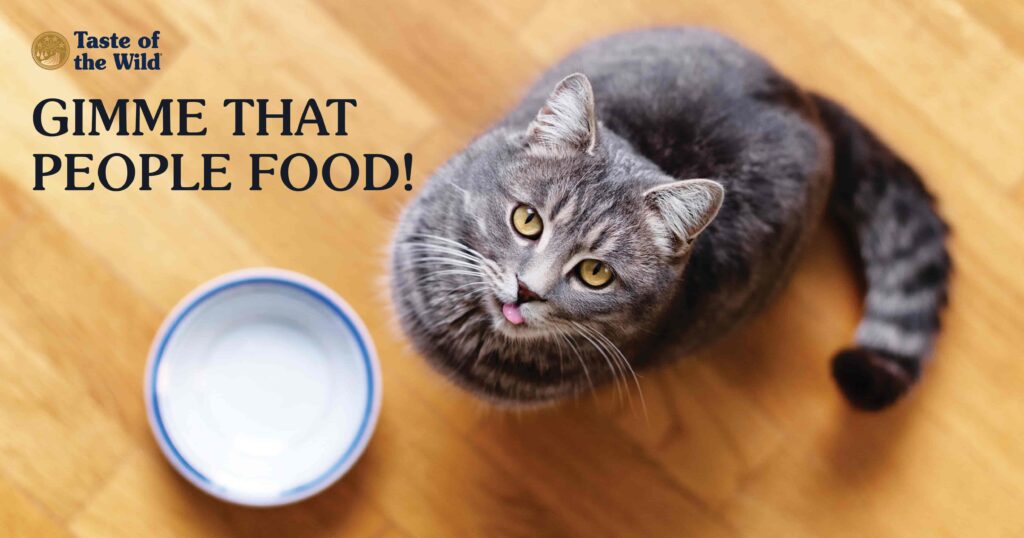
A cat sitting on the floor next to an empty food bowl looking up.

Dogs are renowned beggars of human food — it’s part of the reason we have a whole series dedicated to “Can My Dog Eat That?” But dogs aren’t the only ones who will beg for a tidbit of human food. Cats can be equally good at sad eyes and pitiful cries saying, “Pwease, can I have a wittle bit of your food?”

There are many reasons why you should tell your cat “No!” to people food, but if you can’t resist those woeful whines, it’s good to know which human foods cats can safely eat.

Are Human Foods Safe for Cats?

Not all human foods are safe for your cat to nibble on. Even a small morsel of people food can cause an upset stomach — or worse if the food is toxic to cats (more on that later). However, the good news is that there are plenty of human foods that can be a healthy snack to feed your kitty (in moderation). As always, check with your veterinarian before feeding new cat foods or human foods.

What Can Cats Eat from the Fridge?

There are many healthy foods in your fridge that cats can eat: for example, eggs (plain and cooked) and most fruits and vegetables. If you cut up cantaloupe or watermelon, most cats will love to snack on those (in tiny cat-sized pieces). While people love the sweet flavor of these melons, that’s not why cats are happy to munch on them. Cats don’t have receptors on their tongue for sweet tastes, so they can’t taste sweet flavors like we can. It’s a different flavor they’re enjoying.

While we’re talking about fridge food, a word of warning about milk and other dairy products. Many cats tend to be lactose intolerant. This means that they don’t produce lactase, the enzyme that breaks down lactose. If your cat is lactose intolerant, the lactose can ferment in their gut, leading to digestive upset like bloating, gas, vomiting or severe diarrhea. So if you don’t want a mess, it’s best to avoid feeding your cat dairy products.

Can Cats Eat Vegetables and Fruit?

Cats can safely eat most fruits and vegetables as a healthy snack. As long as you cut them into tiny, bite-sized pieces, cats can eat raw vegetables like carrots, green beans and broccoli. However, cooking vegetables is better since the hard chunks of vegetables can still be a choking hazard. A spoonful of canned pumpkin (without spices) is also a healthy treat for cats. There are some vegetables and fruits that are toxic to cats (see below) so make sure you check whether the particular food you are feeding is safe.

Watch Out for Toxic Foods

Not all foods are safe for cats. Human foods with strong seasonings can be irritating to cats and potentially dangerous. Other foods which are on the no-no list include garlic, onion, chives, leeks and chocolate (especially dark chocolate) — these are all toxic to cats.

Can Cats Eat Raw Meat?

Cats are obligate carnivores, meaning they need nutrients that are only found in meat. While your cat does need animal proteins in their diet to get essential amino acids, feeding raw meats or raw fish can put your cat and your family at risk of illness. Raw meats (and raw eggs) could be contaminated with viruses, bacteria or parasites that can make your cat sick (especially if they are immunocompromised) or spread to people who touch contaminated surfaces (e.g., food bowls) or clean up the kitty litter. The Centers for Disease Control and Prevention does not recommend feeding raw pet food or treats to cats (or dogs).

If you want to feed your cat cooked meat, lean meats like chicken or turkey, and cooked fish like salmon or tuna are good choices. But make sure the meat and fish have the bones removed because cooked bones can splinter and if swallowed, could damage your cat’s gastrointestinal tract.

Also, watch your cat for allergies when feeding them meat or fish (any animal protein). A food allergy in cats is usually caused by a protein in their diet. Symptoms include scratching at their face, neck and ears, overgrooming, bald patches or gastrointestinal signs. A limited ingredient diet can help cats with a food allergy.

What Human Food Can Cats Eat Every Day?

Commercial cat foods provide a complete and balanced diet that has all of the nutrients needed for cats to stay healthy cats and in an optimal weight range. As much as they protest, cats don’t need that morsel of meat from your plate. If you must give your cat a human food treat (or any treat), make sure it’s a healthy, low-calorie treat that is no more than 10 percent of your cat’s daily calorie intake.

Healthy human foods cats can eat include certain cooked vegetables (e.g., steamed broccoli, carrots, peas, pureed pumpkin), certain fruits (e.g., banana, seedless watermelon, blueberries, strawberries), cooked eggs (don’t feed your cat raw eggs) and whole grains. Fish oil is a good source of omega-3 fatty acids, but make sure you check with your vet before adding fish oil or fish oil supplements to your cat’s diet.

Make Your Cat Work for Their Treat

A good idea is to put human foods cats can eat in a food puzzle. That way you’re not just handing over the tasty treat — your cat is getting some additional benefits since putting the food in a puzzle helps your cat’s environmental enrichment.

The Problem with Human Foods

Too many cat treats of any kind can create a pudgy kitty and can complicate managing cat obesity. When you give your cat human food, you’re adding calories to their diet, sometimes in larger quantities than you probably realize. For example, a one-ounce cube of cheddar cheese seems like a small treat, but it is about 110 calories. Just that one cube of cheese can meet half the calories (energy needs) of a 10-pound indoor cat (about 200 calories/day) — but they’re not getting half (of most) of the nutrients they need from that ounce of cheese.

Table scraps can also cause tummy troubles. If your cat isn’t used to calorie-rich food, it can upset their digestive system. Additionally, anytime cats eat something that isn’t part of their usual diet, the normal bacteria in their intestine can change, which may lead to gas or diarrhea. Your cat will probably blame it on the dog, though.

Regularly feeding human foods to your cat can create a finicky feline who holds out for a delicious treat from your plate instead of eating their cat food. It can also make begging a regular occurrence or cause counter surfing or table top hopping. You don’t need a cat jumping up onto the table and into your soup!

Low-Calorie and Nontoxic Human Foods Can Be Healthy Treats

If you want to give your cat an occasional treat, a spoon of canned cat food, a cat treat or a dental treat are the best options. However, safe, low-calorie human foods like a small piece of cooked lean meat or some steamed and finely chopped green beans are also good treat options if you really must share your food with your feline friend.

Answering Your Cat’s Life Questions

A cat with its head tilted looking curious.

National Answer Your Cat’s Questions Day is coming up soon. Are you prepared for your cat asking questions that you may not have the answers for? Did you even know that cat questions were a thing? Well, now you do. Luckily, we’re prepared to help you celebrate National Answer Your Cat’s Questions Day by peering into the mind of your cat and determining what they’d ask you, if they could. Read on!

Cat Question 1: I’m All Grown Up. Why Do Adult Cats Have to Go to the Veterinary Clinic?

Because regular veterinary visits are important.

Most cats aren’t excited to visit the veterinary clinic, and judging by the statistics, many cat owners don’t love it, either. In the Pet Demographics Sourcebook released in 2020, the American Veterinary Medical Association revealed that less than half of all cats visited their veterinarian annually. There are quite a few reasons for this, but they mostly just reinforce the need for your cat to regularly visit the kitty doc. Cats are notoriously hard to read when it comes to health and pain, so often conditions that they are “hiding” can be exacerbated by the time they are discovered.

What can you expect during your cat’s checkup? You will likely be asked some vet questions for cats while you’re at the veterinary clinic, including about common cat behaviors that your cat may be exhibiting. Regular checkups are opportunities to make sure your cat is healthy and happy. Going to the veterinarian also allows you to ask any questions about cats that you may have. Like why do cats sleep so much or do adult cats need vaccinations or why is my cat going outside the litter box? And why do most cats hate water? There are so many questions owners can have about cats, too!

Because, my feline friend, you’re looking a little pudgy.

Another reason why cats should visit the veterinary clinic regularly is that there is a better than average chance that they are overweight. According to PetMD, 63 percent of the cats in developed countries are obese. So while your cat might seem pleasantly plump, they also might be at a higher risk of diabetes, arthritis and heart disease than their slimmer counterparts. Your veterinarian can tell you if your cat needs to shed some pounds and suggest the best ways to go about it if so.

Cat Question 2: Why Can’t I Eat Your Plants?

Because they could make you sick.

We know that they typically eat meat, but domestic cats loooove houseplants, don’t they? It’s understandable; plants are a natural source of fiber that many animals recognize instinctually. Another reason cats might bite a Bromeliaceae is that plants jiggle, and cats do love moving things — when they’re not spending the day sleeping.

While there are some houseplants that are considered nontoxic to cats, many have some level of toxicity if ingested. For those that can be deadly, like lilies and sago palms, we don’t recommend keeping them in the house at all. It is crucial to check for toxicity concerns before introducing a new plant into your home. These include lilies, daffodils, hyacinths, tomatoes, azaleas and holiday plants like mistletoe and poinsettias.

This is by no means an exhaustive list, so check toxicity before ever leaving a plant unsupervised. Cats often can’t help themselves, and the dangers range from increased trips to the litter box to a trip to the ER. There are some plants, like catnip and spinach, that are perfectly fine for cats to eat. But why take the risk?

Cat Question 3: Other Cats Sleep Outdoors — Why Can’t I Roam the Neighborhood Like Them?

Because a cat’s average lifespan is usually shorter when they live outdoors.

It might seem like your domestic cat is looking longingly out the window. Maybe they want to be out there, chasing the squirrels, using the fence as a scratching post and staying up all night caterwauling with multiple cats in the neighborhood (even though they aren’t nocturnal animals). The adventures of free-range cats must seem so romantic to collared and manicured indoor cats called Fluff Ball III and their indoor cat friends. But there’s a reason why the term “domesticated cat” exists.

While we encourage supervised trips to the great outdoors or access to a nice, safe backyard or catio for your cat, free roaming isn’t a good idea for a few reasons, most of which are health-related. Disease, parasites and pregnancy are rampant in the stray and feral cat communities, despite many people’s best efforts. If you don’t want your kitty bringing home things like FIV, distemper, fleas, ticks or even other cats, it’s best to keep them inside your house. If you have an unspayed female, keeping her home will also avoid the arrival of an unplanned litter of kittens.

Additionally, it’s rough out there! If you’ve ever seen an actual cat fight, you understand why so many stray and feral cats have nicked-up ears or worse. An outdoor cat’s body is a picture of rough times! An unsupervised dog, busy streets and even cruel people are regular dangers for your average adult cat on the street. We’re not saying that your domesticated cats couldn’t handle themselves, but we’d rather not find out!

No, despite your cat’s seeming desire to be wild and free, we recommend that you focus your energy on making sure their indoor world is full of comfort and enrichment both physically and mentally. That way, you’re always there when your cats “knead” you, and your feline friends are always there when you need them!

More Cat Questions and Answers

There are plenty of other questions from your cat that might need answering at some point. Who’s to truly know the mind of a curious cat? If you feel you need assistance on the upcoming National Answer Your Cat’s Question Day, don’t hesitate to reach out to your veterinarian. They might have some cat-related questions for you themselves, because their goal is to make sure your cat is happy and healthy.

Do Cats Need Special Care in the Winter?

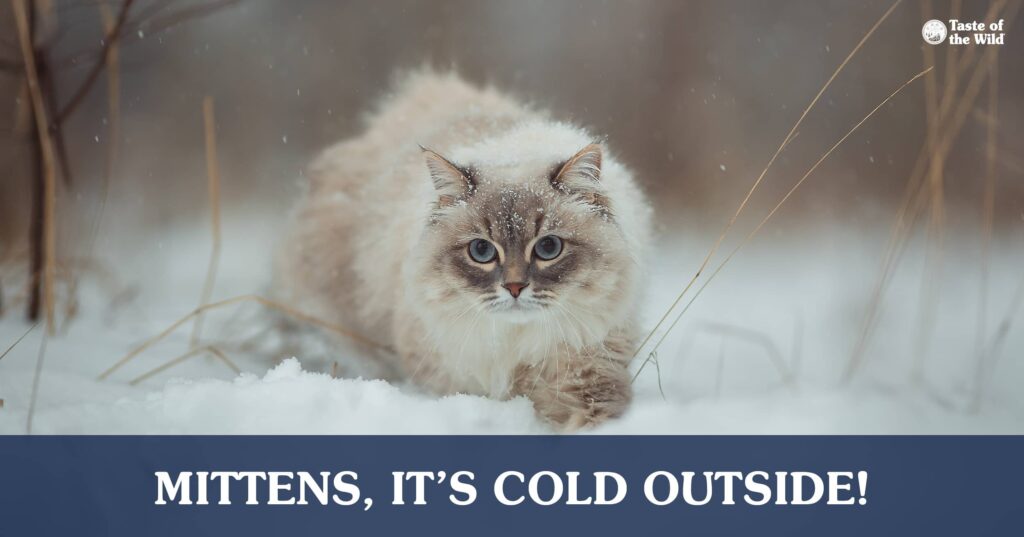
A cat walking outside through the snow.

Mittens, it’s cold outside. It’s time to discuss what kind of special care might be needed for cats this winter.

First, we need to look at what kind of life your cat leads to provide the best guidance. Are they an indoor-only cat? If so, there are a couple of changes you’ll need to make this coming season. Are they an indoor/outdoor cat? Leading a double life requires some extra precautions. Let’s dig through some tips before the snowplows have a chance to warm up their engines.

Indoor Cats Still See Changes in the Winter

All cats have a natural instinct to store energy and conserve fat reserves as soon as the weather becomes colder. You may notice Mittens sleeping or lazing about more in the winter as a result.

Cold weather may mean it’s cooler in your house during winter than the summer, and if that’s the case, you’ll notice your cat’s appetite increase. Studies suggest indoor and outdoor cats will eat up to 15 percent more in the winter due to the extra energy they need to keep warm. So, make sure you add some extra kibbles to your favorite feline’s food bowl. Consult with your local veterinarian if you have any questions about how much is too much.

Speaking of warmth, cats prefer to stay nice and toasty. If Mittens had opposable thumbs, they’d set the thermostat to around 70 degrees to stay cozy all winter long. However, since they’re not paying the utility bills, 70 degrees may not always be achievable. Your cat will do okay in rooms hovering between 50 and 60 degrees Fahrenheit, but be sure to provide them with plenty of blankets or other sources of heat. Your cat needs to maintain a body temp of more than 90 degrees in order to ward off hypothermia. Added tip: Have a fireplace? Make sure it’s covered by a glass screen. Mittens will want to sit as close as possible to the fire and you don’t want them to get burned.

Indoor cats will grow a winter coat if they are exposed to enough sunlight, because winter coats are a response to the amount of daylight we have during winter months and not necessarily the temperature. For longer-haired felines, reach for their brush more frequently to help them prevent any potential tangles or matting. No matter how many times a cat grooms themselves, longer fur can still get tangled.

Indoor/Outdoor Cats Need Double Care During Winter

Some cats just yearn to get outside, no matter the season. If you have an indoor/outdoor cat, many of the same recommendations are applicable: You’ll need to increase their kibbles during winter, and you’ll need to provide them with sources of heat to maintain that internal body temperature of 90 degrees.

But also remember that no cat should be left outside without a shelter once temperatures begin falling below 30 degrees Fahrenheit. You can make your own weather-proof cat shelter or you can purchase one from the store. Most pet stores, feed stores and big-box stores sell houses with your cat in mind.

You’ll also want to insulate the pet house with straw — not hay. Straw repels moisture and keeps your cat warm. Keep adding straw throughout the winter months, as your cat will likely begin to compress the straw over time.

It’s important to note that cats have a tendency to find warmth in unexpected spots in addition to the shelters or blankets you provide. Before starting your car in the morning, give your hood a few loud thumps and look to see if a cat is on the move. Your cat or even stray cats could be curled up near your engine in an attempt to stay warm.

Be sure to switch to heated food and water bowls during the winter to prevent water or wet food from freezing. Rubber bowls can be a less expensive alternative, as they won’t crack like plastic containers when water freezes in them, but food and water can still harden. This brings us to our next point — you’ll want to provide food and water daily and make sure that nothing is frozen if you’re not using a heated bowl. Remember: Cats will eat more the colder it gets. All that extra food is going to help sustain their internal temperature.

Lastly, even exclusively outdoor cats still need flea, tick and heartworm prevention medicine or collars. As crazy as it sounds, many parasites are active during the winter months, no matter how cold it may get. Year-round parasite preventives not only help safeguard your pet from disease, but they can help protect your family’s health as well.

Prep Your Winter Cats for Winter Storms

If there’s a winter storm on its way, help care for your outdoor kitties or neighborhood strays by avoiding salt or other snow/ice melt products that aren’t approved for pets. Non-approved snow removal methods can irritate food pads, and they can also be lethal to all animals when licked off paws or ingested from melting puddles. Antifreeze is another deadly chemical to keep out of your cat’s reach during winter.

Next, try to clear a path in and out of the cat’s outdoor shelter, add extra straw to the outdoor house and consider building a feed station to shield your cat’s food and water from wind and snow.

Finally, don’t forget to get all your necessities — including extra food for you and Mittens — prior to the storm rolling in. You’ll want to make sure all humans and pets are hunkered down before the bad weather arrives.

While we wish that every cat could stay safe and snug inside during the winter months, some cats love the winter weather and insist on being outside. But whether your cat experiences winter only from the warm side of the window, or they prefer walking on the wild side all year long, you can keep them safe and comfortable with just a few winter weather updates to their care.

Why We’re Thankful for Our Pets

A dog lying with its head in its owner’s lap on the floor next to a Christmas tree.

What are you most grateful for this Thanksgiving season? If your pet(s) made the list, you’re not alone! Let’s dive into all the reasons we’re thankful for pets this season and beyond.

We’re Thankful That Pets Bring the Funny

Laughter relaxes our body, boosts our immune system and lowers our blood pressure, epinephrine and glucose levels. We never know what our pets will do next or when they’ll provide us with a good laugh. Just off the top of our thankful, chuckling heads, we’re thinking about:

  • Unexpected zoomies
  • Those times they think they’re ninjas, trying to sneak people food in plain sight
  • Talking to their favorite toy and carrying it around like a baby
  • The endless chasing of their elusive tails

It’s an endless parade of laughs and giggles trying to figure out what goes on in those cat and dog brains. And we love every minute of the comedy fest.

But they offer health benefits beyond the healing power of comedy. Research shows that simply being around our pets decreases levels of cortisol (a stress-related hormone), which leads to reduced feelings of loneliness, anxiety, depression and/or symptoms of PTSD. Petting an animal for at least 10 minutes at a time can provide us with comfort and pause. That brings us back to the present moment. Simply thinking about our favorite fluff can immediately boost our mood. Did you just think about your pet as you read that? Did you feel that glimmer of joy? We bet you did.

We’re Thankful for the Unconditional Love Pets Provide

Pets provide us with unconditional love, no matter how we look, who we voted for or how many Instagram followers we have. Returning home from a long day at work, our pets are the first to greet us with wet, slobbery kisses or headbutts. When we’ve had a bad day, our pets sense it and snuggle up to help provide us with comfort. They love us for who we are and the care we show them. Pets also show us how deeply we can love another being, too! They’re part of our family, after all.

We’re Thankful For All the Jobs Our Pets Do

Our pets may work many jobs, being there for us in ways that they might not even be aware of. With a pet, you don’t have to wonder if the mail has been delivered or if your houseguests have arrived. They’ll be the first to alert you to someone or something in the area. Guard pet on duty!

You’ll also never be without a furry bathroom attendant. They may not have opposable thumbs to fetch you another roll of toilet paper, but by golly they’ll make sure you’re not without company.

If you’re cold in bed, there’s always a fluffy foot (or arm, chest, back and neck) warmer ready to snuggle in and raise the temperatures. Sometimes whether you want it or not!

Lastly, they are great at listening to our problems and comforting us in our times of need; they maybe don’t understand, but they also don’t interrupt when we spill our hearts. They don’t know it, but many pets wear the furry hat of an in-home therapist. We are grateful for each and every hat they wear.

We’re Thankful Our Pets Get Us into Shape

To quote Sir Isaac Newton, a body in motion stays in motion. The more active we are with our pets, the better it is for their health and our health. Between walking the dog or dragging a ribbon around the house for the cat to chase, we’re getting those steps in! Need ideas for staying active with your pet in cooler weather? We’ve got you covered.

Adventures Await Us When Pets Are Around

Our pets are always up for an adventure, and we can learn from their examples! Cooking in the kitchen, a furry tail is close behind you. Ready to rake a pile of leaves? You know Rover’s nose is pressed up against the back door eager to help. There’s not much your animal won’t accompany you with around the house. Pets who love adventuring outside of the neighborhood also make great companions for running errands or sightseeing. Oh, the adventures that await us!

We’re Thankful to Pets for Helping Develop Our Younger Generations

Pets help teach our younger family members how to be responsible. Whether they’re helping refill the water bowl or they’re being diligent about playtime with Rover, our young ’uns learn to understand consistency and obligations through the power of pets. Caring for an animal gives a child a sense of feeling valued and grows their self-esteem. Pets can also teach children the importance of patience, trust, compassion and respect. These are just some of the many benefits of raising kids with pets.

Did we miss any reasons YOU might be grateful for your pet(s)? Follow us on Facebook, Instagram and X (formerly Twitter), and let us know why you’re grateful for your animal companion. Your pet photos and stories are something we’re also grateful for!

What Is Feline Herpesvirus in Cats?

A veterinarian using a stethoscope on a white cat lying on a table during an examination.

The vet just came in to deliver news that your favorite feline has FHV — feline herpesvirus. Initially, panic might set in as your thoughts are, “How? What does this mean for Mittens? What can I do to give my fur-baby the best life possible?” It can be a lot to take in. But know that Mittens can lead a long, healthy life with proper care. More than 50 percent of cats have FHV, with many of them showing few to no signs throughout their lifetimes.

What Is Feline Herpesvirus?

Feline herpesvirus is a common, uncurable virus that causes upper respiratory infections in cats. It’s contracted from other infected cats when your cat has come into contact with an infected feline’s saliva, nose or eye discharge. The virus can live on bedding and grooming tools for 1–2 days, so be sure to talk to your local pet groomer about your cat’s health prior to your visit and ensure that bedding is thoroughly cleaned if giving it to another cat owner. FHV is not transmittable to humans or dogs.

Common Signs of FHV

FHV symptoms can lead to upper respiratory infections or cat flu. While the infection can be acute, the virus goes into a latent stage in the nervous system and is only triggered when a cat becomes stressed. A cat with FHV can have mild to severe symptoms, including:

  • Eye discharge
  • Pink eye
  • Sneezing
  • Nasal inflammation
  • Runny nose
  • Drooling
  • Pain or irritation in the throat
  • Exhaustion
  • Loss of appetite
  • Fever
  • Coughing

Rare Symptoms of FHV

In rare instances, FHV can cause keratitis and FHV-associated dermatitis. Keratitis is essentially a chronic infection and inflammation of your cat’s cornea. Symptoms involve increased tearing, squinting or rubbing of the eye. Your local veterinarian can help determine if you’re dealing with an upper respiratory infection that has led to eye discharge or if you’re looking at keratitis. Keratitis requires additional medication to get your pet on a healthy track.

FHV-associated dermatitis is also rare. In addition to the common symptoms of FHV, cats with FHV-associated dermatitis develop lymph node enlargement or ulcers in the eyes, mouth, face, trunk, footpads or knees. Cats with FHV-associated dermatitis can usually expect a good prognosis as well. With the help of your veterinarian, cats can recover from FHV-associated dermatitis within three weeks or less. Keep in mind some cats may remain carriers or be prone to relapses. Veterinarians recommend being mindful of these symptoms and reaching out when signs first appear for the quickest recovery times.

Testing for FHV

Your local veterinarian can perform a thorough examination and polymerase chain reaction (PCR) test to see if your cat has FHV. The test is done by swabbing the mouth or nose or taking a swab of your cat’s eye discharge if present. Blood tests are not needed — they are not an accurate way to check for the disease. If you live in a multiple-cat household and one feline tests positive, it is best to get all cats evaluated for the disease.

Life After a Positive Diagnosis

After your cat has been diagnosed, your veterinarian will discuss antiviral or antibiotics options to clear up any infections. If your cat has a severe infection, your veterinarian may recommend hospitalizing your cat so they can receive nutritional support or intravenous fluid therapy they need in addition to antibiotics or antiviral medication.

Once your vet has established a plan to tackle the current infection, they will also discuss long-term care options for Mittens, which might include a change in diet or addition of feline probiotics.

Lastly, lowering your cat’s stress can play a huge factor in their overall health. Did you get new furniture? Change Mittens’ daily routine? Are you preparing for a move? Stressors such as household changes, illness, boarding or travel can reactivate the dormant stage of feline herpesvirus causing them to develop the symptoms listed above.

Talk to your veterinarian about anxiety-reducing supplements or medicines if your cat is persistently stressed and you have made all the positive household changes you can. Those daily options are rather inexpensive as well.

How to Protect Your Cat from FHV

All cats, no matter their age or breed, can contract FHV. Kittens and cats who have a weak immune system are at a higher risk of developing more severe symptoms if infected. The best way to protect your cat from feline herpesvirus is to get the FHV vaccine. Cats eight weeks and older are eligible for the vaccine. It is administered in two to three injections.

Veterinarians then administer a FHV booster every one to three years. These shots do not prevent FHV from being transmitted to your cat if they come in contact with the illness, but they will reduce your cat’s chances of becoming severely sick due to the virus.

Prior to introducing your cat to other felines, it is best to make sure the other cat/kitten has been tested for FHV. If your cat has not been tested, consider the same common courtesy and get Mittens tested before bringing them around other felines.

Along the same lines, prior to boarding, visiting the groomer or establishing care at a new veterinarian’s office, it is best to let them know Mittens has FHV. This will allow the employees to keep your pet, as well as all other cats who visit their establishment, healthy. Remember: FHV is highly contagious among cats.

So, while feline herpesvirus might have been a scary diagnosis to hear during your recent vet visit, you now know ways to keep your furry companion healthy long-term. It’s all about the right care during virus flares, a daily immune system booster and lowering the stress in Mittens’ life.

RELATED POST: Can your pet catch the flu from you?

Prepare Your Cat for Moving

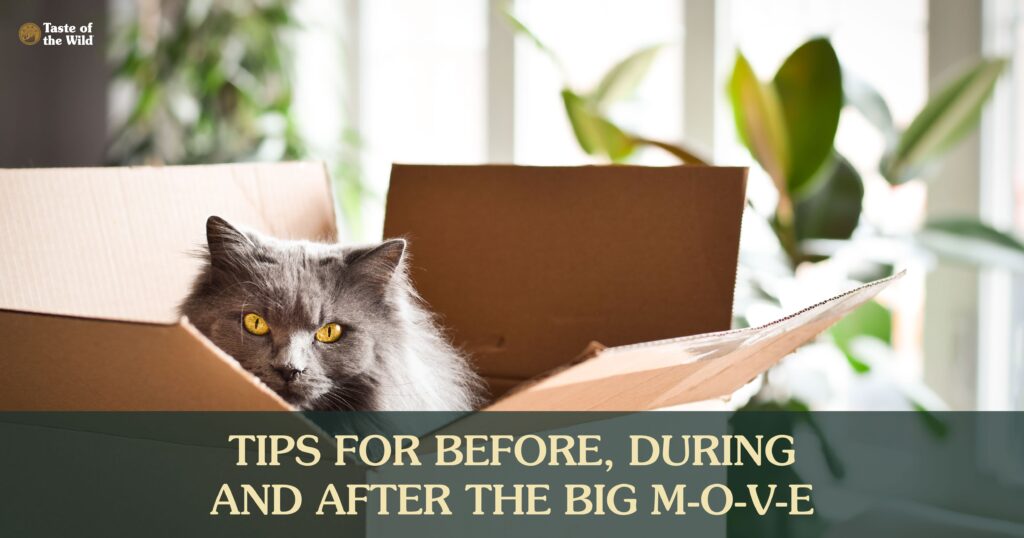
A gray cat standing in an empty moving box.

Moving is a stressful time for everyone, but imagine how stressful it is for your cat who has no idea what is going on. What are all these boxes? Why am I in a new house? Where do I poop?!?! Don’t let Mittens get all their fur in a fluff. We’ll walk you through how to make moving easier on your cat.

Before the Move

In the days or weeks leading up to moving with a cat, there are a few things you should do to prepare kitty for the journey and ease their stress and anxiety.

Carriage of Comfort

No matter how far you’re moving, your favorite feline will need to be safely transported, which usually means that they’ll ride in their carrier. So it’s best to start getting Mittens comfortable with being in the cat carrier prior to the move. Place the open carrier in a central area in the weeks leading up to the move. Add treats and toys to the carrier to encourage your cat to get into it and get reacquainted with the enclosure. If your cat dislikes their carriage, they might need more lead time to get comfortable with their new temporary enclosure. If you suspect that your cat will be nervous about their carrier, you’ll want to start this process earlier. If they’ve ridden in it before with little or no issue, you can likely wait until closer to moving day.

Have Fun with Boxes and Piles of Items

You’ve probably noticed your cat’s love of cardboard boxes. Now that you’re moving, you’re going to have a fortress of boxes for your furry prince or princess. Use all that extra cardboard to take their mind off the big move.

As you’re putting together boxes, let them explore at their leisure. Consider giving them a box or two to play in while you’re packing. Adding treats, toys or catnip to a box can also help them get over any uncertain feelings they may be exhibiting. It may just be unfamiliar smells that deter them at first.

Keep Your Routine When Moving with a Cat

We know getting ready for the big move can be a busy time. However, amid the chaos, it’s important to maintain your cat’s routine. Moving can be stressful on pets due to rapid changes in their environment and schedule. Keeping a routine with meals, play time and kitty cuddles can help Mittens ease into the upcoming changes. Following your normal routine can also provide you with a constant among all the adjustments, too. It’s a comfort for both pet parent and feline alike.

Find a Safe Spot for Moving Day

In the days leading up to the move, scout out a room that Mittens can stay in while you’re loading everything onto the moving truck. Take as much out of that room as possible ahead of time, so it can be the last room to be cleared out. The week of the big move, place your cat’s food, water, toys, litter box and carrier in that room to help get them situated. On the day of, make sure Mittens is OK on all their necessities and close the door to keep them from bolting out of the house while the furniture and boxes get moved. If you or someone in your moving party can sit in that room while everything is being hauled out, that’s great! However, if it’s not possible we recommend checking on your lil’ buddy once an hour to assure them everything is OK with all the racket they may be hearing. Plus, this gives you a great excuse to catch your breath and take a ten-minute break in between hauls.

During the Move

You’ve made it to moving day! As you’re getting your cat ready in their safe space, we recommend feeding them a smaller meal than normal. Stress can induce all kinds of bodily reactions in your cat — including stomach concerns. A lighter breakfast can reduce the chances of your cat experiencing an upset stomach or getting sick during the travels.

Don’t Play “Where’s My Cat?”

Next, let your moving crew know which room Mittens is in so they avoid opening the door and letting them out. You’ll want to load your cat in their carrier right before you’re ready to hit the road. Keep a cool, calm and collected composure as you load them in their carrier and gather all their belongings. If they pick up you’ve got moving stress, they’ll begin to feel uneasy, too.

Moving Time for Kitty

When placing Mittens in your vehicle, secure the carrier with a seat belt or other means to make sure they don’t slip and slide around. Place their favorite toy(s) in the carrier for comfort. Some cats prefer to look out and others do not, so don’t be alarmed if they stay toward the back of the carrier or face the wrong way. Keep a light blanket or cloth handy for the drive because you may want to drape it over the carrier to ease their fears. You may also want to pack some earplugs for your travels since Mittens could meow loudly throughout the drive. Talk to them in a calm tone throughout the trip to reassure them all will be alright.

For long-distance moves, identify pet-friendly hotels ahead of time and incorporate water and bathroom breaks for Mittens along the route. Make sure your pet has a leash or collar on when stopping for potty breaks.

Once you arrive at the new location, be sure to first unload your cat, their box, food, water and other items of comfort. Place them all in a room that you don’t mind unloading last, and let your moving crew know not to open the door so Mittens doesn’t bolt out. You’ll want to check on Mittens a bit more frequently throughout the unloading process since they’re in completely new territory. If someone Mittens is familiar with could sit in the room while everyone else is unloading, that would be ideal.

After the Move

Whew! You did it! You and your feline are all moved into your new place. Once everything is situated the way you want it, place your cat’s food, water and litter box in their permanent designations. Show your cat which rooms everything has been moved to, and allow them to explore at their own pace.

Let Them Explore Their New Home

It’s going to take some time for your cat to get familiar with their new space. Try to keep your routine so they have at least some familiar aspects of life before the move. They may cry, hide or seem a little skittish as they adjust. These are normal cat reactions. You can be there for them in these times of need with extra petting, calm reassuring words and patience.

If you notice your pet is still not adjusting well after a couple of weeks, make an appointment with a local veterinarian. They can provide possible solutions to make the transition easier. Sometimes stress can lead to lack of appetite, gastrointestinal system issues, urinary tract concerns or behaving in a way that owners have not seen before.

Surprise Things You Can Do to Make Your Cat Happy

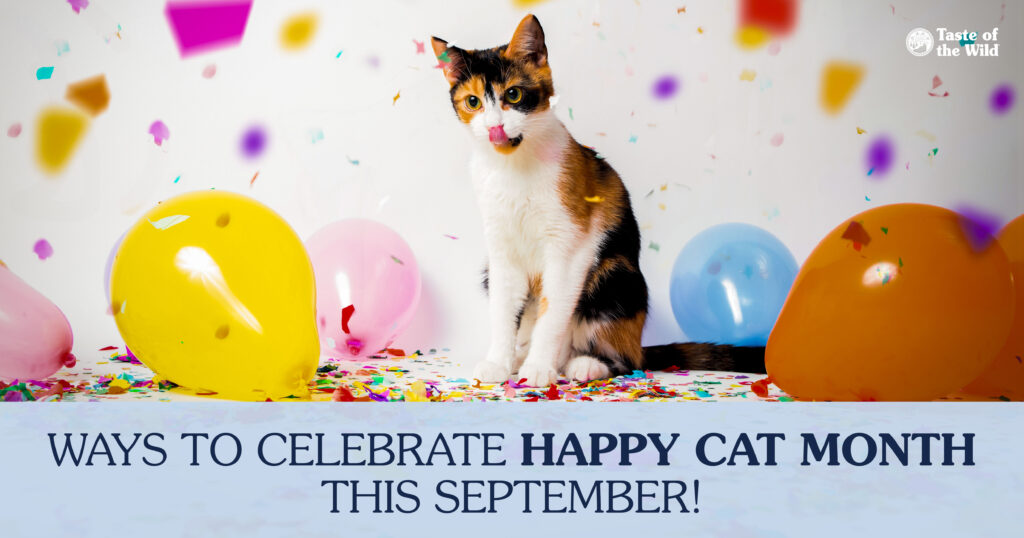
A black, white and brown cat sitting in a white room surrounded by confetti and balloons.

Happy Cat Month, pet owners! Yes, you read that right. September marks the annual Happy Cat Month created by CATalyst Council. This celebratory month was established to spread education about the health, happiness and importance of companion cats. So, keeping this in mind, what ways can you surprise your cat and bring them some extra joy this September?

Quality Time Makes Happy Cats

Cats may seem like independent, quiet creatures, but they appreciate socializing with their humans just as much as dogs do. They’re usually a little less vocal than a doggo about needing attention, but they need it all the same. So, our first surprise for Mittens is to add extra spurts of playtime and cuddles throughout your daily routine. Life can get busy, but cat time can be the purrfect excuse to take a much-needed break. Quality time often improves Mittens’ mental health, which lessens anxiety and destructive behavior. An extra ten to twenty minutes here and there adds up. And according to Pet MD, at least one hour of play a day can increase your cat’s life span. Studies have also shown that cuddling your cat can lower your blood pressure and help fight off loneliness, depression, anxiety and stress. Just make sure Mittens is in the mood for kitty cuddles before going all ham on them.

Throw a Party for Your Cat

Happy cats sometimes call for a cat-themed parties for your toe-beaned friend. If your pet is a more social individual, consider inviting some family and friends over for snacks and showering the cat of the hour with all kinds of attention. Whip up a cat-friendly treat or visit a local pet store for the perfect cupcake-like cat treat to go along with the human foods. Top off the party with photo booth props and an area where attendees can snap some pics with Mittens.

If your pet is not a social butterfly, that’s OK! Pick a day where you and/or your household hosts a tiny party for Mittens. You can still surprise them with some yummy homemade treats and photo opportunities around the house. We’re pawsitive that as long as your pet is partying it up with you, they’ll be a happy camper.

Outdoors Is a Natural Cat Happy Place

Cats who spend time outside are stimulated by all the sights, sounds and smells of nature. Try leash training your cat to take them on short strolls through the backyard. They’ll have new areas to sniff, grass to eat and wildlife to watch. Reach for the flea and tick medicine before taking Mittens outside, though, so you don’t bring any parasites back into your house. One way to make your feline unhappy is dealing with literal blood suckers.

Another way to get your cat outdoors and enjoying the fresh air is with the help of a pet tent or a catio. Pet tents can be found at local pet stores or online. This portable option can be set up anywhere outside (or inside). It can be stocked with a water bowl, toys and other comfort items, too, to help Mittens enjoy their time lying in a collapsible shelter outdoors. We recommend setting up the tent indoors first, to help your cat get acquainted with the new item prior to its outdoor use.

An upgrade from a pet tent is a catio. This option is less portable but could offer your pet more space to climb and crawl around in. Catios can be ordered online or created from various materials picked up at the local hardware store and thrift shops. It provides your cat with a stable, stationary enclosure anywhere in the yard. They’re often weatherproofed and can be fitted with multiple shelves, cat hammocks and cat huts. We’re sure Mittens is happy just envisioning this possibility!

Planting Catnip and Cat Grass

Continuing with the nature theme, bring a little outdoors inside for Mittens. Consider planting pots of catnip and cat grass near your cat’s favorite window. Both plants are feline favorites!

Cat grass may look like grass from your backyard, but rest assured it’s not! It’s typically grown from rye, barley, oat, wheat or alfalfa seeds. Cat grass provides your favorite feline with antioxidants, chlorophyll, vitamins and additional nutrients that promote overall gut and immune health. It also aids in removing hairballs and enhances mental stimulation. Cat grass can be found online or at a local pet store.

Catnip plants are a member of the mint family. You can add catnip to a homemade recipe or give it to them raw as a treat. This plant can help reduce anxiety and enhance positive associations to objects, events or locations. Because of its holistic calming effect, some veterinarians recommend catnip when anxious pets must travel. When cats come into contact with the catnip plant, they’ll likely roll around, show increased affection or may play-bite. Do not be alarmed — they’re just showing you how happy they are with their new catnip.

Dental Toys Make a Healthy and Happy Cat

Who doesn’t love a new toy? And when a new cat toy can double as a way to better your cat’s health, it’s a win-win! Add cat dental toys to the lineup of surprises to upgrade your cat’s hygiene habits. From catnip sticks to wiggle worm (plastic) chew toys, there’s a wide array of options at your local pet store or online.

Now, it’s important to note that cat dental toys do not replace a vet visit and teeth cleaning, but they do freshen your pet’s teeth as they play and chew. Cat dental toys can also keep your pet mentally stimulated as they gnaw on something throughout the day. We think Mittens will be delighted to maintain their mouth health and get a new toy to play with.

Ensure Optimal Health for a Happy Cat

Now a surprise Mittens might not be expecting is an annual vet checkup. But it’s worth adding to your September to-do list. By taking your favorite feline in for an annual checkup, you can catch any potential issues early (cats are notorious for hiding pain or discomfort), and this will save money in the long run. Surprise, Mittens! You get to live a healthier, fuller life.

No matter which surprises you choose to bestow upon your furry friend, we’re sure they are going to love the thought and time you put into celebrating this annual holiday. We hope this September enhances the care your cat needs, strengthens the human-feline bond you’ve already established and leads to a lifetime of furry happiness for you both.

Will Cats Notice It’s Back-to-School Time?

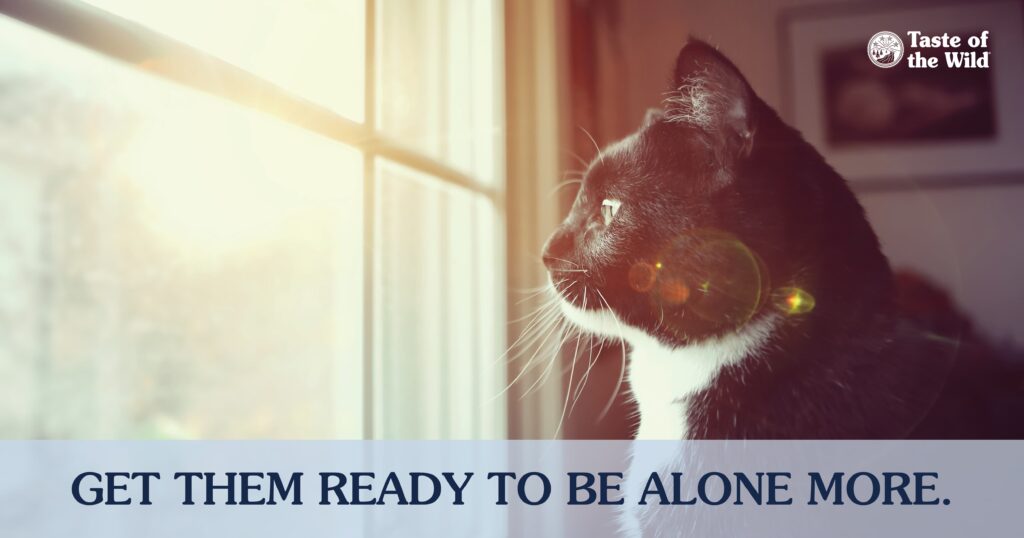
A black-and-white cat staring out a window.

Dogs are notorious for missing their owners two seconds after their human steps out the front door, sometimes with destructive results. But will your family’s favorite feline have separation anxiety after the kiddos go back to school? Fluffy was the go-to adventure buddy for your kids’ summer shenanigans, after all. So, it’s only natural that your cat will miss their tiny humans when the daily routine is altered later this August. But with cats, sometimes it’s hard to tell how they really feel.

Rest assured, your cat misses you (and the kids!) when you’re gone — especially if the absence is a drastic shift from the norm, like during back-to-school time.

Like dogs, cats are social creatures who crave consistency and have unbreakable bonds with their humans. They just have a different way of expressing themselves than our slobbier companions. Some of those ways might be easy to miss, and they can vary from cat to cat.

Cats Act Differently When They Miss You

As schedules pivot and their daily playmates go back to school, every cat might react a bit differently, but most will note the change if they’re suddenly alone more. They may experience some level of loneliness, depression or anxiety — similar to how a human might feel during changes in their environment. This separation anxiety could show up as:

  • Excessive meowing
  • Behavior changes like eating less or litter box accidents
  • Extreme excitement when the humans return
  • A swipe of the paw when the humans return
  • They may try to go with you the next time you leave

One reaction is not more worrisome than another. It’s simply their way of responding to the situation at hand. If you notice a drastic or lingering change in their eating or bathroom habits, contact your veterinarian.

Your Kids Can Be Part of the Solution

We recommend informing your kiddos of these potential reactions so they can be sympathetic to however Fluffy reacts. Let Fluffy come to the kids at their own pace when everyone returns home in the afternoon. Your pet will likely need grace and patience as they adjust, not to mention lots of attention when everyone is back together.

Prep Your Kitty for Back to School

What other ways can you help your cat adjust? Advance preparation. Making small shifts during the weeks ahead could help ensure the changes are not as jarring to your cat’s nervous system.

Most children spend about six to seven hours per day in school (not including after-school programs). In the time leading up to school starting back up, try leaving the house for short amounts of time. Start running errands or adventuring around town for an hour or so each day — slowly increasing the time you spend away from the house.

When arriving back home, greet Fluffy with love, affection and words of affirmation that all is OK. You’re letting them know they are still loved and that the tiny humans will return home — no matter how long they may be gone throughout the day.

Provide Sources of Entertainment for Your Cat

Add interactive toys around the house so your pet can stay entertained without their human playmates. These could include automatic laser pointers that come on throughout the day, catnip hide-and-seek toys or wall shelves for climbing. Before leaving the house, teach your cat how to use each option. Upon returning home, be sure to still spend one-on-one playtime with Fluffy for added mental stimulation.

Consider setting up a bird feeder outside a safe, secure window where your cat frequently looks out. Place their cat tree or pet bed nearby so they can sit in comfort and watch birds or small animals eat the food. It’s another great way to keep your cat entertained and happy throughout the day!

Warm Up to the School Year Routine

Visit with your kiddos about a new school year routine with Fluffy. Find guaranteed pet playtimes for showering your cat with attention that make sense with your family’s schedules. Whether it’s after breakfast before the bus arrives or after school before they start homework, Fluffy will be ready for a new consistent setup. So will the kids as they ease into their new fall routine.

Bonus tip that can help the whole family: On the days leading up to the new school year, try getting your kiddos and your cat on this new sleep, wake up, play and leave schedule. While the kids aren’t leaving for a full day of school quite yet, it can help your cat adjust to the new agenda before your kids start school. It might just help the kids adjust to it as well!

As Fluffy and the tiny humans adjust to their new routines, remember you could notice an increase in affection from your cat whenever the kids re-enter the house. Or you could notice a slightly standoffish cat who is trying to show the kids they didn’t like having their trusty playmate gone all day. Your cat’s reactions are completely normal. Once Fluffy understands that their playmates are back home for the evening, they’ll let go of any grumpy cat emotions and be ready for an adventure. Fluffy just missed their tiny humans is all.

How to Interpret Your Cat’s Behavior: A Taste of the Wild Guide

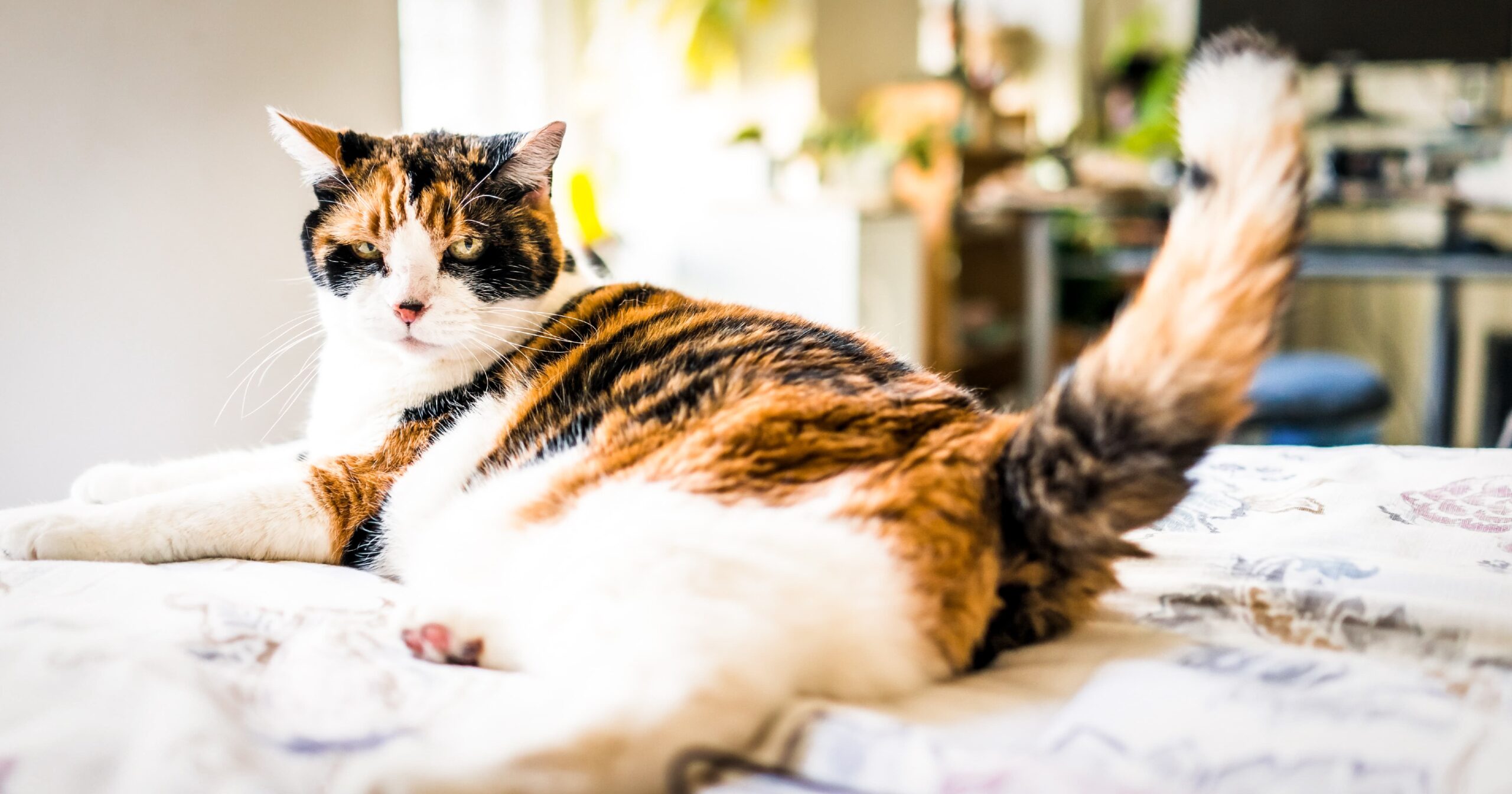
A black and orange striped cat lying on a bed with its tail up.

Cat behavior is a subject that most cat parents wish they understood a little better. Or a lot better! Why does your cat insist on knocking everything off the counters? Why does every other cuddle session turn into a bitey session? Why do they feel the need to knead? Heck, are we even sure we know why they purr? There’s an endless amount of mystery surrounding cat behavior, and not all those mysteries have been solved.

But together, we’ll try to get a better handle on understanding why your cat does what they do. Read on as we explore cat behavior, a subject as deep and complex as the cosmos. If the cosmos randomly smacked the dog for no reason!

Reading the Tail of Your Cat’s Body Language

A black and orange striped cat lying on a bed with its tail up.

Cats aren’t the most expressive when it comes to facial communication. There are certainly times when you can look at your cat’s face and see that they’re angry or content or needy, but the vast majority of the time, your cat’s expression can be considered “stoic” at best or “disinterested” at worst. The good news is that there are other ways to tell what your cat is thinking or feeling. You just have to look below the neck.

There’s a reason that “cat body language advice” is a hugely popular search term on the ol’ internet. When the face tells no tales, you have to look elsewhere to interpret those feline feelings. Cat body language tips can help you tell how to deal with your cat in the moment, and the best place on the body to get a read on that language? Yep. The cat tail has tales to tell.

Cat tail language is like an old-school skeleton key that unlocks an entire body of secrets. How they hold their tail, how it’s moving, even how puffy it is; every detail tells a, well, you know.

Obviously, the tail is only part of the story. Ear position, eye dilation, general posture and other signals all work together to tell a story about what your cat is thinking or feeling. But when you have to know right now? Look to the tail.

READ MORE ABOUT TRANSLATING YOUR CAT’S TAIL

Social Smarts and Cat Behavior

A tan and black striped cat sitting on the floor in front of an empty food bowl.

No matter how lovey or clingy your cat may be, there inevitably are times when they don’t seem to care what you want. Does that mean that your cat is aloof? Does it mean that your desires mean nothing to them? Or does it simply mean that cats handle situations in ways that we don’t fully understand?

Well, yeah.

The fact of the matter is that cats aren’t human, so it’s not really fair to expect them to react to any situation the way a human might. If a person points at something and there are other people around to see it, those others will almost always look where the person is pointing. Cats, not so much. A cat might not even acknowledge that you’re in the room.

But that doesn’t mean that cats are aloof. It does mean that they value things in different ways than humans do, and applying human behavior rules to cat behavior doesn’t work. Just because you point at the food bowl doesn’t mean your cat has any interest in looking at the food bowl.

Understanding a cat’s social smarts can really help crack the code on why your cat behaves the way they do. It’s far from an exact science at this point, but there have been strides made in understanding cats’ social behavior. In 2017, researchers determined that cats often care more about people than they do about food or toys. So the fact that they aren’t reacting to the gifts you’re giving them isn’t necessarily a bad thing. In fact, it’s a you problem! A couple of years later, the same research team found that cats are hugely reliant on the people they trust. In many ways, the more they love you, the less they’re willing to do for you. Cat behavior, like the cats themselves, is a complicated issue.

The bottom line is that when a cat doesn’t obey your commands, it’s not because they don’t understand them or refuse to obey. It’s because when they are comfortable, they tend to do their own thing. Is disobedience a sign of love? Maybe!

READ MORE ABOUT YOUR CAT’S SOCIAL BEHAVIOR

Why Do Cats Need to Knead?

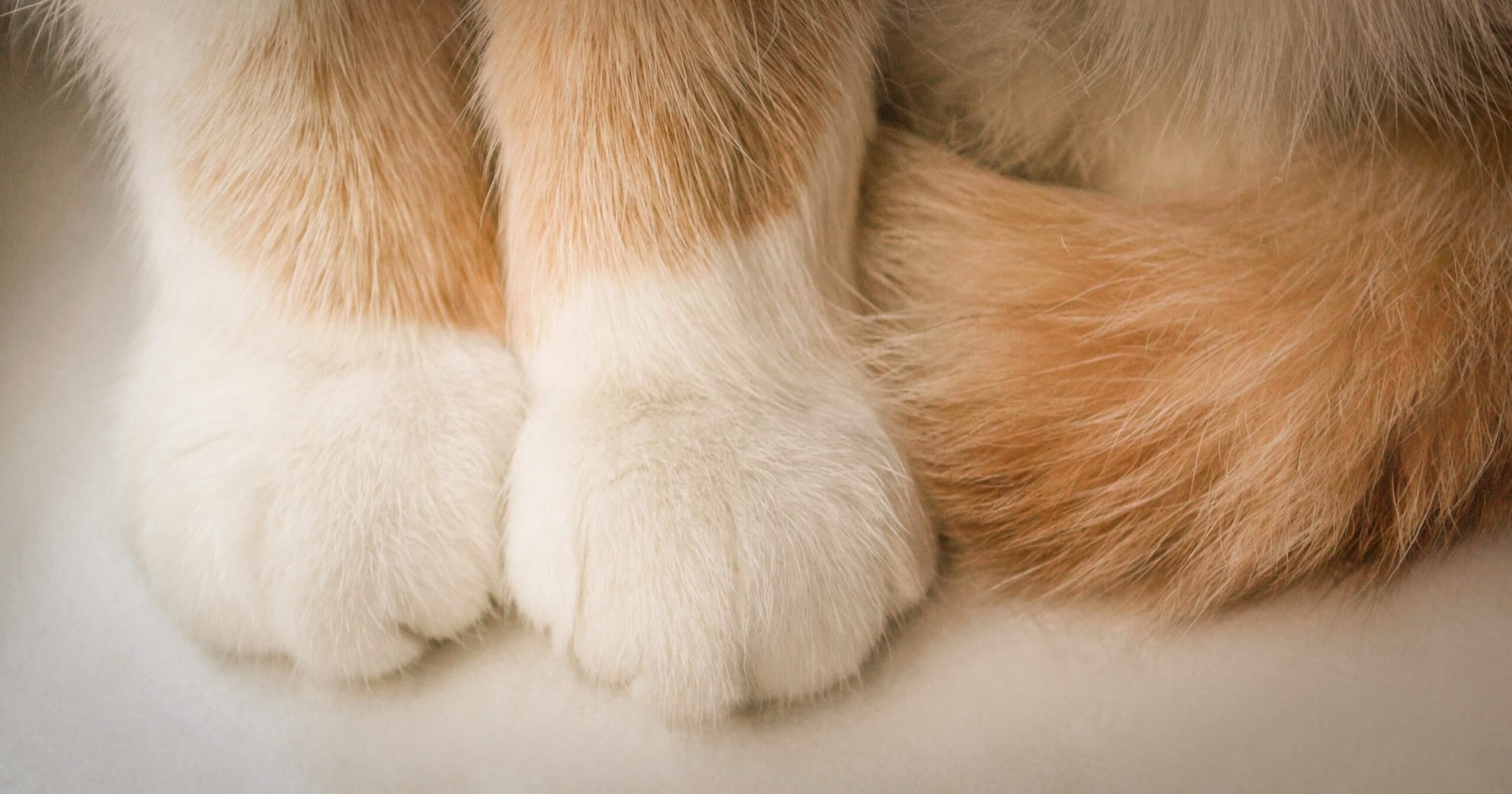
A closeup of two orange and white cat paws.

Your cat is on your lap, purring away. Inevitably, they start “making biscuits” on your thighs, clawing and pulling and grasping. You’re so used to this process that you never really stop to think about this behavior. It doesn’t hurt and, in fact, is oddly comforting when your cat kneads away. But the question lingers.

Is cat kneading an extremely weird thing to do?

Why do cats knead? If your dog started doing it, you might be weirded out, but we’re just so used to our cats doing it that “Why do cats make biscuits?” rarely crosses our minds. So. Why do they do it?

The most obvious answer is that kneading is engrained in cats since birth: as newborn kittens they had to make the same motions to stimulate their mother’s milk flow. Their very first actions brought food into their needy little mouths, so it might just be hardwired into cats that this activity brings comfort. You know how sometimes you feel the need to bury yourself in warm blankets? Some research suggests because we were swaddled as babies, blanket cocoons can relive anxiety. The same idea might apply to cats!

READ MORE ABOUT CATS’ NEED TO KNEAD

What Do Cats DO All Day?

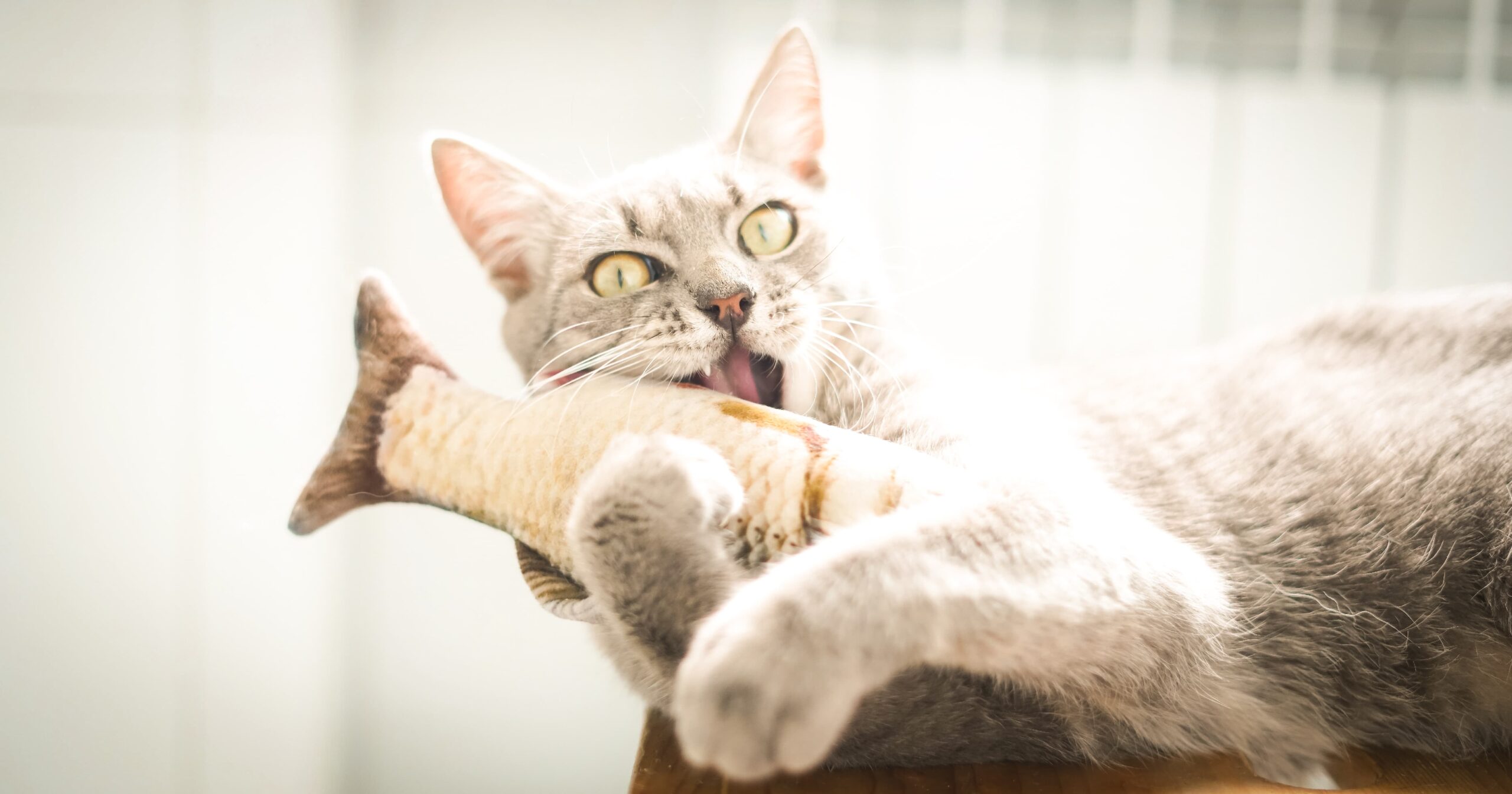
A gray cat lying down chewing on a cat toy shaped like a fish.

We’ve all heard the frenetic footsteps of 2 a.m. zoomies, which is why we know that when cats are unsupervised, they get into all sorts of shenanigans. Jumping on the counters, chasing bugs, skittering around the entire house — and who knows what cat habits are engaged when you’re not home?

Luckily, there’s a way to track the good cat habits and bad cat habits that your cat indulges in when they’re not being supervised. Kitty cams can tell cat parents exactly what they need to know about the secret lives of their feline friends. And judging by some research, we can learn a lot from that data. Though studies to date have mostly tracked cat behavior when they are outdoors, the fact that cats behave differently when on their own versus when with their people opens a lot of avenues for exploration. When cats are indoors? They tend to prefer being in the same room as their people.

Who’da thunk it?

Why Do Cats Purr?

A white cat with brown stripes sitting in its owner’s lap.

The best way to tell that your cat is happy and content is by the steady rumble of their purr, right? But do you know what cat purring actually means, especially outside the context of your warm lap?

When your cat quickly movies their larynx muscles in time with their diaphragm to create that low, exhaust-pipe sound that every cat parent loves so much, it might not always mean what you think it means. If you’ve ever wondered “Why is my cat purring?” you’re in luck. We’ve wondered the exact same thing and collected everything we know.

READ MORE ABOUT WHY CATS PURR

Why Does My Cat Do That, and What Can I Do to Solve It?

A brown and white cat lying on its side on a couch with its front paws on the back of the couch.

Why do cats do the things they do? Scratching up the furniture, randomly “going” outside of their litter box, biting for no reason — are these simply bad behaviors that can be unlearned, or is there something more at work?

The simple answer is that cats aren’t people and therefore don’t conform to what people consider “good” behavior unless they’re trained. The good news is that with lots of patience and training, you can turn your “bad” cat into a model of cat behavior.

READ MORE ABOUT WHY YOUR CAT DOES THAT

An orange and white cat lying on a kitchen countertop in the sun.

Know Cat Behavior, Know Your Cat

Even with everything we conclusively know about behavior, cats still remain as mysterious as the Sphinx (which is famously mysterious for being…a cat. COINCIDENCE?!?!). But by paying a little attention and watching cat body language, tail position and their tastes and preferences, you’ll know how to interpret cat behavior as well as anyone. And knowing what they do and why they do it can really enhance your relationship with your cat.

If your cat doesn’t mind, that is.

Common Cat Behaviors and How to Correct Them

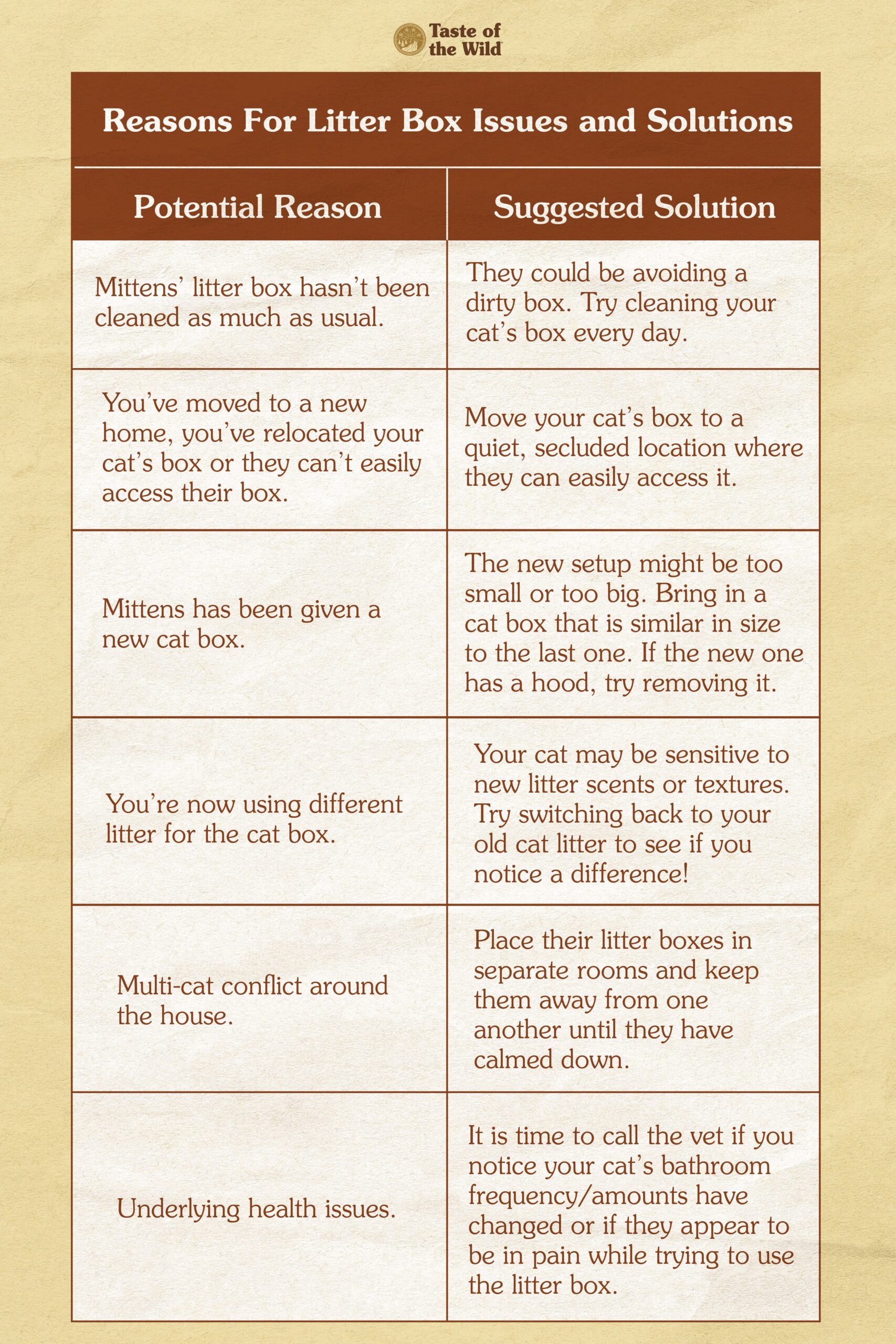
Interior graphic detailing reasons for litter box issues and potential solutions.

At some point, most cat owners deal with at least one of the following behaviors. Deal with any of them long enough, and you’ll be yearning to correct that cat behavior.

  • Destructive scratching
  • Litter box issues
  • Aggression
  • Climbing on countertops

Why do cats do the things they do? Well, cats aren’t people, and are often oblivious to what is or is not acceptable behavior by human standards. Kittens are still learning the ropes of how to cat, and older felines are holding onto learned behaviors. There’s a lot to declaw here, for them and you.

The good news is that no matter your cat’s age, with a little TLC, lots of patience and some clicker training you can help curb unwanted actions and redirect their attention. Here’s how to curb a few common cat behaviors.

Scratch That!

Cats have an instinctive urge to scratch. They’re not doing this to destroy your furniture. Your feline is scratching to express their emotions, mark an object, file their nails or get in a good stretch.

Help your cat “file” their nails by trimming their claws every ten days to two weeks. You can schedule a vet appointment or you can carefully trim them at home.

Provide your furry friend with sturdy scratching posts to help them express emotions or get in that good stretch without causing damage to furniture. Some cats prefer horizontal scratching posts while others prefer something more vertical. Keep their preferences in mind while finding the right scratching post for Mittens. When in doubt, provide one of each.

Place the scratching post near the object you’d like them to avoid. Then cover the spot they keep clawing on the furniture with double-sided sticky tape, furniture protectors or sandpaper as a deterrent. Each time they go to scratch the furniture, divert their attention to their new scratching post. Follow that up with paws-itive reinforcement to show them the desired behavior is appreciated.

Litter Box Woes

When cats choose to relieve themselves outside of the box, there could be a simple fix or it could indicate there’s a larger issue at hand. First, let’s examine potential internal or external factors. Do any of the following situations sound familiar?

Interior graphic detailing reasons for litter box issues and potential solutions.

Grumpy Cat Stand-In

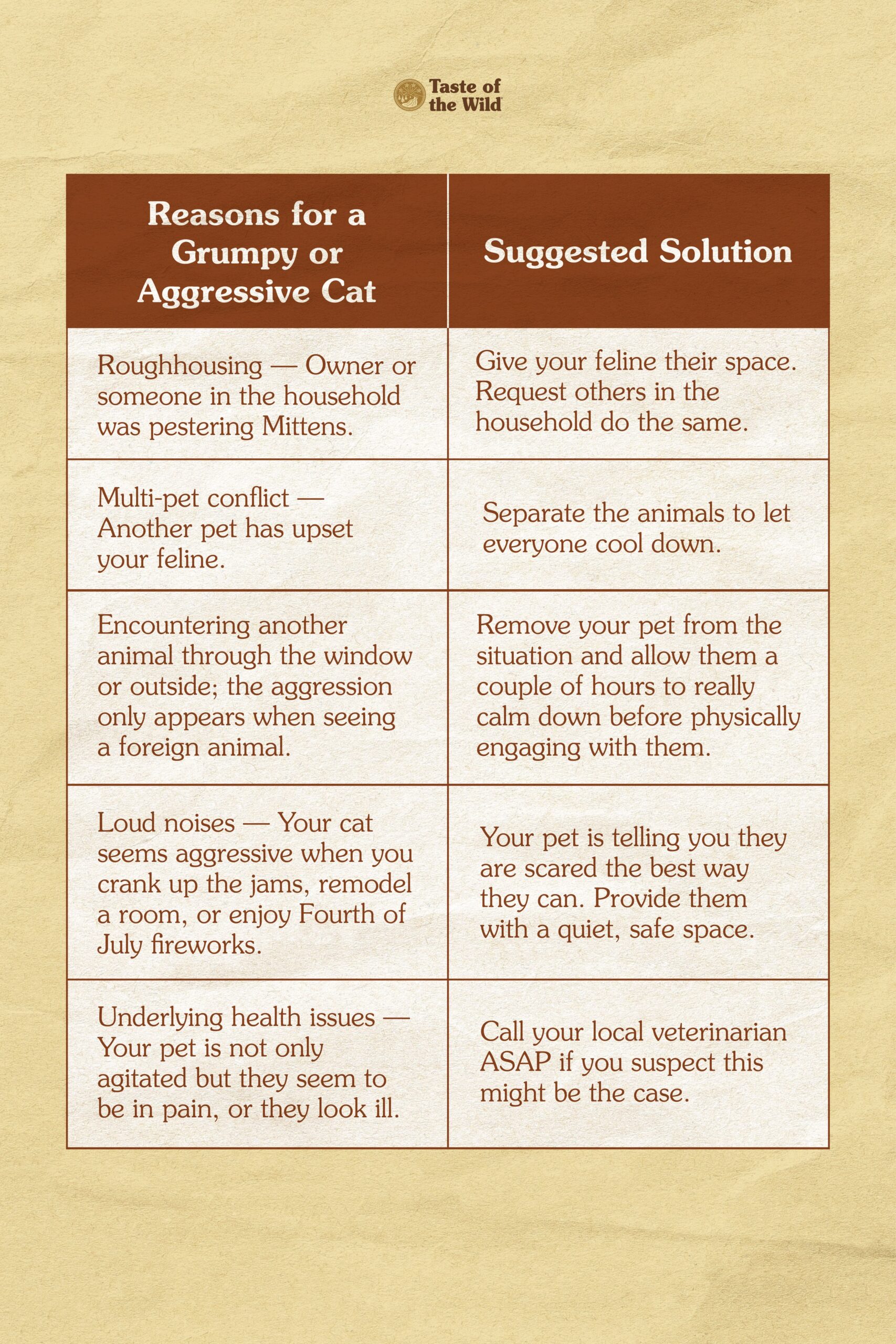
Is your feline exuding grumpy cat vibes? Cats are not aggressive animals by nature, so let’s step back and look at the situation. If your cat’s body language seems relaxed and their ears are pointed forward as they get a bit aggressive, it’s likely that they’re just playing.

However, if they flatten their ears, show their teeth or puff up their fur, this is a sign they’re ready to fight. Do not try to physically engage an angry cat. They’re asking for their space. An angry cat could be the result of one of the following.

Interior graphic detailing reasons for grumpy or aggressive cat behaviors and potential solutions.

If you notice other unwanted behaviors, check to make sure Mittens has an appropriate number of outlets for playing, exercising, scratching and climbing. Sometimes, a tired kitty is a well-behaved kitty, and exercise can solve those problems all by itself. If all the options mentioned so far do not work, make a hissing noise or holler, “Ah, ah, ahhh” to get your cat’s attention. It’s not a long-term fix, but it can stop the behavior in the moment and allow you to divert their interest to a more desirable behavior and use positive reinforcements to let them know they’ve made the right choice.

Training your furry feline is not an overnight process, so don’t lose hope or commitment — especially if you have an older cat. They’re having to unlearn years of lived behavior.