Contact

Support
Recipe Recommendations For Puppy Owners Health and Nutrition Tips All Dog Articles Personalized Feeding Guide Compare Recipes
Virtual Pet Park
Explore our wild world of adorable pet photos and videos.
Support
Recipe Recommendations Health and Nutrition Tips All Cat Articles Personalized Feeding Guide Compare Recipes
Virtual Pet Park
Explore our wild world of adorable pet photos and videos.
 Where to Buy
 Contact Us
Vet Visits for Cats: What to Expect
Category: Health
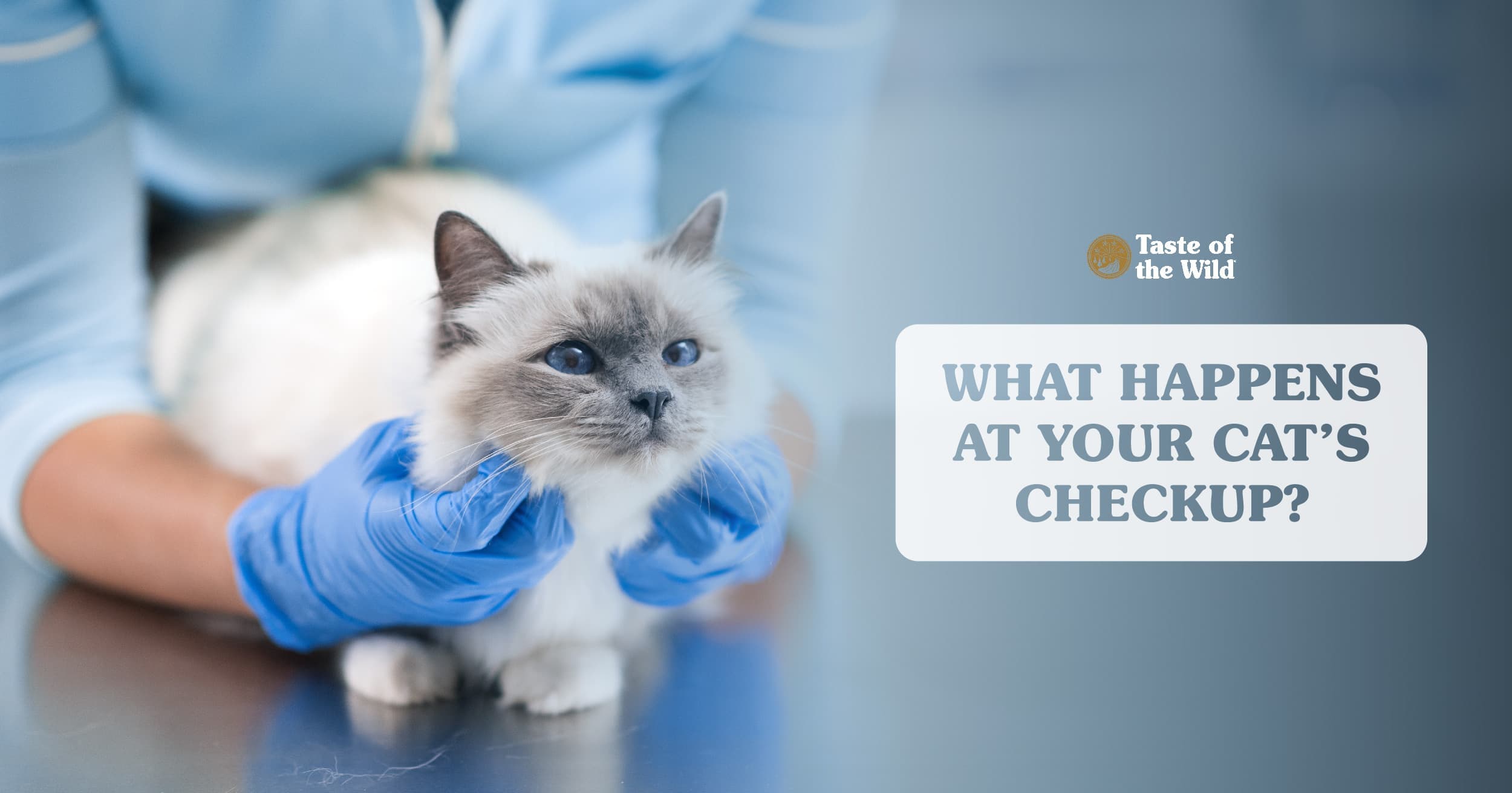
Wellness exams for your cat are necessary appointments to make, just like an annual physical for your own preventive care. But what can you expect during your cat’s checkup? Your cat may have some questions about what to expect during a checkup, too. Typically, this vet visit won’t last more than 30 minutes, yet within that small window of time, your veterinarian will be checking your furry companion from whiskers to tail.
Do Cats Need Yearly Checkups?
Cats older than one year of age, including healthy adult cats, should visit the veterinarian at least once a year for routine wellness examinations, with the frequency adjusted based on the cat’s lifestyle, age and overall well-being. Kittens need to visit the vet every month until they receive their last round of immunization boosters at four months of age and have completed their other routine kitten procedures like spaying/neutering and receiving a microchip. Then they can begin their yearly vet visit schedule.
For senior cats over 10 years old, more frequent monitoring becomes important, and visits every six months are typically recommended to keep a closer eye on age-related health changes. Because cats mask illnesses and age quickly, semi-annual visits allow for early diagnosis of age-related issues like kidney disease, diabetes, cancer or arthritis.
If your feline friend has an underlying health condition, your veterinarian will develop a plan specifically for your cat and the health condition they are tackling.
Preparing Your Cat for a Regular Vet Visit
When preparing for your regular vet visits, there are a few things to do at home before you go. First, make sure you have a way to transport your cat, such as a cat carrier, to keep them safe. Your cat may develop some anxiety when the time comes for a vet visit, but there are some things you can do to help keep your cat calm at the vet. Prepare them in advance by making their carrier a comfortable space, minimizing stress during travel, and using gentle handling and calming techniques throughout the visit. Staying calm yourself is important, as cats are very perceptive and can pick up on your emotions.
What Happens During Your Cat’s Wellness Exam?
Once you’re in the exam room, the veterinarian technician or assistant will ask key questions about your cat’s age, gender, diet, appetite, litter box activity, routine care and whether they’re an indoor-only cat or if they spend any time outside. They’ll also ask you if there have been any changes in your cat’s behavior or if you have any concerns. They’ll place your answers in your cat’s file for the veterinarian and for future visits.
Next, it’s time to get your cat’s weight, body temperature, heart rate and respiratory rate. Your cat’s temperature will be taken with a rectal thermometer, so if your pet is anxious, this step may be skipped for now. They may loop back to it later after your cat has calmed down or attempt a different method.
After all pertinent information has been collected, the veterinarian will evaluate your pet’s chart and then start a physical examination.
Your veterinarian will review the following:
- Body condition: Are they in an ideal body condition for their breed and age? Does your cat have any hair loss or inflammation? How does their coat look overall?
- Heart and lungs: When the vet listens to your cat’s heart and lungs, how do they sound?
- Abdominal palpation: Does your cat have any tenderness in the abdomen? Are there any abdominal masses?
- Alertness: Does your cat appear responsive and aware of their surroundings? Your vet will look at your cat’s eyes and body language to measure it.
- Walk: Is your cat walking with a limp? Are they steady on their paws? Does their body seem stiff at all?
- Mouth: How are those pearly whites looking? Is periodontal disease present? Are there any dental problems? Are there signs of dental disease?
- Ears: Is there any wax buildup? What about ear mites or yeast infections? And do they seem to be hearing everything going on currently?
- Nose: How is their nasal cavity looking? Can they breathe well?
- Eyes: Coming back to their eyes, is there any sign of infection or irritation? Do they seem to follow movement well with both eyes?
Using the information from the physical exam, the veterinarian can make a well-rounded assessment of your cat’s overall health. They’ll discuss any concerns and whether additional tests, such as X-rays, blood tests or a fecal exam, are a necessary next step in evaluating your pet’s overall health, provide core vaccine suggestions, booster shot reminders and if any dietary changes are needed to improve your cat’s well-being.
This is the perfect time for you to ask any questions you have as well. Your veterinarian is there to help provide answers and clarifications along the way.
Preventive Care for Cats
Preventive care is one of the most important ways to keep your cat healthy and catch problems early. Scheduling a regular wellness check or routine vet visit allows you to see the vet before small issues become serious. Remember, early detection and treatment can make a big difference in your cat’s long-term health. During routine checkups, a veterinarian can monitor weight, dental health, vaccination needs and screen for common conditions. Even if your cat seems perfectly fine, it’s still important to make an appointment for your cat to visit the vet clinic at least once a year (or more often for older cats).
Another key part of prevention is protecting your cat from parasites. If your cat spends any time outside, tick prevention, along with protection against fleas, heartworm and intestinal parasites, helps avoid diseases that can be difficult and costly to treat. Your vet can recommend safe, effective products and guide you on proper use. With consistent preventive care, you’re giving your cat the best chance at a long, comfortable life.
The Average Cost of a Vet Visit for Cats
For many pet parents, the cost of a veterinary visit can be a real source of stress. Whether it’s a routine checkup, emergency visit or more complex surgical procedures, understanding what to expect financially can make the experience much more manageable.
The national average cost of a vet visit for cats varies based on location, the amount of care and other factors. The national average is often published by the American Veterinary Medical Association. It’s important to note that additional services, such as diagnostic tests, vaccinations or medications can increase the total cost of the wellness exam significantly. For example, blood tests, dental cleanings or minor surgical procedures can run several hundred dollars or more. But given an emergency vet visit can cost significantly more, treating a problem early is often better for your cat and for your bank account.
Before moving forward with treatments, your vet’s office can provide a clear breakdown of the actual cost of treatment, including exams, recommended tests and optional services. This gives you the chance to make informed decisions and prioritize what needs to be addressed immediately versus what can safely wait.
How to Reduce Pet Care Costs
Preventive care is one of the most effective ways to control long-term vet visit costs. Annual exams can catch issues early, like dental disease, weight changes or early signs of illness before they turn into more serious and expensive conditions. For instance, addressing plaque buildup now may help you avoid costly treatments for periodontal disease or other complications later.
You might also consider pet insurance as a way to offset unexpected expenses. Many pet insurance plans help cover emergency visits, illnesses and even some routine care, making it easier to budget for your cat’s health over time.
By investing in pet insurance early, ideally while your cat is young and healthy, you can often secure lower premiums and avoid exclusions for pre-existing conditions. Over time, this can provide peace of mind, knowing you’re better prepared for both routine veterinary visit costs and unexpected medical situations.
Annual Checkups Are Important for Your Cat
Ultimately, while veterinary visit costs can vary widely, open communication with your veterinarian and a focus on preventive care can go a long way in keeping your cat, and your finances, in good shape.
So, what are you waiting for? Get your cat’s wellness exam booked. Regular checkups can equal a happier, healthier cat.
The information in this blog has been developed with a Doctor of Veterinary Medicine and is designed to help educate pet parents. If you have questions or concerns about your pet’s health or nutrition, please talk with your veterinarian.