
Behind the Breed: Bullmastiff

A large tan bullmastiff dog wearing a black collar while standing in a grassy field.

Have you ever wondered about the origins of a dog breed? In our “Behind the Breed” series we’ll dive into the history, personality and physical appearance of a particular breed. We’ll also cover some of the FAQs about the breed and maybe some fun facts, too!

Fearless and imposing, the bullmastiff is a working dog with a clear purpose. Not known as a graceful dog — it’s hard to be when you’re so large — the bullmastiff is truly a gentle giant. Beneath their muscular build is a kind-hearted, affectionate and loyal companion who forms strong bonds with their family.

English Mastiff vs. Bullmastiff: What’s the Difference?

The English mastiff and bullmastiff are both large, loyal dogs, but they have different personalities and purposes. The English mastiff is bigger and generally calmer and more relaxed, making it a good family dog. Smaller in size, the bullmastiff personality tends to be more energetic and naturally protective. Both breeds are affectionate and devoted, but the English mastiff is usually more laid-back, while the bullmastiff is generally more alert and watchful.

The bullmastiff was originally bred in 19th-century England to guard large estates from poachers. Poaching on estates was an extensive problem, so gamekeepers crossed English mastiffs with the now-extinct Olde English bulldog to create a guard dog that would protect and defend deer and other game. They were trained to track without barking or biting, with the goal of holding poachers without injuring them until their masters could get to the intruders. As a result, the bullmastiff became known as the “Gamekeeper’s Night Dog.”

John D. Rockefeller brought bullmastiffs to the U.S. in the 1920s to guard his home in upstate New York. The American Kennel Club recognized the breed a few years later in 1934.

Bullmastiff Size: How Big Do They Get?

Among giant dogs, the bullmastiff is known for its powerful, muscular build. Bullmastiffs stand as high as 27 inches at the shoulder and weigh between 100 and 130 pounds. Their broad heads and short muzzles create an alert expression that reflects the confidence and quiet strength these natural guardians possess.

Bullmastiff Colors and Grooming Needs

A bullmastiff’s coat can be fawn, red or brindle, and range within those colors from very light red fawn to very dark reddish brown. They have a square, black muzzle that tapers toward their eyes, as well as dark ears and nails.

The bullmastiff has a short, dense coat that is relatively easy to maintain with regular brushing. While bullmastiffs do shed throughout the year, frequent grooming and occasional baths are usually sufficient to keep their coat in good condition. Their low-maintenance coat makes them a practical choice for owners who want a large dog with minimal grooming requirements.

How Long Is a Bullmastiff’s Lifespan?

Like other giant dog breeds, the bullmastiff has a relatively short lifespan that averages 7 to 9 years. There are several factors that influence their life expectancy, including nutrition, lifestyle, genetics, breeding history and healthcare. To prolong their life, bullmastiffs should maintain a healthy weight to reduce stress on their joints, engage in moderate exercise regularly and have routine veterinarian visits appropriate for the dog’s life stage.

Bullmastiff Health Issues

Like many large and giant breeds, bullmastiffs can be predisposed to several serious medical issues. Some of the medical conditions to watch out for with bullmastiffs include:

  • Gastric dilatation-volvulus (GDV): This is a life-threatening bloat complication that occurs when the stomach twists on itself, cutting off blood supply to the organs. It requires immediate veterinary attention. 
  • Elbow and hip dysplasia: Due in part to their size and genetics, these are conditions in which the joints develop abnormally, leading to instability and arthritis. 
  • Arthritis: Underlying joint issues can cause arthritis to develop as they get older.
  • Cancer: Bullmastiffs have an increased risk of lymphoma, osteosarcoma (bone cancer), mast cell tumors and hemangiosarcoma, an aggressive cancer that commonly affects the spleen, liver or heart.
  • Heart disease: They have an increased risk of dilated cardiomyopathy (DCM), a disease in which the heart muscle becomes enlarged, making it less effective at pumping blood. This is a life-threatening condition, so early diagnosis and treatment can help improve their quality of life.

Not every bullmastiff will develop these conditions — they just occur more frequently in this breed. Regular veterinary checkups, maintaining a healthy weight and monitoring for any symptoms or behavioral changes can help detect problems early.

What Is the Bullmastiff Temperament Like?

Similar to the Rottweiler and cane corso breeds, the bullmastiff was bred to be a guard dog. They will set their property boundaries and defend them fiercely. Bullmastiffs don’t often bark and are quiet dogs, so their owners need to be alert for any changes in their behavior. They don’t always get along with other dogs, but they do thrive on obedience and training classes.

Bullmastiffs can be good with small children if they receive early training and close supervision, but their massive size creates risks of accidental bumps or rough play. They can weigh much more than a child and sometimes can be like a tornado in the living room, so make sure play doesn’t get too rough. Given the right amount of attention and socialization, bullmastiffs will become an integral part of their owners’ families.

How to Care for Bullmastiff Puppies

Bullmastiff puppies are intelligent, affectionate and loyal pups that quickly grow into powerful, large-breed companions. Because of their rapid growth, it is important to feed them a balanced diet that is specifically formulated to support healthy bone and joint development while preventing excessive weight gain. Bullmastiff pet parents should choose a complete and balanced food with an AAFCO nutritional adequacy statement indicating that it is appropriate for growth, including growth of large size dogs (70 lb. or more as an adult). As they get older, work with your veterinarian to choose a complete and balanced adult diet appropriate for their size, body condition, activity level, and individual health needs.

Bullmastiff puppies benefit greatly from early socialization by being safely introduced to a variety of people, places, sounds and experiences. Enrolling in puppy training classes can provide a valuable opportunity to build confidence, reinforce good manners and strengthen the bond between puppy and owner. Although bullmastiffs are naturally devoted and eager to please, they can also be strong-willed and independent, making proper training essential from an early age. Consistent, positive reinforcement and clear boundaries help them develop into well-mannered, confident adults that are reliable family companions.

The bullmastiff dog breed is a remarkable blend of strength, loyalty and gentle companionship. While their impressive size may seem intimidating at first, they are known for their calm temperament and deep devotion to their families. If you’re looking for a courageous protector with a kind heart, the bullmastiff may be the perfect addition to your home.

Can My Dog Eat That: A Guide by Taste of the Wild

Taste of the Wild

One of the most popular online searches regarding pets is the question “Can my dog eat BLANK?” The reason this query is so popular is because, for better or worse, many dogs will eat anything they can get their mouth around, especially human foods. Often, pet owners are asking the question after said item has been eaten, and they are looking for quick answers about whether they need to make a sudden trip to the veterinarian. (NOTE: If you ever have serious questions about something your pet has eaten, even the most benign human foods, call your vet immediately!)

To pre-emptively answer some of these questions, Taste of the Wild has created an ongoing and ever-growing guide that answers the question, “Can my dog eat that?” We will be limiting our questions and answers to food items, so if your dog has eaten an entire couch cushion…call your vet. Bookmark this page because it will keep growing. There’s no end to the list of human foods dogs have tried to eat, and no end to the trouble caused to the dog’s digestive system!

CAN MY DOG EAT GRAPES?

A brown dog looking at its owner harvesting grapes off the vine.

Your dog should never, ever, eat grapes. They can be toxic to dogs, potentially leading to acute kidney failure and even death. And they’re an obvious choking hazard. That goes for all grapes: red, green, seeded or seedless, organic or grown conventionally. It also includes raisins and foods that include raisins. Until recently, no one knew why, exactly, dogs and grapes shouldn’t mix. But veterinarians at the ASPCA Animal Poison Control Center discovered that tartaric acid might be the culprit.

READ MORE ABOUT DOGS AND GRAPES

CAN MY DOG EAT SWEET POTATOES?

A dog standing in a field where sweet potatoes are being grown.

Humans seem to either love or hate sweet potatoes. Dogs, however, might not be so ambivalent. The good news is that your dog can not only eat these non-potato potatoes, they gain benefits if they do so. Sweet potatoes can provide energy, support gut health, maintain healthy eyes and support the digestive system. They’re better than safe for dogs; they’re good for them!

READ MORE ABOUT WHY SWEET POTATOES ARE SAFE FOR DOGS

CAN MY DOG EAT APPLES?

Two dogs sitting in an apple orchard.

Yes, apples are a nice and healthy change of pace for your sweet-loving pooch — in moderation, of course. Apples are great sources of fiber, vitamin C and vitamin A, not to mention potassium. And an underrated aspect of feeding apple to your dog is that the rough texture works as sort of a natural tooth cleaner and breath freshener. As long as you still schedule regular dental checks, apples are a great little addition.

READ MORE ABOUT YOUR DOG AND APPLES

CAN MY DOG EAT CHEESE?

A dog sitting on a chair next to a table with a plate of cheese on it.

Should you pay the cheese tax without guilt? It’s a question as old as time. Or refrigerators.

Dogs love cheese. That’s a fact. The good thing is that cheese isn’t a terrible snack! Most dogs can, in moderation, eat cheese without any serious repercussions outside of possibly a stinky room a few hours later. Cheese, in general, can be a healthy, nutrient-rich treat. The high amounts of calcium are good for strong teeth and bones. Vitamins A, D and B are usually prominent. Cheese is an excellent source of protein.

READ MORE ABOUT YOUR DOG AND CHEESE

CAN MY DOG EAT BLUEBERRIES?

A human giving a handful of blueberries to a dog.

Blueberries are considered a superfood for people. But are they super for dogs?

Yes, in moderation. These nutrient-packed foods are key sources of antioxidants, omega fatty acids, fiber, vitamins, minerals and protein. To sweeten an already sweet deal, superfoods are functional ingredients in pet foods, meaning that they provide bonus benefits beyond basic nutrition when they are part of a complete and balanced diet.

READ MORE ABOUT DOGS AND BLUEBERRIES

CAN MY DOG EAT PEAS?

A bowl of fresh green peas lying on a cutting board surrounded by pea pods.

Peas are popular ingredients in pet food, for very good reason: They pack a nutritional wallop! Loaded with carbohydrates, fiber, antioxidants and protein, peas are perfect additions to pet foods. A single serving of peas provides nearly the entire daily portion of amino acids a dog needs. In general, peas are great snacks for dogs as well, but not all are created pea-qual! Click to learn the ABCs of peas for pets.

READ MORE ABOUT DOGS AND PEAS

CAN MY DOG EAT AVOCADO?

A group of fresh avocados hanging from a tree.

This superfood is a yes-and-no proposition for your pup. While technically a superfood, the peel and pit are super no-nos for your dog, as they are literal poison and choking hazards. But the sweet green mush inside (AKA the flesh)? It’s a nutrient- and antioxidant-dense treat that supplies great amounts of potassium, fiber and vitamin E.

READ MORE ABOUT AVOCADO AND YOUR DOG

CAN MY DOG EAT BANANAS?

Banana bunches sitting in a wicker basket.

Is it b-a-n-a-n-a-s to offer your dog bananas, or are they an appeeling snack option? High in potassium, magnesium, vitamin B6, vitamin C and fiber, bananas are a good, low-calorie food that you can offer your begging buddy — IF you peel them first!

READ MORE ABOUT BANANAS AND DOGS

CAN MY DOG EAT TOMATOES?

Red tomatoes hanging from a vine in a garden.

A good, ripe, dripping tomato. Who doesn’t love one on a hot day? The great news here is that if your dog is a fan of these bright red balls of nutrients, they can certainly have some. With some BUTS, of course. First, only offer the tomato itself. No other part of the tomato plant is good for your dog in any way. Second, make sure the tomato is ripe. Green parts of the tomato plant, and green tomatoes themselves, contain tomatine, a toxin that can cause upset stomachs. And no one wants to ruin their nice summer day with an upset stomach!

READ MORE ABOUT TOMATOES AND YOUR DOG

CAN MY DOG EAT EGGS?

A single egg lying on a wooden table cut in half, showing the yolk.

A nice cooked egg is EGGzactly what the dogtor ordered for snack time. Eggs are high in protein (which is why they are often included in pet food), and they’re also a good source of minerals, vitamins and fatty acids. The high protein content of eggs can be an issue in the weight department, so ask your veterinarian how often to feed eggs to your dog.

READ MORE ABOUT DOGS AND EGGS

CAN MY DOG EAT PUMPKIN?

A dog lying on a pile of pumpkins.

Is pumpkin a great idea for dogs? It sure is! Our most festive orange fruit offers high fiber content and plenty of antioxidants, and it’s loaded with vitamins and minerals. Vitamin A supports healthy vision, while the high levels of vitamin C are another boost to the immune system. Meanwhile, magnesium supports easy digestion and zinc helps the skin and coat look its best. Prepared properly, pumpkin will have you asking your dog, “Orange you glad we gave you some?”

READ MORE ABOUT DOGS AND PUMPKIN

CAN MY DOG EAT CINNAMON?

Cinnamon sticks lying on a table next to a bowl of ground cinnamon.

Is cinnamon a spice that makes everything nice for your dog? Well, it IS a spice, and dogs traditionally aren’t down with the spicy. That said, cinnamon isn’t toxic to dogs, so there’s no reason to panic if they swipe a snickerdoodle or two. Eaten in small amounts, cinnamon won’t hurt your dog and might even taste good to them. But if they get the powder form in their nose, sneezing might ensue!

READ MORE ABOUT YOUR DOG AND CINNAMON

CAN MY DOG EAT SNOW?

A dog hunched over eating snow while standing in deep, fresh snow.

It’s just frozen water. Snow can’t possibly be bad for my dog, right?

Wellllll…it’s a maybe. If all your dog is eating is snow and it’s not in crazy amounts, then yes, a few flakes on the tongue to celebrate the season is perfectly fine. A chilly mouthful of newly fallen white stuff won’t harm anyone and might even help, mood-wise. But if your canine companion likes to go deep in their love for snow, you might need to intervene. Dirt, rocks, sticks…who knows what is lurking beneath the surface. And if the snow is any color but white? SNOW WAY!

READ MORE ABOUT DOGS EATING SNOW

CAN MY DOG EAT POPCORN?

A dog lying on a couch under a blanket with a bowl of popcorn.

Can your dog eat popcorn? Sure they can, if we’re talking plain, unsalted and unbuttered popcorn. It might even be good for them, offering small amounts of fiber, vitamins and minerals. If boring ol’ plain popcorn is your dog’s snack of choice, a small bowl of air-popped corn with no toppings is perfectly acceptable.

READ MORE ABOUT DOGS AND POPCORN

CAN MY DOG EAT WATERMELON?

A dog with its tongue out staring at a bowl of watermelon.

It’s a hot summer day and everyone at the pic-a-nic is munching on cool, juicy watermelon. And your dog is just sitting there salivating. Can they have some of nature’s sweetest treat? They sure can, provided (as always) that it’s prepared properly. No rinds, cut the meat into small hunks and make sure there are no seeds, and your dog will be a sticky mess in no time!

READ MORE ABOUT DOGS AND WATERMELON

CAN MY DOG EAT A HOT DOG?

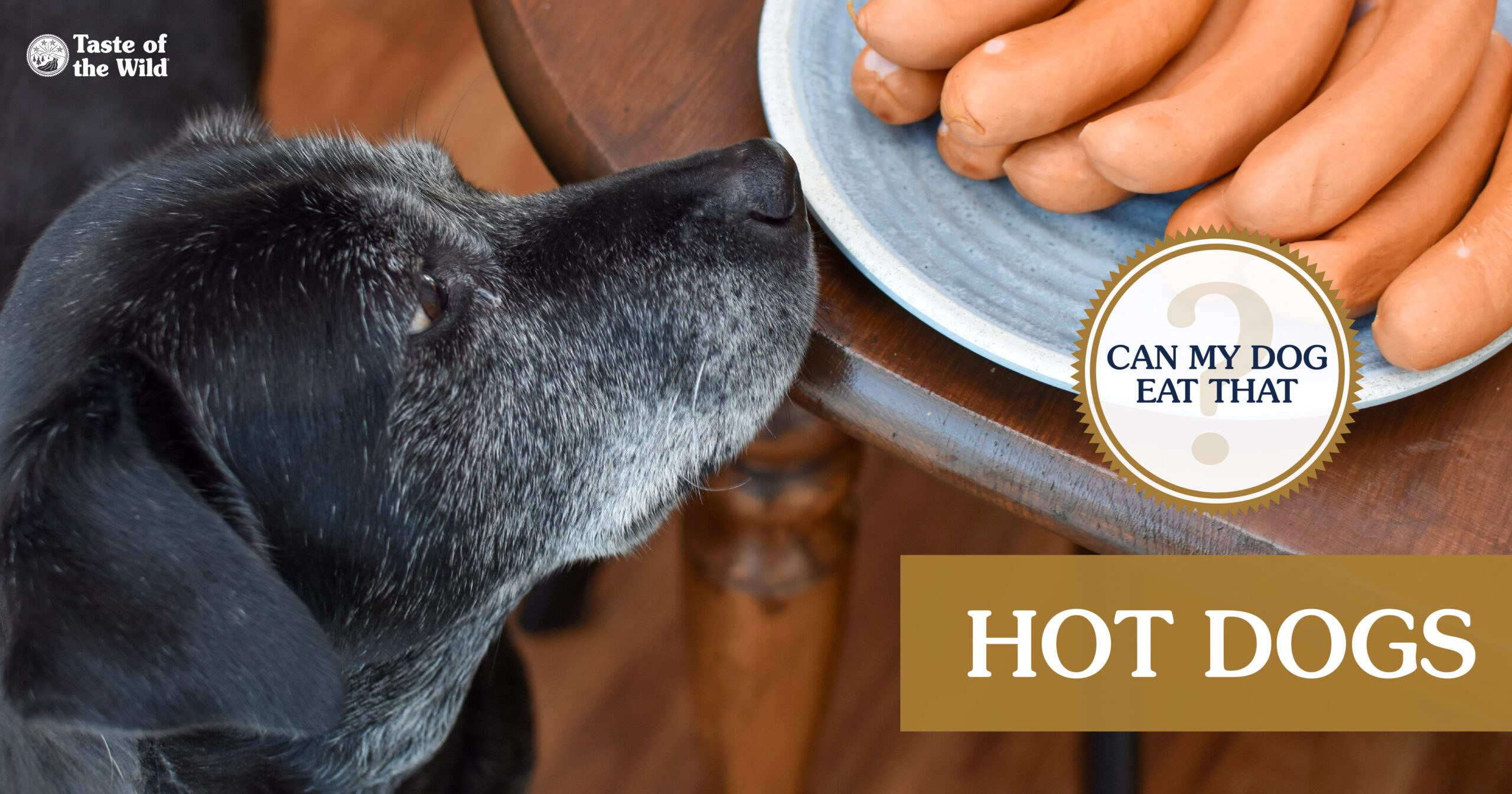
A black dog with its nose resting on a table staring at a plate of hot dogs.

Just imagine a greasy, salty hot dog and you can probably guess that they aren’t the best foods for your dog. In small amounts and cut into bite-sized chunks, a hot dog usually won’t to do any lasting damage to your normal-temperature dog, but an upset stomach, vomiting or diarrhea isn’t out of the ordinary. Can they eat one? Sure. Should they? Probably not!

READ MORE ABOUT DOGS AND HOT DOGS

CAN MY DOG EAT PEOPLE DRINKS?

A small black dog with its paw in its owner’s hand while the owner holds a coffee cup.

With such a bountiful bevy of beverages available for human consumption, do you ever wonder if your dog looks up from their water bowl, jealous of your pumpkin-latte-cinnamon-sprinkled carbonated soda? Are you ever tempted to give them a sip? Here’s a primer on whether your dog can drink some of our more popular people drinks.

READ MORE ABOUT DOGS AND BEVERAGES

Some dogs are picky and aren’t too awfully interested in anything but dog food. Other dogs will literally eat anything. This ongoing feature will continually add sections and links that detail why or why not your dog should eat certain foods. We’ll cover why they should avoid seemingly innocent foods (like grapes!) because they’ll make a dog sick, but we’ll also explain why some not-so-obvious foods, like blueberries, end up as important ingredients in many dog foods. No matter what, always remember that your dog’s stomach can be just as sensitive, if not more, than a human’s, so if your dog eats something questionable, call your veterinarian immediately.  Your dog’s health matters, so we want to make sure that you offer quality food and a healthy snack.

Check back often!

Can My Dog Eat Grapes?

Interior graphic with text that reads ‘Can my dog eat grapes? Never!’.

Welcome to “Can My Dog Eat That?,” our new series that answers some obvious (and not-so-obvious) questions about what your dog can and can’t safely eat. Read on!

A grape or two might seem like a harmless snack for your dog. After all, it’s just fruit, and mostly water at that. But what happens if your dog eats grapes? Unlike other fruits like cranberries or blueberries, grapes can be toxic to dogs, potentially leading to acute kidney failure and even death. Grape and raisin poisoning are real dangers for dogs.

This applies to all types of grapes, whether they’re red, green, seeded or seedless, organic or grown conventionally. But fresh grapes aren’t the only problem. Grapes that have been dried — otherwise known as raisins, sultanas (light brown, seedless raisins) and Zante currents — can be problematic as well.

The same goes for foods in your pantry that contain raisins, including cookies, bars and breads, granola mix, trail mix and raisin bran cereal. It’s not clear if grape jelly, grape juice or wine could be hazardous, but why take the risk?

What makes even a few grapes toxic?

Until recently, no one knew why, exactly, dogs and grapes shouldn’t mix. But veterinarians at the ASPCA Animal Poison Control Center discovered that tartaric acid (the ingredient cream of tartar is made from) might be the culprit. The amount of tartaric acid in grapes can vary depending on the type of grape, the degree of ripeness and the growing conditions.

In addition to varying levels within the grapes, dogs can have individual responses to the fruit, making it frustratingly difficult to determine how many will be a problem. Dogs have had a toxic reaction after eating as little as 0.32 ounces of grapes and 0.05 ounces of raisins per pound of body weight. It’s not a food you want your dog eating!

If your dog has eaten grapes or raisins, call your veterinarian or the closest veterinary emergency clinic immediately.

Symptoms when dogs eat grapes

It doesn’t take long for signs of toxicity to appear. Within hours of eating grapes or raisins, dogs may vomit and refuse to eat. If your dog surfed your countertop without your knowledge, you may find the telltale signs of grapes in the vomit. The dog may also have diarrhea, show signs of abdominal pain, drooling, dehydration and lethargy. They may drink and urinate more than normal, or in more advanced cases, they may produce little or no urine.

Seek veterinary help immediately

Since kidney damage can happen quickly, it’s best to call your veterinarian as soon as possible. While there’s no specific test to determine if your dog is experiencing grape toxicity, it’s generally diagnosed based on the history of grape consumption or grapes found in the vomit.

When your dog eats grapes or raisins within the last hour or two and hasn’t vomited yet, the doctor will probably recommend that vomiting be induced to get the toxins out of the stomach. Once that’s accomplished, your dog may be given activated charcoal by mouth, which may help prevent further absorption of toxins into your dog’s system.

In cases of grape or raisin toxicity, some dogs may need aggressive therapy, including hospitalization and intravenous fluids. The veterinarian may recommend blood work and urinalyses to monitor kidney function. Dogs may also benefit from stomach protectants, medications to control vomiting and nutritional support.

While ingestion of grapes should always be avoided in dogs, other fruits can be healthy and safe snacks for your pooch. Consider offering apple slices (remove the seeds), cantaloupe, blueberries, strawberries or bananas instead.

Can One Grape Kill a Dog?

Can one grape kill a dog? Yes, one grape can be extremely harmful. Grape toxicity is a real threat no matter how many grapes a dog eats. When dogs eat grapes, grape poisoning is always a possibility. Grapes or raisins, quite simply, are toxic to dogs, whether it’s one grape, green grapes, seedless grapes, red grapes, etc. If you suspect that grape poisoning has occurred and you cannot seek immediate treatment, you can call  Pet Poison Helpline for immediate advice. Your dog’s health, and kidney failure specifically, is always a concern when your dog ate a grape.

To learn more about why grapes are bad for dogs, check out this article.

An interior graphic with text that reads ‘Can my dog eat grapes? Never!’.

Should I Be Worried About My Vomiting Pet?

Taste of the Wild

Stomach issues are the top reason cats are brought to the veterinarian, according to a Healthy Paws analysis of more than 870,000 pet insurance claims from June 1, 2020, to June 1, 2021. For dogs, stomach issues came in third, behind skin problems and pain.

While we know a vomiting pet generally prefers to expel stomach contents on expensive carpets or on your bed in the middle of the night, we don’t always realize what’s causing the problem. So how do you know when it’s something serious?

Causes of vomiting

A broad range of things can cause your pet to vomit, from something as simple as an abrupt change in food or motion sickness from a car ride to more serious causes, such as toxin ingestion, infections like parvovirus or a gastrointestinal foreign body.

Check your house or yard for anything your pet might have accidentally gotten into: medications, mushrooms, the garbage can, super glue and any toys or objects that may have been partially or completely swallowed. Sometimes you may find clues in the vomit, such as potentially toxic house plants that may have been ingested. If you think your pet has eaten something it shouldn’t, call your veterinarian or contact the Pet Poison Helpline.

Mild vomiting

If your pet vomits once or twice and stops, you can remove their food and limit their water for 6 to 8 hours to give the digestive tract a chance to calm down. If they continue to vomit or if they become lethargic, contact your veterinarian.

Although not necessarily recommended, dogs can go for a day or two without eating. However, food shouldn’t be withheld from cats for more than about 12 hours. Cats can develop a condition called hepatic lipidosis, or fatty liver disease, and it can be difficult to entice them to eat again. But a few hours without food is typically not a problem.

During this time, you don’t want your pet to become dehydrated. The easiest way to check their hydration is to run your finger over their gums (do not attempt this if your pet is not fond of having their mouth handled). In a hydrated pet, there should be enough saliva so that your finger slides easily. Dehydrated pets will have dry, sticky gums. You can also try to gently pull up the skin at the nape of your pet’s neck. In a hydrated pet, the skin should snap back into place quickly. If your pet is dehydrated, the tent of skin will take longer to return to its original shape.

You can allow your pet to lick ice cubes, so they ingest a small amount of water at a time. Lapping up large amounts of water quickly may cause your pet to vomit. If you’re concerned, contact your veterinarian.

If your pet hasn’t vomited for 6 to 8 hours, you can begin to offer small amounts of water. As a rule of thumb, you can provide 1 teaspoon of water per pound of body weight every 2 to 3 hours.

Once your pet drinks water without vomiting, you can feed them small, frequent meals, using a bland diet such as boiled hamburger or chicken and rice or food made for sensitive stomachs. If your pet refuses to eat or begins to vomit again, call your veterinarian.

Severe vomiting

Some pets will continue to vomit, even when there’s nothing left in their stomachs, and they just wretch up bile. Prolonged vomiting can lead to dehydration, so it’s important to take your dog or cat to the veterinarian. Even if your pet vomits on a regular basis, such as once or twice a week, it’s worth investigating to see if there’s an underlying disease process causing it.

Depending on your pet’s history, signs and physical exam, the veterinarian may order blood work, X-rays and/or other diagnostic tests. Treatment will vary, depending on the cause, but may include surgery in the case of a gastrointestinal obstruction, fluids to correct dehydration, medications to reduce vomiting or other treatments. Hopefully, your pet (and your expensive carpet) will be back to normal in no time.

RELATED POST: Cancer Signs: What to Watch for in Pets

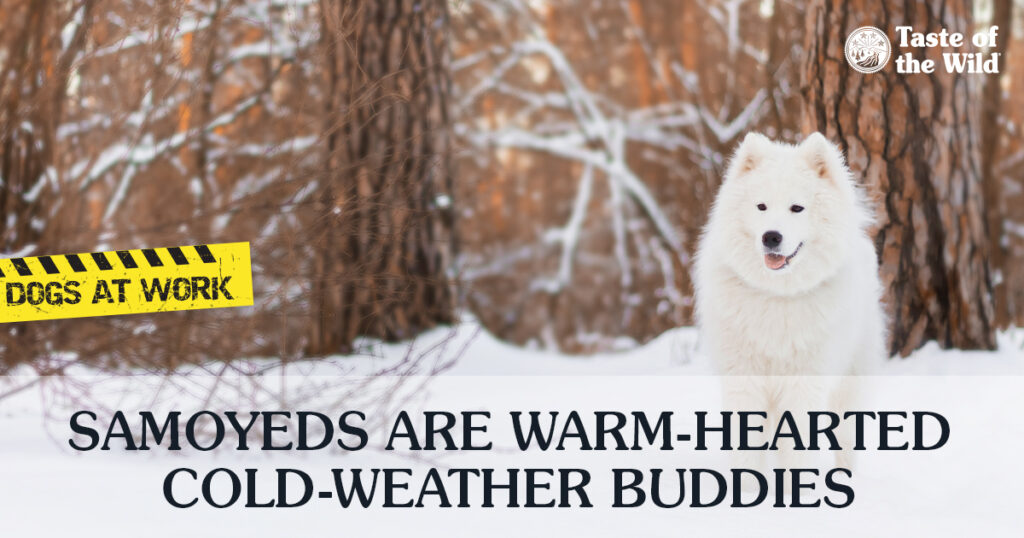
Dogs at Work: Samoyeds Kept the Cold and Wolves at Bay

Taste of the Wild

According to legend, the phrase “three dog night” describes a night so frigid that early hunter-gatherer people needed three dogs to sleep with them to stave off the cold.

Although where the phrase originated is unclear, it could very easily have originated with the semi-nomadic Samoyed people of Siberia and their namesake Samoyed dogs. In a region where the temperatures can drop to minus 60 degrees Fahrenheit and lower, those thick-coated dogs snuggled in to keep plenty of families toasty warm at night.

Subsisting on hunting and fishing, the Samoyed people depended on their strong dogs to herd reindeer, hunt for bear, fight off wolves, haul sledges and even tow fishing boats. The dogs’ exemplary work ethic, in freezing temperatures, attracted the attention of Arctic and Antarctic explorers.

Norwegian explorer Fridtjof Nansen took a team of Samoyeds on his 1893 expedition to the North Pole. The breed was also tapped to lead explorers such as Amundsen and Shackleton to the South Pole. The conditions were extremely harsh, and some dogs didn’t make it home.

In 1906, a dog named Moustan of Argenteau became the first Samoyed registered to the American Kennel Club. The dog came from St. Petersburg, Russia, and was originally owned by Grand Duke Nicholas, a brother of the Czar. Today, Samoyeds compete in obedience and agility events and can still be found herding sheep and cattle.

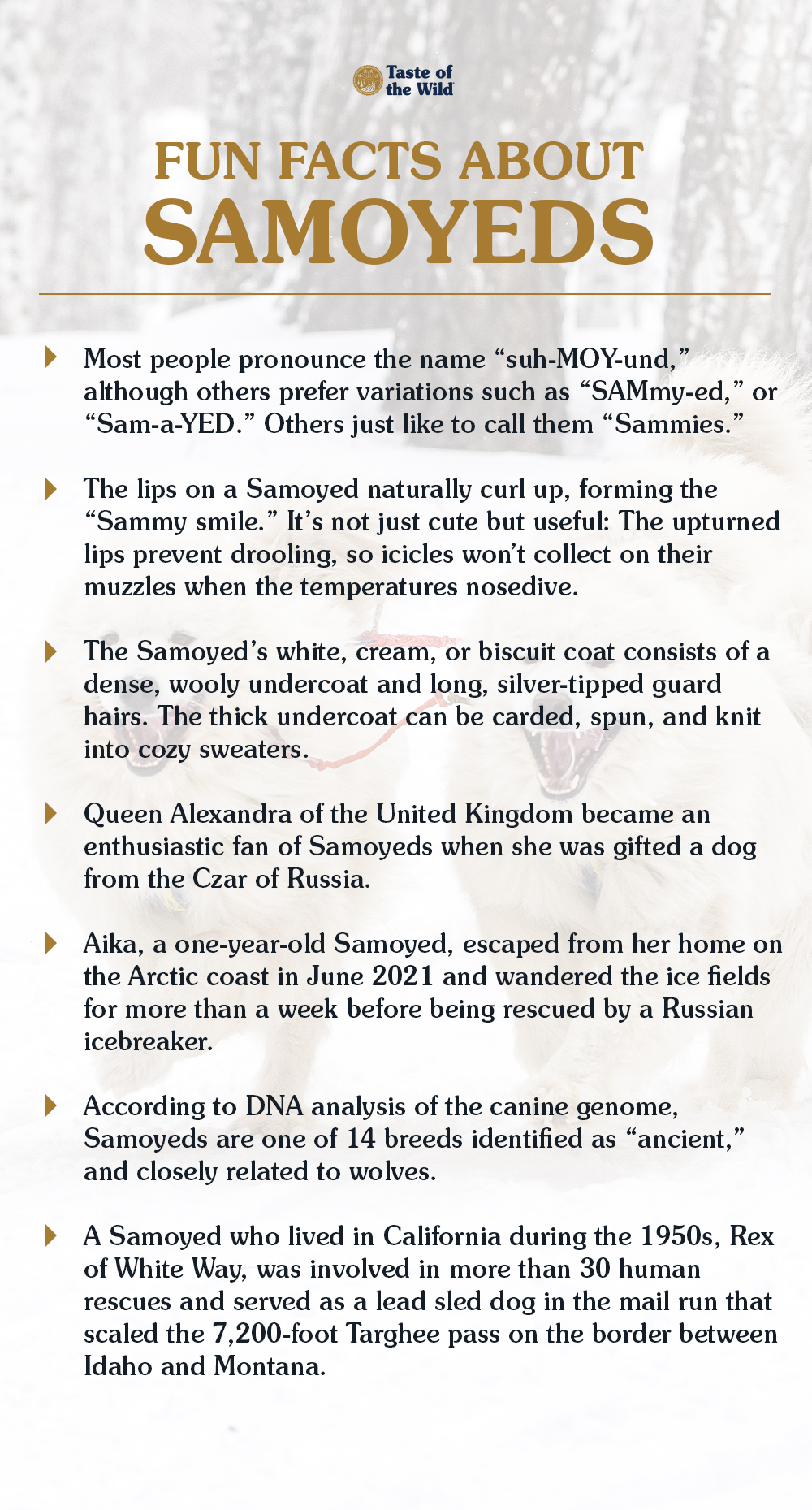
An interior graphic detailing seven fun facts about Samoyeds.

When the Temperature Plummets, Should You Feed Your Pet More?

Taste of the Wild

With winter comes crisper temperatures, waning daylight hours and more time padding around your house in wool socks. It’s a time when we crave comfort foods bubbling with cheese, as if a primordial instinct compels us to add another layer of insulation before we hibernate for the season.

But what about your pet — do his or her nutritional needs change with the season?

Cold-weather pet food

Like people, pets may tend to eat a little less in the summer and slightly more in the winter. But any abrupt change in appetite — eating a lot more or a lot less — or any noticeable changes in weight could be the sign of an underlying health problem. In these cases, check in with your veterinarian.

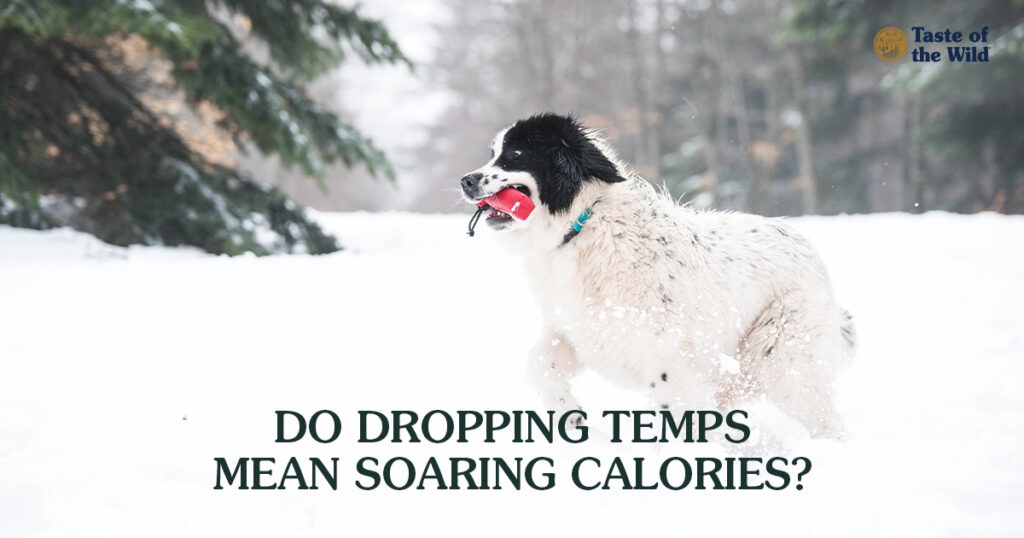
Still, unless your dog is training for the Iditarod or sleeps outside, it probably spends most of the winter in the comfort of your climate-controlled home. Same goes for your cat. In these cases, there’s usually no need to increase your pet’s food intake in the winter.

When to feed less

If you live in the northern part of the United States, there’s a good chance your dog walks may be shorter (or nonexistent), compared to summer. If your pet is getting less exercise this winter but eating the same amount of food as the summer, he or she is likely to put on some extra pounds. To avoid this, talk to your veterinarian about safe ways to trim food intake.

When to feed the same amount

Even when the thermometer takes a nosedive, your pet still needs daily physical and mental stimulation.  Certain breeds and puppies, especially, need to work off excess energy. And regular exercise can help prevent behavior problems from developing out of sheer boredom. With consistent exercise, you can continue to feed your pet the same amount of food all year ‘round.

Exercising your pet, even in the winter, can help pry you off the couch, too. Consider making the most of winter by taking your dog snowshoeing or skijoring in the snow (they could even enjoy a snow snack). Or explore warm, indoor activities like playtime at doggie day care. You can even set up an obstacle course in your living room. Your cat could also benefit from games of laser tag and interactive food puzzles.

When to feed more

Pets that live outdoors or spend considerable amounts of time in harsh weather will burn more calories to maintain their body temperature. These pets will need more food than they eat in the summer, a place to escape from the weather and a source of fresh water that isn’t frozen.

If your dog engages in high-energy activities in the winter, such as all-day hunting trials, with prolonged exposure to icy temperatures, they will also require additional food. As a rule of thumb, for every 10-degree drop from normal temperatures, a dog will need about 7% more calories. In either case, your veterinarian can help you determine your pet’s caloric needs.

Keeping your pet “just right”

No matter what the season, dogs and cats should be fed to maintain a healthy body condition score. That means they should have an hourglass waist when viewed from above, a tuck in the tummy when seen from the side, and ribs that can be easily felt, but aren’t visible.

Other winter comforts

If your pet spends any time outdoors in icy temperatures, consider a coat to help keep them warm and dry, especially if they have short, thin hair. For pets with longer hair, remove any hair mats, which can pull painfully against the skin, preventing the coat from providing proper insulation by allowing cold air to pass close to the skin.

Trim the hair between the footpads to prevent ice balls from accumulating there. If your dog is tolerant, consider booties, which can also prevent exposure to salt and sidewalk deicers. Any questions? Your veterinarian is the best source for tips on keeping your pet healthy this winter.

Stop Unwanted Barking Before the Holidays

Taste of the Wild

Sometimes, we like it when our dogs bark. It lets potential intruders know there’s a canine guarding the house. It alerts us to someone at the door. Or it tells us our dogs are ready to come in from outside.

But some dogs can go overboard on barking, keeping a constant high-pitched commentary going on about everything outside or inside the house. Your neighbors might not appreciate it, and there may be city ordinances against a barking dog.

If you’re worried your dog may be more vocal, especially during the holidays, here are some things you can do to curb the behavior, in addition to teaching them basic obedience training commands.

Why your dog barks

Knowing what sparks your dog’s impulse to yap can go a long way to helping resolve the issue. Try to notice if there’s a time or location that inspires the barking. Are there certain people, animals, sounds or objects that seem to rile up your dog?

Territorial barkers take their job as guard dogs seriously. They’ll often perch at your front window and bark at every person, dog or squirrel that comes within eyesight.

Others are social barkers. Their ears perk up at the sound of another dog barking in the neighborhood, and they join in the chorus.

Many dogs bark because they’re bored or they’re seeking attention from you, another person, or a dog. Of course, any response from you, even to holler “stop barking,” gives them what they want: your attention. So the barking is likely to continue.

Dogs who create a ruckus when left at home alone may have underlying separation anxiety. These dogs are often truly distressed and may require the help of your veterinarian or a veterinary behaviorist to treat the underlying problem before the barking can be addressed.

The same goes for dogs who bark out of fear or anxiety. They may bark because they can’t escape from the person or thing that’s triggering them to be upset, whether it’s a stranger, another dog, or a vacuum cleaner. This kind of bark may be a warning to back off before the dog becomes aggressive. In this case, professional help may be necessary.

What you shouldn’t do

  • Don’t punish or yell at your dog for barking. Punishment may add to the dog’s fear and make barking worse. If your dog is seeking attention, any attention you provide — even negative — rewards the behavior and encourages it to continue.
  • Don’t be inconsistent. Don’t reward your dog for barking at some things, like people who come to the door, but not other things, like squirrels.
  • Don’t use shock collars. Some dogs will temporarily stop barking with shock collars and citronella collars, which emit a citrous scent with barking — but they eventually figure out a way around them. Positive reinforcement of quiet behavior is always better.
  • Don’t get your dog excited about arrivals at your door. Saying “who’s here” in an excited tone may motivate aroused barking when you really want your dog to stay calm.
  • Don’t leave a muzzle on your dog. Immobilizing your dog’s jaw for any amount of time can impair drinking and proper breathing and will most likely increase your pet’s anxiety.

What you should do

Start by working with your veterinarian or certified trainer to determine what is causing your dog to bark. Pinpointing the cause will help determine the most effective behavior modification techniques to help your dog.

  • Avoid barking triggers. If your dog barks at everything outside the window, apply a window film or close the curtains. For pups who are overexcited on walks, go for a stroll during low-traffic times when you’re less likely to run into others.
  • Distract your dog from surroundings. For dogs who bark when on leash, reward them for walking by your side and looking in your eyes for guidance. When a dog nears, train your dog to sit and touch its nose to your hand. With positive reinforcement such as treats, you can make yourself more interesting than the dogs that walk by.
  • Teach the “quiet” command. Start by asking your dog to speak. Then, say “quiet” and give your dog a reward for not barking. Gradually lengthen the amount of time your dog needs to stay quiet until they receive the reward.
  • Increase the exercise. If your dog is barking out of sheer boredom, make a commitment to a long walk each day. A tired dog is often a quiet dog.
  • Teach your dog an alternative behavior. Dogs that bark when the doorbell rings can be trained to go to their mat and be quiet. You will need to start this training weeks before the holidays to give your dog time to master the behavior. Also, instruct visitors to make their entry low-key and to ignore the dog until they’re quiet.
  • Replace fear with good things. If your dog is afraid of strangers who come to the door, distract your pooch with treats and keep doing so until they are relaxed when the stranger is in the house.
  • Don’t leave your dog in the yard alone. Supervise your dog while they’re in the yard, or better yet, keep them occupied with games of fetch or playing with toys.

If you run into any roadblocks, consult your veterinarian or certified trainer. With a little effort, you’ll never even know that Santa came down the chimney until Christmas morning!

Acute vs. Chronic Pain: When Your Pet Needs Help

Taste of the Wild

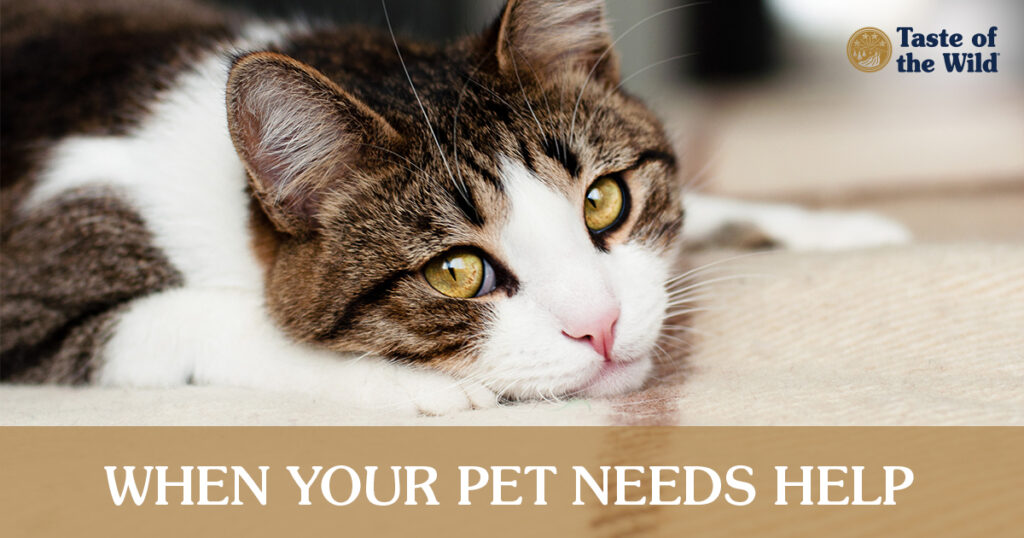
Your dog or cat can feel pain in all the ways you do. Maybe it’s the throbbing of a sore tooth. The dull ache from an old knee injury. Or the sharp stab of a cut on a paw pad. The difference with pets’ pain is that they don’t always tell you when it hurts.

Like animals in the wild, pets may hide signs of pain to prevent them from appearing vulnerable to predators. That’s why it’s your job to keep close tabs on your pet and notice when something may be wrong. If your pet isn’t as active as they used to be, don’t write it off as just part of the natural aging process. Any change in your pet’s behavior could be a sign of pain.

Acute vs. chronic pain

In medicine, most pain is classified as either acute or chronic. Acute pain tends to come on suddenly or lasts for a short time, dissipating once inflammation resolves and healing occurs. It’s often brought on by trauma, surgery or an inflammatory condition, such as an illness.

If you twist your ankle, for example, you’ll probably feel immediate pain, which will improve once you prop up that leg on a pillow and allow the swelling to resolve. It’s important to recognize acute pain and treat it immediately, or acute pain can become chronic.

Compared to acute pain, chronic pain is more complicated and generally lasts longer, sometimes even for the pet’s lifetime. Osteoarthritis is one condition that can cause chronic pain, because the disease can’t be cured and tends to progress over time.

Left untreated, chronic pain can snowball. The animal’s brain can become so sensitized to pain that a nerve signal meant to relay a small amount of pain is perceived as being much more painful. Early recognition and treatment of pain is important to prevent this exaggerated form of pain perception from developing.

Acute pain may be treated by resolving the source of the problem, such as removing a fractured tooth or resting the affected area and/or a short course of veterinary pain relief medications. Chronic pain, on the other hand, is typically managed with a combination of treatments which may include medications, physical therapy and other interventions.

Signs of pain in pets

Sometimes, it can be obvious that your pet is in pain. Maybe they’re limping on a bad foot or pawing at a broken tooth. But since pets often will try to hide pain, the signs can be subtle. Since you know your pet better than anyone, you’re the best person to recognize when your dog or cat is a little “off.”

Possible signs of pain (both acute and chronic) include:

    • Whining, whimpering or groaning (dogs)
    • Meowing, hissing or even purring (cats)
    • Decreased appetite
    • Withdrawal or hiding
    • Obsessively licking or biting at a body part
    • Restlessness
    • Reluctance to move
    • No longer jumping up or using the stairs
    • Seeking affection more than usual
    • Dilated (enlarged) pupils
    • Flattened ears
    • Aggression in a normally friendly pet
    • Guarding a body part

How to help your pet

  • Schedule a veterinary exam as soon as possible — The doctor will try to determine the source of the pain and possible treatment.
  • Give veterinary prescriptions as directed — Try not to miss a dose and call your veterinarian if your pet shows evidence of any side effects.
  • Keep a pain journal — Note how often your pet seems to be in pain, and if possible, videotape the painful behavior for your veterinarian to observe.
  • Make your pet more comfortable at home — Depending on the source of your pet’s pain, small changes can be made to help your pet’s well-being. For example, pets with arthritis may benefit from a padded bed and ramps to make it easier to get into the car or onto furniture.
  • Don’t give your pet any human medications — Some can be dangerous for pets, so always consult your veterinarian first.
  • Keep your pet at a healthy weight — Extra pounds can put additional stress on painful, arthritic joints.

Whether it’s acute or chronic pain your pet is dealing with, if you pay attention to the signs, there’s almost always something you can do to make them feel better.

Help Homeless Pets Celebrate Thanksgiving

Taste of the Wild

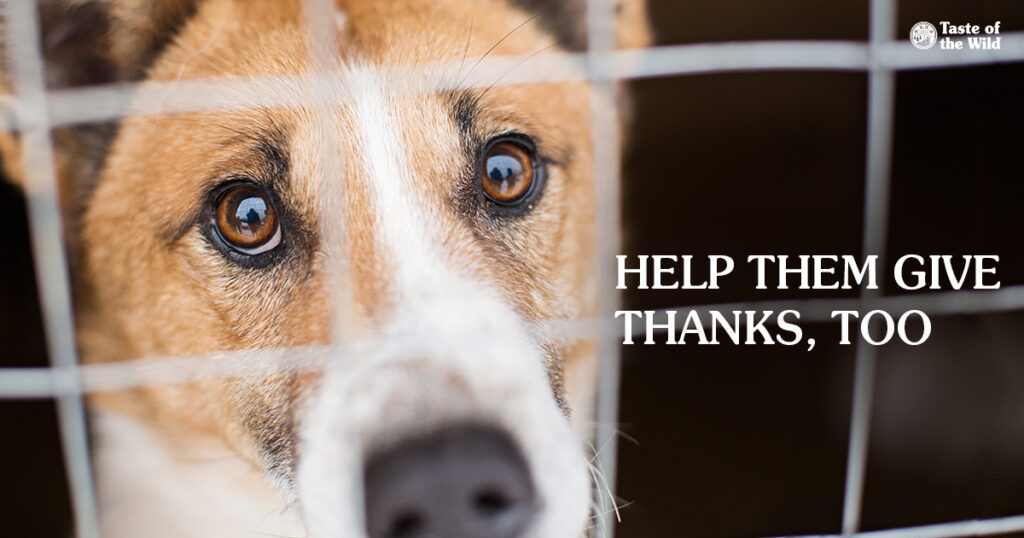
Many families extend a Thanksgiving invitation to friends who don’t have family nearby. Since dogs and cats are part of the family, shouldn’t we offer the same courtesy to animals in the same predicament? In other words, why not share some Thanksgiving love with shelter and rescue dogs and cats?

Here are a few ways you can give thanks for pets by helping those without families this holiday season:

Foster a homeless pet for the holidays. Shelter and rescue facilities can be full of sights, sounds and smells that are unfamiliar and even scary for dogs and cats. Many of these organizations are looking for temporary homes for animals for a week or more. When you foster a pet, you can provide a quiet and loving home for these pets during the holiday season.

Put together a care package. Rescues and shelters are always in need of supplies, from dry and canned dog or cat food to toys and treats, kitty litter and large, gently used towels. Why not bring homeless pets a gift basket from your family? You can always call your favorite local rescue and ask what items are especially needed at this time of year.

Feed a homeless person’s pet. For someone living on the streets, it can be hard enough to find a nutritious meal for yourself, let alone for your dog. The nonprofit organization Pets of the Homeless lists drop-off centers for pet food or donations for emergency veterinary care. This organization is linked with food banks, homeless shelters, food pantries and soup kitchens that can deliver the pet food to those who really need it.

Volunteer your time at the shelter. Plenty of animals could use some one-on-one time with a human being. And what human couldn’t use another dog or cat fix? Many shelter and rescue organizations are looking for a people who can help walk dogs, exercise small critters, socialize cats and scrub kennels. It won’t cost you a thing, but it’ll sure make some animals feel good.

Participate in Giving Tuesday. On the Tuesday after Thanksgiving, people all over the world will make donations to their favorite nonprofit organizations. It’s your chance to support a cause that’s close to your heart, like your local shelter or rescue. You can even specify where you’d like the money to go, such as a fund for those animals who are sick and need medical or surgical care.

The best gift of all: adoption. Do you have room in your heart and home for a new pet? There are plenty of dogs and cats who would love nothing better than a forever home. It’s a tremendous kindness to a lonely dog or cat. But it’s also a gift to yourself — and one that truly keeps on giving.

How To Take Care of A Senior Dog

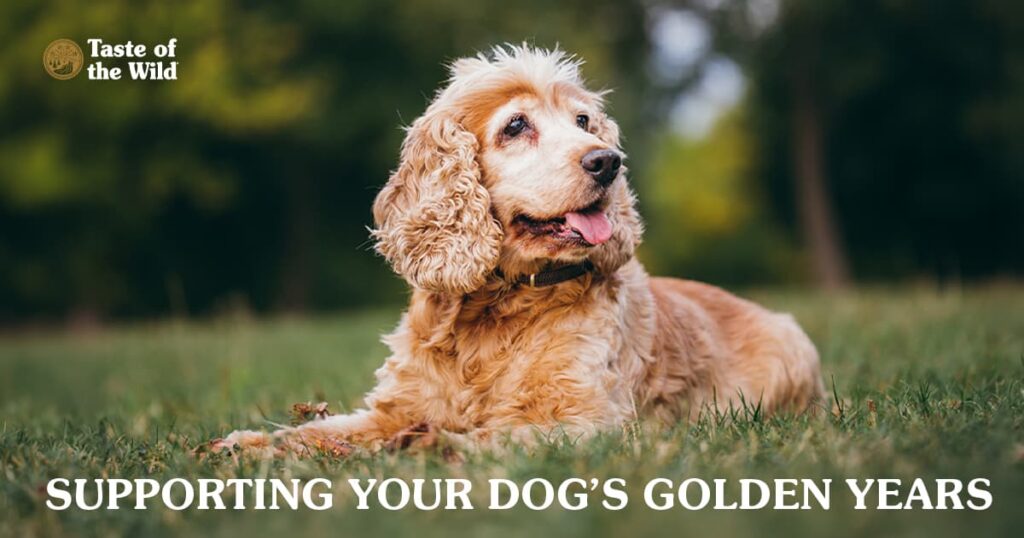
An aging cocker spaniel dog with curly fur lying down on green grass in a park.

Do you have a golden oldie in your house? If so, your senior dog is probably experiencing age-related changes that go along with their graying muzzle. Chances are, they have a creaky joint or two. Their hearing or vision may not be what it used to be. And they may even have some memory loss. The good news is there are things you can do to help keep your aging dog happy and healthy as they enter their senior years.

When Is a Dog Considered a Senior?

Dogs are generally considered seniors around the age of 8, but this can vary depending on their size and breed. Smaller breeds typically become seniors between 10 and 12 years old, while large and giant breeds may be classified as seniors as early as 6 to 8 years old. In general, larger dogs tend to age more quickly and have shorter lifespans compared to smaller dogs. If you’re curious how old a senior dog is in human years, a 10-year-old dog is roughly 65 (not adjusting for breed differences).    

What Changes Do Senior Dogs Go Through?

As dogs enter their senior years, they undergo various physical and mental changes. You may notice that their coat is turning gray, and their skin may lose some elasticity. Older dogs might also face issues like hair loss and slower healing from wounds. In addition to these changes, they may experience hearing loss and eyesight problems in their old age. Reduced mobility can occur due to joint problems, obesity or arthritis.

There can also be changes in their behavior as they age. A dog who once loved to be cuddled and held may growl or react aggressively. This is not necessarily a behavioral problem; they might be trying to tell you that they are in pain due to arthritis or another health issue. At the same time, cognitive changes such as canine cognitive dysfunction can affect memory, awareness and emotional stability. Dogs may seem disoriented, forget familiar routines, pace at night or become more clingy or withdrawn. Anxiety often increases because their world feels less predictable and harder to interpret.

This is where routine becomes especially important for senior dogs. A consistent and predictable schedule, with feeding at the same time, regular walks and familiar sleeping areas, helps reduce uncertainty. This routine can also help your pet feel less stressed or anxious.

Common Health Issues in Older Dogs

Early diagnosis and treatment of age-related diseases can make a significant difference in keeping your senior pet comfortable and healthy. As a dog ages, they become more susceptible to various health issues, including arthritis, dental disease, kidney problems and vision or hearing loss. Regular monitoring allows these conditions to be identified early, when they are often more manageable.

Routine wellness exams are especially important for older pets. Veterinarians typically recommend a checkup at least twice a year for senior dogs, as changes in their health can occur more rapidly than in younger animals. It’s important to pay attention to any changes in appearance or behavior and visit your dog’s veterinarian if you see unusual weight gain, weight loss, decreased appetite, changes in activity level or behavior changes. 

Is a Senior Dog Diet Necessary?

Proper nutrition is essential for dogs of all ages, but seniors may have unique dietary needs as they grow older. Senior dogs frequently develop age-related problems such as obesity, sensitive stomachs, arthritis, heart disease and kidney disease, and these conditions may require a specific diet as part of ongoing management of the condition. Not all senior foods are formulated the same, and your dog may not need a senior-specific diet, so it’s important to discuss with your vet which food is best for your senior dog.

Senior Dog Care in the Home

As dogs grow older, their needs begin to change, sometimes in subtle ways, sometimes more noticeably. One of the most common challenges senior dogs face is arthritis, which can make everyday movements like climbing stairs or jumping onto furniture painful. The good news is that a few thoughtful adjustments at home can go a long way in improving their comfort and quality of life. A carpeted ramp can make stairs a breeze, and a footstool near the couch can make curling up next to you easier with two small leaps instead of one big one. Use baby gates to prevent an accidental tumble down the stairs.

Your senior dog’s muscles may not be as strong as they once were. That’s why it helps to cover slippery hardwood or vinyl floors with non-slip rugs or yoga mats in areas your pet often walks. Keep the floor clear of toys or clutter that your dog may trip over. Your dog’s nails and the hair between the footpads should also be trimmed so it’s easier for them to get traction when walking. 

Temperature regulation is another important factor. Senior dogs may have thinner coats or a harder time staying warm, especially during colder months. A cozy sweater or an extra blanket can help keep them comfortable. While it might be tempting to use a heating pad, it’s best to avoid them, as they can accidentally burn sensitive skin. Their bedding or favorite place to lie may need to be upgraded with some padding, too. Help cushion old bones with special orthopedic pet beds, or simply add a cozy comforter to the current bed.

Mealtime should be comfortable, too. Bending down to reach food and water bowls can strain an older dog’s neck and joints. Elevating their dishes just a few inches can make eating and drinking much easier.

Caring for your senior dog is a journey that calls for patience, attentiveness and compassion. By staying consistent with regular physical exams, watching for signs of health issues in older dogs and working closely with your veterinarian, you can help improve your dog’s quality of life and potentially their lifespan. Small adjustments to their routine, like gentle exercise, a balanced diet and keeping them mentally active can make a big difference. In their golden years, the love and care you provide not only supports their health but also strengthens the bond you’ve built over a lifetime together.