


Can My Dog Eat That? Peaches

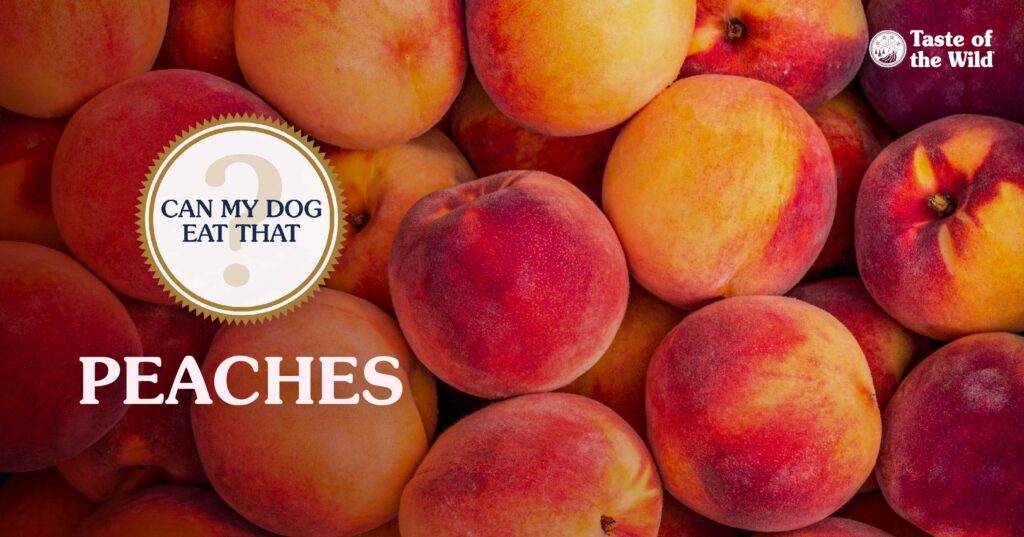
An overhead view of a pile of freshly picked peaches.

Welcome to “Can My Dog Eat That?,” our series that answers some obvious (and not-so-obvious) questions about what your dog can and can’t safely eat. You can view some of the previous foods we’ve looked at in our “Can my dog eat that?” guide. Today we answer the question “Can dogs eat peaches?” Read on!

Yes! Dogs can eat peaches safely, as long as you only give them the fleshy part of the fruit. Just make sure that peaches are only an occasional treat and make up no more than 10 percent of your dog’s daily calorie amount. Too many peaches can cause an upset stomach and diarrhea. And neither your dog or you want that!

Are Peaches Good For Dogs?

Just like cherries, pineapple, cranberries and other fruits and vegetables, peaches contain beneficial nutrients, including vitamin A and vitamin C, as well as antioxidants that support the immune system and skin health. Peaches are also high in fiber which helps support a healthy digestive system. However, if your dog is eating a complete and balanced commercial dog food, your dog’s diet is already providing all of the nutrients they need, so the nutrients from peaches aren’t required.

Are Peach Pits Poisonous?

Yes, the peach pits, also called stones, are poisonous for dogs. They contain trace amounts of a sugar-cyanide compound that is toxic. A dog would need to eat multiple peach pits to be affected by cyanide poisoning; however, there are other reasons not to let them eat the pits.

Peach pits are rough and risk damaging the esophagus or intestine as they pass through. Just like avocado pits, they pose a choking hazard and could cause an intestinal blockage. All good reasons for your dog to avoid peach pits!

Can Dogs Eat Canned Peaches?

No, canned peaches are not a good idea for dogs as they usually have a bunch of added sugar and preservatives. Too much sugar on a regular basis can contribute to diabetes or obesity. Canned peaches may also contain the artificial sweetener xylitol which is toxic to dogs. It’s best to stick with fresh peaches as a tasty snack for your dog.

Can Dogs Eat Peach Yogurt?

Similar to canned peaches, store-bought peach yogurt may contain added sugars, preservatives or xylitol which aren’t healthy for dogs. Again, it’s better to share just fresh peaches as treats instead of peach yogurt.

Can Dogs Eat Peach Skin?

As long as you wash the skin thoroughly, dogs can eat peach skin. The parts of the peach to avoid include the pit, the stem and the leaves as these all contain the sugar-cyanide compound. That’s why dog owners should stick to the peach flesh when giving their dog peaches.

Can Dogs Eat Nectarines?

Dogs can also eat the flesh of nectarines safely. But, as with all stone fruits, the nectarine pits should be avoided to prevent choking or intestinal blockage. You should limit the amount of nectarines your dog eats to avoid an upset stomach or diarrhea.

Can Dogs Eat Peaches Safely?

Yes, you can feed your dog peaches in moderation as long as they are washed and the pits are removed. How many peaches your dog can eat depends on your dog’s size. If your dog accidentally eats a peach pit, contact your veterinarian for advice.

An interior graphic with text that reads ‘The verdict: Can my dog eat peaches? Yes, the fleshy part’.

Can My Dog Eat That? Broccoli

An interior graphic with text that reads ‘The verdict: Can my dog eat broccoli? Yes! In moderation’.

Welcome to “Can My Dog Eat That?,” our series that answers some obvious (and not-so-obvious) questions about what your dog can and can’t safely eat. You can view some of the previous foods we’ve looked at in our “Can my dog eat that?” guide. Today we answer the question “Can dogs eat broccoli?” Read on!

Can Dogs Eat Broccoli?

Yes, whether it’s cooked or straight from your garden (washed of course), dogs can eat broccoli. However, you’ll want to make sure broccoli makes up less than 10 percent of your dog’s total calorie intake to avoid any nasty effects on their digestive system. These effects could be as simple as noticing some stinky gas coming from your dog’s nether regions or more severe (and messy) effects like diarrhea.

Can Dogs Eat Cooked Broccoli?

Whether it’s steamed broccoli or broccoli that’s cooked any other way, eating cooked broccoli is safe for dogs in moderation. Just make sure it doesn’t have any seasonings or toppings on it that could upset your dog’s digestive system (e.g., lots of cheese) or that are toxic to dogs (e.g., garlic and onion). Even though the stems are softer when cooked, make sure you cut them up into bite-sized pieces to avoid a choking hazard.

Can Dogs Eat Raw Broccoli Florets?

Just like other vegetable treats that are crunchy when raw, like carrots and cucumbers, dogs can eat broccoli that is raw. Just make sure it’s washed and cut into bite-sized pieces, especially for puppies or small adult dogs, so any gulped pieces don’t cause an obstruction.

Is Broccoli Good for Dogs?

If you’re looking for a healthy low-calorie treat for dogs, broccoli is a great choice — in moderation. How much broccoli your dog can eat depends on the individual dog; like with any treat, broccoli should make up no more than 10 percent of your dog’s recommended daily calorie intake. What’s not so good is that broccoli florets contain isothiocyanates — if your dog eats too much broccoli, isothiocyanates can cause an upset stomach and digestive tract.

Some of the nutritional benefits of broccoli include that it’s a good source of fiber, vitamin C and vitamin K. However, if you’re feeding your dog a commercial dog food that is complete and balanced, all nutritional needs are fulfilled by your dog’s food. There’s no need to supplement them with other food. So while broccoli is good for your dog in small amounts, they don’t need to eat broccoli as a nutrient source — just as a treat.

Can Dogs Eat Broccoli Stems?

Yes, dogs can eat the stem part of the broccoli; however, it’s best to cut them into bite-sized pieces, particularly for small dogs. That way you can reduce the risk of your dog or puppy choking or the broccoli stalks causing an obstruction. Cooking the broccoli stems will also make them softer and easier to eat and digest.

Can Dogs Have Cauliflower?

If all this talk of broccoli has got you thinking about other vegetables dogs can eat and you’re wondering whether dogs can eat cauliflower, the answer is yes! Like broccoli, it contains vitamins C and K, and is a healthy treat for dogs in moderation. But it is also a cruciferous vegetable, so it contains the isothiocyanates that can cause stomach upset or diarrhea in excess amounts. Make sure you cut the cauliflower into bite-sized pieces and feed your dog small quantities.

Can You Give Your Dog Broccoli?

Broccoli for dogs is a nutritious snack (in moderation) that also has some nutritional benefits. Just remember that too much broccoli could cause some digestive issues for your dog, and to always cut the broccoli into small pieces to avoid it being a choking hazard.

An interior graphic with text that reads ‘The verdict: Can my dog eat broccoli? Yes! In moderation’.

Can My Dog Eat That? Turkey

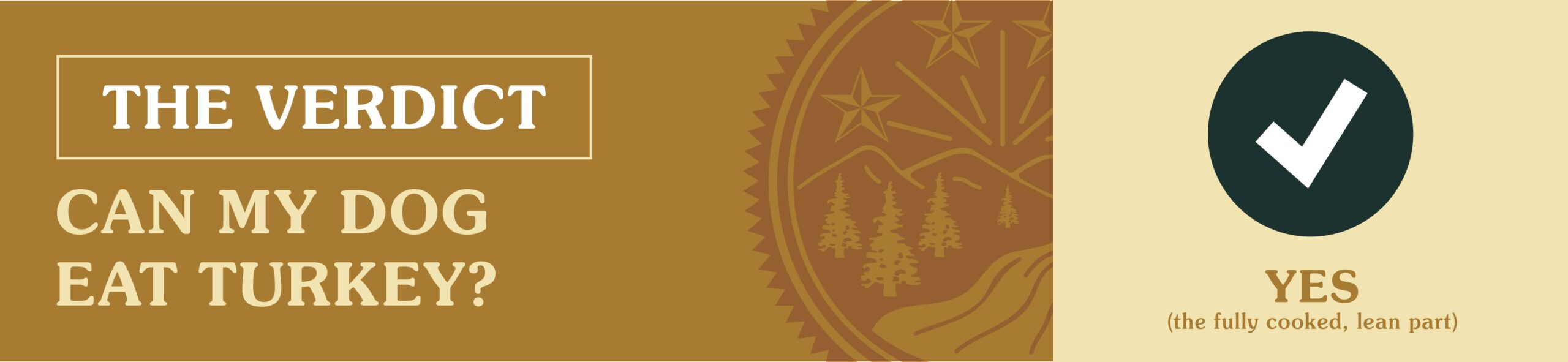
An interior graphic with text that reads ‘The verdict: Can my dog eat turkey? Yes, the fully cooked, lean part’.

Welcome to “Can My Dog Eat That?,” our series that answers some obvious (and not-so-obvious) questions about what your dog can and can’t safely eat. You can view some of the previous foods we’ve looked at in our “Can my dog eat that?” guide. Today we answer the question “Can dogs eat turkey safely?” Read on!

If you’re carving a turkey on Thanksgiving (or any day) and you notice some puppy-dog eyes pleading at you from under the table, it may have you wondering, can you feed your dog turkey? We’ve gone over other Thanksgiving foods before, like ham, potatoes and cranberry sauce, so now let’s talk about the main event — the turkey.

Can Dogs Eat Turkey?

Turkey “meat” is definitely safe for your dog to eat — unless they’re allergic, of course. Turkey is an ingredient in commercial dog food, including some of our dog food formulas. But if you’re serving turkey at home, whether it’s safe for your dog or not depends on how you’re preparing it and which part of the turkey you’re serving.

Make sure you only serve your dog turkey that is fully cooked, as raw or undercooked turkey can contain Salmonella bacteria that can cause an upset gastrointestinal system. You should also avoid feeding your dog turkey skin (it’s too fatty) and turkey bones. Cooked or raw, the bones can easily splinter and damage your dog’s mouth or digestive tract and can also block their gastrointestinal tract. So stick with feeding them small amounts of the “turkey meat.”

Fun Fact: Turkey Isn’t Meat

That’s right — in the world of pet food, there’s no such thing as “turkey meat.” There are rules about how pet food ingredients are described, and one of them is that “meat” only comes from mammals. Muscle from non-mammalian species like turkeys, chickens, ducks or fish must be identified as poultry or fish or by their specific species (e.g., turkey, duck, salmon or tuna).

Is Turkey Good for Dogs?

Yes, like fish, fully cooked turkey is good for dogs and has nutritional benefits — depending on the part of the turkey. We use turkey in our dog food formulas because it’s a highly digestible, lean protein that enhances palatability (the tastiness). We use turkey liver as a nutritious source of iron and protein, and we use turkey broth, created from cooking turkey in water, in our canned products as a source of moisture.

The parts of the turkey that aren’t so good for dogs are the fatty parts. As much as most dogs would love the taste, turkey skins and trimmings are high in fat and difficult for your dog to digest. Eating fatty foods is not good for your dog’s health and can lead to pancreatitis, a painful inflammation of the pancreas that can lead to hospitalization. Symptoms of pancreatitis include vomiting, diarrhea, decreased activity, appetite loss and mild to severe abdominal pain. So make sure fat trimmings aren’t part of your dog’s diet.

What Type of Turkey Can Dogs Safely Eat?

While fully cooked turkey is safe for dogs to eat, it should still be considered a treat. How much turkey you can feed your dog depends on their recommended calorie intake. Turkey pieces or any treat should only provide up to 10% of your dog’s recommended daily calorie intake.

Can Dogs Eat Turkey Bacon or Turkey Sausage?

It’s not recommended for dogs to chow down on some bacon or turkey sausage because processed foods like these typically contain high amounts of sodium (salt), which isn’t healthy for dogs. Additionally, they may contain seasonings that are toxic to dogs (e.g., garlic and onion).

Can Dogs Eat Turkey Lunch Meat?

The answer is the same for this one. The high amounts of salt typically in turkey lunch “meat” make it an unhealthy choice for dogs.

Can Dogs Eat Turkey Burgers? What About Ground Turkey?

You can safely feed your dog a small amount of cooked ground turkey that doesn’t have any seasonings or other additives. If you make your own turkey burgers that are plain and cooked well, those are also fine. But store-bought turkey burgers will probably have seasonings added, so stay clear of those if so.

Can Dogs Eat Turkey Bones?

No. Turkey bones, especially cooked bones, can splinter and cause damage to your dog’s mouth and other parts of their digestive tract. They can also cause a blockage in their gastrointestinal tract. Raw bones are not okay either, for the reasons below.

Can Dogs Eat Raw Turkey?

No, dogs should not eat raw turkey or turkey bones as they may be contaminated with viruses, bacteria or parasites that put your dog at risk of becoming sick. The Centers for Disease Control and Prevention does not recommend feeding raw pet food or treats to dogs (or cats). So make sure you serve fully cooked turkey to your dog (and people)!

Should You Feed Your Dog Turkey?

You can safely feed turkey to your dog as a treat as long as it’s the lean portion, not the skin, fatty parts or bones, and it’s fully cooked. Make sure it’s plain turkey without gravy or seasonings, too.

An interior graphic with text that reads ‘The verdict: Can my dog eat turkey? Yes, the fully cooked, lean part’.

Can My Dog Eat That? Spicy Food

An interior graphic with text that reads ‘The verdict: Can my dog eat spicy food? No’.

Welcome to “Can My Dog Eat That?,” our series that answers some obvious (and not-so-obvious) questions about what your dog can and can’t safely eat. You can view some of the previous foods we’ve looked at in our “Can my dog eat that?” guide. Today we answer the question “Can dogs eat spicy food?” Read on!

Can Dogs Taste Spicy Food?

Before we dive into whether eating spicy foods is OK for your dog, let’s go over whether dogs can taste spicy food. Dogs have around 1,700 taste buds that can taste bitter, sour, sweet and salty flavors. In comparison, humans have around 9,000 taste buds. So while dogs can taste and experience spicy flavors, it’s probably not to the same extent as we can. Bonus fact: dogs have special taste buds that can taste water, whereas water is tasteless to us.

Can Dogs Eat Spicy Foods?

While your dog may not be able to taste spicy food as well as we can, most spicy foods will cause that burning and heat sensation that many people know so well. It’s definitely not a pleasant experience for your dog, and it can also be painful. Therefore, letting your dog eat spicy food is not recommended because it can cause discomfort as well as upset your dog’s digestive system.

Can Dogs Eat Jalapenos?

No, you should not feed jalapenos or food containing jalapenos to your dog.

Can Dogs Eat Chili Peppers?

No, you should not feed chilis or food containing chilis to your dog.

Can Dogs Eat Hot Sauce?

No, you should not let your dog eat food covered in hot sauce.

What Makes Spicy Food Bad for Dogs?

For some foods, the problem is obvious (e.g., hot dogs aren’t good for dogs because of their fat and salt content). When it comes to spicy foods, the problem is a tiny but potent molecule called capsaicin. It’s found naturally in hot peppers and is released when you or your dog bites into the pepper. Capsaicin is what produces the heat and burning sensations.

If your dog ingests a large amount of spicy food, it can upset the digestive tract and result in vomiting, diarrhea and stinky gas, so if this happens, call your veterinarian for advice. Milk can help bind the capsaicin molecules; but dogs can also be lactose intolerant, which means milk is not a good remedy for dogs.

You also need to think about the other ingredients that may be in spicy foods, like garlic and onion, which are toxic to dogs. So it’s best to keep all spicy dishes away from curious canine tongues.

Can Dogs Eat Spicy Food in Small Quantities?

While small amounts of capsaicin are not toxic to dogs, they can still experience the unpleasant burning sensation from capsaicin, so make sure you keep spicy foods out of your furry friend’s reach.

What Seasoning Can Dogs Eat?

While chili powder and other ingredients that make food spicy should be avoided, there are some seasonings that are OK for your dog to eat (as long as the other ingredients in the food are safe, too). Here are some herbs and spices that dogs can eat in small quantities, as long as they are not in the oil or essential oil form (and your veterinarian approves):

  • Cinnamon
  • Dill
  • Parsley
  • Peppermint
  • Sage
  • Thyme (not Spanish thyme)

Some of the herbs and spices that dogs should avoid include:

  • Bay leaf
  • Cocoa or cocoa powder
  • Chives
  • Garlic
  • Hops
  • Mustard seed or powder
  • Nutmeg
  • Onion
  • Spanish thyme

Can dogs taste spicy food? Yes. Should they eat spicy food? No. It’s not recommended to give your dog spicy foods, as it could cause an uncomfortable experience for them. Avoiding spicy foods, as well as herbs and spices that are toxic to dogs, is important to keep your dog healthy and happy.

An interior graphic with text that reads ‘The verdict: Can my dog eat spicy food? No’.

Can My Dog Eat That? Cucumbers

An interior graphic with text that reads ‘Can my dog eat cucumbers? Yes!’.

Welcome to “Can My Dog Eat That?,” our series that answers some obvious (and not-so-obvious) questions about what your dog can and can’t safely eat. You can view some of the previous foods we’ve looked at in our “Can my dog eat that?” guide. Today we answer the question “Can dogs eat cucumbers?” Read on!

Can Dogs Eat Cucumbers?

If a cucumber slice drops to the floor and your dog vacuums it up, it’s OK — dogs can eat cucumbers. They are a healthy snack and safe for dogs to eat in moderation, much like cranberries, pineapple, broccoli and other fruits and vegetables. Cucumbers are rich in vitamins and minerals, have a very high water content and are low in calories, making them healthy and hydrating dog treats.

When Are Cucumbers Bad for Dogs?

Feeding cucumbers to your dog is generally OK as long as you follow the same rules that apply for most human food treats — feed cucumbers in moderation, slice them into small pieces and check with your veterinarian first. Even a healthy treat should make up no more than 10 percent of your dog’s recommended daily calorie intake. With cucumbers, you’ll need to be more aware of the effects of fiber — cucumbers are a good source! — than of calories: if your dog eats too much fiber at once, that can cause an upset stomach. It’s also important that the size of the cucumber slices are appropriate for your dog’s size to reduce the risk of choking or an intestinal blockage.

What Happens If Dogs Eat Too Much Cucumber?

Even the healthiest of foods can cause a problem if they’re eaten in large quantities. Dogs eating cucumbers whenever they want could cause an upset gastrointestinal tract, so make sure you’re limiting your dog’s access to them. How much cucumber a dog can eat depends on their size — it makes sense that a Great Dane can generally eat more (of anything) than a Yorkshire terrier!

Which Parts of a Cucumber Can Dogs Eat?

There are a few different parts of a cucumber fruit, so let’s go over some common questions about which parts are safe for dogs to eat.

Can Dogs Eat Cucumber Skin?

As long as you wash it first, most dogs can eat the whole cucumber fruit, including the skin. However, some dogs have trouble digesting cucumber skin, so you may need to remove it if your dog has a sensitive stomach.

Can Dogs Eat Cucumber Seeds?

Cucumber seeds are not toxic to dogs, so they’re fine for dogs to eat. However, like the skin, some dogs have trouble digesting the seeds — you may want to scoop those out.

Can Dogs Eat Cucumbers Raw?

Yes, just like when we eat cucumber slices, it’s perfectly safe for dogs to eat raw cucumbers. It’s the other ingredients that might be mixed with cucumbers that are the concern. For example, cucumber and onion salad is off the menu, as onions are toxic to dogs. Sticking with plain cucumbers is best for your dog.

Can Dogs Drink Cucumber Water?

If you’re making cucumber water at home and know the ingredients going into it are safe for dogs, that’s fine. If you’re buying cucumber water from a store, check for ingredients like xylitol that are toxic for dogs.

Can Dogs Eat Pickles?

No, it’s not recommended that dogs eat pickled cucumbers. Pickles, like hot dogs, typically have a high salt (sodium) content, which isn’t healthy for dogs. The pickle brine may also contain ingredients like garlic or onion that are toxic to dogs.

Can Puppies Eat Cucumbers?

Pups can safely eat cucumbers as long as they’re sliced into puppy-sized pieces. You could use cucumber slices as a refreshing and crunchy reward during a training session. Blueberries and carrots are some other fruits and vegetables that can serve as healthy training treats.

Are Cucumbers Good for Dogs?

Yes! Cucumber slices can be a healthy, low-calorie snack for dogs. Just make sure you wash them and keep your dog from over indulging on these crunchy treats. And as always, check with your vet before adding a new food to your dog’s diet.

An interior graphic with text that reads ‘Can my dog eat cucumbers? Yes!’.

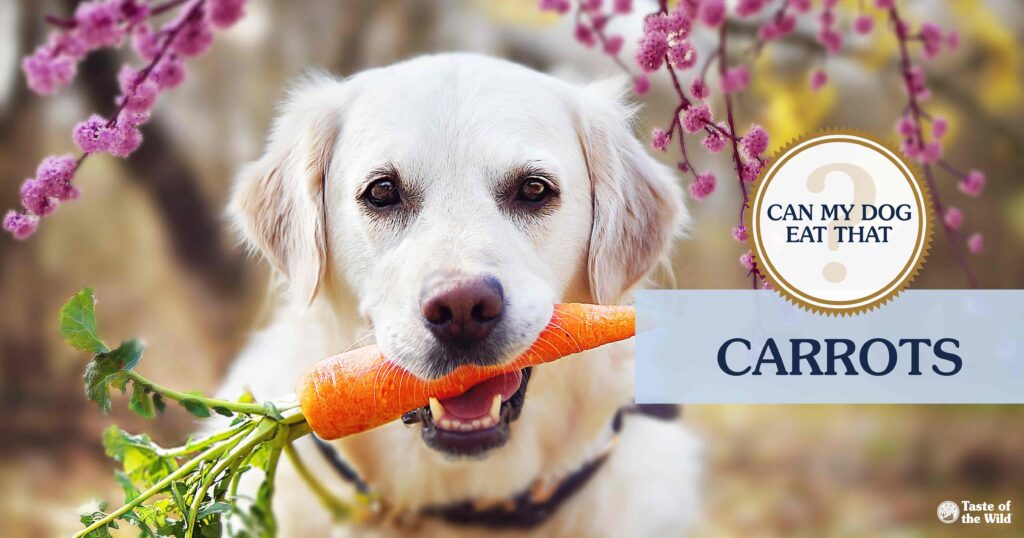
Can My Dog Eat That? Carrots

An interior graphic with text that reads ‘Can my dog eat carrots? Yes!’.

Welcome to “Can My Dog Eat That?,” our series that answers some obvious (and not-so-obvious) questions about what your dog can and can’t safely eat. You can view some of the previous foods we’ve looked at in our “Can my dog eat that?” guide. Today we answer the question “Can dogs eat carrots?” Read on!

If you’re looking for a healthy snack for your dog to supplement their dog food, fruits and vegetables (like broccoli) are a great choice — particularly if your dog is tipping the scales in the wrong direction and you’re looking for a low-calorie treat. But not all fruits and vegetables are safe for dogs. So what about carrots? They’re healthy for most humans, but are they good for dogs?

Can My Dog Eat Carrots?

Yes, dogs can eat carrots! As long as they don’t have any seasonings or toppings, they make a great low-calorie alternative to treats. Much like cucumbers, most dogs love the texture of carrots and that classic carrot crunch. As with most things though, make sure you feed your dog carrots in moderation, as they are high in natural sugars.

There Is a Carrot Caveat, Though

You can add carrots to your dog’s diet, but make sure that carrots (and other treats) make up no more than 10 percent of your dog’s daily calorie allowance. Also, it’s always a good idea to ask your veterinarian before adding anything new to your dog’s diet or before switching dog food.

Are Carrots Good for Dogs?

Yes, carrots are a healthy snack for dogs. Carrots are a good source of fiber, certain vitamins and minerals and other nutrients. Their orange color comes from beta carotene, which produces vitamin A and is a powerful antioxidant. The nutritional benefits of carrots are why they’re often used as an ingredient in commercial dog foods.

Can Dogs Eat Raw Carrots?

If you find your dog in the garden chewing on a freshly dug-up carrot, don’t panic. It’s OK for your dog to chomp on the leafy green tops of carrots, the carrot skin and the raw carrot itself. Hopefully they left some in the garden for you!

If you have store-bought carrots, you can also feed those to your dog without cooking them. Just give the raw carrots a wash first or peel them. It’s also a good idea to chop them up into bite-size chunks of carrot, as raw carrots could be a choking hazard, especially for small dogs.

Can Dogs Eat Cooked Carrots?

Sure! It’s fine for your dog to eat plain cooked carrots. You can boil, steam, microwave, roast or use any other method to cook carrots for dogs. You could even get fancy and julienne them first. However, make sure they’re plain carrots — don’t give your dog carrots that have seasonings, butter or oil on them. You should especially avoid any seasonings or flavoring that contain ingredients that are toxic to dogs like garlic and onion.

Can Puppies Have Carrots?

Yes, your pup doesn’t need to miss out — they can eat carrots as a healthy treat, too. Just make sure that, raw or cooked, you cut the carrot up into puppy-sized pieces so your puppy doesn’t choke on it. Carrots may even help teething puppies feel better. If you put bite-size pieces in the freezer, the frozen carrots may help soothe your dog’s teeth when they’re feeling discomfort from teething.

What About Carrot Cake, Carrot Juice or Carrot Soup?

Can dogs eat carrots when they’re used as an ingredient in people food? It depends on what else is in the food. Carrot cake is off the list because it often contains a generous amount of sugar, which isn’t healthy for dogs. It may also contain the artificial sweetener xylitol which is toxic to dogs. Similarly, with carrot juice and carrot soup, it depends on what else is in them. If you aren’t sure of the other ingredients, it’s best to avoid feeding the carrot-containing food to dogs.

So, Can Dogs Eat Carrots?

Yes, you can feed carrots to your dog. Raw or cooked carrots are safe for dogs and can be used as a healthy snack (when cut into small pieces), much like other vegetables such as corn or peas. They’re a common ingredient in commercial dog food and are perfect for an occasional treat.

An interior graphic with text that reads ‘Can my dog eat carrots? Yes!’.

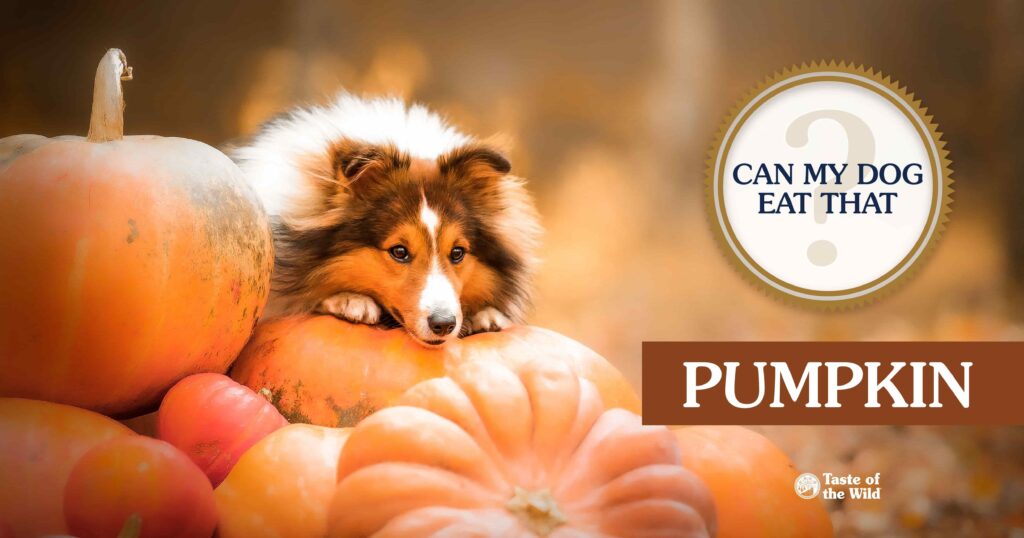
Can Dogs Eat Pumpkin?

The Verdict - Dogs Can Eat Pumpkin Infographic

Welcome to Can My Dog Eat That?,” our new series that answers some obvious (and not-so-obvious) questions about what your dog can and can’t safely eat. Read on!

Is Pumpkin Good for Dogs?

Can my dog eat pumpkin? The answer is a hearty oh yeah. Not only is pumpkin safe (in most cases), it’s full of nutrients and considered a superfood by many.

Pumpkin has many nutritional benefits. It’s high in fiber, which aids in digestion. It offers plenty of antioxidants, which help support a healthy immune system. And it’s packed with vitamins and minerals. Vitamin A can support healthy vision, while the high levels of vitamin C are another boost to the immune system. Meanwhile, magnesium supports easy digestion and zinc helps the skin and coat look and feel good.

Pumpkin has quite a few other gourd qualities for pets and owners. Plain, canned pumpkin with its gentle blandness is a popular stomach-soother if there’s an upset tummy in the (dog) house. In addition, the fiber levels in pumpkin can help stem the flow of doggy diarrhea. That fiber can be a factor in weight loss; since pumpkin is filling, you can supplement a dog’s diet with it so they won’t make so many visits to the food bowl.

Can Dogs Eat Raw Pumpkin?

As with everything you feed your dog that doesn’t come directly from a pet food bag, preparation is everything. Though raw pumpkin isn’t bad at all for your dog on a nutritional level, there are some physical dangers. Letting your dog chew on an actual pumpkin can mean choking hazards from chunks. Big chunks of raw pumpkin are harder to digest than cooked pumpkin, as well. And finally, stems and raw seeds aren’t good for your pup. So avoid using pumpkins as chew toys — otherwise your pup may need to visit their veterinarian!

If you want to feed fresh pumpkin, stick to unsweetened, fresh pumpkin puree. When a dog eats their regular food, a dab of pumpkin puree can be a nice little treat!

Raw pumpkin also comes with pumpkin seeds, which technically aren’t bad for dogs but can create issues in a dog’s diet. While pumpkin seeds count as superfoods for people, dogs don’t digest pumpkin seeds very efficiently, so they don’t really get much of the nutritional value. If they steal one or two during carving sessions, there’s no need to panic. But we wouldn’t make it a habit to feed your dog pumpkin seeds.

Can Dogs Eat Pumpkin Pie Filling?

The best way to offer pumpkin, other than as an ingredient in your pup’s favorite dog food, is canned pumpkin: cooked, 100 PERCENT pumpkin, NOT pumpkin pie filling. Pie fillings contain sugar, spices and other ingredients that can upset a dog’s stomach, contribute to obesity, or worse. Make sure the canned pumpkin you offer is plain and without any additives. Can dogs eat canned pumpkin? Yes. Pumpkin pie filling: no.

So, Can Dogs Eat Pumpkin?

When feeding your dog any food, moderation is important. Too much pumpkin, like anything else, can cause an upset stomach. But when you feed pumpkin, how much pumpkin is too much pumpkin? You’ll have to check with your vet before you feed pumpkin to your dog. Check with your vet before offering any non-dog-food treat and feed according to your dog’s size, age and weight.

While largely good for your dog, pumpkin is a high-fiber food, and too much of a good thing can cause problems. Are you wondering, “Can dogs eat pumpkin?” The answer is yes!

An interior graphic with text that reads ‘Can my dog eat pumpkins? Yes!’.

Can My Dog Eat Eggs?

Taste of the Wild

Welcome to “Can My Dog Eat That?,” our series that answers some obvious (and not-so-obvious) questions about what your dog can and can’t safely eat. You can view some of the previous foods we’ve looked at in our “Can my dog eat that?” guide. Today we answer the question “Can dogs eat eggs?” Read on!

Can dogs eat eggs? It’s no yolk — yes, it’s OK if dogs eat eggs! They need some kitchen prep first (i.e., cooking, because raw eggs are a no-no), but eggs can be a nutritious snack for most dogs, just like avocado!

A Healthy Treat Filled with Nutrients

Eggs are high in protein and are often included in pet food as a protein ingredient. They’re also a good source of minerals, vitamins and fatty acids. Technically, dogs can also eat eggshells, which are high in calcium, but it’s probably not a good idea since the shell can have sharp edges.

Like any new food, check with your veterinarian before your dogs eat eggs.

The high protein content of eggs can potentially stack the pounds on your dog if they eat too many, so ask your veterinarian how often to let your dog eat eggs. Chicken eggs are also a possible food allergen for dogs, so start with one and make sure your dog can tolerate it before feeding them regularly.

Can Dogs Eat Raw Eggs?

Raw eggs, like raw meat, carry a risk of contamination from Salmonella (or other bacteria), which can cause food poisoning. Symptoms from Salmonella infection (e.g., vomiting, diarrhea) are not common in dogs, but can occur if your dog has a weakened immune system, such as from an infection or additional health condition. Also, Salmonella can be a problem for people, and infected dogs can shed the bacteria, which puts other animals and people in your home at risk. So, to avoid the chance of your dog (or you) falling ill from Salmonella due to raw eggs, it’s best to cook eggs to 160 °F before eating them.

Can Dogs Eat Scrambled Eggs?

Egg prep is key. If you’re asking “Can dogs eat scrambled eggs?” or “Can dogs eat hard-boiled eggs?” the answer is a resounding “yes!” Cooked eggs are the way. As long as the egg is cooked without butter or salt, you can serve it to your dog any way they like. What would be their favorite? Sunny-side up on top of some kibble? A hard-boiled egg gone in a few chomps? Scrambled (without seasoning) for breakfast with the family? So many choices! If your dog’s metabolism can tolerate eggs, then foods with egg as an ingredient are also OK, as long as the egg is cooked and the other ingredients are dog-safe, too. So eggnog is definitely off the list!

Can Puppies Eat Eggs?

Yes, for the most part, everything we’ve stated about dogs and eggs applies to puppies. The high protein content of eggs can be especially beneficial for growing puppies, but as with anything else you feed your puppy, do so in moderation. Too many eggs aren’t good for anyone. As with adult dogs, if you give your puppy dog eggs, be sure that you’re properly cooking the eggs. Feeding raw eggs or undercooked eggs to your puppy can have the same dire impacts as when you feed any adult dog raw eggs. For more information about your puppy and eggs, talk to your veterinarian.

So, Are Eggs Good for Dogs?

If you’re asking “Are eggs good for dogs?” you’re in luck. Eggs are great eggsamples of a nutritious treat most dogs will love. Just make sure you serve cooked eggs, because when dogs eat raw eggs, there are risks involved. But cooking eggs for your dog’s breakfast instead of other breakfast foods like avocado or bacon? Egg-celent!

If you’ve ever wondered “Can my dog eat that?” about any food, from cheese to grapes, be sure to bookmark this series!

An interior graphic with text that reads ‘Can my dog eat eggs? Yes! (If they're cooked)’.

Can My Dog Eat Tomatoes?

Taste of the Wild

Welcome to “Can My Dog Eat That?,” our new series that answers some obvious (and not-so-obvious) questions about what your dog can and can’t safely eat. Read on!

If your dog’s eyes are saying “Please throw that red, juicy, ball-looking food my way,” the good news is you can! Ripe tomatoes (either raw or cooked) are nontoxic and can be included on the list of snacks for your dog, as long as they’re eaten in moderation.

Like all new food, it’s a good idea to introduce your dog to tomatoes gradually to make sure they tolerate them well. Due to their acidity, tomatoes can cause an upset stomach if your dog eats too many. Dogs with sensitive stomachs may find the acidity of just one tomato too much for them. And while ripe tomatoes are safe for dogs, a lot of human foods that are tomato-based also contain ingredients that are harmful to dogs (e.g., garlic, onion, chives). So be sure to check the ingredient label before feeding your dog any tomato-based people food.

A Good Source of Antioxidants and Fiber

Tomatoes or dried tomato pomace (the skin, pulp and seeds) are often included in dog food formulas, like Taste of the Wild, Taste of the Wild PREY and Taste of the Wild with Ancient Grains, because they are a good source of nutrients. Tomatoes are a source of vitamin C and lycopene, which are important antioxidants. Free radicals are produced during normal metabolism and can damage molecules in your dog’s body that are essential for maintaining good health. Antioxidants help protect your dog from these damaging free radicals.

Dried tomato pomace is a good, balanced source of soluble and insoluble fiber, as well as a source of vitamin C and lycopene. Dietary fiber helps support digestive health and firm stools. The tomato pomace fiber is fermented in your dog’s large intestine to produce short-chain fatty acids that are an energy source for intestinal cells. Dietary fiber also regulates colon pH and encourages the growth of beneficial bacteria in the colon.

Can Dogs Eat Cooked Tomatoes?

When dogs eat tomatoes, it generally doesn’t matter if they’re cooked or raw, as long as you cook them yourself. Pre-cooked tomatoes might have additives like salt or sugar that aren’t good for your pup. Same goes for tomato sauce. If you make it yourself and don’t add anything but the tomatoes, tomato sauce should be a nice addition to a bowl of dog food.

Can Dogs Eat Canned Tomatoes?

Dogs should not eat canned tomatoes for the same reasons they shouldn’t eat tomatoes you didn’t cook yourself. There are too many added ingredients, like salt or onions, that aren’t good for your dog, so avoid the can.

Can Dogs Eat Cherry Tomatoes?

Yes, if you apply the same rules to cherry tomatoes as you do with regular tomatoes, dogs can eat them. No leaves or other green parts, and cherry tomatoes should be cleaned and ripe.

Ripe Tomatoes or Unripe Tomatoes?

Always ripe. Unripe tomatoes can be dangerous for your dog due to the presence of toxins like solanine and tomatine, which are found in the green parts of the tomato plant, including the tomato itself when it’s still green. A good rule of paw is to NEVER give anything green from a tomato plant to your dog.

Avoid Everything Else on the Tomato Plants

Tomatoes are members of the nightshade family of plants. Nightshades, which also include potatoes, peppers and eggplant, contain alkaloids that can be toxic in large amounts. The alkaloid solanine is used by nightshade plants as an insecticide while they’re growing. Tomato plants also contain the toxin tomatine, which is found in the green parts of the plant, in unripe (green) tomatoes and in the flowers.

Your dog could be at risk of tomatine poisoning if they ingest a large amount of green tomatoes or the tomato plant. However, it’s unlikely that your dog would actually eat enough to become seriously ill, and if they do, it usually isn’t fatal. If your dog has eaten a large amount of green tomatoes or the plant itself, contact your veterinarian so they can determine if treatment is needed. Tomato poisoning is a real danger when you feed tomatoes to your dog, so always exercise caution.

So, Can Dogs Eat Tomatoes?

When you ask “Can dogs eat tomatoes?” the answer is a hearty “Yep!” A ripe tomato is a great snack choice for most dogs. Just make sure your dog doesn’t get into the vegetable patch and snack on the plants instead.

An interior graphic with text that reads ‘Can my dog eat tomatoes? Yes! (If they're ripe)’.

Can My Dog Eat That? Bananas

Taste of the Wild

Welcome to “Can My Dog Eat That?,” our series that answers some obvious (and not-so-obvious) questions about what your dog can and can’t safely eat. You can view some of the previous foods we’ve looked at in our “Can my dog eat that?” guide. Today we answer the question “Can dogs eat bananas?” Read on!

Yep, most dogs can eat a peeled banana, in moderation. Bananas are healthy snacks packed with nutrients, but there are a couple of things you should know before feeding this a‑peeling fruit to your dog.

A Healthy Treat

Bananas are a great healthy treat option for most dogs. They are high in potassium, magnesium, vitamin B6, vitamin C and also fiber — which is typically a good thing, but not in large amounts (see below).

Bananas are a low-calorie food, so they can be a good alternative for pudgy pooches who probably shouldn’t be eating any treats (but sometimes you just can’t say “No” to those eyes). Bananas may also be good for dogs with canine kidney disease who need low-protein, low-sodium and low‑phosphorus treat options. As with all new foods, it’s best to check with your veterinarian if bananas are OK to feed to your dog, especially if they have an underlying medical condition.

Remember, Too Much of a Good Thing…

While bananas are great as a healthy treat, too much banana can lead to some messy consequences. It’s best to stick to giving your dog just a few slices of banana at a time, because too much banana can cause gastrointestinal upset — in other words, vomiting and diarrhea. Bananas are also high in sugar, which is why they should only be used as a treat, not as a regular part of your dog’s diet.

Slip That Peel into the Compost Bin

Banana flesh is a definite go (in moderation), but the banana peel is a definite no. Banana peels aren’t toxic to dogs, but they are really hard to digest, which could cause a blockage in your dog’s gastrointestinal tract or an upset stomach.

Banana-Containing Things — Yay or Nay?

So what about the things that have banana in or around them? Like most things, it depends. Peanut butter-dipped banana is going to make your dog very happy. Just make sure it’s a dog-safe peanut butter that doesn’t contain xylitol. Another fun banana use is stuffing a toy with banana — it’s bound to keep your dog entertained for a while, and it’s great for mental stimulation. You can also freeze banana slices to mix it up a little and give your dog a different texture to munch on, or mash them for yet another entirely different texture.

On the other paw, banana bread and banana cake are probably in the nay category. Most banana bread and cake recipes call for a bunch of added sugar, which is not good for any dog, and especially a diabetic or obese dog. The banana bread or cake may also contain raisins or chocolate chips which are a definite “No!” for all dogs due to their toxicity. Dehydrated banana chips depend on how they were processed — if a lot of sugar was added, these should probably be a no, too.

Bananas are a healthy treat for most dogs. So if your veterinarian says it’s OK, see if your dog goes bananas over some banana in their bowl!

An interior graphic with text that reads ‘Can my dog eat bananas? Yes!’.