Can Dogs Eat Avocado?

Taste of the Wild

Welcome to “Can My Dog Eat That?,” our series that answers some obvious (and not-so-obvious) questions about what your dog can and can’t safely eat. You can view some of the previous foods we’ve looked at in our “Can my dog eat that?” guide. Today we answer the question “Can dogs eat avocado?” Read on!

Good for Humans, Good for Dogs?

For people, avocados are a superfood. Like eggs, they are a nutrient- and antioxidant-dense food. Avocados are arguably the best fruit for supplying your potassium, fiber and vitamin E. They’re such useful foodstuffs that there always seems to be a threat of either rising prices or outright shortages here in the United States. Avocado oil seems to trend regularly, and many houses have an avocado plant as a functional decoration.

So if eating avocado flesh has so many nutritional benefits for humans, your dog should be able to benefit too, right?

Can Dogs Eat Avocado? It’s Not That Simple.

Well, yes and no. The actual avocado flesh, or meat (the green part of the avocado that goes in your guacamole), of the avocado is generally pretty safe and healthy, providing that your dog doesn’t eat too much of it.  But avocado peel and pits contain persin, a substance that is poisonous to dogs. Since the peel and pit are typically discarded before prepping the meat, what is left can be safely consumed by most dogs. But too much persin from avocado flesh can cause vomiting and diarrhea in dogs, and there’s a small chance of worse problems, even death, if they ingest a LOT. And the green flesh can be an issue in bulk, because the high fat content that avocados are lauded for can cause pancreatitis.

So make sure the skin and pit are disposed of properly, where your dog can’t get them. Are avocados good for dogs? They can be, but there are too many drawbacks to risk it.

Choking Is A Danger When You Feed Your Dog Avocado

In addition to the dangers of persin poisoning, the avocado pit is a major choking hazard. It’s often the size of a ping-pong ball and can cause a complete blockage if it is ingested, especially by bigger, enthusiastically eating dogs.

Can Dogs Eat Guacamole?

All the reasons that a dog shouldn’t eat avocado apply to whether a dog can eat guacamole, but guacamole contains other problem ingredients as well. Many guacamole recipes contain doggy dangers like onion and garlic, which are even more dangerous than dogs eating avocado.

Can Dogs Eat Avocado Oil?

The drawbacks of avocado oil are also much the same as they are with avocado itself. Avocado oil is extremely high in fat, which can lead to pancreatitis in dogs. Any food that is high in fat — whether it’s solid, liquid or somewhere in between — should be fed to your dog in small amounts to avoid harmful impacts. Persin oil is colorless, so it might be found in avocado oil which is why avocado oil is best avoided by dogs.

Use Precaution When Dogs Eat Near Avocado Prep

So if you’re a fan of avocados, keep your dog in mind when prepping and disposing of them. Make sure that discarded peels, leaves and pits are thrown away where your dog can’t get to them. If you think that your dog may have ingested the peel or pit, be on the lookout for vomiting, diarrhea, lethargy or abdominal pain.  If you suspect that they’ve eaten the peels, pit or leaves, contact your veterinarian or the ASPCA Animal Poison Control Center.

Reconsider Before Your Dog Eats Avocado

Can dogs eat avocado? Short answer is “no.” It’s far safer to keep the avocados, avocado toast, avocado pits and avocado pulp away from your dog, especially if your dog has a history of pancreatitis or sensitive stomach issues.

There are plenty of other ways to give them superfoods! When in doubt, stick to veterinarian-approved dog food, and if you suspect that your dog — or any pet — has eaten avocado or shows symptoms of persin poisoning, contact your vet immediately.

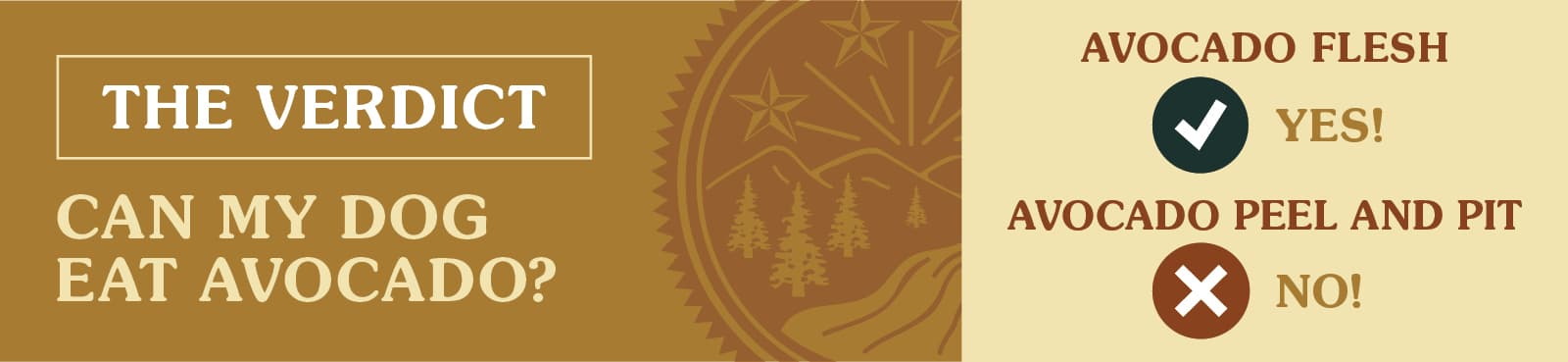
An interior graphic with text that reads ‘Can my dog eat avocado? Avocado Flesh — Yes! Avocado Peel and Pit — No!’.

Can My Dog Eat That? Peas

Taste of the Wild

Welcome to “Can My Dog Eat That?,” our new series that answers some obvious (and not-so-obvious) questions about what your dog can and can’t safely eat. Read on!

Yes, most dogs likely can eat most peas (with a few caveats).

In fact, peas, much like carrots and other vegetables, pack such a nutritional punch that they’re quite popular ingredients in pet food. Loaded with carbohydrates, fiber, antioxidants and protein, peas are good additions to pet foods. A single serving of peas provides nearly the entire daily portion of amino acids a dog needs. Some studies even suggest that if peas are the primary source of carbohydrates in an obese dog’s diet, the dog’s insulin levels might be lowered.

If you’re considering offering your dog peas as an additional snack outside of the dog food bag, they are indeed a great option in moderation. Green peas and snow peas are perfect little treats for most dogs because they’re not only nutritious but small like kibble, so there’s low choking danger.

Not All Peas Are Sweet Options

Here’s the caveat: Sweet peas — the flowering, nonedible plant that isn’t a vegetable — should always be avoided. Sweet peas contain a toxin called aminopropionitrile, which can cause weakness, lethargy, seizures and even death. Even a single sweet pea contains enough aminopropionitrile to make your dog seriously ill. If you suspect that your dog has ingested aminopropionitrile or any other poison, call the Pet Poison Helpline IMMEDIATELY.

Serving Them Up

When serving your dog peas, always make sure that they are shelled. The shells can crack in your dog’s mouth and become a choking hazard. But once free of their shelled prisons, snow peas are safe to eat.

You can feed them fresh peas one-by-one as treats, add a few cooked peas to your dog’s regular food to dress it up a bit, or even add a tiny dollop of blended peas to any meal. If you’re using frozen peas, make sure to thaw them completely as frozen peas can be hard to chew and could become choking hazards.

If your dog has kidney issues, peas should mostly be avoided, as peas contain uric acid, a substance that can cause kidney stones in dogs without fully functioning kidneys. And, as always, before changing your dog’s diet in any way, consult with your veterinarian. Every dog is different, and your veterinarian knows them better than anyone but you.

However you serve them, peas are a fine addition to most dogs’ diets.

An interior graphic with text that reads ‘Can my dog eat peas? Yes!’.

Can My Dog Eat Blueberries?

Taste of the Wild

Welcome to “Can My Dog Eat That?,” our series that answers some obvious (and not-so-obvious) questions about what your dog can and can’t safely eat. You can view some of the previous foods we’ve looked at in our “Can my dog eat that?” guide. Today we answer the question “Can dogs eat blueberries?” Read on!

Can dogs have blueberries? For humans, blueberries are arguably a perfect snack. They’re loaded with nutrients like fiber and vitamin C. They’re low in calories because of a high water content. They’re poppable. And, possibly most importantly, they taste good!

But like with many delicious human foods, you’ll often see some puppy-dog eyes (both real and metaphorical) peering at you while you snack. Is it OK if dogs eat blueberries, though? Dogs can eat watermelon, strawberriespineapples and other fruits, so can your dog indulge in a few of these blue sweet treats, either whole or in any other format?

Are Blueberries Good for Dogs?

Yes, you can feed your dog blueberries in all forms. They’re a great fruit that’s often labeled as a superfood! Though it’s always a good idea to consider opting for blueberries as an ingredient in trusted dog food, you can feed your beggin’ buddy fresh or frozen blueberries in moderation. Be wary, though. Blueberries are generally small treats, but when dogs eat blueberries they are in danger of choking, especially small breeds or puppies. Frozen blueberries are especially a danger to small dogs.

When Dogs Eat Blueberries, They Eat a Superfood with Super Benefits

Because of all the nutrients blueberries offer in one tiny package, they’re often labeled as “superfoods.” These nutrient-packed fruits are a key source of antioxidants, fiber, vitamins and minerals. In pet food, superfoods are also functional ingredients. Functional ingredients provide bonus benefits beyond basic nutrition when they are part of a complete and balanced diet. Antioxidants and fiber provide some of these benefits.

Blueberries’ main claim as a superfood is that they are rife with antioxidants, which is good news for pet owners. Antioxidants protect your dog from the damaging effects of free radicals, which, if left unchecked, can result in health issues like cancer and heart disease. Antioxidants in superfoods like blueberries can work with the antioxidants naturally produced by the body to control these free radicals. Antioxidants also support the immune system and maintenance of healthy skin, and it’s been proven that they can help slow your dog’s mental aging.

But the benefits don’t stop there. The fiber offered by blueberries supports healthy digestion, which is something that both dogs and dog parents can appreciate. So offering your dog blueberries in food that is already good for them, like blueberry yogurt — homemade because store- bought blueberry yogurt is loaded with sugar or xylitol, which is deadly for dogs — can allow them to have a healthy snack that they love.

Can Dogs Eat Blueberry Muffins?

Though you can feed blueberries to your dog, it’s not a good idea to offer blueberry muffins, which are usually packed with sugar. When dogs eat too much, sugar they can suffer from vomiting and diarrhea, not to mention more long-term issues like diabetes.

Can Dogs Eat Dried Blueberries?

In lieu of fresh blueberries, dried blueberries can be a great snack, especially if you dry them yourself. If you buy store-bought dried blueberries, be sure to watch the sugar content, because it is usually high.

As Always, Treat in Moderation

Too many blueberries aren’t good for anyone, especially dogs. General consensus is that your dog’s  treats or snacks should consist of no more than 10 percent of your dog’s daily calorie intake. But for that 10 percent? You can’t go wrong with blueberries. If you’d prefer to offer blueberries as a portion of your dog’s regular food, we have a few suggestions. As always, if you have any questions about feeding fruits or vegetables to your dog, consult your veterinarian.

An interior graphic with text that reads ‘Can my dog eat blueberries? Yes!’.

Can My Dog Eat That: A Guide by Taste of the Wild

Taste of the Wild

One of the most popular online searches regarding pets is the question “Can my dog eat BLANK?” The reason this query is so popular is because, for better or worse, many dogs will eat anything they can get their mouth around, especially human foods. Often, pet owners are asking the question after said item has been eaten, and they are looking for quick answers about whether they need to make a sudden trip to the veterinarian. (NOTE: If you ever have serious questions about something your pet has eaten, even the most benign human foods, call your vet immediately!)

To pre-emptively answer some of these questions, Taste of the Wild has created an ongoing and ever-growing guide that answers the question, “Can my dog eat that?” We will be limiting our questions and answers to food items, so if your dog has eaten an entire couch cushion…call your vet. Bookmark this page because it will keep growing. There’s no end to the list of human foods dogs have tried to eat, and no end to the trouble caused to the dog’s digestive system!

CAN MY DOG EAT GRAPES?

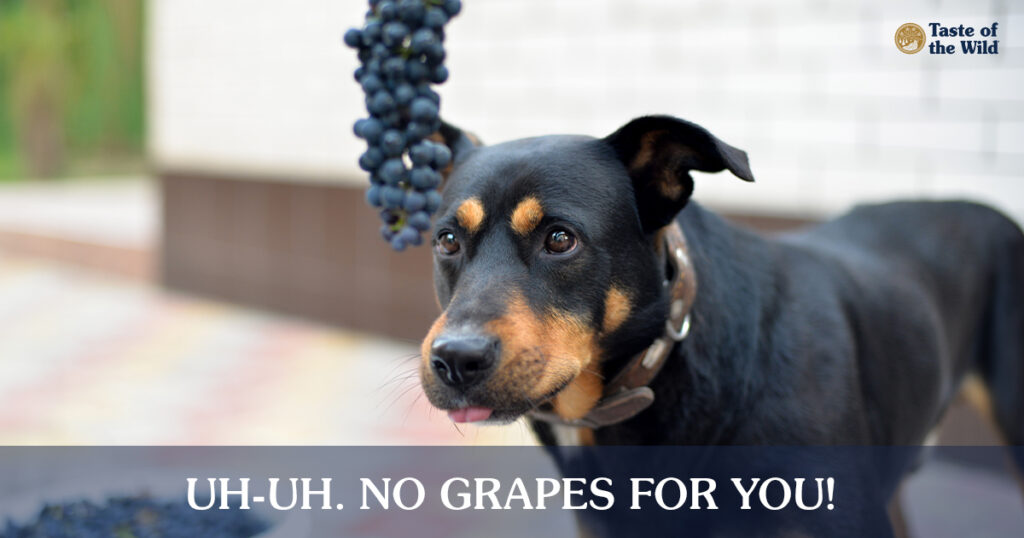
A brown dog looking at its owner harvesting grapes off the vine.

Your dog should never, ever, eat grapes. They can be toxic to dogs, potentially leading to acute kidney failure and even death. And they’re an obvious choking hazard. That goes for all grapes: red, green, seeded or seedless, organic or grown conventionally. It also includes raisins and foods that include raisins. Until recently, no one knew why, exactly, dogs and grapes shouldn’t mix. But veterinarians at the ASPCA Animal Poison Control Center discovered that tartaric acid might be the culprit.

READ MORE ABOUT DOGS AND GRAPES

CAN MY DOG EAT SWEET POTATOES?

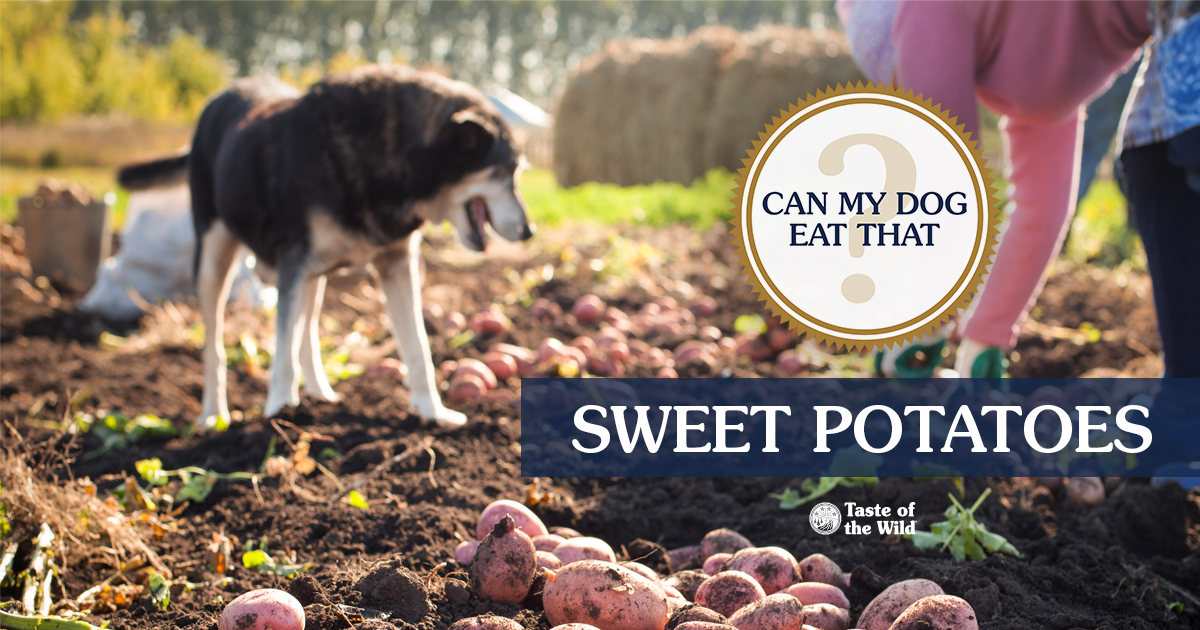
A dog standing in a field where sweet potatoes are being grown.

Humans seem to either love or hate sweet potatoes. Dogs, however, might not be so ambivalent. The good news is that your dog can not only eat these non-potato potatoes, they gain benefits if they do so. Sweet potatoes can provide energy, support gut health, maintain healthy eyes and support the digestive system. They’re better than safe for dogs; they’re good for them!

READ MORE ABOUT WHY SWEET POTATOES ARE SAFE FOR DOGS

CAN MY DOG EAT APPLES?

Two dogs sitting in an apple orchard.

Yes, apples are a nice and healthy change of pace for your sweet-loving pooch — in moderation, of course. Apples are great sources of fiber, vitamin C and vitamin A, not to mention potassium. And an underrated aspect of feeding apple to your dog is that the rough texture works as sort of a natural tooth cleaner and breath freshener. As long as you still schedule regular dental checks, apples are a great little addition.

READ MORE ABOUT YOUR DOG AND APPLES

CAN MY DOG EAT CHEESE?

A dog sitting on a chair next to a table with a plate of cheese on it.

Should you pay the cheese tax without guilt? It’s a question as old as time. Or refrigerators.

Dogs love cheese. That’s a fact. The good thing is that cheese isn’t a terrible snack! Most dogs can, in moderation, eat cheese without any serious repercussions outside of possibly a stinky room a few hours later. Cheese, in general, can be a healthy, nutrient-rich treat. The high amounts of calcium are good for strong teeth and bones. Vitamins A, D and B are usually prominent. Cheese is an excellent source of protein.

READ MORE ABOUT YOUR DOG AND CHEESE

CAN MY DOG EAT BLUEBERRIES?

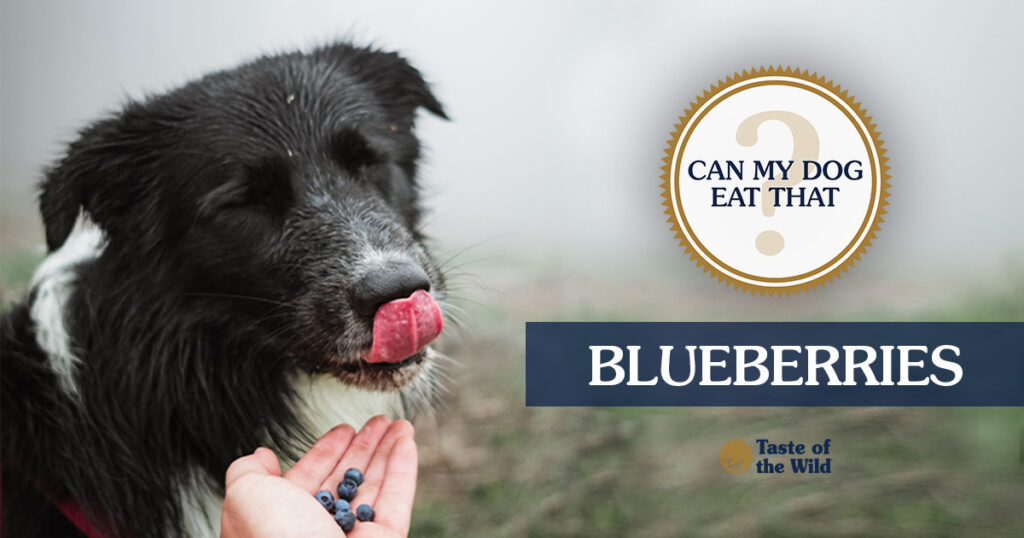
A human giving a handful of blueberries to a dog.

Blueberries are considered a superfood for people. But are they super for dogs?

Yes, in moderation. These nutrient-packed foods are key sources of antioxidants, omega fatty acids, fiber, vitamins, minerals and protein. To sweeten an already sweet deal, superfoods are functional ingredients in pet foods, meaning that they provide bonus benefits beyond basic nutrition when they are part of a complete and balanced diet.

READ MORE ABOUT DOGS AND BLUEBERRIES

CAN MY DOG EAT PEAS?

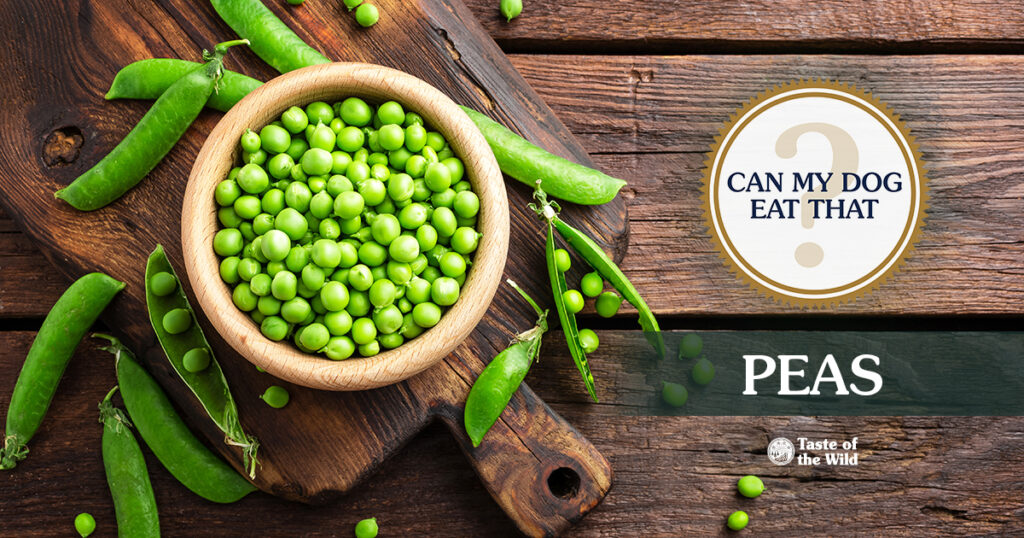
A bowl of fresh green peas lying on a cutting board surrounded by pea pods.

Peas are popular ingredients in pet food, for very good reason: They pack a nutritional wallop! Loaded with carbohydrates, fiber, antioxidants and protein, peas are perfect additions to pet foods. A single serving of peas provides nearly the entire daily portion of amino acids a dog needs. In general, peas are great snacks for dogs as well, but not all are created pea-qual! Click to learn the ABCs of peas for pets.

READ MORE ABOUT DOGS AND PEAS

CAN MY DOG EAT AVOCADO?

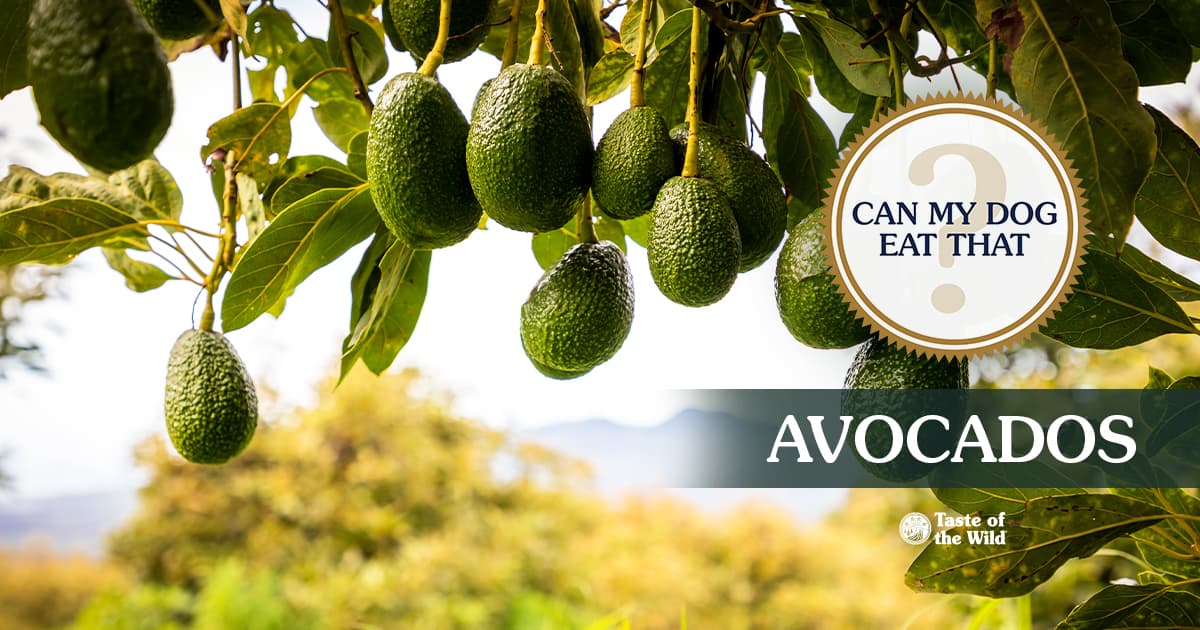
A group of fresh avocados hanging from a tree.

This superfood is a yes-and-no proposition for your pup. While technically a superfood, the peel and pit are super no-nos for your dog, as they are literal poison and choking hazards. But the sweet green mush inside (AKA the flesh)? It’s a nutrient- and antioxidant-dense treat that supplies great amounts of potassium, fiber and vitamin E.

READ MORE ABOUT AVOCADO AND YOUR DOG

CAN MY DOG EAT BANANAS?

Banana bunches sitting in a wicker basket.

Is it b-a-n-a-n-a-s to offer your dog bananas, or are they an appeeling snack option? High in potassium, magnesium, vitamin B6, vitamin C and fiber, bananas are a good, low-calorie food that you can offer your begging buddy — IF you peel them first!

READ MORE ABOUT BANANAS AND DOGS

CAN MY DOG EAT TOMATOES?

Red tomatoes hanging from a vine in a garden.

A good, ripe, dripping tomato. Who doesn’t love one on a hot day? The great news here is that if your dog is a fan of these bright red balls of nutrients, they can certainly have some. With some BUTS, of course. First, only offer the tomato itself. No other part of the tomato plant is good for your dog in any way. Second, make sure the tomato is ripe. Green parts of the tomato plant, and green tomatoes themselves, contain tomatine, a toxin that can cause upset stomachs. And no one wants to ruin their nice summer day with an upset stomach!

READ MORE ABOUT TOMATOES AND YOUR DOG

CAN MY DOG EAT EGGS?

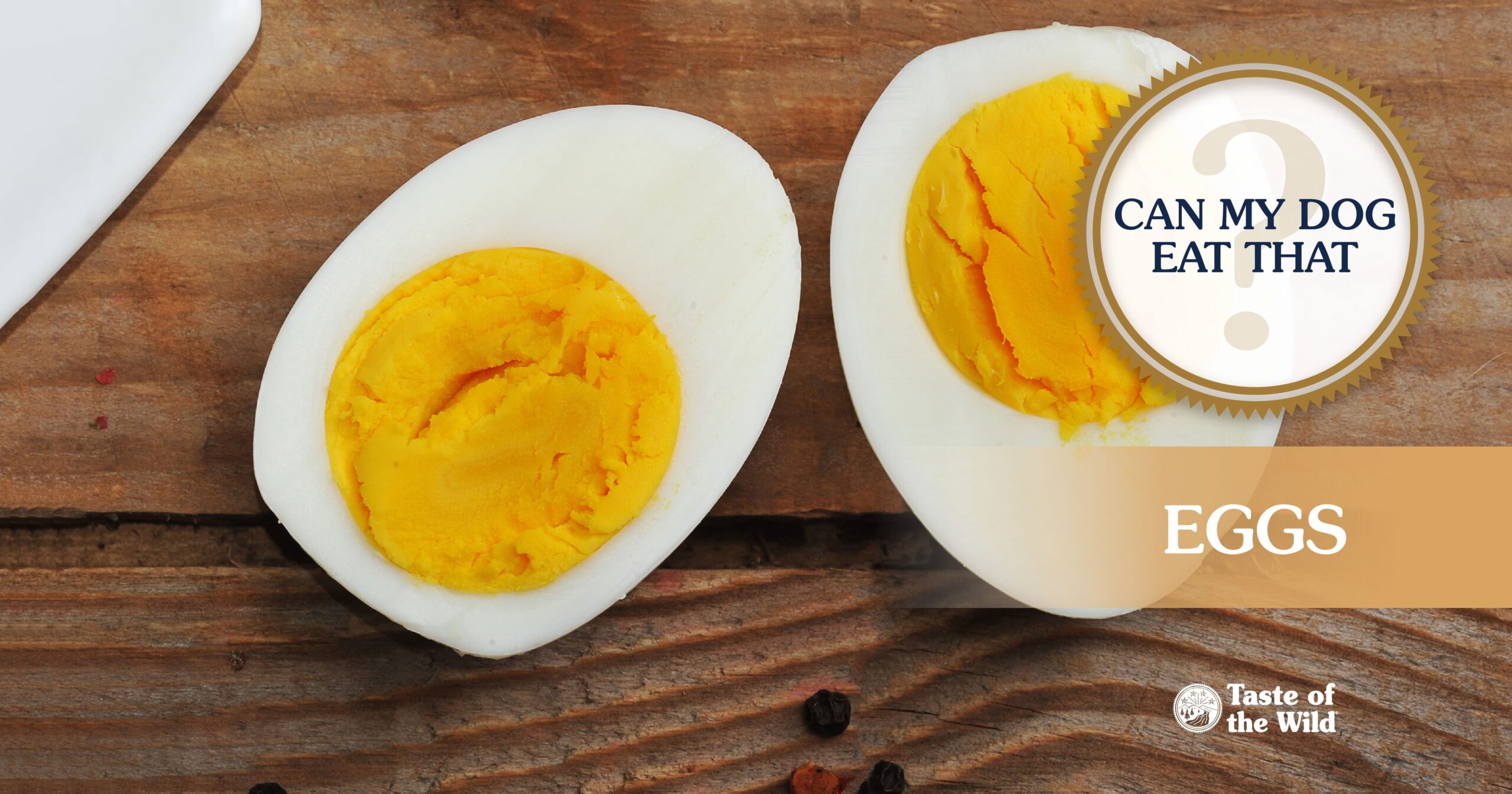
A single egg lying on a wooden table cut in half, showing the yolk.

A nice cooked egg is EGGzactly what the dogtor ordered for snack time. Eggs are high in protein (which is why they are often included in pet food), and they’re also a good source of minerals, vitamins and fatty acids. The high protein content of eggs can be an issue in the weight department, so ask your veterinarian how often to feed eggs to your dog.

READ MORE ABOUT DOGS AND EGGS

CAN MY DOG EAT PUMPKIN?

A dog lying on a pile of pumpkins.

Is pumpkin a great idea for dogs? It sure is! Our most festive orange fruit offers high fiber content and plenty of antioxidants, and it’s loaded with vitamins and minerals. Vitamin A supports healthy vision, while the high levels of vitamin C are another boost to the immune system. Meanwhile, magnesium supports easy digestion and zinc helps the skin and coat look its best. Prepared properly, pumpkin will have you asking your dog, “Orange you glad we gave you some?”

READ MORE ABOUT DOGS AND PUMPKIN

CAN MY DOG EAT CINNAMON?

Cinnamon sticks lying on a table next to a bowl of ground cinnamon.

Is cinnamon a spice that makes everything nice for your dog? Well, it IS a spice, and dogs traditionally aren’t down with the spicy. That said, cinnamon isn’t toxic to dogs, so there’s no reason to panic if they swipe a snickerdoodle or two. Eaten in small amounts, cinnamon won’t hurt your dog and might even taste good to them. But if they get the powder form in their nose, sneezing might ensue!

READ MORE ABOUT YOUR DOG AND CINNAMON

CAN MY DOG EAT SNOW?

A dog hunched over eating snow while standing in deep, fresh snow.

It’s just frozen water. Snow can’t possibly be bad for my dog, right?

Wellllll…it’s a maybe. If all your dog is eating is snow and it’s not in crazy amounts, then yes, a few flakes on the tongue to celebrate the season is perfectly fine. A chilly mouthful of newly fallen white stuff won’t harm anyone and might even help, mood-wise. But if your canine companion likes to go deep in their love for snow, you might need to intervene. Dirt, rocks, sticks…who knows what is lurking beneath the surface. And if the snow is any color but white? SNOW WAY!

READ MORE ABOUT DOGS EATING SNOW

CAN MY DOG EAT POPCORN?

A dog lying on a couch under a blanket with a bowl of popcorn.

Can your dog eat popcorn? Sure they can, if we’re talking plain, unsalted and unbuttered popcorn. It might even be good for them, offering small amounts of fiber, vitamins and minerals. If boring ol’ plain popcorn is your dog’s snack of choice, a small bowl of air-popped corn with no toppings is perfectly acceptable.

READ MORE ABOUT DOGS AND POPCORN

CAN MY DOG EAT WATERMELON?

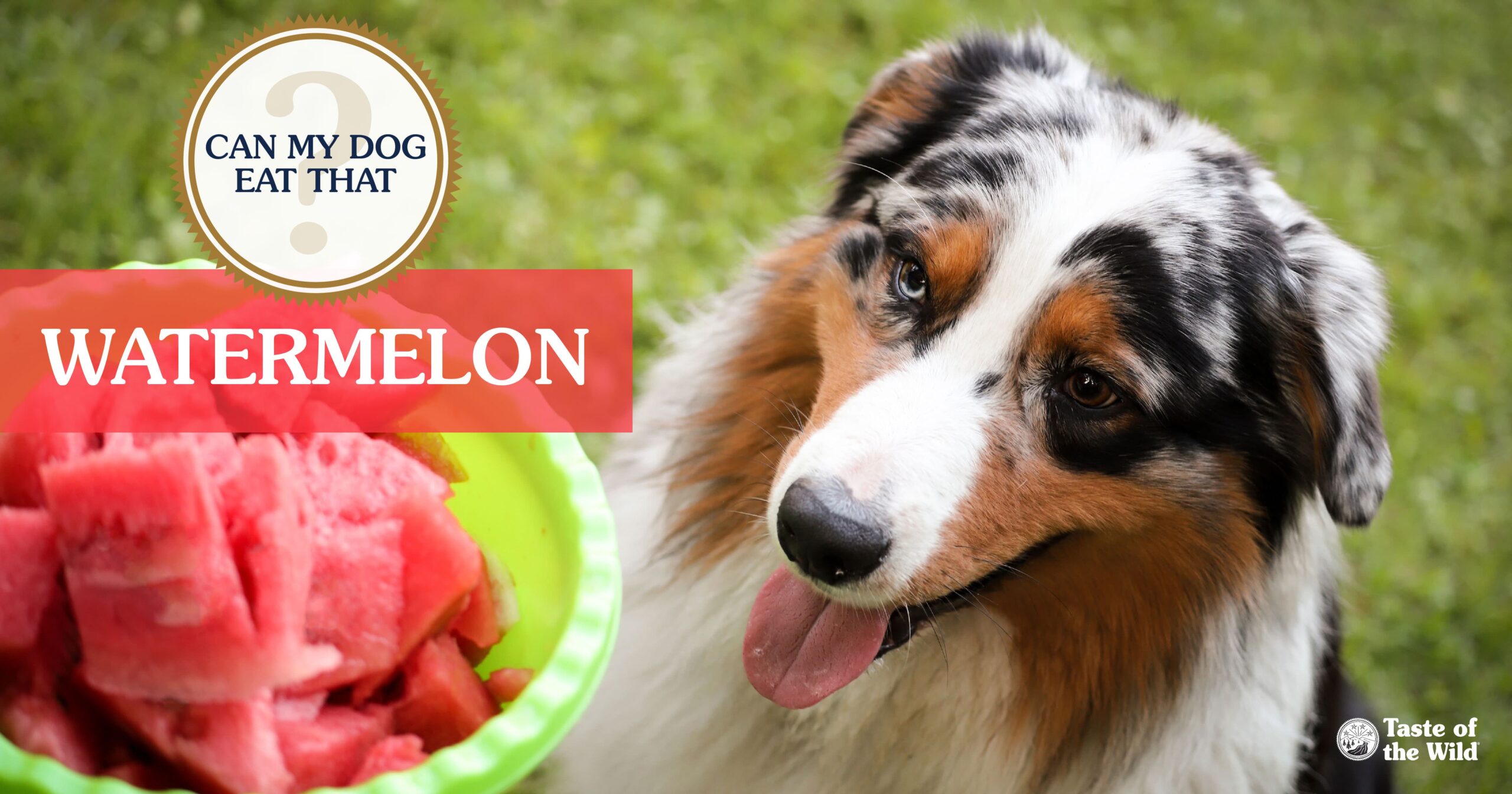
A dog with its tongue out staring at a bowl of watermelon.

It’s a hot summer day and everyone at the pic-a-nic is munching on cool, juicy watermelon. And your dog is just sitting there salivating. Can they have some of nature’s sweetest treat? They sure can, provided (as always) that it’s prepared properly. No rinds, cut the meat into small hunks and make sure there are no seeds, and your dog will be a sticky mess in no time!

READ MORE ABOUT DOGS AND WATERMELON

CAN MY DOG EAT A HOT DOG?

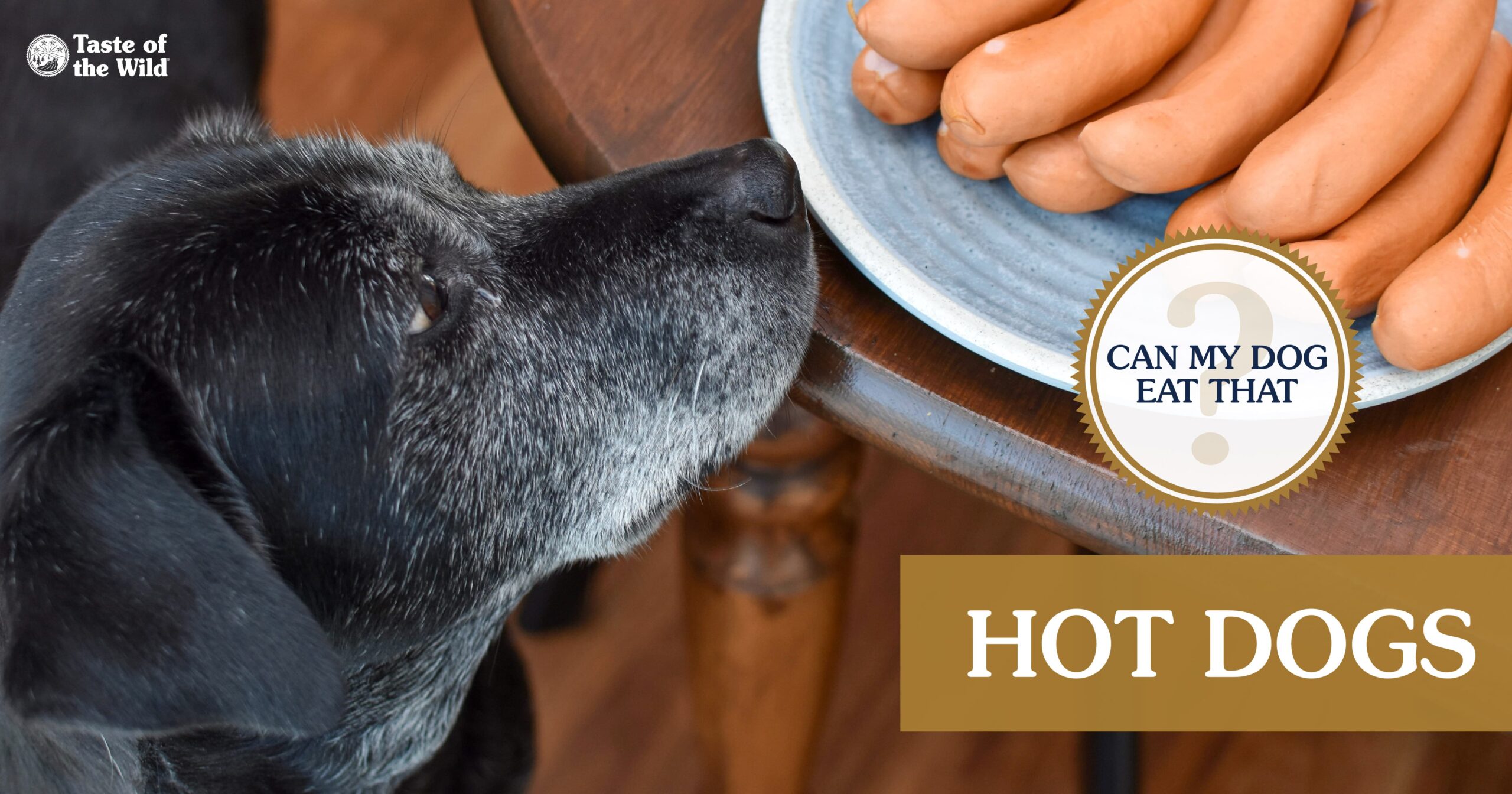
A black dog with its nose resting on a table staring at a plate of hot dogs.

Just imagine a greasy, salty hot dog and you can probably guess that they aren’t the best foods for your dog. In small amounts and cut into bite-sized chunks, a hot dog usually won’t to do any lasting damage to your normal-temperature dog, but an upset stomach, vomiting or diarrhea isn’t out of the ordinary. Can they eat one? Sure. Should they? Probably not!

READ MORE ABOUT DOGS AND HOT DOGS

CAN MY DOG EAT PEOPLE DRINKS?

A small black dog with its paw in its owner’s hand while the owner holds a coffee cup.

With such a bountiful bevy of beverages available for human consumption, do you ever wonder if your dog looks up from their water bowl, jealous of your pumpkin-latte-cinnamon-sprinkled carbonated soda? Are you ever tempted to give them a sip? Here’s a primer on whether your dog can drink some of our more popular people drinks.

READ MORE ABOUT DOGS AND BEVERAGES

Some dogs are picky and aren’t too awfully interested in anything but dog food. Other dogs will literally eat anything. This ongoing feature will continually add sections and links that detail why or why not your dog should eat certain foods. We’ll cover why they should avoid seemingly innocent foods (like grapes!) because they’ll make a dog sick, but we’ll also explain why some not-so-obvious foods, like blueberries, end up as important ingredients in many dog foods. No matter what, always remember that your dog’s stomach can be just as sensitive, if not more, than a human’s, so if your dog eats something questionable, call your veterinarian immediately.  Your dog’s health matters, so we want to make sure that you offer quality food and a healthy snack.

Check back often!

Can My Dog Eat Grapes?

Interior graphic with text that reads ‘Can my dog eat grapes? Never!’.

Welcome to “Can My Dog Eat That?,” our new series that answers some obvious (and not-so-obvious) questions about what your dog can and can’t safely eat. Read on!

A grape or two might seem like a harmless snack for your dog. After all, it’s just fruit, and mostly water at that. But what happens if your dog eats grapes? Unlike other fruits like cranberries or blueberries, grapes can be toxic to dogs, potentially leading to acute kidney failure and even death. Grape and raisin poisoning are real dangers for dogs.

This applies to all types of grapes, whether they’re red, green, seeded or seedless, organic or grown conventionally. But fresh grapes aren’t the only problem. Grapes that have been dried — otherwise known as raisins, sultanas (light brown, seedless raisins) and Zante currents — can be problematic as well.

The same goes for foods in your pantry that contain raisins, including cookies, bars and breads, granola mix, trail mix and raisin bran cereal. It’s not clear if grape jelly, grape juice or wine could be hazardous, but why take the risk?

What makes even a few grapes toxic?

Until recently, no one knew why, exactly, dogs and grapes shouldn’t mix. But veterinarians at the ASPCA Animal Poison Control Center discovered that tartaric acid (the ingredient cream of tartar is made from) might be the culprit. The amount of tartaric acid in grapes can vary depending on the type of grape, the degree of ripeness and the growing conditions.

In addition to varying levels within the grapes, dogs can have individual responses to the fruit, making it frustratingly difficult to determine how many will be a problem. Dogs have had a toxic reaction after eating as little as 0.32 ounces of grapes and 0.05 ounces of raisins per pound of body weight. It’s not a food you want your dog eating!

If your dog has eaten grapes or raisins, call your veterinarian or the closest veterinary emergency clinic immediately.

Symptoms when dogs eat grapes

It doesn’t take long for signs of toxicity to appear. Within hours of eating grapes or raisins, dogs may vomit and refuse to eat. If your dog surfed your countertop without your knowledge, you may find the telltale signs of grapes in the vomit. The dog may also have diarrhea, show signs of abdominal pain, drooling, dehydration and lethargy. They may drink and urinate more than normal, or in more advanced cases, they may produce little or no urine.

Seek veterinary help immediately

Since kidney damage can happen quickly, it’s best to call your veterinarian as soon as possible. While there’s no specific test to determine if your dog is experiencing grape toxicity, it’s generally diagnosed based on the history of grape consumption or grapes found in the vomit.

When your dog eats grapes or raisins within the last hour or two and hasn’t vomited yet, the doctor will probably recommend that vomiting be induced to get the toxins out of the stomach. Once that’s accomplished, your dog may be given activated charcoal by mouth, which may help prevent further absorption of toxins into your dog’s system.

In cases of grape or raisin toxicity, some dogs may need aggressive therapy, including hospitalization and intravenous fluids. The veterinarian may recommend blood work and urinalyses to monitor kidney function. Dogs may also benefit from stomach protectants, medications to control vomiting and nutritional support.

While ingestion of grapes should always be avoided in dogs, other fruits can be healthy and safe snacks for your pooch. Consider offering apple slices (remove the seeds), cantaloupe, blueberries, strawberries or bananas instead.

Can One Grape Kill a Dog?

Can one grape kill a dog? Yes, one grape can be extremely harmful. Grape toxicity is a real threat no matter how many grapes a dog eats. When dogs eat grapes, grape poisoning is always a possibility. Grapes or raisins, quite simply, are toxic to dogs, whether it’s one grape, green grapes, seedless grapes, red grapes, etc. If you suspect that grape poisoning has occurred and you cannot seek immediate treatment, you can call  Pet Poison Helpline for immediate advice. Your dog’s health, and kidney failure specifically, is always a concern when your dog ate a grape.

To learn more about why grapes are bad for dogs, check out this article.

An interior graphic with text that reads ‘Can my dog eat grapes? Never!’.

Can Nutrition Influence Your Dog’s Behavior?

A brown dog lying on the floor licking its lips over a bowl of food.

If, as they say, “you are what you eat,” dietary ingredients could impact a dog’s health. Since our health affects how we feel, it seems logical that it could also affect how we act. But is there any evidence of a connection between dog food and behavior in dogs?

Dog Food Nutrition Needs to Be Balanced

Certainly, a poor diet can alter a dog’s normal behavior. Diets that are deficient in essential nutrients can lead to serious health issues, including anemia and brittle bones. If a dog isn’t feeling well because they’re weak or feeling pain, that can certainly impact their behavior.

That’s why one of the most important parts of any dog food label is the nutritional adequacy statement that indicates the pet food is “nutritionally complete and balanced” for your dog’s particular life stage. Commercial foods that list the nutritional adequacy statement have met the guidelines established by the Association of American Feed Control Officials (AAFCO). 

Because the nutrient requirements (protein, essential amino acids, fat, vitamins and minerals) of dogs change over their lifetime, there are three nutritional adequacy statements that can be found on a dog food label depending on the diet: growth and reproduction, adult maintenance and all life stages. Diets that are designed for all life stages meet the nutritional requirements for both the growth and reproduction stage as well as adult maintenance stage. So make sure you consider your dog’s life stage when choosing their diet. A healthy dog is generally a happy dog! 

Yet even a healthy diet can become unbalanced if treats or table scraps make up more than 10 percent of the dog’s daily calories. Similarly, if you’re not following the feeding directions on the label, imbalances can occur. And unless homemade diets are prepared under the guidance of a veterinary nutritionist, it can be easy for dietary deficiencies to occur.

Does Raw Meat Make Dogs Aggressive?

It has been suggested that higher dietary protein may be associated with canine aggression. That’s why some recommend a low-protein diet for an adult dog with aggression problems. However, studies testing this concept have been flawed and results were conflicting, so more research is needed.

The theory behind the low-protein diet revolves around tryptophan, an amino acid involved in the production of serotonin, the neurochemical purported to create a calming effect. Tryptophan competes with other amino acids (which are components of protein) to cross the barrier into the brain. With less protein in the diet, it’s surmised there will be a greater chance for tryptophan, and eventually serotonin, to enter the brain, thereby promoting calm while reducing aggression.

Regardless, healthy adult dogs need at least 4.5 grams of protein per 100 calories of food, so there needs to be a minimum amount of protein provided.

Pet Food Nutrition and the Aging Canine Brain

Current research does support the positive effects of nutrition on brain aging.

Older dogs can experience cognitive dysfunction syndrome (CDS), which has been likened to human Alzheimer’s disease. Affected dogs may appear disoriented, interact less with family, lose house training and show changes in sleep/wake cycles, such as wandering around the house at night.

Several factors are thought to contribute to brain aging and cognitive decline in dogs, including chronic oxidative stress, reduced brain glucose metabolism and low-grade inflammation.

Some evidence has been found recently that certain ingredients, typically added to the diet or given in supplement form, may help improve clinical signs and slow cognitive decline in older dogs.

For example, antioxidants such as vitamins E and C in your dog’s diet may help neutralize the damaging effects of free radicals on cells, thereby protecting the brain from oxidative stress. These ingredients may have anti-inflammatory effects, as well.

To counter the effects of reduced cerebral glucose metabolism, medium-chain triglycerides in the diet can be converted to ketone bodies, providing the brain with an alternative energy source to glucose. In one study, dogs that were fed diets supplemented with medium-chain triglycerides performed better on cognitive tests than dogs fed the control diet.

How to Make Your Dog Happy

While good nutrition may have positive effects on canine behavior, many problems need a combination of therapies, including behavioral modification or training, environmental management and possibly medications. If you have questions about canine behavior and nutrition and how they may affect your dog’s life, your veterinary clinic is the best place to start.

Why Are Grapes Bad for Dogs?

A Black and Brown Dog Staring at Hanging Grapes

Among the many foods that are on the no-no list for dogs are grapes and their relatives: raisins, sultanas and currants. Dogs should not eat grapes or any grape-based foods because they can cause severe kidney failure and even death. So what makes grapes so bad that even a single grape can cause health issues for dogs?

Are Grapes Acidic? Is That the Problem?

Grapes do have a pH on the lower side so they are acidic, but the issue with dogs eating grapes isn’t because they’re acidic. It’s likely due to one particular acid — tartaric acid. If that sounds familiar to all the bakers out there, it’s probably because you’ve used cream of tartar, which is made from tartaric acid, in your baking. Unlike people and some animals, dogs are especially sensitive to tartaric acid.

What Happens If a Dog Eats a Grape?

For a long time, no one knew exactly what made grapes toxic to dogs. The type of grape didn’t matter; dogs showed signs of vomiting, diarrhea, lethargy, lack of appetite, and later increased thirst and urination, whether the grapes were green or red, seeded or seedless grapes, fresh grapes or dried (raisins, sultanas and currants). And sometimes grape and raisin toxicity led to acute kidney failure or worse.

Then the connection between grapes and dogs exposed to cream of tartar and tamarinds was made. The ASPCA explains that the clinical signs, lab results and kidney lesions seen in the dogs exposed to cream of tartar and tamarind resembled those of dogs who ate grapes and raisins. This helped investigators realize that a common factor — tartaric acid — was the toxic substance behind the kidney problems.

What Are the Symptoms After a Dog Eats Grapes?

The symptoms of grape or raisin toxicity can vary among dogs, among grapes, and by how many grapes the dog ate. A dog’s health can be affected within hours of grape ingestion; typically dogs with grape poisoning vomit, have diarrhea, don’t want to eat, drool and just want to laze around. You may notice them drinking and urinating more. If kidney damage has already started, urine production may decrease (there may be little or no urine coming out).

Can Dogs Have Green Grapes? Can Dogs Have Red Grapes?

Red, green, purple, black or yellow; it doesn’t matter what color the grapes are, don’t let your dog eat them, as they can all potentially cause grape toxicity. They also shouldn’t eat dried grapes, like raisins, sultanas and currants, since these may also be toxic to dogs.

What to Do If Dogs Eat Grapes

If you know or suspect your dog ate a grape, you should immediately call your veterinarian. If your dog ate grapes or raisins (or any grape-based food) while your vet clinic is closed, call an after-hours emergency veterinary clinic, the ASPCA Animal Poison Control Center or the Pet Poison Helpline for advice on what to do. Do not try to induce vomiting unless a veterinarian has advised you to do so.

My Dog Ate Grapes but Seems Fine

If your dog eats raisins, grapes or any other grape-containing food, call your vet. Even if your dog isn’t showing signs of grape poisoning, you should still call your vet. If it’s been less than an hour or two, your vet may induce vomiting so the toxins (grapes or raisins) are removed from your dog’s stomach. Further treatment may still be required, though.

Sensitivity to grapes can vary among dogs, so it’s best to be safe and have your dog examined by your vet if they have ingested grapes or raisins — even if they seem fine or ate just one grape.

Can Dogs Have Wine?

Nope. Any alcohol is bad for dogs. Along with grape poisoning from the wine (it contains tartaric acid), dogs can experience ethanol poisoning, which leads to trouble breathing and seizures. So make sure you keep wine glasses and bottles well out of the reach of curious canines.

Can Dogs Have Grape Juice?

Another nope. Grape juice can also cause grape toxicity so don’t let your dog sneak a sip from your glass. Eating grapes, drinking liquids made from grapes and eating dried grape products can all cause toxicity in dogs and are all big no-nos.

The bottom line is that dog owners should never feed their dog grapes or any food with a grape-based ingredient in it (e.g., raisin bread is out). If your dog does eat grapes, call your vet immediately. If you would like to feed your dog some fruit, there are plenty of safe alternatives like plain cranberries, pineapple and blueberries.

What Is the Best Protein for Dogs?

A yellow Labrador retriever sitting in a kitchen looking down at three empty stainless steel dog bowls on the floor.

All dogs need protein in their diet, but the meat- and protein-related claims made on dog food packaging can be confusing. And, in reality, few ingredients used in pet food provide only one type of nutrient. We’ll review what you really need to know about protein and its various sources in dog food.

The Importance of Dietary Protein for Dogs

Let’s start with some dog nutrition basics and why protein is necessary in dog food. Dietary protein is really all about amino acids. Many animal nutritionists will tell you that dogs don’t have a protein requirement; they have a requirement for amino acids in the proper amounts and ratios. Of the 20 or so amino acids, 10 are considered essential for dogs — that means they must be provided in the diet because dogs can’t produce them in their body or can’t make enough of them.

The primary function of protein is to provide essential and nonessential amino acids for muscle development and repair, enzymes, key hormones (like insulin) and antibodies. Proteins are the primary structural parts of muscles, cartilage, tendons, ligaments, skin and hair. Proteins from food are also the body’s primary source of nitrogen, which is critical for making nonessential amino acids, nucleic acids of DNA and RNA, and certain neurotransmitters. Finally, amino acids from protein can be converted into glucose and other energy forms for the body to use to maintain itself and during growth, gestation and lactation. That’s a lot of important functions!

Here’s something to keep in mind: Once a food or ingredient is digested and its nutrients are absorbed through the lining of the small intestine, the original source of the nutrients no longer matters. In the case of amino acids, your dog’s body doesn’t care where the amino acids come from for its use — whether they’re made by the body or supplied in the diet as single amino acids or as intact proteins.

Protein Sources Add Flavor to a Dog’s Diet

Protein sources in dog food also provide flavor. When protein sources are cooked along with fats and carbohydrates, different flavors can be created. Animal nutritionists agree that as the protein content of food increases, the food generally becomes more palatable and acceptable to dogs.

Protein Ingredients That Dog Food Is Made From

Pet food manufacturers can use many different ingredients to supply the protein and amino acids found in dog foods. Essentially, protein ingredients can be grouped into one of three categories:

  • Animal-based ingredients
  • Plant-based ingredients
  • Amino acid supplements

Several protein sources are often combined in pet foods to improve the overall quality and amino acid profile of the finished diet. This practice is known as protein complementation, and it’s used because different protein ingredients contain different amounts of essential and nonessential amino acids. That’s why it’s common to see dog foods with one or more animal proteins, plant proteins and amino acid supplements.

Typical pet food ingredients with high-protein concentrations are meat, meat meal, meat broth, eggs and fish. Taste of the Wild dog food recipes use a variety of different animal proteins, including:

  • Beef
  • Bison
  • Chicken
  • Duck
  • Eggs
  • Fish
  • Lamb
  • Pork
  • Quail
  • Salmon
  • Trout
  • Turkey
  • Venison
  • Water buffalo
  • Wild boar

Animal-based ingredients aren’t the only protein source for pet foods. Plant-based ingredients — such as ancient grains (like quinoa and chia seed) and legumes (like peas, lentils and chickpeas) — are also used for their protein and amino acid content. When added to a dog’s diet, these ingredients not only bring variety, they contribute phytonutrients that are considered beneficial to overall health.

Finally, amino acid fortification is commonly used to improve the protein quality and amino acid profile of dog foods. The three essential amino acids in dietary proteins that are most often in short supply are methionine, lysine and tryptophan. The other amino acid commonly fortified in pet food, especially cat foods, is taurine. Although most dogs can make sufficient amounts of taurine to meet their body’s requirements, some pet food brands, including Taste of the Wild, choose to fortify their recipes with taurine.

How Much Protein Is in Dog Food?

If your dog eats a complete and balanced diet that includes a statement from the Association of American Feed Control Officials (AAFCO) on the label, that food has been formulated to meet the nutritional needs of the pet that the food is intended for. The formula contains all the essential nutrients required (including essential amino acids), and the nutrients are present in the correct ratios for the life stage of that animal (i.e., gestation/lactation, growth, maintenance or all life stages).

How Much Protein Does a Dog Need?

AAFCO sets a minimum crude protein requirement for dog foods of 22.5% on a dry matter basis for growth and reproduction diets and 18% on a dry matter basis for adult dog maintenance diets. How much protein your dog needs depends on their age, activity level, life stage, health conditions, weight management needs and the protein quality of the diet. Excess protein in the diet is broken down and used for energy.

Keep in mind that due to health issues, some dogs may have special dietary needs that require specific protein requirements. For example, lower protein levels are recommended for dogs with chronic kidney disease. On the other hand, high-protein dog food is sometimes recommended for highly active dogs or performance dogs with high energy levels. Always consult with your veterinarian on the appropriate diet needs for your dog and exactly how much protein they should be eating.

What Is the Best Protein for Dogs?

If you have questions about your dog’s food, including the protein sources used in it, talk with your veterinarian. They can assess your dog’s nutritional needs based on age, body condition, activity level and any medical issues. Your vet can also recommend appropriate dog foods, including how much you should be feeding for proper health.

Dog Food Ingredients: Learning How to Read Dog Food Labels

A brown and white border collie with bright blue eyes looking up while holding an empty metal food bowl in its mouth.

Walking down the pet food aisle or shopping for dog food online can be an overwhelming experience. With thousands of options available, how do you know which food is right for your dog? A good place to start is the dog food label. Learning how to decode it will help you know what to look for when searching for a healthy diet for your dog.

What Information Is on Dog Food Labels?

The information found on dog food packaging is either required or optional, and some sections are more helpful than others when choosing a food. All pet foods must meet the Food and Drug Administration’s (FDA) standards for sale. Under current federal and state regulations, all dog food labels are required to include specific information stated in particular ways:

  • Brand and product name
  • Pet species the product is intended for (e.g., dog)
  • Net weight of the food in the package
  • Guaranteed analysis of specific nutrients
  • Nutritional adequacy statement, which tells the type and the dog’s life stage the product is suited for
  • List of all ingredients in descending order by weight, including water
  • Feeding instructions
  • Calorie content
  • Best by or expiration date
  • Manufacturer’s or distributor’s name and address

While pet food labels are factual, they’re also used to capture your attention in order to provide additional information about product features and benefits.

Pet Food Label Modernization Project

Many pet food regulations are based on guidelines established by the Association of American Feed Control Officials (AAFCO). The Pet Food Label Modernization project was started by AAFCO to align pet food labels more closely with human food labeling and improve consumer understanding. The timing for completion of the project varies by state, but you may notice pet food brands transitioning their labels over the next few years. These changes apply to all pet and specialty pet foods, including complete foods, treats, supplements and mixers.

Changes to the label include: 

  • A “Pet Nutrition Facts” box that looks similar to a human food label
  • Calories stated using common household measurements (e.g., calories per cup)
  • The nutritional adequacy statement relocated to the bottom of Pet Nutrition Facts for easy location
  • The intended use statement required on the lower third of the main display panel to easily identify the intended life stage and purpose of the food
  • Updated ingredient statements to clarify the use of parentheticals and common or usual names
  • Standardized handling and storage directions, and creation of optional icons

How Are Dog Food Ingredients Listed on the Label?

When choosing a dog food, many pet parents begin by checking the ingredient list. Ingredients are listed by weight, which means items with higher water content — such as animal proteins (chicken, lamb, beef or fish), as well as vegetables — often appear before dry ingredients like lamb meal or duck meal, even when the dry ingredients may provide more concentrated nutrition.

Protein sources are especially important because they help support muscle growth, tissue repair and energy needs. Pet food manufacturers can supply the protein and amino acids found in dog foods from three categories: animal-based ingredients, plant-based ingredients and amino acid supplements.

Several protein sources are often combined in pet foods to optimize the amino acid profile and overall nutrient composition of the finished diet. This practice is known as protein complementation, and it’s used because different protein ingredients contain different amounts of essential and nonessential amino acids. That’s why it’s common to see dog foods with one or more animal proteins, plant proteins and amino acid supplements.

Carbohydrates like rice, oats or sweet potatoes provide energy, while fats supply essential fatty acids that support a healthy coat and skin. Vitamins, minerals and antioxidants are also added to promote immune function and overall well-being. Some formulas include ingredients such as glucosamine, probiotics or omega-3 fatty acids (such as fish oil) for joint, heart and gut health.

It’s important to remember that dogs require nutrients — not specific ingredients. Ingredients are simply the sources of those nutrients. In addition to delivering nutrition, ingredients contribute to flavor, texture and freshness, helping create a food dogs enjoy eating while supporting their overall health.

What Is a Complete and Balanced Dog Food?

Although AAFCO does not directly regulate the pet food industry, it sets recognized standards for complete and balanced pet nutrition. “Complete and balanced” means the food provides all essential nutrients for the intended life stage when fed as directed. Dog food can only be labeled as providing complete and balanced nutrition if it meets or exceeds AAFCO’s minimum nutritional requirements or has successfully completed recognized feeding trials.

When selecting a dog food, look for statements indicating that the product is formulated to meet AAFCO nutritional standards or that its claims have been validated through AAFCO feeding trials. The nutritional adequacy statement provides several important details: 

  • Whether the food is complete and balanced, or intended only for supplemental or intermittent feeding 
  • The life stage the food is designed for 
  • How the manufacturer determined the food is complete and balanced

It is also important to choose a pet food produced by a reputable and knowledgeable company that follows rigorous quality control and food safety practices. Taste of the Wild recipes are determined to be complete and balanced by formulation, which is supported with testing of the finished food to verify the presence of key nutrients. Taste of the Wild dog food is made in manufacturing facilities in the United States.

Ingredients to Look for in Dog Food

Some ingredients in pet food provide additional features beyond basic nutrition when used as part of a complete and balanced diet. These “functional” ingredients include whole grains, fruits and vegetables, flaxseed and fish oils for key omega fatty acids, prebiotics and probiotics. 

Every Taste of the Wild dry canine recipe is enhanced with K9 Strain® Probiotics: good bacteria that are added to our recipes to help support healthy digestion. Other functional ingredients included in our recipes include:

  • Blueberries: Rich in fiber and antioxidants, blueberries are considered to be a superfood.
  • Carrots: Rich in vitamin A and like sweet potatoes and pumpkin, carrots get their color from beta-carotene, a powerful antioxidant.
  • Green or yellow peas: Ground to a flour consistency, this carbohydrate source is also a source of protein, fiber and plant-based nutrients such as antioxidants and vitamins.
  • Dried tomato pomace: A fiber source that helps support digestive health and firm stools. Sourced from tomatoes, it contributes vitamin C, lycopene and other important antioxidants.
  • Raspberries: These berries contain antioxidants that help support overall good health.

Ingredients to Avoid in Dog Food

The FDA requires that all ingredients in commercial pet food are safe and have been approved for use. If pet owners are not buying commercially manufactured dog food, they should check that it does not contain ingredients that are toxic to dogs such as garlic, onion, macadamia nuts or chocolate. You should also avoid purchasing dog food with ingredients that you know your dog has sensitivities or allergies to.

Feeding Guidelines for Dog Life Stages

A complete and balanced dog food should provide the essential nutrients dogs need, including protein, fats, carbohydrates, vitamins and minerals. The ideal balance of these nutrients depends on factors such as age, breed size, activity level and overall health. For example, highly active dogs and large-breed dogs often have different nutritional requirements than smaller or less active dogs.

Understanding nutrient requirements is especially important for growing puppies. Puppies require a complete and balanced diet specifically formulated to support healthy growth, strong bones and developing immune systems. 

Adult dogs, on the other hand, benefit from formulas designed to maintain long-term health and energy needs. Senior dogs may require special feeding care because their nutritional needs change with age. As dogs grow older, they often become less active and may gain weight more easily, so they usually need fewer calories than younger adult dogs. Their diet should contain high-quality protein to help maintain muscle mass, along with moderate fat levels and added fiber to support healthy digestion. Many senior dog foods also include nutrients such as glucosamine and omega-3 fatty acids to help support joint health and mobility.

Dogs with certain medical conditions may benefit from therapeutic or veterinarian-recommended diets that help manage symptoms and support overall well-being. Every dog is unique, and feeding habits should reflect individual preferences, lifestyle and health status. The amount, type and frequency of food can vary depending on a dog’s activity level, metabolism and individual needs. 


Dog food labels provide an important tool for pet food manufacturers to communicate nutritional information to dog owners. If you are still unsure of what to feed, your veterinarian can help you select the right food for your dog.