

World Rabies Day: 10 Things You Need to Know

Taste of the Wild

For dogs and cats, infection with the rabies virus is inevitably fatal. But the good news is, it’s entirely preventable with regular rabies vaccinations. Protecting your pet’s health is an important way to safeguard your family, since infected animals can spread the virus to people, too. As part of World Rabies Day on September 28, we’re offering 10 things you should know to help keep all your loved ones safe.

  1. The rabies virus is transmitted by exposure to the saliva of an infected animal. This usually occurs through a bite, although, less commonly, saliva can enter a scratch or open wound. Most pets that fall victim to rabies are unvaccinated and are infected by wild animals like bats, raccoons, skunks or foxes. That’s why you shouldn’t allow your pet to chase or fight wildlife.

    According to the Centers for Disease Control and Prevention (CDC), about 60 to 70 dogs and more than 250 cats in the U.S. die of rabies each year. Thanks to pet vaccinations, human deaths in the U.S. are relatively low, averaging about two people per year. The same can’t be said for rabies infections worldwide: Approximately 59,000 human deaths occur each year, in many cases from the bite of a rabid dog.

  2. Rabies occurs in 49 states, with Hawaii being the exception. The disease is especially prevalent on the East Coast from Maine to Florida and along the Mexican border.
  3. There’s no cure for rabies in pets. Once animals show signs of disease, they typically die in less than 10 days. And there’s no way to diagnose the disease in a live animal — it can only be done by examining brain tissue after an animal passes away.
  4. Animals can only transmit the virus after they show signs of disease. In the early stages, infected dogs and cats may appear nervous, aggressive or more friendly than normal. In time, they can become overly sensitive to light and sound. They may have seizures and lash out at others. Finally, they may drool excessively and experience a paralysis that first affects the head and neck before moving down the body, eventually paralyzing the muscles of the chest so they’re no longer able to breathe.
  5. Most states have laws that require rabies vaccinations for pets. Check with your veterinarian and know the state and local ordinances to make sure your pet’s rabies vaccination always stays current.
  6. Unvaccinated pets that bite a human or another pet usually require a 10-day quarantine. Infected animals can’t transmit the virus until they’re showing signs, and they usually die within 10 days after that. If the animal survives the 10 days, it means it wasn’t shedding the virus at the time of the bite.
  7. If your pet is bitten by a wild animal or another pet, contact your veterinarian immediately. Ask the owner of the other pet for proof of rabies vaccination. If they don’t have it or it was a wild animal, contact animal control to determine appropriate action. If your pet’s rabies vaccination is current, your veterinarian may recommend a booster vaccine.

    If your pet’s rabies vaccine has expired, the state may require a 6-month quarantine in an approved animal care center. Because the incubation period, or the time between the bite and the start of signs, is typically less than six months, this allows time to observe the pet and make sure it doesn’t show signs of infection before it is exposed to other pets and humans.

  8. Contact your veterinarian if your pet bites another pet or a person. You will need to provide proof of a rabies vaccination. As rabies laws vary regionally, your veterinarian can advise you as to what steps need to be taken in your state.
  9. Teach children to be gentle and respectful when handling pets. This helps reduce the risk of animal bites. Children should also ask the owner permission before petting other dogs or cats, for the same reason.
  10. If you or someone you are with is bitten by a potentially rabid animal, wash the wound with soap and water and call a physician or emergency room immediately. The doctor will treat the wound and decide if post-exposure prophylaxis, or an injection of plasma followed by a series of rabies vaccinations is needed.

By keeping your pet’s rabies vaccination current, limiting your pet’s exposure to wildlife and teaching children how to handle pets appropriately, you can minimize the risk of rabies infection for everyone in your household.


The Do’s and Don’ts of Pet Pain Relief

Taste of the Wild

Maybe your pup roughhoused at the dog park and is now favoring a leg. Or your cat drops food from her mouth as if it’s painful to chew. What’s the harm in exploring your medicine cabinet for a little pain relief? After all, over-the-counter pain medications such as aspirin are relatively harmless for people, so the same goes for pets, right?

Unfortunately, that kind of well-meaning thinking has led to potentially serious health problems for both cats and dogs. Since pets don’t metabolize these drugs like people do, medications such as aspirin, ibuprofen, naproxen and acetaminophen can be harmful or even deadly to your dog or cat.

As part of Animal Pain Awareness Month, we’re sharing some tips on pet pain relief to help keep your beloved ones safe.

Human NSAIDs and pets

Medications such as aspirin (Bufferin), ibuprofen (Advil, Motrin) and naproxen (Aleve) are considered non-steroidal anti-inflammatory drugs, or NSAIDs, but human NSAIDs, especially in high doses, can cause gastrointestinal ulcers, kidney failure, liver failure, bleeding problems and even neurological issues in pets. Cats are even more sensitive to NSAIDs than dogs. Signs of potential toxicity include vomiting, diarrhea, black/tarry stools, pale or yellow gums, changes in amount or frequency of urination, collapse and seizures.

While acetaminophen (Tylenol) is a pain reliever and fever reducer, it has no anti-inflammatory properties, so it is not considered an NSAID. It may be combined with aspirin in products such as Excedrin. While acetaminophen can be toxic to dogs, it’s often fatal for cats. Ingestion can lead to liver damage and a condition called methemoglobinemia, in which red blood cells cannot carry necessary oxygen to the body. In these cases, the blood may actually appear brown rather than the healthy red color of oxygenated blood. Signs include increased respiratory rate, pale or muddy gums, vomiting, swelling of the face or extremities and collapse.

If you see these signs after inadvertently giving your pet over-the-counter human pain relievers, or after your pet accidentally chewed through the bottle of pain relievers in your purse or backpack, contact your veterinarian immediately or call the ASPCA’s Poison Control Center.

Pain relief dos and don’ts

So how can you help a pet that you suspect may be in pain?

  • DO schedule an appointment with your veterinarian. Depending on the cause, the doctor may prescribe a veterinary NSAID for your pup that has been shown to be safe and effective in dogs. While there are no NSAIDs approved for long-term use in cats, your veterinarian may prescribe other medications for pain relief.
  • DON’T give your pet any over-the-counter pain medication without consulting your veterinarian first. Wouldn’t you rather ask now than end up at the emergency clinic later?
  • DON’T give your pet a veterinary NSAID that was prescribed for another pet. You may accidentally give the wrong dose, or this pet may have an underlying health condition or be on medications that aren’t compatible with the NSAID.
  • DO let your vet know what other medications your pet is taking. In particular, if they are already taking steroids such as prednisone or prednisolone, they shouldn’t start taking NSAIDs.
  • DON’T administer any additional NSAIDs if your pet is already taking a veterinary NSAID.
  • DO monitor them for potential side effects, if your dog is currently taking a veterinary NSAID. Loss of appetite, vomiting, diarrhea or lethargy are warning signs. Your veterinarian may also recommend periodic blood tests to make sure your dog’s liver and kidney values remain normal while on the medication.

When in doubt, your veterinarian is always your best resource for safeguarding your pet’s health.

Does Your Pet Need to See a Veterinary Nutritionist?

A close-up of a white dog looking into the camera.

The food bowl is the center of the universe for most pets. The whir of a can opener or the clatter of kibble tumbling onto a plate is enough to rouse any dog or cat from a dead sleep and send them bounding into the kitchen. When you think about it, does anything impact your pet’s health more, on a daily basis, than the food you feed it?

While the majority of dogs and cats do just fine when fed a complete and balanced commercial diet, there are some cases where you may want to seek the specialized advice of a pet nutritionist.

What is a veterinary nutritionist?

Just as human doctors specialize in particular types of medicine, from dermatology to surgery, these veterinarians select nutrition as their specialty. While your eyes may glaze over when you read about carbohydrates, proteins, essential fatty acids and other dietary ingredients, these doctors are fascinated by these topics.

After finishing 4 years of veterinary school, doctors must complete 1 year of general clinical experience and then an additional 2- to 3-year residency where they focus on the nutritional management of healthy pets and those with single or multiple diseases. To become board-certified, they must publish peer-reviewed research, write up detailed case reports and pass a grueling, 2-day written test.  At that point, they can add another title after their names: DACVN, which stands for Diplomate of the American College of Veterinary Nutrition.

Why consult a nutrition specialist?

There are several reasons why your veterinarian may refer you to a veterinary nutritionist or you might seek a specialist’s advice on your own.

Your pet needs a therapeutic diet. Certain medical conditions, such as kidney or cardiac disease, benefit from a specialized, therapeutic diet. In some cases, there may be a commercial diet available by prescription but your pet does not like the taste. If no commercial diet is available for your pet’s particular condition, a board-certified nutritionist can tailor one to your pet’s needs.

Your pet has multiple medical conditions. Perhaps your pet has food allergies and chronic kidney disease, for example. Again, a nutritionist can develop a specially formulated diet to address both conditions.

Your pet needs to be fed through a tube. Some conditions, such as fatty liver disease in cats, may require a special liquid diet devised for a feeding tube.

You prefer a homemade diet. While there may be recipes for homemade diets on the internet, many of them are “generic” formulas that aren’t tailored to your pet and can be deficient in necessary nutrients. For the health of your pet, any homemade diet should be developed by a board-certified veterinary nutritionist.

Your pet is carrying a few extra pounds. A nutritionist can develop a personalized weight loss plan that helps your pet lose the weight and keep it off.

You want to know more about your pet’s nutrition. If you’d like an expert to identify your pet’s specific nutritional needs and recommend an individualized feeding plan, a veterinary nutritionist is your best resource.

Interested in a consultation with a board-certified veterinary nutritionist? Just ask your veterinarian for a referral or consult the Diplomate Directory at www.acvn.org.

Can an Outdoor Cat Ever Become an Indoor Cat?

Taste of the Wild

Is a stray cat trying to adopt you? Does it appear at your doorstep day after day? Does it press against your ankles and gaze at you adoringly? If so, it’s possible that it could be happy living the rest of its life inside your home. Especially if the cat has been socialized, perhaps by a previous owner, and it’s comfortable around people.

Feral cats, on the other hand, have always lived in the wild, have never been socialized and may never be comfortable living in close proximity to humans. If this particular cat appears to be more friendly than scared, it may be possible for them to trade in the outdoor life for an indoor one.

The outdoor life comes with risks

Why keep cats indoors? The average lifespan for an indoor cat is 10 to 12 years longer than that of an outdoor cat, according to the American Humane Society. That’s because roaming cats can be hit by cars, attacked by predators, or exposed to deadly diseases or other potentially life-threatening dangers.

The first step: a veterinary exam

If you can tempt the cat into a carrier with some tasty tuna, the next stop is the local veterinary clinic. Your veterinarian can scan for a microchip to make sure the cat is, in fact, a stray and not a neighbor’s cat freeloading food and affection.

If there’s no microchip, it’s important for everyone’s safety to have the cat examined before introducing it to any family members, including your furry ones. The doctor can check for diseases, such as feline leukemia virus and feline immunodeficiency virus, which could be spread to current household cats.

At the same time, the veterinarian will evaluate the cat’s health and treat any internal and external parasites, so you’re not welcoming ear mites, fleas or roundworms into your home, too. Spaying or neutering the cat can help reduce roaming and decrease the incidence of marking within your home. Now’s the time to administer vaccines and implant a microchip, just in case the cat inadvertently slips out the door.

Catproof the house

If you haven’t already done so for other housecats, make sure your house is safe for your new cat. Remove any plants that may be toxic, put away string, thread and other small objects that may be swallowed, cover electrical cords that could be chewed and make sure windows and screens are secure.

Create a cat haven

Help your new cat become gradually acclimated to its new surroundings by limiting it to a bedroom for a week or two. This can help the cat become adjusted to using a litter box. Start with unscented, clumpable litter, and scoop the box daily. For now, avoid boxes with covers and self-cleaning mechanisms. Food and water bowls should be placed as far away from the litter box as possible.

To help create a cat haven, provide with creature comforts including a soft bed and a kennel or box to hide in. Pheromone sprays or diffusers can help ease anxiety and promote calm.

You’ll also want to provide opportunities for hunting and adventure, similar to what they had in the outdoors. A cat tree, placed near a window, can satisfy the cat’s need to climb, stretch and get a bird’s-eye view of, well, the birds outside. Treats that are hidden around the room can simulate the hunting experience. And a scratching post, sprinkled with a little catnip, can provide a better alternative for sharpening nails than your furniture.

Spend plenty of one-on-one time with your new cat, so he or she can get used to your company and to being touched or handled. Encourage play and exercise with feather dancers and other toys.

Introduce other pets gradually

After your new cat adjusts to being inside, allow the cat and other pets to sniff each other under the door. You can also rub a towel on one pet and place it in the room with the new cat (and vice versa) so they can learn each other’s scents.

After a week or so, open the bedroom door and allow the new cat to explore the rest of the house when other pets aren’t around. Gradually introduce the pets during supervised sessions, and allow the new cat to retreat to its own room when needed.

With a little patience, you can help a stray cat transition to indoor living so it can feel the kindness and love that comes with being part of your family.

12 Tips for Raising a Healthy, Happy Kitten

Taste of the Wild

Do we detect the pitter-patter of tiny kitten paws in your house? If you’re adding a new feline family member, here are some important kitten care tips to help you make a successful start.

Age matters. Do you know how old your kitten is? The kitten socialization period, when they learn to interact with other animals and humans, ends at around 7 weeks of age. To encourage healthy social interactions and bonds, make sure kittens aren’t separated from the litter before this time.

Catproof the house. Remove toxic houseplants; put away string, yarn, buttons and other small objects that can be swallowed; and cover electrical cords that can be chewed.

Start a veterinary health program. Your veterinarian can recommend the right vaccines, parasite prevention and nutrition to help put your kitten on the road to good health.

Tag your kitten. It’s easy for small kittens to inadvertently slip out the door. Increase the chance they’ll be returned to you with an ID tag on a breakaway collar. This kind of collar snaps off if caught on a fence or branch to prevent choking, in which case a microchip can serve as a permanent form of identification.

Make gradual introductions. If you have other household pets, keep the kitten in a separate room, allowing pets to sniff each other under the door, then through a baby gate, and then gradually introduce supervised meetings over the course of a week.

Scratching is a normal behavior. Provide kittens with scratching posts so they can give in to their natural instincts. Start nail trims early so kittens are comfortable with having their paws handled.

Count the litter boxes. You need one box for every cat in the household, plus one more, in different locations. Large, uncovered boxes with low sides in easily accessible but private locations are best. Most cats prefer unscented, clumping litter that’s scooped every day.

Stay positive. Never punish a kitten because this can lead to fear, anxiety and aggression. Instead, reinforce good behavior with praise and a treat.

Make time for play. Purchase or make cat-safe toys, such as feather dancers and balls that can’t be chewed or swallowed. They don’t have to be expensive — kittens like hiding in cardboard boxes and paper grocery bags or batting around wads of crumpled paper.

Invest in good nutrition. Your veterinarian can recommend a diet that’s specially formulated to provide the energy and nutrients to help your kitten grow strong and healthy. Avoid the bottomless food bowl, which can lead to overeating and obesity.

Start brushing. Use a finger brush and pet toothpaste to get your kitten accustomed to dental care from an early age. Same goes for grooming: Brush medium- and long-haired cats to help prevent the development of painful mats.

Train your kitten. Most kittens are able to learn certain commands such as “come” and “sit.” Keep training sessions short, and reward the right behavior with treats and praise.

Pet Diet Mistakes: 8 No-Nos When Feeding Your Pet

Taste of the Wild

For pets and their owners, the universal language of love is often spoken with food. A scrambled egg on top of kibble. A bite of your turkey sandwich. These are all ways we tell our pets we love them. And our pets dance on the kitchen floor to show us their love in return.

Harmless fun, right? Well, not always. See if you’re making any of these pet feeding mistakes.

The bottomless bowl. Most pets aren’t known for having self-control. If you leave food out all day, every day, it can lead to overweight pets, although cats are better at self-regulating than dogs. Pets will often eat out of boredom, even if they’re not really hungry. And it’s not just a matter of growing too fat for their collars — obesity can lead to diabetes, joint damage, heart disease and other health problems in pets.

The homemade diet. It sounds so wholesome, doesn’t it? But unless it’s been formulated by a board-certified veterinary nutritionist, a home-cooked diet can lack the right balance of protein, energy, vitamins and minerals for your pet. And pets with special nutritional needs, such as pregnant or nursing animals, puppies or kittens can develop serious health problems if they’re not fed a nutritionally balanced diet for their life stage.

The vegetarian diet. Cats are obligate carnivores, which means they need dietary meat to live. Dogs are able to produce certain amino acids such as taurine and arginine, some of the building blocks of protein, and therefore can be healthy with a meat-free diet. Cats, however, lack the enzymes to do so and need a meat source in their diets to obtain these required nutrients. That said, cats shouldn’t be fed a diet of meat alone. They also need carbohydrates and other nutritional ingredients for a balanced diet.

The dairy fallacy. Everyone knows cats love nothing better than to lick a bowl of cream, right? Not exactly. Most cats are lactose intolerant and dairy products can actually lead to vomiting and diarrhea.

The “I can’t resist those brown eyes” diet. Who can blame you? But feeding your pet table scraps and treats throughout the day can lead to digestive problems, weight gain and begging, which started the cycle in the first place. Remember: what’s on your plate isn’t always safe for your pet. Foods like grapes, raisins, chocolate and onions can be toxic for pets. If you really want to give human food as treats, opt for safe, low-calorie options such as raw apples or carrots. Treats should also account for no more than 10 percent of pet’s total daily calorie intake so you can make sure they get the full nutrition from their regular food.

The real-bone treat. Real bones from the butcher can harbor bacteria such as Salmonella that can sicken pets and people. Bones are also often harder than your dog’s teeth, and chewing on them can result in tooth fractures. Splintered bones, if swallowed, can cause damage to the digestive system that requires emergency surgery.

The follow-the-label diet. Just like people, adult pets have different activity and metabolism levels. That’s why the feeding recommendations on food packages could be too much, or too little, for some pets. It’s best to consult your veterinarian about the right food and amount for your pet. You can also check out the Pet Nutrition Alliance calorie calculator to determine exact calorie counts for your pets. Then, watch for changes in your pet’s body condition score so you can tell if your dog or cat needs to back away from the food bowl.

The single bowl approach. Having multiple pets share one food bowl is asking for trouble. Some pets may be food aggressive, resulting in that pet hogging all the food while the other one is forced into a hunger strike. Plus, changes in appetite can be a sign of a health problem, so it’s important for you to know just how much each of your pets is eating.

If you have any questions about your pet’s diet, always ask your veterinarian. They can help determine the right food — and the right amount — to keep your pet healthy and happy.

Pet Poison Safety Tips: Is Your Home Really Poison-Proof?

A small white dog sitting behind grapes, chocolate and other common foods that may be poisonous to your pet.

Pets have a way of getting into things they shouldn’t. The chocolate bar that fell between the sofa cushions. The bottle of aspirin you left on the kitchen table. Or that slug bait on the garage floor. Since next week is Poison Prevention Week, we thought everyone could use a few safety tips on how to poison-proof your house.

Here are some of the top toxins that pets can typically find around the house:

  • Houseplants — While households with cats should avoid many types of lilies, other plants, such as sago palms and dieffenbachia, can be problematic for pets, too. But don’t worry if you’re really into houseplants. There are plenty that are generally safe for pets. These include spider plants, Boston ferns, African violets, Christmas cacti, Swedish ivy, lipstick plants, moth orchids and some succulents such as Haworthia, Peperomia and burro’s tail.
  • Human over-the-counter medications — Drug toxicity is a top claim at Nationwide Pet Insurance because people intentionally give their pets medications intended for humans. Just because some over-the-counter drugs like pain relievers, cold medications and herbal supplements don’t need a prescription doesn’t mean they’re OK for pets. Play it safe: Never give your dog or cat a human medication unless you have been directed to do so by your veterinarian.
  • Human and pet prescription medications — Think you have trouble getting into those child-proof bottles? Some pets can make quick work of them, getting into potentially dangerous drugs like ADHD medications, antidepressants, and heart medications. Some prescription medications for pets often contain meat flavoring, which may entice pets to down a month’s worth of doses at once.
  • People food — You’re probably well aware that some foods, such as grapes, chocolate and onions, can be dangerous for pets. But never forget that a determined pet can knock over the garbage and swallow chicken bones, coffee grounds, wrappers, moldy food and items that may be toxic, lead to pancreatitis, or require emergency surgery to remove them.
  • All things that require batteries — Most dog owners have probably had to replace a TV remote or two. But leaving any battery-operated devices, such as toys and smartphones, lying around can lead to a trip to the emergency clinic with your pet. And power cords, while not toxic, can lead to electric shock or worse if your pet chews on them. Keep all these items out of your pet’s reach.
  • Medical or recreational marijuana — Today’s marijuana often contains significantly more THC than in years past. Dogs and cats can become poisoned by exposure to marijuana smoke as well as eating pot plants or cookies, brownies or candies made with this ingredient.

That’s just a short list of what your dog or cat might find in your house.  Want more details? Here’s a room-by-room checklist of possible pet toxins.

Of course, if you suspect that your pet may have gotten into a toxin, call your veterinarian or the Pet Poison Helpline immediately.

How Cat Obesity Can Lead to Feline Diabetes

A close-up of an overweight gray and white cat sitting on a kitchen floor.

If you’re wondering if your cat is overweight, that’s not so unusual — there are more overweight cats in the U.S. than cats of an optimal weight. The problem is that carrying a few extra pounds can have negative effects on your cat’s health, including high blood pressure, osteoarthritis, kidney disease, respiratory difficulties and even some types of cancer. But the health condition with the strongest link to obesity in cats is diabetes. 

Can Cats Get Diabetes?

Yes! Diabetes — or more appropriately, feline diabetes mellitus — occurs when a cat’s pancreas doesn’t make enough insulin or has lost the ability to produce insulin altogether. Diabetes mellitus can also occur when the body’s cells don’t respond normally to the insulin that the pancreas does make, a phenomenon called insulin resistance.

Insulin is a hormone that is necessary for cells to take in glucose (blood sugar) from the bloodstream. Not only does insulin resistance contribute to diabetes, it is also thought to play a role in other diseases, such as kidney disease, liver disease and cancer, as well as contributing to ongoing obesity.

Most diabetic cats develop type 2 diabetes, which is when their bodies are unable to properly use insulin, and may need an insulin injection once or twice a day for the rest of their life. Sometimes this type of diabetes can be reversed, meaning the cat can go into remission and insulin injections are no longer needed. Early diagnosis, treatment with insulin and a change in diet provides the greatest chance of reversing diabetes in a cat. However, if the cat hasn’t gone into diabetic remission within six to 10 months of diagnosis, they will likely need lifelong insulin treatment.

What Causes Diabetes in Cats?

Diabetes has been diagnosed in cats of all ages and breeds, and in both males and females, including neutered, spayed and intact cats. However, certain cats — especially obese cats — are at greater risk of developing the disease. Older cats, particularly neutered male cats, are also more likely to develop diabetes. 

Other risk factors in cats include inactivity, genetics, increasing age, infections, pancreatitis (inflammation of the pancreas), kidney disease, steroid medications and endocrine disorders.  High calorie foods are more likely to cause a cat to become overweight, especially if that cat is an inactive indoor kitty.

To help your cat avoid diabetes:

  • Maintain them at a healthy weight. If you’re not sure how much your cat should weigh, talk with your veterinarian.
  • Feed a complete and balanced diet. This includes limiting treats to no more than 10 percent of your cat’s daily calories.
  • Provide your cat with plenty of physical activity. Exercise helps keep them from becoming bored and can help manage their weight.

Signs of Diabetes in Cats

Symptoms of diabetes include increased thirst and urination, and weight loss despite an increased appetite. These clinical signs can also be caused by other conditions in cats, such as hyperthyroidism and kidney disease. So if you notice these symptoms, make an appointment with your veterinarian to confirm a diagnosis, especially as uncontrolled diabetes can be fatal.  

Feline Diabetes Treatment Options

While a diagnosis of diabetes may initially feel overwhelming for cat owners, diabetes is a condition that you can manage with the help of your vet, especially in the early stages. Diabetes can’t be cured, but managing diabetes is possible with daily insulin injections and diet changes that can keep your cat’s blood glucose levels regulated and reduce or eliminate diabetes symptoms.

Diet Changes for Cats Diagnosed with Diabetes

Diet can play a big part in the management of diabetes and maintaining normal blood glucose levels. Cats have a unique ability to use protein to make a steady supply of glucose for energy. Many veterinarians consider a food containing high levels of good-quality protein and low levels of carbohydrates ideal for diabetic cats. Because cats are obligate carnivores, the high-protein diet more closely mirrors a diet they might eat in the wild.

If you switch your diabetic cat to a high-protein, low-carbohydrate diet, it’s important to do so under the guidance of a veterinarian. With this type of diet, your cat may need less insulin over time. However, not all cats respond best to the same diet. Other diets formulated for diabetic cats may include high fiber to aid in glucose metabolism. 

It’s important to always work with your veterinarian to ensure your cat is maintaining normal blood glucose concentrations and you aren’t putting your cat at risk for hypoglycemia or low blood sugar. Diabetic ketoacidosis, which is a medical emergency, can also be a risk if your cat doesn’t receive enough insulin. Diabetic cats should be fed the same amount of food at the same times every day to help maintain normal blood sugar levels. 

Remission doesn’t mean a cat with diabetes is cured. It’s still important that your cat maintains a healthy weight and body condition, eats appropriate food and stays active. And in some cases, your kitty may still need a once- or twice-daily insulin dose in the future.

How to Prevent Cat Obesity and Diabetes

Getting your cat down to a healthy weight helps prevent disease, enhances their quality of life and can actually help them live longer. Chubby cats can also have more trouble jumping, playing and climbing.

Ideally, your cat should lose weight gradually, trimming off about 3 to 5 percent of body weight per month. Slow weight loss is very important as cats are at risk for a dangerous liver condition called hepatic lipidosis if their calorie intake is restricted too quickly.

Research has shown that obesity, age and lack of activity are the main contributors to insulin resistance and diabetes in cats. So, if you want to reduce your furry friend’s risk of diabetes, feed them appropriate amounts so that they maintain an ideal (or optimal) body condition and make sure they get plenty of activity. Make a commitment to spend three 5-minute aerobic play sessions with your cat each day.

Diabetic Cats Can Live a Full Life

Although diabetes can’t be cured, it is possible to successfully manage your cat’s diabetes through daily insulin therapy, monitoring your cat’s blood sugar, feeding an appropriate diet and regular physical activity. With appropriate care and attention, there’s no reason why your diabetic cat can’t fully live out the rest of their natural lifespan.

Why Is My Cat Not Eating?

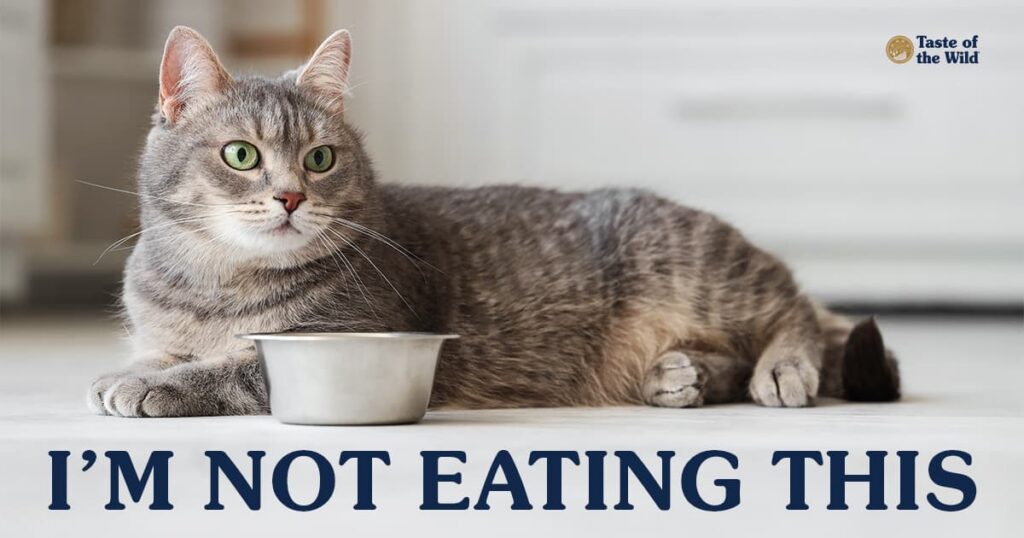
A gray and white cat with green eyes lying on the floor next to a metal cat food bowl.

Is your cat hard to please at the food bowl? Does your feline sniff at cat food with disinterest, then turn their nose in the air and walk away? Do you grovel every night, offering up various delicacies in hopes of finally finding something to please your cat’s discriminating taste buds? Well, the first thing you need to do is rule out a medical issue, and if that’s not the issue, we have some other suggestions to try. 

What Causes Appetite Loss in Cats?

Appetite loss in cats is a symptom, not a disease itself, so identifying the underlying cause is essential. Pain anywhere in the body can lead to reduced appetite or skipping meals. Arthritis, an injury or internal discomfort may make it difficult for a cat to walk to the food dish, lower their head or remain standing long enough to eat comfortably. Senior cats may eat less simply because movement has become uncomfortable. Medical conditions such as kidney disease, gastrointestinal issues or upper respiratory infections can cause a cat’s appetite to change.

One of the most common reasons a cat may stop eating is mouth pain. Dental disease, inflamed gums, broken or infected teeth and advanced periodontal disease can all make chewing painful. A cat with dental pain may approach the food bowl but hesitate to eat, chew on one side of the mouth, drop food or avoid dry food altogether. In addition to dental problems, a cat’s overall health has a significant impact on appetite.

Appetite loss in cats can also occur due to stress or anxiety. A change in a cat’s environment, like moving homes or the addition of a new family member or pet, can cause stress and can lead to other behavior changes, like peeing outside the litter box or over-grooming. You should consult your vet if you notice these behavior changes. 

How Long Can Cats Go Without Food?

Cats generally cannot go very long without eating, and even a short period of food refusal can be a cause for concern. If your cat hasn’t eaten for more than a day, it’s important to contact your veterinarian for guidance. Unlike some species, cats are at risk of developing serious conditions. 

In many cases, treatment of the underlying condition helps their appetite return to normal. Depending on your cat’s specific needs, your veterinarian may recommend pain relief, anti-nausea medication, or even an appetite stimulant to help encourage eating and prevent further complications.

If Your Cat Isn’t Eating, Watch Out for Hepatic Lipidosis

Unlike many other species, cats are particularly vulnerable to developing hepatic lipidosis, also known as fatty liver disease, when they stop eating. This is a potentially life-threatening and dangerous liver condition that can develop after just a few days without adequate calories, especially in cats who are overweight or were previously obese. 

When a cat suddenly stops eating, the body begins breaking down fat for energy. In cats, this fat can accumulate in the liver faster than it can be processed, leading to impaired liver function.

Several risk factors can contribute to the development of hepatic lipidosis. Cats who experience a sudden loss of appetite and rapid weight loss are most commonly affected, but the condition can occur in any cat. Stressful events, such as other animals, new people or a move can cause a cat to stop eating. Underlying medical conditions, including pancreatitis, inflammatory bowel disease, diabetes, cancer and kidney disease, may also trigger appetite loss. In some cases, a cat may develop hepatic lipidosis after escaping outdoors and going without food for several days. 

Recognizing the symptoms early is critical. After a few days of food refusal, a cat should be evaluated by a veterinarian. In addition to a decreased or absent appetite, cats with fatty liver disease often show signs of rapid weight loss, lethargy, vomiting or diarrhea. They may also become withdrawn, hide more than usual and appear less social. Prompt veterinary care greatly improves the chances of recovery.

Why Is My Cat Not Eating but Acting Normally?

If your cat doesn’t have an underlying medical problem but still isn’t eating well, there are several simple strategies you can try to encourage better eating habits. First, consider the location of their food and water bowls. Many cats are sensitive to their surroundings and may refuse to eat if their bowl is placed in an area that has loud noises or high-traffic areas, is near the litter box or in a space shared with other cats. Moving the dish to a quiet, peaceful spot can make a big difference. 

You can also make the food more appealing by adding a small amount of vegetable or low-sodium chicken broth, or tuna juice from tuna packed in water (not oil), to enhance the flavor. Temperature can matter as well. Some cats dislike cold wet food straight from the refrigerator, and gently warming it can enhance the scent, especially for older cats who may have a reduced sense of smell. Just be sure it’s not too hot. On the other hand, if your cat is feeling nauseous, chilling the food slightly may reduce the smell and make it more tolerable.

Keeping the cat food bowl clean is also important, as many cats avoid eating from dirty food dishes with dried-on food. Washing the bowl after every meal helps maintain cleanliness and reduce bacteria. The same goes for water bowls; make sure to wash them to avoid contaminants. If your cat seems hesitant at the bowl, consider switching to a wider, shallower dish or even a plate, as some cats dislike their whiskers touching the sides. 

Changing the type of food may also help. If your cat usually eats dry kibble, you might try canned food, but be sure to transition gradually over five to seven days by slowly mixing more of the new food with less of the old to avoid an upset stomach. Offering smaller, more frequent meals, especially with wet food, can keep meals fresh and reduce waste. Positive reinforcement can also play a role; some cats respond well to gentle praise and petting while they eat, while others prefer quiet and privacy. Finally, avoid preparing home-cooked meals unless you are working closely with a veterinary nutritionist, as it is hard to meet the nutritional requirements for your cat’s diet.

If Your Cat Won’t Eat, Look Toward Cat Food Overload

If your cat refuses food, the problem may be that you’re offering your cat too much of a smorgasbord: from different flavors to different types of food (dry, canned, semi-moist) or even different textures. Some cats simply become overwhelmed. The answer may be to find one food your cat likes and stick with it. Sometimes, they may just have a picky palate!

There can be many reasons why your cat isn’t eating. By working with your veterinarian to treat any underlying illness or adjust their eating habits or food type, hopefully your cat will fall in love with their food bowl all over again.

How to Build a Pet First Aid Kit

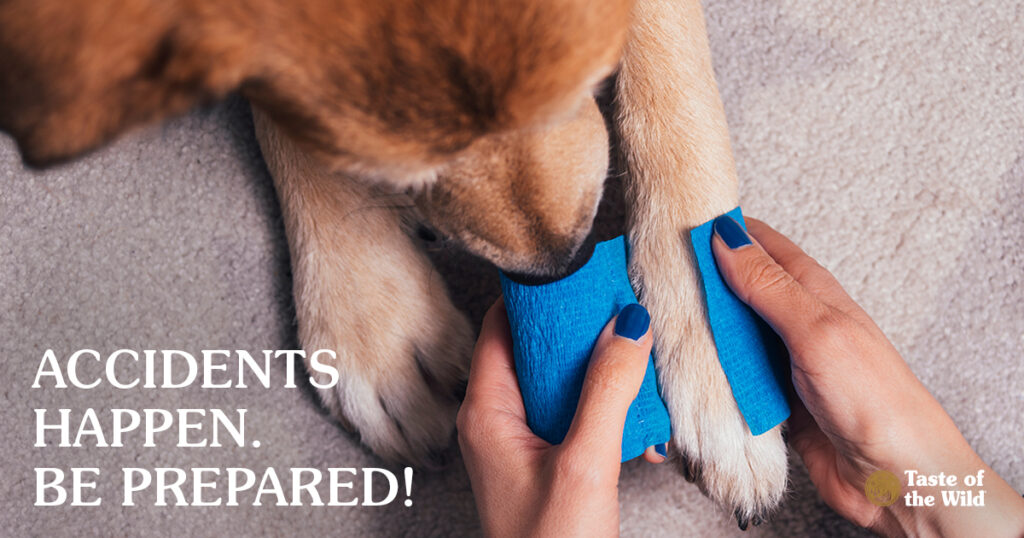
A person putting a blue bandage on the paw of an injured dog.

Accidents happen. Maybe your pet snoops in your purse and chews open a bottle of ibuprofen. Or your dog gets nipped by another at the dog park. Whether your pet’s just not acting like themselves or it’s a medical emergency, you should always call your veterinarian before treating the problem yourself. However, it’s a good idea to have a pet-specific first aid kit on hand. Just in case.

First aid kits come in handy for cases when your veterinarian doesn’t encourage you to come in right away, when the doctor instructs you on how to treat the condition at home, or when an accident needs immediate attention.

When compiling your kit, consider the following:

Important numbers and other information

Phone number for your current veterinarian: Program it into your cell phone.

Phone number for the closest emergency clinic: Especially for evenings and weekends when your regular veterinary clinic may be closed.

24-hour Pet Poison Helpline website: If your pet accidentally ingests a potential toxin.

A list of current medications your pet is taking and vaccine records: Helpful information for a veterinarian who is not familiar with your pet.

Supplies for transporting an injured pet

A soft muzzle: Pets who are distressed, fearful or in pain may bite, so a muzzle may be needed so you can help them; however, you should never muzzle an animal that is vomiting or having difficulty breathing.

A large towel, blanket or stretcher: For carrying an injured pet. A pillowcase may work as a makeshift stretcher for cats.

A kennel or pet carrier: For confining an injured pet in the car.

For checking vital signs

A rectal thermometer and petroleum jelly for lubrication: Normal temperature for dogs and cats is 100 to 102.5 degrees Fahrenheit.

A list of normal values for pets: In adult dogs, the normal respiratory rate is 10 to 35 breaths per minute and pulse is 60 to 140 beats per minute. For cats, a normal respiratory rate is 20 to 30 breaths per minute and heart rate is 140 to 220 beats per minute.

For possible toxin exposure

Hydrogen peroxide 3 percent (watch expiration date): To induce vomiting in dogs. Always call your veterinarian first to determine if vomiting should or should not be induced (some toxins are caustic and can cause additional damage if vomiting is induced). Your veterinarian can advise you on the proper dose. Do not give to cats, brachycephalic (flat-nosed dogs such as bulldogs and pugs) or unconscious animals.

A teaspoon or tablespoon: To measure the hydrogen peroxide.

An oral dosing syringe, bulb syringe or turkey baster: For administering hydrogen peroxide.

For cuts and bleeding

If there’s uncontrollable bleeding, do not treat cuts at home — go to the nearest veterinary clinic.

Disposable gloves: To help keep your hands and the wound clean.

A clipper: For trimming hair around a wound.

Tweezers: For removing thorns and other foreign objects.

A small bottle of gentle dishwashing liquid: For cleaning dirt and debris out of a wound.

Sterile gauze pads and rolls, non-stick gauze pads: For bandaging the wound.

Scissors: For cutting bandages.

A roll of self-cling bandaging or tape: For keeping the bandage in place. Self-cling bandaging is available in most pet stores; be careful not to wrap the area too tightly.

Styptic powder: To stop bleeding if nails are trimmed too short or if nails are torn.

Other helpful items

Diphenhydramine (Benadryl®) tablets or liquid with no other ingredients included: For possible allergic reactions. Your veterinarian can tell you the proper dose.

Small bottle of corn syrup: For diabetic pets, in case of low blood sugar.

Artificial tears or sterile eye solution: For flushing eyes.

Instant ice pack: To help reduce swelling; do not place directly against skin — wrap it in a towel if possible.

Penlight: For looking in the mouth or checking pupil response.

Needle-nosed pliers: For removing fish hooks (cut the barbed end off first). In the case of porcupine quills, do not try to remove yourself — bring your pet to the veterinarian where it can be properly sedated for the procedure.

With any luck, your pet will never have an accident that needs your attention at home. But if he or she does, you’ll be grateful that you’re prepared and ready to help. And PLEASE REMEMBER:
ALWAYS CALL YOUR VETERINARIAN BEFORE TREATING A PROBLEM AT HOME.