

Behind the Breed: Great Danes

A gray and white Great Dane puppy standing in a wheat field on a sunny day.

Have you ever wondered about the origins of a dog breed? In our “Behind the Breed” series we’ll dive into the history, personality and physical appearance of a particular breed. We’ll also cover some of the FAQs about the breed and maybe some fun facts, too!

A Great Dane can be a wonderful companion for the right family. They are known as gentle, affectionate and loyal dogs with a memorable presence. But this breed is also a big commitment in every sense of the word.

Great Dane History

Despite the name, this German breed did not originate in Denmark. The breed was developed from powerful boar hounds and English mastiff-type hunting dogs that were used to hunt wild boar. These early dogs needed strength, speed and courage to help hunters manage large, dangerous animals.

The breed has also been called the German mastiff, and the name became more common in English-speaking countries after the French phrase Grand Danois was translated into English. The name stuck, even though the breed’s history is tied to Germany.

Over time, German nobles and German nobility began using these dogs for more than hunting. They helped protect country estates and were sometimes kept as chamber dogs, staying close to their people for protection and human contact. As the breed moved away from its hunting past, it became more polished, affectionate and better suited to life as a family pet.

Great Dane Size

The size of a Great Dane is one of the first things people notice about this breed. Males are typically 30 inches or taller, while females are usually at least 28 inches tall. Some males may reach around 32 inches or more, making them one of the tallest dog breeds in the world.

Their large size, long front legs, powerful hind legs and deep chest are all part of their impressive appearance. But those same traits also mean pet parents need to think practically. A giant dog needs space to stretch out, a sturdy leash, a large bed and enough room in the house to move comfortably.

Because they grow so quickly, puppies should be monitored closely as they age. Too much weight or intense exercise too early in life can put extra stress on developing bones and joints, which may contribute to joint problems later.

Great Dane Weight

The weight of a Great Dane varies by age, sex, genetics and body condition. Adult males are usually heavier than females, and many healthy Great Danes weigh well over 100 pounds. Because they are such large dogs, even small changes in body condition can add extra stress to their joints, legs and heart. Keeping a Great Dane at a healthy weight is an important part of their care.

Like any breed, Great Danes need food that supports their age, activity level and body condition. It is best to avoid table scraps, cooked bones or foods that could upset their stomach. A consistent feeding routine can help support digestion, and pet parents should ask their veterinarian about meal timing and exercise around meals, especially because bloat is a serious concern for Great Danes.

Great Dane Personality and Temperament

Great Danes are often described as gentle, loyal and friendly. Like any breed, their personalities can vary from dog to dog, but many are affectionate companions who enjoy being close to their people. They may look intimidating because of their size, but many Great Danes are known as gentle giants for a reason.

With proper training and socialization, this breed can do well with children, other dogs, other animals and other pets. However, supervision is important, especially around smaller breeds or young kids. Even a friendly giant dog can accidentally knock someone over without meaning to.

Because they often enjoy human contact, some may struggle with separation anxiety if they are left alone for long periods. Early training, a predictable routine and positive experiences away from their owners can help.

Great Dane Colors

The many colors of the Great Dane coat are part of what makes the breed so striking. Common coat colors and patterns include fawn, brindle, blue, black, harlequin, mantle and merle. Fawn Great Danes are typically golden with a black mask, while brindle dogs have darker striping. Harlequin Great Danes have a white base coat with irregular black patches, and mantle Great Danes have a black and white pattern.

No matter the color, Great Danes have a short coat that is usually easy to maintain. Their coat should look smooth and healthy, and routine grooming can help keep loose hair, dirt and dander under control. Regular nail trims, ear checks and dental care should also be part of their care routine.

Do Great Danes Shed?

While the smooth coat of a Great Dane is short, that does not mean it is shed-free. Most Great Danes shed a moderate amount throughout the year, and you may notice hair on furniture, clothing, rugs and car seats.

Brushing your Great Dane regularly can help remove loose hair before it ends up around the house. Bathing as needed can also help keep their skin and coat clean. If your Great Dane has sudden hair loss, itchy skin, redness, odor or recurring ear issues, talk with your vet.

Great Dane Lifespan

The lifespan of a Great Dane is typically shorter than that of many smaller breeds. Many Great Danes live around 7 to 10 years, though every dog is different. This is one reason the breed is sometimes called a heartbreak breed, because their life expectancy can feel far too short for the families who love them. Genetics, nutrition, preventive care, exercise, weight management and early attention to health concerns can all play a role in a dog’s quality of life.

Common Great Dane Health Issues

Like many large breeds, Great Danes can be prone to certain health issues that owners should understand before bringing one home. Bloat, also called gastric-dilatation volvulus, is one of the most urgent dog health concerns for deep-chested breeds and requires immediate veterinary care. Symptoms may include a swollen stomach, restlessness, drooling, retching without producing vomit and signs of pain.

Other possible concerns can include joint problems, hip dysplasia, heart disease and bone cancer. Because of these risks, regular veterinary care is important. Your veterinarian can talk with you about nutrition, growth, exercise, preventive care and have early conversations about breed-specific risks.

Giant dogs may also cost more to care for than other breeds because food, medicine, beds, surgery and routine supplies are often sized to match the dog. Other large breeds like bullmastiffs can have similar big-dog considerations, so it’s worth planning for both the emotional and practical sides of life with a giant breed.

Is a Great Dane Right for You?

Before bringing home a Great Dane, think about space, training, food costs, grooming, exercise, veterinary care and whether your household is ready for a giant dog. If you are considering a Great Dane puppy, look for a reputable breeder who prioritizes health testing and temperament. You can also check breed-specific rescues for Great Danes in need of homes.

With the right care, training and attention, the Great Dane can be a loving companion whose size is matched only by their heart.
Behind the Breed: Border Collies

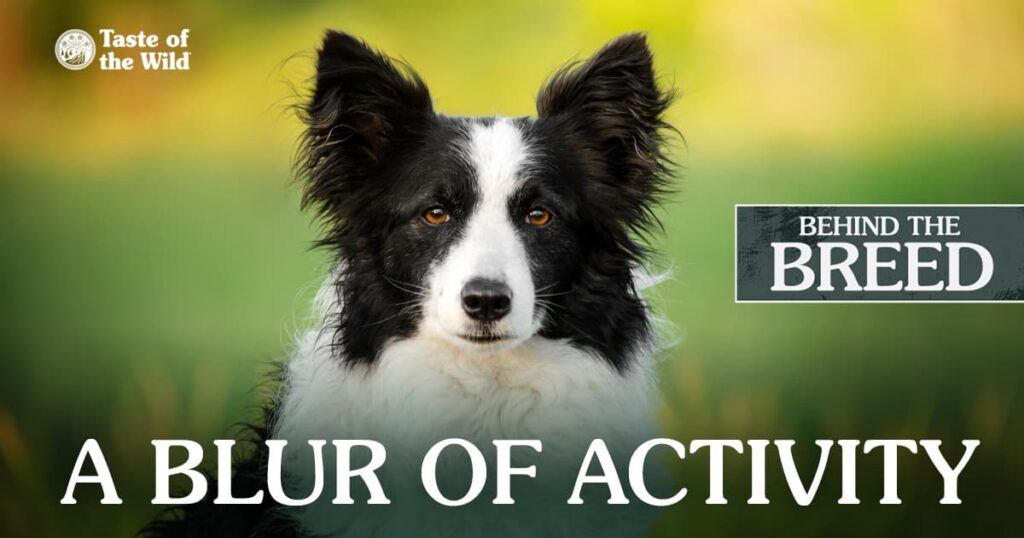
A close-up of a white and black border collie sitting upright outside in the sun.

Have you ever wondered about the origins of a dog breed? In our “Behind the Breed” series we’ll dive into the history, personality and physical appearance of a particular breed. We’ll also cover some of the FAQs about the breed and maybe some fun facts, too!

The border collie is one of the most recognizable herding breeds in the world. Known for intelligence, speed and strong working ability, the border collie breed was developed to move sheep across rough terrain with focus and precision. Originally associated with the border region between England and Scotland, this breed was valued for stamina, alertness and the ability to respond quickly to direction. Today, border collies are still admired for those same traits, whether they are working on farms, competing in dog sports or living with pet parents who enjoy outdoor activities.

Because they are so capable and energetic, border collies tend to do best in homes that can keep them mentally and physically engaged. They are often admired for their problem-solving ability and trainability, but they also need routine, purpose and regular interaction to support a healthy life. 

Border Collie Personality Traits

Border collies are widely known for being intelligent, alert and highly driven. Their temperament is shaped by their history as working animals, and that background still shows up in how they think, move and interact with the world around them. They are quick learners and often respond well to training, especially when they are given consistency, structure and plenty of mental stimulation.

Like many herding breeds, they are often happiest when they have a job to do. That job may be herding livestock, practicing agility, learning advanced commands or joining their owners for outdoor activities. Their strong herding instincts are part of what makes them so impressive, but those same instincts can sometimes lead them to try to herd children, other pets or other dogs if they are bored or under-stimulated.

Similar to Australian shepherds, collies are bred to herd livestock. That working background helps explain why border collies are usually best suited to owners who can provide regular exercise, engagement and training. Without enough activity and direction, they may develop behavioral issues such as restlessness, excessive barking or destructive habits.

Border Collie Size

Border collies are medium-sized dogs with an athletic, balanced frame. In general, border collie dogs stand between 18 and 22 inches tall and weigh about 30 to 55 pounds. Their bodies are built for endurance and quick movement, which makes sense given their history of herding sheep over long distances. Border collie puppies may look fluffy and playful early on, but they quickly grow into athletic adults with impressive stamina and focus.

How Long Do Border Collies Live?

Border collies have a life expectancy of about 12 to 15 years. Their lifespan can vary based on genetics, diet, exercise and overall care, but many border collies can enjoy a long, healthy life when they receive regular veterinary care and a balanced diet. As with many breeds, there are certain inherited conditions owners should be aware of. Border collies can be prone to hip dysplasia and collie eye anomaly. Not every dog will experience these concerns, but responsible breeders often screen for them to help support healthier litters. 

Types of Collies

Even though the names sound similar, the border collie and the collie breed are not the same. Over time, working lines and show lines developed in different directions. The working dog line became the border collie, while the more refined show line became what many people now think of as the collie breed.

Today, when people hear the word collies, they may be thinking of border collies, rough collies or smooth collies. Rough and smooth refer to coat types for the collie breed, while the border collie is a separate breed entirely. That is part of why the phrase “types of collies” can get confusing.

Are Border Collies Hypoallergenic?

No dog is completely hypoallergenic, and border collies are not considered a hypoallergenic breed. Because they have a double coat, they may not be the best fit for people with pet allergies. Border collies shed throughout the year, with heavier seasonal shedding as the weather changes. Because border collies shed year round, regular brushing is especially important. That double coat helps protect them outdoors, but it also means regular grooming is needed to keep them comfortable and their coat manageable.

Are Border Collies Good with Kids?

Border collies can be affectionate, loyal family dogs, but they are not automatically the right fit for every home. Because they are so intelligent and energetic, they do best with families who understand the breed’s needs and are prepared to provide exercise, training and structure. In the right environment, they can become great family pets that bond closely with their people.

That said, they are often better matched with older children who understand how to interact respectfully with animals. Herding instincts may lead them to chase or nip when excited, especially if they have not had enough activity or guidance. As with any breed, supervision matters when children and pets are together.

Border collies can also live well with other pets and other dogs, but they need early socialization. Because they are so responsive, they tend to do best when expectations are clear and daily routines include both physical exercise and mental engagement.

Is the Border Collie Breed Right for You?

Border collies are intelligent, athletic and deeply driven. Their loyalty, responsiveness and working ability can make them incredible companions, but they do best with owners who understand their need for exercise, structure and purpose. While they can be affectionate family pets, they are usually happiest in homes where training, activity and engagement are part of everyday life. For pet parents who are ready to meet the breed’s needs, a border collie can be an exceptional match.

Behind the Breed: German Shepherd

Fun Facts About German Shepherds List

Have you ever wondered where a dog breed originated from? In our “Behind the Breed” series we’ll dive into the history, personality and physical appearance of a particular breed. We’ll also cover some of the FAQs about the breed and maybe some fun facts, too!

German shepherd dogs have many fans. The breed has consistently been in the top five of the American Kennel Club’s (AKC) annual rankings for the most popular dog breed, and it’s easy to see why. They’re one of the smartest dog breeds, known for their strength and loyalty and they’re very protective of their families.

History of German Shepherds

Just like Rottweilers, German shepherds were originally used as herding dogs in Germany. At the end of the 19th century, a German cavalry officer admired German herding dogs but noted they varied in appearance by region of the country. He made it his mission to create the ideal herding dog. In 1908, three German shepherds were imported to the United States and the German Shepherd Dog Club of America was founded in 1913.

When the United States entered World War I, Germany was considered the enemy, so the AKC renamed the breed “Shepherd Dog,” and the British followed suit, calling the dogs “Alsatian Wolf Dogs.” In 1930, the Shepherd Club of America had a change of heart, inserting the word “German” before “Shepherd” in their name. They are still commonly referred to as Alsatians in the United Kingdom.

Are German Shepherds Smart?

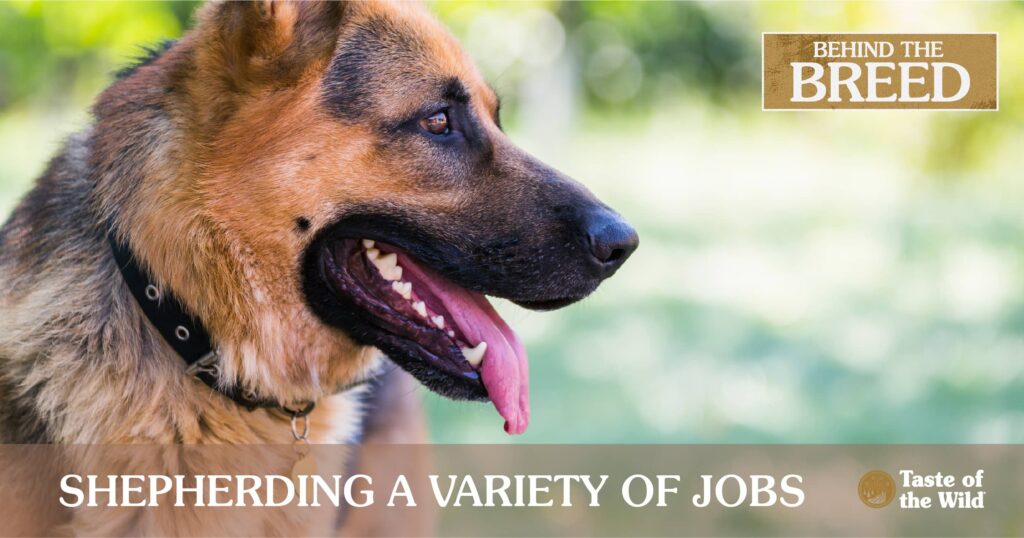
As one of the smartest dog breeds, these multi-talented dogs are eager to work, and they’ve held a wide array of jobs over the decades. Originally bred as herders, their intelligence has also led them to be trained as service dogs, guide dogs and guard dogs, as well as police dogs that apprehend criminals and detect illegal substances. They’ve also joined the military and worked as search-and-rescue dogs. Whew!

When they’re not on the job, German shepherd dogs are known to be outstanding athletes, snagging the blue ribbon in sports such as agility, rally, tracking, obedience and herding.

Are German Shepherds Good with Kids?

German shepherds are loyal and protective dogs that love to work and defend their families. The German shepherd’s temperament is not naturally aggressive, but they do need to be socialized and trained as puppies to ensure they’re well-behaved adults. German shepherds are high-energy dogs that need plenty of physical exercise and mental stimulation, so they are perfect for active families that have the time to give them the attention they need.

German Shepherd Size

German shepherd dogs can vary in size from 50 to 90 pounds and max out at around 26 inches tall. They are considered a medium to large dog that belongs to the herding group. Due to their large size, care should be taken around small children that might get accidentally bumped by their German shepherd friend.

Types Of German Shepherds

German shepherd dogs come in a variety of colors. The most common colors in the breed standards are black and tan as well as sable. They can also have rarer coat colors, including all black, all white, and Isabella blue (liver-sable). Isabella, black and white German shepherds are produced when the parents pass on two recessive genes for that color.

Do German Shepherds Shed?

German shepherds have a double coat — a soft undercoat and a coarse outercoat. They are considered heavy shedders, so you’ll need to have that comb handy. They tend to shed year round with even heavier seasonal shedding twice a year. Daily grooming will help limit a fuzzy layer of hair all over your couch (and the people in your home).

German Shepherd Lifespan

According to the AKC, the lifespan of German shepherd dogs is between 12 to 14 years. German shepherds are susceptible to a number of health conditions, including elbow and hip dysplasia, degenerative myelopathy (causes paralysis of the back legs) and eye and ear problems. A reputable breeder will screen for these conditions. Just like Saint Bernards, German shepherd dogs are susceptible to gastric dilatation-volvulus (GDV) — a life-threatening condition that occurs when the stomach becomes gas-filled, distended and twisted on itself, resulting in an obstruction.

An intelligent dog that is loyal and protective of their family is what you’ll get with a German shepherd. They’re an athletic breed that excel as working dogs. Just make sure you’re prepared for their high energy and grooming needs.

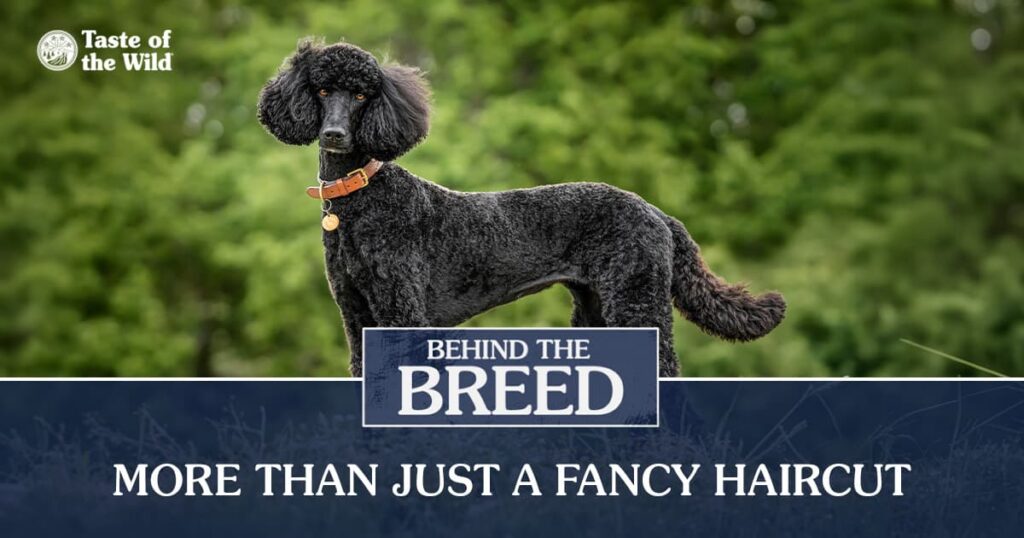
Behind the Breed: Standard Poodle

A black standard poodle with curly fur standing outside in green grass with green trees in the background.

Have you ever wondered about the origins of a dog breed? In our “Behind the Breed” series we’ll dive into the history, personality and physical appearance of a particular breed. We’ll also cover some of the FAQs about the breed and maybe some fun facts, too!

When you picture a standard poodle, you might imagine an elegant, impeccably groomed dog with a distinctive coat and an air of sophistication. But there’s much more to these dogs than their glamorous appearance. So how did the standard poodle become one of the world’s most recognizable breeds?

History of the Standard Poodle Breed

Although they are commonly referred to as “French” poodles, these dogs actually have their origins in Germany. The standard poodle dates back at least 400 years and was initially used as a duck-hunting dog. The breed’s hunting history is reflected in its name: the English term “poodle” is derived from the German word “Pudelhund,” which combines “hund” (meaning dog) and “pudel” (meaning puddle), stemming from the term “pudeln,” which means “to splash about in water.”

In 1887, the American Kennel Club (AKC) officially recognized the breed. However, it wasn’t until the aftermath of World War II that poodles truly captured the hearts of dog lovers across the United States. In fact, they were the AKC’s most registered breed from 1960 to 1982.

What Were Poodles Bred For?

Standard poodles were originally bred as working water dogs, prized by hunters for their intelligence, agility and natural retrieving ability. Similar to another curly-haired dog breed, lagotto romagnolo, they were trained to retrieve waterfowl. These dogs would leap into ponds and rivers to retrieve downed birds; the standard poodle has a remarkably gentle “soft mouth,” which helped prevent damage to the game. Another trait that makes the standard poodle such a great water dog is that they have webbed paws that allow them to swim efficiently.

So beneath that elegant haircut is a dog built for action. The distinctive poodle clip was not originally designed simply for fashion, either; it was intended to balance warmth and mobility, leaving hair over joints and vital organs while keeping the rest of the coat relatively short for easier movement when swimming.

Today, you can find poodles competing in dog shows across the country. Active, athletic and highly intelligent, they excel in conformation, obedience and agility events.

Types of Poodles

Poodles are recognized as three sizes: toy, miniature and standard. Regardless of size, all poodles belong to the same breed, and most of their characteristics are similar. However, there are some differences among the sizes.

The toy and miniature poodles are believed to have been bred from standard poodles around the 1400s. Toy poodles were developed as companions for royalty in France, while miniature poodles were used for hunting forest truffles.

Poodle Sizes

Standard poodles are the largest, standing over 15 inches tall at the shoulder, while miniature poodles are over 10 inches but no more than 15 inches tall. Toy poodles are the smallest, standing 10 inches or less. No matter what size poodle you choose, they can make a wonderful companion, depending on a family’s lifestyle and preferences.

Generally, standard poodle pups will weigh around 10 to 16 pounds at 8 to 10 weeks old. Their body will continue to grow rapidly, and they typically reach their full mature size of approximately 60 to 70 pounds between 12 and 18 months of age.

Do Poodles Shed?

Poodles do shed, but they are considered a low-shedding dog breed. Unlike dogs whose loose hair falls easily around the house, a poodle’s fine, curly hair and dander tend to become trapped in the fur. Because poodles also have a long hair-growth cycle, they shed slowly rather than losing large amounts of hair at once.

However, poodle hair continues to grow and can quickly become tangled if it is not properly maintained. Regular brushing and combing to remove loose and dead hair are essential to prevent matting, knots and tangles in their curly coats. Without routine grooming, the curls can tighten and form cords or severe mats that can become difficult to remove. Regular baths, along with brushing, help keep the coat clean, healthy and free of matting. Grooming and regular trimming are especially important for maintaining a manageable poodle coat.

Their low-shedding coat makes poodles a popular choice for people who prefer less hair around the house. Although no dog is completely hypoallergenic, poodles are often considered a good option for people with mild allergies because they typically shed less than many other breeds. Still, their unique coat needs to be frequently cared for to keep those beautiful curls soft, healthy and tangle-free.

How Long Do Poodles Live?

The typical standard poodle lifespan is 10 to 18 years, although individual lifespan varies. Proper nutrition, mental stimulation, genetics, routine veterinary care and regular exercise all help support a healthy life.

Standard poodles can be prone to several inherited and genetic health conditions, including hip dysplasia. Hip dysplasia occurs when the hip joint develops abnormally and can lead to joint instability, pain, and arthritis over time. It’s important to watch your poodle’s food intake to ensure they maintain a healthy body weight, which can help reduce stress on their joints. Regular, age-appropriate exercise helps support muscle strength, mobility and overall joint health.

Von Willebrand disease is an inherited blood-clotting disorder that is recognized in standard poodles. This condition is caused by a low concentration of the von Willebrand factor protein. Interestingly, von Willebrand disease can also occur in humans. Breeders may use DNA testing to identify genetic risks before breeding.

Another health concern for standard poodles is epilepsy, including idiopathic epilepsy, which is characterized by recurrent seizures without an identifiable underlying cause. Idiopathic epilepsy is an important cause of recurrent seizures in dogs and most commonly first appears in dogs between the ages of 1 and 5 years.

Additionally, some poodles may be predisposed to eye disorders, thyroid issues, gastric dilatation and volvulus (bloat), Addison’s disease (hypoadrenocorticism) and sebaceous adenitis. Pet parents should consider discussing with their vet appropriate screenings based on their dog’s age, family history and individual risk factors. Not every poodle will develop these conditions; owners need to work with a vet to monitor their dog’s behavior, eating habits, movement and overall health.

The standard poodle is a well-known dog breed recognized for its intelligence, energetic nature and athleticism. Standard poodles are typically eager to please their owners, making them wonderful companions for families with children and individuals alike. With proper care, diet, training and attention, standard poodles can be loyal and loving pets for many years.