


Probiotics Maintain the Natural Balance for Your Pet

Taste of the Wild

The digestive tract is more than a conveyor belt for processing food. It’s also the largest immune organ in the body. As such, it’s believed to play an important role in your pet’s overall immune function and health. And probiotics are essential to helping it do the job.

Much of the digestive tract’s ability to affect immunity depends on the balance of beneficial and potentially harmful bacteria inside the digestive tract. Normally, these bacteria help digest food, absorb nutrients, support intestinal function, manufacture vitamins and modulate the immune system.

But the natural balance of these bacteria in your pet can be disrupted by a number of factors such as sudden diet changes, garbage ingestion, the stress of boarding or travel, and even antibiotics. This can cause an increase in harmful bacteria at the expense of beneficial bacteria, leading to diarrhea and sometimes vomiting.

Restoring the balance with probiotics

Oral administration of live, beneficial bacteria, or probiotics, in the right amounts may help boost the number of beneficial bacteria in the digestive tract and reduce the number of harmful bacteria. Although scientists are still learning about probiotics, studies in both human and veterinary medicine have shown promising results. Human studies, for example, indicate that probiotic administration may help with intestinal disease, diabetes, some skin allergies, weight loss, liver disease and more.

The nutritional benefits for pets may also extend beyond resolving diarrhea. One study in puppies, for example, showed that probiotics may help improve their immune response to vaccination.

How probiotics work

While probiotics are still being studied, it has been suggested that they work by making the intestinal environment less welcoming for harmful bacteria. These beneficial bacteria may make the surrounding area more acidic, take up adhesion sites on the intestinal lining, use up more nutrients and even produce compounds that might destroy the harmful bacteria.

All probiotics aren’t the same

The next time your pet has diarrhea, you might be tempted to feed him grocery store yogurt, with active bacterial cultures. But the same probiotics that may help people might not do the trick for animals. There is some evidence that species-specific probiotics, containing the particular strains of bacteria normally found in the dog or cat’s digestive tract, may deliver better results.

Of course, it doesn’t matter if the probiotic contains the right bacteria if they can’t survive manufacturing, storage or the acids in a pet’s gastrointestinal tract. So probiotics must undergo rigorous testing to ensure they’re viable in the animal. Testing is also important to make sure the bacterial strains are safe for the animal, capable of enhancing the bacterial balance in the gut, and ideally, able to positively impact the immune system.

Probiotics for pets are typically available in pill and powder form, or may be part of a nutritious diet. For example, every Taste of the Wild dry canine formula is enhanced with K9 Strain® Probiotics and every Taste of the Wild dry feline formula contains Viables® Probiotics. These strains are added after the cooking process to help ensure the beneficial bacteria are alive and able to support healthy digestion for your pet.

As always, if you have any questions about how probiotics can help your pet, talk to your veterinarian.
Healthy Snack Choices to Tip the Scales in Your Pet’s Favor

Taste of the Wild

Food is love, right? We embrace our pets with tasty morsels as a reward for going potty. Or a buttery biscuit slipped under the kitchen table. And a scoop of ice cream while watching TV. So is it any wonder that an estimated 56 percent of dogs and 60 percent of cats in America are overweight or obese?

But pets are often the real losers when we show this kind of love. Overweight dogs have been shown to live an average of two years less than their lean counterparts. And extra weight puts pets at risk for all kinds of health problems, from diabetes, arthritis and high blood pressure to heart and lung disease, cranial cruciate ligament injury and numerous types of cancer.

So if you really want to show your pet how much you love him or her, consider switching to healthy, low-calorie treats. And remember, if you don’t want your pet’s diet to become unbalanced, treats should never account for more than 10 percent of the total calorie allotment for the day. When in doubt, ask your veterinarian how many calories your pet should be eating daily, and if there’s a treat available from your favorite pet food manufacturer, don’t hesitate to ask about it as well.

FOR DOGS, THINK FRUITS AND VEGGIES

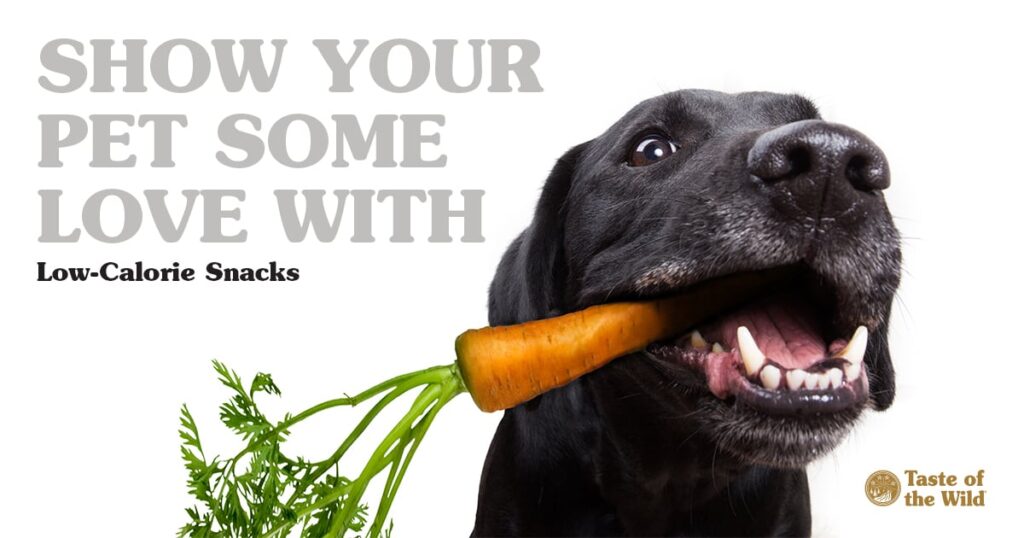
Most dogs are more than happy to crunch on a raw carrot. Same goes for green beans, broccoli, cauliflower, asparagus, celery, cucumber, zucchini and even cubes of baked sweet potato. You can slice ’em, dice ’em and even cook vegetables, too. And there’s no need for butter, salt or candied sauce — most dogs like veggies just the way they are.

Popular fruits for dogs include bananas, pears and apples (just don’t feed the apple core or seeds). Strawberries, raspberries, oranges and blueberries are OK too. You can even puree fruits like pumpkins and seedless watermelons and freeze them inside a Kong. Just don’t go overboard because too many fruits and vegetables could lead to gastrointestinal upset.

A handful of air-popped popcorn, without added salt, is another low-calorie alternative.

There are, however, some fruits and vegetables you definitely don’t want to give dogs because of potential toxicity. These include grapes, raisins, currants, onions, garlic, chives and leeks. It’s also best to avoid fruits with large pits, which could pose a choking hazard or result in a digestive tract obstruction.

Good and Bad Fruits and Veggies for Pets Chart | Taste of the Wild

WHAT ABOUT CAT TREATS?

Cats, being carnivores, are all about lean meats and fish. A few bites of salmon, tuna or lean chicken will most likely elicit a purr. Raw vegetables, including carrots, green beans and broccoli are fine as long as they are cut into tiny pieces. To avoid a choking hazard, cooking the vegetables may be a better option. A spoonful of canned pumpkin (without added spices) can provide your kitty with added moisture and fiber, too.

Surprisingly, many cats are fond of fruits such as cantaloupe and watermelon. But it’s not the sugary flavor they’re after, since cats can’t taste sweetness.

Garlic, onions, chives and leeks are also on the no-no list for cats because of potential toxicity.

With so many healthy options for your pets, you can treat them with love and still help them keep their svelte shape.

Why Mutts? Why Not?

Taste of the Wild

Purveyors of designer dogs recently discovered what mutt owners have known all along: Amazing things happen when you mix things up.

Although breeders can command large sums for crossbred dogs such as labradoodles, puggles, schnoodles (schnauzer and poodle) and chugs (Chihuahua and pug), mutts really aren’t that different — their genetic decks are just shuffled a bit more.

To help celebrate National Mutt Day on July 31, we’re honoring mixed-breed dogs with a list of things that make them so great.

Mutts are the most popular dogs in America

According to the American Humane Association, mixed breed dogs account for 53 percent of all dogs in the United States. Why are they so popular? Maybe it’s because you can get a dog that’s as one-of-a-kind as you are.

They’re anything but cookie cutter

If variety really is the spice of life, mutts can add more zest. After all, they come in every shape, size and color imaginable. Whether you prefer long or short curly coats, sweeping tails or little nubs, smooshed-in noses or elegant snouts — even freckles — there’s no doubt that there’s a mutt out there with the perfect combination of features you have in mind.

They bring out the best in you

If you’ve got a soft heart, look no further than your local animal shelter. According to a recent study, approximately 95 percent of the dogs in shelters are mutts.  Adopting a mutt is a win/win: You can feel good about giving a deserving dog a place to call home and you get a great companion in the bargain.

They’re conversation starters

At the dog park, people can’t resist guessing whether your dog is a papillon-Lhasa apso mix or a Bedlington terrier-cocker spaniel combination.  You can keep them guessing or you can submit a doggie DNA sample to help you identify the branches and leaves on your pup’s genealogical tree

They’re no less (or more) healthier than purebreds

For years, it was generally accepted that mixed-breed dogs were healthier than purebreds because they swam in a deeper genetic pool. A recent study examining 24 genetic disorders shows that may not necessarily be the case. While purebred dogs had a greater risk of developing 10 of the disorders than mutts, another 13 disorders seemed to affect both purebreds and their mixed counterparts, including hip dysplasia, cancers and patellar (knee) luxation.

Moral of the story: Mutts may be more likely to escape some genetic disorders but not all of them. With a DNA test, you might be able to determine breeds most likely in your pup’s mix, so your veterinarian may be able to monitor or screen for genetic diseases associated with those breeds.

They’re just like us

If the popularity of human DNA genealogy tests is any indication, aren’t we essentially mixes ourselves, just trying to determine our own personal ancestry? As such, it’s easy to understand why mixes of the canine kind are so deserving of our love.

Dog Food Ingredients: Learning How to Read Dog Food Labels

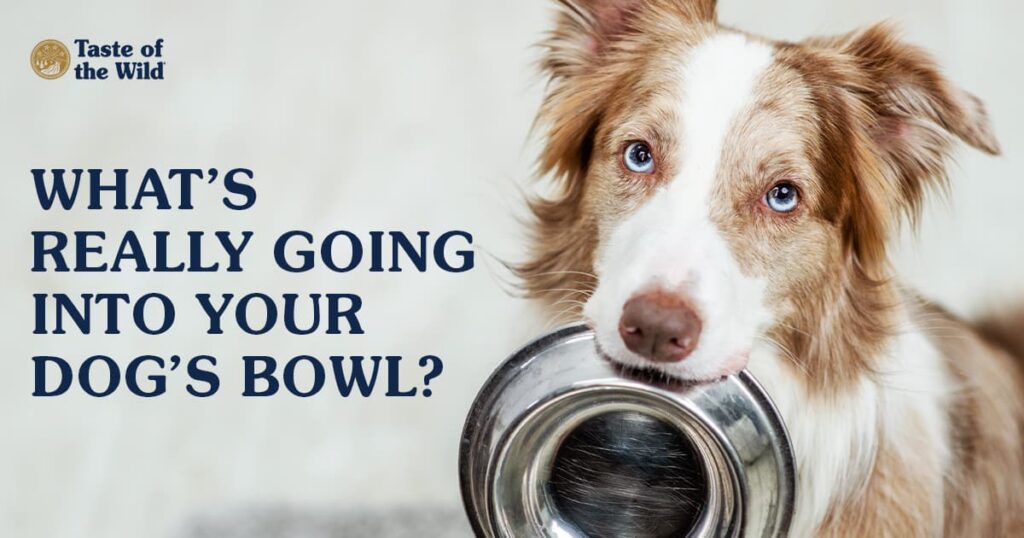
A brown and white border collie with bright blue eyes looking up while holding an empty metal food bowl in its mouth.

Walking down the pet food aisle or shopping for dog food online can be an overwhelming experience. With thousands of options available, how do you know which food is right for your dog? A good place to start is the dog food label. Learning how to decode it will help you know what to look for when searching for a healthy diet for your dog.

What Information Is on Dog Food Labels?

The information found on dog food packaging is either required or optional, and some sections are more helpful than others when choosing a food. All pet foods must meet the Food and Drug Administration’s (FDA) standards for sale. Under current federal and state regulations, all dog food labels are required to include specific information stated in particular ways:

  • Brand and product name
  • Pet species the product is intended for (e.g., dog)
  • Net weight of the food in the package
  • Guaranteed analysis of specific nutrients
  • Nutritional adequacy statement, which tells the type and the dog’s life stage the product is suited for
  • List of all ingredients in descending order by weight, including water
  • Feeding instructions
  • Calorie content
  • Best by or expiration date
  • Manufacturer’s or distributor’s name and address

While pet food labels are factual, they’re also used to capture your attention in order to provide additional information about product features and benefits.

Pet Food Label Modernization Project

Many pet food regulations are based on guidelines established by the Association of American Feed Control Officials (AAFCO). The Pet Food Label Modernization project was started by AAFCO to align pet food labels more closely with human food labeling and improve consumer understanding. The timing for completion of the project varies by state, but you may notice pet food brands transitioning their labels over the next few years. These changes apply to all pet and specialty pet foods, including complete foods, treats, supplements and mixers.

Changes to the label include: 

  • A “Pet Nutrition Facts” box that looks similar to a human food label
  • Calories stated using common household measurements (e.g., calories per cup)
  • The nutritional adequacy statement relocated to the bottom of Pet Nutrition Facts for easy location
  • The intended use statement required on the lower third of the main display panel to easily identify the intended life stage and purpose of the food
  • Updated ingredient statements to clarify the use of parentheticals and common or usual names
  • Standardized handling and storage directions, and creation of optional icons

How Are Dog Food Ingredients Listed on the Label?

When choosing a dog food, many pet parents begin by checking the ingredient list. Ingredients are listed by weight, which means items with higher water content — such as animal proteins (chicken, lamb, beef or fish), as well as vegetables — often appear before dry ingredients like lamb meal or duck meal, even when the dry ingredients may provide more concentrated nutrition.

Protein sources are especially important because they help support muscle growth, tissue repair and energy needs. Pet food manufacturers can supply the protein and amino acids found in dog foods from three categories: animal-based ingredients, plant-based ingredients and amino acid supplements.

Several protein sources are often combined in pet foods to optimize the amino acid profile and overall nutrient composition of the finished diet. This practice is known as protein complementation, and it’s used because different protein ingredients contain different amounts of essential and nonessential amino acids. That’s why it’s common to see dog foods with one or more animal proteins, plant proteins and amino acid supplements.

Carbohydrates like rice, oats or sweet potatoes provide energy, while fats supply essential fatty acids that support a healthy coat and skin. Vitamins, minerals and antioxidants are also added to promote immune function and overall well-being. Some formulas include ingredients such as glucosamine, probiotics or omega-3 fatty acids (such as fish oil) for joint, heart and gut health.

It’s important to remember that dogs require nutrients — not specific ingredients. Ingredients are simply the sources of those nutrients. In addition to delivering nutrition, ingredients contribute to flavor, texture and freshness, helping create a food dogs enjoy eating while supporting their overall health.

What Is a Complete and Balanced Dog Food?

Although AAFCO does not directly regulate the pet food industry, it sets recognized standards for complete and balanced pet nutrition. “Complete and balanced” means the food provides all essential nutrients for the intended life stage when fed as directed. Dog food can only be labeled as providing complete and balanced nutrition if it meets or exceeds AAFCO’s minimum nutritional requirements or has successfully completed recognized feeding trials.

When selecting a dog food, look for statements indicating that the product is formulated to meet AAFCO nutritional standards or that its claims have been validated through AAFCO feeding trials. The nutritional adequacy statement provides several important details: 

  • Whether the food is complete and balanced, or intended only for supplemental or intermittent feeding 
  • The life stage the food is designed for 
  • How the manufacturer determined the food is complete and balanced

It is also important to choose a pet food produced by a reputable and knowledgeable company that follows rigorous quality control and food safety practices. Taste of the Wild recipes are determined to be complete and balanced by formulation, which is supported with testing of the finished food to verify the presence of key nutrients. Taste of the Wild dog food is made in manufacturing facilities in the United States.

Ingredients to Look for in Dog Food

Some ingredients in pet food provide additional features beyond basic nutrition when used as part of a complete and balanced diet. These “functional” ingredients include whole grains, fruits and vegetables, flaxseed and fish oils for key omega fatty acids, prebiotics and probiotics. 

Every Taste of the Wild dry canine recipe is enhanced with K9 Strain® Probiotics: good bacteria that are added to our recipes to help support healthy digestion. Other functional ingredients included in our recipes include:

  • Blueberries: Rich in fiber and antioxidants, blueberries are considered to be a superfood.
  • Carrots: Rich in vitamin A and like sweet potatoes and pumpkin, carrots get their color from beta-carotene, a powerful antioxidant.
  • Green or yellow peas: Ground to a flour consistency, this carbohydrate source is also a source of protein, fiber and plant-based nutrients such as antioxidants and vitamins.
  • Dried tomato pomace: A fiber source that helps support digestive health and firm stools. Sourced from tomatoes, it contributes vitamin C, lycopene and other important antioxidants.
  • Raspberries: These berries contain antioxidants that help support overall good health.

Ingredients to Avoid in Dog Food

The FDA requires that all ingredients in commercial pet food are safe and have been approved for use. If pet owners are not buying commercially manufactured dog food, they should check that it does not contain ingredients that are toxic to dogs such as garlic, onion, macadamia nuts or chocolate. You should also avoid purchasing dog food with ingredients that you know your dog has sensitivities or allergies to.

Feeding Guidelines for Dog Life Stages

A complete and balanced dog food should provide the essential nutrients dogs need, including protein, fats, carbohydrates, vitamins and minerals. The ideal balance of these nutrients depends on factors such as age, breed size, activity level and overall health. For example, highly active dogs and large-breed dogs often have different nutritional requirements than smaller or less active dogs.

Understanding nutrient requirements is especially important for growing puppies. Puppies require a complete and balanced diet specifically formulated to support healthy growth, strong bones and developing immune systems. 

Adult dogs, on the other hand, benefit from formulas designed to maintain long-term health and energy needs. Senior dogs may require special feeding care because their nutritional needs change with age. As dogs grow older, they often become less active and may gain weight more easily, so they usually need fewer calories than younger adult dogs. Their diet should contain high-quality protein to help maintain muscle mass, along with moderate fat levels and added fiber to support healthy digestion. Many senior dog foods also include nutrients such as glucosamine and omega-3 fatty acids to help support joint health and mobility.

Dogs with certain medical conditions may benefit from therapeutic or veterinarian-recommended diets that help manage symptoms and support overall well-being. Every dog is unique, and feeding habits should reflect individual preferences, lifestyle and health status. The amount, type and frequency of food can vary depending on a dog’s activity level, metabolism and individual needs. 


Dog food labels provide an important tool for pet food manufacturers to communicate nutritional information to dog owners. If you are still unsure of what to feed, your veterinarian can help you select the right food for your dog.

Is My Cat Overweight? Cat Obesity Signs and Management

An extremely overweight gray and white cat walking outside in the sun.

A few extra pounds may not seem like a big deal, but carrying excess weight can have meaningful effects on the overall health and long-term well-being of your cat. Even gradual weight gain can influence how your cat moves, rests and regulates basic bodily functions, often before obvious changes are easy to spot. That’s why it’s important to regularly check your cat’s body condition and make sure all that fluff really is just fluff. 

What Is the Average Weight of a Cat?

There is no single number that defines a healthy cat’s weight. Your cat’s ideal weight depends on their breed, age, body frame, lean muscle mass and daily activity level. While many adult cats fall within a general range of 8 to 12 pounds, this is only a starting point and does not apply to every cat.

For example, two cats with the same body weight may fall into different weight categories based on muscle tone and fat distribution (e.g., a 20-pound Devon rex vs. a 20-pound Maine coon). This is why determining your cat’s ideal weight is best done with veterinary guidance, using both physical assessment and overall health history.

Are Overweight Cats Common?

Overweight and obese cats are increasingly common, and, unfortunately, that’s not good. An obese or overweight cat is at increased risk for a number of health conditions, including heart disease, arthritis, high blood pressure, diabetes, urinary tract diseases and liver disease. Excess weight also places added strain on their joints, which can make everyday movements like jumping, climbing and grooming more difficult.

Over time, reduced mobility may lead to lower activity levels, creating a cycle that makes further weight gain more likely. Obesity in cats has also been associated with a shorter life expectancy in cats, as chronic conditions linked to excess weight may develop earlier and progress more quickly. 

Because cats are naturally skilled at masking discomfort, weight-related issues may go unnoticed at first. Subtle changes in their behavior, such as less interest in play or hesitation when jumping, are often attributed to normal aging rather than the early effects of excess weight.

Is My Cat Overweight?

The best way to tell if your cat is overweight is to assess their body condition. Veterinarians use a standardized body condition score to classify whether a cat is underweight, at a healthy weight or overweight. This approach provides a consistent way to evaluate body fat and guide weight management decisions. Because body condition can change gradually, periodic at-home checks you can do yourself can also help identify early shifts.

A healthy weight is typically indicated when a cat’s ribs are easy to feel beneath a thin layer of fat, a slight waistline is visible when viewed from above and their abdomen gently tucks upward when viewed from the side.

First, gently run your hands along your cat’s sides. You should be able to feel their ribs easily beneath a thin layer of fat. If their ribs are difficult to feel or require firm pressure, excess weight may be present. Next, look at your cat from above. When viewed from this angle, a healthy cat typically shows a slight waist or indent behind their ribs. Now look at them from the side. A sagging belly or lack of abdominal tuck can indicate extra weight. Take your cat for a checkup if you’re concerned that they are showing signs of excess weight. 

Why Is My Cat Getting Fat?

The simple, scientific answer is that weight gain occurs when calorie intake consistently exceeds energy use. But why does this happen? Indoor cats are particularly prone to weight gain because they typically burn fewer calories than outdoor cats and may have fewer opportunities for spontaneous movement.

Common lifestyle contributors include free feeding, oversized portions, frequent treats (including human foods), reduced activity levels and changes following spaying or neutering. In homes with more than one cat, shared feeding spaces can also complicate portion control and lead to overeating.

Environmental factors play a role as well. Limited vertical space and predictable routines can reduce daily movement. Over time, even small calorie excesses can add up, leading to gradual weight gain that may go unnoticed if unchecked. That’s why it’s important to limit treats to less than 10 percent of your cat’s total daily calorie intake — no matter how much they complain about it. 

How to Help My Cat Lose Weight

If your veterinarian has advised that weight loss is needed for your cat, the goal should always be gradual progress rather than rapid restriction. Sudden reductions in food intake can be harmful and may increase the risk of hepatic lipidosis, which can be serious for cats. A steady, measured approach is safer and more sustainable.

Start by working with your vet to rule out underlying health issues, unexplained weight gain or age-related changes, particularly in older cats. Your vet can help determine a target weight, calculate appropriate calorie intake and recommend a feeding plan tailored to your cat’s needs.

Portion control plays an important role. Free feeding often leads to overeating, especially for indoor cats with limited opportunities for physical activity. Measuring the amount of food your cat has access to helps regulate calorie intake and reduces the risk of unintentional overfeeding. Any uneaten food in the bowl should be removed between meals to discourage grazing.

Feeding routines can also be adjusted to encourage movement and mental stimulation. Using a feeding toy, placing food on cat trees or feeding cats in separate rooms in a multi-cat household can help increase activity while preventing competition or food sharing.

Exercise supports both weight management and overall wellness. Interactive play, climbing, chasing toys or even exploring a cardboard box can help maintain lean muscle mass and support long-term weight loss. Short, regular play sessions throughout the day are often more effective than occasional longer sessions.

Monitoring is important to make sure your favorite feline is making weight-loss progress. Your veterinarian can make adjustments (if necessary) to your cat’s diet or exercise plan to help keep them on track toward a better quality of life and prevention of obesity-related diseases.

Off the Beaten Path: How to Hike with Your Dog

Taste of the Wild

With summer right around the corner, it’s time to think about ways to get out and enjoy the nice weather. A great way to soak up those rays is by getting outside and hitting the trails — and your pooch probably agrees! Here are some things to keep in mind as you get ready to take your dog hiking.

Is Your Dog Ready?

Trail Etiquette
The last thing anyone wants when they’re hiking is an unruly dog that lunges at them when they pass by. According to the hiking experts at REI, an outdoor outfitter based near Seattle, Washington, knowing what sorts of situations can set your dog off is important to avoid an aggravated pooch or fellow hikers.

Additionally, be sure to know the leash laws for any dusty path you venture down with your dog. You can usually find the specific leash requirements for your chosen trail by looking at the “rules and regulations” section of a park’s or municipality’s website. Many trail maps will mention the regulations as well. When in doubt, however, always leash your dog.

To help your dog become more comfortable with hiking, start out by trying low-traffic trails. This may mean trying out hiking during the off-season.

Physical Capabilities
Even if your dog is raring to go, some trails may be too much for them. Know what sort of exercise your dog is capable of and make sure that the trail is a good fit for you and your dog’s expertise level. For those dogs who aren’t used to hiking, Dogster recommends building “endurance with shorter hikes before attempting longer, more difficult ones.”

What to Pack

Being prepared for your hike means knowing what to pack. REI lists some basic hiking gear that you should pack for your pup:

  • Food and water (and dishes)
  • First aid pack
  • Booties, vests or coats
  • Leashes

Doggy Packs
If you expect your hiking buddy to carry their own pack, ease them into it. Putting a loaded pack on your dog and assuming that they will be fine rarely pans out well. REI offers some helpful advice for easing your dog into carrying their own gear on a hike:

If you want your pet to carry some of the load, start off by having him or her wear a pack around the house, then on short walks, then longer walks. You should also start with lighter loads. It’s safe to work to up to one-third of your dog’s weight if your dog is in healthy physical condition. For dogs who are older or in poor physical condition, consider leaving them at home with friends. They’ll be much happier… and safer, too.

Feeding Your Active Dog

To help your dog keep up with you on the trails, it’s important to feed them food that offers ingredients with higher protein and fat than the average dog food. A good source of energy for active dogs is the Ancient Wetlands Canine Recipe with Roasted Fowl. Read more about this product to find out if it’s the right fit for your furry pal.

After the Hike

Chances are good that your pup is going to sleep like a baby after a long hike. But before they are down for the count, check your dog for ticks or injuries.

Since dogs burn energy faster than humans, it’s important to pack some food for your tired and, most likely, hungry dog to munch on after the hike.

Train Your Dog to Herd Backyard Chickens

Taste of the Wild

Backyard chicken herding can be a relief for the hobby farmer for two reasons: first, it allows your chickens to range freely in the yard without hassle from predators; and second, it provides stimulating exercise for your pooch.

However, while your dog may have natural herding instincts, in order to successfully herd chickens, he or she will need training to learn to be gentle around the fowl and successfully herd them back into their coop.

Is my dog right for herding?

Herding dogs possess natural instincts and high intelligence, making them ideal for household and farming tasks.

The most common chicken-herding dogs are:

  • Australian shepherd
  • Border collie
  • Shetland sheepdog
  • Great Pyrenees
  • Collie
  • Welsh corgi

Other dogs can certainly learn to herd chickens — it’s just a bit easier to start with a breed that naturally enjoys the task.

Training your dog

Teaching your dog new skills

According to dog behaviorist and expert trainer Carolyn Georgariou, the key to your dog becoming a herding master is learning how to leave it. While your dog should know all the basics, such as come, heel, lie down, sit, and stay, knowing how to leave it is essential for your dog to remain well-behaved around your chickens. If your dog struggles with these commands, well . . . chicken herding might be a bit of a reach.

Once your dog has these basic instructions mastered, move on to more complex commands. The goal, as you introduce your dog to your chickens, is to be able to implement your basic directions while training for more complex, herding-specific commands.

Gauging your dog’s behavior

Natural herding instincts will be displayed early on for many herding dogs. To spot these signs, watch how he or she interacts with you or other animals. If he or she likes to circle around you in an attempt to influence you in a specific direction, it is a good sign that he or she will easily and effectively learn how to herd your chickens.

Some dogs may even naturally start herding after watching you interact with the chickens.

“I used my Australian shepherd to herd chickens,” said Kim Pezza, author of the Backyard Farming series. “She watched me put the birds in for a short time, then one day she looked at me as if to say, ‘I want to help.’ Every night for the rest of her life, she brought the chickens in from the woods… however I never really trained her.”

Play some catch

Not only is playing catch an excellent form of exercise, it also teaches your dog basic obedience skills and will help him or her develop his or her chasing instincts. To make this more applicable to herding chickens (and to prevent thinning your flock unintentionally), teach your dog to catch only on command.

Introducing your herder to the herd

Start the introduction process slowly to avoid aggression from your dog. If your dog seems anxious, take a break and reintroduce the chickens after he or she has calmed down. Repeating this process will lessen the chance of your dog becoming overexcited around your backyard fowl in the future.

Don’t let the herder hurt the herd

After you’ve introduced your dog to your chickens and have started training him or her to herd real animals, watch your dog’s body language. It will be clear if your dog is capable of and ready for this task.

A good herder should approach the chickens with his or her tail down and run circles around them. If your dog does this while remaining attentive to your commands, you can be confident in him or her. If not, you may need to continue training — or even scrap the idea entirely.

Remember, if your dog is not interested in herding chickens, he or she will not respond to any chicken-related training that you introduce to him or her.

All in a day’s work

It takes time and commitment to train a dog to herd animals, but once this process is completed, your herding dog can be a very helpful resource for you and your backyard farm. By honing his or her herding skills, you’ll soon find that your dog will be ready to help you raise your chickens.

What to Know Before Adopting a Former Police or Military Working Dog

Taste of the Wild

Over the years, adopting former police and military dogs has increased in popularity. However, many people are unaware of what the official adoption process is like. If you or someone you know are considering adopting a military working dog (MWD), read these tips to learn more about what adoption and ownership really entails.

What Is a Military Working Dog (MWD)?

MWD is the official name for retired police and military dogs. MWDs have been retired from duty — usually due to the inability to perform required tasks, and sometimes due to health or age. Many have worked as field or training dogs, and have a unique set of skills honed for a specific purpose. In some cases, this can make potential owners nervous, but worry not — all adoptable dogs have to pass behavioral tests to ensure they’re outgoing companions and a good fit for civilian adoption.

Dogs with specialized skill sets or who don’t pass the civilian adoptability criteria are made available to their former trainers and nonprofit organizations for special needs MWDs.

Is an MWD Right for Me?

Some MWDs are young pups that were not cut out for military or police lifestyles, and others are older dogs in declining health. Many were never trained for combat missions, and civilian-available dogs are not considered any more dangerous than the average dog. Considering a former MWD for your family is much like considering any other adoptable dog. A few questions worth asking yourself might be:

  • Do I have a fenced-in yard?
  • Do I have enough room in my home for an active dog?
  • How much care and attention can I provide a dog?
  • What is my ideal dog like?
  • Who else lives in my home that might not be compatible with a new dog?

Once adopted, the MWDs lose any military benefits, meaning the family that adopts him or her must cover any health issues financially, just like any other pet.

Next Steps in MWD Adoption

All retired MWDs available for adoption are located at the Military Working Dog School, which operates out of Lackland Air Force Base in San Antonio, Texas. There is no fee to adopt a retired MWD, but you must pay for all transportation costs.

If you are selected as a candidate for adoption, you will need to provide proof that you meet all expectations for potential families (these are the standard expectations for any rescue animal: you have the appropriate space for a pet, permission from your landlord, and the ability to care for his or her health needs). Any family that is chosen for adoption will be required to meet with military personnel for an official interview.

Once you are chosen to move forward in the adoption process, you will wait for a scheduled appointment to visit the base and meet with the dogs that match your lifestyle and interests. Your selected dog will complete a veterinary exam before being released to your family.

Remember – Patience Is Required

Since MWD adoptions are both limited and popular, you will need to remain patient throughout the entire adoption process. The Lackland Air Force Base works hard to ensure that all MWDs go home with families that are able to give these special dogs a healthy, happy home.

Adopting a former MWD? Check out this post on nutrition for working dogs!

How to Get Your Dog Involved with Search & Rescue

Taste of the Wild

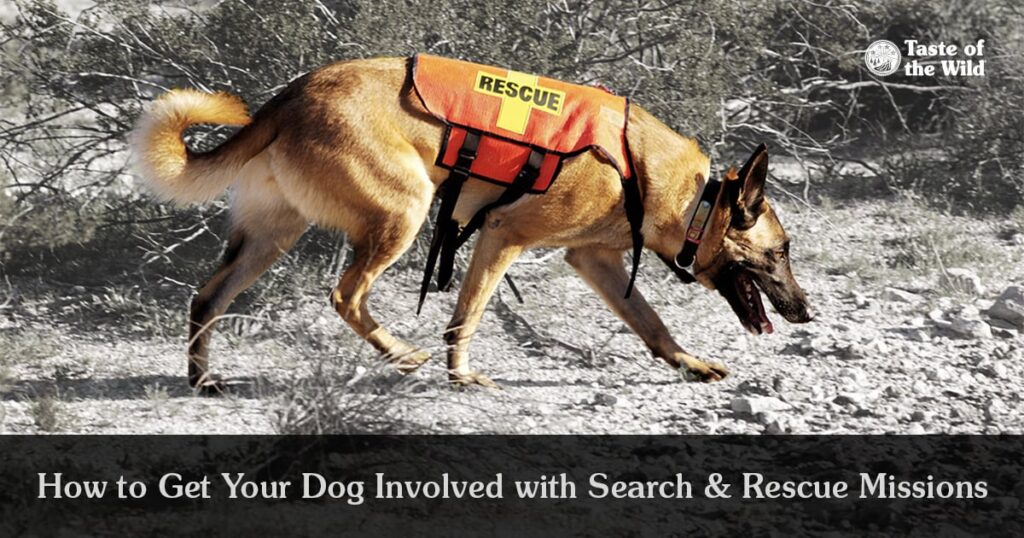
From natural disasters to missing persons, search and rescue (SAR) dogs are irreplaceable and potentially life-saving partners for law enforcement agencies and first responders of all kinds. To become a SAR dog, both animal and handler must go through rigorous training that puts their intelligence, agility, stamina and determination to the test.

WHAT IS SAR?

SAR missions involve locating and providing immediate aid to people — or even other animals — who are in distress or imminent danger. These missions can occur in any location — large bodies of water, rugged terrain, urban and suburban locations, deserts, forests and, well, anywhere someone finds themselves in need of help. People and dogs involved in SAR missions must be ready to get the job done in any environment.

IN WHAT TYPE OF MISSION DOES A SAR DOG ASSIST?

SAR dogs are classified by the methods used to locate and follow scents.

The three types of dogs are:

  • Air-scenting (locating humans in general, tracking)
  • Following ground disturbances
  • Trailing (following the scent of a specific person)

Using their well-developed sense of smell, dogs use their noses to locate people in a variety of SAR missions, including:

  • Assisting law enforcement with crime scenes
  • Weather-related disasters
  • Earthquakes
  • Avalanches
  • Collapsed buildings
  • Drowning

WHICH BREEDS EXCEL AT SAR?

Becoming a SAR dog requires an immense amount of skill, and not every dog is up to this task. Breeds that traditionally are chosen as SAR dogs include German shepherds, Labrador retrievers, Dobermans, Rottweilers, giant Schnauzers and golden retrievers. Additionally, dogs should be fully grown (at least 18 months old) before beginning certification.

WHAT ARE THE TRAINING REQUIREMENTS?

Dogs can be trained for any situation — live person search, wilderness or urban tracking, disaster and cadaver searches — but to begin laying the groundwork for SAR training, many handlers will begin training their dogs as puppies by playing games such as hide and seek with the addition of simple commands.

SAR dogs must also prove their endurance, friendliness, trainability and agility to obtain their certification. The official SAR training can take anywhere from six months to two years, depending on the hours both the handlers and dogs are willing to put into it.

WHAT CERTIFICATIONS DO MY DOG AND I NEED TO BECOME SAR CERTIFIED?

In order to participate in SAR missions, groups require each dog and handler to pass the national certification and be recertified every few years.

Individual teams may have varying requirements for handlers, but most teams require handlers to have crime scene preservation, first aid, CPR, canine first aid, lost person behavior, map reading, compass use, and radio communication certifications along with courses in the Incident Command System. Handlers are also required to complete SAR-specific certifications.

In addition to nationally recognized obedience training, dogs must also complete their own SAR certifications. More information on this training is listed below.

WHERE CAN I OBTAIN MY/MY DOG’S SAR CERTIFICATIONS?

Nationally recognized SAR certifications are offered by a variety of organizations. Visit the following organizations’ websites to learn more about their training programs and certifications.

Cat Training: How to Keep Cats off Counters

A brown tabby cat lying comfortably on a kitchen counter.

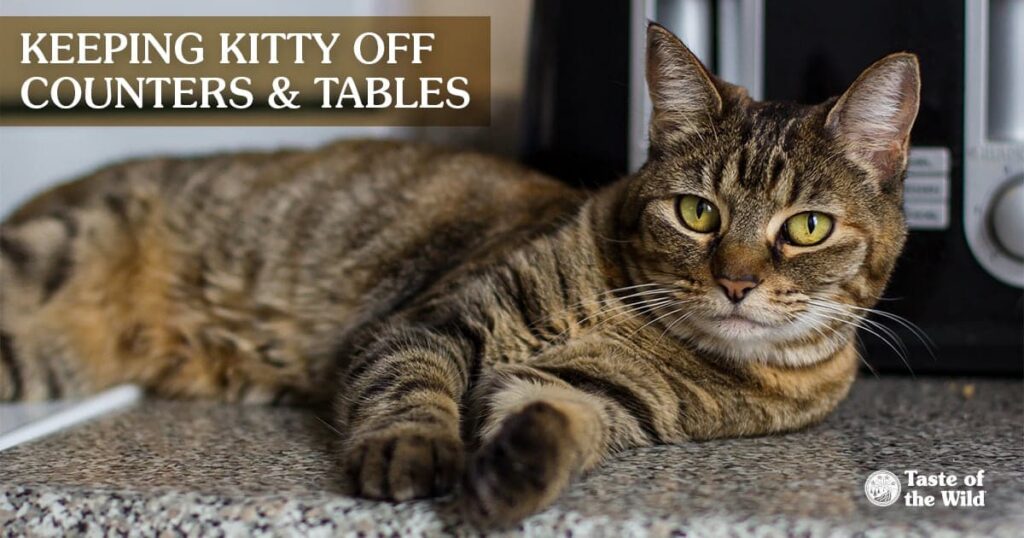
Cats are curious, athletic pets with a natural interest in high places like a table, shelf or bookcase. If there’s a kitchen counter with a good view of the room, your feline friend may see it as the perfect place to sit, watch and explore. However, cats on countertops can create safety and hygiene concerns, especially when you’re cooking or preparing food nearby.

The good news is that there are ways to keep your kitty off your counters. The goal isn’t to make your cat afraid of the kitchen, it’s to teach better boundaries, offer more appropriate alternatives and make these areas less tempting. With consistent training and a few safety changes, you can help keep your cat off countertops without using fear or punishment.

Why Do Cats Jump on Counters?

When you’re trying to keep your cat off counters, it helps to understand why the behavior is happening in the first place. There is always a reason a cat jumps onto a kitchen counter, even if that reason isn’t obvious to humans.

Many cats enjoy high vantage points because they feel more secure when they can see what’s happening around them. Your kitty may also jump up because they’ve learned that a counter or table gets your attention.

Curiosity can also play a role. If your cat hears loud noises, sees movement or smells something interesting, the counter may be the first thing they investigate. Understanding the reason behind their kitchen counter exploration gives you the best chance of choosing the appropriate training method.

Remove Food and Other Temptations from Kitchen Counters

One of the simplest ways to deter cats from jumping on the counter is to make the surface less rewarding. If your kitty jumps up and finds cat food, human food, dishes or interesting items to bat around, they have a reason to return.

Wipe down countertops after cooking and put food away as soon as meals are over. Don’t leave snacks, butter, meat, bread or dirty dishes where your cat can reach them. If your cat opens cabinets looking for food or treats, childproof latches may help keep them out of those spaces.

This step matters because training is much harder when the reward is still available. A clean, boring surface is less fun than one that smells like dinner.

Offer Cats an Elevated Alternative to Counters

Cats still need approved places where they can jump, perch and watch the room. Instead of only trying to stop the unwanted behavior, give your kitty better options.

Cat trees, scratching posts, shelves, window perches and other cat furniture can provide alternative high spaces. Place a cat tree or perch near the kitchen, so your feline friend can be close to the action without sitting on the kitchen counter. You can encourage use of these areas with treats, toys, praise or a cozy blanket.

The more rewarding the approved spot is, the more likely your cat will choose it. For some cats, a high space like a perch near a window or a tall cat tree in a busy room may be more appealing than the countertop.

Use Cat Training to Teach Better Habits

Training can be used to correct common cat behaviors, but it works best when it rewards the behavior you want. When your kitty chooses their cat tree, scratching posts or another approved surface, offer praise, a treat or a short play session.

You can also train cats to respond to a simple cue like “Off.” If your cat jumps onto the table or counter, calmly guide them to the floor or to an approved perch. Once all four paws are on the ground or in the right place, reward the behavior. You could also try clicker training.

With cat training, consistency is important. Everyone in the home should follow the same rules. If one person allows the cat on countertops and another person doesn’t, your cat will have a harder time learning which areas are off limits.

How to Keep Cats off Counters Naturally

If you’re wondering how to keep cats off counters naturally, focus on safe deterrents and environmental changes. The goal is to make the surface less appealing while making approved alternatives more rewarding.

Some pet parents use aluminum foil, double-sided tape or other temporary textures because many cats dislike the feeling on their paws. The idea behind cats and tin foil is that the crinkly sound and smooth feel of foil may make the surface less inviting. Cookie sheets can also create an unfamiliar surface, but avoid anything that could slide, fall or make them afraid.

Any deterrent should be pet safe, temporary and used carefully. Avoid harsh scented products, essential oils or sprays that could irritate your cat. Scent-based deterrents are not always safe for pets, so ask your veterinarian before using them.

Avoid Punishment and Scare Tactics to Keep Cats off Counters

It may be tempting to use a spray bottle, loud noises or other startling methods when your kitty jumps on the counter, but those approaches can backfire. Physical punishment, yelling or booby trapping the counter can make your cat afraid of you or the room instead of teaching them the correct behavior.

A spray bottle may stop the behavior in the moment, but it usually doesn’t teach a long-term habit. Your cat may simply learn to avoid the counter when you’re nearby, then jump up again at night or when no one is watching. Calm redirection, cat-approved alternatives and consistent rewards are usually more effective than punishment.

How to Keep Cats off Furniture

Many of the same tips can help if you’re trying to keep cats off furniture. First, figure out what your cat wants from the surface. Are they looking for comfort, height, warmth, security, attention or a better view?

Once you know the reason, offer an alternative. A soft bed may help if your cat likes sitting on the couch. A scratching post may help if they’re scratching furniture. A cat tree or high perch may help if they want to watch people, pets or even dogs in the room from above. You may not be able to completely stop every jump right away, but you can teach better habits over time.

Be Patient When Training Cats to Stay off Counters

Changing cat behavior takes time. If your kitty has been jumping on counters and tables for months or years, they probably won’t stop after one training session. Keep surfaces clean, remove food temptation, reward good choices and make approved spaces more fun. With the right training, patience and setup, you can help keep your cats off counters while still giving them the high spaces, attention and enrichment they need.