Bed-Bug Sniffing Dogs & Other Pest-Detecting Canines

A side profile view of a white and tan beagle with a contemplative expression on its face.

When your dog peers under the kitchen stove growling for hours, you can be pretty sure there’s some kind of varmint hiding under there. If you’re lucky, your pet comes with these pest-hunting skills naturally and will chase the unwelcome critter off.

Some dogs, however, are specially trained to hone their hunting skills on vermin of the six-legged sort. If scent-detection dogs can be trained to sniff out bombs, drugs and even cancer, why not termites and bed bugs?

Can Dogs Smell Termites?

Hungry termites can cause devastating damage to homes. Because termites are usually tucked behind drywall and plaster, they can’t always be detected until they’ve caused a tremendous amount of damage.

Termite dogs to the rescue! These pups can be trained to sense the methane emitted by termites as they digest wood in a particular area. So they’re often able to locate infestations well before human inspectors can. In studies, trained dogs were able to detect termite groups of 40 or more with about 95 percent accuracy. If that’s not impressive enough, the research showed that they could even discriminate between live termites and wood that had been previously damaged by termites, as well as cockroaches and ants.

When matched against electronic detection devices, canine inspections win by a long shot with an average of 98 percent accuracy.

Can Dogs Sniff Out Bed Bugs?

Bed bugs (Cimex lectularius) are the bane of hotels, apartments, dorms, cruise ships and other places that offer temporary housing. While they don’t transmit disease, they do feed on the blood of people and humans while they sleep, which can cause itching, inflammation and general revulsion. In rare cases, people can have an allergic reaction when bed bugs bite.

Unfortunately, bed bugs are not only tiny and nocturnal, but they can be experts at hiding inside mattress seams, in bed frames and box springs, behind baseboard cracks and crevices and even under light-switch covers. Thankfully, dogs can be trained to sniff out these tiny invaders, too.

In studies, trained bed bug dogs were able to sniff out live bed bugs and live bed bug eggs with 100% accuracy. They can even distinguish between dead bed bugs and live ones! However, several pest control businesses have been reported for using canine bed bug inspection methods to find a bed bug infestation that wasn’t, in fact, there when another business checked the premises. People requesting bed bug inspections with trained bug-sniffing dogs should always ask the handler for the dog’s credentials. Honest, professional companies will be happy to show their proof of training.

That way, you don’t get bitten twice.

How Do You Know if You Should Worry About Bed Bugs?

The signs that you might have a bed bug problem are subtle. The bugs are active at night and are small — about the size of an apple seed — flat and red to rust-colored, depending on how recently they have fed. You might see shed exoskeletons, the black dots of bed bug feces, or blood spots on your bed. Bed bugs feed on their hosts only for about 5 minutes before dropping off and hiding again, so you’re more likely to be aware of the bites than the bugs. The bites look like one or a line of red welts that could be mistaken for mosquito bites.

Do Bed Bugs Bite Dogs?

So wait — do you need to worry about bed bugs biting your furry friend?

If the household dogs and cats are itching, and you’re not, flea bites are the more likely culprit. Bed bugs feed on the blood of any warm-blooded creature, but fortunately for our pets, their fur makes them less attractive targets for bites. If you think you’ve got an infestation, though, be sure a pest control company treats any areas of the house where your pets spend time. Itchy bites are a drag, but at least bed bugs don’t transmit diseases the way other insect pests like fleas, ticks and mosquitoes can.

Can Bed Bugs Live on Dogs?

Unlike some bugs, these pests don’t live on their hosts. Our pets’ furry coats aren’t considered reliable hiding places by bed bugs. They could lay eggs or hide in your dog’s bed (or more likely your bed), however. So the solution is a hot water laundry run instead of specialized combs or shampoos.

Help! We Have Bed Bugs — Now What Do We Do?

Eradicating bed bugs from your property is a challenge because they’re good at hiding. Effective bed bug treatment needs to address all of their hiding places: all the furniture in the affected room (not just the bed) and even luggage (especially if you’ve been on a trip recently). You may need to call pest control experts for bed bug control. They might bring canines trained to recognize the specific scents and pheromones for their bed bug inspection, or they might rely on physical signs to identify the targets for treatment. They’ll have the pesticides necessary to control the bugs and the eggs — the chemicals in over-the-counter flea extermination bombs frequently don’t kill bed bugs. Don’t forget to treat the places your animals sleep, but let those items air out before nighttime.

Once you catch on that these aren’t your usual bug bites, that’s the first step in making sure that your bed is a comfy haven again. And it’s nice to know that our furry companions are among those who help us keep it that way.

Flea and Tick Prevention for Dogs: A Beginner’s Guide

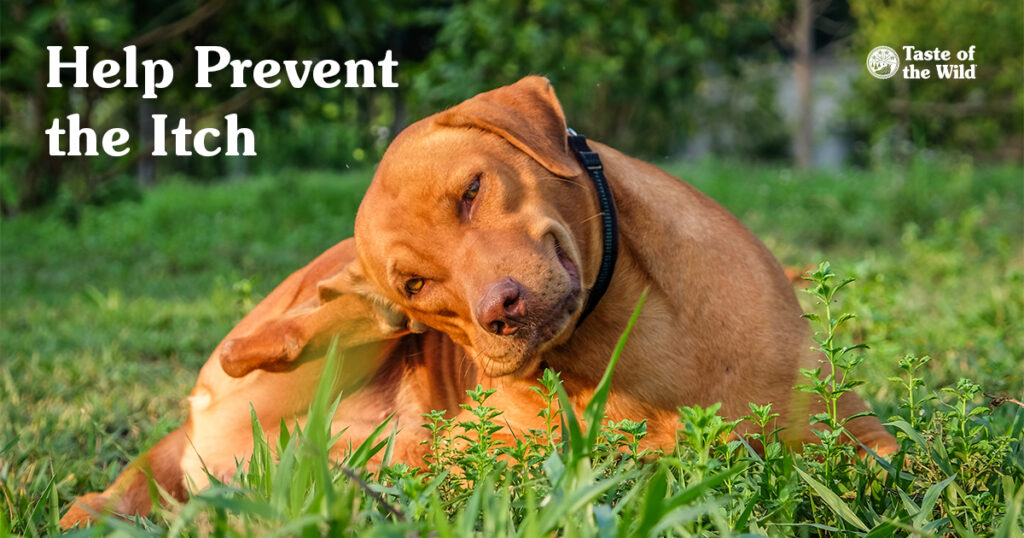
A close-up of a dog lying in the grass itching its ear.

Fleas and ticks not only annoy your dog, they can transmit diseases as well. Fleas can transmit tapeworms and bacteria, and some dogs are allergic to flea saliva, a condition called flea allergy dermatitis. The bite of a single flea can cause severe itching, inflammation and hair loss in dogs susceptible to flea allergy dermatitis.

Ticks aren’t innocent either; they can transmit the organisms that cause dangerous diseases such as Lyme disease (transmitted by deer ticks and western blacklegged ticks) and Rocky Mountain spotted fever (transmitted by American dog ticks, brown dog ticks and Rocky Mountain wood ticks).

It’s important to protect your dog from these pesky little suckers, but there are a myriad of options to choose from when it comes to tick and flea control in dogs. So we’ve created this guide to help you learn about the different types of tick and flea preventives.

Tick and Flea Treatment for Dogs

Flea and tick control products for dogs come in many forms, including shampoos, collars, spot-on topical treatments and oral treatments. We have described the differences between each type below, but always ask your veterinarian which prescription or over-the-counter flea and tick products are right for your dog.

If you have multiple dogs, don’t split doses of flea and tick preventives between them. Most of these products provide a specific dose for the weight of the dog. If you split the doses, your dog may not receive an effective dose to help ward off fleas and ticks. You should also check if there are age or weight requirements for puppies.

Topical Treatments: Do Tick and Flea Collars Work?

It’s important to know that all topical products (collars and spot-on topical treatments) don’t kill fleas and ticks as soon as they are applied to your dog. Ticks and fleas need to come in contact with the chemical, so it can take hours to kill most adult fleas and ticks after treatment. Dogs can also pick up new fleas and ticks when they visit flea- or tick-infested areas, which is why you may see live fleas and ticks on your dog even though they’re wearing a flea and tick collar. However, if the collar is used appropriately, those new fleas and ticks should be dead within 24 hours.

Some topical treatments can also provide protection against chewing lice, ear mites, biting flies and heartworm. While a topical solution is quick and easy to apply and doesn’t require fleas and ticks to feed on your dog, application can be hard and efficacy can be affected if your dog has a thick coat. There is also the potential for chemical exposure to people and other pets. Most topical treatments are administered monthly.

Don’t use your dog’s topical flea and tick medication on your cat. Many spot-on canine flea and tick medications contain permethrin or pyrethroid. These active ingredients can be extremely toxic to cats, leading to adverse effects such as drooling, seizures and, in some cases, death.

Oral Tick and Flea Treatments for Dogs

With oral prevention products, fleas and ticks must feed on the dog (bite them) before they are exposed to the medication. So like topical treatments, oral treatments usually won’t kill fleas and ticks immediately, although they typically work faster than topical products. Any new fleas and ticks also need to feed on your dog before they are killed.

Oral flea and tick control products remove the risk of chemical exposure to other pets and people after administration. Some oral flea and tick products provide protection against intestinal parasites (hookworms and roundworms) and heartworm disease as well. While most products are flavored with a dog-approved taste, giving an oral treatment to some dogs can be challenging.

Flea Shampoo for Dogs

Flea shampoo is a treatment rather than a preventive. If your dog has a flea infestation, medical shampoos can immediately kill fleas that are on your dog, but they won’t stop fleas from coming back. You also need to use a flea preventive treatment.

You can also purchase a flea comb that is designed to remove fleas, as well as flea larvae and eggs, from your dog’s coat. Brush your dog’s fur as close to the skin as possible to capture the fleas. As you’re combing, get rid of any fleas you find by dunking the comb in a bucket of soapy water.

Safety is important if you have a cat in the house. Some dog flea shampoos contain ingredients that are toxic to cats. Be sure to read the label before bathing your dog.

Whichever form you decide to use, if you have a flea infestation, all pets in your home need to be treated for fleas. Any untreated pets can become the source of new flea infestations. Fleas are opportunistic and great at hiding. You can find them in your dog’s bedding, in upholstered furniture, even between cracks in flooring. In addition to treating all pets in your home, you should treat fleas in your dog’s environment as well, using over-the-counter insecticides or by calling an exterminator.

How to Remove a Tick from a Dog

If your dog encounters a tick-pocalypse and is covered in ticks, take them to your veterinarian. They can recommend a fast-acting product to kill most of the ticks, and then you can remove the rest manually. If your dog only has a few ticks, you can remove them using fine-tipped tweezers or forceps. Follow these steps:

  1. Grasp the tick with tweezers as close to the skin as possible, avoiding the tick’s body.
  2. Gently, firmly and steadily pull on the tick until it comes out.
  3. Don’t jerk or twist the tick as the mouthpart may break off and remain in the skin.
  4. Clean the wound with soap and water.
  5. Clean your tweezers with rubbing alcohol.
  6. Place the tick in a sealed bag and dispose of it.
  7. Monitor the site for signs of infection (redness, swelling, pus or pain).

Don’t panic if the mouthparts remain embedded in the skin. They will be expelled naturally by your dog’s body in a few days. The good news is that the tick can no longer transmit disease if their body is gone.

Even with tick medications, ticks may not be killed immediately. The sooner you can find and remove ticks, the less chance the ticks have of transmitting disease-causing organisms. Before bringing your dog inside, run your hands over their body and check around the ears.

While there are “home remedies” for removing attached ticks, many are actually dangerous to your dog (and you). Here is some more info on what NOT to do when removing a tick.

Indoor Dogs Need Tick and Flea Prevention Products, Too

Dogs who spend most of their time indoors can still be at risk of flea and tick bites. Mice can carry fleas into your house, and feral cats, raccoons and opossums can drop flea eggs in your yard. Ticks can hitchhike on urban wildlife such as deer and coyotes and drop off along the paths you walk with your dog. Even when your dog spends most of their time indoors, it’s pretty easy for fleas and ticks to hitch a ride. While some dogs can be trained to detect bed bugs, most are completely unaware of the pests they can bring into the house.

Avoid “Natural” Flea and Tick Treatments

Some topical products rely on essential oils such as peppermint or lemongrass oils to kill or repel fleas. Feeding dogs garlic is supposedly another natural way to eliminate these pests. Unfortunately, these approaches are usually not effective in breaking the flea life cycle and can actually be toxic to dogs. For safe, effective control, it’s always best to rely on your veterinarian’s advice.

Stay on Top of Flea and Tick Preventives

Even though we tend to think of fleas and ticks as spring or fall problems, it’s important to use flea and tick protection on your dog all year. Many of these parasites are still active during the winter months, no matter how cold it may get, so providing year-round protection is important.

Finding fleas or ticks on your dog is never fun, and it’s not easy keeping your dog free of these annoying parasites. But if you follow these tips, you can help minimize the dangers that ticks and fleas can bring.

The Lifestyle of Overweight Dogs: A Sobering Study

An overweight dog running through the grass outside in the sun.

People aren’t the only ones who need to worry about a mid-life spare tire. Obesity in dogs is a major problem, too. But it’s not just a matter of letting the collar out a few notches or buying a roomier dog bed — a recent study of chubby middle-aged dogs shows that curbing obesity in dogs could actually add years to their lives.

Less Overweight Dogs = More Years

Researchers examined the medical records of more than 50,700 middle-aged, spayed or neutered dogs, comparing the life spans of overweight pups against their normal-weight counterparts. Published in the Journal of Veterinary Internal Medicine, the study found that dogs with ideal body weights lived up to 2.5 years longer.

The scientists compared 12 purebred breeds — representing five general sizes — including chihuahuas, Pomeranians, shih tzus, dachshunds, Yorkshire terriers, cocker spaniels, beagles, boxers, German shepherds, golden retrievers, Labrador retrievers and pit bull terriers. All overweight dogs, on average, lived shorter life spans than normal-weight dogs, ranging from 2.5 years shorter for Yorkshire terriers to just a few months less for German shepherds.

Overweight Dogs Are A Common Problem

In the United States, approximately 56 percent of dogs and 60 percent of cats are overweight or obese, according to the Association for Pet Obesity Prevention. A dog or cat is considered overweight if it’s 10 to 19 percent heavier than its ideal body weight. When that figure creeps up to 20 percent or more, the pet falls into the obese category.

If you’re not sure what your pet should weigh, ask your veterinarian. These BMI charts for dogs can also help you determine if your pet is perhaps a little too roly-poly.

Extra Pounds, Extra Health Risks for Overweight Dogs

Obesity is considered a chronic inflammatory condition, contributing to changes in insulin resistance, metabolism and appetite control. Those few extra pounds can put your dog at risk of a range of diseases and conditions including cruciate ligament tears, arthritis, diabetes and even certain types of cancer.

Added weight can also contribute to respiratory, heart and kidney problems. Is it any wonder overweight pets may not live as long as leaner dogs and cats? Or that the international veterinary and human medical communities have recommended that obesity be classified as a disease?

Getting an Overweight Dog Back on Track

Helping your pet return to an ideal weight is one of the most loving things you can do to improve his or her health. As with people, it’s a matter of fewer calories in and more calories burned. Here are some simple steps you can take:

1. Talk to your veterinarian to determine what your pet really should weigh.
2. The doctor may recommend a specific diet and the daily amount your pet should be fed. Most weight-loss diets typically provide more protein and fiber and less calories and fats than maintenance diets. Feeding a high-fiber diet can also help your pet feel fuller and less inclined to beg.
3. Avoid the bottomless bowl syndrome. Instead of keeping your pet’s dish full all day, start using a measuring cup to make sure your dog or cat only gets what it needs.
4. Account for snacks. Every rawhide, table scrap and spoonful of peanut butter contains calories. If you can’t resist food treats, opt for healthier, lower calorie snacks such as sliced bananas, green beans or carrots. Make sure everyone in your family is on board with the treat-reduction program.
5. Increase the physical activity. Leash walks, swimming, a game of fetch or even regular play dates at the dog park are fun ways to help your dog work out. If your pet is extremely overweight, talk to your veterinarian about how to gradually increase exercise so your pet doesn’t overdo it at first.
6. Weigh your pet regularly. A healthy goal for your pet is a 1–2 percent reduction in body weight per week.
7. Avoid the yo-yo syndrome. Once your dog loses weight, returning to its couch-surfing days will make it easier for the pounds to creep back. The positive changes you’ve made in terms of food control and exercise need to be a permanent part of your pet’s life.

Granted, weight loss can be a long, slow process. But when you think about it, every small weight loss — even if it’s just a half pound — could mean better health and more time with your dog. And what could be more motivating than that?

Careers for Pet Lovers: Dog Grooming

Taste of the Wild Pet Food

While this blog has covered lots of different canine careers, from cadaver tracking to cancer detection, what about the people who make a career out of working with dogs? Specifically, have you ever wondered what it’s like to be a dog groomer?

If you think making pets look their best is your idea of the perfect job, read on.

What, exactly, does a pet groomer do?

A typical day can include everything from bathing (de-skunking anyone?), drying, untangling matted hair, haircuts and trims and, in some cases, even coloring. A groomer will need to know how to work with long, short and curly fur, not to mention dogs with single and double coats.

And of course, an artistic flair doesn’t hurt: consider breed-specific styles such as the Continental cut for standard poodles, which includes shaved limbs highlighted with pompoms near the paws and at the tip of the tail.

Some groomers may offer additional services including nail trimming, ear cleaning and plucking, as well as anal gland expression. And being fluent in the body language of dogs and cats comes in handy, too, especially for clientele who are not inclined to sit still through the process.

Does it require special training?

Groomers don’t need special licenses or certifications. Some get their start at a grooming school, while others hone their skills on the job. Certification programs are offered through the International Professional Groomers and the National Dog Groomers Association of America, to name a couple. They’ll typically teach you how to wield the tools of the trade, from shears and clippers to stripping knives, carding blades and a wide range of brushes and combs.

Where do groomers work?

More and more Americans count pets as part of the family, so grooming services are popping up in locations such as veterinary clinics, boarding facilities, grooming salons, mobile grooming vans, pet supply stores and doggy day cares.

Compared to grooming salons, which can be busy and noisy, mobile vans offer a quieter and calmer environment. One drawback to mobile services though, is that you might not have a second pair of hands to help when you need it.

Other considerations

Pet grooming can be physically demanding, lifting large dogs up onto a table and spending hours at time on your feet. Pets aren’t always cooperative. And you still can’t escape working with people because the dogs come with an owner at the end of the leash (who may have set ideas about how the clip should look and how their pet should be handled).

On the other hand, your day as a dog groomer is sure to be filled with variety, considering that dogs come in all shapes, sizes and breeds. You’ll have the satisfaction of transforming an unkept pet into a work of art. And you can build a loyal following as your skills improve.

Best of all, did we mention that you get to work with dogs all day?

A Pet Nutrition Primer: 7 Things You Should Know

Taste of the Wild Pet Food

You want to do right by your pet. But pet food can be so complicated. What do the ingredients actually do? Does your cat need different nutrients than your dog? If you take vitamins, does that mean your pet should, too? The best way to get a foothold is to start learning some of the basics of pet nutrition.

1. All pets need dietary protein.

Proteins serve as a source of energy and are made of amino acids that help your pet’s body perform normal biological functions. Of the 20 or so amino acids, 10 of them are considered essential for dogs while 11 are essential for cats. Essential amino acids are those that must be provided in the diet because pets can’t produce them in their own bodies or simply can’t make enough of them. Dietary proteins come from many different ingredients, including meat, fish and poultry.

2. Fats are the most concentrated energy source.

Dietary fats typically come from animal fats and seed oils and are needed for proper cell structure and function. Fats provide essential fatty acids that aren’t produced in sufficient quantities by the body. And fats enhance the flavor and texture of food — which may be just what it takes to encourage that sick pet to eat.

Although fats don’t clog arteries in dogs and cats the way they can in humans, too much of them can be detrimental. Pets should not be fed table foods that are high in fat content, because sudden intake of high fat foods can trigger pancreatitis – a painful inflammation of the pancreas. Because fats are high in calories, another concern with feeding high fat foods or treats is obesity, especially in those couch-potato pets.

3. Carbohydrates help promote GI health.

Carbohydrates include starches, sugars and fiber from well-known sources such as sweet potatoes, potatoes and peas, but also from lentils and garbanzo beans. In addition to providing energy, carbohydrates such as fiber help the digestive system work properly.

Extra fiber is added to some diets to help overweight pets feel full so they’re less tempted to beg for more or scavenge for snacks. Your veterinarian may suggest supplemental fiber for your pet to help maintain healthy stool consistency. Plain canned pumpkin is commonly recommended.

4. Cats are obligate carnivores.

Remember those amino acids found in proteins? Two that are especially important for cats are taurine and arginine. Taurine deficiencies in cats can lead to blindness, heart failure, deafness and birth defects. Without arginine, cats have difficulty removing ammonia from the body, leading to drooling, vomiting, convulsions and even death.

Because plants can’t provide enough of the required amino acids for cats, our feline friends  usually can’t survive on vegetarian diets without additional supplementation of amino acids. In fact, adult cat foods need to have a minimum of 26 percent protein (dogs, by contrast, require 18 percent protein), and some of the amino acid requirements for cats are twice those for dogs. This is why cats should never be fed dog food.

5. Cats are usually lactose intolerant.

Despite all the storybook images of cats lapping up cream, cow’s milk can be difficult for most kitties to digest. They generally lack sufficient amounts of lactase, the enzyme that enables them to digest milk. While some cats may be fine with milk, it may cause vomiting or diarrhea in others.

6. Proteins are the cause of most food allergies.

Even so, a 2016 study by BMC veterinary research showed that the prevalence of food allergies in all pets who visited veterinarians was between one and two percent. If your pet is itchy, it’s more likely to be caused by fleas or environmental allergies.

7. Pets typically don’t need extra vitamins.

If your pet food label says that the diet was formulated to meet the Association of American Feed Control Officials (AAFCO) nutrient profile for your pet’s life stage, or that it has passed animal feeding trials, the diet should be complete and balanced with all the vitamins and minerals your pet requires.

If your pet has any health conditions — even if your dog or cat is just a bit pudgy — ask your veterinarian for dietary recommendations. He or she can steer you toward the best food for your pet.

Pet Cams: When You’re Away, Are the Pets at Play?

Taste of the Wild Pet Food

Ever wonder what your pet does all day while you’re at work? Does your dog make a beeline for the forbidden couch? Is your cat licking your toothbrush that’s propped in the glass by the sink? Or do they stare out the window all day, patiently waiting for you to pull into the driveway?

Inquiring owners want to know. And now you can — thanks to a multitude of high-tech pet cameras recently released to the market.

Nanny cams and pets: Is it ethical to check in?

You can probably rationalize spying on your nanny — especially if you suspect she or he is Facetiming friends when they should be supervising your little ones. And remote monitoring of your home has become commonplace with the advent of digital door monitors.

But peeping on your beloved dog or cat? Are pets entitled to a little privacy? Are you just being nosy about your snouts’ day-to-day lives?

As it turns out, there are some perfectly logical reasons why you might want to look in on your pet.

Monitoring their safety

If your pet is recovering from surgery, for example, you may want to keep an eye on your pup to make sure he or she isn’t licking the incision. (With some pet cams, you can even tell your pet “leave it” from your office miles away.) Or if your pet has a medical condition such as epilepsy, you can monitor for seizures.

Home security

Some pet cams come with a bark alert, so you’ll be notified on your cell phone with each yap or woof. That way, you can know if someone’s at your door while you’re away. Or if your pup really is as vocal during the day as your neighbor claims.

Night moves

Does your cat prowl around the house in the wee hours of the night? Some pet cams have night vision and recording capabilities so you can keep tabs on your tabby, even when you’re asleep.

Calm their fears

Do you have a pet with separation anxiety or thunderstorm phobia? Pet cams may enable you to calm them down with your voice, or even spray some pheromones to help soothe their anxiety. In either case, you should consult your veterinarian about additional steps you can take to help them feel better.

Get them moving

All pets could use a little exercise during the day. Why not challenge yours to a laser dot chase game? With some pet cams, all you have to do is swipe your finger across your smartphone screen.

Behavior consult

Does your pet display an odd behavior, like compulsively licking the walls of your house, but then act completely normal when you take him or her to the veterinarian? With the right pet cam, you can catch the behavior on video and play it back for your veterinarian. Not sure what your pet is chewing on? Zoom in for a closer look.

Tighten your bond

You check in with your family throughout your work day, and that should include your pet, right? Many video cams offer person-to-pet video and two-way audio capabilities. You can even put them through their training paces from the job and reward them with a treat.

If you’re still worried about invading your pet’s privacy, one pet cam offers an option that lets your pet call the shots. When you’re available, a light goes on to notify your pet. Your pet, in turn, can push a button to initiate a call. The trouble is, will you, like Pavlov’s dog, spend your day staring at the phone, waiting for a signal from your pooch?

Good Hunting Dogs Are Vital Partners in the Field

Dog in field hunting

Hunting dogs, it seems, like nothing better than tracking down game such as a pheasant, retrieving it with a soft mouth and obediently laying it at the feet of their owners. But hunting and fetching are two different activities!

Other dogs love to fetch — almost as much as they adore the ensuing game of keep-away as they orbit around their owners, refusing to give up the tennis ball.

Are there certain breeds that are better than others at hunting? And how does a great hunting dog become one?

Types of Hunting Dogs

Hunting dogs generally fall into three categories: gun dogs, hounds and terriers.

If you want a dog to track, point, flush and retrieve birds or small game, consider a gun dog. Labrador retrievers are probably the most popular type of gun dog and often have the ability to remember where birds land so they can easily retrieve them later. Other types of gun dogs include golden or Chesapeake Bay retrievers; Brittany, springer or Boykin spaniels; German shorthair pointers; English setters and Portuguese water dogs.

Hounds channel their noses or eyes to track large game such as deer or bear. Scenthounds include breeds such as coonhounds, foxhounds and beagles, and are more commonly used to hunt than sighthounds such as greyhounds.

Finally, high-energy terriers like to chase after small game such as squirrels and even dig into tunnels in pursuit of their targets. Examples of this hunting category include Jack Russell terriers and wire fox terriers.

Qualities of a Good Hunter

Most of all, you’ll need a dog that’s physically capable of keeping up with fast-moving game and has the stamina to track for hours at a time. That means bulldogs are probably not your best bet. Some breeds are just born with physical attributes that help them be good hunters. Labrador retrievers, for example, have webbed paws and a thick tail that acts as a rudder when retrieving fowl in the water.

If you’re a serious hunter and plan to spend a lot of time in the field, it’s worth it to find a reputable breeder who is devoted to raising hunting dogs. These people will typically breed for pups without orthopedic problems such as hip dysplasia that could shorten their hunting lives.

You’ll want a dog with a good temperament that can work at your side in the fields but be a good family dog as well. Of course, obedience goes without saying. Positive-reinforcement training should start at eight weeks so your pup learns basic commands such as sit, stay, come, fetch, heel and drop it before he or she advances to scent tracking and soft mouth skills.

Some dogs have a fear of loud noises such as fireworks, thunder and, unfortunately, gunfire. Part of training your dog might include trips to a target-shooting facility to make sure the sound won’t upset your pup.

Gearing Up Your Dog

The best way to prepare your dog for a day in the fields is to keep exercising and training all year long. That way, he or she will be in peak condition when you hit the ground.

Before heading into the field, your dog may benefit from a grooming session to remove longer fur (including on the tail) that can collect burrs or get tangled in the underbrush. Trim nails so they don’t snag on roots or rocks. A comfortable hunting vest that protects the chest and belly can help prevent branches and thorns from scratching your dog’s skin raw. If it’s waterproof, all the better for diving into lakes and streams in search of game.

Don’t forget to bring fresh drinking water and extra dog food to help sustain your dog’s energy during the day.

Even if you don’t bag the limit, just being in the outdoors with your best friend makes for a great day.

Winter Cat Safety: Keeping Your Tabby Toasty

Taste of the Wild

Pet cats have the right idea about winter. You’ll never find them shoveling or scraping ice off a windshield. They’re more likely to be inside, basking in a sliver of sunshine. Or curled under your down comforter. Which raises the question: What else can you do to make your kitty feel cozy during the cold winter months?

Invest in feline fashion — While a hairless cat breed such as the sphynx could use a wool sweater, other cats may appreciate some extra insulation, too. Especially if you keep the heat turned down low or it’s drafty near the windows. When you choose a sweater or coat, make sure it doesn’t restrict your cat’s movement and doesn’t include beading or strings that could be chewed off and swallowed.

Make a comfy bed — The cold and damp can bring out the aches in an arthritic cat’s joints. Since cats often hide signs of illness, you may not know that your cat is in pain. In fact, one study reviewed 100 random X-rays from cats aged 6 months to 20 years, and the researchers found evidence of arthritis in 91 percent of those cats. So why not provide a padded bed to help cushion those joints, just in case?

Add a little heat — Some cat beds are designed to be self-heating, meaning they absorb your cat’s body heat and reflect it back to the cat.  Other heated beds may use heating elements that are warmed in the microwave or plugged in like an electric blanket. A word of caution: hot water bottles and other heated elements should never be placed next to a cat’s skin. To help avoid burns, there should always be at least a towel between the heat source and the cat. Also, electric beds can be dangerous if your cat urinates in the bed or chews on electrical cords.

Trim out those mats — Cats’ fur, especially if it’s long, can become matted if it’s not brushed regularly. While it may be tempting to leave the mat in place for warmth, the mat may actually have the opposite effect by not allowing air to circulate between the skin and coat. If your cat’s fur is severely matted, ask your groomer or veterinarian for help.

Heat your cat’s food — You enjoy a warm meal when it’s blustery outside. So why shouldn’t your cat? It’s easy to slightly warm canned food (make sure it’s not too hot). Or you can heat up low-sodium chicken broth and pour it over your cat’s dry food for a belly-warming treat.

Move the litter box — Do you keep the litter box in the cold basement? Then consider moving it to a warmer spot, away from drafts, just for the winter.

Help the neighborhood stray — If there’s a stray cat that frequents your yard, consider trapping it and bringing it to shelter to reduce the risk of hypothermia and frostbite. As an alternative, provide a “cat house” lined with straw that’s sheltered from the wind and snow. Make sure the house is raised off the cold ground. If the kitty takes to it, provide food and fresh water daily. That simple kindness will make you feel warmer, too.

Step Right Up: It’s Circus Dogs

Bringing the Fun Back to the Big Top

In its time, few things offered more entertainment in one place than the Barnum & Bailey Circus. Within three different rings, you could marvel at sword swallowers, trapeze artists, contortionists and strongmen. In addition to human entertainers, the circus showed off animal acts, enlisting animals with special talents.

In fact, the circus employed a menagerie that included trained cats, goats and sheep to monkeys, bears, lions, tigers, wolves, horses, elephants — even xylophone-playing pigs. By comparison, dogs jumping through hoops or riding horses bareback probably didn’t seem all that unusual.

Eventually, though, people began to question the ethics of animal acts (not to mention the so-called “freak shows”) and the company folded up its tents permanently in 2017.

A Better Kind of Circus

But Jeff Jenkins and Julie Jenkins felt they could put a positive spin on the circus concept, without exploiting people or animals, and founded Midnight Circus in the Parks in Chicago in 2007.

The group of artists and performers work to advance good in three ways:

  • Animal advocacy — Two rescued pit bulls, who have become Jeff and Julie’s beloved family pets, perform to help dispel negative stereotypes about pit bulls.
  • Support for Chicago parks — 100 percent of the proceeds go to the city parks, with almost $1 million raised to date.
  • Community involvement — Events are affordable, accessible and involve community leaders.

Junebug and Rosie Rae: Canine Stars

Some people have misconceptions about pit bulls, which is why the breed tends to fill Chicago shelters in greater number than other breeds. In fact, Jeff found Rosie Rae at just such a shelter. An exuberant pit bull with no socialization or training, Rosie also had irresistibly sweet eyes. Jeff didn’t hesitate to make her a part of the family.

While teaching at an anti-dogfighting event, Jeff first encountered Junebug, a pit bull that showed all the signs of mistreatment. He convinced her owner to relinquish the dog to him, then made her part of the family, too.

With patience and kindness, Jeff socialized and trained the dogs so they learned to trust people and know the love of a family. Now, the dogs are crowd favorites under the big top, zigzagging through obstacle courses and playing keep-away with Jeff’s hat. In some instances, the dogs serve as a springboard for talking about how to take better care of rescue dogs.

Clowns in Training

Another place you can find dogs jumping through hoops — all in the name of fun and positive-reward training — is at the Canine Circus School in Oakland, California.

This obedience school combines rigorous training with the fun of choreographed routines so dogs — and their owners — can bring out the performers inside of them.

Even with the negative baggage that circuses carry, today’s pet-oriented circuses are fun, creative environments that turn family entertainment into, well, one of the greatest shows on earth.

Hypoallergenic Dog Food: How Does It Work?

A close-up of a brown and white dog sitting on the ground outside scratching itself.

If you’re starting to research food allergies and hypoallergenic dog food, there are a few misconceptions that are important for you to be aware of. We’ll go through those and other information about food allergies in dogs — but if your dog is showing any signs of illness, your veterinarian should be your first call. 

Hypoallergenic Food for Dogs

The first thing to know about hypoallergenic diets for dogs is that, while it’s a relatively common term used by pet parents, no diet can truly be allergen-free. Instead, specialty dog food is formulated with ingredients that reduce the risk of an allergic reaction. These are known as hydrolyzed-protein diets and limited-ingredient diets. More on that later — let’s go over dog food allergies and food intolerances.

The Facts About Dog Food Allergies

A food allergy is an abnormal reaction to a normal food. This occurs when the dog’s immune system misidentifies a substance in the food, most commonly a protein, as a foreign invader and mounts an unnecessary immune response against it. This often leads to itchy skin and, for a small percentage of dogs, gastrointestinal signs like vomiting or diarrhea. A food allergy can occur suddenly after a dog has been eating the same ingredients for months or years with no problems.

Protein is the most common food allergen, with beef, dairy products, chicken and wheat topping the list. Other allergy-triggering protein ingredients include lamb, eggs and soy, but over time, dogs can develop allergies to any protein source they’re repeatedly exposed to. Dogs can also be allergic to preservatives, food additives or other ingredients in their diet. 

True Food Allergies in Dogs Are Rare

Food allergies are actually very uncommon in dogs. Flea and environmental allergies are far more likely, which is when dogs react to flea saliva or pollen, mold, dust mites and other environmental irritants. Dogs with food allergies tend to itch all year long, while those with environmental allergies often experience seasonal signs.

To complicate matters, dogs can be allergic to more than one allergen and have both food and environmental allergies. Some dog breeds, such as Labrador retrievers, golden retrievers and cocker spaniels, can be genetically predisposed to allergies.

Signs of Food Allergies in Dogs

Some dogs may experience gastrointestinal issues including vomiting, diarrhea, gas, loud intestinal rumbling and frequent bowel movements. They may also experience weight loss and irritability. However, the most common signs of a food allergy include: 

  • Nonseasonal itching
  • Scratching or chewing their face, ears, feet or groin
  • Red, irritated skin
  • Secondary skin infections
  • Chronic or recurring ear infections

Food Intolerance Is More Common in Dogs

While we’ve spent some time discussing a food allergy, it is far more likely that a dog has a food intolerance rather than a food allergy. A food intolerance doesn’t involve the immune system reacting to an ingredient in the diet (an allergic reaction). Instead, it usually occurs when a dog has trouble digesting a particular ingredient.

Diagnosing a Food Allergy or Food Intolerance in Dogs

The best way to help your dog is to start with a visit to your veterinarian. They can provide your dog with medications to help relieve the itch and other symptoms while you work together to determine what’s causing it. They will most likely start by ruling out parasites, infections, metabolic diseases and other possible causes of your dog’s symptoms. 

To check for a food allergy or intolerance, your veterinarian may recommend an elimination diet trial for 8 to 12 weeks. The goal is to remove potential allergens from the diet to see if your dog’s symptoms resolve. While there’s no such thing as a hypoallergenic diet, your veterinarian may recommend a limited-ingredient diet or a hydrolyzed-protein diet. 

A limited-ingredient diet typically includes a single carbohydrate source and a single protein source (e.g., pasture-raised Angus beef, cage-free turkey or trout raised in spring-fed water). Sometimes a single-protein diet also contains a novel protein that the dog hasn’t been exposed to before, like venison, duck or salmon. These diets provide all the essential nutrients dogs need and are formulated to provide complete and balanced nutrition, even with only a few ingredients. A limited-ingredient formula may also help dogs that have a sensitive digestive system or skin issues, even if they don’t have a food allergy. Hydrolyzed diets have the proteins broken down into pieces small enough to avoid detection by the immune system and are typically only available by prescription. Your veterinarian will choose the best dog food for your dog. 

During the elimination trial, it’s very important that your dog doesn’t eat anything else besides the assigned diet. That means no treats, rawhides, table scraps, flavored medications or even chew toys made from animal products. After the 8 to 12 week elimination period, a challenge period is started where the original diet is gradually introduced again. If your dog’s itching improves, then gets worse when they’re challenged, a food allergy diagnosis is typically made. There is no cure for a food allergy. Instead, your dog will need to stay on specialized dog foods for the remainder of their life and avoid anything that contains the allergen. 

What About Hypoallergenic Dog Treats?

Similar to hypoallergenic dog food, no treats can be truly hypoallergenic. However, like limited-ingredient diets, there are treats available which have ingredients that are less likely to cause a reaction or have the protein hydrolyzed into small pieces, so the immune system won’t recognize it. If your dog has food sensitivities or allergies, always ask your vet before feeding them any type of new food, including treats.