

Autumn Safety Tips for Pet Owners

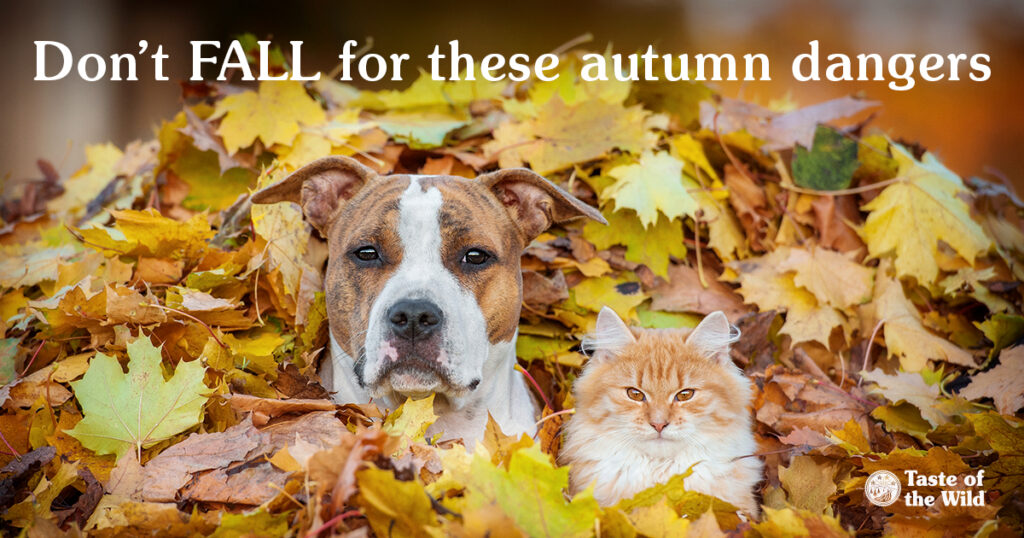
A brown and white dog and an orange and white cat sitting together in a large pile of leaves.

It’s the time of year when the scent of pumpkin spice wafts through the air and dogs are rolling around like crazy in piles of crispy leaves. Fall is also an important time to protect the safety and well-being of your pet from seasonal hazards. Here are some pet safety tips to share with family members as we move from summer to fall.

During Fall, Pets Still Need Exercise and Grooming

With their summer playmates leaving the house for school, is your pet napping the day away on the couch? Consider hiring a dog walker to take your pooch on a stroll around the neighborhood during the day. Schedule a game of laser chase with your cat over your lunch hour or find an indoor activity to play with your dog. You could also drop your dog at day care so they can romp, socialize and burn off energy while everyone is out of the house.

Many pets have the advantage of a thick coat for cold weather, but they prepare by shedding more in the fall as that winter coat comes in. Take the time to brush your pet regularly, so there will be less hair to clog your vacuum cleaner.

Fall Pet Safety Tips for Inside Your House

The change in temperature may mean firing up systems that haven’t been used in a while. Make sure your regular maintenance includes inspecting for cracks and drafts in your heating system, flues and fireplace and checking that carbon monoxide detectors have new batteries and are working. 

When there’s a chill in the air, rodents are drawn inside where it’s warm and there’s plenty to nibble in your cupboard. The tips for sealing your home to keep out the cooler weather will help keep out the pests, too, but be alert if you have to place rodenticides. Keep these out of your pet’s reach: depending on the type of poison, they can lead to internal bleeding, kidney failure, seizures and death if eaten by pets.

Keep Human Cold and Flu Medications Away from Pets

Some of us begin the fall season with a stuffy nose or sneezes. Remember that your over-the-counter drugs may contain potentially dangerous ingredients for pets. If you’re sick, you don’t want your fur buddies to ingest your medicine by accident.

Acetaminophen can be problematic for dogs, but it’s especially toxic to cats, where it can lead to liver failure and poor oxygen delivery to the body. Ibuprofen and naproxen, often combined with decongestants, can cause ulcers or liver and kidney damage. And certain decongestants, in high doses, can cause seizures and death in pets. Why risk it? It’s best to keep all cold and flu meds out of the reach of curious pets.

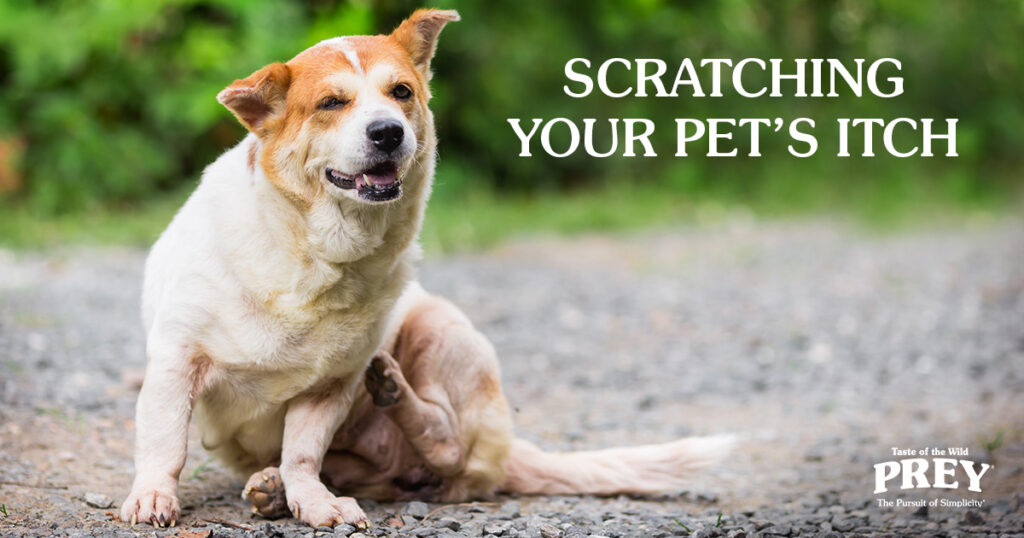
People who suffer from hay fever and ragweed allergies can be miserable until the first frost. Then trees contribute their fallen leaves and debris. Pets who have environmental allergies may show an increase in symptoms as the weather changes. If your pet is itching, scratching or chewing on their skin, consult your veterinarian for ways to help bring your pet relief.

No Halloween Candy for Your Pets

If your children (or you) come home with a bucket full of Halloween candy, keep it out of reach of your pets. Chocolate is toxic to cats and dogs, and sugar-free varieties of candy containing xylitol are toxic to dogs. Pets should also avoid eating large amounts of sugary foods. The best plan is to keep candy and chocolate treats away from your dog and cat and limit their sugar consumption. There are plenty of treats made just for pets, so stick to those for your furry friends.

Fall Season Safety When Outdoors with Your Pet

With the sun setting earlier, you may find that your usual walking times are in the dark. It’s a good time to buy a reflective leash, collar or coat to make sure your pet has good visibility for nearby cars and cyclists. As dawn and dusk creep in, you may want to create a fall route that avoids busy roads or favors streets or parking lots with good lighting.

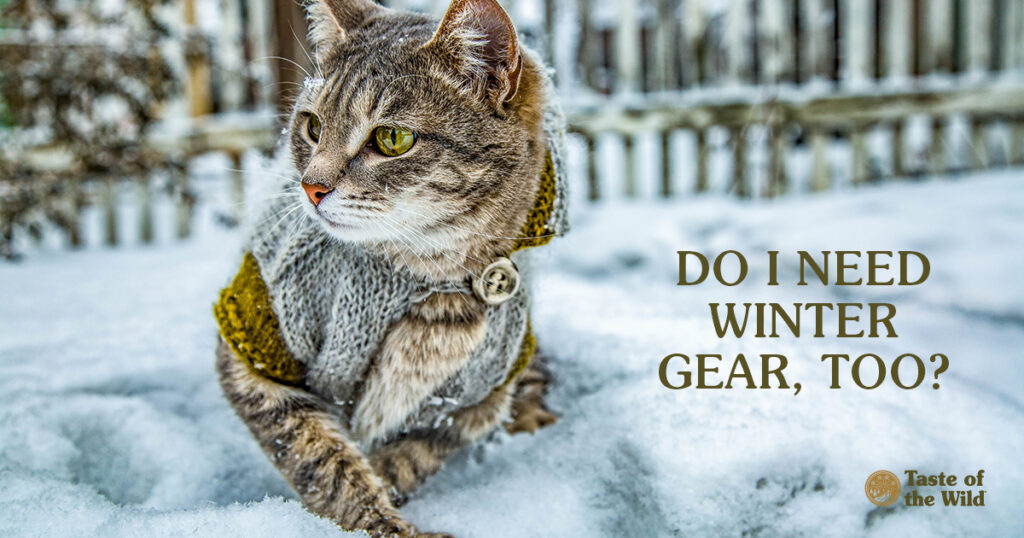
Cooler temperatures aren’t the highlight of the year for dogs and cats who have thin coats or are hairless. When you want to wear warm clothing, your pets may need to wear extra layers, too. Support them in the shiver season with pet sweaters or footwear (like cute booties) so they can do more than look out the windows as the weather heads toward cool air and snowy days.

The end of summer doesn’t mean the ticks are hibernating. Help keep your pet protected with regular tick prevention and thorough tick checks when they come indoors. Mosquitoes can also still be buzzing around during autumn and even winter in some areas. That’s why it’s important to maintain heartworm protection year-round

More Autumn Safety Advice for Pets

Although many wild mushrooms aren’t toxic, some common backyard species can be poisonous and even deadly if eaten by dogs and cats. For example, as little as half of a fresh “death cap” mushroom (Amanita phalloides) can be fatal to an adult dog. Since many mushrooms can look alike, it may be simpler to ensure safety by removing them from your yard and keeping pets on a leash when hiking in the woods.

Are you getting your car ready for winter? Antifreeze and other car products may contain ethylene glycol. Many dogs and cats find its sweet taste inviting, but ingesting a large enough amount can lead to kidney failure. Watch for the whereabouts of your pets if you do this vehicle care at home: be sure to clean up any spills on the garage floor and lock all car products away from wandering pets.

With a little preparation, you can help protect your pet from seasonal fall hazards. Keep this autumn safety information on your calendar and prepare to feel as warm and comfortable as when you slip on your new flannel shirt and cozy up on the couch in front of the fire.

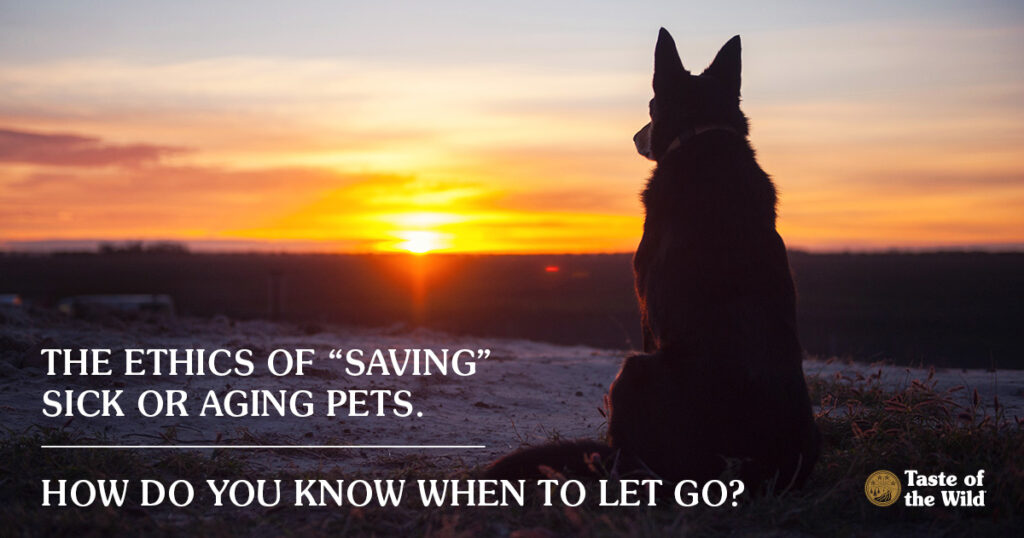
The Ethics of “Saving” Sick or Aging Pets: How Do You Know When to Let Go?

Ethics of “saving” sick or aging pets

Sir Walter Scott was not only a prolific poet and novelist, he was also “perhaps the most devoted dog lover that ever was,” according to a New York Times article published in 1898. In paintings, he is almost always portrayed with a dog. And his deerhound, Maida, is immortalized in the monument of Scott in Edinburgh, forever curled at his side.

Scott lamented about the brief lives of his canine companions: “I have sometimes thought of the final cause of dogs having such short lives and I am quite satisfied it is in compassion to the human race; for if we suffer so much in losing a dog after an acquaintance of ten or twelve years, what would it be if they were to live double that time?”

It’s a loss that all dog and cat lovers have to face at some point. But how do you know when it’s time to let go of your companion? And when can euthanasia, in fact, be the most kind and loving choice?

The Dilemma of Sick and Old Pets

Pets are living longer than ever before, thanks to advances in nutrition and veterinary medicine — and perhaps because more now sleep in our beds, rather than outside. And many of the same life-extending procedures available for humans can also be offered for pets. From brain surgery and chemotherapy to hip replacements and kidney transplants, there’s almost nothing you can’t do for your pet (at a price, of course).

But like human medicine, most of these advanced measures rarely come with guarantees of how much life — or quality of life, considering potential drug side effects or hospitalizations — they’ll buy for our pets.

Even if the pet is simply grey around the muzzle and slowing down from a degenerative disease, a common phenomenon in older pets, at what point is medical poking and prodding helping the pet or hindering comfort and happiness?

Subtract Your Emotions from the Equation

While these questions never have black-and-white answers, what makes them even harder is the fact that your pet is a loved family member, bound inexplicably to your heart. But perhaps the kindest thing you can do is to put aside how you feel and focus instead on how your pet feels. How can you minimize your pet’s suffering and make sure their remaining time is physically and mentally rewarding? To help accomplish this, there are numerous quality-of-life surveys, like this one, that help you objectively evaluate whether your pet is enjoying life or having a hard time of it.

You can also keep a daily diary to determine if your pet is having more bad days than good. Or select three of your pet’s favorite activities, whether it’s slurping up peanut butter, chasing a laser or retrieving the squeaky toy, and note when your pet loses the interest or ability to do the things he or she loves.

The Association for Pet Loss and Bereavement also offers resources and online chats to help you grapple with the difficult decision.

It’s Always a Personal Decision

Your veterinarian can be an invaluable resource in terms of evaluating your pet’s comfort level or simply serving as a sounding board to discuss how you feel. But inevitably, only you and your family can decide what’s right for your pet.

Knowing when to let go is, without a doubt, the toughest part of being a pet parent. But it’s also one of the most loving and compassionate ways we can repay our pets for a life of devoted companionship.

Water Rescue Dogs Take Lifeguard Duties Seriously

Taste of the Wild Dog Food

When the S.S. Ethie crashed into the rocky Canadian shoreline during a blizzard in 1919, a dog named Tang helped rescue everyone on board.

With the ship’s rope clenched in his mouth, Tang paddled through frigid, choppy waves to the shore. All 92 passengers and crew, including a baby in a mail sack, were safely rescued. To recognize Tang’s heroic efforts, the insurance company Lloyd’s of London is said to have bestowed him with a medal of bravery.

Today, some dogs still perform lifesaving water rescues from shores, boats and even helicopters.

A Job for Water-Loving Breeds

Water rescue dogs are trained to swim to the victim, who then grabs a handle on the top of the dog’s life jacket and is towed to safety. If the swimmer is unconscious, some dogs can flip the person on their back so their head is out of water, grip the upper arm and bring them to shore. Or if a small boat is stranded, the dog can use a rope to tow the vessel and passengers in.

Although any dog can go through training, the best water rescue dogs are large breeds that have the strength and endurance to tow people or even small boats over distances of a mile or more. (Pugs, Chihuahuas and bulldogs, for example, need not apply.) Breeds that naturally love the water (Newfoundlands, Portuguese water dogs and Labrador retrievers) are ideal. Of these breeds, the Newfie is probably the most popular water rescue dog. The breed’s large size gives it the power to haul survivors, and its thick, insulating coat enables it to withstand icy water temperatures. With webbed paws made for paddling and a tail that doubles as a rudder, this gentle giant is built to follow its natural instinct to watch over people.

A Complex Training Program

It should come as no surprise, then, that one of the most respected programs for water dog training is through the Newfoundland Club of America. The program consists of three tiers of training.

Dogs that pass the first tier receive the title of “Water Dog.” These dogs have passed six tests, starting on land with basic obedience commands. In the water, the dog must successfully retrieve a bumper, fetch a lifejacket or boat cushion, deliver a rope to a “drowning” swimmer, tow a boat and swim with a handler, following commands.

Dogs that successfully complete a more complex set of tasks receive the title of “Water Rescue Dog.” For example, the dog must determine which of three swimmers is “drowning,” bring that person a life preserver and help them back to shore.

Finally, elite dogs can achieve the title of “Water Rescue Dog Excellent.” At this level, dogs must complete challenges that include taking a rope to multiple victims, rescuing an unconscious victim and finding a victim under a capsized boat and towing him or her to safety.

A Long History of Saving Lives

Today’s water rescue dogs follow a long line of canine heroes. According to one legend, a black Newfoundland named Rigel played a heroic role in the sinking of the Titanic. The dog is said to have swum next to a lifeboat for three hours in search of his owner. When a nearby steamship was headed straight for the lifeboat, Rigel’s barking alerted the ship, whose crew was able to save both the passengers in the lifeboat and the dog. Another water rescue dog, Gander, took his efforts ashore and saved his Canadian army platoon from a grenade.

Most water rescue dogs aren’t enshrined in legend, but their everyday efforts are no less important.

13 Tips for Camping with Your Dog

Out of the Doghouse and Under the Stars

Unplug your computer. Power down your phone. Disconnect from the stress of everyday life. And connect with your dog under a canopy of stars in the wilderness. What outdoor adventure is better than camping with your best friend?

But before you pack up and head out, consider these tips to help make your trip safe and fun for your furry pal:

1. Know the regulations before you go.

Rules about pets can vary from one campsite to the next — you don’t want to arrive only to learn dogs aren’t allowed. Check out websites for national parks, state and county parks, or the Forestry Service for dog-specific regulations.

2. Make sure your dog is the camping type.

Do you own a pug, Frenchie or other short-nosed (brachycephalic) breed? They can be prone to heatstroke and may be better left in your air-conditioned home. Same goes for dogs that tend to bark at the sound of every chirping cricket, croaking frog or snapping twig. Better to let them sleep peacefully at home than to keep the entire campsite awake.

3. Start with a veterinary check.

Make sure your pet is current on vaccines as well as heartworm, flea and tick preventives. Ask for a copy of your dog’s vaccine history to bring with you.

4. Update pet identification.

Any dog can take off after a deer or skunk and get lost. That’s why your dog’s ID tags should carry your cell phone number where you can be reached on the trip. Or you could create temporary tags with your campsite number, if applicable. To further ensure your dog is returned to you, add a microchip and a GPS collar.

5. Pack a doggie suitcase.

Include blankets, leashes, bowls, food, toys, poop bags and any medications your dog needs regularly.

6. Include a pet first aid kit.

Many of these items may be in your own first aid kit, but helpful items include gauze squares and a gauze roll (you can also wrap the gauze around the nose and behind the ears to create a muzzle, which is useful in the case of a snake bite), self-clinging bandages, flat-bladed tweezers for removing ticks and thorns, pet-safe sunscreen for dogs with thin or light coats or exposed patches of skin, Benadryl containing diphenhydramine only for allergic reactions to bee stings (give 1 mg/lb. and head to the veterinarian if there’s no improvement).

7. Make a cozy tent.

Consider bringing a stake and cable or lightweight pen or carrier to safely restrain your dog while you set up the tent. Place a waterproof tarp under the tent to help prevent moisture seeping in, and bring a pad and blanket so your dog can sleep comfortably with you.

8. Uphold campsite etiquette.

Neighboring campers may not want to share s’mores with your dog, so it’s best to keep your pet leashed. But never leave your dog alone in your car, tent or campsite.

9. Place dog food in a bear-proof container.

Or hang the food high in a tree, away from your tent. Only take food out during meal times and don’t leave treats in the tent or in your pockets.

10. Protect the paws.

If you’ll be walking on uneven, rocky terrain, consider outfitting your dog with booties to help protect tender paws from cuts and scrapes. It’s best to keep your dog on a leash and on the trail to minimize tick exposure and help prevent mishaps with rattlesnakes, porcupines and other critters.

11. Don’t forget the swimwear.

Unless your dog is a proven swimmer, consider a doggie life vest for times when you’re boating or swimming.

12. Bring fresh drinking water.

Carry a collapsible bowl and clean water for your dog. Lakes, ponds and streams can contain protozoa such as Giardia as well as bacteria and toxic algae that can make your dog sick.

13. Perform a daily tick check.

Run your hands over your dog’s body every night (especially the face, neck and ears) and remove any ticks immediately. Don’t forget to check yourself, too.

Now you’re ready to hike, swim and gather around the campfire with your best camping buddy.

Counting Calories for Your Pet

Taste of the Wild

If food is love, America’s pets are being loved to death.

Veterinary professionals estimate that 60 percent of cats and 56 percent of dogs in the U.S. are overweight or obese, according to a 2017 survey by the Association for Pet Obesity Prevention. Those extra pounds can lead to diabetes, arthritis, kidney disease, high blood pressure and even some kinds of cancer.

Getting your pet down to a healthy weight helps prevent disease, enhances your pet’s quality of life and can actually help your pet live longer. Counting your pet’s calories is one way to help your pet reach an acceptable weight.

What Is Your Pet’s Target Weight?

But how can you tell if your pet is on the wrong side of pleasantly plump? Your veterinarian can probably provide a more objective evaluation of your pet’s weight than you can. You can also check out the World Small Animal Veterinary Association site for directions on how to determine your dog’s or cat’s body condition score. It’s a way of visually assessing if your pet is underweight, overweight or just right.

Still not sure what your pet should weigh? The Association for Pet Obesity Prevention offers a reference chart of canine and feline target weight ranges for popular U.S. breeds. Once you know a healthy weight range for your pet, it’s easier to make a plan for achieving it.

Counting Calories

The amount of daily calories your pet needs will depend on a number of factors, including age, activity level, whether the pet is neutered or intact, any health issues and the amount of weight that needs to be lost. Your veterinarian can take those factors into consideration and calculate a daily calorie goal for your pet.

Ideally, your pet should lose weight gradually, trimming off about 3 to 5 percent of body weight per month. This is especially important for cats, who are at risk for a dangerous liver condition called hepatic lipidosis if their calorie intake is restricted too quickly.

When considering daily calorie counts, make sure to divide the total by the number of meals and subtract the calories from treats. Treats shouldn’t account for more than 10 percent of the daily calories. Don’t forget, pets usually love low-calorie treats such as green beans, carrots, bananas, apples (avoid seeds), pureed pumpkin and broccoli.

Always Measure Food

Do you just cut back on the quantity of your pet’s current diet or switch gradually to a weight-loss diet? Trimming your pet’s current diet runs the risk that your dog or cat may not receive all the nutrients they need. Also, if your pet is feeling hunger pangs, you know what that means: more begging that can be hard to resist.

The other option is to choose a diet designed for weight loss. Most of these diets are lower in fat and higher in protein and/or fiber to enable owners to feed more food with fewer calories. However, commercial pet foods marketed for weight control can vary widely, according to a study in the Journal of the American Veterinary Medical Association.

When comparing 93 weight control diets for dogs and cats, the study found that the amount of calories per cup or can of food varied, as did the feeding recommendations.

In fact, for many of the diets in the study, researchers felt pets might not lose weight and could possibly gain weight if pet owners followed the directions on the pet food label. That’s why it’s best to discuss diet choices with your veterinarian, as well.

Don’t Forget Exercise

Just like for people, exercise is important to help pets lose weight. But if your pet is extremely overweight or has other underlying health conditions, consult your veterinarian for advice on the right exercise program for your pet.

If your pet is in good health, you could start your dog with 30 minutes of exercise a day. Or plan to spend three 5-minute aerobic play sessions with your cat. There are even numerous pet activity monitors on the market that can help track calories and keep your pet on the road to a healthy weight.

Artificial Food Coloring: Is It Good for Your Pet?

artificial food coloring and pets

It’s no accident that pet food often comes in a rainbow of colors. When you open a bag, it’s comforting to see the golden yellow of chicken, the red of rare beef and the green of fresh vegetables — all hues that the original ingredients may lose during the manufacturing process. Often, these colors are added after the fact.

But given that dogs and cats can’t visualize the same spectrum of colors we can, the colors are really added to appeal to pet owners. Which raises the question, are artificial food colors really necessary? If they don’t add any nutritional value, could they actually do more harm than good?

A Troubling Past

In the 1880s, vendors found that food coloring could make their wares more appetizing. Unfortunately, the practice wasn’t always honest: Colors were added to conceal spoilage or discoloration in less-than-fresh food. Even more alarming, some of the colors contained toxins such as mercury, arsenic and lead, which often had more severe effects on people than the original food spoilage.

The Food and Drugs Act of 1906 banned the use of these toxic food colors. Most of the remaining approved food colorings were made from the byproducts of coal processing known as coal-tar dyes.

Eventually, even these colors were found to be problematic when, in the 1950s, trick-or-treaters in several cities became sick from eating candy made with a common orange dye made from coal tar. This orange color additive and a red food color were tested for safety and eventually banned.

This led to the Color Additives Amendments of 1960, which required more stringent government oversight and scientific evidence of safety for color additives used in human and animal foods.

The FDA Keeps Close Tabs

Today, the Food and Drug Administration regulates all color additives that are used in human and animal foods. All color additives must be listed with the FDA and fall into one of two categories: those that have to be certified by the FDA and those that don’t. Certified colors are man-made and include fewer than ten approved colors.

Colors that are exempt from certification are natural pigments from plants, minerals or animals. The FDA also provides strict guidelines for use of the colors including the types of foods that may use the coloring, the amount of coloring allowed and how the color must be identified on packaging. Still, the FDA continuously reviews all food colors for safety.

Can Colors Additives Be Dangerous?

A 2010 article by the Center for Science and the Public Interest claimed that food dyes posed human health risks for cancer, allergies and hyperactivity in children.

While research has suggested that some food colors, especially used in large amounts, may have cancer-causing effects, these are not among the current FDA-approved colors. If FDA-approved colors are used according to direction, they should be safe in both human and pet foods.

It’s relatively rare for people to have allergies to food colorings. The same goes for cats and dogs, who tend to have allergic reactions to proteins in their foods. Finally, research on whether food colorings cause hyperactivity in children is inconclusive.

Still, while we might assume that food colors that are safe for people are also safe for pets, there is a paucity of research to show just what effects color additives have on dogs and cats.

A Move From Artificial to Natural

A recent Nielsen Global Survey found artificial colors among the top three ingredients consumers prefer to avoid. In fact, most likely spurred by consumer demand, many global food companies such as General Mills, Kellogg’s, Kraft, Mars, Nestlé and Frito-Lay are finding natural alternatives for artificial colors in their products.

If you’re like other pet owners, you’re probably questioning the same ingredients in the food you feed your pets. While the current food colors approved by the FDA appear to be safe — at least so far — more and more pet owners will no doubt look for ingredient lists that don’t include the word “artificial.”

You Have Options Before Giving Your Cat Up for Adoption

Don’t give up on your cat

Cat ownership can be like marriage: It’s designed to be a lifelong commitment. But sometimes family allergies, landlord rules, litter box issues or other unforeseen problems can make the best plans go awry. Sometimes, cat owners may feel as if they only have one heart-wrenching option: to rehome a beloved cat.

But don’t resort to cat adoption without exhausting all your options. There are plenty of resources to help you keep your cat where he or she belongs: with you.

Top Reasons Cats Are Surrendered

The American Society for the Prevention of Cruelty to Animals (ASPCA) estimates that 3.2 million cats enter shelters in the United States every year. Common reasons cats are relinquished include:

  • Cost of upkeep — Most cats are inexpensive to acquire. More than half of owners get cats from friends or relatives or take in a stray, according to the American Pet Products Association. But the first year of cat ownership — including veterinary care, litter and food — can be expensive. While the ensuing annual expenses are often lower, a job loss or other personal difficulty can make it difficult to pay for everyday cat care.
  • Medical care — Feline health issues can be expensive. Three health issues that are common in cats — kidney failure, hyperthyroidism (overproduction of thyroid hormone) and diabetes — often require lifelong medication.
  • Behavioral issues — Urinating outside the litter box, scratching furniture and not getting along with other household pets are common — but often fixable — reasons cats are surrendered to shelters.
  • Housing problems — Owners may move to an apartment that doesn’t accept pets, or perhaps there are already too many pets in the household.
  • Family situations — Allergies, divorce and other problems can make it seem like giving up the cat is the only option.

Help Keep Your Cat at Home

If you need help with your cat, please reach out to your veterinarian or local cat shelters or rescues for help. They can help provide you with resources to address issues including:

Behavior problems — If your cat shredded your couch or peed in your shoe, rest assured that it’s not being vindictive. Scratching is a natural feline behavior that helps cats groom their claws, mark their territory and stretch their bodies. You can train your cat to use a scratching post instead of your furniture.

A trip to the veterinarian may also reveal an underlying medical condition, such as urinary tract crystals, that can be treated. If there’s no medical problem, you can work with a veterinary behaviorist or find resources online to help with behavior issues such as litter box problems.

Financial assistance — Ask your veterinary clinic if they offer payment plans or credit services. Local veterinary schools and shelters may also offer low-cost clinics. You can even try using an online fundraising platform or contact local rescues for other suggestions for affordable care. If you need help with food or other cat care, there are state and local organizations that may be able to help.

Allergies — People who are allergic to cats are usually reacting to allergens in dander (flakes of dead skin), urine or saliva. To help minimize exposure to allergens, wash your hands after handling the cat and perhaps keep the cat out of your bedroom at night. You can also try vacuum cleaners and air purifiers that include high-efficiency particulate air (HEPA) filters. Pet wipes can help minimize dander, as can weekly cat baths (if your cat is the tolerant sort). Of course, consult an allergist to see if there are medications that might help control your signs.

Housing — Cat owners who rent tend to run into the most issues with housing. But the Humane Society of the United States provides several suggestions that could help.

With a little ingenuity, most cat problems can be solved. Which means you really can commit to a long-term relationship and years of family pictures with your favorite feline.

Human Medications Can Be Poisonous to Pets

What helps you can be harmful to them

There’s a long list of household items that can be toxic to pets: plants, laundry pods and chocolate being the most common enemies. But 50 percent of the calls to pet poison helplines actually involve mishaps with human medications.

It can happen easily. A pet noses through a purse on the floor, plucking out a bottle of pills. The dog gnaws on an asthma inhaler, left on the bedside table. The cat flips open the lids on the weekly pill container or the dog thinks it’s a new chew toy.

Sometimes, it’s human error that puts our pets in danger. Do you keep your own medications in the same cabinet with your pet’s pills? It’s easy to mix them up. And some owners may intentionally administer a human medication to a pet, assuming that it’s safe because it’s labeled for children or it’s sold over the counter at the drugstore.

However, if the human medicine gets into the pet, it’s important to note that pets metabolize many of these medications differently than we do, sometimes with harmful — and even deadly — consequences.

Keep Pets Out of the Medicine Cabinet

If you suspect that your pet has eaten any human medications, call your veterinarian or the 24-hour Pet Poison Helpline at 800-213-6680 immediately. Here are some of the human medications that could be most problematic in dogs and cats.

OTC Pain Medications

These include non-steroidal anti-inflammatory drugs (NSAIDs) such as ibuprofen (Advil and some types of Motrin), naproxen (Aleve) and aspirin, as well as acetaminophen (Tylenol and Excedrin).

Pets that eat large doses of NSAIDs can experience severe stomach ulcers and kidney failure. Signs may include vomiting (with or without blood), diarrhea, loss of appetite, lethargy, increased drinking and urination.

A single, regular-strength tablet of acetaminophen can be fatal to cats. Poisoning by this substance in cats usually affects red blood cells, leading to difficulty breathing and swelling of the face and paws. In dogs, acetaminophen toxicity can lead to liver damage. This medication is also found in many human cold and flu products.

Antidepressants

Antidepressants are some of the most commonly used human prescription medications in the U.S., going by names such as Prozac, Celexa, Cymbalta, Lexapro, Paxil, Zoloft and Effexor.

Pet overdoses of these medications can lead to sedation or the exact opposite, excitation. Pets may have tremors or seizures and may experience vomiting and diarrhea. Cats, especially, are attracted to the taste of Effexor, and just one pill can be dangerous.

ADHD and ADD Medications

Stimulants such as amphetamines are often used to treat attention deficit hyperactivity disorder (ADHD), attention deficit disorder (ADD), weight loss and narcolepsy.  The drugs go by names such as Adderall, Dexedrine, Concerta, Ritalin and Vyvanse. Illegal forms of these drugs include methamphetamines, crystal meth and ecstasy.

In dogs and cats, even small amounts of these medications can lead to seizures, panting, heart problems, vomiting and diarrhea.

Heart Medications

While many of these medications are used in both human and veterinary medicine to treat heart failure or blood pressure problems, in certain doses, they can be toxic to pets.

Beta blockers such as Coreg, Sectral, Toprol and Tenormin can lower heart rate and blood pressure to dangerous levels. ACE (angiotensin-converting enzyme) inhibitors such as Altace, Lotensin, Prinivil, Vasotec and Zestril are generally safer unless the pet has heart or kidney disease. But high doses can cause low blood pressure and dizziness in pets.

Sleep Aids and Anxiety Medications

These include drugs such as Ambien, Lunesta, Ativan, Klonopin, Restoril, Valium and Xanax. Drugs that cause sedation in people can do the same in pets — or have the opposite effect. Up to 50 percent of dogs that eat toxic doses of sleep medications actually experienced panting, hyperactivity and tremors. At high doses, some of these drugs can cause liver damage in cats.

Asthma Inhalers

Because these inhalers often contain 200 human-sized doses, a dog who punctures the canister when chewing on one can be subject to a huge overdose. Signs may include a racing heart rate, vomiting and collapse.

Tips to Help Protect Your Pet

  • Always place purses, backpacks and other totes that contain medications out of your pet’s reach.
  • The same goes for weekly pill containers or plastic bags containing pills— don’t leave them on counters where pets can access them.
  • Store human medications separately from your pet’s medications to avoid unintentional mix-ups.
  • Take medications in a separate room from your pet so he or she can’t snap up any pills inadvertently dropped on the floor.
  • Never administer any human medication to a pet unless your veterinarian advises you to do so.

Again, if you suspect that your pet has eaten any human medications, call your veterinarian or the 24-hour Pet Poison Helpline immediately.

The Do’s and Don’ts of Pet Food Storage

Taste of the Wild

How do you store that big bag of dog food after you lug it in from the car? Do you crack the seal and leave it in a corner? Dump it into an easy-access tote? More importantly, how should you store it? Taste of the Wild has some tips and best practices for you!

An interior graphic detailing the do's and don'ts of pet food storage to ensure food remains as fresh as possible.

What food you feed your pet matters, but where you store it is almost as important. Follow these tips and you’ll keep your pet food as safe and healthy as possible.

*All tips provided by the U.S. Food and Drug Administration

https://www.fda.gov/animal-veterinary/animal-health-literacy/proper-storage-pet-food-treats

Protect Your Pets (and Your Appetite) from the Lone Star Tick

You'll have a real beef with this bug!

Deer ticks, it seems, get all the attention. You’ve no doubt heard that they can cause Lyme disease in dogs and people. But do you know about the lone star tick? One bite can cause a red meat allergy that can make you forego steak and burgers forever. It can also spread organisms that may cause serious and sometimes fatal diseases in dogs and cats.

These crawling pests are just another reason why tick and flea protection should be on your to-do list this spring.

A Threat to Pets

Like other ticks, lone star ticks can transmit a number of bacteria and other disease-causing agents that can make pets sick. For instance, most can pass on protozoa that can cause a serious disease in cats called cytauxzoonosis. Infected cats may experience fever, difficulty breathing, loss of appetite, yellow gums and eyes, coma and death.

While those organisms don’t affect dogs, lone star ticks can transmit other infectious agents that cause a number of other diseases that do harm dogs, such as ehrlichiosis, a disease that causes lack of energy, vomiting, enlarged lymph nodes and bleeding, and in some severe cases, death.

To make matters worse, ticks of most varieties can carry more than one organism at once, making it possible for pets to be infected with multiple diseases.

A Special Danger to People

Like most ticks, lone star ticks are just as happy to bite humans as they are to feast on animals. And when they do, they can transfer pathogens that make people sick, too. In addition to ehrlichiosis, people can come down with other dangerous diseases, such as Rocky Mountain spotted fever.

However, the lone star can cause problems that many of us will take very personally! If these ticks feast on cattle before they bite people, they can transmit alpha-gal, a sugar that can cause a red meat allergy in humans. Affected people may come down with hives — and potentially go into anaphylactic shock — about four hours after eating a hamburger. Just another reason to be diligent about your tick control.

More Pets (and People) at Risk

Although lone star ticks used to be limited to the southern states, they’ve now spread across the eastern two-thirds of the U.S. and as far north as Maine and New Hampshire. In fact, lone star ticks are now found in 30 U.S. states, according to the Centers for Disease Control and Prevention.  What’s behind this geographic expansion? According to experts, many of these ticks hitched a ride on white-tailed deer, one of their favorite host species.

A More Aggressive Bug

Adult female lone star ticks are easy to recognize by the white dot or “star” on their backs. These ticks are often found in forests and moist, deep ground cover where there’s no sunlight to dehydrate them. Like other ticks, they will cling to a blade of grass or low-lying branch and “quest” for a host, meaning they’ll reach out their front legs to grab onto a person or animal when it passes by. But unlike other ticks, lone star ticks will also actually race toward their hosts.

In fact, when the conditions are right, “tick blooms,” or swarms of immature stages of the lone star tick, can be released. Hundreds of these tiny ticks can crawl up pant legs, through socks or into pet hair in minutes.

Help Protect Your Pets and Your Family

When walking your dog through the woods, it’s best to keep him or her on a leash and on the path or trails to reduce the risk of being exposed to ticks. After being outdoors, check your pet — and yourself — for ticks, and remove them as soon as possible. Also, clear any leaf litter from your yard to make it less inviting for ticks.

The Companion Animal Parasite Council (CAPC) recommends that all dogs receive year-round tick control. Although cats that spend a lot of time outdoors are more at risk for ticks than indoor cats, remember that dogs and people can carry ticks indoors. Your veterinarian can help assess your pet’s risk and recommend tick control product that’s both safe and effective for your dog or cat.