


Pet Poison Safety Tips: Is Your Home Really Poison-Proof?

A small white dog sitting behind grapes, chocolate and other common foods that may be poisonous to your pet.

Pets have a way of getting into things they shouldn’t. The chocolate bar that fell between the sofa cushions. The bottle of aspirin you left on the kitchen table. Or that slug bait on the garage floor. Since next week is Poison Prevention Week, we thought everyone could use a few safety tips on how to poison-proof your house.

Here are some of the top toxins that pets can typically find around the house:

  • Houseplants — While households with cats should avoid many types of lilies, other plants, such as sago palms and dieffenbachia, can be problematic for pets, too. But don’t worry if you’re really into houseplants. There are plenty that are generally safe for pets. These include spider plants, Boston ferns, African violets, Christmas cacti, Swedish ivy, lipstick plants, moth orchids and some succulents such as Haworthia, Peperomia and burro’s tail.
  • Human over-the-counter medications — Drug toxicity is a top claim at Nationwide Pet Insurance because people intentionally give their pets medications intended for humans. Just because some over-the-counter drugs like pain relievers, cold medications and herbal supplements don’t need a prescription doesn’t mean they’re OK for pets. Play it safe: Never give your dog or cat a human medication unless you have been directed to do so by your veterinarian.
  • Human and pet prescription medications — Think you have trouble getting into those child-proof bottles? Some pets can make quick work of them, getting into potentially dangerous drugs like ADHD medications, antidepressants, and heart medications. Some prescription medications for pets often contain meat flavoring, which may entice pets to down a month’s worth of doses at once.
  • People food — You’re probably well aware that some foods, such as grapes, chocolate and onions, can be dangerous for pets. But never forget that a determined pet can knock over the garbage and swallow chicken bones, coffee grounds, wrappers, moldy food and items that may be toxic, lead to pancreatitis, or require emergency surgery to remove them.
  • All things that require batteries — Most dog owners have probably had to replace a TV remote or two. But leaving any battery-operated devices, such as toys and smartphones, lying around can lead to a trip to the emergency clinic with your pet. And power cords, while not toxic, can lead to electric shock or worse if your pet chews on them. Keep all these items out of your pet’s reach.
  • Medical or recreational marijuana — Today’s marijuana often contains significantly more THC than in years past. Dogs and cats can become poisoned by exposure to marijuana smoke as well as eating pot plants or cookies, brownies or candies made with this ingredient.

That’s just a short list of what your dog or cat might find in your house.  Want more details? Here’s a room-by-room checklist of possible pet toxins.

Of course, if you suspect that your pet may have gotten into a toxin, call your veterinarian or the Pet Poison Helpline immediately.

11 Spring Pet Safety Tips You Need to Know

Taste of the Wild

Depending on where you live, the tulips and daffodils may already be pushing up from the earth. You might spot robins feathering nests or a canopy of green buds unfurling overhead, and soon you’ll sleep with the windows cranked open. Ever notice how spring has a way of making the world feel fresh-scrubbed and alive?

No doubt, your pet is as eager to spend time outside as you are. But before you venture out, there are some things you should do to make sure your pet is safe and healthy this season. Here’s a checklist to help you on your way:

  • Initiate heartworm prevention — If your pet isn’t already on year-round heartworm prevention, now’s the time to make sure your dog or cat is protected. The parasite is transmitted by mosquitos, and infection is potentially fatal. Mosquitos can sneak indoors, so even indoor-only cats are at risk. (In one study, approximately one-third of the indoor-only cats tested were positive for heartworm infection.) Treatment can be risky and expensive for dogs, and there’s no effective treatment for cats. So prevention is the best approach.
  • Banish fleas and ticks — As the temperature rises, these freeloading parasites start actively looking for picnic spots on your pets. Fleas can make pets itch and twitch, and some pets are so allergic to flea saliva that a single bite can cause severe reactions. Once they’re in your house, fleas can be extremely difficult to eliminate. And ticks can cause serious tick-borne diseases. Ask your veterinarian to recommend an effective flea and tick preventive for your pets.
  • Double-check your pet’s identification tags — As the weather warms and more time is spent outdoors, there are more opportunities for pets to make a break for freedom. Make sure your pet’s ID tags are legible and contain all your current contact information. If your pet is microchipped, call the microchip company to make sure they have your most current contact information on file.
  • Watch for thawing ice — That same lake your dog raced across when the ice was two feet thick is becoming less safe by the minute. Keep pets on a leash and off the lakes, ponds and streams where they could break through thinning ice.
  • Retire that winter coat — Many pets start shedding their winter coats about now. Time to bring out your best inner groomer and help your dog or cat unload all that extra fur. If your pet has matted hair, let the professional groomers get the tangles out. A little brushing now can save a lot of time digging hair out of the vacuum cleaner later.
  • Freshen up pet beds and bowls — There’s nothing like sleeping in sheets that have just air-dried on the line outdoors. Chances are, your pet can appreciate fresh bedding, too. Now’s the time to wash those pet beds, bowls, toys and sweaters.
  • Make sure vaccines are current — Whether your dog is hobnobbing with other pups at the dog park or your cat is sunning itself on the outdoor catio, exposure to other pets can put them at risk for infectious diseases. Play it safe and update any vaccines that may have expired.
  • Prepare for allergy season — Does your dog scratch itself raw when the pollen swirls in the air? Check with your veterinarian to make sure you have allergy medications at the ready.
  • Clean up the yard — Pick up last autumn’s sticks and acorns that your pet could chew or swallow, and clear away leaf litter where ticks like to hide. Check your gardening supplies to make sure any lawn fertilizers, mulch or pest control products that may be toxic are out of your pet’s reach.
  • Bring the calm before (and during) the storms — If your dog becomes unglued when the thunder rolls, talk to your veterinarian about medications that can help ease your dog’s fears. Setting up a “safe room” away from doors and windows where your dog can curl up with his or her favorite toys may also help.
  • Ease into exercise — Has your pet been as much of a couch potato as you have over the winter? Then start outdoor exercise slowly and gradually build up the intensity as your pet’s muscles and endurance get stronger.

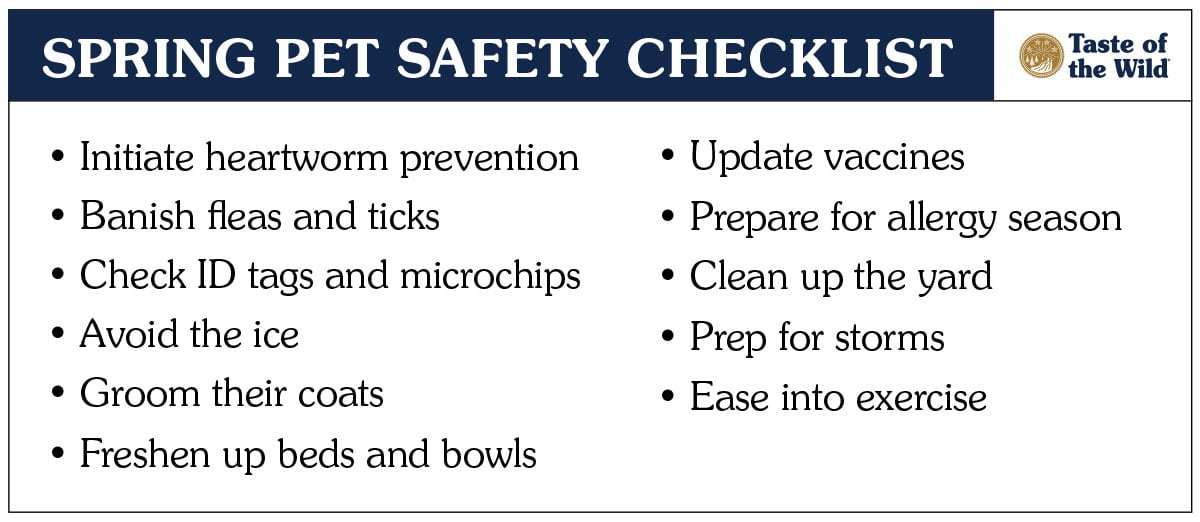
An interior graphic detailing a safety checklist of spring pet safety tips.

Now that you and your pet are prepared for spring, let the outdoor frisbee tournament begin. The sun is shining, so there’s no time to waste: your best friend is waiting to play outside with you.

Dogs at Work: Ratter Dogs Win the Rat Race

A white terrier dog sniffing the grass outside in the sun.

At the American Kennel Club Earthdog competition, terriers and other small breeds race through tunnels in search of rats. No rats are harmed, the AKC is quick to point out, because the rats are in cages, safe from canine jaws. Dogs win by simply finding the rat and barking within an allotted time. The whole point is to let dogs compete in a sport they were bred for years ago: rat catching.

A history of chasing vermin

A few centuries ago in Europe, when rural living meant rodents inevitably lived in close company with humans, rats became the scourge of every farm for destroying food sources and spreading diseases such as the plague.

Rats have been an issue for humans for so long that they star in multiple tales and legends. In 1284, German lore has it that the Pied Piper of Hamelin lured the town’s rats to their death in a river, only to kidnap the town’s children when he wasn’t paid. Jack Black, a famous British rat catcher, is said to have kept rat-baiting competitions stocked with his catch at the end of the 19th century. Spectators made bets on how fast dogs (mostly terriers) could kill all the rats released into a pit.

Eventually, farmers learned that dogs, especially those of the terrier sort, eagerly picked up the idea of rat catching, earning them a permanent home on the farm. In the 1800s, ratters were sent down mine tunnels and patrolled cotton mills and inns at night, lightening the rodent load wherever they went. Terriers even worked in the World War I trenches, where rats were attracted to dead bodies and human waste. The dogs made quick work of the rat population and provided comfort to soldiers.

An instinct to hunt

Ratters tended to be terrier breeds, such as rat terriers (obviously), Jack Russell terriers, Norfolk terriers, Yorkshire terriers, Sealyham terriers and Cairn terriers. Other rodent-chasers included dachshunds, miniature schnauzers and German pinschers. To this day, many of these breeds are known for digging, barking and investigating any marauders that dare enter the yard.

If you have hamsters, bunnies or other small pets around the house, beware: ratting breeds can easily mistake them for prey if the creatures make quick movements in their vicinity.

Still on the job

Ratting dogs are still valued for their rodent-killing prowess. Just ask the members of the Ryder’s Alley Trencher-fed Society (R.A.T.S.), a group of dog owners who prowl New York City streets and alleys at night, ridding the city of small varmints. They usually bring a veterinary technician along, to help with any bites or scratches that may need attention. It’s great entertainment for the dogs, and their handlers feel like they’re helping the community.

Preventive Health Care for Pets

A veterinarian in scrubs examining a cat and a dog.

When it comes to veterinary care, many pet owners subscribe to the old axiom, “If it ain’t broke, don’t fix it.” In fact, the 2017-18 edition of the AVMA Pet Ownership and Demographics Sourcebook says that nearly 46 percent of cats and 17 percent of dogs didn’t visit their veterinarian during that span.

But waiting until something is “broke” is like waiting until your house is on fire before buying a fire extinguisher. By the time a pet shows signs of illness, the disease may have progressed so far that it may be more difficult and more expensive to treat than if it had been caught earlier — not to mention the extra discomfort the pet may have experienced.

Preventive healthcare…prevents

More and more, veterinarians encourage owners to focus on preventive healthcare. These simple steps can help prevent dogs and cats from contracting many diseases in the first place and may help detect problems earlier, when they may be more amenable to treatment — and when treatment typically has a smaller price tag.

The preventive care your pet requires will depend on the animal’s age, lifestyle, health status and risk factors for disease. Your veterinarian can tailor a preventive care plan for your pet’s precise needs, but it will most likely include some of the following:

Annual physical exams

Your pet should be examined by a veterinarian at least once a year. If he or she is older or currently has a health condition, those visits should be even more often. The goal is to detect subtle signs of disease as early as possible, or to monitor disease progression to keep your pet healthy and comfortable for as long as possible. It’s also a good opportunity to discuss any concerns about your pet’s behavior and general well-being.

Spay and neuter

Neutering a male pet early helps prevent testicular cancer and prostate disease. Likewise, spaying female cats and dogs when young can help reduce the risks of mammary cancer and pyometra, an infection of the uterus that often requires emergency surgery. Appropriate timing for this important surgery should be discussed with your veterinarian and may vary based on your pet’s breed and lifestyle. Sterilization can also help reduce behaviors such as roaming, urine marking and aggression.

Screening tests

Many health conditions aren’t obvious to the naked eye. That’s why your veterinarian may recommend tests to help detect diseases early, such as urinalysis and general blood tests as well as more specific diagnostic tests to check for thyroid disease, feline leukemia and more. Depending on your pet’s age, your veterinarian may also suggest other diagnostics such as X-rays or blood pressure measurements.

Nutrition/weight management

Research has shown that keeping your dog lean can actually help prolong life, and the same is most likely true for cats. You can help achieve this by feeding a complete and balanced food designed for your pet’s life stage, providing regular exercise and not going overboard on treats.

Dental care

Dental disease is one of the most common — and preventable — conditions in dogs and cats. It’s often painful. It can lead to tooth and bone loss. And dental infections can spread bacteria to organs throughout the body. Regular dental exams and prophylactic cleanings can help remove tartar and bacteria under the gum and freshen breath. Even better, regular at-home tooth brushing can help extend the time between professional cleanings.

Vaccinations

Some vaccines, such as rabies, are required by law, but others are important to help protect your pet from serious and potentially fatal diseases. Indoor-only pets can still be exposed to viruses, so you should discuss your pet’s disease risks with your veterinarian and select the right vaccination program for your pet.

Parasite protection

All pets, even those who are indoor-only, should be on year-round, broad-spectrum parasite control for intestinal worms and heartworm. Regular fecal exams are also important, not just for your pet’s health but because many intestinal parasites can be spread to your human family members. You should also consult your veterinarian about flea and tick control; risks for these pests depend on your area.

The whole package

To help encourage more pet owners to focus on preventive healthcare, many veterinarians offer special packages that bundle these services, often at a discount. That way, you know exactly what your pet needs for the year. Even better, you can probably spread the expenses out over the year so it’s easier on you, too. And that makes your next trip to the veterinary clinic relatively painless for everyone.

How Cat Obesity Can Lead to Feline Diabetes

A close-up of an overweight gray and white cat sitting on a kitchen floor.

If you’re wondering if your cat is overweight, that’s not so unusual — there are more overweight cats in the U.S. than cats of an optimal weight. The problem is that carrying a few extra pounds can have negative effects on your cat’s health, including high blood pressure, osteoarthritis, kidney disease, respiratory difficulties and even some types of cancer. But the health condition with the strongest link to obesity in cats is diabetes. 

Can Cats Get Diabetes?

Yes! Diabetes — or more appropriately, feline diabetes mellitus — occurs when a cat’s pancreas doesn’t make enough insulin or has lost the ability to produce insulin altogether. Diabetes mellitus can also occur when the body’s cells don’t respond normally to the insulin that the pancreas does make, a phenomenon called insulin resistance.

Insulin is a hormone that is necessary for cells to take in glucose (blood sugar) from the bloodstream. Not only does insulin resistance contribute to diabetes, it is also thought to play a role in other diseases, such as kidney disease, liver disease and cancer, as well as contributing to ongoing obesity.

Most diabetic cats develop type 2 diabetes, which is when their bodies are unable to properly use insulin, and may need an insulin injection once or twice a day for the rest of their life. Sometimes this type of diabetes can be reversed, meaning the cat can go into remission and insulin injections are no longer needed. Early diagnosis, treatment with insulin and a change in diet provides the greatest chance of reversing diabetes in a cat. However, if the cat hasn’t gone into diabetic remission within six to 10 months of diagnosis, they will likely need lifelong insulin treatment.

What Causes Diabetes in Cats?

Diabetes has been diagnosed in cats of all ages and breeds, and in both males and females, including neutered, spayed and intact cats. However, certain cats — especially obese cats — are at greater risk of developing the disease. Older cats, particularly neutered male cats, are also more likely to develop diabetes. 

Other risk factors in cats include inactivity, genetics, increasing age, infections, pancreatitis (inflammation of the pancreas), kidney disease, steroid medications and endocrine disorders.  High calorie foods are more likely to cause a cat to become overweight, especially if that cat is an inactive indoor kitty.

To help your cat avoid diabetes:

  • Maintain them at a healthy weight. If you’re not sure how much your cat should weigh, talk with your veterinarian.
  • Feed a complete and balanced diet. This includes limiting treats to no more than 10 percent of your cat’s daily calories.
  • Provide your cat with plenty of physical activity. Exercise helps keep them from becoming bored and can help manage their weight.

Signs of Diabetes in Cats

Symptoms of diabetes include increased thirst and urination, and weight loss despite an increased appetite. These clinical signs can also be caused by other conditions in cats, such as hyperthyroidism and kidney disease. So if you notice these symptoms, make an appointment with your veterinarian to confirm a diagnosis, especially as uncontrolled diabetes can be fatal.  

Feline Diabetes Treatment Options

While a diagnosis of diabetes may initially feel overwhelming for cat owners, diabetes is a condition that you can manage with the help of your vet, especially in the early stages. Diabetes can’t be cured, but managing diabetes is possible with daily insulin injections and diet changes that can keep your cat’s blood glucose levels regulated and reduce or eliminate diabetes symptoms.

Diet Changes for Cats Diagnosed with Diabetes

Diet can play a big part in the management of diabetes and maintaining normal blood glucose levels. Cats have a unique ability to use protein to make a steady supply of glucose for energy. Many veterinarians consider a food containing high levels of good-quality protein and low levels of carbohydrates ideal for diabetic cats. Because cats are obligate carnivores, the high-protein diet more closely mirrors a diet they might eat in the wild.

If you switch your diabetic cat to a high-protein, low-carbohydrate diet, it’s important to do so under the guidance of a veterinarian. With this type of diet, your cat may need less insulin over time. However, not all cats respond best to the same diet. Other diets formulated for diabetic cats may include high fiber to aid in glucose metabolism. 

It’s important to always work with your veterinarian to ensure your cat is maintaining normal blood glucose concentrations and you aren’t putting your cat at risk for hypoglycemia or low blood sugar. Diabetic ketoacidosis, which is a medical emergency, can also be a risk if your cat doesn’t receive enough insulin. Diabetic cats should be fed the same amount of food at the same times every day to help maintain normal blood sugar levels. 

Remission doesn’t mean a cat with diabetes is cured. It’s still important that your cat maintains a healthy weight and body condition, eats appropriate food and stays active. And in some cases, your kitty may still need a once- or twice-daily insulin dose in the future.

How to Prevent Cat Obesity and Diabetes

Getting your cat down to a healthy weight helps prevent disease, enhances their quality of life and can actually help them live longer. Chubby cats can also have more trouble jumping, playing and climbing.

Ideally, your cat should lose weight gradually, trimming off about 3 to 5 percent of body weight per month. Slow weight loss is very important as cats are at risk for a dangerous liver condition called hepatic lipidosis if their calorie intake is restricted too quickly.

Research has shown that obesity, age and lack of activity are the main contributors to insulin resistance and diabetes in cats. So, if you want to reduce your furry friend’s risk of diabetes, feed them appropriate amounts so that they maintain an ideal (or optimal) body condition and make sure they get plenty of activity. Make a commitment to spend three 5-minute aerobic play sessions with your cat each day.

Diabetic Cats Can Live a Full Life

Although diabetes can’t be cured, it is possible to successfully manage your cat’s diabetes through daily insulin therapy, monitoring your cat’s blood sugar, feeding an appropriate diet and regular physical activity. With appropriate care and attention, there’s no reason why your diabetic cat can’t fully live out the rest of their natural lifespan.

How to Clip Dog Nails: Expert Tips for Nail Trimming

A close-up of a dog’s two front paws with a pair of nail clippers lying on the floor between them.

Some dogs just get off on the wrong paw when it comes to nail trimming. If their first nail trimming experiences were painful or scary, they’ll do their best to squirm out of it in the future. But it doesn’t have to be that way. If you have a puppy, you can make sure they have a positive experience from the start. But even if your dog is older and hides behind the couch whenever the clippers come out, it is possible to retrain them to at least tolerate the nail clippers.

How Often Should You Trim Your Dog’s Nails?

If your dog walks on pavement regularly, the surface acts as kind of an emery board, gradually wearing down the nails naturally. So they may need less frequent nail trims than a dog who doesn’t walk on pavement much and mostly plays on grass. A good rule of thumb is to cut dog nails when they get long enough to touch the ground, or when you hear the “clickety-clack” of your dog’s nails against the flooring.

Long nails can cause paw-pad issues and can affect your dog’s foot and leg structure and how they walk. So it’s important to stick to a regular nail trimming schedule. If you notice unhealthy dog nails while you’re trimming, like brittle, cracked or discolored nails, contact your veterinarian.

Dog Nail Trimming Supplies and Equipment

Perhaps the most important supplies you’ll need for trimming nails are treats, treats and more dog treats. The more delectable the better. Your goal is to make everything a positive experience when you trim your dog’s nails. If possible, cut or break up your dog’s favorite treats into small pieces the size of peas. That way, you have ample supply during the nail trimming session. You’ll want to maintain a relaxed and positive attitude so your dog stays relaxed, too.

Next, you’ll need a nail clipper. There are generally two types: those shaped like scissors and guillotine-style clippers that feature a hole the nail fits through. You can also try a grinder, but some dogs don’t like the vibrations and noise, and the task may take longer.

You’ll also want styptic powder. This will help quickly stop bleeding if you accidentally cut the nail too short. It’s available at most pet stores, but if you’re in a pinch, cornstarch also does the trick.

How to Cut Puppy or Dog Nails

Getting your pup used to nail trimming is all about keeping the session positive. Take each step slowly; it may take several days or weeks to make your pup feel comfortable.

When you first get started, it’s best if you can have someone distract your dog while you’re busy with their nails. So ask someone to help dish out the treats and help keep your dog comfortable and calm. Once your dog is used to nail trimming, you might be able to make it a one-person job.

First, help your dog become accustomed to having their paws handled. Touch and hold your dog’s paws. Lavish them with praise and treats so they know that good things happen when you touch their paws.

Next, introduce the nail clippers. Place the clippers on the floor and encourage your pup to approach the tool by creating a trail of treats up and on to the clippers. Let your dog sniff them and become comfortable being around them.

How to Use Dog Nail Clippers

To trim your dog’s nails safely, it’s important to restrain your dog from moving their paw — but go easy on the restraint. When an animal is held down against its will, it can become stressed and possibly aggressive. To avoid this, ask your helper to gently hold your dog in their lap and give your dog treats every time you handle their paws. Ask your helper to only give your dog treats when you’re touching your dog’s paws so they regard paw-holding as a good thing.

Tap your dog’s nails with the clippers. Again, ask your helper to dish out treats every time you tap the nails. Ideally, your dog will be distracted by the treat and won’t even notice what you’re doing. Then place the clippers over the nail, but don’t cut. Again, praise and treat your dog while it becomes comfortable with the touch of the clippers around the nail.

How Long Should Dog Nails Be?

Cutting a nail too short isn’t fun for anyone, which is why you want to avoid cutting down to the quick of the nail. This is the pinkish area in the middle of the nail that contains a nerve and blood vessel. If you accidentally cut the quick, it can be painful for your dog and the nail can start to bleed. Dogs with dark nails can be more challenging because the quick may not be visible.

If your dog has light nails, and you can see the quick, cut the tip of the nail below the start of the quick. If your dog has dark nails, clip about 1/16th of an inch at a time. As you get closer to the quick, you will begin to see a darker dot at the center of the nail. That’s your cue to stop.

Work your way up gradually. It’s not necessary to clip all the nails at once. Start with one nail and if your dog starts getting uncomfortable, stop the session and try again another time.

Keep Nail Trimming Pawsitive for Your Dog

Helping your dog become accustomed to having their nails trimmed takes lots of patience, praise and good technique. The last thing you want to do is cause stress or discomfort for your dog. So if nail trimming at home isn’t going well, ask your veterinary team if they can do it for you or consult a professional groomer. For more grooming tips, check out our complete guide to pet grooming.

A Fitting Solution for “Unadoptable” Shelter Pets

A group of rescue dogs standing next to their handlers.

Most people visit the rescue shelter in search of their perfect canine or feline counterparts. A dog who shares your love of popcorn while you binge-watch the latest Netflix release. Or a cat who will rev its motor and purr you to sleep.

But others search the shelters for the pets that are typically passed over. The rambunctious dogs who pace back and forth in their kennels all day long. Or the high-energy pups that don’t have an “off” switch when it comes to playing fetch.

In an average household, these dogs can get frustrated. Without an owner willing to devote time to working off the excess energy and challenging their minds with training, the dogs can resort to destructive behaviors: freeing all the feathers from your couch pillows, chewing on woodwork or even leaping out windows in pursuit of a taunting squirrel. Through no fault of their own, they are often returned to the shelter.

But what makes these dogs less than ideal for the average home makes them perfect candidates for full-time jobs. With the right training, these dogs can put that energy to good use detecting explosives, contraband, wildlife scat and more.

Case in Point: Rescues 2the Rescue

A program created by Working Dogs for Conservation and the International Fund for Animal Welfare, Rescues 2the Rescue partners with shelters to identify those obsessive, packed-with-energy dogs that might make perfect conservation dogs. This program matches dogs with trainers so they can eventually work at protecting the environment, from locating rare animals to stopping ivory poachers in Africa or tracking down invasive species.

That’s just one example of the organizations that rescue high-energy shelter dogs for jobs doing nose work. Other dogs may be trained to work as search dogs after disasters, bomb-detection dogs at airports and even avalanche dogs. It’s a win-win situation: Dogs get to work off their drive and energy for praise and rewards, and the world benefits from the work they do.

Shelter Cats Are Rescued, Too

Some cats may have a hard time finding a home, especially if they don’t use the litter box regularly or don’t appreciate being handled by people. But the Animal Humane Society has developed a program to help them find jobs controlling rats and mice.

The organization adopts out healthy cats (who seem to work better in groups of two or three) for work in barns, construction companies, police stations and other businesses that need rodent control. Those who adopt the cats must provide shelter from the elements, food and fresh water and veterinary care.

These programs give “unadoptable” pets a second chance at life, and remind us there’s a suitable environment for them all.

What Is the Best Protein for Dogs?

A yellow Labrador retriever sitting in a kitchen looking down at three empty stainless steel dog bowls on the floor.

All dogs need protein in their diet, but the meat- and protein-related claims made on dog food packaging can be confusing. And, in reality, few ingredients used in pet food provide only one type of nutrient. We’ll review what you really need to know about protein and its various sources in dog food.

The Importance of Dietary Protein for Dogs

Let’s start with some dog nutrition basics and why protein is necessary in dog food. Dietary protein is really all about amino acids. Many animal nutritionists will tell you that dogs don’t have a protein requirement; they have a requirement for amino acids in the proper amounts and ratios. Of the 20 or so amino acids, 10 are considered essential for dogs — that means they must be provided in the diet because dogs can’t produce them in their body or can’t make enough of them.

The primary function of protein is to provide essential and nonessential amino acids for muscle development and repair, enzymes, key hormones (like insulin) and antibodies. Proteins are the primary structural parts of muscles, cartilage, tendons, ligaments, skin and hair. Proteins from food are also the body’s primary source of nitrogen, which is critical for making nonessential amino acids, nucleic acids of DNA and RNA, and certain neurotransmitters. Finally, amino acids from protein can be converted into glucose and other energy forms for the body to use to maintain itself and during growth, gestation and lactation. That’s a lot of important functions!

Here’s something to keep in mind: Once a food or ingredient is digested and its nutrients are absorbed through the lining of the small intestine, the original source of the nutrients no longer matters. In the case of amino acids, your dog’s body doesn’t care where the amino acids come from for its use — whether they’re made by the body or supplied in the diet as single amino acids or as intact proteins.

Protein Sources Add Flavor to a Dog’s Diet

Protein sources in dog food also provide flavor. When protein sources are cooked along with fats and carbohydrates, different flavors can be created. Animal nutritionists agree that as the protein content of food increases, the food generally becomes more palatable and acceptable to dogs.

Protein Ingredients That Dog Food Is Made From

Pet food manufacturers can use many different ingredients to supply the protein and amino acids found in dog foods. Essentially, protein ingredients can be grouped into one of three categories:

  • Animal-based ingredients
  • Plant-based ingredients
  • Amino acid supplements

Several protein sources are often combined in pet foods to improve the overall quality and amino acid profile of the finished diet. This practice is known as protein complementation, and it’s used because different protein ingredients contain different amounts of essential and nonessential amino acids. That’s why it’s common to see dog foods with one or more animal proteins, plant proteins and amino acid supplements.

Typical pet food ingredients with high-protein concentrations are meat, meat meal, meat broth, eggs and fish. Taste of the Wild dog food recipes use a variety of different animal proteins, including:

  • Beef
  • Bison
  • Chicken
  • Duck
  • Eggs
  • Fish
  • Lamb
  • Pork
  • Quail
  • Salmon
  • Trout
  • Turkey
  • Venison
  • Water buffalo
  • Wild boar

Animal-based ingredients aren’t the only protein source for pet foods. Plant-based ingredients — such as ancient grains (like quinoa and chia seed) and legumes (like peas, lentils and chickpeas) — are also used for their protein and amino acid content. When added to a dog’s diet, these ingredients not only bring variety, they contribute phytonutrients that are considered beneficial to overall health.

Finally, amino acid fortification is commonly used to improve the protein quality and amino acid profile of dog foods. The three essential amino acids in dietary proteins that are most often in short supply are methionine, lysine and tryptophan. The other amino acid commonly fortified in pet food, especially cat foods, is taurine. Although most dogs can make sufficient amounts of taurine to meet their body’s requirements, some pet food brands, including Taste of the Wild, choose to fortify their recipes with taurine.

How Much Protein Is in Dog Food?

If your dog eats a complete and balanced diet that includes a statement from the Association of American Feed Control Officials (AAFCO) on the label, that food has been formulated to meet the nutritional needs of the pet that the food is intended for. The formula contains all the essential nutrients required (including essential amino acids), and the nutrients are present in the correct ratios for the life stage of that animal (i.e., gestation/lactation, growth, maintenance or all life stages).

How Much Protein Does a Dog Need?

AAFCO sets a minimum crude protein requirement for dog foods of 22.5% on a dry matter basis for growth and reproduction diets and 18% on a dry matter basis for adult dog maintenance diets. How much protein your dog needs depends on their age, activity level, life stage, health conditions, weight management needs and the protein quality of the diet. Excess protein in the diet is broken down and used for energy.

Keep in mind that due to health issues, some dogs may have special dietary needs that require specific protein requirements. For example, lower protein levels are recommended for dogs with chronic kidney disease. On the other hand, high-protein dog food is sometimes recommended for highly active dogs or performance dogs with high energy levels. Always consult with your veterinarian on the appropriate diet needs for your dog and exactly how much protein they should be eating.

What Is the Best Protein for Dogs?

If you have questions about your dog’s food, including the protein sources used in it, talk with your veterinarian. They can assess your dog’s nutritional needs based on age, body condition, activity level and any medical issues. Your vet can also recommend appropriate dog foods, including how much you should be feeding for proper health.

Why Is My Cat Not Eating?

A gray and white cat with green eyes lying on the floor next to a metal cat food bowl.

Is your cat hard to please at the food bowl? Does your feline sniff at cat food with disinterest, then turn their nose in the air and walk away? Do you grovel every night, offering up various delicacies in hopes of finally finding something to please your cat’s discriminating taste buds? Well, the first thing you need to do is rule out a medical issue, and if that’s not the issue, we have some other suggestions to try. 

What Causes Appetite Loss in Cats?

Appetite loss in cats is a symptom, not a disease itself, so identifying the underlying cause is essential. Pain anywhere in the body can lead to reduced appetite or skipping meals. Arthritis, an injury or internal discomfort may make it difficult for a cat to walk to the food dish, lower their head or remain standing long enough to eat comfortably. Senior cats may eat less simply because movement has become uncomfortable. Medical conditions such as kidney disease, gastrointestinal issues or upper respiratory infections can cause a cat’s appetite to change.

One of the most common reasons a cat may stop eating is mouth pain. Dental disease, inflamed gums, broken or infected teeth and advanced periodontal disease can all make chewing painful. A cat with dental pain may approach the food bowl but hesitate to eat, chew on one side of the mouth, drop food or avoid dry food altogether. In addition to dental problems, a cat’s overall health has a significant impact on appetite.

Appetite loss in cats can also occur due to stress or anxiety. A change in a cat’s environment, like moving homes or the addition of a new family member or pet, can cause stress and can lead to other behavior changes, like peeing outside the litter box or over-grooming. You should consult your vet if you notice these behavior changes. 

How Long Can Cats Go Without Food?

Cats generally cannot go very long without eating, and even a short period of food refusal can be a cause for concern. If your cat hasn’t eaten for more than a day, it’s important to contact your veterinarian for guidance. Unlike some species, cats are at risk of developing serious conditions. 

In many cases, treatment of the underlying condition helps their appetite return to normal. Depending on your cat’s specific needs, your veterinarian may recommend pain relief, anti-nausea medication, or even an appetite stimulant to help encourage eating and prevent further complications.

If Your Cat Isn’t Eating, Watch Out for Hepatic Lipidosis

Unlike many other species, cats are particularly vulnerable to developing hepatic lipidosis, also known as fatty liver disease, when they stop eating. This is a potentially life-threatening and dangerous liver condition that can develop after just a few days without adequate calories, especially in cats who are overweight or were previously obese. 

When a cat suddenly stops eating, the body begins breaking down fat for energy. In cats, this fat can accumulate in the liver faster than it can be processed, leading to impaired liver function.

Several risk factors can contribute to the development of hepatic lipidosis. Cats who experience a sudden loss of appetite and rapid weight loss are most commonly affected, but the condition can occur in any cat. Stressful events, such as other animals, new people or a move can cause a cat to stop eating. Underlying medical conditions, including pancreatitis, inflammatory bowel disease, diabetes, cancer and kidney disease, may also trigger appetite loss. In some cases, a cat may develop hepatic lipidosis after escaping outdoors and going without food for several days. 

Recognizing the symptoms early is critical. After a few days of food refusal, a cat should be evaluated by a veterinarian. In addition to a decreased or absent appetite, cats with fatty liver disease often show signs of rapid weight loss, lethargy, vomiting or diarrhea. They may also become withdrawn, hide more than usual and appear less social. Prompt veterinary care greatly improves the chances of recovery.

Why Is My Cat Not Eating but Acting Normally?

If your cat doesn’t have an underlying medical problem but still isn’t eating well, there are several simple strategies you can try to encourage better eating habits. First, consider the location of their food and water bowls. Many cats are sensitive to their surroundings and may refuse to eat if their bowl is placed in an area that has loud noises or high-traffic areas, is near the litter box or in a space shared with other cats. Moving the dish to a quiet, peaceful spot can make a big difference. 

You can also make the food more appealing by adding a small amount of vegetable or low-sodium chicken broth, or tuna juice from tuna packed in water (not oil), to enhance the flavor. Temperature can matter as well. Some cats dislike cold wet food straight from the refrigerator, and gently warming it can enhance the scent, especially for older cats who may have a reduced sense of smell. Just be sure it’s not too hot. On the other hand, if your cat is feeling nauseous, chilling the food slightly may reduce the smell and make it more tolerable.

Keeping the cat food bowl clean is also important, as many cats avoid eating from dirty food dishes with dried-on food. Washing the bowl after every meal helps maintain cleanliness and reduce bacteria. The same goes for water bowls; make sure to wash them to avoid contaminants. If your cat seems hesitant at the bowl, consider switching to a wider, shallower dish or even a plate, as some cats dislike their whiskers touching the sides. 

Changing the type of food may also help. If your cat usually eats dry kibble, you might try canned food, but be sure to transition gradually over five to seven days by slowly mixing more of the new food with less of the old to avoid an upset stomach. Offering smaller, more frequent meals, especially with wet food, can keep meals fresh and reduce waste. Positive reinforcement can also play a role; some cats respond well to gentle praise and petting while they eat, while others prefer quiet and privacy. Finally, avoid preparing home-cooked meals unless you are working closely with a veterinary nutritionist, as it is hard to meet the nutritional requirements for your cat’s diet.

If Your Cat Won’t Eat, Look Toward Cat Food Overload

If your cat refuses food, the problem may be that you’re offering your cat too much of a smorgasbord: from different flavors to different types of food (dry, canned, semi-moist) or even different textures. Some cats simply become overwhelmed. The answer may be to find one food your cat likes and stick with it. Sometimes, they may just have a picky palate!

There can be many reasons why your cat isn’t eating. By working with your veterinarian to treat any underlying illness or adjust their eating habits or food type, hopefully your cat will fall in love with their food bowl all over again.

Missing Dog: A Guide to Finding Lost Dogs

An empty plastic dog crate lying on a table with the door open.

You and your dog are besties. You play together and rest together; when you go out, you’re guaranteed an exuberant welcome back. Even so, dogs have been known to wander away in pursuit of enticing smells or interloping squirrels. They might get out of the house to chase the mail carrier or bolt at the sound of fireworks. They may even escape after a car accident or while you’re on vacation. So how can you track down your dog when they get lost?

Help! I Lost My Dog!

First, try to be calm. If your dog has a current ID tag on their collar and a microchip, there’s a good chance a good Samaritan will call you shortly. Other pet owners have experienced — or worry about — their own missing pets, so they’re likely to do what they can to help find your missing dog.

How to Find a Lost Dog

Here are six tips to help you be reunited with your best friend as soon as possible:

1. Scour the Neighborhood

Most lost pets don’t go far unless they are chased. Make the rounds several times a day and bring your dog’s favorite squeaky toy or treat, if possible, to lure them closer. If your dog is outfitted with a GPS tracking device, that will make the hunt much easier.

2. Create Flyers

Chances are, your dog’s photo is on your cell phone. Use this image to create a “Lost Dog” flyer with your contact information. It may help to offer a reward. Keep the description brief and omit one characteristic that callers will need to identify to help eliminate pet recovery scams.

3. Post Flyers in the Surrounding Area

Grocery stores and pet supply stores may have bulletin boards for local announcements. While you’re searching the neighborhood, alert people you pass about your dog and consider dropping off flyers in doorways.

4. Call Your Veterinary Clinic and Microchip Company

Notify them that your dog is missing. If your dog’s ID tag has been lost, it may be possible for finders to use the rabies tag to track your dog to your usual clinic. If your dog has a microchip, make sure the company has your most current contact information.

5. Contact Local Animal Control Agencies and Veterinary Clinics

People often take wandering dogs to their local veterinary clinics so they can be scanned for a microchip. You can also call pet shelters and rescue groups in a 60-mile radius to see if your dog has been dropped off there. If possible, send them a digital copy of your missing pet poster.

6. Use Online Resources

Petco Love Lost has a national database that enables you to upload a photo of your lost pet. The photo is then digitally matched against photos of found pets in the area. Sites such as Fido Finder help you act quickly to get the word out about your lost dog. You can also alert local residents on Craigslist, Nextdoor, Facebook groups and similar outlets. For a fee, pet recovery services will contact local shelters and veterinarians for you so you can keep up your search of the surrounding area.

What to Do if You Find a Lost Dog

If you have found a dog, flip the strategies listed above. First, remember to be careful when approaching stray animals — you don’t know how long they’ve been loose or how anxious they are about their experiences. Check lost pet listings on the social media sites you have access to; that Facebook page where you report your lost animal usually lists lost and found pets, so you can spread the word about the dog wandering in your neighborhood as well as searching for your own missing pal. A veterinarian can scan for the dog’s microchip information so the owners can be contacted. You could be the person who reunites a lost dog with their family!