Missing Dog: A Guide to Finding Lost Dogs

An empty plastic dog crate lying on a table with the door open.

You and your dog are besties. You play together and rest together; when you go out, you’re guaranteed an exuberant welcome back. Even so, dogs have been known to wander away in pursuit of enticing smells or interloping squirrels. They might get out of the house to chase the mail carrier or bolt at the sound of fireworks. They may even escape after a car accident or while you’re on vacation. So how can you track down your dog when they get lost?

Help! I Lost My Dog!

First, try to be calm. If your dog has a current ID tag on their collar and a microchip, there’s a good chance a good Samaritan will call you shortly. Other pet owners have experienced — or worry about — their own missing pets, so they’re likely to do what they can to help find your missing dog.

How to Find a Lost Dog

Here are six tips to help you be reunited with your best friend as soon as possible:

1. Scour the Neighborhood

Most lost pets don’t go far unless they are chased. Make the rounds several times a day and bring your dog’s favorite squeaky toy or treat, if possible, to lure them closer. If your dog is outfitted with a GPS tracking device, that will make the hunt much easier.

2. Create Flyers

Chances are, your dog’s photo is on your cell phone. Use this image to create a “Lost Dog” flyer with your contact information. It may help to offer a reward. Keep the description brief and omit one characteristic that callers will need to identify to help eliminate pet recovery scams.

3. Post Flyers in the Surrounding Area

Grocery stores and pet supply stores may have bulletin boards for local announcements. While you’re searching the neighborhood, alert people you pass about your dog and consider dropping off flyers in doorways.

4. Call Your Veterinary Clinic and Microchip Company

Notify them that your dog is missing. If your dog’s ID tag has been lost, it may be possible for finders to use the rabies tag to track your dog to your usual clinic. If your dog has a microchip, make sure the company has your most current contact information.

5. Contact Local Animal Control Agencies and Veterinary Clinics

People often take wandering dogs to their local veterinary clinics so they can be scanned for a microchip. You can also call pet shelters and rescue groups in a 60-mile radius to see if your dog has been dropped off there. If possible, send them a digital copy of your missing pet poster.

6. Use Online Resources

Petco Love Lost has a national database that enables you to upload a photo of your lost pet. The photo is then digitally matched against photos of found pets in the area. Sites such as Fido Finder help you act quickly to get the word out about your lost dog. You can also alert local residents on Craigslist, Nextdoor, Facebook groups and similar outlets. For a fee, pet recovery services will contact local shelters and veterinarians for you so you can keep up your search of the surrounding area.

What to Do if You Find a Lost Dog

If you have found a dog, flip the strategies listed above. First, remember to be careful when approaching stray animals — you don’t know how long they’ve been loose or how anxious they are about their experiences. Check lost pet listings on the social media sites you have access to; that Facebook page where you report your lost animal usually lists lost and found pets, so you can spread the word about the dog wandering in your neighborhood as well as searching for your own missing pal. A veterinarian can scan for the dog’s microchip information so the owners can be contacted. You could be the person who reunites a lost dog with their family!

Dogs at Work: TSA Dogs Tackle Security Before Takeoff

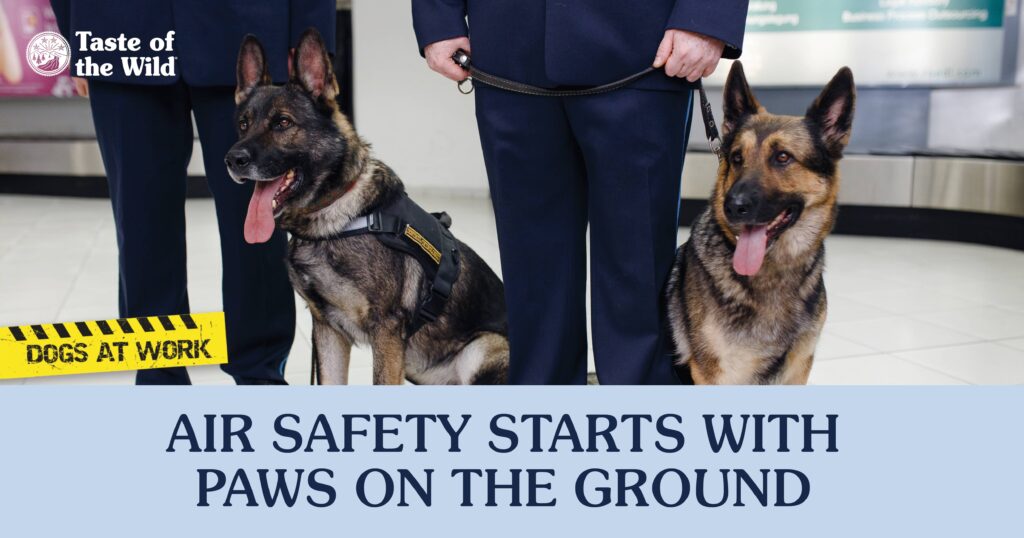
Two German Shepherd Dogs Working with TSA Agents at the Airport

Transportation Security Administration (TSA) dogs can’t prevent turbulence during your flight, but they can help you fly through security a little faster.

Trained to sniff out a range of explosives at airports and other transportation hubs, these dogs can screen passengers — without touching them — faster than traditional methods. And that helps loosen airport bottlenecks.

A nose for explosives

A good explosive detection dog starts with an extraordinary sense of smell. Easily found, considering that the average dog can detect a teaspoon of sugar in a million gallons of water (enough to fill two Olympic-sized pools), according to the book Inside of a Dog by Alexandra Horowitz, a dog cognition researcher at Barnard College.

But the dogs also need a high-energy drive to hunt (usually for a reward). That’s why the TSA generally focuses on hunting or working breeds, including German shepherds, Belgian malinois, Labrador retrievers, golden retrievers, German short-haired pointers, wirehaired pointers and Vizslas.

While slightly less important, another canine trait the TSA values is floppy ears. The rationale is that dogs with ears that fold gently over their heads may be less intimidating (and less likely to scare children travelers) than dogs with straight-up ears.

It takes two

Even with a sensitive sense of smell and a strong hunting drive, dogs need a trained handler on the other end of the leash. Transportation security inspectors make up about 35 percent of the handlers, but the majority are local and state law enforcement officers.

The dogs actually live with the handlers, so they are truly a team on and off the job.

Training in real-life environments

Passenger-screening dogs and their handlers go through an intensive 12-week course at the Canine Training Center at Joint Base San Antonio-Lackland in San Antonio, Texas.

The 25,000-square-foot facility includes 13 full-scale “sets” constructed to look like actual scenes where the dogs will eventually work, including an airport gate area, a security checkpoint, a baggage claim area and an aircraft interior where dogs can clamber on seats to sniff overhead bins. The facility even employs people to play the role of passengers.

Using positive-reinforcement techniques, the dogs are rewarded with treats, chew toys or praise each time they detect the scent of an explosive. This helps them focus on the relevant scents and keeps them motivated to keep searching. Dog teams are also trained at other locations in the geographic area, such as the San Antonio International Airport and the local bus station.

About 83 percent of dogs in the program pass the training. The remainder are adopted out through a special TSA program, but currently there’s a long waiting list, so unfortunately, the organization can’t accept any more applications for the time being.

A lifetime of training

Of course, the training doesn’t stop after graduation.  The teams first go back to the location they’ll be stationed to allow the dog to acclimate to the sights, sounds and distractions of the environment.

Handlers also keep training the dogs on a weekly basis. The dogs need to be rewarded for finding the correct scent periodically to keep them interested and disciplined. Teams must also be recertified every year, when they may learn new scents, depending on emerging intelligence data.

Although it may be tempting to pet these dogs when you see them in the airport, please don’t. They need to focus on the important job of keeping you safe, without distraction.

Eventually, these hard-working dogs do get to enjoy a laid-back retirement. Some of these dogs may be available for adoption, but since the handlers and trainers get first dibs, they’re generally welcomed into the houses they already know as home.

Bed-Bug Sniffing Dogs & Other Pest-Detecting Canines

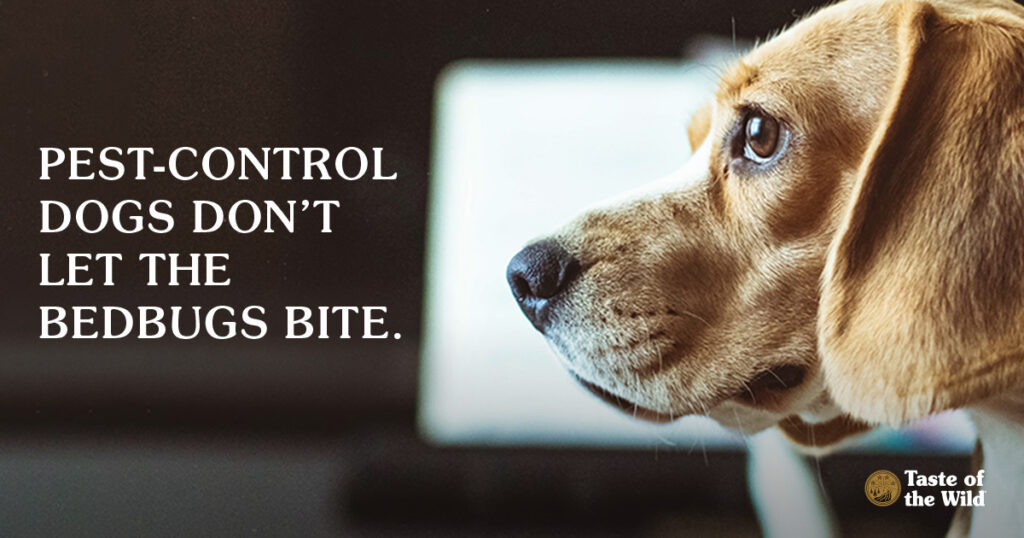
A side profile view of a white and tan beagle with a contemplative expression on its face.

When your dog peers under the kitchen stove growling for hours, you can be pretty sure there’s some kind of varmint hiding under there. If you’re lucky, your pet comes with these pest-hunting skills naturally and will chase the unwelcome critter off.

Some dogs, however, are specially trained to hone their hunting skills on vermin of the six-legged sort. If scent-detection dogs can be trained to sniff out bombs, drugs and even cancer, why not termites and bed bugs?

Can Dogs Smell Termites?

Hungry termites can cause devastating damage to homes. Because termites are usually tucked behind drywall and plaster, they can’t always be detected until they’ve caused a tremendous amount of damage.

Termite dogs to the rescue! These pups can be trained to sense the methane emitted by termites as they digest wood in a particular area. So they’re often able to locate infestations well before human inspectors can. In studies, trained dogs were able to detect termite groups of 40 or more with about 95 percent accuracy. If that’s not impressive enough, the research showed that they could even discriminate between live termites and wood that had been previously damaged by termites, as well as cockroaches and ants.

When matched against electronic detection devices, canine inspections win by a long shot with an average of 98 percent accuracy.

Can Dogs Sniff Out Bed Bugs?

Bed bugs (Cimex lectularius) are the bane of hotels, apartments, dorms, cruise ships and other places that offer temporary housing. While they don’t transmit disease, they do feed on the blood of people and humans while they sleep, which can cause itching, inflammation and general revulsion. In rare cases, people can have an allergic reaction when bed bugs bite.

Unfortunately, bed bugs are not only tiny and nocturnal, but they can be experts at hiding inside mattress seams, in bed frames and box springs, behind baseboard cracks and crevices and even under light-switch covers. Thankfully, dogs can be trained to sniff out these tiny invaders, too.

In studies, trained bed bug dogs were able to sniff out live bed bugs and live bed bug eggs with 100% accuracy. They can even distinguish between dead bed bugs and live ones! However, several pest control businesses have been reported for using canine bed bug inspection methods to find a bed bug infestation that wasn’t, in fact, there when another business checked the premises. People requesting bed bug inspections with trained bug-sniffing dogs should always ask the handler for the dog’s credentials. Honest, professional companies will be happy to show their proof of training.

That way, you don’t get bitten twice.

How Do You Know if You Should Worry About Bed Bugs?

The signs that you might have a bed bug problem are subtle. The bugs are active at night and are small — about the size of an apple seed — flat and red to rust-colored, depending on how recently they have fed. You might see shed exoskeletons, the black dots of bed bug feces, or blood spots on your bed. Bed bugs feed on their hosts only for about 5 minutes before dropping off and hiding again, so you’re more likely to be aware of the bites than the bugs. The bites look like one or a line of red welts that could be mistaken for mosquito bites.

Do Bed Bugs Bite Dogs?

So wait — do you need to worry about bed bugs biting your furry friend?

If the household dogs and cats are itching, and you’re not, flea bites are the more likely culprit. Bed bugs feed on the blood of any warm-blooded creature, but fortunately for our pets, their fur makes them less attractive targets for bites. If you think you’ve got an infestation, though, be sure a pest control company treats any areas of the house where your pets spend time. Itchy bites are a drag, but at least bed bugs don’t transmit diseases the way other insect pests like fleas, ticks and mosquitoes can.

Can Bed Bugs Live on Dogs?

Unlike some bugs, these pests don’t live on their hosts. Our pets’ furry coats aren’t considered reliable hiding places by bed bugs. They could lay eggs or hide in your dog’s bed (or more likely your bed), however. So the solution is a hot water laundry run instead of specialized combs or shampoos.

Help! We Have Bed Bugs — Now What Do We Do?

Eradicating bed bugs from your property is a challenge because they’re good at hiding. Effective bed bug treatment needs to address all of their hiding places: all the furniture in the affected room (not just the bed) and even luggage (especially if you’ve been on a trip recently). You may need to call pest control experts for bed bug control. They might bring canines trained to recognize the specific scents and pheromones for their bed bug inspection, or they might rely on physical signs to identify the targets for treatment. They’ll have the pesticides necessary to control the bugs and the eggs — the chemicals in over-the-counter flea extermination bombs frequently don’t kill bed bugs. Don’t forget to treat the places your animals sleep, but let those items air out before nighttime.

Once you catch on that these aren’t your usual bug bites, that’s the first step in making sure that your bed is a comfy haven again. And it’s nice to know that our furry companions are among those who help us keep it that way.

Flea and Tick Prevention for Dogs: A Beginner’s Guide

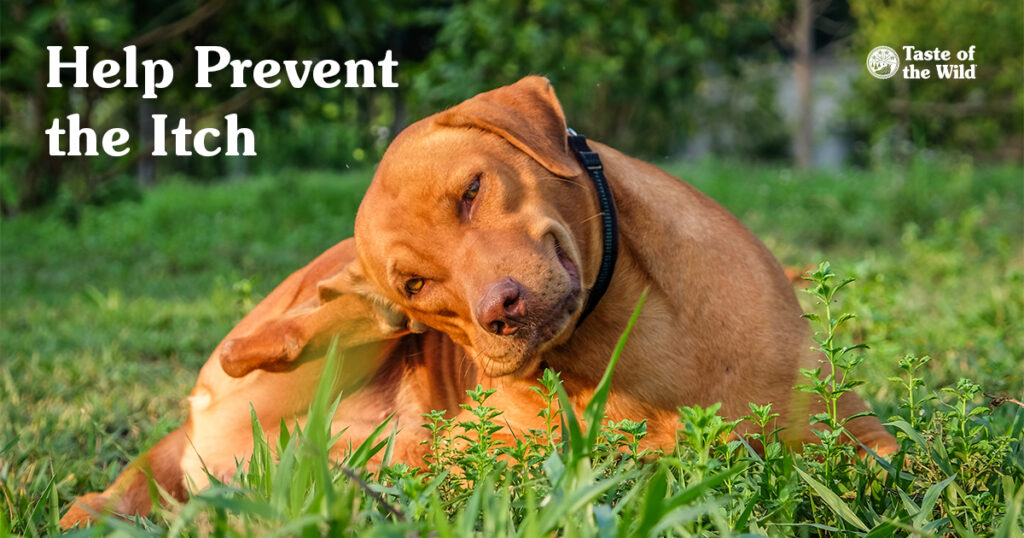
A close-up of a dog lying in the grass itching its ear.

Fleas and ticks not only annoy your dog, they can transmit diseases as well. Fleas can transmit tapeworms and bacteria, and some dogs are allergic to flea saliva, a condition called flea allergy dermatitis. The bite of a single flea can cause severe itching, inflammation and hair loss in dogs susceptible to flea allergy dermatitis.

Ticks aren’t innocent either; they can transmit the organisms that cause dangerous diseases such as Lyme disease (transmitted by deer ticks and western blacklegged ticks) and Rocky Mountain spotted fever (transmitted by American dog ticks, brown dog ticks and Rocky Mountain wood ticks).

It’s important to protect your dog from these pesky little suckers, but there are a myriad of options to choose from when it comes to tick and flea control in dogs. So we’ve created this guide to help you learn about the different types of tick and flea preventives.

Tick and Flea Treatment for Dogs

Flea and tick control products for dogs come in many forms, including shampoos, collars, spot-on topical treatments and oral treatments. We have described the differences between each type below, but always ask your veterinarian which prescription or over-the-counter flea and tick products are right for your dog.

If you have multiple dogs, don’t split doses of flea and tick preventives between them. Most of these products provide a specific dose for the weight of the dog. If you split the doses, your dog may not receive an effective dose to help ward off fleas and ticks. You should also check if there are age or weight requirements for puppies.

Topical Treatments: Do Tick and Flea Collars Work?

It’s important to know that all topical products (collars and spot-on topical treatments) don’t kill fleas and ticks as soon as they are applied to your dog. Ticks and fleas need to come in contact with the chemical, so it can take hours to kill most adult fleas and ticks after treatment. Dogs can also pick up new fleas and ticks when they visit flea- or tick-infested areas, which is why you may see live fleas and ticks on your dog even though they’re wearing a flea and tick collar. However, if the collar is used appropriately, those new fleas and ticks should be dead within 24 hours.

Some topical treatments can also provide protection against chewing lice, ear mites, biting flies and heartworm. While a topical solution is quick and easy to apply and doesn’t require fleas and ticks to feed on your dog, application can be hard and efficacy can be affected if your dog has a thick coat. There is also the potential for chemical exposure to people and other pets. Most topical treatments are administered monthly.

Don’t use your dog’s topical flea and tick medication on your cat. Many spot-on canine flea and tick medications contain permethrin or pyrethroid. These active ingredients can be extremely toxic to cats, leading to adverse effects such as drooling, seizures and, in some cases, death.

Oral Tick and Flea Treatments for Dogs

With oral prevention products, fleas and ticks must feed on the dog (bite them) before they are exposed to the medication. So like topical treatments, oral treatments usually won’t kill fleas and ticks immediately, although they typically work faster than topical products. Any new fleas and ticks also need to feed on your dog before they are killed.

Oral flea and tick control products remove the risk of chemical exposure to other pets and people after administration. Some oral flea and tick products provide protection against intestinal parasites (hookworms and roundworms) and heartworm disease as well. While most products are flavored with a dog-approved taste, giving an oral treatment to some dogs can be challenging.

Flea Shampoo for Dogs

Flea shampoo is a treatment rather than a preventive. If your dog has a flea infestation, medical shampoos can immediately kill fleas that are on your dog, but they won’t stop fleas from coming back. You also need to use a flea preventive treatment.

You can also purchase a flea comb that is designed to remove fleas, as well as flea larvae and eggs, from your dog’s coat. Brush your dog’s fur as close to the skin as possible to capture the fleas. As you’re combing, get rid of any fleas you find by dunking the comb in a bucket of soapy water.

Safety is important if you have a cat in the house. Some dog flea shampoos contain ingredients that are toxic to cats. Be sure to read the label before bathing your dog.

Whichever form you decide to use, if you have a flea infestation, all pets in your home need to be treated for fleas. Any untreated pets can become the source of new flea infestations. Fleas are opportunistic and great at hiding. You can find them in your dog’s bedding, in upholstered furniture, even between cracks in flooring. In addition to treating all pets in your home, you should treat fleas in your dog’s environment as well, using over-the-counter insecticides or by calling an exterminator.

How to Remove a Tick from a Dog

If your dog encounters a tick-pocalypse and is covered in ticks, take them to your veterinarian. They can recommend a fast-acting product to kill most of the ticks, and then you can remove the rest manually. If your dog only has a few ticks, you can remove them using fine-tipped tweezers or forceps. Follow these steps:

  1. Grasp the tick with tweezers as close to the skin as possible, avoiding the tick’s body.
  2. Gently, firmly and steadily pull on the tick until it comes out.
  3. Don’t jerk or twist the tick as the mouthpart may break off and remain in the skin.
  4. Clean the wound with soap and water.
  5. Clean your tweezers with rubbing alcohol.
  6. Place the tick in a sealed bag and dispose of it.
  7. Monitor the site for signs of infection (redness, swelling, pus or pain).

Don’t panic if the mouthparts remain embedded in the skin. They will be expelled naturally by your dog’s body in a few days. The good news is that the tick can no longer transmit disease if their body is gone.

Even with tick medications, ticks may not be killed immediately. The sooner you can find and remove ticks, the less chance the ticks have of transmitting disease-causing organisms. Before bringing your dog inside, run your hands over their body and check around the ears.

While there are “home remedies” for removing attached ticks, many are actually dangerous to your dog (and you). Here is some more info on what NOT to do when removing a tick.

Indoor Dogs Need Tick and Flea Prevention Products, Too

Dogs who spend most of their time indoors can still be at risk of flea and tick bites. Mice can carry fleas into your house, and feral cats, raccoons and opossums can drop flea eggs in your yard. Ticks can hitchhike on urban wildlife such as deer and coyotes and drop off along the paths you walk with your dog. Even when your dog spends most of their time indoors, it’s pretty easy for fleas and ticks to hitch a ride. While some dogs can be trained to detect bed bugs, most are completely unaware of the pests they can bring into the house.

Avoid “Natural” Flea and Tick Treatments

Some topical products rely on essential oils such as peppermint or lemongrass oils to kill or repel fleas. Feeding dogs garlic is supposedly another natural way to eliminate these pests. Unfortunately, these approaches are usually not effective in breaking the flea life cycle and can actually be toxic to dogs. For safe, effective control, it’s always best to rely on your veterinarian’s advice.

Stay on Top of Flea and Tick Preventives

Even though we tend to think of fleas and ticks as spring or fall problems, it’s important to use flea and tick protection on your dog all year. Many of these parasites are still active during the winter months, no matter how cold it may get, so providing year-round protection is important.

Finding fleas or ticks on your dog is never fun, and it’s not easy keeping your dog free of these annoying parasites. But if you follow these tips, you can help minimize the dangers that ticks and fleas can bring.

Born to Pull: Carting and Drafting Dogs

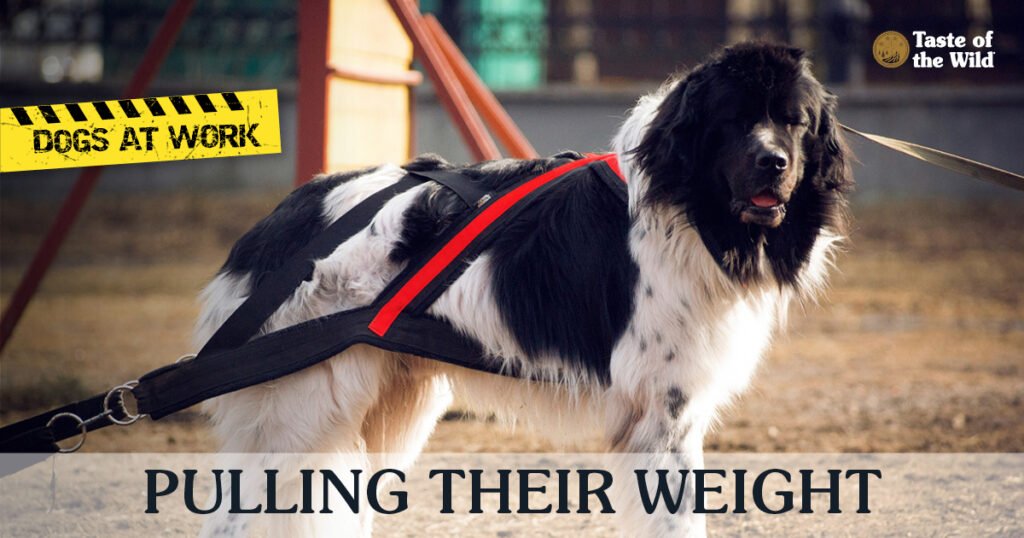
A large black and white dog wearing a cart-pulling harness.

Over the years, horses have been used to pull just about every type of wagon, from covered wagons to hay wagons and even beer wagons. But did you know that dogs also have a place in cart-pulling history?

Pulling their weight

Since about the 18th century, dogs often pitched in around the farm by pulling carts through the fields or bringing cheese and milk to town. They also hauled the day’s catch from the waterfront to the fish market or brought home mail and packages. Even arctic breeds were put to work pulling sleds over the tundra.

As you can imagine, chihuahuas were not among those dogs carrying lumber through lumber camps. Most of the work was shouldered by sturdier breeds from the working dog class, such as Bernese mountain dogs, Newfoundlands, Saint Bernards, Leonbergers, greater Swiss mountain dogs, bouviers des Flandres and Great Pyrenees.

Often referred to as the poor farmer’s horse, dogs were less expensive to purchase and maintain than horses. Because they were smaller in size, dogs could maneuver through tight alleys and crowded streets more easily than horses. Better yet, dogs could double as companions and guard dogs.

A change of heart

During the Victorian period in England, the Metropolitan Police Act of 1839 prohibited the use of dogs to “draw any Cart, Carriage, Truck or Barrow.” At a penalty of up to 40 shillings for a first offense, the law was intended to curb the use of carting dogs: it was suspected that dogs were carriers of rabies and some citizens were beginning to believe that it was cruel to put dogs to work this way.

Carting as a competitive sport

While the idea of cart-pulling dogs faded into retirement, some people felt that the dogs still had the instinct to pull and were, in fact, happy to have the job. Around the 1970s, interest in the sport of carting, or drafting, blossomed, leading to the first Saint Bernard carting competition in 1988 and a Bernese mountain dog event in 1991.

Today, almost any breed (including mixed-breed dogs) can participate in carting competitions or sports like urban mushing. Even so, that doesn’t mean every dog should compete. To begin with, you’ll want to make sure your dog really enjoys the sport. And a veterinarian should examine the dog and determine that there aren’t any physical or medical conditions that could be exacerbated by the activity. Finally, you’ll need to commit to proper training to help avoid any injuries to your dog.

While carting can be good exercise, most breeds shouldn’t compete before two years of age to make sure their bones and joints are fully developed. Dogs should also know basic obedience commands such as “stay” and “come.”

It’s best to work with an experienced trainer who can recommend the type of harness and cart that will not only be comfortable for your dog but won’t restrict limb movement. Once you gradually introduce your dog to the harness and cart, you can start working on more advanced tasks such as turns, circles, halts and figure-eights.

Remember, positive reinforcement in the form of treats or praise can help make this experience more rewarding for your dog and help strengthen the bond between you.

How to Build a Pet First Aid Kit

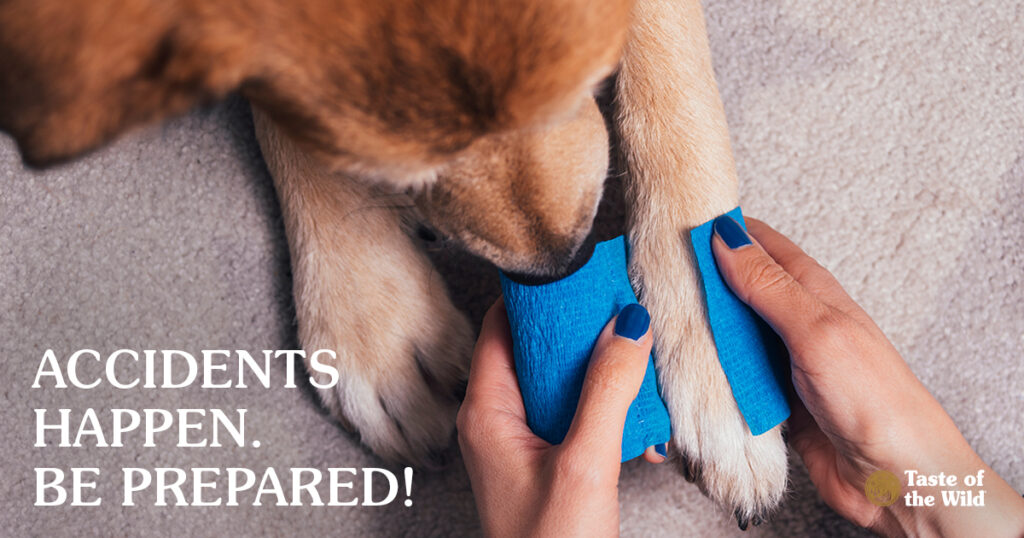
A person putting a blue bandage on the paw of an injured dog.

Accidents happen. Maybe your pet snoops in your purse and chews open a bottle of ibuprofen. Or your dog gets nipped by another at the dog park. Whether your pet’s just not acting like themselves or it’s a medical emergency, you should always call your veterinarian before treating the problem yourself. However, it’s a good idea to have a pet-specific first aid kit on hand. Just in case.

First aid kits come in handy for cases when your veterinarian doesn’t encourage you to come in right away, when the doctor instructs you on how to treat the condition at home, or when an accident needs immediate attention.

When compiling your kit, consider the following:

Important numbers and other information

Phone number for your current veterinarian: Program it into your cell phone.

Phone number for the closest emergency clinic: Especially for evenings and weekends when your regular veterinary clinic may be closed.

24-hour Pet Poison Helpline website: If your pet accidentally ingests a potential toxin.

A list of current medications your pet is taking and vaccine records: Helpful information for a veterinarian who is not familiar with your pet.

Supplies for transporting an injured pet

A soft muzzle: Pets who are distressed, fearful or in pain may bite, so a muzzle may be needed so you can help them; however, you should never muzzle an animal that is vomiting or having difficulty breathing.

A large towel, blanket or stretcher: For carrying an injured pet. A pillowcase may work as a makeshift stretcher for cats.

A kennel or pet carrier: For confining an injured pet in the car.

For checking vital signs

A rectal thermometer and petroleum jelly for lubrication: Normal temperature for dogs and cats is 100 to 102.5 degrees Fahrenheit.

A list of normal values for pets: In adult dogs, the normal respiratory rate is 10 to 35 breaths per minute and pulse is 60 to 140 beats per minute. For cats, a normal respiratory rate is 20 to 30 breaths per minute and heart rate is 140 to 220 beats per minute.

For possible toxin exposure

Hydrogen peroxide 3 percent (watch expiration date): To induce vomiting in dogs. Always call your veterinarian first to determine if vomiting should or should not be induced (some toxins are caustic and can cause additional damage if vomiting is induced). Your veterinarian can advise you on the proper dose. Do not give to cats, brachycephalic (flat-nosed dogs such as bulldogs and pugs) or unconscious animals.

A teaspoon or tablespoon: To measure the hydrogen peroxide.

An oral dosing syringe, bulb syringe or turkey baster: For administering hydrogen peroxide.

For cuts and bleeding

If there’s uncontrollable bleeding, do not treat cuts at home — go to the nearest veterinary clinic.

Disposable gloves: To help keep your hands and the wound clean.

A clipper: For trimming hair around a wound.

Tweezers: For removing thorns and other foreign objects.

A small bottle of gentle dishwashing liquid: For cleaning dirt and debris out of a wound.

Sterile gauze pads and rolls, non-stick gauze pads: For bandaging the wound.

Scissors: For cutting bandages.

A roll of self-cling bandaging or tape: For keeping the bandage in place. Self-cling bandaging is available in most pet stores; be careful not to wrap the area too tightly.

Styptic powder: To stop bleeding if nails are trimmed too short or if nails are torn.

Other helpful items

Diphenhydramine (Benadryl®) tablets or liquid with no other ingredients included: For possible allergic reactions. Your veterinarian can tell you the proper dose.

Small bottle of corn syrup: For diabetic pets, in case of low blood sugar.

Artificial tears or sterile eye solution: For flushing eyes.

Instant ice pack: To help reduce swelling; do not place directly against skin — wrap it in a towel if possible.

Penlight: For looking in the mouth or checking pupil response.

Needle-nosed pliers: For removing fish hooks (cut the barbed end off first). In the case of porcupine quills, do not try to remove yourself — bring your pet to the veterinarian where it can be properly sedated for the procedure.

With any luck, your pet will never have an accident that needs your attention at home. But if he or she does, you’ll be grateful that you’re prepared and ready to help. And PLEASE REMEMBER:
ALWAYS CALL YOUR VETERINARIAN BEFORE TREATING A PROBLEM AT HOME.

The Lifestyle of Overweight Dogs: A Sobering Study

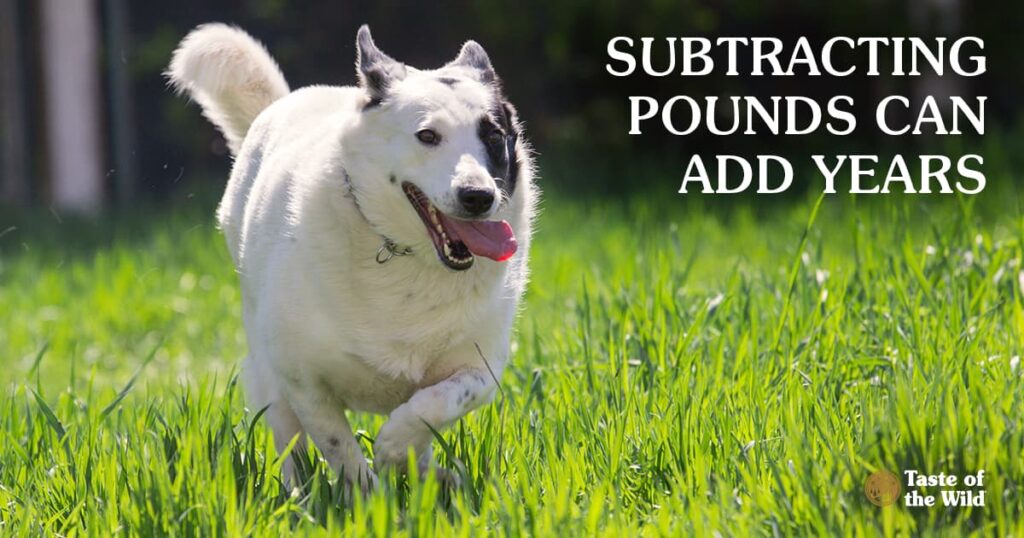
An overweight dog running through the grass outside in the sun.

People aren’t the only ones who need to worry about a mid-life spare tire. Obesity in dogs is a major problem, too. But it’s not just a matter of letting the collar out a few notches or buying a roomier dog bed — a recent study of chubby middle-aged dogs shows that curbing obesity in dogs could actually add years to their lives.

Less Overweight Dogs = More Years

Researchers examined the medical records of more than 50,700 middle-aged, spayed or neutered dogs, comparing the life spans of overweight pups against their normal-weight counterparts. Published in the Journal of Veterinary Internal Medicine, the study found that dogs with ideal body weights lived up to 2.5 years longer.

The scientists compared 12 purebred breeds — representing five general sizes — including chihuahuas, Pomeranians, shih tzus, dachshunds, Yorkshire terriers, cocker spaniels, beagles, boxers, German shepherds, golden retrievers, Labrador retrievers and pit bull terriers. All overweight dogs, on average, lived shorter life spans than normal-weight dogs, ranging from 2.5 years shorter for Yorkshire terriers to just a few months less for German shepherds.

Overweight Dogs Are A Common Problem

In the United States, approximately 56 percent of dogs and 60 percent of cats are overweight or obese, according to the Association for Pet Obesity Prevention. A dog or cat is considered overweight if it’s 10 to 19 percent heavier than its ideal body weight. When that figure creeps up to 20 percent or more, the pet falls into the obese category.

If you’re not sure what your pet should weigh, ask your veterinarian. These BMI charts for dogs can also help you determine if your pet is perhaps a little too roly-poly.

Extra Pounds, Extra Health Risks for Overweight Dogs

Obesity is considered a chronic inflammatory condition, contributing to changes in insulin resistance, metabolism and appetite control. Those few extra pounds can put your dog at risk of a range of diseases and conditions including cruciate ligament tears, arthritis, diabetes and even certain types of cancer.

Added weight can also contribute to respiratory, heart and kidney problems. Is it any wonder overweight pets may not live as long as leaner dogs and cats? Or that the international veterinary and human medical communities have recommended that obesity be classified as a disease?

Getting an Overweight Dog Back on Track

Helping your pet return to an ideal weight is one of the most loving things you can do to improve his or her health. As with people, it’s a matter of fewer calories in and more calories burned. Here are some simple steps you can take:

1. Talk to your veterinarian to determine what your pet really should weigh.
2. The doctor may recommend a specific diet and the daily amount your pet should be fed. Most weight-loss diets typically provide more protein and fiber and less calories and fats than maintenance diets. Feeding a high-fiber diet can also help your pet feel fuller and less inclined to beg.
3. Avoid the bottomless bowl syndrome. Instead of keeping your pet’s dish full all day, start using a measuring cup to make sure your dog or cat only gets what it needs.
4. Account for snacks. Every rawhide, table scrap and spoonful of peanut butter contains calories. If you can’t resist food treats, opt for healthier, lower calorie snacks such as sliced bananas, green beans or carrots. Make sure everyone in your family is on board with the treat-reduction program.
5. Increase the physical activity. Leash walks, swimming, a game of fetch or even regular play dates at the dog park are fun ways to help your dog work out. If your pet is extremely overweight, talk to your veterinarian about how to gradually increase exercise so your pet doesn’t overdo it at first.
6. Weigh your pet regularly. A healthy goal for your pet is a 1–2 percent reduction in body weight per week.
7. Avoid the yo-yo syndrome. Once your dog loses weight, returning to its couch-surfing days will make it easier for the pounds to creep back. The positive changes you’ve made in terms of food control and exercise need to be a permanent part of your pet’s life.

Granted, weight loss can be a long, slow process. But when you think about it, every small weight loss — even if it’s just a half pound — could mean better health and more time with your dog. And what could be more motivating than that?

Careers for Pet Lovers: Dog Grooming

Taste of the Wild Pet Food

While this blog has covered lots of different canine careers, from cadaver tracking to cancer detection, what about the people who make a career out of working with dogs? Specifically, have you ever wondered what it’s like to be a dog groomer?

If you think making pets look their best is your idea of the perfect job, read on.

What, exactly, does a pet groomer do?

A typical day can include everything from bathing (de-skunking anyone?), drying, untangling matted hair, haircuts and trims and, in some cases, even coloring. A groomer will need to know how to work with long, short and curly fur, not to mention dogs with single and double coats.

And of course, an artistic flair doesn’t hurt: consider breed-specific styles such as the Continental cut for standard poodles, which includes shaved limbs highlighted with pompoms near the paws and at the tip of the tail.

Some groomers may offer additional services including nail trimming, ear cleaning and plucking, as well as anal gland expression. And being fluent in the body language of dogs and cats comes in handy, too, especially for clientele who are not inclined to sit still through the process.

Does it require special training?

Groomers don’t need special licenses or certifications. Some get their start at a grooming school, while others hone their skills on the job. Certification programs are offered through the International Professional Groomers and the National Dog Groomers Association of America, to name a couple. They’ll typically teach you how to wield the tools of the trade, from shears and clippers to stripping knives, carding blades and a wide range of brushes and combs.

Where do groomers work?

More and more Americans count pets as part of the family, so grooming services are popping up in locations such as veterinary clinics, boarding facilities, grooming salons, mobile grooming vans, pet supply stores and doggy day cares.

Compared to grooming salons, which can be busy and noisy, mobile vans offer a quieter and calmer environment. One drawback to mobile services though, is that you might not have a second pair of hands to help when you need it.

Other considerations

Pet grooming can be physically demanding, lifting large dogs up onto a table and spending hours at time on your feet. Pets aren’t always cooperative. And you still can’t escape working with people because the dogs come with an owner at the end of the leash (who may have set ideas about how the clip should look and how their pet should be handled).

On the other hand, your day as a dog groomer is sure to be filled with variety, considering that dogs come in all shapes, sizes and breeds. You’ll have the satisfaction of transforming an unkept pet into a work of art. And you can build a loyal following as your skills improve.

Best of all, did we mention that you get to work with dogs all day?

A Pet Nutrition Primer: 7 Things You Should Know

Taste of the Wild Pet Food

You want to do right by your pet. But pet food can be so complicated. What do the ingredients actually do? Does your cat need different nutrients than your dog? If you take vitamins, does that mean your pet should, too? The best way to get a foothold is to start learning some of the basics of pet nutrition.

1. All pets need dietary protein.

Proteins serve as a source of energy and are made of amino acids that help your pet’s body perform normal biological functions. Of the 20 or so amino acids, 10 of them are considered essential for dogs while 11 are essential for cats. Essential amino acids are those that must be provided in the diet because pets can’t produce them in their own bodies or simply can’t make enough of them. Dietary proteins come from many different ingredients, including meat, fish and poultry.

2. Fats are the most concentrated energy source.

Dietary fats typically come from animal fats and seed oils and are needed for proper cell structure and function. Fats provide essential fatty acids that aren’t produced in sufficient quantities by the body. And fats enhance the flavor and texture of food — which may be just what it takes to encourage that sick pet to eat.

Although fats don’t clog arteries in dogs and cats the way they can in humans, too much of them can be detrimental. Pets should not be fed table foods that are high in fat content, because sudden intake of high fat foods can trigger pancreatitis – a painful inflammation of the pancreas. Because fats are high in calories, another concern with feeding high fat foods or treats is obesity, especially in those couch-potato pets.

3. Carbohydrates help promote GI health.

Carbohydrates include starches, sugars and fiber from well-known sources such as sweet potatoes, potatoes and peas, but also from lentils and garbanzo beans. In addition to providing energy, carbohydrates such as fiber help the digestive system work properly.

Extra fiber is added to some diets to help overweight pets feel full so they’re less tempted to beg for more or scavenge for snacks. Your veterinarian may suggest supplemental fiber for your pet to help maintain healthy stool consistency. Plain canned pumpkin is commonly recommended.

4. Cats are obligate carnivores.

Remember those amino acids found in proteins? Two that are especially important for cats are taurine and arginine. Taurine deficiencies in cats can lead to blindness, heart failure, deafness and birth defects. Without arginine, cats have difficulty removing ammonia from the body, leading to drooling, vomiting, convulsions and even death.

Because plants can’t provide enough of the required amino acids for cats, our feline friends  usually can’t survive on vegetarian diets without additional supplementation of amino acids. In fact, adult cat foods need to have a minimum of 26 percent protein (dogs, by contrast, require 18 percent protein), and some of the amino acid requirements for cats are twice those for dogs. This is why cats should never be fed dog food.

5. Cats are usually lactose intolerant.

Despite all the storybook images of cats lapping up cream, cow’s milk can be difficult for most kitties to digest. They generally lack sufficient amounts of lactase, the enzyme that enables them to digest milk. While some cats may be fine with milk, it may cause vomiting or diarrhea in others.

6. Proteins are the cause of most food allergies.

Even so, a 2016 study by BMC veterinary research showed that the prevalence of food allergies in all pets who visited veterinarians was between one and two percent. If your pet is itchy, it’s more likely to be caused by fleas or environmental allergies.

7. Pets typically don’t need extra vitamins.

If your pet food label says that the diet was formulated to meet the Association of American Feed Control Officials (AAFCO) nutrient profile for your pet’s life stage, or that it has passed animal feeding trials, the diet should be complete and balanced with all the vitamins and minerals your pet requires.

If your pet has any health conditions — even if your dog or cat is just a bit pudgy — ask your veterinarian for dietary recommendations. He or she can steer you toward the best food for your pet.

Pet Cams: When You’re Away, Are the Pets at Play?

Taste of the Wild Pet Food

Ever wonder what your pet does all day while you’re at work? Does your dog make a beeline for the forbidden couch? Is your cat licking your toothbrush that’s propped in the glass by the sink? Or do they stare out the window all day, patiently waiting for you to pull into the driveway?

Inquiring owners want to know. And now you can — thanks to a multitude of high-tech pet cameras recently released to the market.

Nanny cams and pets: Is it ethical to check in?

You can probably rationalize spying on your nanny — especially if you suspect she or he is Facetiming friends when they should be supervising your little ones. And remote monitoring of your home has become commonplace with the advent of digital door monitors.

But peeping on your beloved dog or cat? Are pets entitled to a little privacy? Are you just being nosy about your snouts’ day-to-day lives?

As it turns out, there are some perfectly logical reasons why you might want to look in on your pet.

Monitoring their safety

If your pet is recovering from surgery, for example, you may want to keep an eye on your pup to make sure he or she isn’t licking the incision. (With some pet cams, you can even tell your pet “leave it” from your office miles away.) Or if your pet has a medical condition such as epilepsy, you can monitor for seizures.

Home security

Some pet cams come with a bark alert, so you’ll be notified on your cell phone with each yap or woof. That way, you can know if someone’s at your door while you’re away. Or if your pup really is as vocal during the day as your neighbor claims.

Night moves

Does your cat prowl around the house in the wee hours of the night? Some pet cams have night vision and recording capabilities so you can keep tabs on your tabby, even when you’re asleep.

Calm their fears

Do you have a pet with separation anxiety or thunderstorm phobia? Pet cams may enable you to calm them down with your voice, or even spray some pheromones to help soothe their anxiety. In either case, you should consult your veterinarian about additional steps you can take to help them feel better.

Get them moving

All pets could use a little exercise during the day. Why not challenge yours to a laser dot chase game? With some pet cams, all you have to do is swipe your finger across your smartphone screen.

Behavior consult

Does your pet display an odd behavior, like compulsively licking the walls of your house, but then act completely normal when you take him or her to the veterinarian? With the right pet cam, you can catch the behavior on video and play it back for your veterinarian. Not sure what your pet is chewing on? Zoom in for a closer look.

Tighten your bond

You check in with your family throughout your work day, and that should include your pet, right? Many video cams offer person-to-pet video and two-way audio capabilities. You can even put them through their training paces from the job and reward them with a treat.

If you’re still worried about invading your pet’s privacy, one pet cam offers an option that lets your pet call the shots. When you’re available, a light goes on to notify your pet. Your pet, in turn, can push a button to initiate a call. The trouble is, will you, like Pavlov’s dog, spend your day staring at the phone, waiting for a signal from your pooch?