Should My Dog’s Diet Change for the Summer?

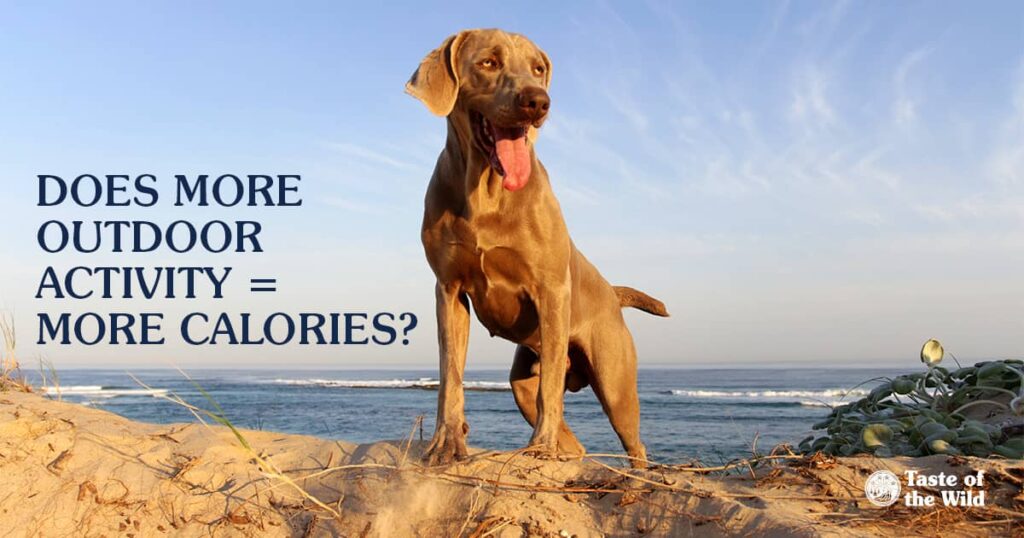
A dog standing on a sand dune on the beach.

Many dogs, like their owners, are more active in the summer — especially those who tend to hibernate during the snowier months. Simple logic might tell you that more activity means your dog needs more calories. So, should you switch to a summer dog diet? In most cases, it’s not necessary.

Do Dogs Eat Less in the Summer and More in the Winter?

Ever notice how you crave heavier “comfort” foods like lasagna in the winter but opt for lighter salads in the summer? The same phenomenon can occur in dogs, too.

In the winter months, dogs that are outdoors a lot tend to need more calories as the temperature drops to help them generate heat. The opposite is also true: in warmer temperatures, they tend to need fewer calories as the temperature increases.

That said, if your dog is involved in any high-intensity sports or competitions over the summer, it’s best to confer with your veterinarian about your dog’s nutritional needs.

In Most Cases, No Summer Dog Diet Changes Are Necessary

Rather than switching your dog to a “lighter” diet, a better option might be to feed them a slightly smaller amount. Again, your veterinarian can help you determine how many calories your dog needs in the summer.

You generally want to keep your dog’s diet consistent unless he or she has a special health condition such as allergies, obesity or arthritis that can be helped with a dietary change. In those cases, you want to make a gradual switch to the new diet because abrupt changes can lead to tummy upset, vomiting and diarrhea.

Monitor Your Dog’s Figure

One of the best ways to tell if your dog is eating the right amount is by using a body condition scoring system. Ideally, you should be able to feel your dog’s ribs, and there should be an obvious waist just after the rib cage when viewed from above. If your dog has lost its waist or the ribs are hidden under a thick layer of body fat, it’s time to cut back on the extra table scraps.

While it can be common for dogs to eat less food in the warmer months, a loss of appetite can also be a sign of disease. If you notice your dog’s ribs are showing and his or her appetite seems to have vanished, call your veterinarian.

Don’t Forget the Water in a Summer Dog Diet

Many people don’t realize that water is an important part of every dog’s diet. During the warmer months, make sure your dogs have plenty of fresh water available. That way, they’ll be well hydrated for all those outdoor adventures you’ll take together.

So, Should My Dog’s Diet Change for the Summer?

In most cases, your dog’s diet is probably fine as is, especially if they were healthy and happy heading into the summer season. If you ever have any questions about your dog’s diet, be sure to ask your veterinarian.

What Are The Early Signs of Cancer in Dogs?

A close-up of a black and white dog sitting happily in a sunny green meadow under a blue sky with white clouds.

Hopefully, you’ll never be faced with a cancer diagnosis for your dog, but unfortunately, it is a relatively common situation for many pet parents. So we’re sharing pet cancer signs to help you recognize when something may be amiss with your dog’s health — especially as early detection and treatment gives your dog the best hope for remission or even a cure.

Can Dogs Get Cancer?

Yes, dogs can develop cancer, including bone cancer, skin cancer and lymphoma. While some of the diseases that affect humans are not an issue for our furry friends, unfortunately, cancer affects both. As with humans, some pets have a genetic predisposition, and we have to watch our senior dogs more closely, too. 

Like humans, early diagnosis increases the chances that treatment outcomes will be good. Prevention is also important — like using pet sunscreen when your dog is outside. If you have doubts about the health status of your dog, prompt veterinary evaluation means the team can get the cancer diagnosed early and start helping your dog’s immune system fight as soon as possible.

Symptoms of Cancer in Dogs

Pet owners have a general sense of what’s normal for their animals. Noticing changes such as pain, discomfort, difficulty eating, persistent bad breath, abnormal bleeding, changes in bathroom habits or persistent sores can help with early recognition and lead to a definitive diagnosis.

Is There a Cancer Lump on My Dog?

Not every unusual lump you feel on your dog is cancer, but you should still have them examined by your veterinarian, and you should check for lumps regularly. Run your fingers over your dog’s skin at least once a month so you can identify any skin lumps or bumps that are growing or changing. Female dogs that have not been spayed are at greater risk for mammary cancer, so be sure to check for any unusual growths on their chests and bellies.

The lymphatic system is another area you can monitor with your fingers. The lymph nodes that are the easiest to find are just under the jaw, right below the ear and behind the knees. Normally, the lymph nodes feel like a small, pliable blip between your fingers. But if you feel enlarged lymph nodes, anything firmer or bigger than usual, talk to your veterinarian.

Cysts vs. Tumors in Dogs

Not all lumps indicate cancer! Your dog’s lump might be a cyst: a sac filled with fluid, air or other material. Tumors are abnormal growths of tissue. Your veterinarian can examine the cells to determine whether they are benign or malignant. Benign tumors may not require treatment, but some can become malignant tumors, and the tumor location may mean the dog’s quality of life will be improved by treating it. Cancer care could be in the form of surgery, chemotherapy or radiation.

Other Warning Signs of Cancer in Dogs

Of course, the signs of cancer vary depending on the organs or body parts affected, such as the skin, lungs, blood or bones. These signs can also signal other conditions, so don’t panic. Just see your veterinarian if you find any of the following:

  • Unexplained weight loss: If your dog starts looking thinner than usual, has a reduced appetite, and you haven’t started a new diet or exercise routine, it’s time for a checkup.
  • Chronic cough or difficulty breathing: Tumors that occur in or around the lungs can cause respiratory problems.
  • Lameness or limb swelling: If you run your hands along both of your dog’s front or rear legs at the same time, it’s easy to compare the affected limb with the other side and spot areas with unusual swellings along the bones. If your dog starts limping or is hesitant to bear weight on a limb, talk to your veterinarian.
  • Stinky breath or difficulty chewing: These can certainly be signs of periodontal disease, but dogs can get oral tumors, as well. If your dog will allow it, take a peek at the gums and under the tongue, checking for unusual growths.
  • Chronic vomiting or diarrhea: Not surprisingly, cancers of the digestive tract can lead to loose stools, upset stomachs and, in some cases, trouble with defecation. If the problem persists, or your dog starts losing weight, make an appointment.
  • Circling or seizures: A dog with a potential brain tumor may experience a sudden onset of seizures, especially in the older years, or may pace in circles over and over again. If you notice a change in your dog’s behavior, contact your vet.
  • Abdominal distension: Dogs might have swollen bellies from overindulging in the treat jar, but it can also be a sign of enlarged internal organs such as the liver.
  • Lethargy or weakness: Any time your dog seems less active than usual, lags behind on walks or just doesn’t want to interact with the family as much, there’s a good chance something’s not right. Again, behavioral changes have many possible causes, so check them out before they become worrisome.

When in doubt, see your veterinarian. It may be nothing. But if it’s something more serious, you want to catch it in the early stages.

Why Do Dogs Bite?

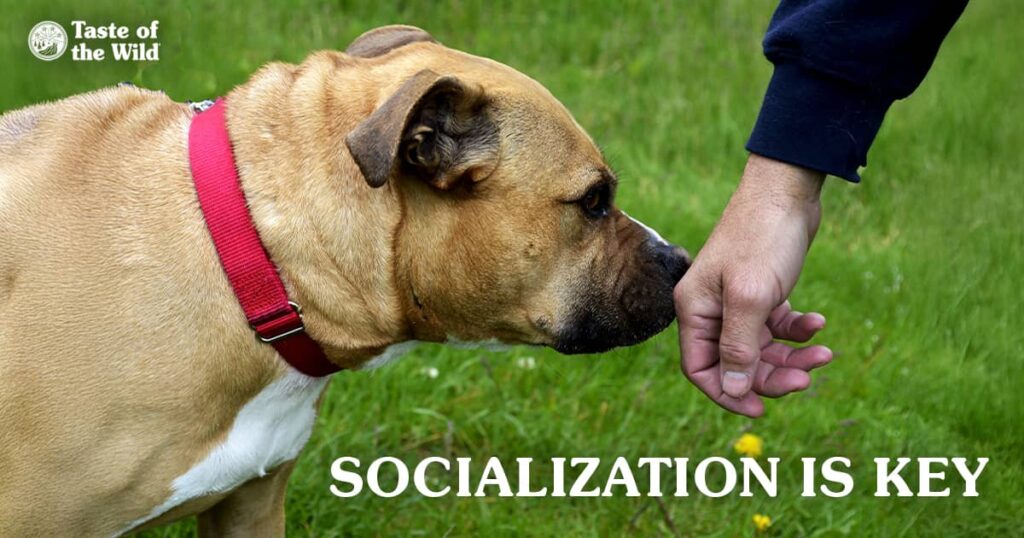
A close-up of a dog sniffing a human hand.

If you’re a dog parent, you’ve probably felt the imprint of canine teeth on your skin — whether it’s the sharp pinch of puppy teeth or an inadvertent nip during a game of fetch. But it’s the more dangerous bites, the ones that cause serious injury, bacterial infections or transmit diseases, that are of most concern.

According to the CDC, 1 out of 5 people bitten by dogs need medical attention. Sadly, many of these bites didn’t have to happen. So we’re sharing tips on how to know when a dog might bite, how to avoid being bitten and how to curb biting behavior in puppies.

Why Do Dogs Bite?

First, it’s important to know that any dog can bite — no matter what breed, age, size or usual temperament. Biting is a normal dog behavior. Even the most mild-mannered dog, if pushed to the edge, will bite. Most bites typically occur in the home with the family dog. Many dogs, especially those who aren’t well socialized, may bite if they feel fearful or threatened. Sneaking up on a sleeping dog and startling them may elicit a bite. And many dogs will bite if they’re in pain or simply don’t feel well.

Some dogs, understandably, are uncomfortable when a small child (or anyone) grabs their ears, tug on their paws or yank at their hair or tails. People who invade the dog’s personal space, especially when the dog is eating, can also be at risk of a bite. Dogs can become protective of their food, toys or other things they find valuable.

Why Is My Dog Nibbling Me?

From play-biting to grooming you, there are a variety of reasons why your dog nibbles on you. If you have a young puppy, they may be teething; and gently gnawing on you helps relieve their discomfort. Puppies also use their mouths to explore their world, which includes you. Adult dog nipping can happen when they’re excited to play with you or they’re trying to get your attention. They may also be showing you some love by grooming you: “Just checking you don’t have fleas.”

How to Train Your Puppy Not to Bite

Little puppy bites or letting your pup mouth your hand may not bother you, but when you think about them doing the same thing as an adult dog, that’s a good reason to curb this puppy behavior now. The first step is socialization. Letting your puppy experience many different situations, environments and people as a pup will help reduce the chances of them becoming fearful or feeling threatened as an adult.

Puppy bite inhibition is a natural behavior that lets pups play with other dogs without causing injuries (most of the time). If they bite hard, the other puppies will yelp and play will stop for a moment. Puppies learn that if they want play to continue, they need to mouth and bite their playmates gently. You want to make sure they learn bite inhibition behavior for people, too.

One technique you can try to stop puppy biting is mimicking what puppies do. If your puppy bites or mouths you, yelp and stop playing. Wait a few moments, then continue playing again. If that doesn’t work, you can also try directing their attention away from you with a chew toy or tug toy. If they’re nipping because they’re overly excited, try putting them in a safe space to calm down and then initiate play again when they’re calm.

Why Does My Dog Bite Me Playfully?

This is a behavior that dogs learn as puppies. Pups that have learned bite inhibition know that they can playfully bite their littermates without causing them injury (most of the time). Generally, you can tell if a dog is play-biting by looking at their body language. Dogs playing will have a relaxed or playful stance, whereas an aggressive dog will have tensed muscles and may be exposing their teeth.

How to Get Your Dog to Stop Biting

Teaching your adult dog that biting — even play biting — is not acceptable uses techniques similar to those used for puppies. Stop playing and ignore them for a short period of time so they understand that biting behavior ends playtime. If your dog bites when they’re excited, have a toy ready so you can redirect their playful energy toward the toy. You should avoid roughhousing or using your hands around their head to initiate play as this can encourage biting behavior. Don’t use physical punishment for biting, as this can lead to fear and aggression, which can result in more than just a nip.

Avoid Aggressive Bites by Understanding Canine Body Language

Most dogs will try to communicate that they are uncomfortable with a situation before resorting to biting. While a growl often serves as a warning that a dog may be on the verge of biting, knowing canine body language can be helpful, too. Fearful dogs will often crouch near the ground, tuck their tails between their legs or roll on their backs, exposing their bellies to show they’re submissive. These dogs will often yawn and lick their lips repeatedly.

Aggressive bites, on the other hand, typically come from a dog who is standing tall and firm with their tail held high, and possibly the hair bristling down their spine. Aggressive dogs may show more of the whites of the eyes, bare their teeth and snap at the air.

If you notice your dog displaying these behaviors, remove them from the situation and give them plenty of space. Don’t punish them for showing those behaviors — that’s your cue that something is wrong. Punishing your dog may result in them going straight to biting next time.

Follow Proper Dog Etiquette to Avoid Bites

Many dog bites in children can be avoided simply by never leaving young children unsupervised with a dog — even the family dog. Beyond that, it’s important to teach children basic respect for all dogs. That means leaving dogs alone if they’re eating, playing with a toy or sleeping.

People of all ages should always ask the owner for permission before petting a strange dog, then let the dog approach and sniff them first. Other common rules for avoiding dog bites include:

  • Don’t roughhouse with dogs or tease them with your hands.
  • Never run from a dog or scream while running.
  • If a loose dog approaches, stand very still, stay calm and firmly command them to “sit” or “stay.”
  • When faced with a potentially aggressive dog, put an object, like a bicycle or garbage can, between you and the dog.
  • Avoid staring directly into a dog’s eyes, which they may interpret as threatening.
  • If you fall down near a dog, curl up into a ball and lock your fingers over your ears and the back of your neck.
  • Do not kick or hit an approaching dog.
  • Do not approach dogs that are behind a fence or in a yard on a chain.
  • Never try to break up a dog fight with your hands or other body parts — make loud noises or spray water from a hose.

By giving strange dogs space and treating family dogs with respect, hopefully, you and your family members can avoid dog bites. If you’re concerned about your dog’s biting behavior, ask for professional help from either your veterinarian, a certified applied animal behaviorist or a certified professional dog trainer.

Pet Diet Mistakes: 8 No-Nos When Feeding Your Pet

Taste of the Wild

For pets and their owners, the universal language of love is often spoken with food. A scrambled egg on top of kibble. A bite of your turkey sandwich. These are all ways we tell our pets we love them. And our pets dance on the kitchen floor to show us their love in return.

Harmless fun, right? Well, not always. See if you’re making any of these pet feeding mistakes.

The bottomless bowl. Most pets aren’t known for having self-control. If you leave food out all day, every day, it can lead to overweight pets, although cats are better at self-regulating than dogs. Pets will often eat out of boredom, even if they’re not really hungry. And it’s not just a matter of growing too fat for their collars — obesity can lead to diabetes, joint damage, heart disease and other health problems in pets.

The homemade diet. It sounds so wholesome, doesn’t it? But unless it’s been formulated by a board-certified veterinary nutritionist, a home-cooked diet can lack the right balance of protein, energy, vitamins and minerals for your pet. And pets with special nutritional needs, such as pregnant or nursing animals, puppies or kittens can develop serious health problems if they’re not fed a nutritionally balanced diet for their life stage.

The vegetarian diet. Cats are obligate carnivores, which means they need dietary meat to live. Dogs are able to produce certain amino acids such as taurine and arginine, some of the building blocks of protein, and therefore can be healthy with a meat-free diet. Cats, however, lack the enzymes to do so and need a meat source in their diets to obtain these required nutrients. That said, cats shouldn’t be fed a diet of meat alone. They also need carbohydrates and other nutritional ingredients for a balanced diet.

The dairy fallacy. Everyone knows cats love nothing better than to lick a bowl of cream, right? Not exactly. Most cats are lactose intolerant and dairy products can actually lead to vomiting and diarrhea.

The “I can’t resist those brown eyes” diet. Who can blame you? But feeding your pet table scraps and treats throughout the day can lead to digestive problems, weight gain and begging, which started the cycle in the first place. Remember: what’s on your plate isn’t always safe for your pet. Foods like grapes, raisins, chocolate and onions can be toxic for pets. If you really want to give human food as treats, opt for safe, low-calorie options such as raw apples or carrots. Treats should also account for no more than 10 percent of pet’s total daily calorie intake so you can make sure they get the full nutrition from their regular food.

The real-bone treat. Real bones from the butcher can harbor bacteria such as Salmonella that can sicken pets and people. Bones are also often harder than your dog’s teeth, and chewing on them can result in tooth fractures. Splintered bones, if swallowed, can cause damage to the digestive system that requires emergency surgery.

The follow-the-label diet. Just like people, adult pets have different activity and metabolism levels. That’s why the feeding recommendations on food packages could be too much, or too little, for some pets. It’s best to consult your veterinarian about the right food and amount for your pet. You can also check out the Pet Nutrition Alliance calorie calculator to determine exact calorie counts for your pets. Then, watch for changes in your pet’s body condition score so you can tell if your dog or cat needs to back away from the food bowl.

The single bowl approach. Having multiple pets share one food bowl is asking for trouble. Some pets may be food aggressive, resulting in that pet hogging all the food while the other one is forced into a hunger strike. Plus, changes in appetite can be a sign of a health problem, so it’s important for you to know just how much each of your pets is eating.

If you have any questions about your pet’s diet, always ask your veterinarian. They can help determine the right food — and the right amount — to keep your pet healthy and happy.

Pet Poison Safety Tips: Is Your Home Really Poison-Proof?

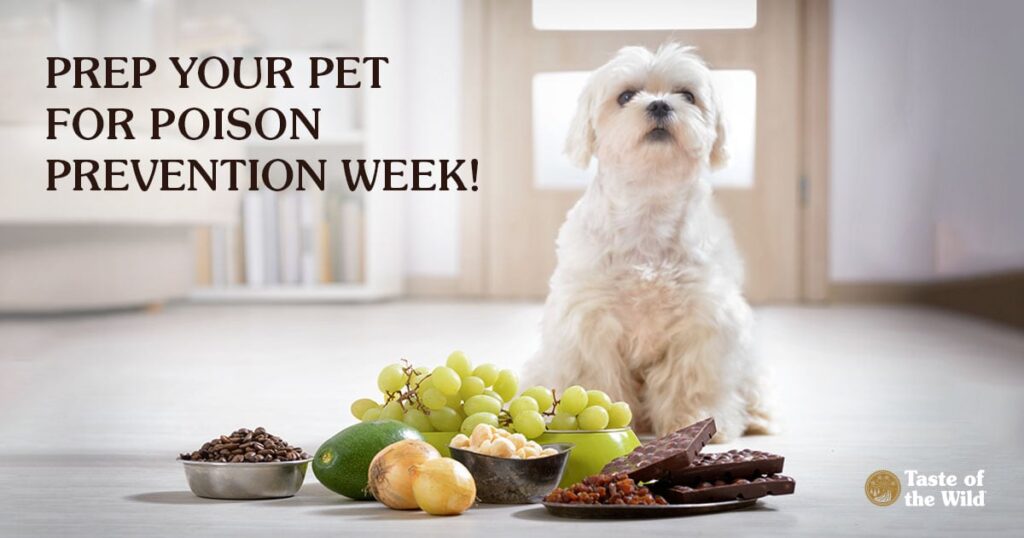
A small white dog sitting behind grapes, chocolate and other common foods that may be poisonous to your pet.

Pets have a way of getting into things they shouldn’t. The chocolate bar that fell between the sofa cushions. The bottle of aspirin you left on the kitchen table. Or that slug bait on the garage floor. Since next week is Poison Prevention Week, we thought everyone could use a few safety tips on how to poison-proof your house.

Here are some of the top toxins that pets can typically find around the house:

  • Houseplants — While households with cats should avoid many types of lilies, other plants, such as sago palms and dieffenbachia, can be problematic for pets, too. But don’t worry if you’re really into houseplants. There are plenty that are generally safe for pets. These include spider plants, Boston ferns, African violets, Christmas cacti, Swedish ivy, lipstick plants, moth orchids and some succulents such as Haworthia, Peperomia and burro’s tail.
  • Human over-the-counter medications — Drug toxicity is a top claim at Nationwide Pet Insurance because people intentionally give their pets medications intended for humans. Just because some over-the-counter drugs like pain relievers, cold medications and herbal supplements don’t need a prescription doesn’t mean they’re OK for pets. Play it safe: Never give your dog or cat a human medication unless you have been directed to do so by your veterinarian.
  • Human and pet prescription medications — Think you have trouble getting into those child-proof bottles? Some pets can make quick work of them, getting into potentially dangerous drugs like ADHD medications, antidepressants, and heart medications. Some prescription medications for pets often contain meat flavoring, which may entice pets to down a month’s worth of doses at once.
  • People food — You’re probably well aware that some foods, such as grapes, chocolate and onions, can be dangerous for pets. But never forget that a determined pet can knock over the garbage and swallow chicken bones, coffee grounds, wrappers, moldy food and items that may be toxic, lead to pancreatitis, or require emergency surgery to remove them.
  • All things that require batteries — Most dog owners have probably had to replace a TV remote or two. But leaving any battery-operated devices, such as toys and smartphones, lying around can lead to a trip to the emergency clinic with your pet. And power cords, while not toxic, can lead to electric shock or worse if your pet chews on them. Keep all these items out of your pet’s reach.
  • Medical or recreational marijuana — Today’s marijuana often contains significantly more THC than in years past. Dogs and cats can become poisoned by exposure to marijuana smoke as well as eating pot plants or cookies, brownies or candies made with this ingredient.

That’s just a short list of what your dog or cat might find in your house.  Want more details? Here’s a room-by-room checklist of possible pet toxins.

Of course, if you suspect that your pet may have gotten into a toxin, call your veterinarian or the Pet Poison Helpline immediately.

Dogs at Work: Ratter Dogs Win the Rat Race

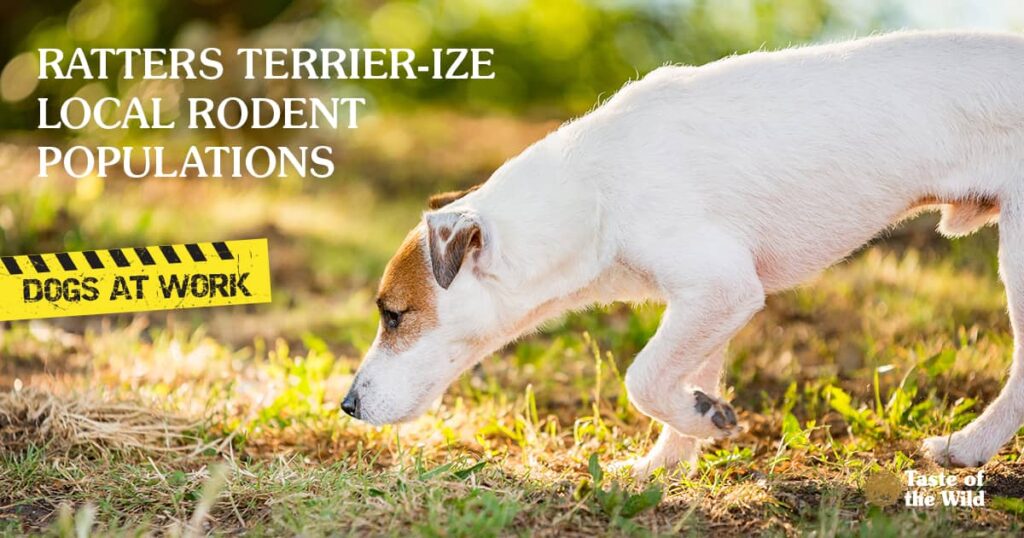
A white terrier dog sniffing the grass outside in the sun.

At the American Kennel Club Earthdog competition, terriers and other small breeds race through tunnels in search of rats. No rats are harmed, the AKC is quick to point out, because the rats are in cages, safe from canine jaws. Dogs win by simply finding the rat and barking within an allotted time. The whole point is to let dogs compete in a sport they were bred for years ago: rat catching.

A history of chasing vermin

A few centuries ago in Europe, when rural living meant rodents inevitably lived in close company with humans, rats became the scourge of every farm for destroying food sources and spreading diseases such as the plague.

Rats have been an issue for humans for so long that they star in multiple tales and legends. In 1284, German lore has it that the Pied Piper of Hamelin lured the town’s rats to their death in a river, only to kidnap the town’s children when he wasn’t paid. Jack Black, a famous British rat catcher, is said to have kept rat-baiting competitions stocked with his catch at the end of the 19th century. Spectators made bets on how fast dogs (mostly terriers) could kill all the rats released into a pit.

Eventually, farmers learned that dogs, especially those of the terrier sort, eagerly picked up the idea of rat catching, earning them a permanent home on the farm. In the 1800s, ratters were sent down mine tunnels and patrolled cotton mills and inns at night, lightening the rodent load wherever they went. Terriers even worked in the World War I trenches, where rats were attracted to dead bodies and human waste. The dogs made quick work of the rat population and provided comfort to soldiers.

An instinct to hunt

Ratters tended to be terrier breeds, such as rat terriers (obviously), Jack Russell terriers, Norfolk terriers, Yorkshire terriers, Sealyham terriers and Cairn terriers. Other rodent-chasers included dachshunds, miniature schnauzers and German pinschers. To this day, many of these breeds are known for digging, barking and investigating any marauders that dare enter the yard.

If you have hamsters, bunnies or other small pets around the house, beware: ratting breeds can easily mistake them for prey if the creatures make quick movements in their vicinity.

Still on the job

Ratting dogs are still valued for their rodent-killing prowess. Just ask the members of the Ryder’s Alley Trencher-fed Society (R.A.T.S.), a group of dog owners who prowl New York City streets and alleys at night, ridding the city of small varmints. They usually bring a veterinary technician along, to help with any bites or scratches that may need attention. It’s great entertainment for the dogs, and their handlers feel like they’re helping the community.

How to Clip Dog Nails: Expert Tips for Nail Trimming

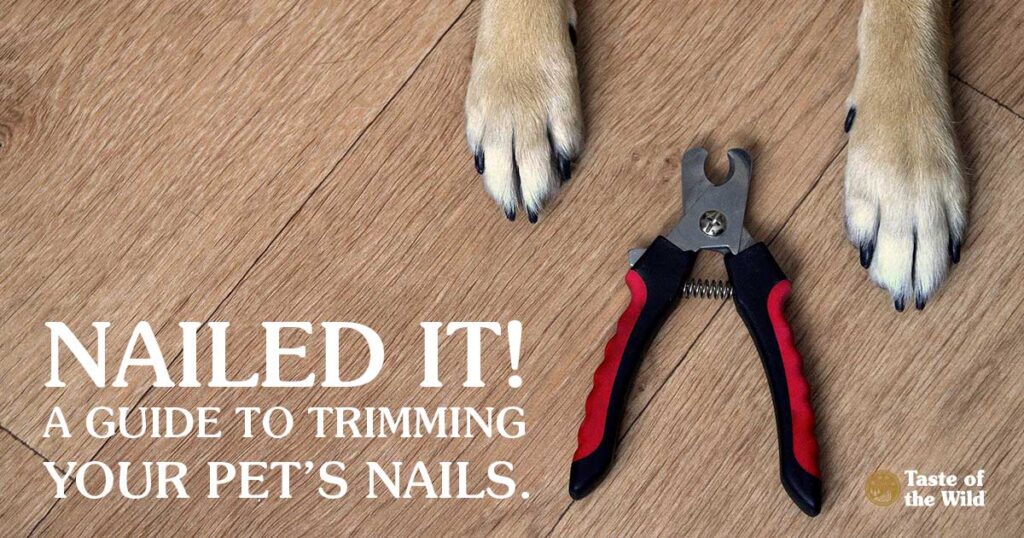
A close-up of a dog’s two front paws with a pair of nail clippers lying on the floor between them.

Some dogs just get off on the wrong paw when it comes to nail trimming. If their first nail trimming experiences were painful or scary, they’ll do their best to squirm out of it in the future. But it doesn’t have to be that way. If you have a puppy, you can make sure they have a positive experience from the start. But even if your dog is older and hides behind the couch whenever the clippers come out, it is possible to retrain them to at least tolerate the nail clippers.

How Often Should You Trim Your Dog’s Nails?

If your dog walks on pavement regularly, the surface acts as kind of an emery board, gradually wearing down the nails naturally. So they may need less frequent nail trims than a dog who doesn’t walk on pavement much and mostly plays on grass. A good rule of thumb is to cut dog nails when they get long enough to touch the ground, or when you hear the “clickety-clack” of your dog’s nails against the flooring.

Long nails can cause paw-pad issues and can affect your dog’s foot and leg structure and how they walk. So it’s important to stick to a regular nail trimming schedule. If you notice unhealthy dog nails while you’re trimming, like brittle, cracked or discolored nails, contact your veterinarian.

Dog Nail Trimming Supplies and Equipment

Perhaps the most important supplies you’ll need for trimming nails are treats, treats and more dog treats. The more delectable the better. Your goal is to make everything a positive experience when you trim your dog’s nails. If possible, cut or break up your dog’s favorite treats into small pieces the size of peas. That way, you have ample supply during the nail trimming session. You’ll want to maintain a relaxed and positive attitude so your dog stays relaxed, too.

Next, you’ll need a nail clipper. There are generally two types: those shaped like scissors and guillotine-style clippers that feature a hole the nail fits through. You can also try a grinder, but some dogs don’t like the vibrations and noise, and the task may take longer.

You’ll also want styptic powder. This will help quickly stop bleeding if you accidentally cut the nail too short. It’s available at most pet stores, but if you’re in a pinch, cornstarch also does the trick.

How to Cut Puppy or Dog Nails

Getting your pup used to nail trimming is all about keeping the session positive. Take each step slowly; it may take several days or weeks to make your pup feel comfortable.

When you first get started, it’s best if you can have someone distract your dog while you’re busy with their nails. So ask someone to help dish out the treats and help keep your dog comfortable and calm. Once your dog is used to nail trimming, you might be able to make it a one-person job.

First, help your dog become accustomed to having their paws handled. Touch and hold your dog’s paws. Lavish them with praise and treats so they know that good things happen when you touch their paws.

Next, introduce the nail clippers. Place the clippers on the floor and encourage your pup to approach the tool by creating a trail of treats up and on to the clippers. Let your dog sniff them and become comfortable being around them.

How to Use Dog Nail Clippers

To trim your dog’s nails safely, it’s important to restrain your dog from moving their paw — but go easy on the restraint. When an animal is held down against its will, it can become stressed and possibly aggressive. To avoid this, ask your helper to gently hold your dog in their lap and give your dog treats every time you handle their paws. Ask your helper to only give your dog treats when you’re touching your dog’s paws so they regard paw-holding as a good thing.

Tap your dog’s nails with the clippers. Again, ask your helper to dish out treats every time you tap the nails. Ideally, your dog will be distracted by the treat and won’t even notice what you’re doing. Then place the clippers over the nail, but don’t cut. Again, praise and treat your dog while it becomes comfortable with the touch of the clippers around the nail.

How Long Should Dog Nails Be?

Cutting a nail too short isn’t fun for anyone, which is why you want to avoid cutting down to the quick of the nail. This is the pinkish area in the middle of the nail that contains a nerve and blood vessel. If you accidentally cut the quick, it can be painful for your dog and the nail can start to bleed. Dogs with dark nails can be more challenging because the quick may not be visible.

If your dog has light nails, and you can see the quick, cut the tip of the nail below the start of the quick. If your dog has dark nails, clip about 1/16th of an inch at a time. As you get closer to the quick, you will begin to see a darker dot at the center of the nail. That’s your cue to stop.

Work your way up gradually. It’s not necessary to clip all the nails at once. Start with one nail and if your dog starts getting uncomfortable, stop the session and try again another time.

Keep Nail Trimming Pawsitive for Your Dog

Helping your dog become accustomed to having their nails trimmed takes lots of patience, praise and good technique. The last thing you want to do is cause stress or discomfort for your dog. So if nail trimming at home isn’t going well, ask your veterinary team if they can do it for you or consult a professional groomer. For more grooming tips, check out our complete guide to pet grooming.

Off the Deep End: The Competitive Sport of Dock Diving

Taste of the Wild Pet Food

A hush falls over the crowd as the leader paces at the edge of the swimming pool or lake. Seconds later, the competitor is airborne, the crowd erupts in applause and the whirl of freeze-frame cameras attest that every move is documented.

Is it an Olympic diving event? No. But it is one of the fastest growing canine sports in the United States: dock diving.

What is dock diving?

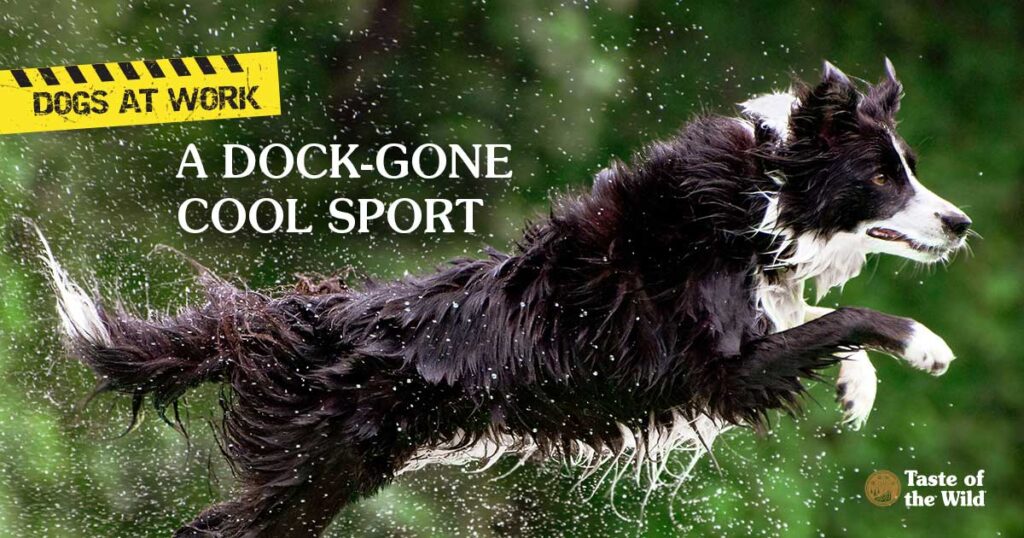
For many dogs, dock diving combines two favorite pastimes: swimming and chasing toys. To participate, each dog races down a dock, launches into the air in pursuit of a high-value toy or toy “bumper,” then splashes into a pool or other body of water.

It doesn’t matter if the dog actually catches the toy. What matters is the distance it leaps, measured from the end of the dock to where the base of the dog’s tail (where the tail attaches to the body) enters the water, according to North America Diving Dogs (NADD), one of several dock diving organizations in the United States.

Currently, a Whippet named Slingshot holds the top NADD ranking for going the distance — an average of 34 feet per jump.

Another national dock diving organization by the name of Dock Dogs takes the competition a step further. In addition to “Big Air,” a competition similar to the long jump exercise described above, they also promote “Extreme Vertical,” an event that measures how high a dog can leap off the dock to capture a toy dangling above the water.

“Speed Retrieve,” a third event, emphasizes hustle over distance, encouraging dogs to race against the clock to retrieve a bumper toy from the end of the pool. Finally, the Iron Dog Challenge rolls all three disciplines into a single event for those overachiever dogs.

What breeds make good dock divers?

Although most dock diving competitions are open to any breed, size or age of dog, certain water-loving retrieving breeds, such as Labrador or Chesapeake Bay retrievers, are naturals. Other breeds, such as Belgian Malinois, have earned top titles as well.

As long as your dog has strong swimming and obedience skills and is generally athletic, he or she will likely be the first in the pool in no time at all.

That said, it’s always best to check with your veterinarian to make sure your dog doesn’t have any physical conditions that might prevent it from joining in the fun. For example, brachycephalic, or flat-nosed, breeds such as pugs and bulldogs can be swimming-challenged and may be better as poolside cheerleaders.

How to get started

Whether you want to explore dock diving simply as a fun activity for you and your pooch or you’re interested in serious competition, chances are, you can find a training facility near you. There, experienced trainers can coach you and your dog from the basics to more advanced skills.

As an alternative, if you live near a lake or own a pool, you can start getting your dog comfortable with jumping into the water. The “launching” surface should be non-slip to provide safe footing and traction and be no more than three feet above the water surface. The water should be at least 4 feet deep, and make sure there aren’t any hidden hazards or strong currents your dog may not be able to overcome. If your dog isn’t a strong swimmer yet, consider a life vest.

Start by tossing the toy in into the water from the edge of the dock, then gradually move back and throw the toy farther. Reward your dog with plenty of praise each time he or she successfully leaps into the water.

What are you waiting for? It’s the perfect time of the year to go jump in a lake.

Introducing Taste of the Wild with Ancient Grains

Four different bags of Taste of the Wild's Ancient Grains recipes.

Pet parents who prefer to feed their dogs a grain-inclusive diet have a new option, Taste of the Wild with Ancient Grains. The new line of dry dog foods combines the same flavorful meats found in the original Taste of the Wild recipes with a special blend of four ancient grains: grain sorghum, millet, quinoa and chia seed.

The four Taste of the Wild with Ancient Grains recipes are:

  • Ancient Stream Canine Recipe with Smoke-Flavored Salmon
  • Ancient Prairie Canine Recipe with Roasted Bison & Roasted Venison
  • Ancient Wetlands Canine Recipe with Roasted Fowl
  • Ancient Mountain Canine Recipe with Roasted Lamb

Like Taste of the Wild and Taste of the Wild PREY recipes, Taste of the Wild with Ancient Grains Canine Recipes provide your dog with the complete and balanced nutrition you’ve come to expect — all while reflecting your pet’s ancestral diet.

The #1 ingredient is still real meat, fish or fowl. That’s because dietary protein is so important to your dog’s health. Meats are concentrated sources of amino acids, including those that dogs must get from food. Each Taste of the Wild with Ancient Grains Canine Recipe is formulated with combinations of salmon, duck, buffalo, pork and lamb from trusted suppliers.

But Taste of the Wild with Ancient Grains doesn’t stop there.

Ancient grains are packed with protein, fiber, essential fatty acids and other key nutrients. Quinoa, chia seed, grain sorghum and millet were specifically chosen for their superfood reputations and nutritional contents, which include quality protein.

  • Quinoa is higher in protein, fat and fiber than conventional grains (e.g., corn and wheat). In fact, it has substantially more fiber than other grains. This super-seed provides iron and has relatively high levels of the essential amino acids lysine and arginine; magnesium, a key mineral for normal nerve and muscle function and strong bones; and riboflavin (vitamin B2), which helps the body convert nutrients to energy. More than 50 percent of the fatty acids in quinoa are linoleic acid, an essential omega-6 fatty acid that’s important for skin health.
  • Chia seed is rich in protein, dietary fiber and fat, much of which is the essential omega-3 fatty acid alpha-linolenic acid (ALA). Most of the dietary fiber that chia provides is insoluble fiber, which is important for healthy digestion and waste removal.
  • Millet provides a balance of soluble and insoluble fiber and digestible protein that’s rich in methionine, an essential amino acid that dogs use to make taurine. In addition, millet is high in B vitamins, iron and vitamin E, an antioxidant that helps protect your dog’s body from damage caused by free radicals.
  • Grain sorghum is rich in antioxidants, dietary fiber, several B vitamins, iron and zinc. In addition, the starch in sorghum is digested more slowly and has a lower glycemic index compared to conventional grains.

Collectively, these quality ingredients provide the amino acids and fatty acids your dog needs for strong muscles, normal organ and immune system function, healthy skin and shiny coat.

Probiotics provide digestive and immune system support. Healthy digestive and immune systems are vital to your dog’s overall health. That’s why every Taste of the Wild dry dog food recipe is enhanced with our proprietary K9 Strain Probiotics, a species-specific blend of beneficial bacteria developed for use in our dog foods. Each pound of Taste of the Wild with Ancient Grains is guaranteed to provide 80 million live, active cultures to support healthy digestion and immune system activities.

Taste of the Wild with Ancient Grains provides nutrition for all life stages. From puppy to adult to senior, these new canine recipes are formulated to meet the nutritional needs of dogs at any age and life stage, including large breed dogs (70 pounds or more as adults).

To learn more about each of the Taste of the Wild with Ancient Grains Canine Recipes, visit the formula finder.

RELATED POST: A Pet Nutrition Primer: 7 Things You Should Know

What Is the Best Protein for Dogs?

A yellow Labrador retriever sitting in a kitchen looking down at three empty stainless steel dog bowls on the floor.

All dogs need protein in their diet, but the meat- and protein-related claims made on dog food packaging can be confusing. And, in reality, few ingredients used in pet food provide only one type of nutrient. We’ll review what you really need to know about protein and its various sources in dog food.

The Importance of Dietary Protein for Dogs

Let’s start with some dog nutrition basics and why protein is necessary in dog food. Dietary protein is really all about amino acids. Many animal nutritionists will tell you that dogs don’t have a protein requirement; they have a requirement for amino acids in the proper amounts and ratios. Of the 20 or so amino acids, 10 are considered essential for dogs — that means they must be provided in the diet because dogs can’t produce them in their body or can’t make enough of them.

The primary function of protein is to provide essential and nonessential amino acids for muscle development and repair, enzymes, key hormones (like insulin) and antibodies. Proteins are the primary structural parts of muscles, cartilage, tendons, ligaments, skin and hair. Proteins from food are also the body’s primary source of nitrogen, which is critical for making nonessential amino acids, nucleic acids of DNA and RNA, and certain neurotransmitters. Finally, amino acids from protein can be converted into glucose and other energy forms for the body to use to maintain itself and during growth, gestation and lactation. That’s a lot of important functions!

Here’s something to keep in mind: Once a food or ingredient is digested and its nutrients are absorbed through the lining of the small intestine, the original source of the nutrients no longer matters. In the case of amino acids, your dog’s body doesn’t care where the amino acids come from for its use — whether they’re made by the body or supplied in the diet as single amino acids or as intact proteins.

Protein Sources Add Flavor to a Dog’s Diet

Protein sources in dog food also provide flavor. When protein sources are cooked along with fats and carbohydrates, different flavors can be created. Animal nutritionists agree that as the protein content of food increases, the food generally becomes more palatable and acceptable to dogs.

Protein Ingredients That Dog Food Is Made From

Pet food manufacturers can use many different ingredients to supply the protein and amino acids found in dog foods. Essentially, protein ingredients can be grouped into one of three categories:

  • Animal-based ingredients
  • Plant-based ingredients
  • Amino acid supplements

Several protein sources are often combined in pet foods to improve the overall quality and amino acid profile of the finished diet. This practice is known as protein complementation, and it’s used because different protein ingredients contain different amounts of essential and nonessential amino acids. That’s why it’s common to see dog foods with one or more animal proteins, plant proteins and amino acid supplements.

Typical pet food ingredients with high-protein concentrations are meat, meat meal, meat broth, eggs and fish. Taste of the Wild dog food recipes use a variety of different animal proteins, including:

  • Beef
  • Bison
  • Chicken
  • Duck
  • Eggs
  • Fish
  • Lamb
  • Pork
  • Quail
  • Salmon
  • Trout
  • Turkey
  • Venison
  • Water buffalo
  • Wild boar

Animal-based ingredients aren’t the only protein source for pet foods. Plant-based ingredients — such as ancient grains (like quinoa and chia seed) and legumes (like peas, lentils and chickpeas) — are also used for their protein and amino acid content. When added to a dog’s diet, these ingredients not only bring variety, they contribute phytonutrients that are considered beneficial to overall health.

Finally, amino acid fortification is commonly used to improve the protein quality and amino acid profile of dog foods. The three essential amino acids in dietary proteins that are most often in short supply are methionine, lysine and tryptophan. The other amino acid commonly fortified in pet food, especially cat foods, is taurine. Although most dogs can make sufficient amounts of taurine to meet their body’s requirements, some pet food brands, including Taste of the Wild, choose to fortify their recipes with taurine.

How Much Protein Is in Dog Food?

If your dog eats a complete and balanced diet that includes a statement from the Association of American Feed Control Officials (AAFCO) on the label, that food has been formulated to meet the nutritional needs of the pet that the food is intended for. The formula contains all the essential nutrients required (including essential amino acids), and the nutrients are present in the correct ratios for the life stage of that animal (i.e., gestation/lactation, growth, maintenance or all life stages).

How Much Protein Does a Dog Need?

AAFCO sets a minimum crude protein requirement for dog foods of 22.5% on a dry matter basis for growth and reproduction diets and 18% on a dry matter basis for adult dog maintenance diets. How much protein your dog needs depends on their age, activity level, life stage, health conditions, weight management needs and the protein quality of the diet. Excess protein in the diet is broken down and used for energy.

Keep in mind that due to health issues, some dogs may have special dietary needs that require specific protein requirements. For example, lower protein levels are recommended for dogs with chronic kidney disease. On the other hand, high-protein dog food is sometimes recommended for highly active dogs or performance dogs with high energy levels. Always consult with your veterinarian on the appropriate diet needs for your dog and exactly how much protein they should be eating.

What Is the Best Protein for Dogs?

If you have questions about your dog’s food, including the protein sources used in it, talk with your veterinarian. They can assess your dog’s nutritional needs based on age, body condition, activity level and any medical issues. Your vet can also recommend appropriate dog foods, including how much you should be feeding for proper health.