

What Plants Are Toxic to Dogs?

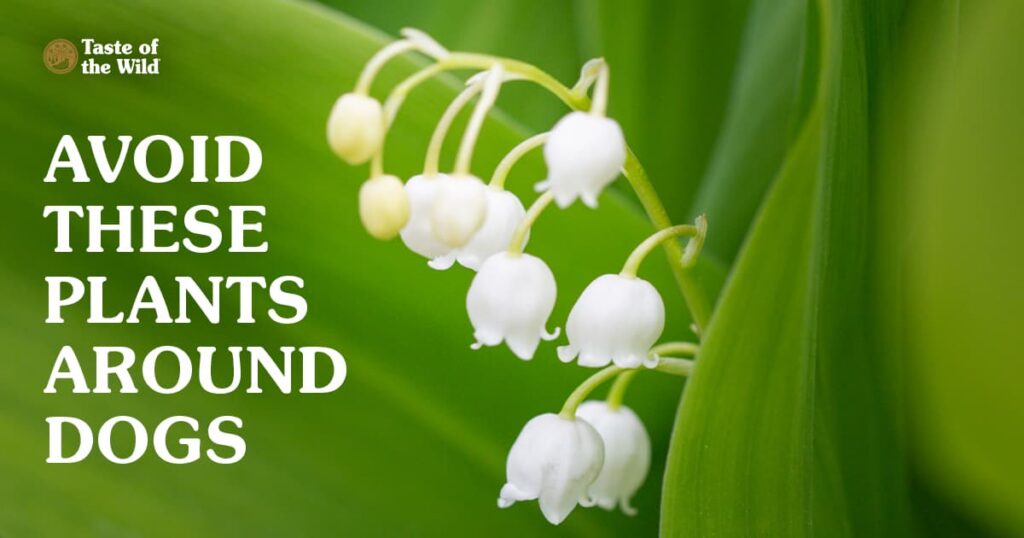
A close-up of a lily of the valley plant, featuring several small, white, bell-shaped flowers drooping gracefully in front of vibrant, broad green leaves.

Dogs are naturally curious, and that curiosity often starts with a sniff, a lick or a nibble. That’s why it’s important to know which plants are toxic to dogs before you bring new flowers, shrubs or houseplants into your home or yard. Some plants that are poisonous to dogs may only cause mild stomach upset, while others can affect their heart, liver or nervous system and become a true emergency. 

Even chewing on the leaves, petals or stems of plants that are considered nontoxic can lead to mild symptoms like vomiting or gastrointestinal upset. So pet parents should pay attention anytime their dog gets into a flower bed, potted plant or bouquet, even if the plant itself is not considered a poisonous plant.

What Flowers Are Toxic to Dogs?

Some of the flowers commonly planted around homes are also the ones that create the most questions for dog owners about plant toxicity. Tulips and hyacinths are two of the best-known examples. Both can be toxic to dogs, and their bulbs contain the highest concentration of toxic compounds of all the plant parts. If a dog ingests any part of these plants, dog owners need to watch out for signs of drooling, vomiting, diarrhea and depression.

Lily of the valley (and many other lily species) is another flowering plant pet parents should take seriously. It can cause vomiting, diarrhea, a drop in heart rate, severe cardiac arrhythmias and potentially seizures in dogs. Peonies are also considered toxic to dogs and may cause vomiting, diarrhea and depression. Other flowers that dogs should stay away from include foxglove, mistletoe, ivy, autumn crocus and daffodils. 

Other Common Plants Poisonous to Dogs

Flowers are only part of the picture. Some of the most dangerous plants to dogs are actually common shrubs or landscaping plants. Sago palm can cause severe and life-threatening symptoms in dogs, including vomiting, bruising, liver damage, liver failure and death. The entire plant is considered toxic.

Oleander is another high-risk plant. Ingestion of this shrub may produce severe symptoms such as drooling, abdominal pain, diarrhea, depression and can cause life-threatening heart disturbances and even sudden death. Azaleas and rhododendrons can cause vomiting, diarrhea, weakness and dangerous heart rhythm abnormalities if ingested by dogs. Other examples of plants toxic to dogs include holly, philodendron, snake plant, asparagus fern and yew. There are many more harmful plants, so make sure you check the Pet Poison Helpline’s poisons database or ask your veterinarian if you’re not sure if a plant is toxic. 

These examples show why it is not enough to only ask what flowers are toxic to dogs. Pet parents should take care when purchasing shrubs, perennial plants, indoor plants, tropical plants and decorative outdoor plants before assuming they are safe for dogs to be around.

What to Do if Your Dog Eats a Toxic Plant

If you know or even suspect that your dog has eaten a part of a poisonous plant, immediately call your veterinarian or an after-hours emergency clinic, or one of the two animal poison control centers in North America:

Try to identify the plant, estimate how much your dog may have eaten and watch for signs like vomiting, diarrhea, drooling, weakness, tremors or changes in heart rate. Quick action matters, especially with plants known to affect the heart or liver. It’s important to learn how to help a poisoned pet before an emergency happens, because having a plan can save valuable time.

Popular Flowers Which Are Safe for Dogs

It’s not all bad news, however! There are still plenty of flowers, shrubs and trees you can have in your garden and in your home that are safe to have around your dog. For example, two popular houseplants, the spider plant and the ponytail palm, are considered non-toxic if dogs brush against them or nibble on them occasionally, though eating large amounts may still cause mild stomach upset.

Are Petunias Poisonous to Dogs?

No, petunias are not poisonous to dogs. Similar to other common garden flowers like marigolds and zinnias, petunias are generally considered nontoxic to dogs. That said, “nontoxic” does not mean a dog should snack on them freely. Eating a large amount of any plant material can still irritate the stomach and lead to mild digestive upset. Petunias, marigolds and zinnias are a good example of flowers that are less concerning from a toxicity standpoint but still not something you want your dog eating on purpose. Other nontoxic flowers include sunflowers, gerbera daisies and African daisies.  

How Can You Help Stop Your Dog Eating a Poisonous Plant?

The best approach to avoiding plant poisoning is prevention. Check the names of your houseplants, yard plants and seasonal flowers before bringing them home. Avoid high-risk toxic plants like sago palm, oleander, azalea, tulips, hyacinths and lily of the valley in spaces your dog can access. Keep bulbs stored securely, pick up fallen leaves or petals and discourage digging in garden beds.

A beautiful yard and a dog-friendly home can absolutely go together. The key is knowing which plants deserve extra caution and which are less concerning. When in doubt, check plant toxicity concerns before you purchase the plant.
Five Benefits of Taking Your Dog on Vacation

Taste of the Wild

It’s about doggone time to shut down the computer and mute the work notifications, isn’t it? Unplugging from work and heading out on vacation can boost your happiness, decrease burnout and improve your overall mental and physical well-being.

But did you know that your dog can benefit from a vacation as well?

It’s true! We’re sure Fido’s ears have already perked up at the thought of spending extra time with their favorite human(s). They’re practically begging you to pack your bags as you’re reading this sentence out loud.

Now, even though your furry friend is getting excited for traveling, you know your dog best. If your doggo has issues traveling too far from home, start small on your vacation plans.

No matter whether you’re vacationing at the bed and breakfast on the other side of town or you’re traveling to a national park states away, we know Fido will benefit from the adventure in more ways than one.

Sniff some new flowers. Make some new friends.

Even traveling to a new part of town exposes your dog to new people, sights and sounds. Research shows that individuals who are out and about with a pet are much more likely to make new friends. Folks automatically want to say “hi” and pet Fido. And socializing your dog, especially at a younger age, is important to their overall mental health.

No worries. Be happy.

The mood is automatically cheery and light since you know your pet is safe by your side when you’re away from home. Neither one of you has to go a day without missing one another. After all, your dog already acts as if it’s been a thousand years since they’ve seen you when you just go down to the grocery store. Taking your dog with you on a trip can seriously cut down on the separation anxiety some pets feel.

And let’s face it, you miss them too when adventuring out by yourself.

Bond. Dog bond.

Adventuring with your dog strengthens the bond you share. It creates memories that will last a lifetime, for both of you. And it enhances a sense of belonging for you both. We mean, can you imagine hiking a new trail without Fido by your side? Or missing out on the barrel of laughs as your doggo discovers what sand feels like between their toe beans?

Enjoy the moment…and the pets.

As we’ve already pointed out, when you’re on vacation together, it’s your dog’s wildest dreams come true! Vacationing together additionally brings you both a peace of mind. It reminds you each to slow down and enjoy the moment.

You’re more likely to relax. And Fido’s well-being greatly improves with the extra time, too!

Walking the dog. Exercising the paws.

While adventuring to new places, your dog tends to get more exercise in their day as you both explore. Exercise provides Fido with a slew of benefits, such as reducing behavioral issues, prolonging their life, reducing the risk of obesity and mentally stimulating them. The amount of exercise your dog needs depends on their age and breed.

All this talk of a vacation has us packing our bags and our doggos grabbing their chew toys. What sites will you and your furry companion set out to see? Be sure to check out our Dog-Friendly Vacation Destinations for ideas.

RELATED POST: Adventures in the Wild: Camping with Your Dog

How to Puppy-Proof Your Summer Vacation

Taste of the Wild

Summer vacation with an adult dog is typically smooth sailing for experienced pet parents. But add a puppy to the mix, and all of a sudden you can be in rough waters. Traveling with a puppy can be quite a bit different than traveling with a fully grown, fully trained dog, so here are some things to think about before you em-bark on your vacation.

The First Place to Check In Is with Your Veterinarian

Before you pack your bags and head out the door on that long-awaited vacation, take a trip to the veterinarian first. They will make sure your puppy is healthy enough to travel and up-to-date on their vaccinations and parasite treatments. You should also share your destination with your veterinarian to see if there are any other recommended vaccinations or parasite treatments for that area. Ask your veterinarian for a copy of your pup’s vaccination records to take with you, and if you are travelling out of state, you may need a certificate of veterinary inspection (CVI).

It’s a good idea to have your veterinarian microchip your puppy before you go, and you should check that their collar ID tags have your current information. If you’re concerned that your puppy may wander off on their own adventure, GPS trackers are available to help you find your puppy using your phone, if it comes to that.

Is Your Puppy Ready to Explore?

You want your vacation to be a fun experience for everyone, but that’s not likely to happen if your puppy is cowering between your legs at every stop along the way. It’s best to make sure your puppy is well-socialized before you go, so they won’t be terrified of all the new people and places. They should also be able to follow basic commands to keep them safe while you’re out and about.

Potty training is another item on the “Is Puppy ready for a vacation?” checklist. Even if they are potty trained, they will need frequent stops (more than an adult dog), so make sure you factor that in when planning your vacation route and schedule. If your puppy hasn’t mastered socialization or training skills yet, it might be best for your puppy to have a staycation until they’re further along in their training program.

It’s also a good idea to get your puppy used to being in the car (if that’s how you’re going to travel). While in the car, they should be restrained in an anchored crate or carrier to stay safe (and not distract the driver), so make sure they become accustomed to the crate or carrier as well. Start with a short drive around the block and then gradually lengthen the drive time as they become familiar with car travel. They’ll be howling along to your road trip playlist in no time.

A Cozy Place for the Night

If you think your puppy is ready for a night away from home, you’ll need a puppy-friendly place to sleep. Wherever your adventure takes you for the night — camping, hotel, friend’s house — you’ll need to make sure your puppy feels comfortable and stays safe. It’s probably a good idea to bring a crate for your puppy to sleep in, no matter where you’re staying, so they can have a familiar place to sleep (with their favorite blankie and toys), and it will keep them from getting into any nighttime mischief.

If you’re staying in pet-friendly lodgings, you may want to take a closer look at that pet deposit fine print, because well, they are a puppy, and accidents (potty or chewing) do happen — there’s a chance you may not be getting that deposit back. If you’re planning on staying with friends or family, do they know you’re bringing a new high-energy family member with you? Your house might be puppy-proofed, but is theirs? Things to consider before you show up at the front door!

Is Everywhere on Your Itinerary Puppy-Friendly?

You’ve made your list of must-see places and must-do activities, but wait — do those places allow pets? It isn’t just where you’ll sleep that you’ll need to think about when it comes to puppy-friendly places. You also need to think about what you’re doing during the day and what you’ll do with your puppy while you’re there. Can they go with you, or will they need a safe place to stay while you’re out? Dogs of any age shouldn’t be left alone in the car, and leaving a puppy in a hotel room with endless opportunities for an unsupervised chewing session is not the best idea (or safe). Take a look at your daytime itinerary and see if it needs some tweaking. Here’s our list of some dog-friendly vacation destinations to get you thinking.

Also keep in mind that puppies need a lot of rest — their growing bodies aren’t ready for strenuous activity just yet. You may want to skip the four-mile hike up a mountain or the long walk on a beach for now. Make sure your plan for the day has plenty of opportunities for your puppy to take a break, and if it’s a hot day, indoor activities are the best idea.

One last thing to remember while you’re on vacation with your puppy: be flexible. Puppies need extra care and attention, and delays to your schedule are inevitable. But sometimes those unexpected stops make the best memories!

A new puppy text graphic showing a white, tan and black puppy lying in the grass.

Pet Poison Safety Tips: Is Your Home Really Poison-Proof?

A small white dog sitting behind grapes, chocolate and other common foods that may be poisonous to your pet.

Pets have a way of getting into things they shouldn’t. The chocolate bar that fell between the sofa cushions. The bottle of aspirin you left on the kitchen table. Or that slug bait on the garage floor. Since next week is Poison Prevention Week, we thought everyone could use a few safety tips on how to poison-proof your house.

Here are some of the top toxins that pets can typically find around the house:

  • Houseplants — While households with cats should avoid many types of lilies, other plants, such as sago palms and dieffenbachia, can be problematic for pets, too. But don’t worry if you’re really into houseplants. There are plenty that are generally safe for pets. These include spider plants, Boston ferns, African violets, Christmas cacti, Swedish ivy, lipstick plants, moth orchids and some succulents such as Haworthia, Peperomia and burro’s tail.
  • Human over-the-counter medications — Drug toxicity is a top claim at Nationwide Pet Insurance because people intentionally give their pets medications intended for humans. Just because some over-the-counter drugs like pain relievers, cold medications and herbal supplements don’t need a prescription doesn’t mean they’re OK for pets. Play it safe: Never give your dog or cat a human medication unless you have been directed to do so by your veterinarian.
  • Human and pet prescription medications — Think you have trouble getting into those child-proof bottles? Some pets can make quick work of them, getting into potentially dangerous drugs like ADHD medications, antidepressants, and heart medications. Some prescription medications for pets often contain meat flavoring, which may entice pets to down a month’s worth of doses at once.
  • People food — You’re probably well aware that some foods, such as grapes, chocolate and onions, can be dangerous for pets. But never forget that a determined pet can knock over the garbage and swallow chicken bones, coffee grounds, wrappers, moldy food and items that may be toxic, lead to pancreatitis, or require emergency surgery to remove them.
  • All things that require batteries — Most dog owners have probably had to replace a TV remote or two. But leaving any battery-operated devices, such as toys and smartphones, lying around can lead to a trip to the emergency clinic with your pet. And power cords, while not toxic, can lead to electric shock or worse if your pet chews on them. Keep all these items out of your pet’s reach.
  • Medical or recreational marijuana — Today’s marijuana often contains significantly more THC than in years past. Dogs and cats can become poisoned by exposure to marijuana smoke as well as eating pot plants or cookies, brownies or candies made with this ingredient.

That’s just a short list of what your dog or cat might find in your house.  Want more details? Here’s a room-by-room checklist of possible pet toxins.

Of course, if you suspect that your pet may have gotten into a toxin, call your veterinarian or the Pet Poison Helpline immediately.