Contact

Support
Recipe Recommendations For Puppy Owners Health and Nutrition Tips All Dog Articles Personalized Feeding Guide Compare Recipes
Virtual Pet Park
Explore our wild world of adorable pet photos and videos.
Support
Recipe Recommendations Health and Nutrition Tips All Cat Articles Personalized Feeding Guide Compare Recipes
Virtual Pet Park
Explore our wild world of adorable pet photos and videos.
 Where to Buy
 Contact Us
How Cat Obesity Can Lead to Feline Diabetes
Category: Health
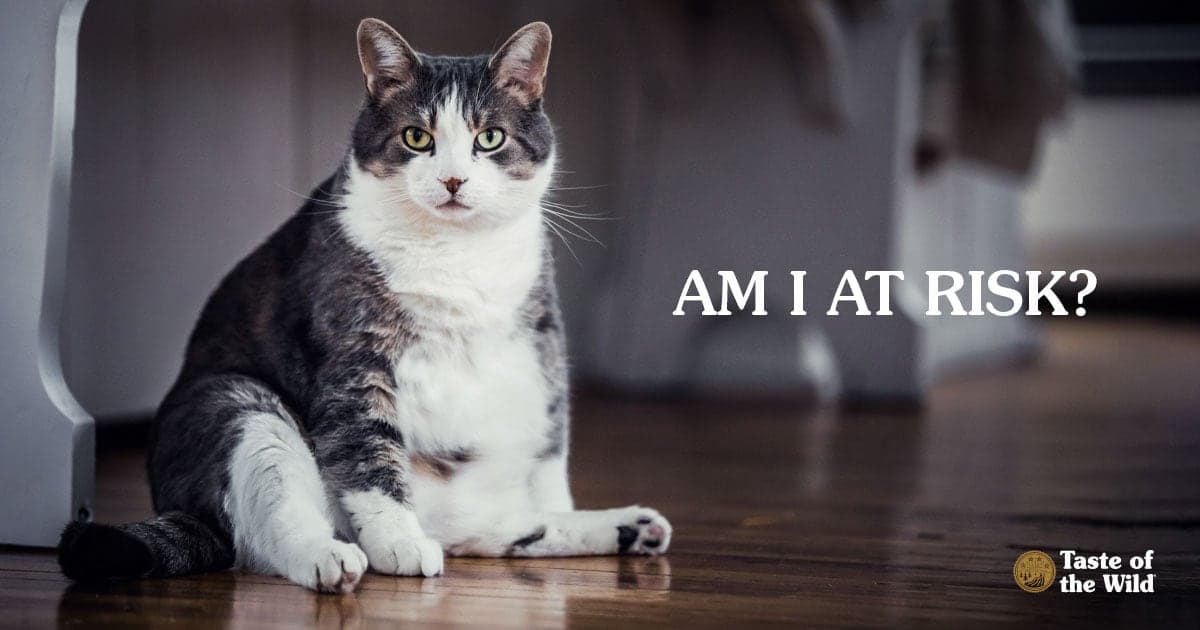
If you’re wondering if your cat is overweight, that’s not so unusual — there are more overweight cats in the U.S. than cats of an optimal weight. The problem is that carrying a few extra pounds can have negative effects on your cat’s health, including high blood pressure, osteoarthritis, kidney disease, respiratory difficulties and even some types of cancer. But the health condition with the strongest link to obesity in cats is diabetes.
Can Cats Get Diabetes?
Yes! Diabetes — or more appropriately, feline diabetes mellitus — occurs when a cat’s pancreas doesn’t make enough insulin or has lost the ability to produce insulin altogether. Diabetes mellitus can also occur when the body’s cells don’t respond normally to the insulin that the pancreas does make, a phenomenon called insulin resistance.
Insulin is a hormone that is necessary for cells to take in glucose (blood sugar) from the bloodstream. Not only does insulin resistance contribute to diabetes, it is also thought to play a role in other diseases, such as kidney disease, liver disease and cancer, as well as contributing to ongoing obesity.
Most diabetic cats develop type 2 diabetes, which is when their bodies are unable to properly use insulin, and may need an insulin injection once or twice a day for the rest of their life. Sometimes this type of diabetes can be reversed, meaning the cat can go into remission and insulin injections are no longer needed. Early diagnosis, treatment with insulin and a change in diet provides the greatest chance of reversing diabetes in a cat. However, if the cat hasn’t gone into diabetic remission within six to 10 months of diagnosis, they will likely need lifelong insulin treatment.
What Causes Diabetes in Cats?
Diabetes has been diagnosed in cats of all ages and breeds, and in both males and females, including neutered, spayed and intact cats. However, certain cats — especially obese cats — are at greater risk of developing the disease. Older cats, particularly neutered male cats, are also more likely to develop diabetes.
Other risk factors in cats include inactivity, genetics, increasing age, infections, pancreatitis (inflammation of the pancreas), kidney disease, steroid medications and endocrine disorders. High calorie foods are more likely to cause a cat to become overweight, especially if that cat is an inactive indoor kitty.
To help your cat avoid diabetes:
- Maintain them at a healthy weight. If you’re not sure how much your cat should weigh, talk with your veterinarian.
- Feed a complete and balanced diet. This includes limiting treats to no more than 10 percent of your cat’s daily calories.
- Provide your cat with plenty of physical activity. Exercise helps keep them from becoming bored and can help manage their weight.
Signs of Diabetes in Cats
Symptoms of diabetes include increased thirst and urination, and weight loss despite an increased appetite. These clinical signs can also be caused by other conditions in cats, such as hyperthyroidism and kidney disease. So if you notice these symptoms, make an appointment with your veterinarian to confirm a diagnosis, especially as uncontrolled diabetes can be fatal.
Feline Diabetes Treatment Options
While a diagnosis of diabetes may initially feel overwhelming for cat owners, diabetes is a condition that you can manage with the help of your vet, especially in the early stages. Diabetes can’t be cured, but managing diabetes is possible with daily insulin injections and diet changes that can keep your cat’s blood glucose levels regulated and reduce or eliminate diabetes symptoms.
Diet Changes for Cats Diagnosed with Diabetes
Diet can play a big part in the management of diabetes and maintaining normal blood glucose levels. Cats have a unique ability to use protein to make a steady supply of glucose for energy. Many veterinarians consider a food containing high levels of good-quality protein and low levels of carbohydrates ideal for diabetic cats. Because cats are obligate carnivores, the high-protein diet more closely mirrors a diet they might eat in the wild.
If you switch your diabetic cat to a high-protein, low-carbohydrate diet, it’s important to do so under the guidance of a veterinarian. With this type of diet, your cat may need less insulin over time. However, not all cats respond best to the same diet. Other diets formulated for diabetic cats may include high fiber to aid in glucose metabolism.
It’s important to always work with your veterinarian to ensure your cat is maintaining normal blood glucose concentrations and you aren’t putting your cat at risk for hypoglycemia or low blood sugar. Diabetic ketoacidosis, which is a medical emergency, can also be a risk if your cat doesn’t receive enough insulin. Diabetic cats should be fed the same amount of food at the same times every day to help maintain normal blood sugar levels.
Remission doesn’t mean a cat with diabetes is cured. It’s still important that your cat maintains a healthy weight and body condition, eats appropriate food and stays active. And in some cases, your kitty may still need a once- or twice-daily insulin dose in the future.
How to Prevent Cat Obesity and Diabetes
Getting your cat down to a healthy weight helps prevent disease, enhances their quality of life and can actually help them live longer. Chubby cats can also have more trouble jumping, playing and climbing.
Ideally, your cat should lose weight gradually, trimming off about 3 to 5 percent of body weight per month. Slow weight loss is very important as cats are at risk for a dangerous liver condition called hepatic lipidosis if their calorie intake is restricted too quickly.
Research has shown that obesity, age and lack of activity are the main contributors to insulin resistance and diabetes in cats. So, if you want to reduce your furry friend’s risk of diabetes, feed them appropriate amounts so that they maintain an ideal (or optimal) body condition and make sure they get plenty of activity. Make a commitment to spend three 5-minute aerobic play sessions with your cat each day.
Diabetic Cats Can Live a Full Life
Although diabetes can’t be cured, it is possible to successfully manage your cat’s diabetes through daily insulin therapy, monitoring your cat’s blood sugar, feeding an appropriate diet and regular physical activity. With appropriate care and attention, there’s no reason why your diabetic cat can’t fully live out the rest of their natural lifespan.
The information in this blog has been developed with a Doctor of Veterinary Medicine and is designed to help educate pet parents. If you have questions or concerns about your pet’s health or nutrition, please talk with your veterinarian.