


Vet Visits for Cats: What to Expect

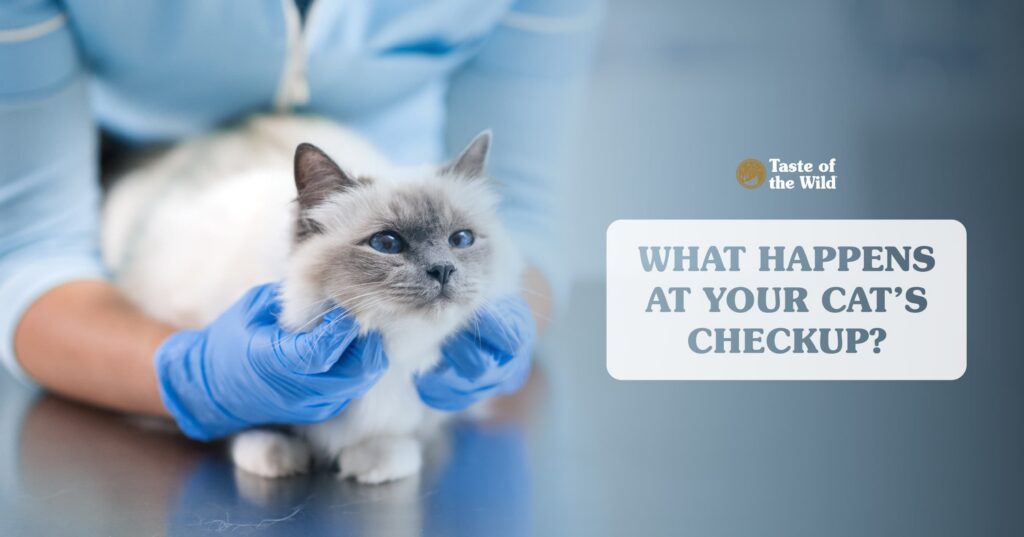
A long-haired white and gray cat with bright blue eyes being gently held on an exam table by a person wearing blue medical gloves.

Wellness exams for your cat are necessary appointments to make, just like an annual physical for your own preventive care. But what can you expect during your cat’s checkup? Your cat may have some questions about what to expect during a checkup, too. Typically, this vet visit won’t last more than 30 minutes, yet within that small window of time, your veterinarian will be checking your furry companion from whiskers to tail.

Do Cats Need Yearly Checkups?

Cats older than one year of age, including healthy adult cats, should visit the veterinarian at least once a year for routine wellness examinations, with the frequency adjusted based on the cat’s lifestyle, age and overall well-being. Kittens need to visit the vet every month until they receive their last round of immunization boosters at four months of age and have completed their other routine kitten procedures like spaying/neutering and receiving a microchip. Then they can begin their yearly vet visit schedule. 

For senior cats over 10 years old, more frequent monitoring becomes important, and visits every six months are typically recommended to keep a closer eye on age-related health changes. Because cats mask illnesses and age quickly, semi-annual visits allow for early diagnosis of age-related issues like kidney disease, diabetes, cancer or arthritis.

If your feline friend has an underlying health condition, your veterinarian will develop a plan specifically for your cat and the health condition they are tackling.

Preparing Your Cat for a Regular Vet Visit

When preparing for your regular vet visits, there are a few things to do at home before you go. First, make sure you have a way to transport your cat, such as a cat carrier, to keep them safe. Your cat may develop some anxiety when the time comes for a vet visit, but there are some things you can do to help keep your cat calm at the vet. Prepare them in advance by making their carrier a comfortable space, minimizing stress during travel, and using gentle handling and calming techniques throughout the visit. Staying calm yourself is important, as cats are very perceptive and can pick up on your emotions.

What Happens During Your Cat’s Wellness Exam?

Once you’re in the exam room, the veterinarian technician or assistant will ask key questions about your cat’s age, gender, diet, appetite, litter box activity, routine care and whether they’re an indoor-only cat or if they spend any time outside. They’ll also ask you if there have been any changes in your cat’s behavior or if you have any concerns. They’ll place your answers in your cat’s file for the veterinarian and for future visits.

Next, it’s time to get your cat’s weight, body temperature, heart rate and respiratory rate. Your cat’s temperature will be taken with a rectal thermometer, so if your pet is anxious, this step may be skipped for now. They may loop back to it later after your cat has calmed down or attempt a different method.

After all pertinent information has been collected, the veterinarian will evaluate your pet’s chart and then start a physical examination.

Your veterinarian will review the following:

  • Body condition: Are they in an ideal body condition for their breed and age? Does your cat have any hair loss or inflammation? How does their coat look overall?
  • Heart and lungs: When the vet listens to your cat’s heart and lungs, how do they sound?
  • Abdominal palpation: Does your cat have any tenderness in the abdomen? Are there any abdominal masses?
  • Alertness: Does your cat appear responsive and aware of their surroundings? Your vet will look at your cat’s eyes and body language to measure it.
  • Walk: Is your cat walking with a limp? Are they steady on their paws? Does their body seem stiff at all?
  • Mouth: How are those pearly whites looking? Is periodontal disease present? Are there any dental problems? Are there signs of dental disease?
  • Ears: Is there any wax buildup? What about ear mites or yeast infections? And do they seem to be hearing everything going on currently?
  • Nose: How is their nasal cavity looking? Can they breathe well?
  • Eyes: Coming back to their eyes, is there any sign of infection or irritation? Do they seem to follow movement well with both eyes?

Using the information from the physical exam, the veterinarian can make a well-rounded assessment of your cat’s overall health. They’ll discuss any concerns and whether additional tests, such as X-rays, blood tests or a fecal exam, are a necessary next step in evaluating your pet’s overall health, provide core vaccine suggestions, booster shot reminders and if any dietary changes are needed to improve your cat’s well-being.

This is the perfect time for you to ask any questions you have as well. Your veterinarian is there to help provide answers and clarifications along the way. 

Preventive Care for Cats

Preventive care is one of the most important ways to keep your cat healthy and catch problems early. Scheduling a regular wellness check or routine vet visit allows you to see the vet before small issues become serious. Remember, early detection and treatment can make a big difference in your cat’s long-term health. During routine checkups, a veterinarian can monitor weight, dental health, vaccination needs and screen for common conditions. Even if your cat seems perfectly fine, it’s still important to make an appointment for your cat to visit the vet clinic at least once a year (or more often for older cats).

Another key part of prevention is protecting your cat from parasites. If your cat spends any time outside, tick prevention, along with protection against fleas, heartworm and intestinal parasites, helps avoid diseases that can be difficult and costly to treat. Your vet can recommend safe, effective products and guide you on proper use. With consistent preventive care, you’re giving your cat the best chance at a long, comfortable life.

The Average Cost of a Vet Visit for Cats

For many pet parents, the cost of a veterinary visit can be a real source of stress. Whether it’s a routine checkup, emergency visit or more complex surgical procedures, understanding what to expect financially can make the experience much more manageable.

The national average cost of a vet visit for cats varies based on location, the amount of care and other factors. The national average is often published by the American Veterinary Medical Association. It’s important to note that additional services, such as diagnostic tests, vaccinations or medications can increase the total cost of the wellness exam significantly. For example, blood tests, dental cleanings or minor surgical procedures can run several hundred dollars or more. But given an emergency vet visit can cost significantly more, treating a problem early is often better for your cat and for your bank account. 

Before moving forward with treatments, your vet’s office can provide a clear breakdown of the actual cost of treatment, including exams, recommended tests and optional services. This gives you the chance to make informed decisions and prioritize what needs to be addressed immediately versus what can safely wait.

How to Reduce Pet Care Costs

Preventive care is one of the most effective ways to control long-term vet visit costs. Annual exams can catch issues early, like dental disease, weight changes or early signs of illness before they turn into more serious and expensive conditions. For instance, addressing plaque buildup now may help you avoid costly treatments for periodontal disease or other complications later.

You might also consider pet insurance as a way to offset unexpected expenses. Many pet insurance plans help cover emergency visits, illnesses and even some routine care, making it easier to budget for your cat’s health over time.

By investing in pet insurance early, ideally while your cat is young and healthy, you can often secure lower premiums and avoid exclusions for pre-existing conditions. Over time, this can provide peace of mind, knowing you’re better prepared for both routine veterinary visit costs and unexpected medical situations.

Annual Checkups Are Important for Your Cat

Ultimately, while veterinary visit costs can vary widely, open communication with your veterinarian and a focus on preventive care can go a long way in keeping your cat, and your finances, in good shape.

So, what are you waiting for? Get your cat’s wellness exam booked. Regular checkups can equal a happier, healthier cat.


Vet Visits for Cats: How to Keep Your Cat Calm

A close-up of a brown and black striped cat sitting inside a cat carrier.

“White coat syndrome” is a very real phenomenon. For people who suffer from this disorder, the mere sight of a doctor — usually clad in a white lab coat — is enough to send their blood pressure skyrocketing. A similar thing can happen to cats (and dogs), too. The stress of a trip to the veterinarian can lead to caterwauling during the car ride and the uncanny ability to brace their paws inside the carrier, defying extrication.

The result of these fears? Some pet parents feel bad for their cats and avoid taking them for annual checkups or don’t stick to the vaccination schedules advised by their veterinarian. These anxious cats may potentially miss out on an early diagnosis of an underlying medical condition if they do not have regular checkups. That’s why we’re sharing tips to help make vet visits less stressful for you and your cat.

Signs My Cat Has Anxiety

General signs of anxiety in cats usually involve changes in their behavior as well as physical symptoms. Common cat anxiety symptoms include refusing to eat, excessive grooming, becoming more reclusive and litter box issues. Other physical signs of an anxious cat include their hair standing on end, dilated pupils, cowering, ears flattened and head lowered, and holding their tail low and tight against their body. A change in a cat’s behavior can also be due to a health condition, so contact your veterinarian if you notice behavioral changes.

Temporary Cat Anxiety Treatment

If your cat’s appointment is within the next few days, and they have shown signs of severe anxiety during previous visits, ask your veterinarian for advice and if sedative medication is appropriate for your cat. The medication can be given to your cat a few hours before the appointment. There are also calming products such as pheromone sprays for feline anxiety on the market, but check with your veterinarian to make sure they won’t react negatively with any of your cat’s underlying health issues. Or you can consider working with a veterinarian who does house calls.

When it comes time for your cat’s actual appointment, find out if your clinic has “cat-only” examination rooms. Some clinics spray cat-friendly pheromones in rooms, and the staff know stress-free handling techniques to ease cat stress during wellness exams, vaccinations and other consultation visits. Depending on your cat’s medical condition and required treatments, your veterinarian may be able to follow up with you over the phone or by video conference instead of scheduling more appointments.

How to Calm a Cat Down for Their Next Checkup

As they say, “Prevention is better than cure,” so for a more long-term solution to your cat’s veterinary visit anxiety, the time to start taking action is weeks before their next appointment. The first step is controlled exposure to the dreaded cat carrier. There’s a good chance that the sight of the carrier is a trigger for anxious behaviors and a cue for your cat to bolt under the bed — especially if your cat only associates traumatic events with it, such as trips to the veterinarian or the groomer. But you can help change that emotional response by separating the carrier from stressful situations. And by exposing kittens to positive associations with the carrier at an early age, you can avoid difficult situations when they’re adults.

You do want to use a carrier: It’s safer for you and your cat for the trip to and from the clinic. The carrier should be large enough to allow your cat to stand up and turn around inside. Ideally, the carrier should have a removable top, whether it’s a hard-plastic model that can be unscrewed or a soft-sided carrier with a zipper at the top.

Make the Cat Carrier Hard to Resist

About a month before your appointment, start associating all things positive with the carrier.

Remove or open the top and place your cat’s favorite blanket inside, or an article of clothing that carries your scent. Cat pheromones, which can make cats feel calmer, are another option for spraying on the blanket. Then place the lower portion of the carrier in a room the cat frequents and leave it there, so the cat can explore it at their leisure.

Scatter treats, catnip or toys in the carrier to make the cat’s space even more enticing. You can also start to feed your cat outside the carrier and gradually, over the course of a few days, move the food bowl inside.

After your cat is comfortable being in the bottom part of the carrier, add the top, or zip the top closed, but leave the door open, so your cat can come and go. Once your cat is comfortable with that, try closing the door for short periods of time and dropping high-value treats inside so your cat associates awesome things with the carrier. Hopefully, over time the carrier becomes a normal part of your cat’s life.

Help Your Anxious Cat Become Accustomed to the Car

Now that time in the carrier with the door closed doesn’t trigger anxiety for your cat, pick up the crate and carry it a few feet, so your cat gets used to that feeling. Gradually increase the distance until you can place the carrier in the car.

Secure the carrier with a seat belt so it doesn’t slide around. Drop a few treats in the carrier and start the car, let it idle for a short period, then stop. For some cats, it helps to drape a light blanket or towel over the carrier, so they aren’t scared by unfamiliar sights. The next day, take a trial drive around the block and gradually increase the length of your drive.

Happy Veterinary Visits Can Help Relieve Cat Stress

From the cat’s view, a fear response to their veterinarian is reasonable: the clinic has a long list of cat anxiety triggers and physical pain if they need blood tests or other diagnostic tests. The clinic could be an environment of loud noises and other cats and pets — unfamiliar experiences that are known to raise anxiety in cats.

So call your veterinary clinic and see if you can schedule a few “happy” visits for your cat. These are five- or ten-minute visits during which clinic staff bring your kitty into an exam room and deliver treats in a calm setting to help your cat adjust to the sights and smells of the clinic and associate positive feelings with it. This is especially helpful if you have a kitten who hasn’t been to the veterinary clinic very often.

With a little help, your cat can learn that a vet visit doesn’t have to be scary. That, of course, can make your life a lot easier, too. And you can feel gratified that you’re providing your cat with the health care that could enhance and even extend their life.

Does Your Pet Need to See a Veterinary Nutritionist?

A close-up of a white dog looking into the camera.

The food bowl is the center of the universe for most pets. The whir of a can opener or the clatter of kibble tumbling onto a plate is enough to rouse any dog or cat from a dead sleep and send them bounding into the kitchen. When you think about it, does anything impact your pet’s health more, on a daily basis, than the food you feed it?

While the majority of dogs and cats do just fine when fed a complete and balanced commercial diet, there are some cases where you may want to seek the specialized advice of a pet nutritionist.

What is a veterinary nutritionist?

Just as human doctors specialize in particular types of medicine, from dermatology to surgery, these veterinarians select nutrition as their specialty. While your eyes may glaze over when you read about carbohydrates, proteins, essential fatty acids and other dietary ingredients, these doctors are fascinated by these topics.

After finishing 4 years of veterinary school, doctors must complete 1 year of general clinical experience and then an additional 2- to 3-year residency where they focus on the nutritional management of healthy pets and those with single or multiple diseases. To become board-certified, they must publish peer-reviewed research, write up detailed case reports and pass a grueling, 2-day written test.  At that point, they can add another title after their names: DACVN, which stands for Diplomate of the American College of Veterinary Nutrition.

Why consult a nutrition specialist?

There are several reasons why your veterinarian may refer you to a veterinary nutritionist or you might seek a specialist’s advice on your own.

Your pet needs a therapeutic diet. Certain medical conditions, such as kidney or cardiac disease, benefit from a specialized, therapeutic diet. In some cases, there may be a commercial diet available by prescription but your pet does not like the taste. If no commercial diet is available for your pet’s particular condition, a board-certified nutritionist can tailor one to your pet’s needs.

Your pet has multiple medical conditions. Perhaps your pet has food allergies and chronic kidney disease, for example. Again, a nutritionist can develop a specially formulated diet to address both conditions.

Your pet needs to be fed through a tube. Some conditions, such as fatty liver disease in cats, may require a special liquid diet devised for a feeding tube.

You prefer a homemade diet. While there may be recipes for homemade diets on the internet, many of them are “generic” formulas that aren’t tailored to your pet and can be deficient in necessary nutrients. For the health of your pet, any homemade diet should be developed by a board-certified veterinary nutritionist.

Your pet is carrying a few extra pounds. A nutritionist can develop a personalized weight loss plan that helps your pet lose the weight and keep it off.

You want to know more about your pet’s nutrition. If you’d like an expert to identify your pet’s specific nutritional needs and recommend an individualized feeding plan, a veterinary nutritionist is your best resource.

Interested in a consultation with a board-certified veterinary nutritionist? Just ask your veterinarian for a referral or consult the Diplomate Directory at www.acvn.org.

Preventive Health Care for Pets

A veterinarian in scrubs examining a cat and a dog.

When it comes to veterinary care, many pet owners subscribe to the old axiom, “If it ain’t broke, don’t fix it.” In fact, the 2017-18 edition of the AVMA Pet Ownership and Demographics Sourcebook says that nearly 46 percent of cats and 17 percent of dogs didn’t visit their veterinarian during that span.

But waiting until something is “broke” is like waiting until your house is on fire before buying a fire extinguisher. By the time a pet shows signs of illness, the disease may have progressed so far that it may be more difficult and more expensive to treat than if it had been caught earlier — not to mention the extra discomfort the pet may have experienced.

Preventive healthcare…prevents

More and more, veterinarians encourage owners to focus on preventive healthcare. These simple steps can help prevent dogs and cats from contracting many diseases in the first place and may help detect problems earlier, when they may be more amenable to treatment — and when treatment typically has a smaller price tag.

The preventive care your pet requires will depend on the animal’s age, lifestyle, health status and risk factors for disease. Your veterinarian can tailor a preventive care plan for your pet’s precise needs, but it will most likely include some of the following:

Annual physical exams

Your pet should be examined by a veterinarian at least once a year. If he or she is older or currently has a health condition, those visits should be even more often. The goal is to detect subtle signs of disease as early as possible, or to monitor disease progression to keep your pet healthy and comfortable for as long as possible. It’s also a good opportunity to discuss any concerns about your pet’s behavior and general well-being.

Spay and neuter

Neutering a male pet early helps prevent testicular cancer and prostate disease. Likewise, spaying female cats and dogs when young can help reduce the risks of mammary cancer and pyometra, an infection of the uterus that often requires emergency surgery. Appropriate timing for this important surgery should be discussed with your veterinarian and may vary based on your pet’s breed and lifestyle. Sterilization can also help reduce behaviors such as roaming, urine marking and aggression.

Screening tests

Many health conditions aren’t obvious to the naked eye. That’s why your veterinarian may recommend tests to help detect diseases early, such as urinalysis and general blood tests as well as more specific diagnostic tests to check for thyroid disease, feline leukemia and more. Depending on your pet’s age, your veterinarian may also suggest other diagnostics such as X-rays or blood pressure measurements.

Nutrition/weight management

Research has shown that keeping your dog lean can actually help prolong life, and the same is most likely true for cats. You can help achieve this by feeding a complete and balanced food designed for your pet’s life stage, providing regular exercise and not going overboard on treats.

Dental care

Dental disease is one of the most common — and preventable — conditions in dogs and cats. It’s often painful. It can lead to tooth and bone loss. And dental infections can spread bacteria to organs throughout the body. Regular dental exams and prophylactic cleanings can help remove tartar and bacteria under the gum and freshen breath. Even better, regular at-home tooth brushing can help extend the time between professional cleanings.

Vaccinations

Some vaccines, such as rabies, are required by law, but others are important to help protect your pet from serious and potentially fatal diseases. Indoor-only pets can still be exposed to viruses, so you should discuss your pet’s disease risks with your veterinarian and select the right vaccination program for your pet.

Parasite protection

All pets, even those who are indoor-only, should be on year-round, broad-spectrum parasite control for intestinal worms and heartworm. Regular fecal exams are also important, not just for your pet’s health but because many intestinal parasites can be spread to your human family members. You should also consult your veterinarian about flea and tick control; risks for these pests depend on your area.

The whole package

To help encourage more pet owners to focus on preventive healthcare, many veterinarians offer special packages that bundle these services, often at a discount. That way, you know exactly what your pet needs for the year. Even better, you can probably spread the expenses out over the year so it’s easier on you, too. And that makes your next trip to the veterinary clinic relatively painless for everyone.