Contact



 Where to Buy
 Contact Us
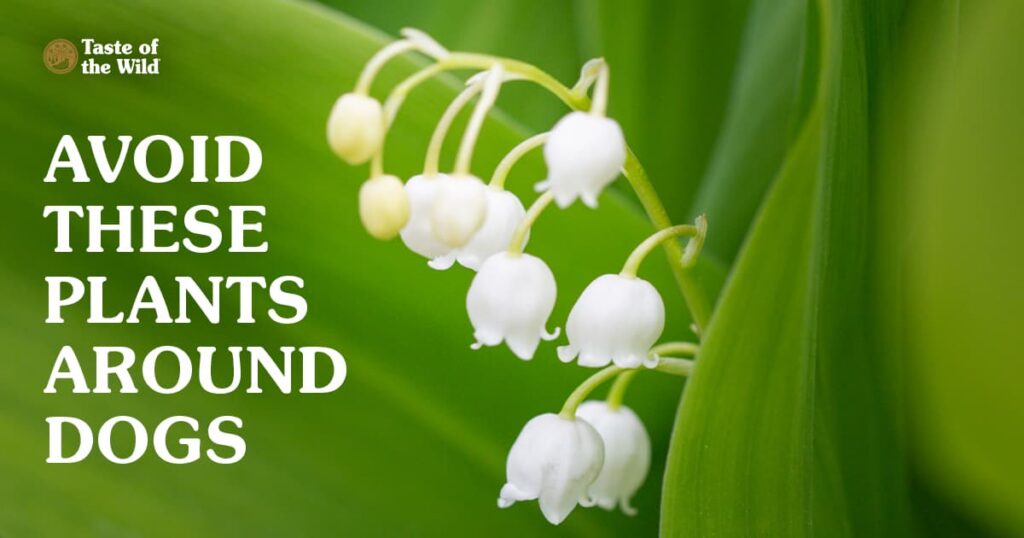
Dogs are naturally curious, and that curiosity often starts with a sniff, a lick or a nibble. That’s why it’s important to know which plants are toxic to dogs before you bring new flowers, shrubs or houseplants into your home or yard. Some plants that are poisonous to dogs may only cause mild stomach upset, while others can affect their heart, liver or nervous system and become a true emergency.
Even chewing on the leaves, petals or stems of plants that are considered nontoxic can lead to mild symptoms like vomiting or gastrointestinal upset. So pet parents should pay attention anytime their dog gets into a flower bed, potted plant or bouquet, even if the plant itself is not considered a poisonous plant.
What Flowers Are Toxic to Dogs?
Some of the flowers commonly planted around homes are also the ones that create the most questions for dog owners about plant toxicity. Tulips and hyacinths are two of the best-known examples. Both can be toxic to dogs, and their bulbs contain the highest concentration of toxic compounds of all the plant parts. If a dog ingests any part of these plants, dog owners need to watch out for signs of drooling, vomiting, diarrhea and depression.
Lily of the valley (and many other lily species) is another flowering plant pet parents should take seriously. It can cause vomiting, diarrhea, a drop in heart rate, severe cardiac arrhythmias and potentially seizures in dogs. Peonies are also considered toxic to dogs and may cause vomiting, diarrhea and depression. Other flowers that dogs should stay away from include foxglove, mistletoe, ivy, autumn crocus and daffodils.
Other Common Plants Poisonous to Dogs
Flowers are only part of the picture. Some of the most dangerous plants to dogs are actually common shrubs or landscaping plants. Sago palm can cause severe and life-threatening symptoms in dogs, including vomiting, bruising, liver damage, liver failure and death. The entire plant is considered toxic.
Oleander is another high-risk plant. Ingestion of this shrub may produce severe symptoms such as drooling, abdominal pain, diarrhea, depression and can cause life-threatening heart disturbances and even sudden death. Azaleas and rhododendrons can cause vomiting, diarrhea, weakness and dangerous heart rhythm abnormalities if ingested by dogs. Other examples of plants toxic to dogs include holly, philodendron, snake plant, asparagus fern and yew. There are many more harmful plants, so make sure you check the Pet Poison Helpline’s poisons database or ask your veterinarian if you’re not sure if a plant is toxic.
These examples show why it is not enough to only ask what flowers are toxic to dogs. Pet parents should take care when purchasing shrubs, perennial plants, indoor plants, tropical plants and decorative outdoor plants before assuming they are safe for dogs to be around.
What to Do if Your Dog Eats a Toxic Plant
If you know or even suspect that your dog has eaten a part of a poisonous plant, immediately call your veterinarian or an after-hours emergency clinic, or one of the two animal poison control centers in North America:
Try to identify the plant, estimate how much your dog may have eaten and watch for signs like vomiting, diarrhea, drooling, weakness, tremors or changes in heart rate. Quick action matters, especially with plants known to affect the heart or liver. It’s important to learn how to help a poisoned pet before an emergency happens, because having a plan can save valuable time.
Popular Flowers Which Are Safe for Dogs
It’s not all bad news, however! There are still plenty of flowers, shrubs and trees you can have in your garden and in your home that are safe to have around your dog. For example, two popular houseplants, the spider plant and the ponytail palm, are considered non-toxic if dogs brush against them or nibble on them occasionally, though eating large amounts may still cause mild stomach upset.
Are Petunias Poisonous to Dogs?
No, petunias are not poisonous to dogs. Similar to other common garden flowers like marigolds and zinnias, petunias are generally considered nontoxic to dogs. That said, “nontoxic” does not mean a dog should snack on them freely. Eating a large amount of any plant material can still irritate the stomach and lead to mild digestive upset. Petunias, marigolds and zinnias are a good example of flowers that are less concerning from a toxicity standpoint but still not something you want your dog eating on purpose. Other nontoxic flowers include sunflowers, gerbera daisies and African daisies.
How Can You Help Stop Your Dog Eating a Poisonous Plant?
The best approach to avoiding plant poisoning is prevention. Check the names of your houseplants, yard plants and seasonal flowers before bringing them home. Avoid high-risk toxic plants like sago palm, oleander, azalea, tulips, hyacinths and lily of the valley in spaces your dog can access. Keep bulbs stored securely, pick up fallen leaves or petals and discourage digging in garden beds.
A beautiful yard and a dog-friendly home can absolutely go together. The key is knowing which plants deserve extra caution and which are less concerning. When in doubt, check plant toxicity concerns before you purchase the plant.