

Will Cats Notice It’s Back-to-School Time?

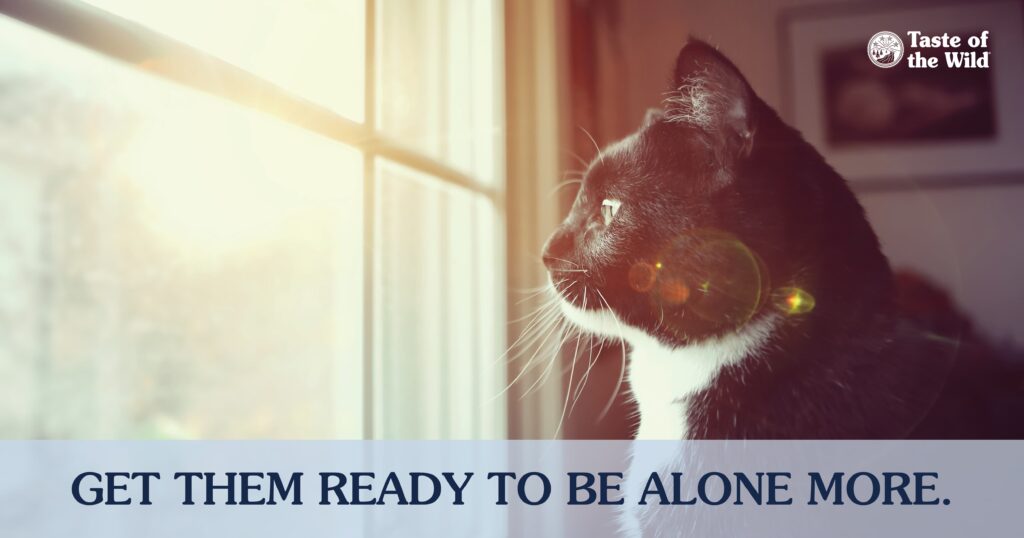
A black-and-white cat staring out a window.

Dogs are notorious for missing their owners two seconds after their human steps out the front door, sometimes with destructive results. But will your family’s favorite feline have separation anxiety after the kiddos go back to school? Fluffy was the go-to adventure buddy for your kids’ summer shenanigans, after all. So, it’s only natural that your cat will miss their tiny humans when the daily routine is altered later this August. But with cats, sometimes it’s hard to tell how they really feel.

Rest assured, your cat misses you (and the kids!) when you’re gone — especially if the absence is a drastic shift from the norm, like during back-to-school time.

Like dogs, cats are social creatures who crave consistency and have unbreakable bonds with their humans. They just have a different way of expressing themselves than our slobbier companions. Some of those ways might be easy to miss, and they can vary from cat to cat.

Cats Act Differently When They Miss You

As schedules pivot and their daily playmates go back to school, every cat might react a bit differently, but most will note the change if they’re suddenly alone more. They may experience some level of loneliness, depression or anxiety — similar to how a human might feel during changes in their environment. This separation anxiety could show up as:

  • Excessive meowing
  • Behavior changes like eating less or litter box accidents
  • Extreme excitement when the humans return
  • A swipe of the paw when the humans return
  • They may try to go with you the next time you leave

One reaction is not more worrisome than another. It’s simply their way of responding to the situation at hand. If you notice a drastic or lingering change in their eating or bathroom habits, contact your veterinarian.

Your Kids Can Be Part of the Solution

We recommend informing your kiddos of these potential reactions so they can be sympathetic to however Fluffy reacts. Let Fluffy come to the kids at their own pace when everyone returns home in the afternoon. Your pet will likely need grace and patience as they adjust, not to mention lots of attention when everyone is back together.

Prep Your Kitty for Back to School

What other ways can you help your cat adjust? Advance preparation. Making small shifts during the weeks ahead could help ensure the changes are not as jarring to your cat’s nervous system.

Most children spend about six to seven hours per day in school (not including after-school programs). In the time leading up to school starting back up, try leaving the house for short amounts of time. Start running errands or adventuring around town for an hour or so each day — slowly increasing the time you spend away from the house.

When arriving back home, greet Fluffy with love, affection and words of affirmation that all is OK. You’re letting them know they are still loved and that the tiny humans will return home — no matter how long they may be gone throughout the day.

Provide Sources of Entertainment for Your Cat

Add interactive toys around the house so your pet can stay entertained without their human playmates. These could include automatic laser pointers that come on throughout the day, catnip hide-and-seek toys or wall shelves for climbing. Before leaving the house, teach your cat how to use each option. Upon returning home, be sure to still spend one-on-one playtime with Fluffy for added mental stimulation.

Consider setting up a bird feeder outside a safe, secure window where your cat frequently looks out. Place their cat tree or pet bed nearby so they can sit in comfort and watch birds or small animals eat the food. It’s another great way to keep your cat entertained and happy throughout the day!

Warm Up to the School Year Routine

Visit with your kiddos about a new school year routine with Fluffy. Find guaranteed pet playtimes for showering your cat with attention that make sense with your family’s schedules. Whether it’s after breakfast before the bus arrives or after school before they start homework, Fluffy will be ready for a new consistent setup. So will the kids as they ease into their new fall routine.

Bonus tip that can help the whole family: On the days leading up to the new school year, try getting your kiddos and your cat on this new sleep, wake up, play and leave schedule. While the kids aren’t leaving for a full day of school quite yet, it can help your cat adjust to the new agenda before your kids start school. It might just help the kids adjust to it as well!

As Fluffy and the tiny humans adjust to their new routines, remember you could notice an increase in affection from your cat whenever the kids re-enter the house. Or you could notice a slightly standoffish cat who is trying to show the kids they didn’t like having their trusty playmate gone all day. Your cat’s reactions are completely normal. Once Fluffy understands that their playmates are back home for the evening, they’ll let go of any grumpy cat emotions and be ready for an adventure. Fluffy just missed their tiny humans is all.

How to Calm an Anxious Dog During the Holidays

A Bernese mountain dog wearing a red and white Santa hat and smiling while sitting in front of a Christmas tree.

The holiday season is often the happiest time of the year for many people. But for some dogs, it can be quite upsetting! Treats left out that they’re not allowed to have. Weird footsteps on the roof. Strangers traipsing through their home and stealing their spot on the couch. The horror!

So how do you keep your dog calm among the many stressful situations that the holidays often bring? From calming treats to prescription medications and more, discover some ways to reduce anxiety and keep your dog jolly and ho-ho-healthy this holiday season!

What Are Some Symptoms of Anxiety in Dogs?

If you’re in the middle of a holiday party and your dog starts acting a little abnormal, it might be due to anxiety — stress and anxiety in dogs is often expressed through body language. In general, your dog’s behavior can vary depending on what kind of stressful event or situation is triggering their anxiety. For example, loud noises may cause them to run and hide, while strangers in the home may cause them to bark or act aggressively. There are a variety of behavioral signs to look out for, but some of the most common signs of anxiety in dogs include:

  • Excessive barking or whining
  • Destructive behaviors, such as chewing or digging
  • Seeking constant attention or being clingy
  • Ears pinned back, or their tail tucked between their legs
  • Shaking or trembling
  • Soiling in the house 
  • Loss of appetite

While many of these behaviors can be a common indicator of stress, it’s important to be on the lookout for any behavior that seems out of the ordinary. From pups to senior dogs, a break from their normal routine may be a warning sign of distress or illness. If you notice changes in eating and drinking habits, sleep patterns or atypical social behavior, contact your veterinarian.

Do Calming Treats for Dogs Work?

Yes! Calming treats can be an effective way to reduce anxiety and help keep your pup calm when they’re feeling stressed. However, the effectiveness of calming bites and calming chews can vary depending on the active ingredients used in the product. The most common ingredients that have calming properties and may help soothe dogs include melatonin and the amino acids L-theanine and L-tryptophan. Treats and soft chews containing these ingredients can help with relaxation and reduce stress in situations that cause mild anxiety. However, always check with your veterinarian before giving any calming treats to your dog or adding supplements to your dog’s diet.

While we’re on the subject of treats, be sure to limit feeding your pup any snacks or treats while cooking holiday meals, and always make sure that any table scraps are safe for dogs to eat. Even if a holiday treat isn’t toxic, sugary sweets and other festive treats can lead to unexpected energy bursts and anxiety spikes, so try your best to say no to any begging attempts.

Do Calming Meds for Dogs Work?

Yes, calming medications for dogs have been shown to be quite effective when it comes to managing anxiety. However, it’s always important to first consult with your veterinarian before attempting to give your dog any kind of medication. A veterinarian can help prescribe the right medication and dosage for your pup to help reduce anxiety, fear and any destructive behaviors that holiday-related stressors can cause. 

The impact of prescribed medication and other pet supplements can vary, and oftentimes medication alone is not enough. Relaxation therapies, behavior modification techniques and physical exercise can all go a long way towards helping your dog manage everyday stress.

Other Common Calming Aids for Dogs

If some of the best calming treats or prescription medications aren’t having an impact, there are plenty of other common calming aids for you to explore that promote relaxation in dogs. First, provide your dog with a safe space away from the hustle and bustle of the holidays that provides a secure and comforting space for them to retreat to. Make sure they have access to food and water and give them puzzle toys as a distraction from the stressful experience. If you’re busy, have a friend check on your dog regularly to ensure they’re doing OK.

There are a variety of products that provide physical comfort — like anxiety vests and blankets — that can soothe your pup and help reassure them that they’re safe when feeling scared. You can also find anxiety collars that use calming pheromones and aromatherapy scents like lavender to help reduce stress levels. 

It’s also important to remember that, like humans, nervous dogs can often work out their anxiety through physical activity. Playtime activities like chewing on a favorite chew toy, playing fetch or going on a simple walk through the neighborhood can have a calming effect and help relieve stress. These remedies also come with the added benefit of expending excess energy, which may help your dog relax with the rest of the family after a big holiday meal. 

Remember, Stress Relief for Dogs Is Important All Year Long!

At the end of the day, it’s important to remember that a dog’s life isn’t only stressful during the holiday season. Whether the cause is a stressful car ride to the vet, separation anxiety, Fourth of July fireworks or a storm in the middle of the night, your dog’s anxiety can be triggered by a variety of different events or changes to their environment at any time of the year. 

It’s important to pay attention to your dog’s body language and do your best to prioritize their physical and mental health during every season. Socializing with other dogs, a healthy diet and regular exercise can all help keep your dog’s anxiety at bay. Regular health exams with your vet can help ensure that you’re taking the right steps to address the specific triggers for your canine companion. 

Doing so will not only improve your dog’s quality of life, it can also help reduce your own stress levels as well!

A Taste of the Wild Guide to Pet Anxiety and Stress

Taste of the Wild

There aren’t many issues that are more upsetting to pet owners than pet anxiety, especially when it comes to anxious dogs. An anxious dog can lead to destructive behavior, health conditions or repetitive or compulsive behaviors that can have major ramifications on your pet’s life.

Types of Anxiety

A dog’s anxiety or stress can come from many sources, but there are three major causes.

Separation Anxiety

Dog anxiety caused by separation from their pet parents or other companions has always been an issue, but it might be exacerbated by the recent COVID years, as many pets got used to being around their owners all the time. Sudden time apart can lead to destructive behavior in anxious dogs.

Loud Noises

If you’ve ever seen how thunder can cause anxiety in dogs, you immediately understand how loud noises like storms, fireworks or gunshots can cause pet owners to cringe. Not all dogs are impacted by these noises, but an anxious dog might need prescribed medication in the worst cases.

Changes in environment or routine

Certain dog breeds are more chill than others when it comes to anxiety, but most are impacted by lifestyle changes in some way. Different bed or wake times, other changes in sleeping habits, new items in a dog’s environment — they can all trigger anxiety.

Signs and Symptoms of Anxiety in Dogs

Dog body language is a prime indicator of stress and anxiety in dogs, but it’s far from the only indicator. Depending on how well you know your dog, you can read these signs to determine how they’re feeling, mentally. Other things to look for:

  • Barking or howling
  • Panting or pacing
  • Digging
  • Escaping the yard
  • Destroying furniture

Any sudden addition of these behaviors might be an indication that your dog may need to relieve stress or be taken out of a stressful situation. Dog anxiety can be hard to read, but if you know these signs you can get with your veterinarian to plan to treat anxiety in your dog.

For more details on specific situations or types of dog anxiety or stress, read on!

Separation Anxiety in Pets

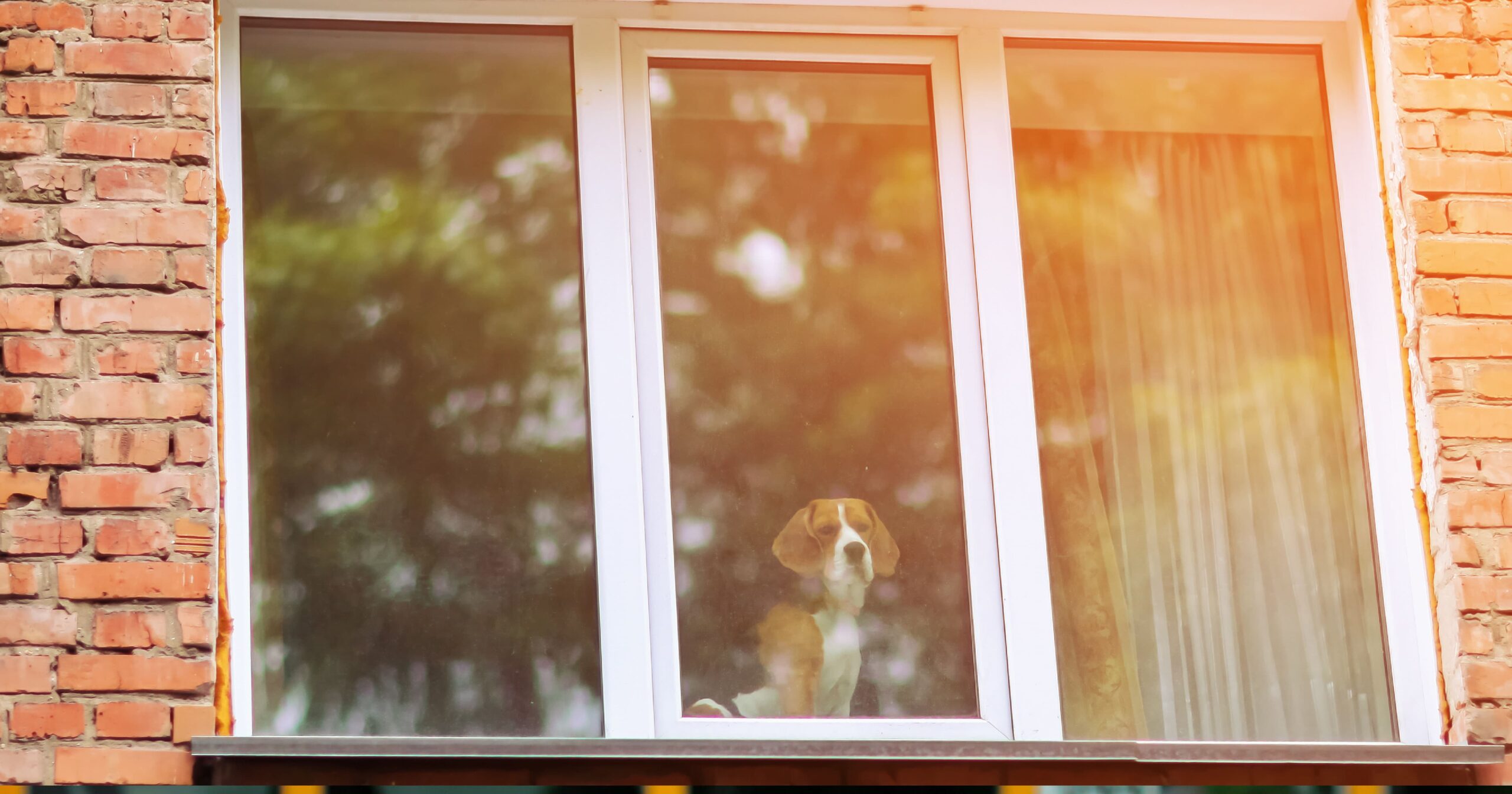
A Dog Looking Out of the Window. | Taste of the Wild

Do the Sunday Scaries get you down, knowing that work on Monday is coming? Your pet may hate it even more than you. Up to 17 percent of dogs suffer from separation anxiety. That time spent away from your pet can be extremely stressful, almost like a traumatic event. Extended anxiety in pets can cause health issues or behavior problems.

Knowing that a pet is stressed can be distressing for an owner, too. Your best option is to work with your veterinarian or a veterinary behavior specialist to help your pet overcome his or her fear.

Back to School Can Be Stressful for Pets

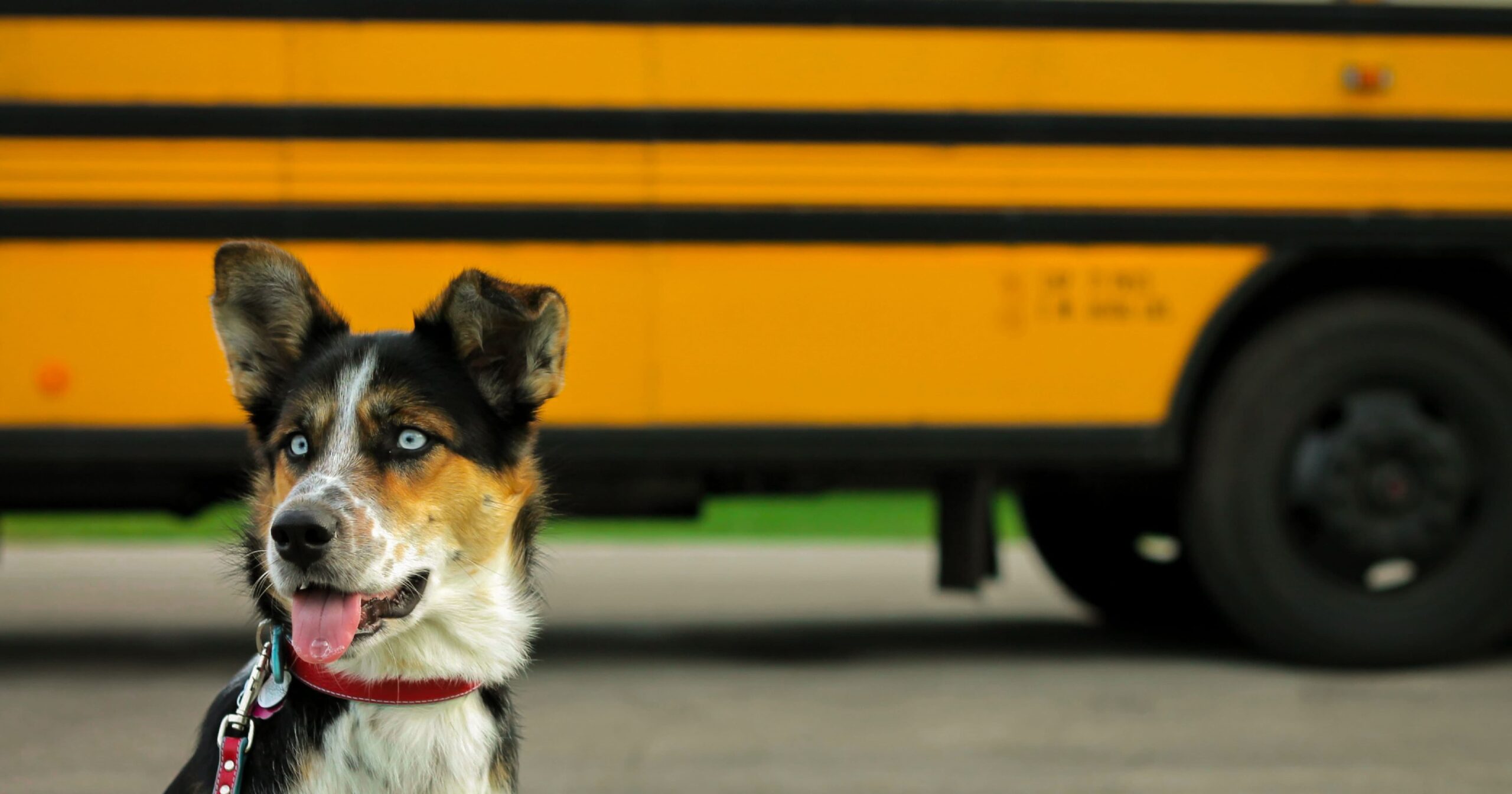
A Dog Standing in Front of a School Bus. | Taste of the Wild

If your pet and the kids have been inseparable all summer, that first day of school can be a rude awakening to the pets, especially if they’re now all alone in the house.

Helping a dog cope with the sudden change in play and snuggle time can be tricky, but with some extra chew toys and other minor changes, you should be able to ease your dog’s symptoms.

READ MORE ABOUT PET STRESS AND BACK TO SCHOOL

Calming Pet Stress and Pet Anxiety When the Thunder Rolls

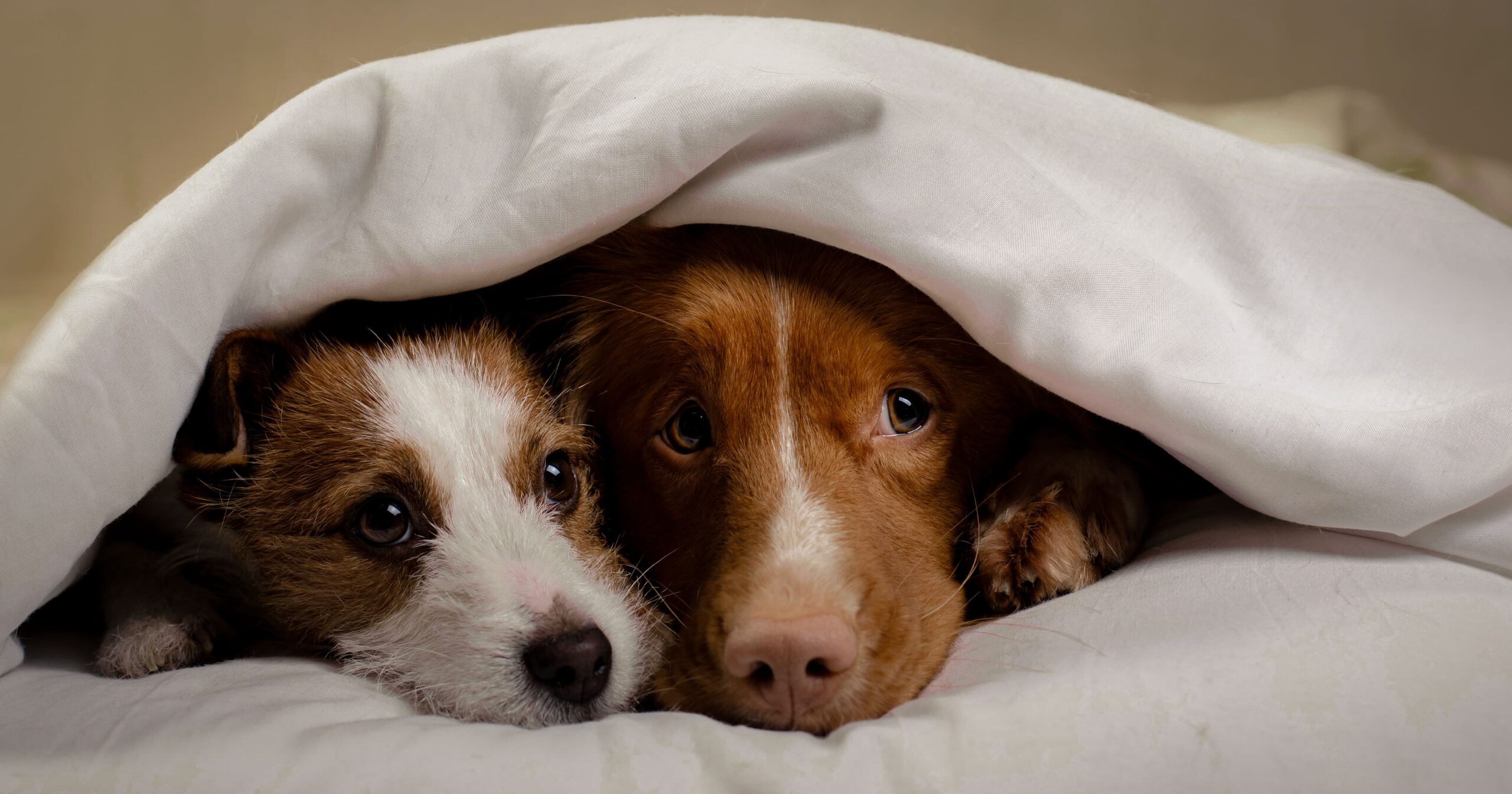
Two Dogs Under the Covers in a Bed. | Taste of the Wild

For some dogs, the sound of thunder can cause a major anxiety disorder. But it might not just be the noise; it can be everything surrounding the storm. Or it might not be the storm at all! It’s important to work with your veterinarian to determine whether your dog is suffering from noise anxiety, storm anxiety, separation anxiety or a combination of stresses, so you can find the right treatment to help your pet. If your dog’s anxiety is so extreme that they are hurting themselves or destroying property, your veterinarian may recommend prescription medications to help.

READ MORE ABOUT YOUR PET AND THUNDER STORMS

De-Stressing That Trip to the Veterinarian

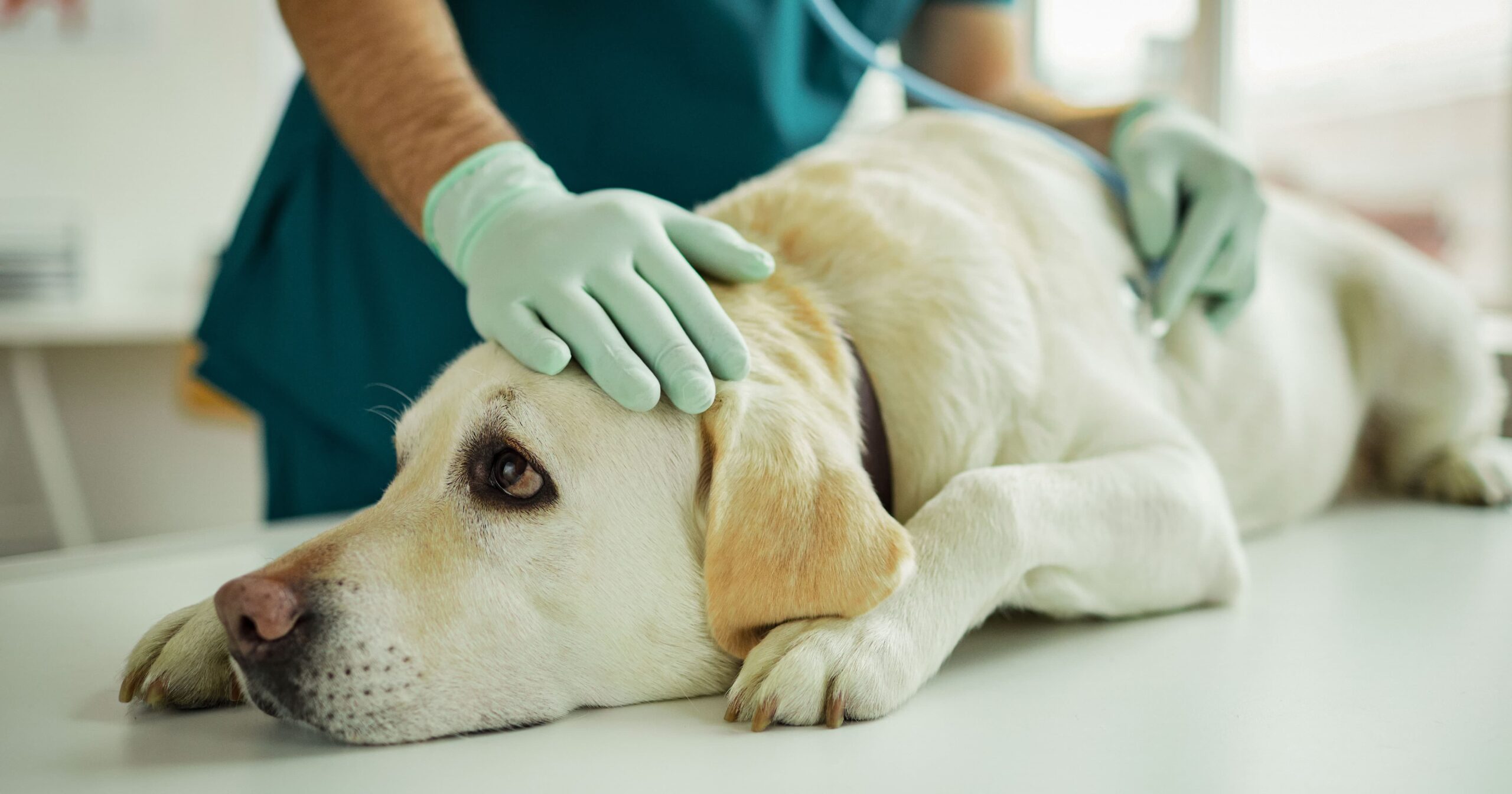
A Dog Being Treated by a Veterinarian. | Taste of the Wild

We all hate going to the doctor, but did you know dogs can feel that same anxiety when going to the veterinarian? Dogs may not speak the same language as us, but they can pick up on shifts in your mood, and they tend to know when they’re being rounded up to go somewhere.

READ MORE ABOUT STRESS AND THE VET

Puppies and Adoption Stress

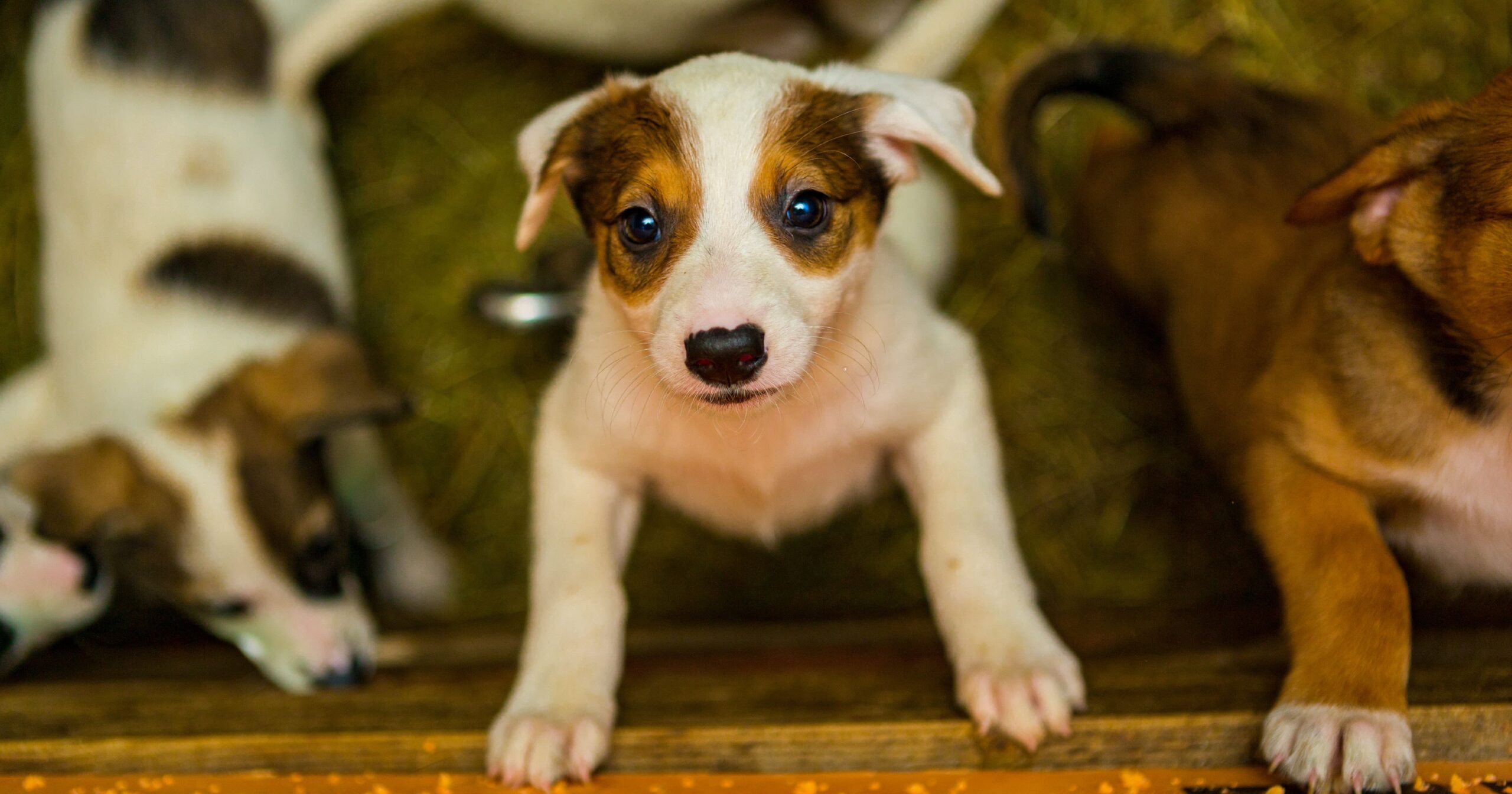
Three Puppies Playing Together. | Taste of the Wild

That puppy might be all happy and wiggily in the window, but the adoption process can be hard on a young pup! Here are all the ways a pup’s anxiety can be exacerbated by the adoption process, as well as a few ways you can help your puppy with a stress-free transition to a new home.

READ MORE ABOUT DE-STRESSING THE PUPPY ADOPTION PROCESS

Dog Anxiety Is Real But Can Be Helped!

Dogs are wonderful creatures who somehow relieve the constant pressure that we humans face on a day-to-day basis. But dogs experience many of the same anxiety issues that we do. It doesn’t take much effort to reduce anxiety in dogs. Luckily, the root cause and many symptoms of much dog anxiety can be handled without much difficulty, and your dog will be back to their silly, wiggly self in no time.

A new puppy text graphic with a white, tan and black puppy lying in the grass.

Cat Stress Relief: How to Keep the Holidays Stress Free

A close-up of a white and brown cat lying on its side in front of a Christmas tree.

When the holidays approach, celebration with loved ones is always on the to-do list. But our time of cheer and merriment also brings about some changes to your feline friend’s routine and habits, and that can be stressful on a kitty! Great Aunt Frida has already invited four of her friends to your house, completely disregarding your cat’s feelings about crowds! So what are you to do?

How to Destress a Cat During the Holidays

The good news is that you don’t have to switch up your plans or trim the guest list. Here are some ways you can help anxious cats de-stress before, during and after the celebrations. Grab your pen and get ready to take notes — because even your cat may have questions about how to de-stress their holiday.

1. Introduce Your Kitty to the New Humans

Has your furry friend met everyone on the guest list? If not, add peaceful introductions to the agenda. You can do this by letting your cat decide when they would like to interact with company.

If your cat backs away when approached by a new face, let your guests know it just takes your fur baby some time to warm up to folks. Many cats prefer to meet new people on their own terms. Pressuring your cat into being held or petted will only cause unnecessary anxiety.

2. How to Calm Down a Cat

A safe space can help to relieve cat anxiety when they’re feeling overwhelmed. Grab their favorite security blanket, pet bed or one of your old T-shirts. Next, find a space out of the way, like under a side-table in the home office or a quiet spot under your bedroom window. Now add the little bed and a few favorite toys and treats. Voila! You’ve created a haven for your cat to escape to during stressful moments.

If your cat’s food and litter tray are in central areas, consider moving them to a quieter location. Be sure to show your cat their safe space and the new locations of their cat food and water bowls and litter box. Let your cat come out of their haven when they’re ready. Like humans, some cats are more introverted than others, and that’s perfectly okay.

3. Use Caution on Holiday Décor and Plants

This tip can be just as much a de-stresser to cat owners as to their cats. Holiday décor and plants can bring an array of hazards for your cat, so choose unbreakable décor to avoid the risk of broken glass when your cat tries to knock it all off the table (you know they will).

Additionally, many holiday plants like poinsettias, holly and mistletoe are poisonous to pets when ingested. Try opting for fake holiday plants instead. Bonus: With a fake addition, you’ve got your plant décor covered year after year.

4. Keep to Your Routine to Reduce Cat Anxiety

Try to keep your cat’s routine in place as much as possible. Before, during and after your holiday celebrations, keep the same feeding times and designated play/walk times to avoid adding extra stress to your feline. Older cats especially cope with stress better by keeping to their set schedule.

5. Give Your Kitty a Little Extra Affection

Cats form attachments to their favorite humans, and even if they don’t show it, they crave that human touch and general human interaction and bonding. Therefore, it’s important to show your cat a little extra love before and after the festivities. Snuggling can help reduce stress and let them know these holiday celebrations were only temporary and that all is well in the home. A special treat (cat-friendly, of course) can go a long way, too.

6. Add Soothing Pheromones as Calming Aids for Your Cat

Synthetic cat pheromones found in sprays or diffuser products can relieve cat stress and anxiety. Studies show that when the synthetic pheromone is released into the air, it can mimic a variety of natural chemicals released by cats that are known to signal a safe, familiar territory. This method can also help cats with litter box issues, spraying or aggressive behavior.

Note, you’ll want to purchase pheromone sprays or diffusers at least a month before your upcoming holiday shindig. Each cat is different, so it could take as little as 2 to 4 days for them to respond to the synthetic pheromone; or it could take up to 30 days for them to feel the calming effects.

How to Tell if a Cat Is Stressed

They might not outwardly show it, but cats are sensitive beings who are affected by stress in ways that will be familiar to humans. Cat stress can lead to behavioral issues, physical concerns or emotional challenges in your cat, and the holidays are some of the most stressful times of the year. For everyone.

But the holidays aren’t the only cause of cat stress. Any changes to a cat’s environment, like the addition of dogs, other cats, other pets or a new family member, can cause cat anxiety. Cats are good at hiding their stress, but you may notice some signs of stress, like accidents outside the litter box, a change in their eating and grooming habits or them not acting like their usual self. 

Stress Relief for Cats Is Possible

We hope this list brings both you and your furry feline peace and comfort during your upcoming holidays. However, if your cat still seems stressed as you put up the holiday décor (or at any time), it might be best to call your veterinarian. Sometimes relieving cat anxiety needs a little extra help from your vet.