Contact



 Where to Buy
 Contact Us
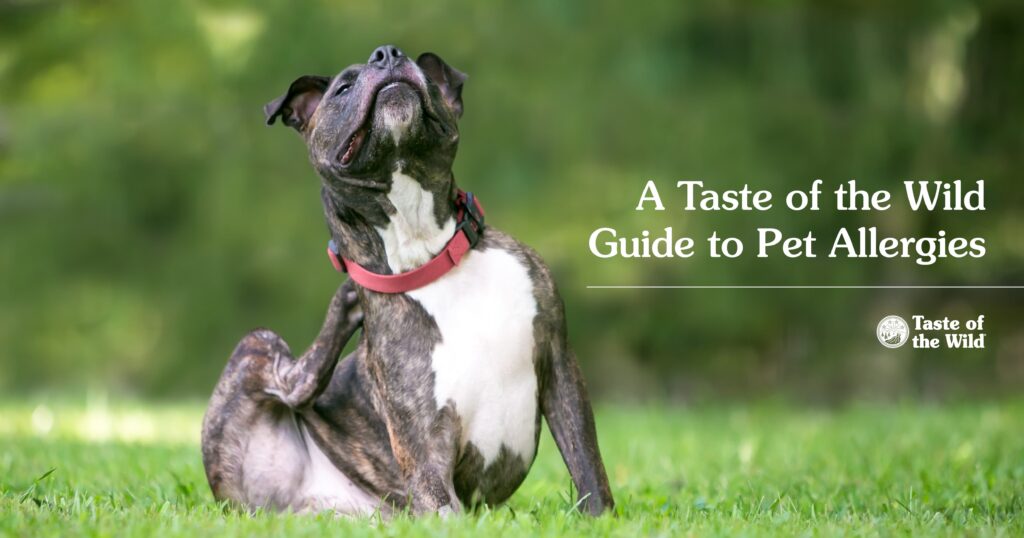
They might be itchy. They might be scratchy. They might be runny or even a little wheezy. If your pet is any of these, they might be suffering from allergies. But, as with any pet ailment, it’s not always easy to determine what they’re allergic to, or even if there’s an allergy!
Types and Causes of Allergies In Pets

Pet allergies can present in many different ways, with a wide range of symptoms in both dogs and cats.
If you suspect your dog or cat has an allergy, the first thing to do is determine what kind of allergy you might be dealing with. Your veterinarian will likely do the heavy lifting here, but it helps you as a pet parent to have a working knowledge of the different types of pet allergies, allergic reactions and maybe a little understanding of the immune system.
Food Allergies in Pets

Pet allergies to foods are a lot less common than many people think.
Food allergies are often confused with food sensitivities or intolerances. Allergy or intolerance is an important distinction when determining food allergies in your pet. A true allergy is when something, like food, triggers an immune response from your pet’s body. This response can manifest as anything from a simple rash to a dangerous situation where your pet has trouble breathing. An intolerance, on the other paw, is more of a digestive problem, where your pet has trouble (for any number of reasons) digesting a certain food. The problem is that an intolerance can look on the outside an awful lot like a food allergy, and usually your vet has to dig deeper to determine the actual cause of your pet’s allergy.
The immune response your pet’s body uses to fight an actual food allergy can appear superficially as simple itchiness, acne or skin blotches, swelling or bald patches of fur. However, food allergies can also cause severe digestive problems like diarrhea, vomiting or abdominal pain.
Food allergies are no joke. Because symptoms can overlap with other types of allergies and illnesses, your veterinarian may recommend a diet trial to help identify the offending allergen. Once you have confirmed that your dog is allergic to certain foods, you will have a better idea of what dietary options to try. In rare cases, severe allergic reactions can pose serious health risks, so if you suspect a food allergy, it’s always best to consult your veterinarian for guidance.
Environmental Allergies in Pets

Dog allergies can be triggered by a variety of things in the environment.
“Seasonal allergies” is a phrase that is regularly thrown around, and it’s somewhat misleading. If your pet is allergic to something, they’re allergic to it all year round, it just may not be present in the environment all year. Like allergy season in people, pets become uncomfortable during this time or worse. Environmental allergies are the second-most common cause of allergic skin disease in dogs, behind flea allergy dermatitis, which we’ll discuss later.
Pollen from trees, grasses and weeds is the frontrunner for most common environmental allergens. In the spring, tree pollen might be the main cause of your pet’s allergy symptoms. Once summer hits, grass pollen becomes the enemy, and that can cause symptoms until the snow covers it all up! As fall falls, ragweed, sagebrush and wormwood release weed pollen. Though it’s common to say, “pollen allergy,” there are many different types of pollen. And your pet can be allergic to more than one.
While pollen is somewhat seasonal depending on where you live, other environmental allergies can be present all year long. Dust, dust mites, mold spores and dander may cause skin or sinus issues in your pet. But how do you determine where those allergies are actually coming from? To confirm environmental allergies, your vet may suggest additional testing, followed by allergy shots (immunotherapy) or other treatments.
Everything You Need to Know About Flea Allergies and Flea Protection Products

Dog allergies to tiny fleas can cause big problems.
In the U.S. alone, there are 300 different types of fleas. Different species of fleas may have a particular host that they prefer, but when push comes to shove, most fleas will latch on to any animal that’s available — even you!
Fleas are ranked as one of the most common pet allergies for dogs. Just one flea bite can trigger a severe allergic reaction in sensitive dogs, leading to intense itching, red, inflamed skin, hair loss, scabs and more. Flea prevention is the key to avoiding flare-ups.
Flea control products for dogs come in many forms, including shampoos, collars, spot-on topical treatments and oral treatments. You can read about the differences between each type below but always ask your veterinarian which prescription or over-the-counter flea products are right for your dog.
A Limited Ingredient Diet May Help Bring Allergy Relief

Pet allergy symptoms might be alleviated with a limited-ingredient diet.
Although it can seem like your pet’s stomach is invincible, certain foods may not agree with your dog or cat. In fact, adverse food reactions can lead to vomiting, diarrhea, loss of appetite, gurgling tummies and — the bane of dog owners everywhere — excess gas. Or your pet may experience red, itchy skin and/or chronic ear infections.
Your veterinarian can help rule out parasites, infections and other possible causes and determine if your pet’s food really might be the problem. The best way to diagnose — and eventually treat — a food allergy or intolerance is to perform a diet trial for 8 to 12 weeks, during which your pet must only eat the prescribed food – no treats, table scraps, flavored medications, etc. Then, specific ingredients are added back into the diet one at a time to see if your pet reacts to them.
Limited ingredient diets for dogs and cats contain four key ingredients or less — so there are fewer components to potentially irritate your pet’s digestive tract. Each diet contains only a single animal protein source, such as pasture-raised Angus beef, cage-free turkey or trout raised in spring-fed waters.
READ MORE ABOUT FIGHTING ALLERGIES WITH A LIMITED INGREDIENT DIET
A Pet Allergy Isn’t the End of the World
Dog allergies or pet allergies in general can be difficult to diagnose. Allergy symptoms, allergic reactions, allergy testing, seasonal allergies, allergy shots: It’s enough for a pet owner to want to seal your pet up in a bubble! But with a little investigation and maybe a lot of help from your veterinarian, that itchy skin and those allergic reactions can be things of the past!