Contact


Support
Recipe Recommendations For Puppy Owners Health and Nutrition Tips All Dog Articles Personalized Feeding Guide Compare Recipes Food Cost Calculator
Virtual Pet Park
Explore our wild world of adorable pet photos and videos.
Support
Recipe Recommendations Health and Nutrition Tips All Cat Articles Personalized Feeding Guide Compare Recipes Food Cost Calculator
Virtual Pet Park
Explore our wild world of adorable pet photos and videos.
 Where to Buy
 Contact Us
Behind the Breed: Maltese
Category: Behind the Breed

Have you ever wondered about the origins of a dog breed? In our “Behind the Breed” series, we’ll dive into the history, personality and physical appearance of a particular breed. We’ll also cover some of the FAQs about the breed and maybe some fun facts, too!
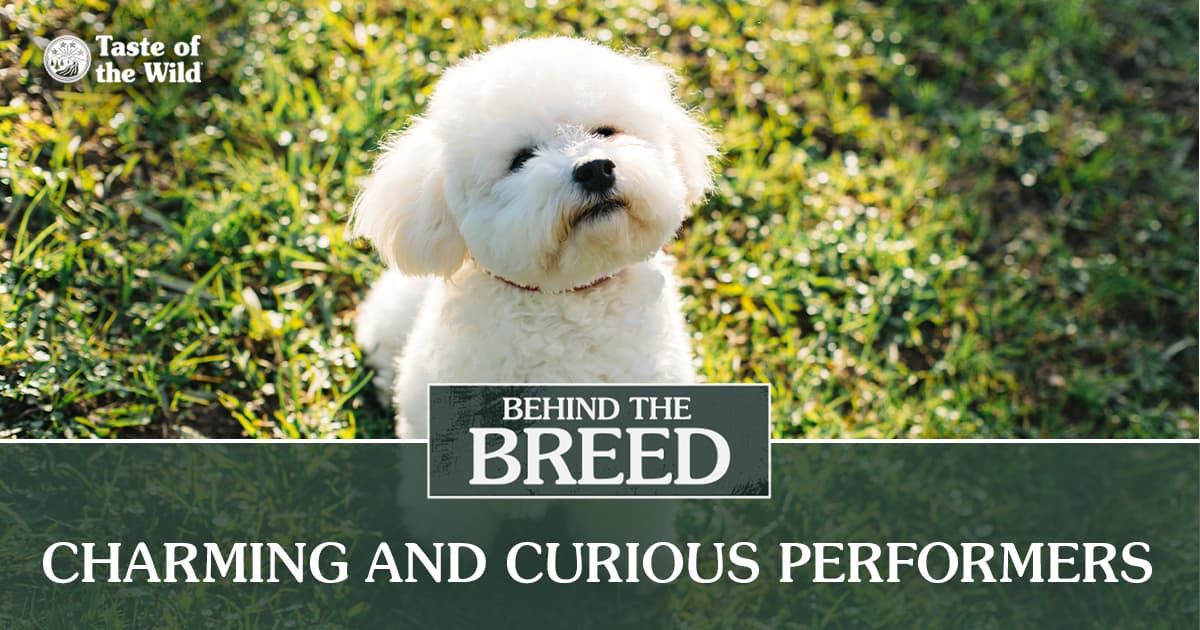
Known for their beautiful white fur, sweet expressions, intelligence and affectionate nature, Maltese dogs have big personalities in a little package. Packed with sass and charm, they love to cuddle and show their silly side. Discover the rich history, charming personality and care needs of the elegant Maltese dog.
History of the Maltese Dog
The Maltese is an ancient dog breed with a history dating back to more than 2,000 to 3,000 years. Originating in the Mediterranean region, the breed is traditionally associated with the island of Malta. Maltese dogs were highly valued by wealthy families and royalty for their elegant appearance, small size and affectionate nature. They have been depicted in paintings, sculptures and even in literature from ancient Rome. The American Kennel Club officially recognized the Maltese breed in 1888.
Maltese Personality
One of the most appealing traits of the Maltese is their personality. These dogs are affectionate, playful, intelligent and loyal. A Maltese often enjoys sitting on a lap and following their owner from room to room; they love human companionship. Even though the breed is small, they can have a big personality. Some Maltese dogs are confident and energetic, while others are quiet and gentle. Each pup has its own individual traits.
Maltese puppies are incredibly adorable, but they require proper care from a young age. Training should begin as soon as the puppy comes home, using patience, praise and rewards. These dogs can learn basic commands, house training, tricks and good manners if the training is consistent. Socialization is also crucial, as it helps puppies feel comfortable around different people, other pets and sounds. Early training can reduce unwanted behavior and help your Maltese develop into a well-mannered adult dog.
Maltese Size
Maltese dogs are small, lightweight and affectionate companions, making them ideal lap dogs for people who enjoy having a loving pet by their side. Typically, they stand 7 to 9 inches tall at the shoulder and weigh around 7 pounds when fully grown.
Despite their gentle nature, Maltese dogs are delicate because of their small size and fine bone structure. They may not be the best fit for households with very young children who have not yet learned to handle pets gently. Children should be taught to respect the dog’s personal space and avoid pulling its fur, ears or tail. Similar-sized dogs like Chihuahuas and bichon frise, which are small lap dogs, have different personalities and care needs, but they all benefit from gentle handling.
Their small size makes Maltese dogs wonderfully suited for apartment living and cozy spaces. While they don’t demand a large yard, they still thrive on daily outdoor walks, interactive games and mental stimulation.
Maltese Colors and Hair Coat
The Maltese dog has a unique appearance that makes it easy to recognize. Its small size, round head, dark eyes, black nose and long tail give it an adorable look. The Maltese dog is best known for its silky, long white hair that gives the breed its elegant appearance. According to the breed standard, pure white is the preferred color, although light tan or lemon shading may sometimes appear around the ears.
Do Maltese Dogs Shed?
Maltese dogs are a low-shedding breed, making them a popular choice for pet parents who prefer less loose hair around the home. However, low shedding does not mean low maintenance. Trapped hair can lead to tangles and matting, so the coat needs frequent brushing. Many pet parents brush daily and arrange regular grooming sessions with a professional groomer for bathing, clipping and shaping.
Routine care also includes nail trims, ear checks and regular cleaning around the eyes to manage tear staining. In addition to coat care, pet parents should monitor their Maltese for allergies, skin irritation and other sensitivities that may affect coat health. A balanced diet, appropriate foods and veterinarian-approved medication when needed can help manage certain allergy symptoms and support healthy skin and coat condition.
Maltese Dog Health Concerns
Maltese dogs are generally healthy, but like all dog breeds, they can be prone to certain health conditions. Maltese dogs can be prone to dental problems because of their small jaws, crowded teeth and rapid plaque and tartar buildup. If left unaddressed, this can cause painful gums, bad breath, difficulty eating and tooth loss. Regular toothbrushing and veterinary dental checkups can help maintain good oral health.
Patellar Luxation
Patellar luxation is a condition where the kneecap temporarily slips out of its normal position. It is common in small breed dogs, including Maltese, and often has a hereditary component. Affected dogs may occasionally skip or hop on three legs while walking. Mild cases without significant symptoms may only require monitoring, while others may benefit from weight management, exercise and veterinary treatment; more severe cases may require surgical correction.
Respiratory Diseases
Some Maltese dogs are prone to certain respiratory conditions, including collapsing trachea. Tracheal collapse in dogs happens when the cartilage rings of the trachea (windpipe) weakens, allowing the airway to narrow or collapse during breathing. Affected dogs may develop a persistent, dry, honking cough or difficulty breathing. This condition is progressive and tends to worsen as Maltese age.
Heart Diseases
Patent ductus arteriosus (PDA) is a congenital heart defect that occurs when a blood vessel called the ductus arteriosus does not properly close after birth. Maltese are among the breeds predisposed to this condition. In most affected dogs, the persistent vessel allows abnormal blood flow between the aorta and the pulmonary artery, which in turn causes the heart to have to work much harder. If left untreated, congestive heart failure can develop, with symptoms such as fluid buildup in the lungs, coughing, fatigue, difficulty breathing and reduced exercise tolerance. Successful treatment is possible, particularly when diagnosed early.
As Maltese age, they may develop mitral valve disease, a common heart condition in older small breeds. This condition causes the mitral valve to thicken and become less effective at closing properly, allowing blood to leak backward within the heart. A heart murmur is one of the earliest signs of this issue. While some dogs eventually develop symptoms such as coughing, fatigue, or difficulty breathing, many may remain symptom-free for years. Regular veterinary exams can help detect heart murmurs and other early signs of heart disease.
Although not every Maltese will develop these conditions, pet parents should discuss health concerns with their vet. If you notice unusual symptoms or changes in your dog’s behavior, appetite or mobility, consult a vet to ensure your furry companion receives appropriate care.
Maltese Lifespan
The typical Maltese lifespan is about 12 to 15 years, although genetics, activity, preventive care and overall health influence any individual dog’s life expectancy. Regular visits with a vet can keep vaccinations, parasite prevention and dental care on schedule with the dog’s life stage while helping to identify any health changes early.
Maltese dogs may be small, but they bring an incredible amount of love, joy and personality into a home. Their beautiful white coats, playful nature and strong bonds with their owners make them special companions.
The information in this blog has been developed with a Doctor of Veterinary Medicine and is designed to help educate pet parents. If you have questions or concerns about your pet’s health or nutrition, please talk with your veterinarian.