Contact


 Where to Buy
 Contact Us
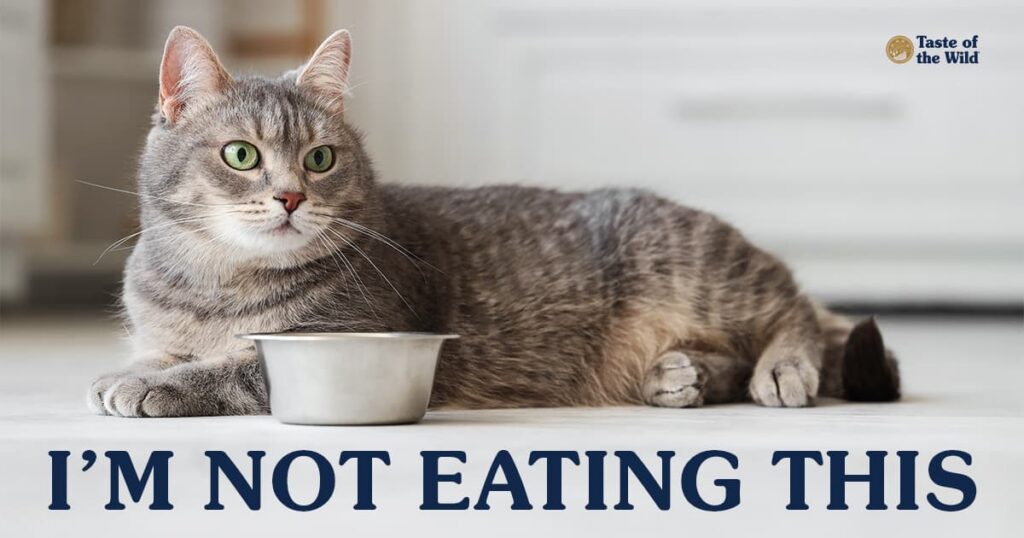
Is your cat hard to please at the food bowl? Does your feline sniff at cat food with disinterest, then turn their nose in the air and walk away? Do you grovel every night, offering up various delicacies in hopes of finally finding something to please your cat’s discriminating taste buds? Well, the first thing you need to do is rule out a medical issue, and if that’s not the issue, we have some other suggestions to try.
What Causes Appetite Loss in Cats?
Appetite loss in cats is a symptom, not a disease itself, so identifying the underlying cause is essential. Pain anywhere in the body can lead to reduced appetite or skipping meals. Arthritis, an injury or internal discomfort may make it difficult for a cat to walk to the food dish, lower their head or remain standing long enough to eat comfortably. Senior cats may eat less simply because movement has become uncomfortable. Medical conditions such as kidney disease, gastrointestinal issues or upper respiratory infections can cause a cat’s appetite to change.
One of the most common reasons a cat may stop eating is mouth pain. Dental disease, inflamed gums, broken or infected teeth and advanced periodontal disease can all make chewing painful. A cat with dental pain may approach the food bowl but hesitate to eat, chew on one side of the mouth, drop food or avoid dry food altogether. In addition to dental problems, a cat’s overall health has a significant impact on appetite.
Appetite loss in cats can also occur due to stress or anxiety. A change in a cat’s environment, like moving homes or the addition of a new family member or pet, can cause stress and can lead to other behavior changes, like peeing outside the litter box or over-grooming. You should consult your vet if you notice these behavior changes.
How Long Can Cats Go Without Food?
Cats generally cannot go very long without eating, and even a short period of food refusal can be a cause for concern. If your cat hasn’t eaten for more than a day, it’s important to contact your veterinarian for guidance. Unlike some species, cats are at risk of developing serious conditions.
In many cases, treatment of the underlying condition helps their appetite return to normal. Depending on your cat’s specific needs, your veterinarian may recommend pain relief, anti-nausea medication, or even an appetite stimulant to help encourage eating and prevent further complications.
If Your Cat Isn’t Eating, Watch Out for Hepatic Lipidosis
Unlike many other species, cats are particularly vulnerable to developing hepatic lipidosis, also known as fatty liver disease, when they stop eating. This is a potentially life-threatening and dangerous liver condition that can develop after just a few days without adequate calories, especially in cats who are overweight or were previously obese.
When a cat suddenly stops eating, the body begins breaking down fat for energy. In cats, this fat can accumulate in the liver faster than it can be processed, leading to impaired liver function.
Several risk factors can contribute to the development of hepatic lipidosis. Cats who experience a sudden loss of appetite and rapid weight loss are most commonly affected, but the condition can occur in any cat. Stressful events, such as other animals, new people or a move can cause a cat to stop eating. Underlying medical conditions, including pancreatitis, inflammatory bowel disease, diabetes, cancer and kidney disease, may also trigger appetite loss. In some cases, a cat may develop hepatic lipidosis after escaping outdoors and going without food for several days.
Recognizing the symptoms early is critical. After a few days of food refusal, a cat should be evaluated by a veterinarian. In addition to a decreased or absent appetite, cats with fatty liver disease often show signs of rapid weight loss, lethargy, vomiting or diarrhea. They may also become withdrawn, hide more than usual and appear less social. Prompt veterinary care greatly improves the chances of recovery.
Why Is My Cat Not Eating but Acting Normally?
If your cat doesn’t have an underlying medical problem but still isn’t eating well, there are several simple strategies you can try to encourage better eating habits. First, consider the location of their food and water bowls. Many cats are sensitive to their surroundings and may refuse to eat if their bowl is placed in an area that has loud noises or high-traffic areas, is near the litter box or in a space shared with other cats. Moving the dish to a quiet, peaceful spot can make a big difference.
You can also make the food more appealing by adding a small amount of vegetable or low-sodium chicken broth, or tuna juice from tuna packed in water (not oil), to enhance the flavor. Temperature can matter as well. Some cats dislike cold wet food straight from the refrigerator, and gently warming it can enhance the scent, especially for older cats who may have a reduced sense of smell. Just be sure it’s not too hot. On the other hand, if your cat is feeling nauseous, chilling the food slightly may reduce the smell and make it more tolerable.
Keeping the cat food bowl clean is also important, as many cats avoid eating from dirty food dishes with dried-on food. Washing the bowl after every meal helps maintain cleanliness and reduce bacteria. The same goes for water bowls; make sure to wash them to avoid contaminants. If your cat seems hesitant at the bowl, consider switching to a wider, shallower dish or even a plate, as some cats dislike their whiskers touching the sides.
Changing the type of food may also help. If your cat usually eats dry kibble, you might try canned food, but be sure to transition gradually over five to seven days by slowly mixing more of the new food with less of the old to avoid an upset stomach. Offering smaller, more frequent meals, especially with wet food, can keep meals fresh and reduce waste. Positive reinforcement can also play a role; some cats respond well to gentle praise and petting while they eat, while others prefer quiet and privacy. Finally, avoid preparing home-cooked meals unless you are working closely with a veterinary nutritionist, as it is hard to meet the nutritional requirements for your cat’s diet.
If Your Cat Won’t Eat, Look Toward Cat Food Overload
If your cat refuses food, the problem may be that you’re offering your cat too much of a smorgasbord: from different flavors to different types of food (dry, canned, semi-moist) or even different textures. Some cats simply become overwhelmed. The answer may be to find one food your cat likes and stick with it. Sometimes, they may just have a picky palate!
There can be many reasons why your cat isn’t eating. By working with your veterinarian to treat any underlying illness or adjust their eating habits or food type, hopefully your cat will fall in love with their food bowl all over again.