


Why Do Dogs Get the Zoomies?

A golden retriever energetically running with its mouth open on a green grassy hill.

Suddenly, your dog takes off like a rocket and starts running around like crazy from one end of the house to the other or frantically running in circles in the yard. What’s happening? You’re witnessing a classic case of the zoomies! Here’s some information behind this crazy behavior and some ideas to keep your dog safe when they get the zoomies. 

What Are Zoomies?

Zoomies are sudden bursts of playful and uncontrollable energy often seen in pets. Also referred to as FRAPs (frenetic random activity periods), dog zoomies are a normal behavior and can be quite amusing to watch. But dogs aren’t the only animals that get the zoomies; you can see it in your other furry friends, such as cats, rabbits, horses and many other animals when they get excited. These episodes typically last only a few moments, with your furry companion stopping just as abruptly as they began. Generally, they don’t last long, and you will normally see it in young dogs, especially puppies. Many older dogs will not get the zoomies as much, but if they have a buildup of energy or are feeling happy, don’t be surprised if you see them turn loose. 

What Causes Zoomies in Dogs?  

Sometimes, dogs experience bursts of energy as a way to release physical or mental tension. This behavior can also serve as a form of stress relief, particularly after stressful events such as a visit to the veterinarian or when they are overwhelmed by loud noises or new visitors. 

Additionally, many dogs that do not get enough physical or mental exercise may suddenly run around to burn off their excess energy. To help prevent zoomies, ensure that your dog receives adequate exercise and mental stimulation. You can take them for hikes, walks or engage in playtime with toys to provide more exercise, and engage them in training sessions or brain games to help them release pent-up energy.

Are Puppy Zoomies Normal?

Yes, zoomies are common in puppies and completely normal. As we all know, puppies have a lot of energy, and their brains and bodies are developing quickly. Zoomies allow them to explore the world around them and express their emotions, which can sometimes lead to bursts of energy. Additionally, zoomies help puppies develop their muscles and coordination while burning off some of that extra energy. As your pup gets older, you will see the zoomies decrease. 

Safety During Dog Zoomies

One thing that dog owners worry about while their dog is experiencing zoomies is safety. If you are out for a walk or in a public area, a spontaneous case of the dog zoomies can cause harm or accidents. It’s important to have a leash or another means of securing your dog to prevent any potential issues. Whenever possible, allowing your dog to run freely in a secure, fenced area is ideal, as the grass offers better footing and provides more space to run.

The best way to prevent accidents in your home is to create an open area free of furniture or fragile items that dogs can run around in. Block off stairs or areas that would cause slipping, such as hardwood floors. If your dog has frequent zoomies, then it may be in your best interest to create a safe space for them inside your house. Hitting an object at full speed during a zoomie burst may cause injuries to your dog. 

During zoomies, it’s important not to chase your dog, as this can promote more frantic running and increase the risk of collisions. Instead, remain calm and gently guide them away from any hazards if necessary. Always keep an eye out for signs of overexertion or if your dog shows any limping or pain once they have settled down.

To help prevent zoomies, you can provide mental stimulation and increase your dog’s physical exercise. Engaging them in games and play can keep them active and reduce the frequency of zoomies.

Are Zoomies a Sign of a Happy Dog?

In most cases, dog zoomies or frenetic random activity periods are a sign of a happy and healthy dog. They often occur when your dog is excited, such as when you come home after a long day or when you let them out into the yard. Similar to how young children run around joyfully on a playground, dogs can have zoomies at the dog park or in the house after a bath. 

For most dogs, zoomies indicate that they are happy and content. This behavior is a way for them to express their excitement and joy. Rest assured, your dog is not acting strangely; dog zoomies are a natural and healthy behavior. It serves as a way for them to release excess energy, and it can be fun for you to watch!
Why Do Dogs Bite?

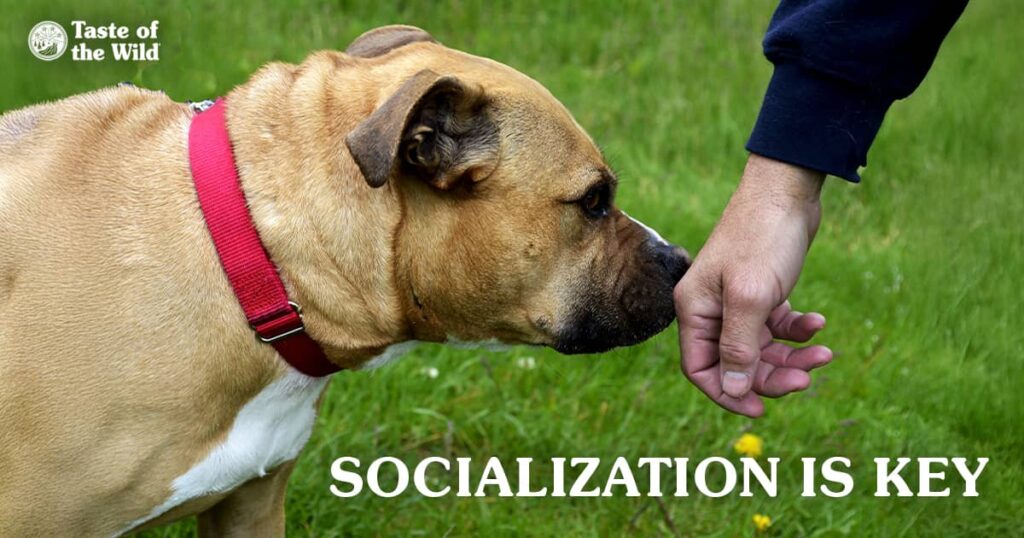
A close-up of a dog sniffing a human hand.

If you’re a dog parent, you’ve probably felt the imprint of canine teeth on your skin — whether it’s the sharp pinch of puppy teeth or an inadvertent nip during a game of fetch. But it’s the more dangerous bites, the ones that cause serious injury, bacterial infections or transmit diseases, that are of most concern.

According to the CDC, 1 out of 5 people bitten by dogs need medical attention. Sadly, many of these bites didn’t have to happen. So we’re sharing tips on how to know when a dog might bite, how to avoid being bitten and how to curb biting behavior in puppies.

Why Do Dogs Bite?

First, it’s important to know that any dog can bite — no matter what breed, age, size or usual temperament. Biting is a normal dog behavior. Even the most mild-mannered dog, if pushed to the edge, will bite. Most bites typically occur in the home with the family dog. Many dogs, especially those who aren’t well socialized, may bite if they feel fearful or threatened. Sneaking up on a sleeping dog and startling them may elicit a bite. And many dogs will bite if they’re in pain or simply don’t feel well.

Some dogs, understandably, are uncomfortable when a small child (or anyone) grabs their ears, tug on their paws or yank at their hair or tails. People who invade the dog’s personal space, especially when the dog is eating, can also be at risk of a bite. Dogs can become protective of their food, toys or other things they find valuable.

Why Is My Dog Nibbling Me?

From play-biting to grooming you, there are a variety of reasons why your dog nibbles on you. If you have a young puppy, they may be teething; and gently gnawing on you helps relieve their discomfort. Puppies also use their mouths to explore their world, which includes you. Adult dog nipping can happen when they’re excited to play with you or they’re trying to get your attention. They may also be showing you some love by grooming you: “Just checking you don’t have fleas.”

How to Train Your Puppy Not to Bite

Little puppy bites or letting your pup mouth your hand may not bother you, but when you think about them doing the same thing as an adult dog, that’s a good reason to curb this puppy behavior now. The first step is socialization. Letting your puppy experience many different situations, environments and people as a pup will help reduce the chances of them becoming fearful or feeling threatened as an adult.

Puppy bite inhibition is a natural behavior that lets pups play with other dogs without causing injuries (most of the time). If they bite hard, the other puppies will yelp and play will stop for a moment. Puppies learn that if they want play to continue, they need to mouth and bite their playmates gently. You want to make sure they learn bite inhibition behavior for people, too.

One technique you can try to stop puppy biting is mimicking what puppies do. If your puppy bites or mouths you, yelp and stop playing. Wait a few moments, then continue playing again. If that doesn’t work, you can also try directing their attention away from you with a chew toy or tug toy. If they’re nipping because they’re overly excited, try putting them in a safe space to calm down and then initiate play again when they’re calm.

Why Does My Dog Bite Me Playfully?

This is a behavior that dogs learn as puppies. Pups that have learned bite inhibition know that they can playfully bite their littermates without causing them injury (most of the time). Generally, you can tell if a dog is play-biting by looking at their body language. Dogs playing will have a relaxed or playful stance, whereas an aggressive dog will have tensed muscles and may be exposing their teeth.

How to Get Your Dog to Stop Biting

Teaching your adult dog that biting — even play biting — is not acceptable uses techniques similar to those used for puppies. Stop playing and ignore them for a short period of time so they understand that biting behavior ends playtime. If your dog bites when they’re excited, have a toy ready so you can redirect their playful energy toward the toy. You should avoid roughhousing or using your hands around their head to initiate play as this can encourage biting behavior. Don’t use physical punishment for biting, as this can lead to fear and aggression, which can result in more than just a nip.

Avoid Aggressive Bites by Understanding Canine Body Language

Most dogs will try to communicate that they are uncomfortable with a situation before resorting to biting. While a growl often serves as a warning that a dog may be on the verge of biting, knowing canine body language can be helpful, too. Fearful dogs will often crouch near the ground, tuck their tails between their legs or roll on their backs, exposing their bellies to show they’re submissive. These dogs will often yawn and lick their lips repeatedly.

Aggressive bites, on the other hand, typically come from a dog who is standing tall and firm with their tail held high, and possibly the hair bristling down their spine. Aggressive dogs may show more of the whites of the eyes, bare their teeth and snap at the air.

If you notice your dog displaying these behaviors, remove them from the situation and give them plenty of space. Don’t punish them for showing those behaviors — that’s your cue that something is wrong. Punishing your dog may result in them going straight to biting next time.

Follow Proper Dog Etiquette to Avoid Bites

Many dog bites in children can be avoided simply by never leaving young children unsupervised with a dog — even the family dog. Beyond that, it’s important to teach children basic respect for all dogs. That means leaving dogs alone if they’re eating, playing with a toy or sleeping.

People of all ages should always ask the owner for permission before petting a strange dog, then let the dog approach and sniff them first. Other common rules for avoiding dog bites include:

  • Don’t roughhouse with dogs or tease them with your hands.
  • Never run from a dog or scream while running.
  • If a loose dog approaches, stand very still, stay calm and firmly command them to “sit” or “stay.”
  • When faced with a potentially aggressive dog, put an object, like a bicycle or garbage can, between you and the dog.
  • Avoid staring directly into a dog’s eyes, which they may interpret as threatening.
  • If you fall down near a dog, curl up into a ball and lock your fingers over your ears and the back of your neck.
  • Do not kick or hit an approaching dog.
  • Do not approach dogs that are behind a fence or in a yard on a chain.
  • Never try to break up a dog fight with your hands or other body parts — make loud noises or spray water from a hose.

By giving strange dogs space and treating family dogs with respect, hopefully, you and your family members can avoid dog bites. If you’re concerned about your dog’s biting behavior, ask for professional help from either your veterinarian, a certified applied animal behaviorist or a certified professional dog trainer.