

Can Cats Eat Catnip?

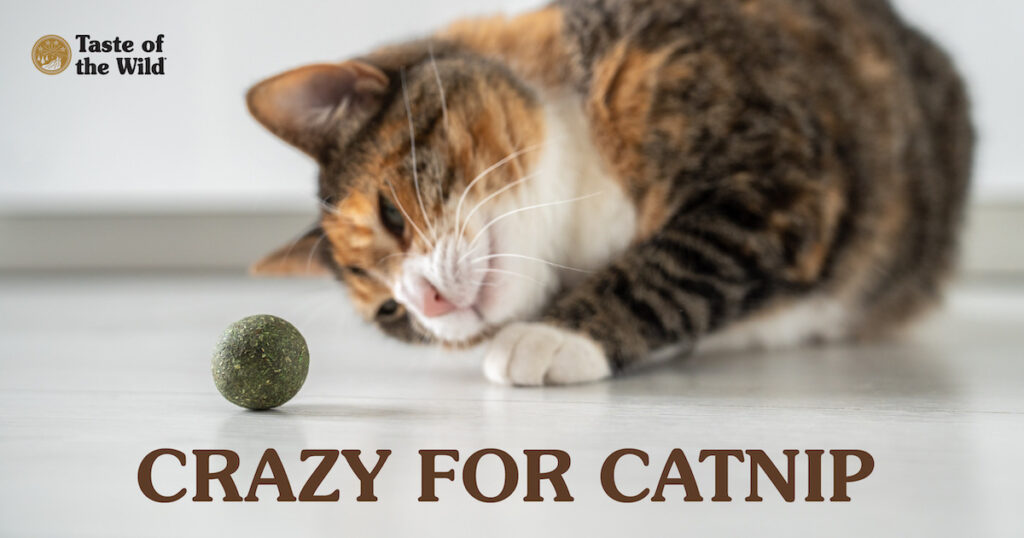
A black and tan striped cat lying on the floor staring at a ball of catnip.

If you’re wondering if your cat can have catnip, the answer is a resounding yes! Catnip is safe for cats and is a great way to add some entertainment to your cat’s (and your) life. But it’s a roll of the dice whether your cat will respond to catnip. Some cats don’t experience any effects, some cats drool and chill out, while other cats take off in a burst of energy and ricochet around the room!

Is Catnip Bad for Cats?

The good news is that catnip is nontoxic and safe for cats. In fact, it’s often used as a form of enrichment for indoor cats to help prevent boredom and stress and keep your cat happy. As well as fresh catnip, you can purchase dried catnip and catnip spray, as well as catnip balls, bubbles and chew sticks. You can also buy your kitty catnip-infused toys or toys that can be refilled with dried catnip.

About the Catnip Plant

Catnip (Nepeta cataria) is a perennial herb in the same mint family as peppermint and spearmint. It is native to Europe, Asia and Africa, and was thought to have been brought to North America by settlers. Catnip is now considered a pesky weed, but it also remains a favorite in the herb gardens of cat owners who like to grow fresh catnip.

The catnip plant contains several essential oils and other compounds that are stored in tiny bulbs that cover the leaves, stems and seedpods of the plant. The oils are released when a cat (or other animal) brushes up against the plant. The release of one compound in particular, nepetalactone, is why some cats react to catnip.

How Does Catnip Work?

The mood-altering effect of catnip is associated with a cat’s sense of smell. Nepetalactone, the active ingredient in catnip, rapidly changes from a liquid to a gas and binds to receptors in a cat’s nose. So the effect of nepetalactone on a cat’s brain is from the system responsible for a cat’s sense of smell — not from eating catnip.

Can Cats Overdose on Catnip?

No, cats can’t overdose on catnip, but they can get an upset tummy if they eat too much. There’s also no need to worry about your cat getting addicted to catnip. However, if cats are exposed to catnip too frequently, they can become accustomed to the effects. So it’s best to limit your cat’s access to catnip.

The Catnip Effect Isn’t Guaranteed

Only about 50 to 80 percent of cats are sensitive to nepetalactone, so not all cats will experience the catnip “buzz.” For some cats, catnip causes them to be very active and playful whereas other cats become calm and mellow. Most cats who are sensitive to nepetalactone will respond by displaying some of these behaviors:

  • Sniffing, licking and biting
  • Shaking their heads
  • Rubbing their heads, chins or cheeks against it
  • Rolling over
  • Drooling
  • Vocalizing
  • Kicking the catnip with their back paws

The euphoria that catnip brings cats doesn’t last long, typically 5–15 minutes. After that, they’ll be temporarily “immune” to the intoxicating effects of the ’nip for about two hours.

If your cat doesn’t respond to catnip, there are other plants you can try like silvervine and Tatarian honeysuckle. These plants are also nontoxic and non-addictive for cats and can also be used as a form of enrichment.

Can Kittens Have Catnip?

Kittens can experience catnip safely, but if they’re less than 3 to 6 months old, they typically won’t respond to it and may actually turn their nose up at it. Whether or not an older kitten will react to catnip depends on their parents — the reaction to catnip is hereditary. The catnip effect is caused by multiple genes, and without those genes, your cat will think catnip is just another boring plant.

How Much Catnip Is Too Much Catnip?

Eating too much catnip can cause an upset stomach. If your cat has overindulged, you may notice vomiting and diarrhea that will resolve over time. Contact your veterinarian if you’re worried about the vomiting and diarrhea, especially if you think your cat might be dehydrated. Limiting your cat’s access to catnip will help prevent future tummy problems.

Does Catnip Affect Other Animals?

Some big cats also react to catnip. Lions, jaguars, leopards and snow leopards appear to be sensitive to catnip, but tigers, not so much. Dogs can react mildly to catnip but it only has a sedative effect on them, which is why it’s sometimes used to reduce anxiety. Dogs won’t experience the burst of energy like some cats.

Catnip Benefits Go Beyond Feeling Gooood

Catnip is mostly used as enrichment for cats, but cats may have another reason for being attracted to it. Nepetalactone is an effective mosquito repellent, so it’s possible that cats rub their heads in catnip to fend off annoying and possibly harmful mosquitoes. Whatever the reason, some cats definitely go crazy for catnip!
Why Is My Cat Not Eating?

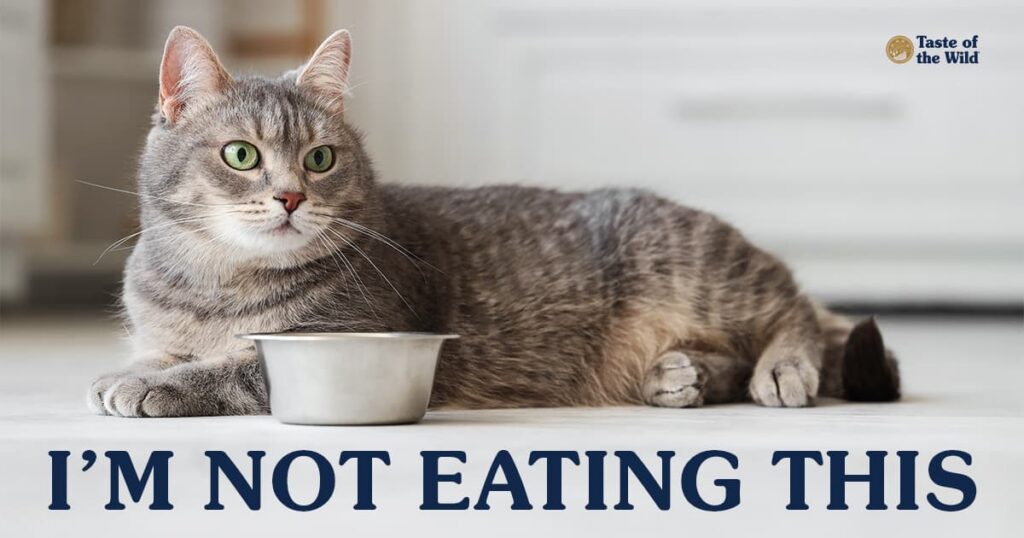
A gray and white cat with green eyes lying on the floor next to a metal cat food bowl.

Is your cat hard to please at the food bowl? Does your feline sniff at cat food with disinterest, then turn their nose in the air and walk away? Do you grovel every night, offering up various delicacies in hopes of finally finding something to please your cat’s discriminating taste buds? Well, the first thing you need to do is rule out a medical issue, and if that’s not the issue, we have some other suggestions to try. 

What Causes Appetite Loss in Cats?

Appetite loss in cats is a symptom, not a disease itself, so identifying the underlying cause is essential. Pain anywhere in the body can lead to reduced appetite or skipping meals. Arthritis, an injury or internal discomfort may make it difficult for a cat to walk to the food dish, lower their head or remain standing long enough to eat comfortably. Senior cats may eat less simply because movement has become uncomfortable. Medical conditions such as kidney disease, gastrointestinal issues or upper respiratory infections can cause a cat’s appetite to change.

One of the most common reasons a cat may stop eating is mouth pain. Dental disease, inflamed gums, broken or infected teeth and advanced periodontal disease can all make chewing painful. A cat with dental pain may approach the food bowl but hesitate to eat, chew on one side of the mouth, drop food or avoid dry food altogether. In addition to dental problems, a cat’s overall health has a significant impact on appetite.

Appetite loss in cats can also occur due to stress or anxiety. A change in a cat’s environment, like moving homes or the addition of a new family member or pet, can cause stress and can lead to other behavior changes, like peeing outside the litter box or over-grooming. You should consult your vet if you notice these behavior changes. 

How Long Can Cats Go Without Food?

Cats generally cannot go very long without eating, and even a short period of food refusal can be a cause for concern. If your cat hasn’t eaten for more than a day, it’s important to contact your veterinarian for guidance. Unlike some species, cats are at risk of developing serious conditions. 

In many cases, treatment of the underlying condition helps their appetite return to normal. Depending on your cat’s specific needs, your veterinarian may recommend pain relief, anti-nausea medication, or even an appetite stimulant to help encourage eating and prevent further complications.

If Your Cat Isn’t Eating, Watch Out for Hepatic Lipidosis

Unlike many other species, cats are particularly vulnerable to developing hepatic lipidosis, also known as fatty liver disease, when they stop eating. This is a potentially life-threatening and dangerous liver condition that can develop after just a few days without adequate calories, especially in cats who are overweight or were previously obese. 

When a cat suddenly stops eating, the body begins breaking down fat for energy. In cats, this fat can accumulate in the liver faster than it can be processed, leading to impaired liver function.

Several risk factors can contribute to the development of hepatic lipidosis. Cats who experience a sudden loss of appetite and rapid weight loss are most commonly affected, but the condition can occur in any cat. Stressful events, such as other animals, new people or a move can cause a cat to stop eating. Underlying medical conditions, including pancreatitis, inflammatory bowel disease, diabetes, cancer and kidney disease, may also trigger appetite loss. In some cases, a cat may develop hepatic lipidosis after escaping outdoors and going without food for several days. 

Recognizing the symptoms early is critical. After a few days of food refusal, a cat should be evaluated by a veterinarian. In addition to a decreased or absent appetite, cats with fatty liver disease often show signs of rapid weight loss, lethargy, vomiting or diarrhea. They may also become withdrawn, hide more than usual and appear less social. Prompt veterinary care greatly improves the chances of recovery.

Why Is My Cat Not Eating but Acting Normally?

If your cat doesn’t have an underlying medical problem but still isn’t eating well, there are several simple strategies you can try to encourage better eating habits. First, consider the location of their food and water bowls. Many cats are sensitive to their surroundings and may refuse to eat if their bowl is placed in an area that has loud noises or high-traffic areas, is near the litter box or in a space shared with other cats. Moving the dish to a quiet, peaceful spot can make a big difference. 

You can also make the food more appealing by adding a small amount of vegetable or low-sodium chicken broth, or tuna juice from tuna packed in water (not oil), to enhance the flavor. Temperature can matter as well. Some cats dislike cold wet food straight from the refrigerator, and gently warming it can enhance the scent, especially for older cats who may have a reduced sense of smell. Just be sure it’s not too hot. On the other hand, if your cat is feeling nauseous, chilling the food slightly may reduce the smell and make it more tolerable.

Keeping the cat food bowl clean is also important, as many cats avoid eating from dirty food dishes with dried-on food. Washing the bowl after every meal helps maintain cleanliness and reduce bacteria. The same goes for water bowls; make sure to wash them to avoid contaminants. If your cat seems hesitant at the bowl, consider switching to a wider, shallower dish or even a plate, as some cats dislike their whiskers touching the sides. 

Changing the type of food may also help. If your cat usually eats dry kibble, you might try canned food, but be sure to transition gradually over five to seven days by slowly mixing more of the new food with less of the old to avoid an upset stomach. Offering smaller, more frequent meals, especially with wet food, can keep meals fresh and reduce waste. Positive reinforcement can also play a role; some cats respond well to gentle praise and petting while they eat, while others prefer quiet and privacy. Finally, avoid preparing home-cooked meals unless you are working closely with a veterinary nutritionist, as it is hard to meet the nutritional requirements for your cat’s diet.

If Your Cat Won’t Eat, Look Toward Cat Food Overload

If your cat refuses food, the problem may be that you’re offering your cat too much of a smorgasbord: from different flavors to different types of food (dry, canned, semi-moist) or even different textures. Some cats simply become overwhelmed. The answer may be to find one food your cat likes and stick with it. Sometimes, they may just have a picky palate!

There can be many reasons why your cat isn’t eating. By working with your veterinarian to treat any underlying illness or adjust their eating habits or food type, hopefully your cat will fall in love with their food bowl all over again.