Contact



 Where to Buy
 Contact Us
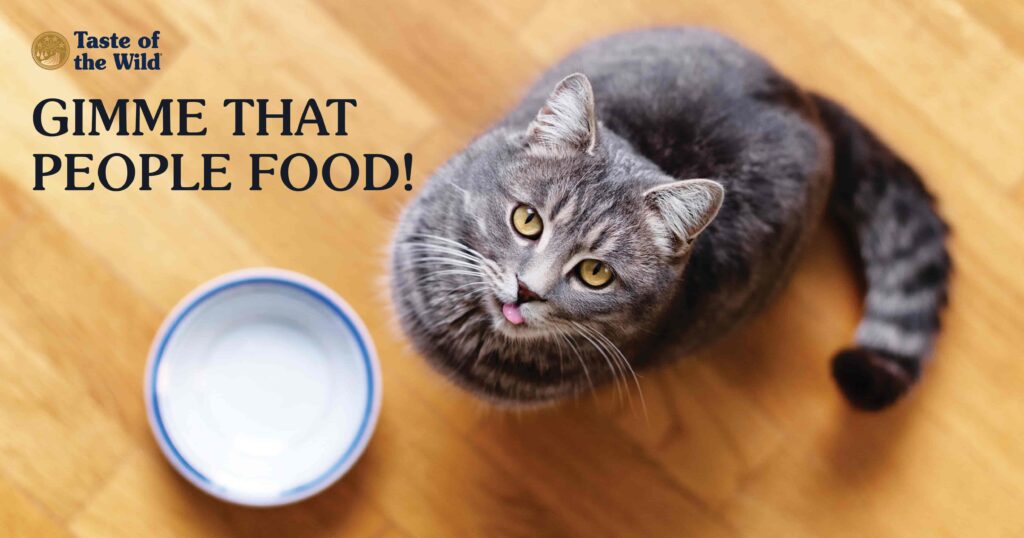
Dogs are renowned beggars of human food — it’s part of the reason we have a whole series dedicated to “Can My Dog Eat That?” But dogs aren’t the only ones who will beg for a tidbit of human food. Cats can be equally good at sad eyes and pitiful cries saying, “Pwease, can I have a wittle bit of your food?”
There are many reasons why you should tell your cat “No!” to people food, but if you can’t resist those woeful whines, it’s good to know which human foods cats can safely eat.
Are Human Foods Safe for Cats?
Not all human foods are safe for your cat to nibble on. Even a small morsel of people food can cause an upset stomach — or worse if the food is toxic to cats (more on that later). However, the good news is that there are plenty of human foods that can be a healthy snack to feed your kitty (in moderation). As always, check with your veterinarian before feeding new cat foods or human foods.
What Can Cats Eat from the Fridge?
There are many healthy foods in your fridge that cats can eat: for example, eggs (plain and cooked) and most fruits and vegetables. If you cut up cantaloupe or watermelon, most cats will love to snack on those (in tiny cat-sized pieces). While people love the sweet flavor of these melons, that’s not why cats are happy to munch on them. Cats don’t have receptors on their tongue for sweet tastes, so they can’t taste sweet flavors like we can. It’s a different flavor they’re enjoying.
While we’re talking about fridge food, a word of warning about milk and other dairy products. Many cats tend to be lactose intolerant. This means that they don’t produce lactase, the enzyme that breaks down lactose. If your cat is lactose intolerant, the lactose can ferment in their gut, leading to digestive upset like bloating, gas, vomiting or severe diarrhea. So if you don’t want a mess, it’s best to avoid feeding your cat dairy products.
Can Cats Eat Vegetables and Fruit?
Cats can safely eat most fruits and vegetables as a healthy snack. As long as you cut them into tiny, bite-sized pieces, cats can eat raw vegetables like carrots, green beans and broccoli. However, cooking vegetables is better since the hard chunks of vegetables can still be a choking hazard. A spoonful of canned pumpkin (without spices) is also a healthy treat for cats. There are some vegetables and fruits that are toxic to cats (see below) so make sure you check whether the particular food you are feeding is safe.
Watch Out for Toxic Foods
Not all foods are safe for cats. Human foods with strong seasonings can be irritating to cats and potentially dangerous. Other foods which are on the no-no list include garlic, onion, chives, leeks and chocolate (especially dark chocolate) — these are all toxic to cats.
Can Cats Eat Raw Meat?
Cats are obligate carnivores, meaning they need nutrients that are only found in meat. While your cat does need animal proteins in their diet to get essential amino acids, feeding raw meats or raw fish can put your cat and your family at risk of illness. Raw meats (and raw eggs) could be contaminated with viruses, bacteria or parasites that can make your cat sick (especially if they are immunocompromised) or spread to people who touch contaminated surfaces (e.g., food bowls) or clean up the kitty litter. The Centers for Disease Control and Prevention does not recommend feeding raw pet food or treats to cats (or dogs).
If you want to feed your cat cooked meat, lean meats like chicken or turkey, and cooked fish like salmon or tuna are good choices. But make sure the meat and fish have the bones removed because cooked bones can splinter and if swallowed, could damage your cat’s gastrointestinal tract.
Also, watch your cat for allergies when feeding them meat or fish (any animal protein). A food allergy in cats is usually caused by a protein in their diet. Symptoms include scratching at their face, neck and ears, overgrooming, bald patches or gastrointestinal signs. A limited ingredient diet can help cats with a food allergy.
What Human Food Can Cats Eat Every Day?
Commercial cat foods provide a complete and balanced diet that has all of the nutrients needed for cats to stay healthy cats and in an optimal weight range. As much as they protest, cats don’t need that morsel of meat from your plate. If you must give your cat a human food treat (or any treat), make sure it’s a healthy, low-calorie treat that is no more than 10 percent of your cat’s daily calorie intake.
Healthy human foods cats can eat include certain cooked vegetables (e.g., steamed broccoli, carrots, peas, pureed pumpkin), certain fruits (e.g., banana, seedless watermelon, blueberries, strawberries), cooked eggs (don’t feed your cat raw eggs) and whole grains. Fish oil is a good source of omega-3 fatty acids, but make sure you check with your vet before adding fish oil or fish oil supplements to your cat’s diet.
Make Your Cat Work for Their Treat
A good idea is to put human foods cats can eat in a food puzzle. That way you’re not just handing over the tasty treat — your cat is getting some additional benefits since putting the food in a puzzle helps your cat’s environmental enrichment.
The Problem with Human Foods
Too many cat treats of any kind can create a pudgy kitty and can complicate managing cat obesity. When you give your cat human food, you’re adding calories to their diet, sometimes in larger quantities than you probably realize. For example, a one-ounce cube of cheddar cheese seems like a small treat, but it is about 110 calories. Just that one cube of cheese can meet half the calories (energy needs) of a 10-pound indoor cat (about 200 calories/day) — but they’re not getting half (of most) of the nutrients they need from that ounce of cheese.
Table scraps can also cause tummy troubles. If your cat isn’t used to calorie-rich food, it can upset their digestive system. Additionally, anytime cats eat something that isn’t part of their usual diet, the normal bacteria in their intestine can change, which may lead to gas or diarrhea. Your cat will probably blame it on the dog, though.
Regularly feeding human foods to your cat can create a finicky feline who holds out for a delicious treat from your plate instead of eating their cat food. It can also make begging a regular occurrence or cause counter surfing or table top hopping. You don’t need a cat jumping up onto the table and into your soup!
Low-Calorie and Nontoxic Human Foods Can Be Healthy Treats
If you want to give your cat an occasional treat, a spoon of canned cat food, a cat treat or a dental treat are the best options. However, safe, low-calorie human foods like a small piece of cooked lean meat or some steamed and finely chopped green beans are also good treat options if you really must share your food with your feline friend.