Contact

Support
Recipe Recommendations For Puppy Owners Health and Nutrition Tips All Dog Articles Personalized Feeding Guide Compare Recipes
Virtual Pet Park
Explore our wild world of adorable pet photos and videos.
Support
Recipe Recommendations Health and Nutrition Tips All Cat Articles Personalized Feeding Guide Compare Recipes
Virtual Pet Park
Explore our wild world of adorable pet photos and videos.
 Where to Buy
 Contact Us
How To Take Care of A Senior Dog
Category: Grooming & Care
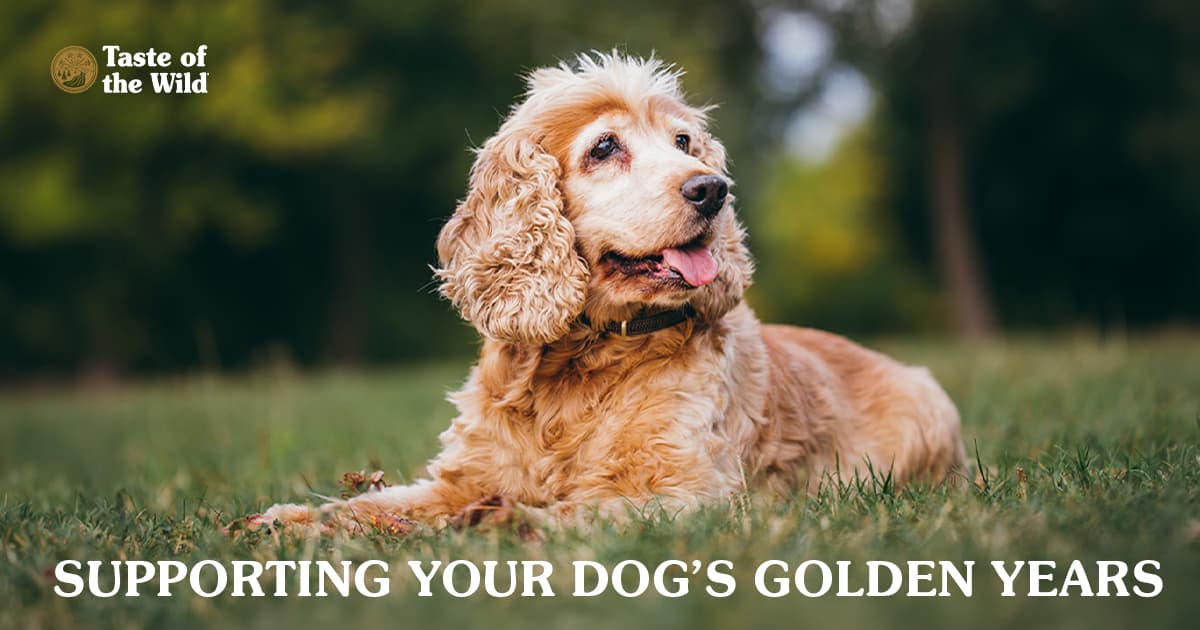
Do you have a golden oldie in your house? If so, your senior dog is probably experiencing age-related changes that go along with their graying muzzle. Chances are, they have a creaky joint or two. Their hearing or vision may not be what it used to be. And they may even have some memory loss. The good news is there are things you can do to help keep your aging dog happy and healthy as they enter their senior years.
When Is a Dog Considered a Senior?
Dogs are generally considered seniors around the age of 8, but this can vary depending on their size and breed. Smaller breeds typically become seniors between 10 and 12 years old, while large and giant breeds may be classified as seniors as early as 6 to 8 years old. In general, larger dogs tend to age more quickly and have shorter lifespans compared to smaller dogs. If you’re curious how old a senior dog is in human years, a 10-year-old dog is roughly 65 (not adjusting for breed differences).
What Changes Do Senior Dogs Go Through?
As dogs enter their senior years, they undergo various physical and mental changes. You may notice that their coat is turning gray, and their skin may lose some elasticity. Older dogs might also face issues like hair loss and slower healing from wounds. In addition to these changes, they may experience hearing loss and eyesight problems in their old age. Reduced mobility can occur due to joint problems, obesity or arthritis.
There can also be changes in their behavior as they age. A dog who once loved to be cuddled and held may growl or react aggressively. This is not necessarily a behavioral problem; they might be trying to tell you that they are in pain due to arthritis or another health issue. At the same time, cognitive changes such as canine cognitive dysfunction can affect memory, awareness and emotional stability. Dogs may seem disoriented, forget familiar routines, pace at night or become more clingy or withdrawn. Anxiety often increases because their world feels less predictable and harder to interpret.
This is where routine becomes especially important for senior dogs. A consistent and predictable schedule, with feeding at the same time, regular walks and familiar sleeping areas, helps reduce uncertainty. This routine can also help your pet feel less stressed or anxious.
Common Health Issues in Older Dogs
Early diagnosis and treatment of age-related diseases can make a significant difference in keeping your senior pet comfortable and healthy. As a dog ages, they become more susceptible to various health issues, including arthritis, dental disease, kidney problems and vision or hearing loss. Regular monitoring allows these conditions to be identified early, when they are often more manageable.
Routine wellness exams are especially important for older pets. Veterinarians typically recommend a checkup at least twice a year for senior dogs, as changes in their health can occur more rapidly than in younger animals. It’s important to pay attention to any changes in appearance or behavior and visit your dog’s veterinarian if you see unusual weight gain, weight loss, decreased appetite, changes in activity level or behavior changes.
Is a Senior Dog Diet Necessary?
Proper nutrition is essential for dogs of all ages, but seniors may have unique dietary needs as they grow older. Senior dogs frequently develop age-related problems such as obesity, sensitive stomachs, arthritis, heart disease and kidney disease, and these conditions may require a specific diet as part of ongoing management of the condition. Not all senior foods are formulated the same, and your dog may not need a senior-specific diet, so it’s important to discuss with your vet which food is best for your senior dog.
Senior Dog Care in the Home
As dogs grow older, their needs begin to change, sometimes in subtle ways, sometimes more noticeably. One of the most common challenges senior dogs face is arthritis, which can make everyday movements like climbing stairs or jumping onto furniture painful. The good news is that a few thoughtful adjustments at home can go a long way in improving their comfort and quality of life. A carpeted ramp can make stairs a breeze, and a footstool near the couch can make curling up next to you easier with two small leaps instead of one big one. Use baby gates to prevent an accidental tumble down the stairs.
Your senior dog’s muscles may not be as strong as they once were. That’s why it helps to cover slippery hardwood or vinyl floors with non-slip rugs or yoga mats in areas your pet often walks. Keep the floor clear of toys or clutter that your dog may trip over. Your dog’s nails and the hair between the footpads should also be trimmed so it’s easier for them to get traction when walking.
Temperature regulation is another important factor. Senior dogs may have thinner coats or a harder time staying warm, especially during colder months. A cozy sweater or an extra blanket can help keep them comfortable. While it might be tempting to use a heating pad, it’s best to avoid them, as they can accidentally burn sensitive skin. Their bedding or favorite place to lie may need to be upgraded with some padding, too. Help cushion old bones with special orthopedic pet beds, or simply add a cozy comforter to the current bed.
Mealtime should be comfortable, too. Bending down to reach food and water bowls can strain an older dog’s neck and joints. Elevating their dishes just a few inches can make eating and drinking much easier.
Caring for your senior dog is a journey that calls for patience, attentiveness and compassion. By staying consistent with regular physical exams, watching for signs of health issues in older dogs and working closely with your veterinarian, you can help improve your dog’s quality of life and potentially their lifespan. Small adjustments to their routine, like gentle exercise, a balanced diet and keeping them mentally active can make a big difference. In their golden years, the love and care you provide not only supports their health but also strengthens the bond you’ve built over a lifetime together.
The information in this blog has been developed with a Doctor of Veterinary Medicine and is designed to help educate pet parents. If you have questions or concerns about your pet’s health or nutrition, please talk with your veterinarian.