


Does My Dog Have Diabetes?

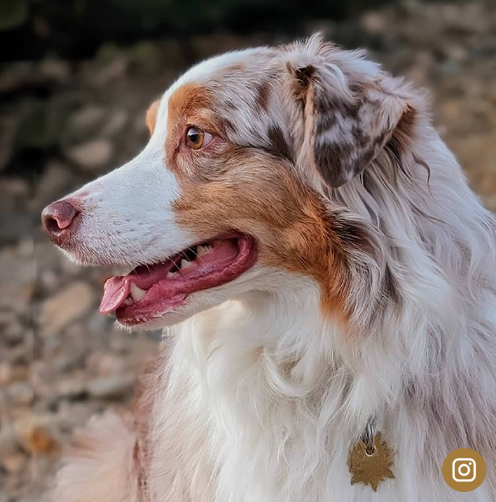
A dog with its two front paws up on a table sniffing an assortment of pies and other holiday treats.

We may be reaching for the Turkey Day pants soon, but before Rover begins dreaming about a Thanksgiving feast, it’s probably best to discuss their current health status. It’s never a good idea to indulge your pet’s desire for fatty or sugary people food, but if there’s a possibility that your dog has diabetes, ’tis the season for extra precautions. But how do you know if and why your dog might have diabetes?

How Does Diabetes in Dogs Happen?

If your dog has diabetes, it doesn’t necessarily mean you did something wrong like feeding an incorrect diet or not offering enough exercise. In dogs, the cause of diabetes is not well understood. However, it is thought there is a genetic component. Certain breeds, like schnauzers and miniature poodles, are more at risk than others. Most diabetic dogs have insulin-dependent diabetes and insulin treatment is required. They are very similar to humans with Type 1 diabetes in that the pancreas can no longer produce insulin.

Pancreatitis is also a risk factor for diabetes, so if your dog suffers from it, a low-fat diet can be very important. Obesity falls into that category as well. Other risk factors include age, sex and concurrent diseases such as Cushing’s disease.

Warning Signs of Diabetes in Dogs

Early diagnosis is crucial to successfully managing diabetes. If you notice any of these signs of diabetes in your dog,* consult your veterinarian.

  • Increased drinking
  • Increased urination
  • Excessive appetite
  • Weight loss
  • Dehydration
  • Poor haircoat
  • Muscle wasting
  • Cataract formation

*Additional signs may be present if there are concurrent diseases like a urinary tract infection, Cushing’s disease or pancreatitis.

Diagnosis and Care of Diabetes in Dogs

If you suspect your canine has diabetes, make an appointment with your veterinarian as soon as possible. It is best to catch any underlying illness as early as you can. Your dog’s doctor will likely perform bloodwork and a urinalysis to measure the amount of glucose. A diagnosis is only definitive if high levels of glucose are found in both the urine and blood.

Similar to diabetes in people, this illness can be life-threatening to a dog. Keeping the condition regulated will be key in a great life for Rover moving forward. Your veterinarian will visit with you about Rover’s new diet, exercise, insulin and vet visit schedule.

They will adjust the insulin amount you give Rover based upon follow-up testing. It can be an overwhelming time as a pet owner, but rest assured your veterinarian will carefully train you on how to administer insulin or any other medicines necessary to get your canine on a healthier track. They will also provide best-care practices so you go home with a better footing on what Rover needs from you.

Follow the veterinarian’s instructions carefully and continue to monitor your dog between their doctor visits. If your pet’s symptoms worsen or something seems out of the ordinary, do not be afraid to call your veterinarian between appointments. They are there to help! Once the disease is managed, your dog has the potential to live a long, happy and healthy life.

It’s important to note that if Rover does have diabetes, do not forget to take care of yourself, too. You love your dog and want the best for them. It is completely normal if you feel overwhelmed or stressed at times. Don’t forget to lean on your support system and ask your veterinarian questions to understand the situation better.

Holidays Are Not Days for Changing It Up

If your dog is diabetic, the safest move is to not alter their diet or routine because the holidays are upon us. In fact, it’s a time to be extra vigilant that your dog’s food intake stays the same. Make sure no one is slipping them table scraps at the Turkey Day table!
Pet Diabetes Month: Monitoring Blood Glucose at Home

Taste of the Wild

When you live with a diabetic pet, controlling blood sugar, or glucose, can be a bit of a balancing act. If the glucose dips too low, your pet may show signs of weakness, confusion, seizures and even loss of consciousness, requiring emergency veterinary care. When it’s too high, pets often drink and urinate more than usual and potentially develop other complications.

To arrive at “just the right” insulin dose that keeps your pet’s diabetes controlled, periodic blood glucose monitoring is usually required. In the past, pets would typically spend a day at the veterinary clinic for a blood glucose curve. During that time, the veterinary staff would take blood glucose samples every two hours for up to 12 hours.

The trouble with in-clinic glucose testing is that pets often become stressed in the unfamiliar environment, which can artificially raise blood glucose levels. That’s why the American Animal Hospital Association recommends at-home glucose testing, when possible. Pets are usually less stressed at home, which means results will be more accurate. At-home testing can save you money. It can also help identify a hypoglycemic (low blood sugar) event, so your pet gets treatment faster.

While at-home glucose testing may not be for every owner or pet, many are finding the procedure relatively simple.

First, team up with your veterinarian

Work with your veterinarian to decide the best approach for you and your pet.

If you decide to try in-home testing, your veterinarian will help you learn the correct procedure and provide detailed instructions on information you should send back to the clinic. He or she will use this information to decide if adjustments need to be made to the type or dose of your pet’s insulin. You should never make insulin dose adjustments on your own, without consulting your veterinarian.

Sampling blood glucose at home

Your veterinarian may recommend using a hand-held glucometer at home, much like human patients with diabetes may do. Ideally, you’ll use one that’s calibrated for dogs and cats, for the most accurate results.

The doctor can show you how, using a lancet, to obtain a tiny drop of blood from a range of locations, such as your pet’s ear or foot pad. With a little practice, it can be a quick and relatively painless procedure. Add praise and treats, and it’s all the better for your pet.

The drop of blood is then applied to a test strip inserted into the glucometer. Within a few seconds, the blood glucose reading is displayed.

To obtain a blood glucose curve, your veterinarian will typically ask you to take a blood glucose reading every two hours for 10 to 12 hours. This information is then sent back to your veterinarian for review and dose adjustments, as needed.

Continuous glucose monitoring systems

Recently, continuous glucose monitoring systems have become available that are less invasive and easier for owners and pets because they don’t require any blood sampling. Currently, the most common system prescribed by veterinarians is the FreeStyle Libre, which is designed for humans, but can also be used in pets.

The system consists of a small, circular glucose sensor with a tiny tube that’s adhered to the pet’s skin.  The sensor, which is about the size of two stacked quarters, measures the glucose in the fluid under the skin once a minute for up to 14 days. A handheld reader can wirelessly scan the sensor and save the glucose readings (with an app, your smart phone can serve as a reader).

The amount of glucose in this fluid is slightly different than what’s in the blood, but it’s fine for general monitoring. For pets that are showing signs of hypoglycemia, however, a blood sample and glucometer should be used.

Implanting the sensor is a quick, simple and typically painless procedure that usually doesn’t require anesthesia. The veterinarian shaves and cleans a patch of skin on your pet and presses the sensor into the skin. Your pet may need to wear a shirt or bandage to help prevent the sensor from becoming dislodged. The doctor will explain how to transfer the data to the clinic. After two weeks, the sensor should be disposed of properly.

Watch your pets for signs

Even with all this blood glucose data, you should still watch your pet for signs that diabetes may be out of control. It helps to keep a daily diary that lists information such as food and water consumption, insulin dose administered and general amount/frequency of urination. If possible, weigh your pet periodically. Changes in weight, appetite, thirst, urination and even energy level should spark a call to your veterinarian.