

Behind the Breed: Pugs

A close-up of a black and tan pug dog standing out in the sun in green grass.

Have you ever wondered about the origins of a dog breed? In our “Behind the Breed” series, we dive into the history, personality and physical appearance of a particular breed. We’ll also cover some of the FAQs about the breed and maybe a few fun facts, too!

With their wrinkled face, curly tail and big eyes, pugs are among one of the world’s most recognizable dog breeds. These small, affectionate dogs have a rich history as loyal companions to Chinese emperors and members of royal families across Europe. Today, this ancient breed remains a favorite pet for families thanks to their loving nature, playful character and unmistakable charm. 

Pugs: A Royal Dog Breed

The pug dog’s story began in ancient China, where emperors adored them for their calm temperament and loyal nature. Centuries later, Dutch traders brought the pug to Europe, where it became the official dog of the House of Orange in Holland, and a favorite breed of Queen Victoria in the United Kingdom. Whether living in a palace or a city apartment, pugs bring the same joy today that they once offered royalty. 

Pug Temperament and Personality

Pugs are affectionate, loyal and endlessly playful. Their friendly temperament makes them wonderful companions for children, adults and other pets. Often called “shadows,” they love staying close to their people and are great family dogs.

These toy dogs are known for their sense of humor and their love of attention. They’re social, curious and adaptable, thriving equally well in apartments or larger homes. Pugs are eager to please but can be stubborn, so gentle consistency works best. They are easy to train when rewarded with praise, patience and treats. Because they are a brachycephalic breed and can have trouble breathing (more on that later), they only need short daily walks or indoor play sessions to meet their exercise needs.

Pug Colors and Grooming Requirements

A pug’s coat can come in several shades. The most common colors are fawn and black, though apricot fawn and silver coats also appear. Fawn pugs have a tan body with a black mask and floppy ears, while black pugs have a glossy coat that highlights their expressive eyes and distinctive wrinkles.

The skin folds and wrinkles of pugs require special care. Moisture trapped in these areas can lead to skin problems, so it’s important to gently clean them after meals or playtime. Many pet parents use grooming as a bonding routine that keeps their pug relaxed while promoting healthy skin.

Do Pugs Shed?

Yes, pugs shed quite a bit. Though their coat is short and smooth, their double coat releases fur year-round, with heavier shedding during warm weather and humid seasons. Regular grooming with a soft brush or grooming mitt helps remove loose hair and keeps their coat in great condition. Regular grooming also gives owners a chance to check for skin allergies, eye irritation or other health issues early. 

Common Pug Health Problems

Like shih tzus and French bulldogs, pugs are a brachycephalic breed; their short muzzle and flat face can cause breathing issues and make it difficult to get enough oxygen in warm or humid weather. Their facial structure can lead to snoring, loud breathing and difficulty regulating body temperature. Pug owners should limit outdoor activity during hot weather to prevent overheating.

Other breed health concerns include obesity, eye injuries, hip dysplasia, allergic skin disease, back problems and dental issues. Routine vet visits, careful weight management and high-quality dog food can help reduce risks. 

How Long Do Pugs Live?

The average pug lifespan is around 12 to 15 years, though their life expectancy depends on diet, exercise, environment and genetics. With proper care, many pet pugs enjoy long, healthy lives. Watching for early signs of health problems, such as obesity, breathing issues or hip dysplasia, helps prevent larger issues later. 

What Is the Typical Pug Weight Range? 

Most adult pugs weigh between 14 and 18 pounds. Their compact, muscular build and broad chest give them a sturdy appearance, but it’s easy for them to gain weight quickly. Short, gentle walks are enough to meet a pug’s exercise needs. These small dogs do not require vigorous activity, but consistent movement keeps their muscles strong and their weight stable.

Keeping a pug at a healthy weight helps prevent obesity-related conditions such as joint strain, heart disease and breathing difficulties. Pug owners should feed measured portions, avoid excess treats and schedule regular walks. A veterinarian can recommend portion sizes for the dog’s age and activity level. Because pugs are small dogs with big appetites, owners should watch weight gain and adjust feeding as needed. 

Are Pugs Smart?

Pugs are intelligent, curious and emotionally aware. They’re eager to please and respond well to short, positive training sessions. Pugs may show occasional stubbornness, and they need mental stimulation (e.g., puzzle feeders) and playtime to help prevent boredom.

Their intelligence shines in their ability to read human emotions, an important reason they’re such loyal companions. With training and structure, they develop confidence, focus and strong character.

Pug Puppies and Training

Pug puppies are lively, curious and playful. Training from an early age helps a pug puppy grow into a well-behaved companion. Positive reinforcement works best, as these puppies are affectionate and eager to please. Socializing pug puppies with children, other dogs and new experiences builds confidence and reduces stubborn behavior. Gentle crate training and daily leash walks teach good habits. 

Is a Pug the Right Breed for You? 

From ancient palaces to modern family homes, the pug breed remains a true companion. Their gentle temperament, playful character and loyal hearts make them ideal for families, singles and seniors alike. Pugs are affectionate, adaptable and endlessly endearing, a perfect reminder that sometimes the best things really do come in small, curly-tailed packages.

Behind the Breed: Miniature Schnauzer

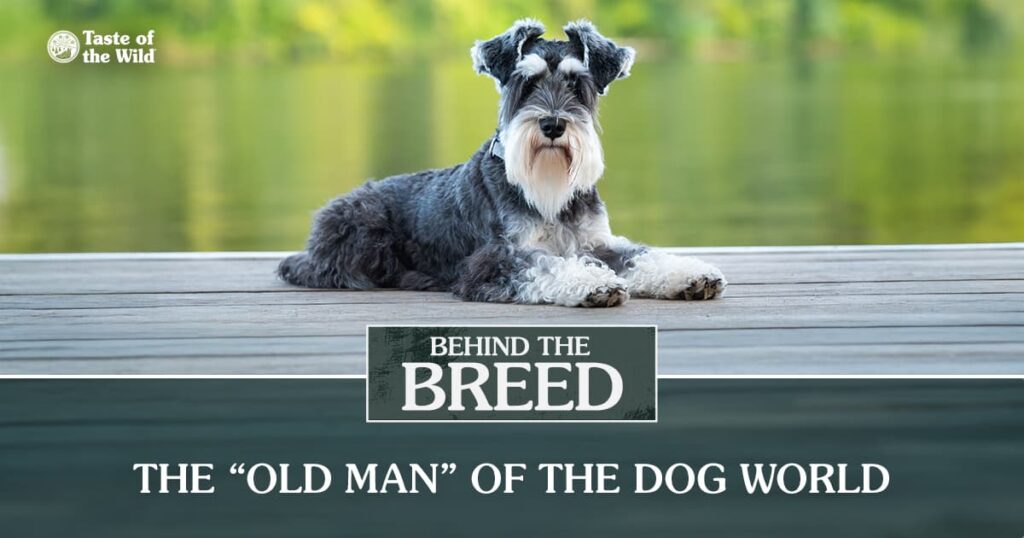
A close-up of a black, gray and white miniature schnauzer lying on a wooden dock near water.

With their vibrant personalities, eagerness to please and distinctive beards, miniature schnauzers are a popular breed. They’re adorable, sure, but they also possess an outgoing personality and unwavering loyalty, making them an excellent pet for families. Let’s take a closer look at miniature schnauzers.

Physical Characteristics of the Miniature Schnauzer Dog Breed

The miniature schnauzer is a small, muscular dog that is part of the terrier group. They have a wiry coat that comes in three color patterns: salt and pepper, black and silver, and solid black. Like the standard schnauzer, their distinctive eyebrows and long, bushy beards give them an “old man” look. 

Fun Fact: Schnauzer is derived from the German word “schnauze,” which means snout or muzzle. It can also mean “mustache” or “whiskered snout.”

How Big Do Miniature Schnauzers Get?

Miniature schnauzers grow up to 14 inches tall and weigh up to 20 pounds. These dogs are robust and agile, characterized by a well-developed muscular frame. 

Miniature Schnauzer Personality Traits: Smart, Spirited and Charming

Miniature schnauzers are playful little dogs with big personalities packed into their small frames. Known for their intelligence and eagerness to please, they are highly trainable and quick to pick up commands, making them a favorite among dog owners who enjoy teaching tricks or participating in obedience activities. These smart, friendly pups are not only obedient but also full of charm and energy, always ready to play or cuddle. 

They are very affectionate and good with young children, making them a great fit for family life. Just note that they can become snappy when nervous and can be aggressive toward other small animals. Their alert nature and lively disposition make them delightful companions who bring joy and loyalty into any home.

Training Miniature Schnauzer Puppies

Miniature schnauzer puppies are intelligent and energetic, making early training essential for both their behavior and well-being. Consistent training sessions not only teach basic commands but also provide crucial mental stimulation, which helps prevent boredom and destructive behavior. Owners need to introduce their puppies to walking on a leash early on, using positive reinforcement to encourage good habits. With patience and structure, mini schnauzer puppies can grow into well-mannered companions who respond well to their owners and enjoy the learning process.

Do Mini Schnauzers Shed?

The wiry coat of the miniature schnauzer sheds very little, making them a “hypoallergenic breed” (no breed is truly hypoallergenic) due to their low-shedding nature and double coat. However, excessive shedding can occur if there are underlying health issues. Frequent brushing can help remove loose hair from their coat. 

Their hair can grow long, reaching lengths of 4 to 5 inches. Like other dogs with long hair, it’s a good idea to visit a professional groomer to prevent fur tangling and matting. Regular grooming every six weeks will help keep a miniature schnauzer’s coat healthy and shiny. 

How Long Do Mini Schnauzers Live?

The life expectancy of a miniature schnauzer is normally 12 to 15 years. But just like other breeds, there are several factors that can affect their longevity, such as diet, exercise, genetics and regular veterinary care. Miniature schnauzers are generally healthy dogs, but they can be prone to certain health concerns, such as pancreatitis, urinary stones and cataracts. Make sure to consult your veterinarian if your mini schnauzer is experiencing any problems. 

Some dogs are prone to becoming overweight, so watch their calorie consumption. Excess weight can lead to health problems that may affect your mini schnauzer’s life expectancy. 

What Were Miniature Schnauzers Bred For?

Miniature schnauzers were originally bred in Germany in the late 19th century as all-round farm dogs, specifically for vermin control. They were developed by crossing the standard schnauzer with smaller breeds like the poodle to create a smaller, more agile dog that could effectively hunt and eliminate rats and other pests around farms and homes. Founded in 1933, the American Miniature Schnauzer Club serves as the official parent club for miniature schnauzers as recognized by the American Kennel Club. Other schnauzer breeds include the standard schnauzer and the giant schnauzer.

Today, the breed makes a wonderful family pet, and the same traits that once made them skilled at vermin control now make them excellent watchdogs. Their naturally alert and attentive nature helps them quickly detect anything unusual, often using their bark to alert owners to unfamiliar people or unusual sounds. This vigilance makes them reliable guardians of both the home and small children.

Adaptable and Loyal Miniature Schnauzers

Miniature schnauzers are small enough to accommodate city apartment life, but also have the stamina to run in large fenced areas. Similar to other similar small, gentle breeds, like the Yorkshire terrier and Cavalier King Charles spaniel, their size makes them easier to manage for families or individuals who prefer a smaller companion, making them an ideal choice for those seeking a loyal best friend.

Behind the Breed: Shih Tzu

A close-up of a tan and white shih tzu sitting on a bed.

Have you ever wondered about the origins of a dog breed? In our “Behind the Breed” series we’ll dive into the history, personality and physical appearance of a particular breed. We’ll also cover some of the FAQs about the breed and maybe some fun facts, too!

If there’s one thing this breed is known for, it’s the pronunciation of its name. But beyond that shih tzus (pronounced sheed-zoo) are also known for their friendly, happy personalities and their perfect fit for a lapdog lifestyle.

Originating in China, the name shih tzu means “lion dog” — you can probably see why. They are thought to be bred from Lhasa apso and Pekingese crosses, and are considered one of the oldest dog breeds. Kept hidden in China for centuries, shih tzus became an American Kennel Club recognized breed in 1969, and they remain a popular lapdog breed today.

Shih Tzu Temperament

What these tiny dogs lack in size, they make up for in personality. These cheerful dogs are affectionate extroverts who love spending time with their humans. Shih tzus are wonderful playmates for children (supervision of young children is still recommended) and are friendly towards other pets, including cats.

However, if you’re away from home a lot and don’t plan on taking your shih tzu with you, they may not be the best breed for you. Shih tzu dogs are prone to separation anxiety if their pet parents leave them alone for long periods. Early socialization and training of a shih tzu puppy can help reduce the development of separation anxiety and avoid excessive barking while you’re out of the house.

Shih Tzu Size

Just like Pomeranians and Yorkshire terriers, shih tzus are a toy breed. They typically grow to, at the most, 11 inches and 16 pounds. Their little legs don’t need much exercise — just a 30-minute walk or an energetic playtime at home is all they typically need to stay fit and healthy. This makes them great for apartment living or for families with small backyards. Shih tzu owners find that they’re about average in regards to training ease, requiring positive reinforcement for a successful training session. Shih tzus don’t have an excessive need for mental stimulation.

Do Shih Tzus Shed?

Shih tzus don’t shed much and are generally easy to take care of. However, their long smooth coat does require regular brushing as it easily mats. Regular shih tzu haircuts are needed, especially to keep the hair out of their eyes. If you’re looking for an easier grooming experience, you can ask your groomer for a puppy cut, which will make all of their hair the same length. A shih tzu’s coat can come in a variety of colors, including blue, liver, silver, red, gold, black, brindle and combinations of these colors with white.

Are Shih Tzus Hypoallergenic?

Shih tzus are a low-shed breed. However, there are no breeds that are 100% hypoallergenic (including hairless breeds). This is because the proteins that cause allergies in people are found in the urine and saliva of dogs as well as their dander (dead skin cells). Generally, low-shed breeds cause fewer reactions because allergens in the dander aren’t spread into the environment as much. But it is still possible for people to be allergic to shih tzus.

Shih Tzu Health Issues

Just like pugs and French bulldogs, shih tzus are a brachycephalic breed, which means their facial features can make it harder for them to breathe when they’re hot, after exercise, while swimming and if they’re stressed. They may not be allowed to fly, especially in the cargo hold. So check the airline’s requirements before planning a flight with your shih tzu.

Shih tzus are generally a healthy breed but can be more prone to kidney stone development than other breeds. Other common health issues include eye problems, hip dysplasia, ear infections, dental disease and obesity. The shih tzu life span varies, but they can live up to 18 years.

Are Shih Tzus the Dog Breed for You?

Potential pet parents seeking a cute companion breed with a sweet disposition, shouldn’t overlook the little lion dog. Shih tzus are friendly, intelligent dogs that make a loyal and playful lapdog.

Behind the Breed: Pomeranian

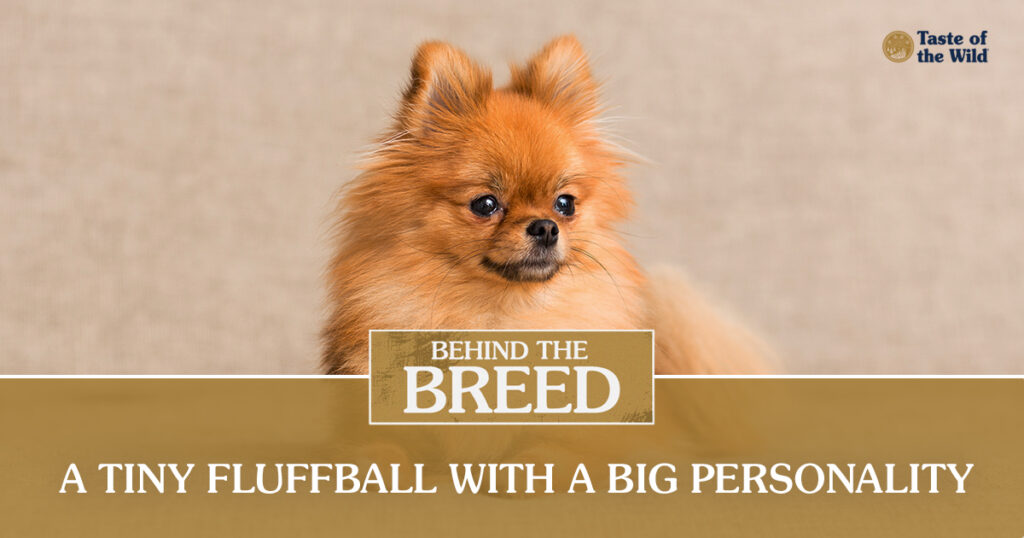
A close-up of a brown and tan pomeranian dog.

Have you ever wondered about the origins of a dog breed? In our “Behind the Breed” series we’ll dive into the history, personality and physical appearance of a particular breed. We’ll also cover some of the FAQs about the breed and maybe some fun facts, too!

Known for their super-fluffy double coats and their teeny, tiny bodies, Pomeranians are a popular dog breed with a history that traces back to arctic sled dogs. They also aren’t afraid to stand up to other dogs twice (or ten times) their size!

What Is the Pomeranian Personality Like?

Much like dachshunds, these highly intelligent little dogs often don’t see themselves as little. Despite their small size, they project a self-assured attitude that rivals any large dog. They love to snuggle and play with their families, excel as loyal companion dogs and, in most cases, don’t require much exercise beyond a good play session. Keep in mind that they like to tell the world their opinion, making regular barking a given with Pomeranians. Like any dog, socialization and training is important, ideally as a puppy, so they don’t develop bad behaviors like excessive barking or separation anxiety.

Pomeranians, like huskies, pugs and others, naturally carry their tails straight up or curled over their backs. A straight-up tail position or one that’s curved over the back can be a sign of aggression, dominance or defense in dogs, so to know how your Pom is feeling, make sure you take in other social clues like if they are stiff, tense or their lips are pulled back.

Where Do Pomeranians Come From?

Pomeranian ancestors can be traced back to a group of dogs called spitz sled dogs from northeast Europe — which helps explain their fluffy double coat. These Pom ancestors were much larger than the Pomeranians of today, weighing in at around 30 pounds. Queen Victoria is said to have been responsible for breeding them to their current smaller size. They were recognized as a breed by the American Kennel Club in 1888.

Pomeranian Dog Size

As one of the smallest dogs in the world, Pomeranians typically grow to just 7 inches tall. Smaller Pomeranians can weigh just 3 pounds and the breed usually maxes out at 7 pounds. That’s one tiny breed! Their toy dog size can make them vulnerable to being snatched up by a bird of prey or being hurt by a playful larger dog. So always watch a Pomeranian closely when they’re outdoors or playing with other pets. You should supervise young children around any dog, but, particularly with toy dogs like Pomeranians, it’s important to make sure children understand how to be gentle with them.

Do Pomeranians Shed?

Pomeranians shed their undercoats year round, but will have heavier sheds in the spring and fall as their summer/winter coats are transitioning. Brushing them regularly will help remove their fluffy undercoat and allow air to circulate near their skin, which is one of their natural cooling mechanisms. Helping your dog shed their undercoat can also help the skin stay drier, which in turn can help prevent skin complications from insect bites and hot spots.

Regular (perhaps daily) brushing of Pomeranians is needed to keep their fur fluffy and clean. Taking them to a professional groomer to have their coat cut shorter (but never shaved) can help with coat management. The Pomeranian coat comes in a variety of colors, including sable, brindle, merle, white, black, blue, chocolate, cream, orange, red and tri-colored, as well as many combinations and patterns of these colors.

Pomeranian Lifespan and Health Issues

Like other small-breed dogs, Pomeranians have a relatively long lifespan of around 12 to 16 years. While they are typically healthy little dogs, they are prone to some health conditions, including eye problems (e.g., dry eye, cataracts, corneal ulcers), collapsing trachea (which causes difficulty breathing), dental disease, seizures and kneecap issues (patellar luxation). Responsible breeders will screen for these health problems, though.

Are Small Breeds Right for You?

If you’re looking for an affectionate small dog with an active nature, Pomeranians may be a good option. With the personality of a much larger dog, these lively dogs are comfortable in most homes. However, if you’re looking for a toy dog to be your purse buddy like a Chihuahua or shih tzu, these energetic pups may not be the right fit for you.

Behind the Breed: Cavalier King Charles Spaniel

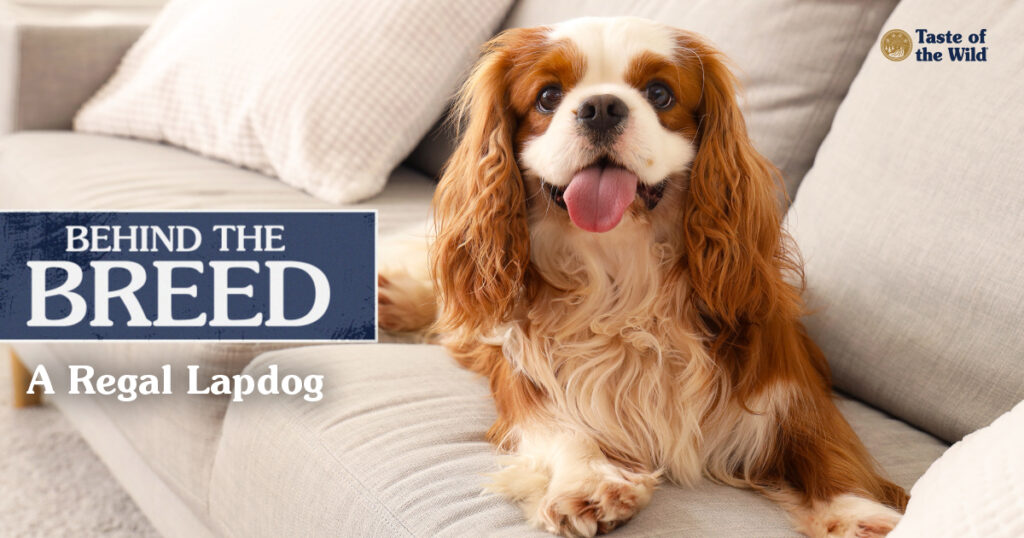
A close-up of a brown and white Cavalier King Charles Spaniel lying on a white couch.

Have you ever wondered about the origins of a dog breed? In our “Behind the Breed” series we’ll dive into the history, personality and physical appearance of a particular breed. We’ll also cover some of the FAQs about the breed and maybe some fun facts, too!

If you’re searching for a loving and affectionate canine companion, we may have just the pup for you! The Cavalier King Charles spaniel is a gentle and intelligent toy breed that can be a perfect match for first-time dog owners and families. Similar to other spaniel breeds like the cocker spaniel and the Boykin spaniel, these lovable little dogs are playful, active and great with kids and other animals.

Cavalier King Charles Spaniel History

Also referred to as Cavaliers, this friendly little breed can trace its roots back to British royalty in the 17th century. King Charles I and his son Charles II adored these little lap dogs and were rarely ever seen without them. The king and his son were often spotted taking them to Parliament, according to the Cavalier King Charles Spaniel Club. Supporters for King Charles I were known as “Cavaliers” — thus the Cavalier King Charles name was born.

King Charles Spaniel vs. Cavalier King Charles Spaniel

You may not be aware, but there are a few subtle differences between a King Charles spaniel and a Cavalier King Charles spaniel. For starters, the King Charles spaniel, also known as the English toy spaniel, is a smaller breed that’s often known for its shorter nose and overall smaller stature compared to the Cavalier. King Charles spaniels also tend to be more of a calm, indoor breed, while Cavaliers are more energetic and can be found engaging in outdoor activities and even sports.

Cavalier King Charles Temperament

The Cavalier breed is famous for its friendly and loyal temperament. They have a very gentle nature and are known for being tolerant and patient with other pets and young children — making them a perfect fit for families and first-time dog owners. While they were initially bred to be lapdogs, Cavaliers are descendants of sporting dogs and enjoy moderate exercise, outdoor activities and canine sports. They adore human interaction and can do just as well with active owners as with less active homebodies looking for a quiet companion.

Are Cavalier King Charles Spaniels Smart?

Yes! Nearly all Cavaliers are eager to please and relatively easy to train when compared to other breeds. They tend to excel at obedience training and their gentle temperament makes it easy for them to socialize with other dogs.

Cavalier King Charles Spaniel Size

Often considered a toy dog or toy breed, Cavalier King Charles spaniels have always been bred as a smaller breed. According to the American Kennel Club, Cavaliers typically grow to 12–13 inches in height and weigh 12–18 pounds as an adult. Their natural floppy ears, compact body and affinity for snuggles make them an ideal lap dog.

Cavalier King Charles Spaniel Health Issues

Given their smaller stature, Cavaliers can be prone to several different medical conditions that owners will want to keep an eye out for through routine physical exams. One of the most common issues Cavaliers face are various eye conditions such as dry eyes, retinal problems and cataracts. When left untreated, any of these conditions can lead to partial or total blindness. Other more serious health conditions that Cavaliers are prone to include:

  • Patellar luxation: Also known as sliding kneecaps, patellar luxation often occurs in the first 18 months of life and can be diagnosed before the dog even begins to show symptoms.
  • Hip dysplasia: A common health condition where the thigh bone does not fit properly into the hip bone.
  • Mitral valve heart disease: One of the leading causes of death in Cavalier King Charles spaniels, mitral valve disease is caused by the deterioration of the heart’s mitral valve, which can lead to congestive heart failure. 
  • Syringomyelia: Also known as “neck scratcher’s disease,” this progressive neurological disease causes fluid to build up around the spinal canal, leading to pain, weakness in the legs and seizures.

Cavalier King Charles Lifespan

The Cavalier King Charles spaniel can live a long and healthy life, with the average lifespan lasting anywhere from 12 to 15 years. Responsible breeders and dog owners can help alleviate many of the breed’s typical health problems with regular physical exams. Annual checkups can also prevent smaller health concerns like middle ear infections, skin and coat issues and more.

Do Cavalier King Charles Shed?

Yes. Cavaliers typically carry a long, silky coat that sheds year-round. Regular brushing can help reduce shedding and ensure that their skin and coat remains vibrant and healthy. Regular grooming of the Cavalier’s ears and nail trimming can also make it easier for them to enjoy outdoor activities and regular exercise.

Are Cavalier King Charles Spaniels Good Family Dogs?

Absolutely! As mentioned above, these toy spaniels could be excellent companion dogs for families with young children. Whether you live in a home with a fenced yard or in a smaller apartment in the city, Cavaliers can live comfortably in nearly any space and are better than most breeds at adapting to the needs of their owner. So if you’re looking for a loyal little companion, a Cavalier King Charles spaniel may be the perfect fit for your home!

Behind the Breed: Chihuahua

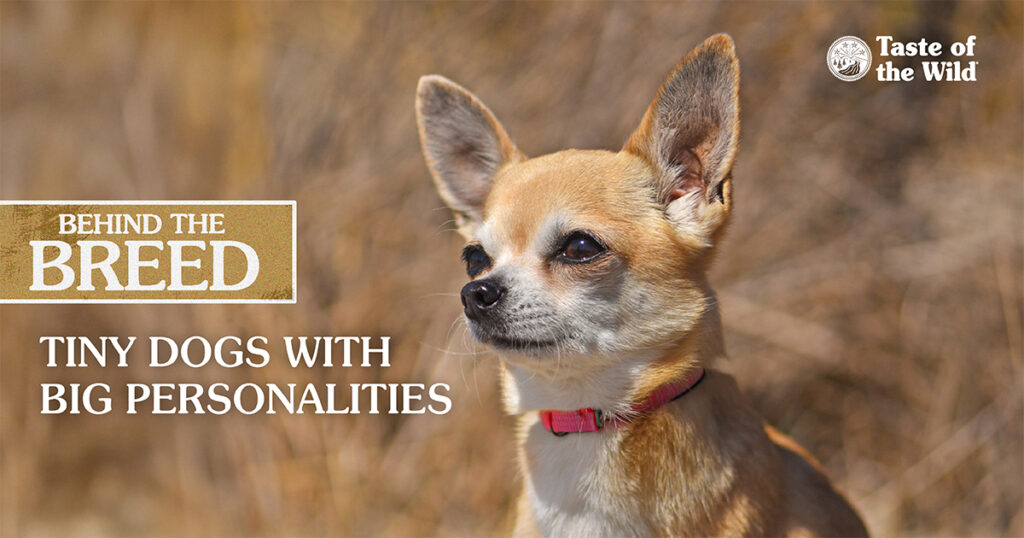
A close-up of a white and tan chihuahua wearing a red collar standing outside in the sun.

Have you ever wondered about the origins of a dog breed? In our “Behind the Breed” series we’ll dive into the history, personality and physical appearance of a particular breed. We’ll also cover some of the FAQs about the breed and maybe some fun facts, too!

They may be one of the world’s smallest dog breeds, but their larger-than-life personality means you can’t easily overlook a Chihuahua. Chihuahuas are intelligent, lively little dogs that are loyal to their family and love to go everywhere with their favorite person.

Characteristics of the Chihuahua Breed

Similar to other breeds like the Pomeranian, Chihuahuas belong to the toy breed group. Even though they’re small, their high energy levels mean they still need lots of playtime and exercise that’s appropriate for their size — in other words, they’re probably not going on a 5-mile hike with you. However, carrying them in a doggy backpack is certainly an option.

Chihuahuas are very intelligent and are generally easy to train. They love to please their owners and will respond well to praise and rewards. Many Chihuahuas excel at dog sports like agility or obedience trials.

Not surprisingly, modern Chihuahuas are named after the state in Mexico that they were found in. However, their origin is thought to go all the way back to Toltec and Aztec times. They were recognized as an official American Kennel Club breed in 1904.

Chihuahua Size

Most Chihuahuas weigh less than 6 pounds and usually max out at 8 inches tall. Due to their tiny size, rough play with Chihuahuas should be avoided, and they should be supervised around larger dogs and very young children to prevent injury. Leaving a Chihuahua outdoors unsupervised is generally not recommended as they can easily be injured by wildlife (e.g., birds of prey) or other dogs.

Chihuahua Temperament

If you’re looking for a lap dog or a “purse dog” that you can take with you everywhere you go, Chihuahuas fit the bill. Keep in mind that if you do take your Chi with you everywhere, it can lead to separation anxiety when they’re away from their favorite person.

A Chihuahua’s personality tends to be loyal and protective, and they will often bark at strangers. These feisty dogs typically have no problem confronting dogs who may be 10 times their size. This means that, just like any puppy, early socialization is important for a Chihuahua puppy. Make sure puppies spend time with a variety of people and animals, including children, adults, dogs of all sizes and other animals.

Types of Chihuahua

Chihuahuas can have either short or long hair that comes in a variety of coat colors and patterns. Smooth-coated Chihuahuas have an easy coat to maintain with just occasional brushing. Long-haired Chihuahuas require more frequent grooming, about two to three times a week. Their coat comes in a variety of colors, including white, black, tan, brown, red, fawn and combinations of these colors.

As well as differences in their coat, Chihuahuas can have different skull shapes: apple-shaped or deer-shaped. Apple-head Chihuahuas have larger, prominent eyes, a shorter snout that joins their head at right angles and a smaller body. Deer-head Chihuahuas have a more angular head with a longer snout, longer legs and longer ears. Both types of Chihuahuas tend to have erect ears, but floppy ears are possible, too.

Teacup Chihuahuas are the same breed but have been bred to be a smaller size — around three pounds and up to six inches tall. These extra tiny and fragile dogs can have increased health problems and usually require extra care.

Common Chihuahua Health Issues

If you’re wondering, “How long do Chihuahuas live?,” they’re actually one of the longest-living dog breeds with a life span of around 15 years. The Chihuahua breed is generally a healthy one, but they do have some health concerns. Chihuahuas are prone to periodontal disease due to tooth overcrowding, so brushing their teeth regularly (ideally daily) will help prevent dental disease. They can also be susceptible to heart disease, eye issues, kneecap issues (patellar luxation) and hypoglycemia (low blood sugar). You may have heard that Chihuahuas shake. It’s not clear why they do this. Possible reasons are that they’re cold, excited or stressed or that they have low blood sugar.

It’s important to watch how much you feed a Chihuahua, as what seems like just a small treat or food scrap here and there can quickly add up. You can help prevent obesity in Chihuahuas (or any dog) by limiting treats and feeding them a complete and balanced diet according to the food label or your veterinarian’s directions. Regular exercise and playtime will also help reduce their obesity risk.

Chihuahuas make great companions for pet parents and families looking for a bundle of love and energy in a tiny, tiny package. Just make sure you focus on training and socialization to keep that big personality in check!

Behind the Breed: German Shorthaired Pointer

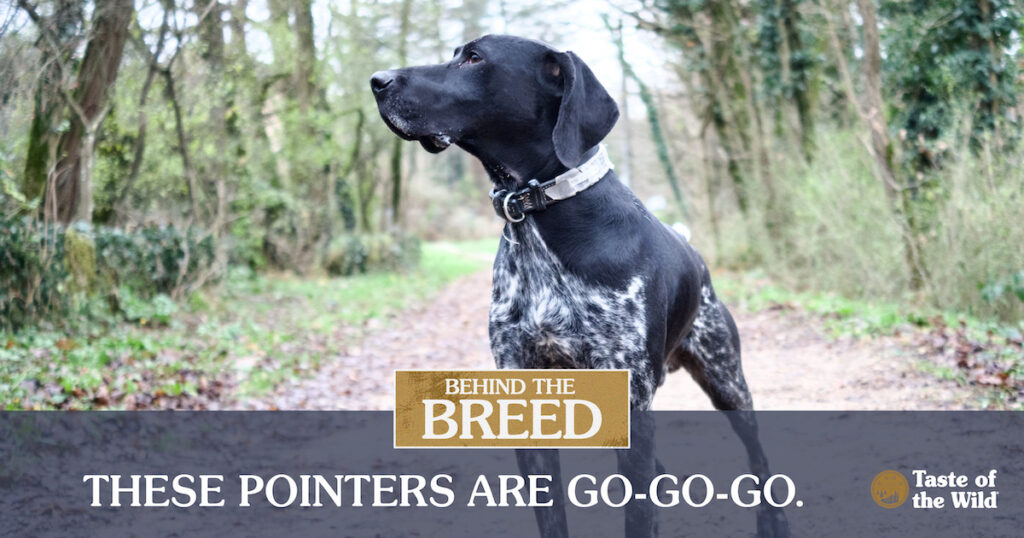
A black German shorthaired pointer with white spots standing in the middle of a trail in the woods.

Have you ever wondered where a dog breed originated from? In our “Behind the Breed” series we’ll dive into the history, personality and physical appearance of a particular breed. We’ll also cover some of the FAQs about the breed and maybe some fun facts, too!

German shorthaired pointers (GSP) are affectionate, high-energy dogs that love spending time with their humans. A German shorthaired pointer makes a great companion for active pet parents who have the time to spend with these excitable and energetic dogs. They also excel as all-purpose gundogs for avid hunters. 

German Shorthaired Pointer Temperament

German shorthaired pointers are playful dogs that have an extended puppy phase — they act like they’re puppies until around 2 years of age. They are very active and make a great family dog as long as you provide ample physical activity and mental stimulation, like long walks, agility training, dock diving or field trials. A fenced yard to play with their family is also recommended. The youthful exuberance of a German shorthaired pointer remains even into their senior years. 

Hunters with a GSP can use these versatile gundogs year-round for both pointing and retrieving. They will retrieve pheasants, chase rabbits and even track down deer. According to the German Shorthaired Pointer Club of America:

“This is one of the few hunting breeds that can perform virtually all gundog roles. The German Shorthaired pointer (GSP for short) can be a pointer and a retriever. He can hunt upland birds and waterfowl, as well as rabbits, raccoons, and deer. Whatever you ask of your GSP, he will gladly comply with unshakable reliability.”

German Shorthaired Pointer Puppies

Like all puppies, early socialization with other dogs, other pets and different types of people is essential for German shorthaired pointers. They’re extremely intelligent dogs, and as a hunting dog have an innate ability to know how to point and retrieve at a very young age. They’re eager to learn and please their owner, which is a good trait to have given that they need to be trained and mentally exercised regularly. A bored GSP dog is a naughty GSP dog that can display destructive behaviors, especially while they’re in their extended puppy phase. 

German Shorthaired Pointer Colors

German shorthaired pointers can be solid liver or solid black, liver roan, black roan, black and white or liver and white. Their hair is short like a vizsla, which allows them to travel through tall grass without picking up burs in their hair. Their short coat requires minimal grooming — it typically only needs brushing every few days, although brushing is needed more often during heavy shedding periods. 

As well as a shorthaired pointer, there is another breed called the wirehaired German pointer. As you’d expect, wirehaired German pointers have a wiry coat, but they also have a distinguished-looking beard! 

German Shorthaired Pointer Lifespan

The life expectancy of a German shorthaired pointer is usually between 10–12 years. German shorthaired pointers typically grow to around two feet tall and weigh up to 70 pounds. They have long legs with big webbed feet that allow them to swim well. 

As with other deep-chested breeds like Weimaraners, GSP are prone to bloat or gastric dilatation-volvulus, a life-threatening condition. So it’s best to hold off on feeding them any dog food for at least an hour after vigorous exercise. Their long floppy ears need regular inspection, and they can also be susceptible to elbow and hip dysplasia. 

GSP Dog History

Not surprisingly, the origin of German shorthaired pointers is Germany. German hunters crossed Spanish pointer breeds with German bird dog breeds until they achieved their ideal bird dog. German shorthaired pointers were recognized as a breed by the American Kennel Club in 1930. 

With intuitive hunting instincts, endless energy and a willingness to learn, German shorthaired pointers are great pets for families as well as versatile hunting partners.

Behind the Breed: Cane Corso

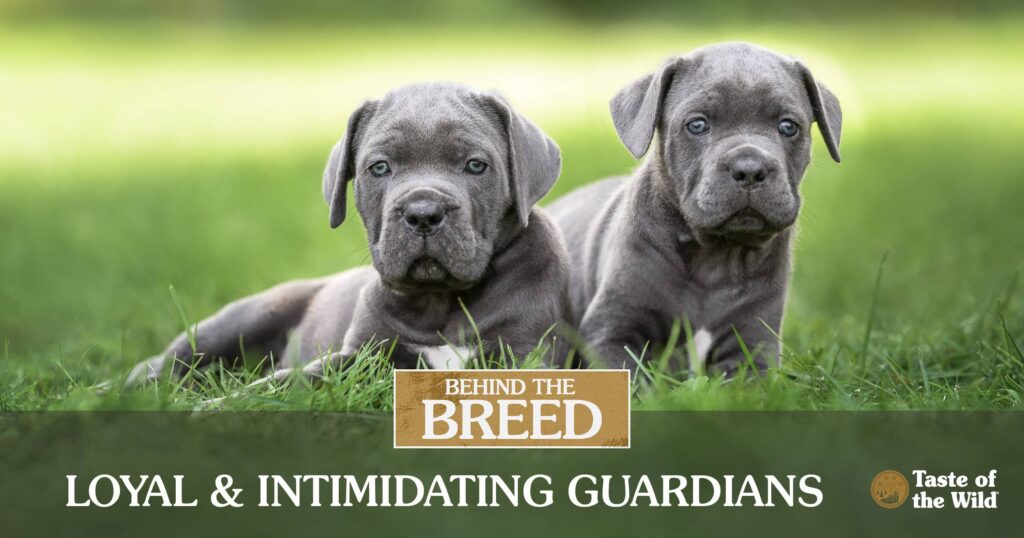
Two cane corso puppies sitting together in green grass.

Have you ever wondered where a dog breed originated from? In our “Behind the Breed” series we’ll dive into the history, personality and physical appearance of a particular breed. We’ll also cover some of the FAQs about the breed and maybe some fun facts, too!

Intimidating is an understatement when you first look at a cane corso (pronounced KAH-neh KOR-soh). These giant dogs are muscular, serious looking and extremely protective of their humans and their home. Cane corsos are intelligent, confident and loyal dogs that can be a high-maintenance breed in terms of their training, socialization and exercise requirements. So if you’re looking for a purebred dog that doesn’t require much attention, the cane corso is probably not the breed for you.

Cane Corso Puppies Need to Be Socialized

While cane corso puppies start off as adorable bundles of fur, it’s important to realize that these cute pups grow up into big dogs. It’s essential that cane corso puppies begin socialization and obedience training as soon as they are brought home. This breed is naturally assertive, which, combined with their strength and large size, means you can’t be a pushover with a cane corso — they can literally push you over!

Cane Corso Size and Lifespan

Similar to bullmastiffs, cane corsos are large dogs that grow to around 27 inches tall and can weigh over 100 pounds. They are generally healthy dogs, but they can have health issues like hip dysplasia, epilepsy and eye problems — all of which reputable breeders should screen for. Cane corso dogs, like other large, deep-chested dogs, can be susceptible to bloat or gastric dilatation-volvulus where the stomach becomes gas-filled, distended and twisted on itself, resulting in an obstruction. Limiting food gobbling behaviors can help prevent these conditions. The average cane corso life span is between 9 and 12 years.

Cane Corso Temperament and Training

According to the Cane Corso Association of America, cane corsos need lots of socialization and training by an experienced pet parent — they aren’t typically recommended for first-time pet owners. They are very loyal and protective of their family and home, but wary of strangers and other animals. This means that cane corso dogs need to be trained that your visiting friends and family are welcome and not something to be protected from.

Regular training and socialization is essential throughout the life of a cane corso. Training is usually easy as they’re eager to please their owners and respond well to treats, praise and other positive reinforcement. It’s essential that cane corso dogs learn to respond reliably to commands, otherwise they can become difficult to handle as adults.

Cane corso dogs need a lot of exercise — you should be prepared for long daily walks or runs. They love having a job to do, so to help with mental and physical stimulation, competing in dog sports like agility, tracking or dock diving are good options. Without a job to do, cane corso dogs may create their own work like digging holes in the backyard.

Cane Corso Colors and Grooming

While many images of cane corso dogs show them with black coats, the breed standard actually includes a variety of colors including black, fawn, gray, brindle and red. They can also have a black or gray mask.

Cane corso dogs have a short, double-layered coat. They typically require weekly brushing, but during shedding season when the underlayer sheds, daily brushing will help control their shedding hair. As with all dogs, a cane corso’s nails will need trimming regularly.

Are Cane Corso Dogs Good With Kids?

Due to their large size, cane corso dogs may not be a good fit for families with small children that can be accidentally knocked over. They’re generally not a playful breed, so you probably won’t find them playing with kids or other dogs; however, they do love to be with their family. It’s best if cane corso dogs are raised with kids and small pets from puppyhood.

Cane Corso Breed History

Like Rottweilers, cane corsos can be traced back to Roman times — “cane corso” in Latin means “bodyguard dog.” They were bred for Roman conquests and then in later times used for hunting, to herd livestock and in more modern times, as guard dogs. They almost became extinct until a group of Italian breeders recovered the breed in the 1970s. The cane corso was recognized as a breed by the American Kennel Club in 2010.

Cane corso dogs can be wonderful pets as long as you’re an experienced dog owner who has the time to exercise, socialize and train their dog throughout their whole life. You should also be prepared for the giant appetite of this giant breed dog!

Behind the Breed: Rottweiler

A Rottweiler wearing a collar sits alert in a green field under a blue sky with scattered clouds.

Have you ever wondered where a dog breed originated from? In our “Behind the Breed” series we’ll dive into the history, personality and physical appearance of a particular breed. We’ll also cover some of the FAQs about the breed and maybe some fun facts, too!

The Rottweiler is considered one of the most ancient breeds; their background can be traced to the Romans who brought their ancestors, believed to be mastiffs, to Germany. They were used as herding dogs by the Roman army to help move their livestock. These dogs mated with native dogs and became the cornerstone for what we now know as Rottweilers. The breed continued to be used in Germany to drive cattle and pull carts for farmers and butchers, making them muscular dogs. The dogs were known in southern Germany as “Rottweiler Metzgerhund,” meaning butcher’s dogs (boxers were also known as butcher’s dogs in Germany). Rottweilers, also known as Rotties, are now a popular breed in the U.S. and are known for their loyal and protective nature.

Be Warned a Rottweiler Puppy Will Grow…and Grow

A Rottweiler puppy or even an adult dog won’t eat you out of house and home, but Rottweiler puppies do have huge appetites and will grow rapidly in their first year. No matter the breed, it is always recommended to consult with a veterinarian about your dog’s diet so you can help them maintain a healthy weight. Your vet can also tell you the amount of dog food your dog should be eating depending on their age, size, weight and level of activity.

Rottweiler Size

Rottweilers are known for their impressive strength and sturdy build, which come from their history as working dogs, particularly in herding, drafting and guarding roles. Rottweilers are a large breed with a strong, muscular build.

Rottweiler Weight

Rottweiler size is impressive and can vary. Similar to the bullmastiff and cane corso breeds, males typically stand about 24 to 27 inches tall at the shoulder and weigh between 95 to 125 pounds. Female rottweilers are a bit smaller, standing around 22 to 25 inches and weighing 80 to 100 pounds.

What Is the Life Expectancy of a Rottweiler?

Rottweilers typically live around 8 to 10 years. Factors such as genetics, diet, exercise and regular veterinary care can influence the Rottweiler life span. Some Rottweilers may live longer with proper care, while others may have health problems that can shorten their lives.

Health Issues to Be Aware of in the Rottweiler Breed

Like some large breeds, Rottweilers are prone to health issues such as hip dysplasia, elbow dysplasia and heart conditions. Regular checkups help identify health issues early, which can lead to more effective treatment. Understanding the Rottweiler life span and health can help owners provide the best care and ensure a healthy, happy life for their dog.

Like many other large dogs, Rottweilers can experience health problems related to their joints, such as the rupture of their cranial cruciate ligament, similar to how a human athlete can tear their ACL. If the cranial cruciate ligament in the dog’s knee is torn, it will cause pain and lameness. There are ways you can help avoid this by reducing excess weight, encouraging low-impact exercises and preventing high-impact activities.

Another health condition is subvalvular aortic stenosis (SAS), a common, inherited heart disease in Rottweilers and other large-breed dogs. According to the Merck Veterinary Manual, subaortic stenosis most commonly occurs in large breed dogs such as boxers, German shepherds, golden retrievers, Newfoundlands and Rottweilers. If your dog has been diagnosed with SAS or any other heart condition, it is recommended that you consult with a veterinary cardiologist to discuss treatment options.

What to Know About the Rottweiler Temperament

Much like German shepherds, rottweilers are often perceived as tough dogs, but with proper training and socialization, they can exhibit a calm, affectionate and loyal nature. While they may be reserved around strangers, they form strong bonds with their owners and families, displaying affection and loyalty. Their innate guarding instincts make them exceptional protectors and devoted companions.

Due to their natural protective instincts, strength and intelligence, Rottweilers excel as guard dogs. Their intimidating size and confident demeanor act as deterrents to potential intruders. These dogs form deep bonds with their families, motivating them to defend their home and loved ones. Their alertness and acute senses enable them to quickly detect unusual activity, and their wariness of strangers makes them keen protectors.

According to the American Rottweiler Club (ARC), Rottweilers are intelligent dogs and have a desire to please, making them wonderful family pets — provided they undergo consistent training and positive reinforcement at an early age.

Are Rottweilers Good With Kids?

Rottweilers can be very good with kids, especially when they are properly trained and have early socialization. They are known for their loyalty and protective instincts, which often extend to their family members, including children. A Rottweiler personality is generally affectionate and can be playful, making them great companions for kids. However, due to their size and strength, it’s important to supervise interactions and teach children how to interact respectfully with the dog.

Do Rottweilers Shed a Lot?

Grooming a Rottweiler is essential for maintaining their distinctive appearance and coat health. A Rottweiler’s coat is short and dense, and requires regular brushing because they do shed a lot. Ideally, brush once a week or even daily to remove loose hair and minimize heavy shedding. While they don’t need frequent baths, occasional washing with a dog-specific shampoo helps keep their skin healthy and free of dirt. Routine nail trimming, usually every 3–4 weeks, is important to prevent discomfort and walking issues. Additionally, regular ear cleaning and dental care contribute to their well-being. To maintain your Rottweiler’s oral hygiene, it’s beneficial to brush their teeth at least three times a week. This helps to prevent tartar buildup and eliminates harmful bacteria. Overall, a consistent grooming routine not only enhances a Rottweiler’s striking appearance but also promotes their health and happiness.

The American Kennel Club (AKC) breed standard describes Rottweilers as black with rich, rust- to mahogany-colored markings on their cheeks, muzzle, chest and legs. Quantity and location of rust markings are important. Although other color variations exist, the iconic black and tan markings are a clear indicator that you are looking at a Rottweiler.

Tips on How to Socialize Rottweiler Puppies

Socializing puppies is crucial for their development into well-rounded adult dogs. It’s best to start early, ideally between 3 to 14 weeks of age, by exposing them to different environments, sounds and adventures. It’s important to introduce them to various people, including children and other dogs of different sizes and temperaments.

Making Rottweiler training a fun and positive experience is a must. Use treats and praise to reinforce good behavior during these interactions. Take them on walks in busy areas, visit dog parks and consider enrolling them in puppy classes, to encourage play and social interaction or obedience training. Always monitor their reactions and ensure that each experience is positive to build their confidence and help them develop strong social skills. It’s also good to provide adequate mental stimulation so that they don’t become bored. Overall, with the right training and socialization, Rottweilers can be loyal and loving companions.

A Few Interesting Facts About the Rottweiler Dog Breed

  • It is believed that the first Rottweiler came to the U.S. in the late 1920s with German emigrants.
  • The American Rottweiler Club was established in 1973 and is the only Rottweiler club recognized by the AKC.
  • Rottweilers have been featured in movies. One of the more memorable roles for a Rottweiler was in the 1989 comedy National Lampoon’s Christmas Vacation by a dog named Snot.
  • Children’s book author and illustrator Alexandra Day used a Rottweiler as the main character in the Good Dog, Carl series.

Behind the Breed: French Bulldog

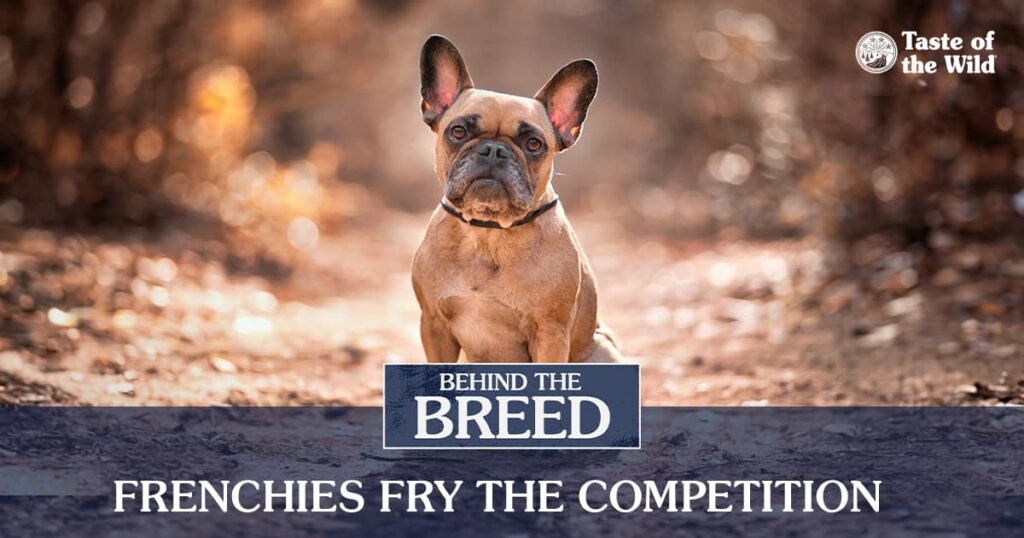
A French bulldog sitting in the sun in the woods.

Have you ever wondered where a dog breed originated from? In our “Behind the Breed” series we’ll dive into the history, personality and physical appearance of a particular breed. We’ll also cover some of the FAQs about the breed and maybe some fun facts, too!

From rare breed status in 1940 to the most popular dog breed registered with the American Kennel Club in 2022 and 2023 (ending the Labrador retriever’s 31-year reign), the French bulldog has a remarkable comeback story. They also have an interesting origin story that began with lacemakers in England. Let’s dive “Behind the Breed” and learn how the French bulldog breed began and the characteristics that make them such a popular breed today.

What Does a French Bulldog Look Like?

Frenchies have a heavy bone structure covered by a muscular physique and a smooth coat. The French bulldog’s coat comes in a range of colors including brindle, fawn and white. One of the features that distinguish French bulldogs from their English bulldog ancestors is their upright “bat” ears.

Just like pugs, Frenchies are brachycephalic dogs (smushed-faced dogs) which can contribute to some health problems. Brachycephalic syndrome can affect French bulldogs by making it harder for them to breathe when they’re hot, after exercise and if they’re stressed. So if you’re looking for a canine running partner for a 5K, rule out a Frenchie.

Their brachycephalic breed status also means that they may not be able to fly, especially in the cargo hold. So if you have plans to take your Frenchie on a vacation that includes flying, make sure you check the airline’s requirements for brachycephalic breeds before booking your ticket. Keeping your French bulldog healthy may mean a road trip instead.

French Bulldog Personality Traits

The French bulldog temperament, small size (less than 30 pounds) and low exercise requirement makes them great for people living in apartments or other small spaces. They’re smart and alert and love to please their humans, especially if you’re using food as a training reward. Many French bulldogs love participating in dog sports like agility, too!

Toys Are No Match for a French Bulldog Puppy

Due to their powerful jaws, French bulldog puppies can be destructive with their toys. So make sure you supervise their playtime and don’t give them anything that can be chewed up and accidentally swallowed.

The French Bull Dog Club of America (FBDCA)

The FBDCA is the oldest breed club in the world dedicated to French bulldogs. It was founded in 1897 and continues to promote quality in the breeding and proper care of purebred French bulldogs. They help people who are interested in the breed, whether that’s competing in events, breeding dogs or just loving their Frenchie.

The History of French Bulldogs

According to the FBDCA, it was lacemakers in Nottingham, England, who started the breed by selectively breeding small, toy English bulldogs as lap pets that had upright or rose ears. When the Industrial Revolution threatened the lacemakers’ job security, they moved to France with their toy bulldogs. The “Boule-Dog Francais” became the pet to have in Paris, and eventually Americans visiting Paris started taking these French bulldogs back home, especially the Frenchies with upright ears.

However, their popularity began to decline in the 1920s, and by 1940 only 100 were registered with the AKC. It wasn’t until the 1980s that the breed saw a rise in registrations, a rise that has continued exponentially with 5,500 registered Frenchies in 2006, and around 98,500 French bulldogs registered with the AKC in 2023!

French Bulldog FAQs

Here are some common questions that pet parents and potential pet parents may have about French bulldogs.

What is the life expectancy of French bulldogs?

The French bulldog lifespan is around 10 to 12 years.

How big do French bulldogs get?

Most French bulldogs are around 12 inches in height and weigh no more than 30 pounds.

Do Frenchies shed?

A French bulldog’s hair is short and considered low-shedding. You’ll notice a little shedding all year round.

Are French bulldogs aggressive?

Frenchie’s are usually friendly dogs; however, like any dog, they can become defensive or aggressive if placed in a stressful or violent situation. Socialization is recommended for any dog, but socializing puppies is especially important so that they can become confident and well-mannered adult dogs.

Are Frenchies good with other dogs?

Yes, French bulldogs generally get along with other dogs, as long as they have been socialized well as we mentioned above.

Are French bulldogs hypoallergenic?

No, Frenchies are not hypoallergenic. There actually aren’t any breeds that are 100% hypoallergenic (including hairless breeds). Allergens are found in dog urine, saliva and dander — not the hair. So, while low-shed breeds spread less dander, it’s still possible to be allergic to a low-shed or “hypoallergenic” dog.

Are French bulldogs good with kids?

Yes, a French bulldog is generally a good breed for families. Their personality and small size make them a good choice for kids; however, all breeds of dogs should be supervised around children.

Can French bulldogs swim?

Frenchies are poor swimmers due to their body shape, so French bulldog owners should never leave their dog unsupervised around water.

From a popular Parisian dog to a rare U.S. breed to the most popular registered breed in America, the French bulldog breed has certainly had some ups and downs!